
How to Choose a Leather Goods Supplier for Retail Programs
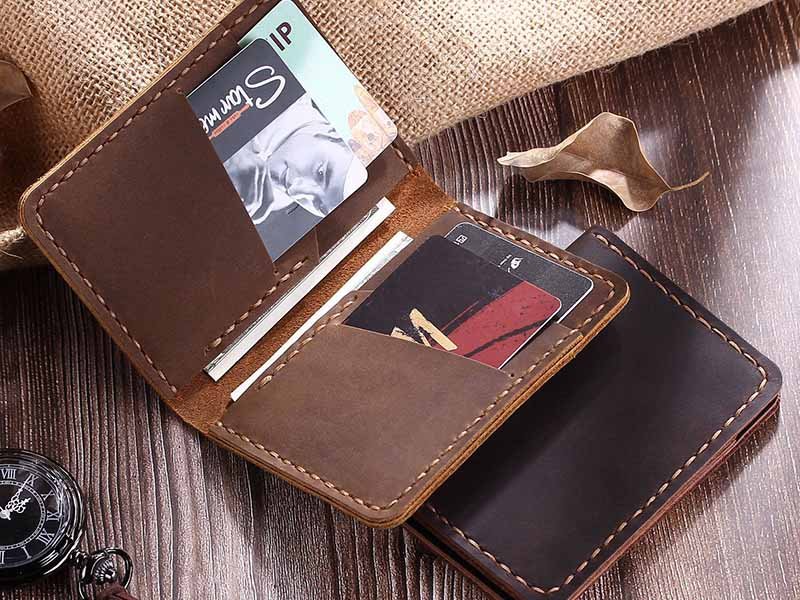
A leather goods supplier can produce an attractive sample and still be the wrong partner for a retail program. The real test begins when one approved design becomes twelve SKUs, three delivery dates, several barcode versions, hundreds of cartons, and a launch schedule that cannot move. At that point, quality is no longer defined only by smooth leather, straight stitching, or polished hardware. It also depends on version control, material consistency, production planning, inspection records, packaging accuracy, and the supplier’s ability to reproduce the same result months later.
How to Choose a Leather Goods Factory for Corporate Gifts
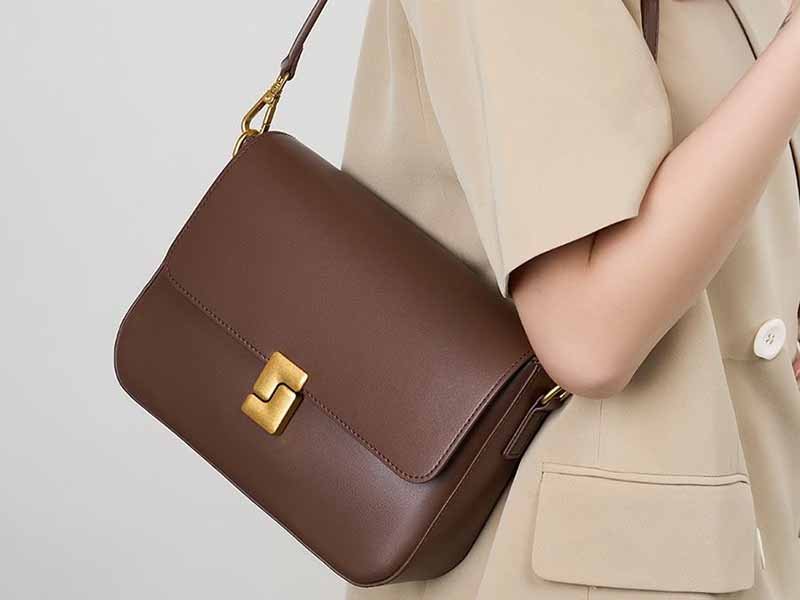
A leather corporate gift may appear simple when it is placed on an executive’s desk, handed to a long-term client, or included in an employee welcome package. Behind that finished wallet, passport holder, notebook cover, luggage tag, card case, pouch, or business gift set, however, sits a complicated production chain involving leather selection, pattern development, logo application, edge finishing, packaging, inspection, and international delivery. A weak decision at any stage can turn a well-funded gift program into a highly visible brand problem.
How Do You Choose a Leather Goods Manufacturer for Multi-SKU Projects
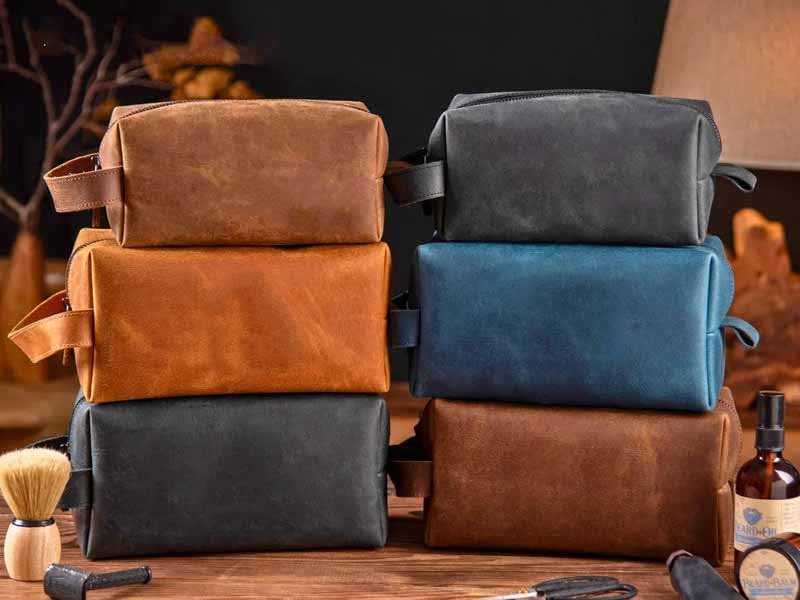
Choosing a factory for one leather wallet is relatively straightforward. Choosing a factory for twelve wallets, four bags, three belts, two card holders, several colors, multiple packaging versions, and different delivery destinations is a different kind of decision. The challenge is no longer limited to whether the factory can stitch leather neatly. You are evaluating whether its people, documents, materials, equipment, suppliers, quality procedures, and communication systems can keep an entire product collection under control.
How to Choose a Leather Goods Manufacturer for Shopify Brands
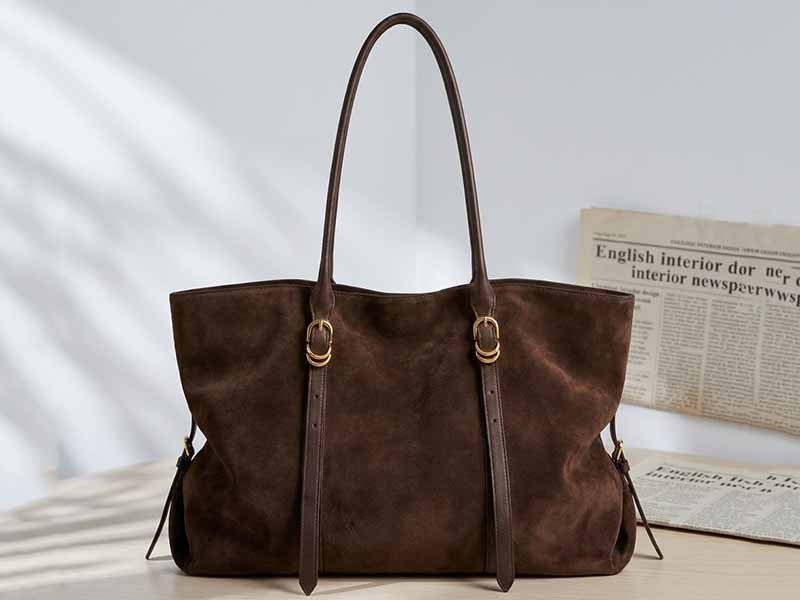
A leather product can look excellent in a sample photograph and still become a serious commercial problem after launch. The leather may arrive in a different shade, the edge paint may begin to crack, the metal finish may vary between batches, or the packaging may fail to protect the product during delivery. For a Shopify brand, these are not isolated factory issues. They directly affect product reviews, return rates, advertising performance, inventory turnover, and customer trust.
How to Choose a Leather Goods Manufacturer for Amazon Products
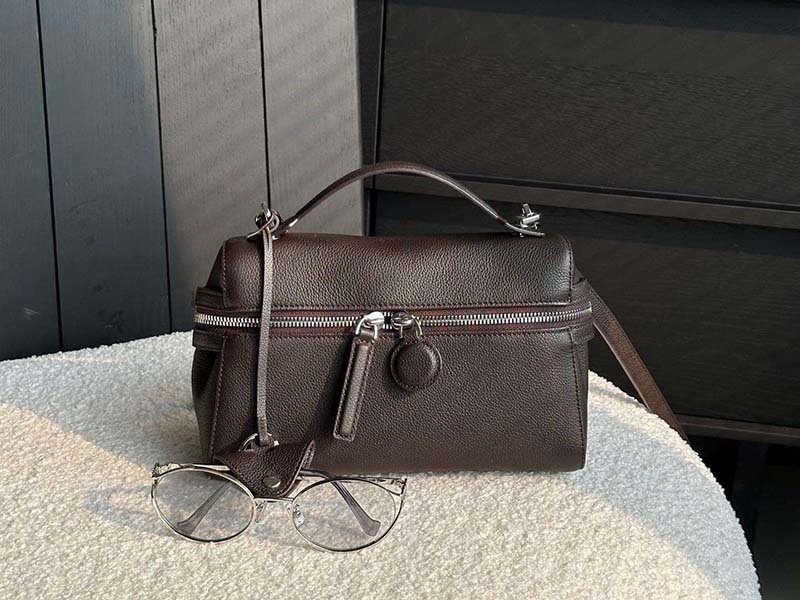
A leather product can appear profitable on a spreadsheet and still become an expensive problem after it reaches Amazon. A slightly weak snap, inconsistent edge paint, unreadable barcode, poorly reinforced handle, or carton containing mixed SKUs may seem like a small factory issue. Once hundreds of units enter fulfillment, however, those details can cause returns, negative reviews, receiving delays, relabeling costs, stranded inventory, and a launch that loses momentum before advertising has a fair chance to work.
How Do You Choose the Right ODM Leather Goods Partner
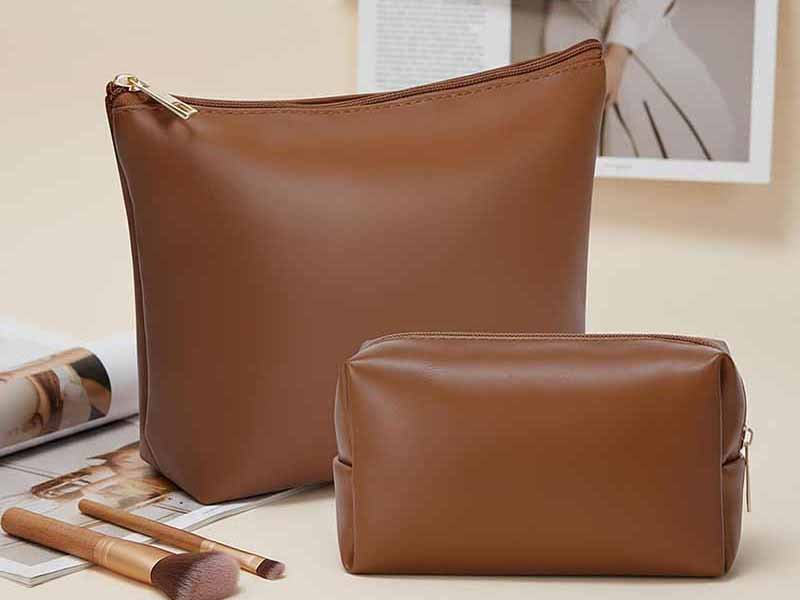
Choosing an ODM leather goods partner is not simply a matter of comparing unit prices, factory photographs, or the number of products displayed in a showroom. The company you select will influence how your original concept is interpreted, which leather and hardware are used, how quickly prototypes are revised, how closely bulk production follows the approved sample, and whether repeat orders remain consistent. A low quotation may look attractive during the first comparison, but the real cost becomes visible when leather shades change, edge paint cracks, hardware is substituted, or the final product no longer feels like the sample you approved.
How to Choose an OEM Leather Goods Factory
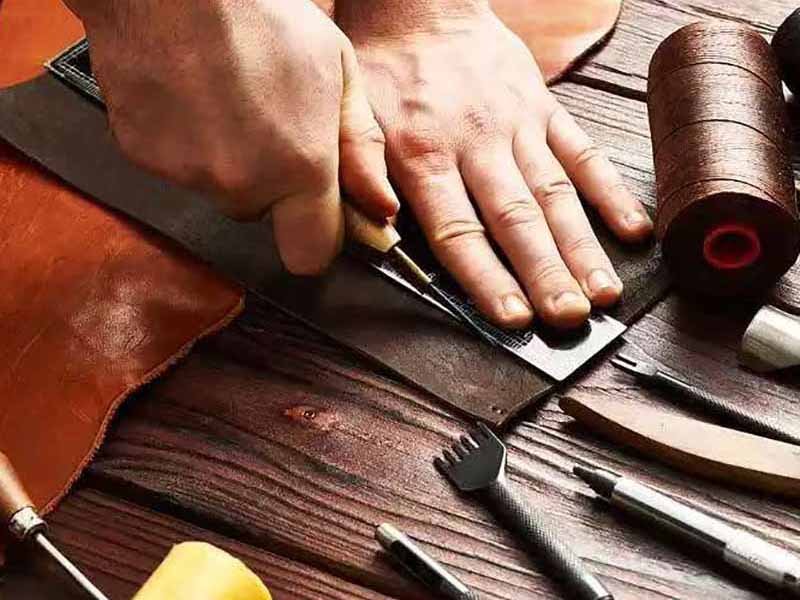
A polished leather sample can be dangerously convincing. The stitching looks clean, the edge paint feels smooth, the hardware has a satisfying weight, and the leather appears suitable for the retail price you have in mind. However, none of these details proves that the factory can repeat the same result across 500, 2,000, or 10,000 units while controlling color variation, dimensions, structure, workmanship, packaging, and shipment timing. Selecting a manufacturer is therefore not a beauty contest between samples. It is a commercial risk decision that can influence product reviews, retail acceptance, cash flow, inventory planning, and the long-term reputation of your brand.
How to Choose a Custom Leather Goods Manufacturer
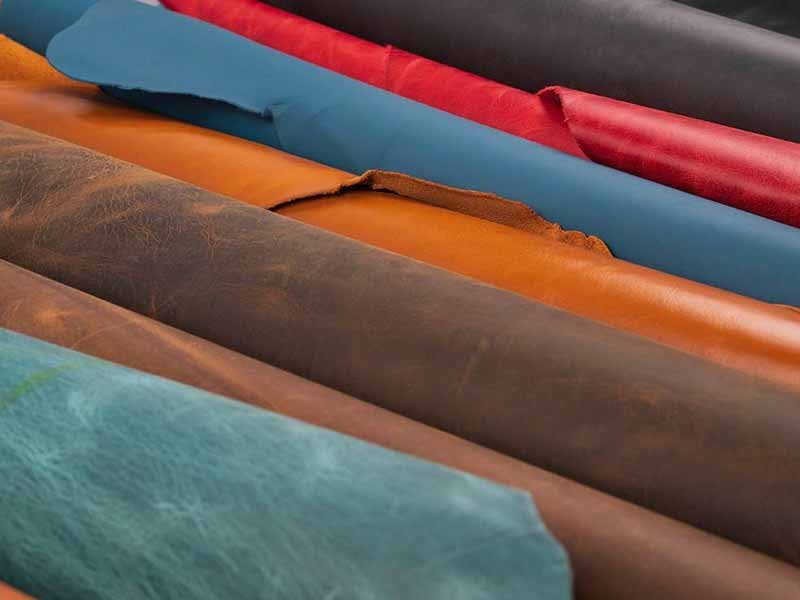
A polished leather sample can make almost any supplier look capable. It may have been produced by the factory’s best sample maker, cut from a carefully selected part of the hide, and finished without the time pressure of bulk production. The real test starts when hundreds or thousands of units must match that sample in leather shade, dimensions, stitching, edge finish, structure, hardware function, packaging, and delivery timing.
How to Choose a Private Label Leather Goods Manufacturer
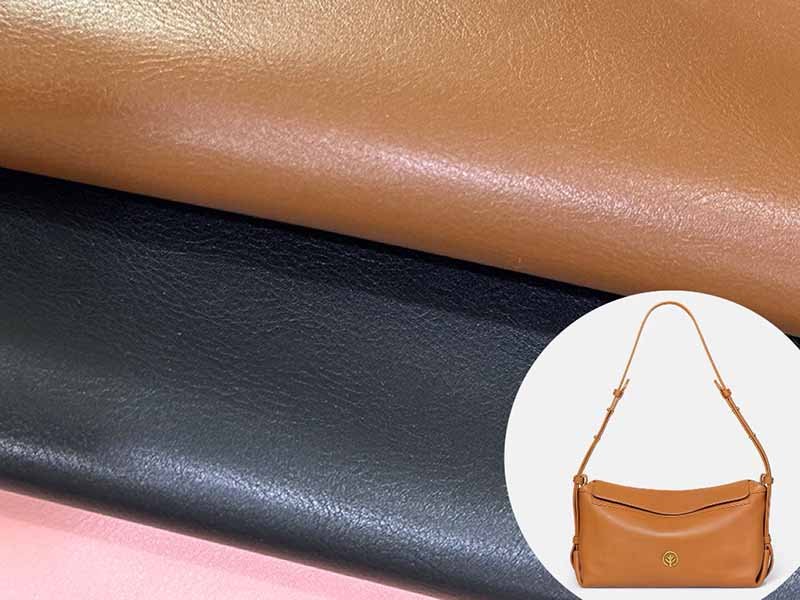
A beautifully made sample can create a dangerous sense of confidence. It arrives with smooth edge paint, clean stitching, polished hardware, and a logo positioned exactly where your team requested. Everyone approves it, the purchase order is issued, and the project appears to be under control. Several weeks later, the bulk shipment arrives with inconsistent leather grain, uneven color, soft corners, rough edges, and hardware that feels lighter than the approved sample. The original design was not necessarily the problem. The real problem was choosing a supplier based on one attractive sample instead of examining the manufacturing system behind it.
How to Choose a Leather Goods Manufacturer for Your Brand
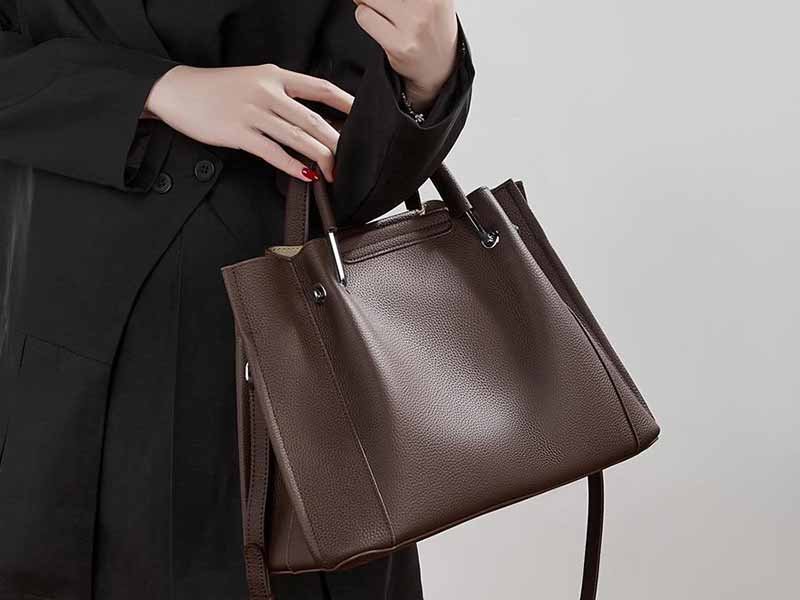
A leather product can look excellent in a presentation sample and still become a commercial problem during bulk production. Color may drift between leather batches, handles may stretch under realistic loads, edge paint may crack around tight corners, hardware may scratch the surface during shipping, or the finished product may feel noticeably different from the approved sample. These failures are rarely caused by a single sewing mistake. They usually begin with unclear specifications, unsuitable materials, weak development controls, or a manufacturer that cannot manage the entire production chain.
Leather Manufacturing for Business Accessories
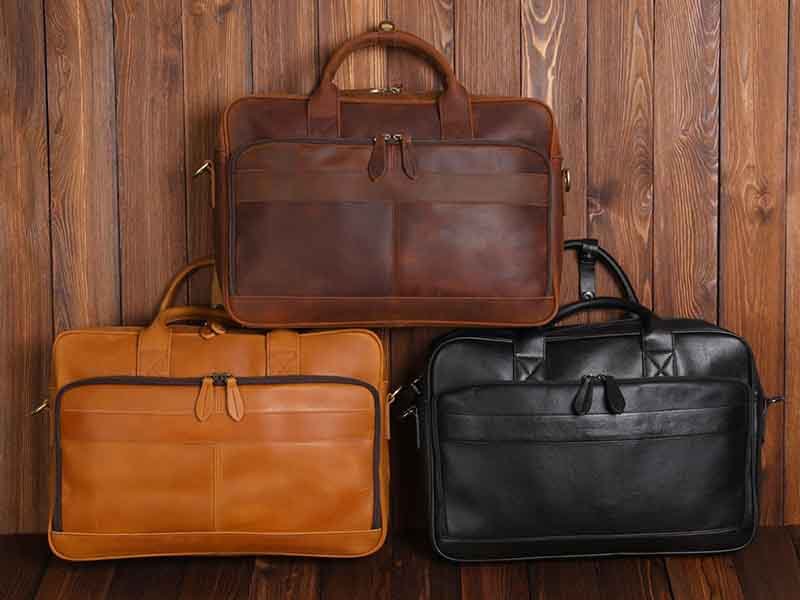
A finished leather accessory often looks straightforward. A wallet folds neatly, a belt sits flat, a briefcase holds its shape, and a leather presentation box opens with a clean, controlled movement. What is less visible is the amount of material planning and structural work required to make those results repeatable across hundreds or thousands of units.
Leather Accessories Production for Retail Chains
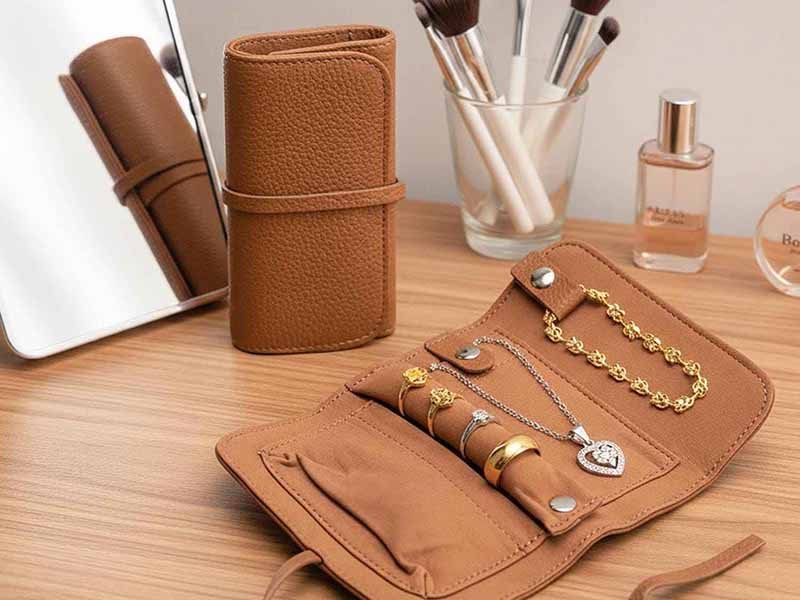
When a retail chain develops a leather accessories line, the real challenge is not coming up with a nice-looking product. The real challenge is making sure that product can be repeated at scale, delivered on time, priced correctly, and kept consistent from the first store to the five-hundredth store. A leather wallet that looks great in the sample room can easily turn into a problem in mass production if the leather grain changes, edge paint cracks, hardware color shifts, or packaging feels cheaper than the product itself. This is why leather accessories production is never just about manufacturing. It is about supply chain control, product development discipline, and a factory’s ability to turn a concept into a stable retail program.