Choosing an ODM leather goods partner is not simply a matter of comparing unit prices, factory photographs, or the number of products displayed in a showroom. The company you select will influence how your original concept is interpreted, which leather and hardware are used, how quickly prototypes are revised, how closely bulk production follows the approved sample, and whether repeat orders remain consistent. A low quotation may look attractive during the first comparison, but the real cost becomes visible when leather shades change, edge paint cracks, hardware is substituted, or the final product no longer feels like the sample you approved.
The right ODM leather goods partner should combine relevant product experience, structured design development, reliable leather and hardware sourcing, controlled sampling, documented quality inspections, clear intellectual-property terms, transparent pricing, and scalable production. Before selecting one, verify what the company develops internally, how it controls sample-to-bulk consistency, who owns the patterns and tooling, and how defects, delays, substitutions, and repeat orders are handled.
Imagine approving a beautifully balanced leather tote with the exact hand feel, structure, hardware weight, and edge finish your brand requested. Three months later, 2,000 units arrive with a softer body, darker paint, lighter hardware, and handles positioned several millimeters lower. The supplier calls every difference “normal production variation.” A disciplined ODM selection process is designed to prevent that conversation before the first hide is cut.
What Does an ODM Partner Do?
An ODM leather goods partner helps convert a commercial product idea into a repeatable, production-ready item. Its responsibilities may include concept refinement, pattern development, leather selection, hardware sourcing, prototype construction, cost engineering, production planning, inspection, packaging, and repeat-order support. The strongest partners do more than provide existing designs; they solve technical, material, and manufacturing problems before those problems become expensive bulk-production failures.
ODM Beyond a Product Catalog
Some manufacturers use the term ODM because they maintain a catalog of wallets, handbags, card holders, belts, or travel accessories that can receive a new logo. This form of ODM can be practical when a company needs a relatively fast private-label launch and accepts limited structural differentiation. However, selecting an existing shape and changing its color is only one small part of genuine product development.
A capable partner should be able to modify proportions, internal layouts, closures, handle systems, leather combinations, reinforcements, edge construction, hardware, and packaging. More importantly, the team should understand how each change affects weight, cost, durability, manufacturing time, and appearance. Adding an internal divider, for example, may require new patterns, additional leather, lining changes, reinforcement, and a different assembly sequence rather than simply one extra seam.
A genuine ODM process often starts with incomplete but commercially useful information. A company may provide a reference image, intended user, target retail price, approximate size, preferred leather character, required functions, and expected order volume. The manufacturing team then converts these ideas into patterns, specifications, component lists, construction methods, and approval samples.
The real value appears during this translation stage. An experienced developer identifies hidden decisions early, such as whether a soft tote needs base reinforcement, whether a magnetic closure will distort the front panel, or whether the selected leather can support a thin painted edge without cracking.
OEM and ODM Roles
OEM and ODM are often presented as completely separate manufacturing models, but many successful leather projects move between them. OEM usually starts when the client already owns a sample, pattern, tech pack, bill of materials, measurement table, leather specification, branding file, packaging instructions, and quality requirements. The manufacturing team is expected to reproduce the approved product accurately.
ODM starts earlier in the development process. The client normally controls the market positioning, customer profile, visual direction, and commercial target, while the manufacturer contributes more technical decisions. Those decisions may include dimensions, construction, leather thickness, lining, hardware, reinforcement, edge finishing, logo execution, and packaging structure.
Once the pattern, material specification, BOM, construction method, and golden sample are approved, the ODM project becomes similar to an OEM repeat-production program. The manufacturer is no longer interpreting a broad idea; it is reproducing a documented and physically approved standard.
| Project Stage | Client Input | ODM Partner Responsibility | Main Output |
|---|---|---|---|
| Product direction | Target user, price, style and function | Feasibility and risk review | Development brief |
| Technical development | References and required features | Pattern, dimensions and material planning | Prototype specification |
| Sampling | Feedback and acceptance criteria | Sample construction and revision | Approved prototype |
| Production setup | Quantity and delivery plan | BOM, process and QC preparation | Pre-production standard |
| Repeat orders | Forecast and product updates | Material, quality and schedule control | Consistent replenishment |
The more product decisions the manufacturer makes, the more carefully ownership and approval must be documented. A client should know who owns the final patterns, whether the base design can be offered elsewhere, and whether the technical files remain available if manufacturing later moves to another location.
When ODM Works Best
ODM cooperation works well when a company understands its market but does not maintain a complete internal leather-product engineering team. It can shorten development for retailers launching private-label collections, fashion brands entering leather accessories, gift companies creating coordinated sets, and established businesses redesigning products that have quality, cost, or usability problems.
It is particularly valuable for mixed-material products. A leather-trimmed canvas weekender, microfiber laptop sleeve with leather handles, or structured handbag combining leather, textile lining, foam, board, metal hardware, and custom packaging requires wider technical coordination than a workshop specializing in only one material or operation.
ODM does not remove the client’s responsibility to provide clear commercial direction. A request such as “make a premium leather bag for Europe” is too broad to support efficient development. A stronger brief explains the intended user, expected retail position, approximate dimensions, required capacity, carrying style, preferred surface character, estimated order range, target market, and non-negotiable functions.
The best relationship is collaborative. The brand controls the customer experience, visual identity, commercial target, and sales strategy. The manufacturing team controls technical feasibility, material compatibility, construction stability, repeatability, and production risk. When both sides understand their roles, the development process becomes faster without sacrificing product ownership or decision control.
Design Support in Practice
Useful design support is not limited to making a sketch look more attractive. It should help the product function better, cost less to manufacture, and remain stable when produced in volume. Experienced technicians may recommend changing a seam location, adjusting handle width, reducing unnecessary leather layers, moving reinforcement, or replacing custom hardware with a reliable standard component.
These recommendations should always be explained in commercial terms. A thinner leather may reduce weight but require added support. A cleaner edge may need additional painting and drying time. A deep embossed logo may look impressive on firm leather but lose definition on soft, heavily grained hides. A rigid internal board may help a bag stand upright but create visible lines after long use.
Professional ODM support should produce decisions that can be documented. Each change needs to appear in updated patterns, dimensions, BOMs, sample records, and inspection instructions. Otherwise, a good idea discussed during development may never reach the production team.
The strongest development partners do not attempt to redesign every product according to their own preferences. They protect the original commercial concept while improving the areas that affect production, usability, durability, and cost. This balance allows the final product to remain recognizably connected to the brand rather than becoming another generic factory style.
Which Capabilities Should You Verify?
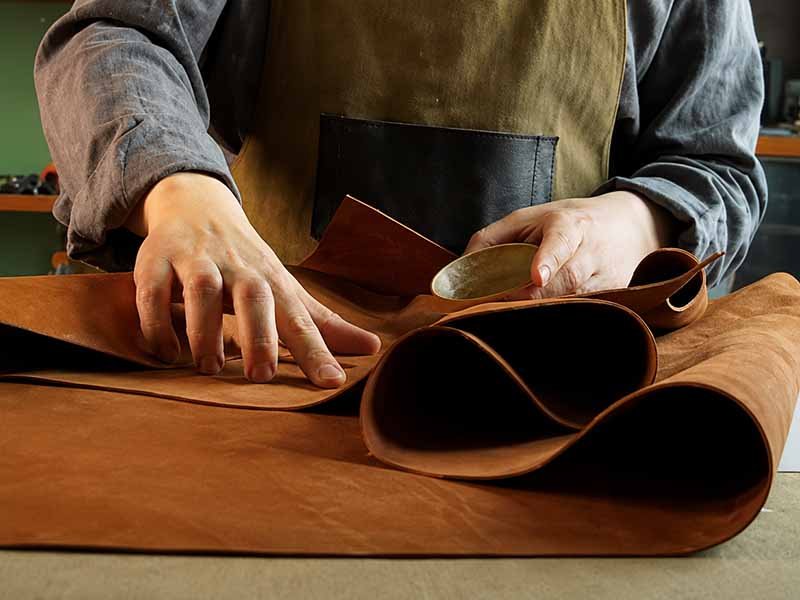
Verify the capabilities that directly determine whether the product can be developed, manufactured, inspected, and repeated. Relevant category experience, pattern making, leather sourcing, sampling, production control, inspection records, and communication discipline matter more than broad claims about factory size. Evidence should include comparable constructions, material references, technical records, workshop access, and a clear explanation of who controls each production stage.
Category Experience
Leather goods should not be treated as one universal product category. A supplier that produces flat card holders may not understand the structural requirements of a large handbag. A belt workshop may be excellent at strap cutting, punching, edge painting, and buckle assembly but lack experience with linings, internal pockets, three-dimensional shapes, reinforced handles, and complex closures.
Relevant experience should be judged by construction rather than by product name alone. A soft unlined pouch is not a useful reference for a rigid business case, even if both products use cow leather. Look for examples with similar dimensions, leather type, stiffness, panel count, edge treatment, lining, reinforcement, hardware complexity, and quality positioning.
An experienced team should identify likely failure points before the first sample. For a large tote, these may include stretched handles, distorted top edges, lining movement, base collapse, or excessive weight. For a wallet, common risks include excessive thickness, uneven pocket openings, visible adhesive, misaligned stitching, and card slots that become too tight after all layers are assembled.
Category experience is often revealed through questions. Skilled developers ask what the product must carry, how often it will open, how it should behave when empty, which surfaces must match, and where the customer will notice wear first. Less experienced suppliers usually focus only on dimensions, logo, quantity, and target price.
Development Capability
A visual drawing is not a production specification. The development team must convert the approved appearance into instructions that can be used by cutting, skiving, preparation, stitching, edge finishing, assembly, inspection, and packaging teams.
A production-ready development package may include finished dimensions, tolerances, paper patterns, seam allowances, folding widths, leather thickness, skiving instructions, lining details, reinforcement positions, component specifications, hardware drawings, stitch positions, edge-paint areas, logo placement, assembly sequence, and packaging requirements.
For many larger leather bags, finished dimensional tolerances may be discussed around ±3 to ±5 millimeters, depending on material behavior, size, and structure. Smaller leather goods may require tighter tolerances, sometimes around ±1.5 to ±2 millimeters. These are practical reference ranges rather than automatic standards. A soft bag and a rigid document case cannot be evaluated with the same dimensional expectations.
Ask who creates, updates, and distributes the technical information. If the pattern maker, sampling technician, production manager, and quality team work from different versions, the approved sample will not protect the order.
A strong development system includes version control. Every revised dimension, moved pocket, changed leather, adjusted logo, or added reinforcement should be reflected in the latest patterns, BOM, sample report, and inspection checklist.
Production Control
A manufacturer does not need to perform every process under one roof, but it must control every process that influences the finished item. Leather, custom hardware, zipper production, metal plating, embossing tools, gift boxes, printing, and testing are often handled by specialized partners. The relevant issue is whether those partners are approved, monitored, and held to the same project standard.
Ask which operations are internal and which are outsourced. Then ask who inspects incoming materials, who approves the first finished pieces, who controls subcontracted work, and who can stop production if a serious defect appears. Clear answers should identify responsible roles instead of relying on a general promise that everything is checked.
Production control becomes especially important when a product moves through several working areas. A leather bag may pass through cutting, skiving, preparation, logo application, stitching, edge painting, assembly, cleaning, final inspection, and packaging. Small variations introduced at each stage can accumulate into a noticeably different product.
Capacity also needs to be examined realistically. A factory may report strong yearly output while having limited availability during the client’s required launch period. Review the current workload, equipment, skilled labor, material lead time, and the number of styles planned to run simultaneously.
The most useful capacity question is not how many units the facility can produce. It is how many acceptable units it can produce under the specific construction, material, and quality standard required by the project.
Communication Discipline
ODM programs involve frequent technical decisions, so communication quality becomes part of product quality. Fast replies are helpful, but accurate interpretation, written confirmation, and proper distribution of information are more important than speed alone.
A capable project coordinator should understand materials, construction, sampling, cost, quality, packaging, and scheduling well enough to connect the client with technical specialists. The program should not depend on one salesperson informally relaying messages between several disconnected teams.
Ask how changes are recorded. Annotated photographs, measurement sheets, sample-version numbers, revision tables, BOM updates, and email confirmations are more reliable than long chat histories. Decisions about leather, hardware, stitching, logo size, edge color, lining, packaging, and tolerances should remain easy to retrieve months later.
Professional communication also includes disagreement. An experienced partner may point out that a handle attachment is too weak, a painted edge is too narrow, a magnet is too strong, or a target price requires a material adjustment. This constructive resistance is more valuable than an immediate “yes” that causes production problems later.
The goal is not endless discussion. The goal is a controlled information flow in which every important decision reaches the people who develop, produce, inspect, pack, and release the order.
How Should Materials Be Evaluated?
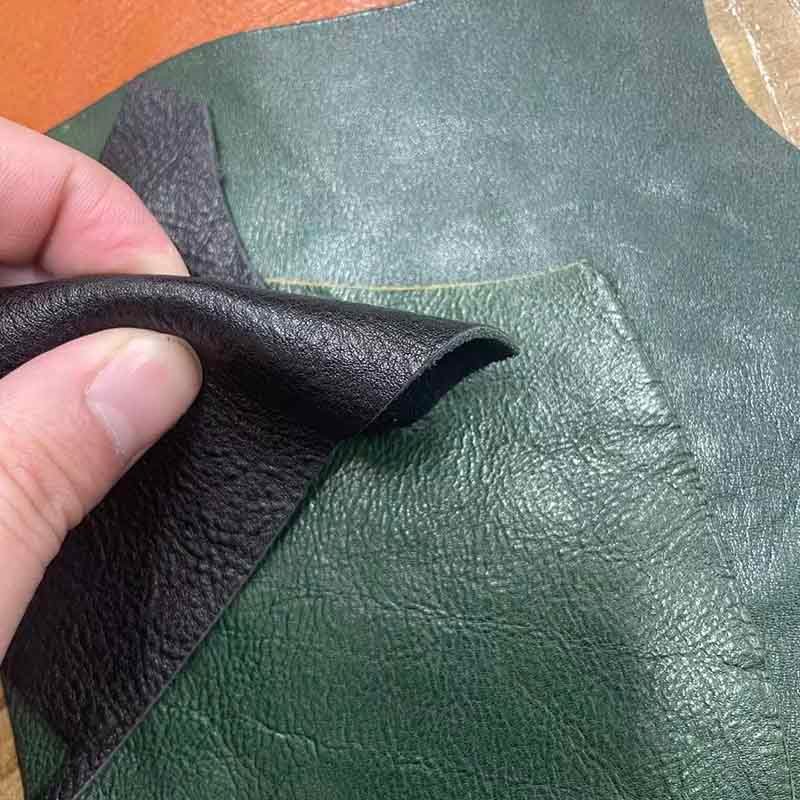
Materials should be evaluated as one connected system rather than as separate purchasing items. Outer leather, lining, reinforcement, thread, adhesive, edge paint, zipper, hardware, and packaging influence one another. Confirm appearance, thickness, performance, compatibility, availability, minimum purchase quantities, and repeat-order stability. Excellent leather cannot compensate for unsuitable reinforcement, weak plating, unstable adhesive, or an edge coating that cracks during use.
Leather Selection
Leather should be selected according to product function, construction, price level, expected wear, and brand position rather than broad terms such as “genuine leather” or “premium leather.” Those descriptions do not identify animal type, tannage, grain, thickness, temper, finish, backing, colorfastness, or physical performance.
Full-grain leather retains more of the natural surface and may develop an attractive patina, but it normally displays greater variation. Top-grain leather can provide a more controlled surface and refined appearance. Split leather and suede offer useful texture and cost options but require careful surface and color management. Microfiber and PU constructions can deliver consistent color, efficient cutting, and lighter weight, although their durability varies significantly according to base fabric, resin, coating method, and formulation.
The intended structure matters as much as the material name. A soft tote may require leather with relaxed temper and controlled stretch. A structured briefcase may need firmer leather combined with internal reinforcement. A wallet needs careful thickness control because multiple folded layers can quickly create excessive bulk.
Physical swatches should be reviewed before sampling. Bend, fold, rub, smell, and compare them under consistent lighting. Check surface recovery, backing, edge behavior, stiffness, coating depth, and variation between samples. Photographs cannot reliably communicate these characteristics.
The approved specification should identify the actual leather article, thickness range, finish, color reference, and acceptance criteria rather than relying on a generic material description.
Working Specifications
Numerical references help prevent material approval from becoming purely subjective. Thickness, temper, coating, backing, reinforcement, and component construction should match the function and appearance of the finished product.
| Component | Common Working Range | Important Confirmation |
|---|---|---|
| Wallet outer leather | About 0.8–1.2 mm | Folding bulk, skiving and edge finish |
| Structured bag leather | About 1.2–1.8 mm | Temper, reinforcement and total weight |
| Soft bag leather | About 0.9–1.5 mm | Drape, stretch and shape recovery |
| Handle or strap build | About 1.8–3.0 mm total | Layering, support and expected load |
| Lining fabric | Often 150–300 g/m² | Abrasion, colorfastness and hand feel |
| Stitch density | Often 7–10 stitches per inch | Leather thickness, thread and seam design |
| Edge-paint system | Commonly 2–4 working coats | Preparation, drying and final finish |
These figures are development references rather than universal requirements. A folded-edge construction can use thinner leather than an exposed raw edge. A handle may be built with two leather layers and internal reinforcement instead of one heavy piece. A lightweight fashion item and a business case intended for daily commuting require different performance levels.
Specifications should include an acceptable range because natural hides are not perfectly uniform. The development team should define where thicker, cleaner, or more closely matched sections are required and where natural variation can be accepted without reducing quality.
Numerical control should support the approved appearance rather than replace it. Two leathers with the same thickness can behave very differently if their temper, finish, fiber structure, or backing is different. Physical approval samples and measurable specifications should therefore be used together.
Hardware and Components
Hardware has both functional and visual influence. Its base metal, weight, geometry, finish, and installation method affect how the product hangs, closes, opens, and wears over time. Heavy locks can pull soft front panels out of shape, strong magnets can create visible impressions, and poorly designed strap fittings can concentrate force around a small area.
Hardware should be specified by dimensions, material, surface finish, color, logo, plating method, and functional expectation. “Gold hardware” is too broad because polished gold, light gold, champagne gold, brushed gold, and antique gold create visibly different results. A physical approved reference is safer than a written color description.
Zippers need confirmation of tape color, tooth material, gauge, slider type, puller design, opening direction, and smooth operation. Snaps and rivets require the correct post length for the assembled material thickness. Hooks and buckles should be reviewed for sharp edges, plating defects, spring performance, and suitable load capacity.
Supporting materials deserve equal attention. Foam, board, woven tape, nonwoven reinforcement, thread, and adhesive influence shape, comfort, durability, and odor. Reinforcement that is too rigid can create visible ridges, while reinforcement that is too soft may allow handles to stretch or panels to collapse.
The finished product is a material system. A visually impressive outer leather cannot prevent returns when a small internal component is poorly selected.
Batch Consistency
Material approval must cover both the sample and future production. A prototype made from a small stock piece may not represent the color, grain, thickness, finish, or cutting yield of the full leather lot used for manufacturing.
Before cutting begins, compare the actual production lot with the approved reference. Natural leather may show color and grain variation, so the client and manufacturing team should agree on the acceptable range, visible marks, panel-matching requirements, and where less visually consistent areas can be used.
Front panels, flaps, and paired components normally require closer matching than internal pockets or hidden support pieces. Cutting rules should reflect this difference. Rejecting every natural mark can make the planned yield and price unrealistic, while accepting uncontrolled variation can reduce the consistency expected from the brand.
Repeat orders create additional risk. The same tannery color and article number can vary between production lots. Retained swatches, approved photographs, physical references, article codes, and a formal reapproval procedure help manage these changes.
Any proposed replacement should be approved before use. The important question is not whether the alternative looks similar in a photograph. It is whether it matches the approved appearance, behavior, thickness, compliance requirements, finishing compatibility, and cost assumptions closely enough for the product.
How Does Sampling Reduce Risk?
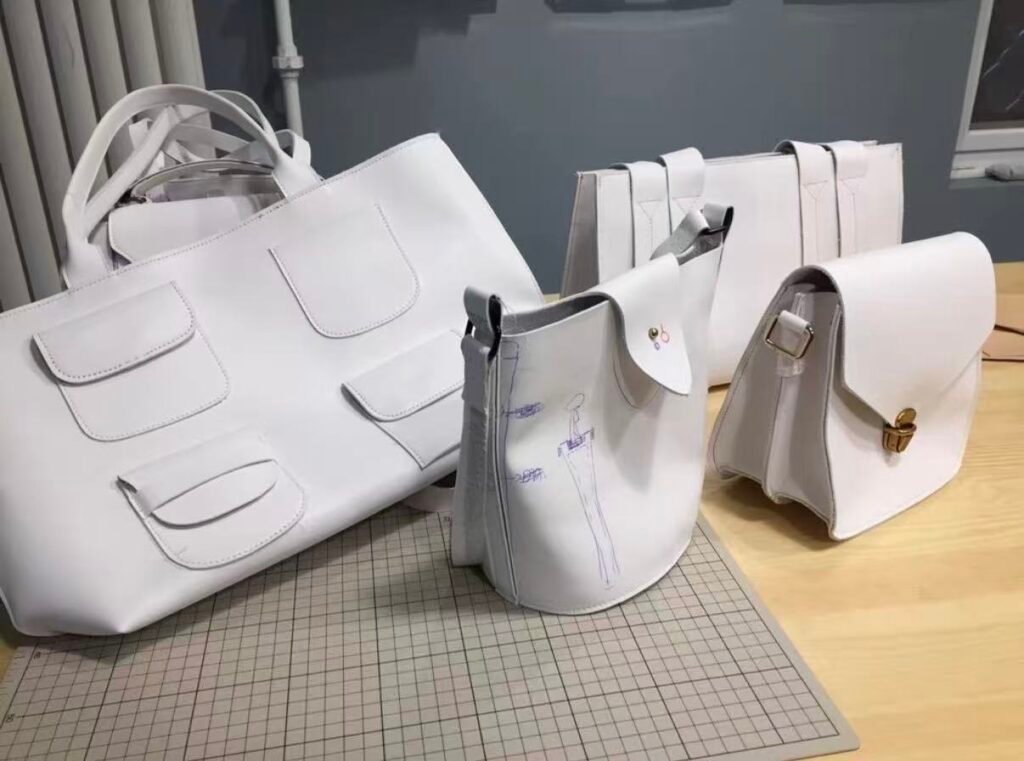
Sampling reduces risk by converting assumptions into visible and measurable decisions. It reveals whether dimensions, leather, structure, hardware, edge finishing, logo, usability, cost, and manufacturing methods work together. A controlled sampling process includes a complete brief, documented prototypes, measured revisions, production-intended materials, and a final reference sample that can guide preparation, manufacturing, and inspection.
Sample Preparation
A sample is only as useful as the information used to create it. Before pattern development begins, confirm the intended user, finished dimensions, carrying method, capacity, leather direction, structure, pockets, closures, hardware, logo, packaging, target quantity, destination market, and intended price range.
Mandatory requirements should be separated from preferences. A laptop compartment dimension, safety requirement, logo position, or closure function may be mandatory. The exact lining weave, hidden reinforcement method, or internal seam finish may remain adjustable if an alternative improves production stability or cost.
The team should understand how the product will actually be used. A bag may photograph well while empty but become unbalanced when filled. A wallet may appear slim before cards are inserted. A long leather strap may feel comfortable during a brief review but stretch under repeated loading.
When possible, provide the actual contents or accurate dimensions of the items the product must hold. Laptops, passports, cards, bottles, tools, cosmetics, and electronic devices often have small differences that materially affect fit and usability.
The first prototype should answer specific questions. Is the overall direction correct? Does the leather create the intended hand feel? Does the structure work when loaded? Can the product be made at the target cost? A sample without clear evaluation goals often produces vague feedback and unnecessary revision cycles.
Revision Control
Sample feedback must be specific enough for another person to reproduce the requested change. Phrases such as “make it more premium,” “improve the shape,” or “the handle feels wrong” describe a reaction but do not provide a measurable instruction.
Use annotated photographs, measurement tables, revised drawings, and numbered comments. Each sample should have a clear version, such as V1, V2, V3, final approval sample, and pre-production sample. The revision record should state what changed, why it changed, whether it affects price, and which technical documents must also be updated.
A small change can influence several areas. Lowering a pocket by 10 millimeters may require revisions to the pattern, stitching guide, lining, and reinforcement. Changing the leather can affect skiving, edge paint, adhesive, support materials, and final weight. Enlarging a metal closure may alter panel shape and stress distribution.
Earlier comments should be formally closed rather than assumed to be complete. When revisions accumulate, one improvement can accidentally reverse a detail approved in a previous round.
Verbal approval is risky. A message saying “sample approved” may not clarify whether the client has accepted a temporary zipper, substitute lining, unbranded hardware, unfinished packaging, or unresolved color variation. Approval should be linked to a specific sample version, BOM, material references, photographs, and remaining open items.
Production-Ready Samples
An early visual prototype may use available materials to confirm general proportions or structure. That can be practical during the first development round, but it should not become the only reference for a bulk order.
The final pre-production sample should use the intended leather, lining, reinforcement, thread, edge paint, hardware, zipper, logo method, construction process, and packaging whenever possible. Any remaining temporary substitution needs to be listed together with the approved production replacement.
The sample should also be compared with the quotation. A prototype may use better leather, heavier hardware, more edge-paint operations, or more complex reinforcement than the priced version. Unless these differences are resolved, the client may approve one product and order another.
Function should be tested rather than simply observed. Load the bag, use every compartment, operate closures repeatedly, insert the intended contents, carry it, open it, and check how the structure changes. Look for handle rotation, stretched openings, panel distortion, zipper tension, lining movement, uncomfortable hardware, or excessive weight.
The safest approval sample is not the most carefully handcrafted piece a technician can create. It is the sample that accurately represents normal materials, normal equipment, realistic workmanship, and an achievable production standard.
Approval Gates
A controlled project uses several approval gates instead of relying on one final decision. Each gate resolves a different group of risks before the project moves forward.
| Approval Gate | Main Purpose | Typical Evidence |
|---|---|---|
| Concept review | Confirm size, shape and main function | Rough sample, dimensions and major comments |
| Material approval | Lock visible and functional components | Leather, lining, hardware and color references |
| Revised sample | Resolve structure and appearance | Change log and updated measurements |
| Final sample | Approve the commercial product | Signed sample, BOM and logo artwork |
| Pre-production sample | Confirm normal materials and methods | Bulk components and QC checklist |
| Golden sample | Create the physical inspection standard | Sealed reference and approved photographs |
Simple products may not need the same number of physical samples as a complicated handbag, but the decisions represented by these stages still need to be completed.
The golden sample should be stored carefully and protected from wear, sunlight, humidity, and unnecessary handling. When practical, both the client and manufacturer should retain equivalent references. The inspection team should also have access to approved leather, lining, hardware, logo, edge finish, and packaging samples.
Sampling cannot eliminate every risk. Its purpose is to expose important issues while changes are still affordable. Adjusting a pattern during development may take several hours. Correcting the same issue after thousands of leather components have been cut can require material loss, rework, delayed delivery, or an unsatisfactory commercial compromise.
How Is Quality Controlled?
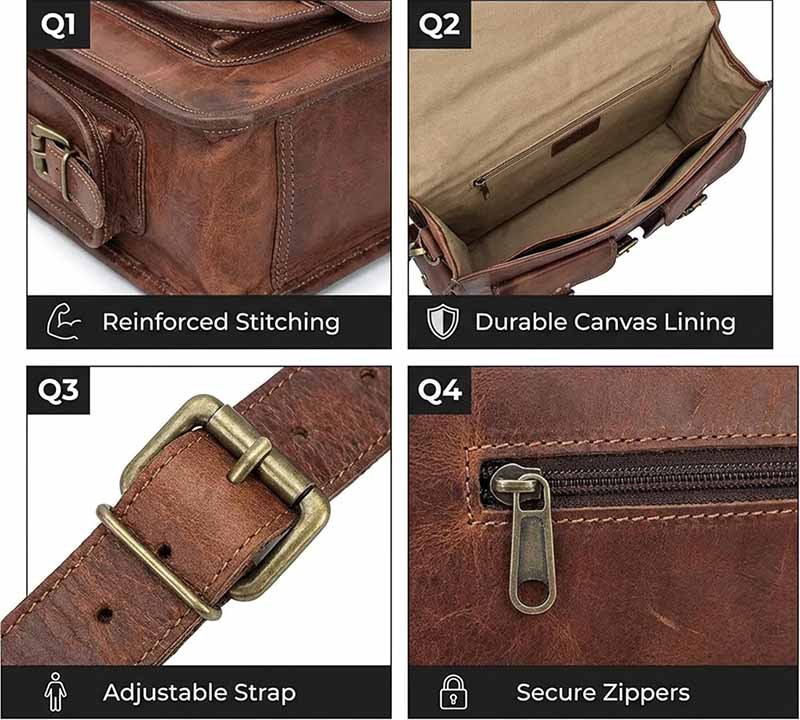
Quality is controlled through documented standards and inspection checkpoints rather than by opening finished cartons at the end of production. Effective control begins with approved materials and a pre-production sample, continues through cutting, skiving, stitching, edge finishing, and assembly, and ends with final-product and packaging inspection. Defects should be classified, recorded, corrected, and traced before they spread across the entire order.
Pre-Production Control
Production should not begin simply because the main leather has arrived. The team should verify the actual leather lot, lining, thread, reinforcement, adhesive, edge paint, zipper, hardware, logo tooling, labels, packaging, and approved sample.
A pre-production meeting aligns the people responsible for cutting, preparation, stitching, finishing, inspection, and packing. Important points include panel-matching rules, skiving thickness, folding width, stitch location, edge preparation, paint application, reinforcement, hardware setting, logo pressure, dimensional tolerances, and defect definitions.
First-off pieces should be examined before the production line reaches normal speed. This check confirms that the approved sample can be reproduced using bulk materials, regular machinery, normal operators, and the planned working sequence.
Leather requires specific cutting control. Natural marks, shade variation, stretch direction, fiber density, and thickness differences must be considered when placing patterns. Visible panels may need to come from closely matched areas, while hidden parts may accept a wider visual range.
Preventive inspection is less expensive than finished-goods sorting. If an edge-paint issue appears on the first 20 components, preparation, drying, or application can be corrected quickly. If the same issue is discovered after 2,000 finished units have been packed, the available solutions become slower, more expensive, and less satisfactory.
In-Process Inspection
Leather products should be checked at several production stages because many defects become difficult or impossible to repair after final assembly. Incorrect skiving, misplaced reinforcement, reversed hardware, or mismatched panels may be hidden once the product is closed.
In-process inspection commonly covers:
- Cut-component dimensions and grain direction
- Leather shade and surface matching
- Skiving width and thickness
- Logo position and impression
- Reinforcement placement
- Stitch alignment and thread tension
- Seam allowance and folding
- Edge preparation and sanding
- Edge-paint coverage and drying
- Hardware orientation and setting
- Lining fit and pocket position
- Overall shape before final finishing
Inspection frequency should reflect technical risk. New products, unfamiliar materials, new operators, complicated constructions, and strict visual standards justify closer checks. Stable repeat orders may use a lower frequency while maintaining control at critical operations.
Quality personnel need authority to stop the process when repeated defects appear. Reporting a defect without changing the cause only creates a record of continued failure.
The most useful inspection report identifies the defect, quantity affected, likely cause, immediate containment, corrective action, responsible person, and verification result. This provides more operational value than a simple pass percentage without explanation.
Final Inspection
Final inspection determines whether the completed order matches the golden sample, specification, material standards, packaging instructions, and purchase requirements.
Typical inspection points include finished dimensions, overall shape, leather surface, panel matching, stitch quality, edge-paint smoothness, folding, logo position, hardware finish, zipper operation, handle attachment, pocket construction, lining fit, cleanliness, odor, labels, packaging, carton markings, and quantity.
AQL sampling is frequently used for commercial final inspections. Many projects begin discussions around Critical 0, Major 2.5, and Minor 4.0, although these levels are not automatically suitable for every product. Inspection level, sample size, defect classification, and acceptance limits should be agreed before production.
A critical defect may involve safety, compliance, or complete product failure. A major defect may cause rejection or materially reduce usability, such as a broken closure, incorrect logo, failed zipper, or serious dimensional error. A minor defect may be a limited visual issue that does not significantly affect function.
Defect standards should include photographs or detailed descriptions. Terms such as “poor stitching” or “bad edge paint” remain too subjective unless acceptable and unacceptable conditions are demonstrated.
Final inspection confirms the order, but it should never be the first time production quality is examined.
Consistency Control
Sample-to-bulk consistency requires both physical references and written controls. Production should use the approved BOM, dimensions, tolerances, material standards, workmanship points, logo artwork, packaging specification, and latest revision record.
Consistency in natural leather does not mean every panel looks artificially identical. Grain and shade variation can be part of the intended character. The approved standard needs to define how much variation is acceptable and where it may appear.
A practical control set normally includes:
- Golden sample
- Approved leather and lining swatches
- Hardware and plating samples
- Edge-paint reference
- Logo impression
- Measurement chart
- Workmanship checklist
- Defect catalogue
- Packaging sample
- Final revision record
Repeat orders should be compared with both the original approved standard and the most recently accepted production lot. When the original leather or component becomes unavailable, the proposed replacement should be sampled and approved before bulk purchasing.
Consistency also depends on knowledge retention. A repeat order placed several months later should not rely on one person remembering how the first production was completed. Patterns, material codes, process notes, tooling, retained samples, and inspection records allow the product to restart accurately.
Which Terms Should You Compare?
Compare the full commercial arrangement rather than focusing only on unit price. Important terms include design ownership, confidentiality, exclusivity, tooling, sample charges, MOQ, material minimums, payment stages, inspection, defect remedies, production lead time, packaging, shipping, and repeat-order conditions. A slightly higher quotation may carry lower total risk when the product specification, responsibilities, materials, and remedies are clearly defined.
Ownership and Exclusivity
ODM development creates ownership questions because the manufacturer may contribute patterns, structures, existing product platforms, hardware concepts, or technical solutions. These questions should be discussed before significant development work begins.
The agreement should identify ownership of the concept, drawings, physical patterns, digital files, specifications, prototypes, custom hardware, molds, logo tools, packaging artwork, product photography, and production records.
Paying a sample charge does not automatically transfer ownership of every development file. Paying for a mold may not provide unrestricted ownership if the commercial agreement only covers the right to use it. These details should be confirmed in writing rather than left to assumption.
Exclusivity also needs defined boundaries. A manufacturer may agree not to sell the identical product while continuing to produce similar constructions for other clients. The agreement should clarify whether protection applies to the complete design, a specific feature, a territory, a customer category, or a fixed time period.
Some exclusivity arrangements include minimum annual purchase commitments because the manufacturer gives up other commercial opportunities. Such terms can be reasonable when the required volume, duration, renewal, and consequences of missing the commitment are clearly stated.
Confidentiality procedures matter in practice. Ask who can access design files, where samples are stored, whether customer projects are displayed publicly, and how obsolete files, molds, artwork, or prototypes are controlled.
MOQ and Cost
MOQ is influenced by more than the number of units the sewing team is willing to assemble. Leather availability, custom colors, hardware plating, zipper production, packaging print runs, logo tooling, testing, and production setup all affect the practical minimum.
Request MOQ by style, color, and material rather than accepting one general figure. An order of 1,000 units across five colors creates different purchasing and setup requirements from 1,000 units in one color. Custom-dyed leather or specially plated hardware may create a higher material minimum than the finished-product quantity.
Unit-price comparisons need identical specifications. Confirm whether each quotation includes the approved leather grade, thickness, lining, reinforcement, hardware, zipper, edge finishing, logo, labels, individual packaging, cartons, inspection, tooling, and testing.
Costs often excluded from the first unit price include:
- Pattern and development charges
- Samples and international courier fees
- Custom hardware molds
- Embossing or logo tools
- Leather-color surcharges
- Laboratory testing
- Third-party inspection
- Special packaging
- Export documents
- International freight, duties and local delivery
Cost engineering should remain transparent. To meet a lower target, the development team may recommend a standard hardware component, adjusted leather finish, simpler internal structure, fewer painted edges, alternative reinforcement, or modified packaging. These changes should be approved openly rather than introduced after the order is placed.
Schedule and Payment
Lead time should be separated into development, material sourcing, sampling, revision, approval, bulk preparation, production, inspection, packaging, and shipment. A single statement such as “production takes 30 days” does not explain the full calendar.
A practical schedule identifies the information-complete date, material approval, first-sample completion, feedback deadline, revised sample, final approval, bulk-material arrival, production start, in-process review, final inspection, packing completion, and shipment-ready date.
Sample and production schedules should begin only after the required inputs are available. A reliable delivery date cannot be confirmed while leather color, custom hardware, logo artwork, packaging, or the final sample remain unapproved.
Payment terms should correspond with project control points. The client needs to know the deposit amount, when the balance becomes due, whether inspection must be completed before final payment, and how tooling, testing, or freight charges are handled.
Changes after approval should follow a defined process. The agreement should explain how modifications affect cost and timing. It should also address material delays, failed inspections, production interruptions, or missed shipment dates.
Calendar dates are more useful than vague promises. They reveal whether a delay originates from development, client approval, material sourcing, production, inspection, packaging, or transport and make corrective planning more practical.
Defects and Remedies
Quality terms should define what happens when delivered products fail to meet the approved standard. A promise to “take responsibility” is too broad to manage a real claim.
The agreement should address inspection rights, defect categories, acceptable levels, reinspection, sorting, rework, replacement, credit, refund, and responsibility for additional handling or shipping expenses.
The remedy should match the severity of the problem. A limited appearance issue may be handled through sorting or a commercial allowance. A failed closure, incorrect material, unusable dimension, unauthorized logo change, or widespread construction defect may require rework or replacement. Compliance and safety failures normally require stricter action.
A claims process should identify the notification period, evidence required, retained samples, photographs, quantities affected, lot or carton references, and how the cause will be investigated.
The client also has responsibilities. Late design changes, incorrect artwork, unsuitable specifications, or written approval of a known substitution can affect the available remedy. Accurate development and approval records protect both sides by showing what was agreed and what was delivered.
A professional working relationship does not assume that difficulties will never occur. It establishes a practical method for containing problems, protecting end users, identifying root causes, and preventing the same failure in future orders.
How Do You Make the Final Choice?
Make the final choice through evidence, structured comparison, and a controlled first production order. Review comparable products, material knowledge, development records, factory processes, quality documents, communication, commercial terms, and delivery capacity. Use weighted criteria so one attractive factor does not hide major weaknesses, then test the selected partner under normal production conditions before committing a larger product line.
Evidence Review
Supplier presentations normally display the strongest parts of the operation. The evaluation process should look for evidence directly related to the proposed product rather than relying on general marketing claims.
Request comparable samples, leather swatches, hardware references, anonymized development records, inspection forms, production photographs, packaging examples, and relevant export experience. A factory visit or live video review can help confirm the sample room, material storage, cutting, preparation, stitching, edge finishing, assembly, inspection, and packaging areas.
Evidence should create a connected process story. The team should be able to show how client requirements become patterns and specifications, how those documents guide sample development, how the approved sample becomes a production standard, and how inspection staff use that standard.
Certificates and audit reports can support an evaluation, but they do not replace product-specific competence. A management-system certificate does not prove that a team can control natural leather variation, narrow edge painting, complex reinforcement, or premium visual standards.
Technical questions often produce the most useful information. Ask which operation creates the highest risk, which defect is hardest to control, how visible panels will be matched, and what the team would change to improve production stability.
Detailed and realistic answers are stronger than broad confidence. A supplier that understands the product should be able to discuss both capability and limitation.
Warning Signs
Warning signs frequently appear before the first order is placed. A company that provides a firm quotation immediately without understanding materials, construction, packaging, and quality expectations may be relying on assumptions that later change the specification or price.
Be cautious when the team:
- Describes leather only as genuine or premium
- Cannot identify material thickness or construction
- Agrees to every request without technical review
- Avoids documenting substitutions
- Uses different materials in the sample and quotation
- Promises unusually short schedules without a process plan
- Refuses to explain outsourced operations
- Avoids design-ownership questions
- Has no clear inspection or defect standard
- Produces inconsistent samples
- Cannot identify who manages quality
- Pressures the client to begin bulk production before approval
Copied products create another concern. A factory that openly displays confidential client projects or offers to reproduce protected logos may apply the same attitude to your own work.
Repeated price reductions without corresponding specification changes should also be questioned. Manufacturing cost can be optimized, but it cannot fall indefinitely without affecting leather, components, workmanship, inspection, packaging, or commercial risk.
A reliable partner is willing to explain limitations. Honest technical objections are often more valuable than immediate agreement.
Weighted Comparison
A scorecard keeps the decision focused on the factors that matter after the first sample. Each candidate can be rated from 1 to 5 for every category and multiplied by the selected weight.
| Selection Factor | Suggested Weight | Evidence to Verify |
|---|---|---|
| Relevant product experience | 10% | Comparable structure and quality level |
| ODM development | 15% | Patterns, specifications and revision control |
| Material capability | 15% | Leather, hardware and repeat-order sourcing |
| Sample performance | 15% | Accuracy, timing and problem solving |
| Quality control | 15% | In-process checks and defect standards |
| Commercial clarity | 10% | Complete pricing, MOQ and payment terms |
| Capacity and delivery | 10% | Realistic scheduling and replenishment |
| Communication | 5% | Technical accuracy and documentation |
| IP protection | 5% | Ownership, confidentiality and exclusivity |
The weighting can be adjusted according to the project. A premium leather collection may place more weight on material control, craftsmanship, and sample accuracy. A seasonal corporate program may place more emphasis on delivery, cost, packaging, and multi-address shipping.
A strong total score is helpful, but individual weaknesses still need attention. Excellent craftsmanship cannot compensate for inadequate capacity when a fixed retail launch is involved. High output cannot compensate for weak development when the product structure is complicated.
The scorecard should support professional judgment rather than replace it. The final assessment should consider how well the supplier’s operating system matches the specific product, order profile, launch timing, quality level, and long-term growth plan.
Pilot Order
A pilot order tests the complete working relationship under normal manufacturing conditions. It reveals whether the selected partner can source approved materials, reproduce the sample, communicate during production, inspect consistently, pack correctly, and meet the agreed schedule.
The order should be large enough to use normal cutting, preparation, assembly, inspection, and packaging processes. An extremely small handmade batch may not reveal the problems that appear when regular production workers, material lots, line balancing, and carton packing are involved.
Before production, define what the pilot is expected to prove. Typical evaluation points include:
- Sample-to-bulk consistency
- Leather-lot control
- Dimensional stability
- Edge-finish quality
- Hardware performance
- Packaging accuracy
- Production communication
- Final inspection results
- Shipment readiness
- Corrective-action response
Review the program after delivery. Compare the finished goods with the golden sample, document defects, examine feedback from internal users or customers, and identify changes before the repeat order.
A successful pilot does not mean every natural leather panel appears identical. It means variation remains controlled, problems are reported transparently, corrective actions are practical, and the next production run can improve.
Long-Term Fit
The final decision should consider what happens after the first order. A long-term partner must support repeat materials, new colors, additional sizes, related products, packaging upgrades, cost engineering, larger volumes, and changing market requirements.
Ask how patterns, material codes, retained samples, tooling, inspection records, logo files, and packaging documents are stored. These records reduce time and error when a product is reordered several months later.
Product-line development also requires coordination across different items. A handbag, wallet, card holder, belt, and key case may need matching leather, edge color, thread, hardware, logo, and packaging. The partner should manage the collection as one connected program rather than several unrelated orders.
Capacity flexibility is useful, but control is more important. Growth should not result in silent material substitutions, unapproved subcontracting, weaker inspections, or inconsistent communication.
The strongest long-term partner is not simply the factory that produces the most attractive first sample. It is the team that can explain how the product works, document how it is made, repeat the approved standard, protect the design, manage natural variation, and continue supporting the product as the collection becomes larger and more complex.
Start Your ODM Leather Goods Project
Szoneier is a Shenzhen-based OEM and ODM manufacturer with more than 18 years of experience in custom bags, leather goods, sewn accessories, material sourcing, sample development, production management, quality inspection, packaging, and international delivery.
The team can evaluate projects developed from a physical sample, tech pack, technical drawing, reference image, sketch, existing product, or early product idea. Development support may include leather and component selection, structure review, paper patterns, prototype construction, revision management, logo application, packaging, bulk production, and export preparation.
To receive a useful project assessment, prepare your product images or drawings, approximate dimensions, required functions, preferred leather, logo file, estimated quantity, target market, packaging requirements, destination country, and intended delivery date. The more complete the initial information is, the more accurately the team can review feasibility, MOQ, sample cost, material options, production time, and pricing.
Contact Szoneier for detailed RFQs, technical documentation, packaging requirements, quality standards, or long-term procurement plans.