
How to Choose a Leather Goods Supplier for Retail Programs
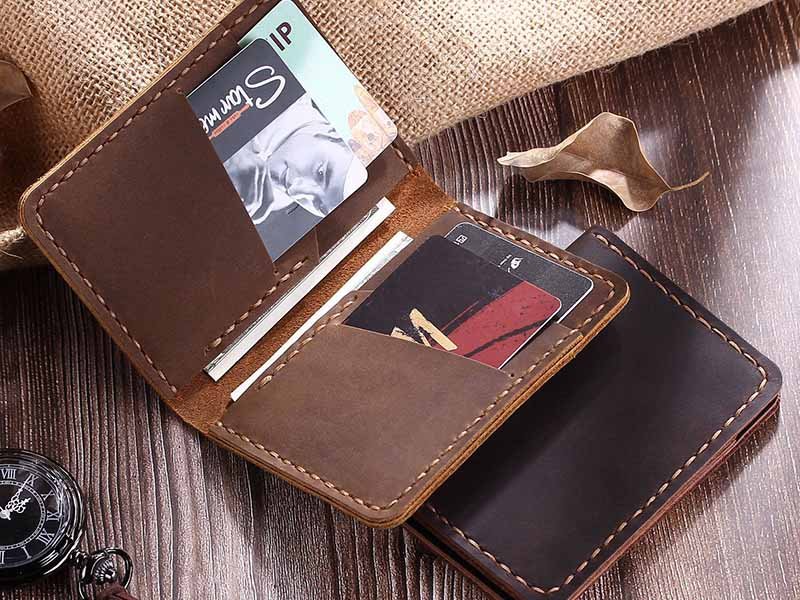
A leather goods supplier can produce an attractive sample and still be the wrong partner for a retail program. The real test begins when one approved design becomes twelve SKUs, three delivery dates, several barcode versions, hundreds of cartons, and a launch schedule that cannot move. At that point, quality is no longer defined only by smooth leather, straight stitching, or polished hardware. It also depends on version control, material consistency, production planning, inspection records, packaging accuracy, and the supplier’s ability to reproduce the same result months later.
How to Choose a Leather Goods Factory for Corporate Gifts
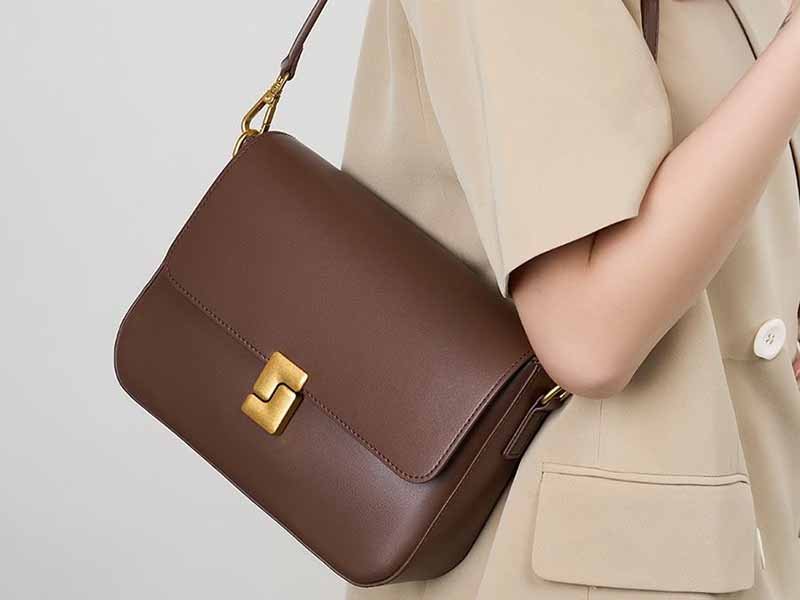
A leather corporate gift may appear simple when it is placed on an executive’s desk, handed to a long-term client, or included in an employee welcome package. Behind that finished wallet, passport holder, notebook cover, luggage tag, card case, pouch, or business gift set, however, sits a complicated production chain involving leather selection, pattern development, logo application, edge finishing, packaging, inspection, and international delivery. A weak decision at any stage can turn a well-funded gift program into a highly visible brand problem.
How to Choose a Leather Goods Manufacturer for Amazon Products
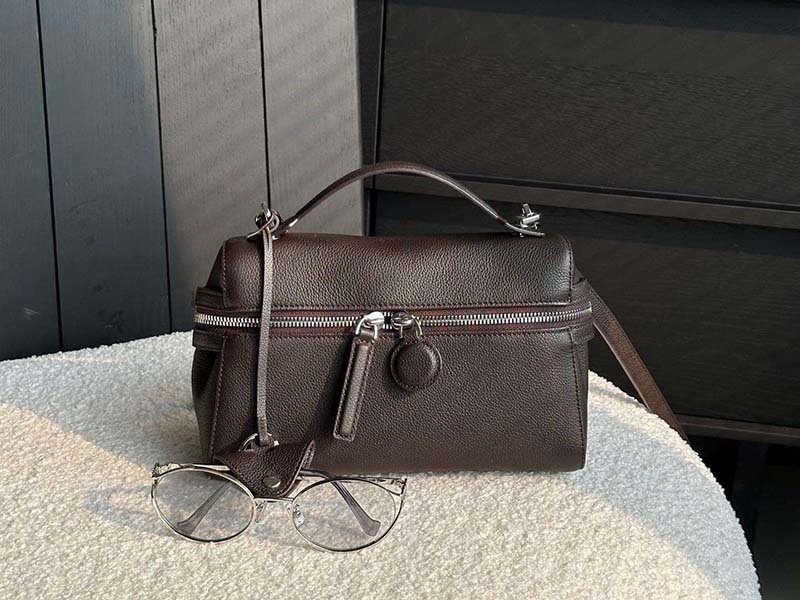
A leather product can appear profitable on a spreadsheet and still become an expensive problem after it reaches Amazon. A slightly weak snap, inconsistent edge paint, unreadable barcode, poorly reinforced handle, or carton containing mixed SKUs may seem like a small factory issue. Once hundreds of units enter fulfillment, however, those details can cause returns, negative reviews, receiving delays, relabeling costs, stranded inventory, and a launch that loses momentum before advertising has a fair chance to work.
How to Choose a Private Label Leather Goods Manufacturer
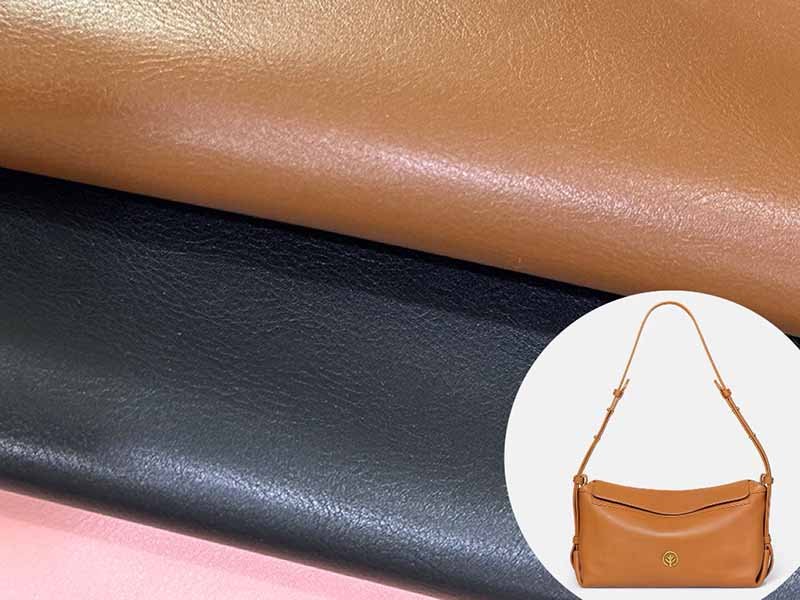
A beautifully made sample can create a dangerous sense of confidence. It arrives with smooth edge paint, clean stitching, polished hardware, and a logo positioned exactly where your team requested. Everyone approves it, the purchase order is issued, and the project appears to be under control. Several weeks later, the bulk shipment arrives with inconsistent leather grain, uneven color, soft corners, rough edges, and hardware that feels lighter than the approved sample. The original design was not necessarily the problem. The real problem was choosing a supplier based on one attractive sample instead of examining the manufacturing system behind it.
Leather Manufacturing for Business Accessories
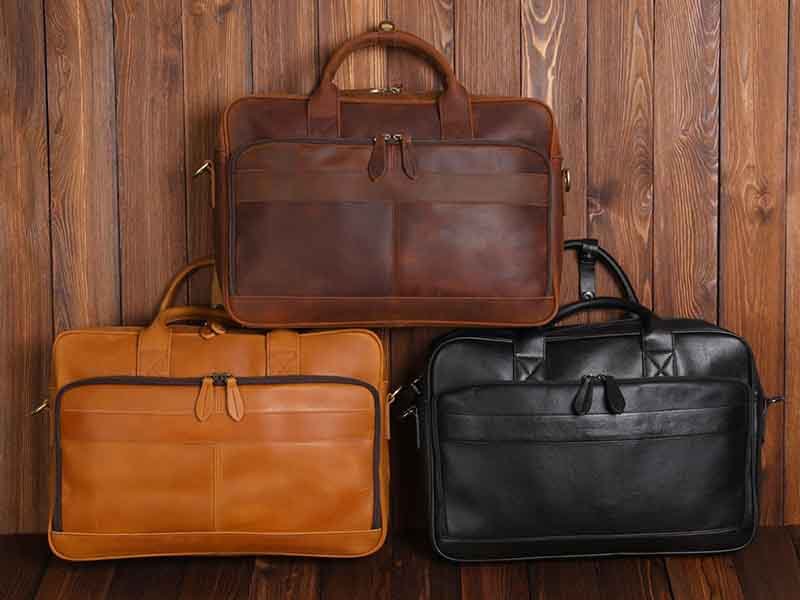
A finished leather accessory often looks straightforward. A wallet folds neatly, a belt sits flat, a briefcase holds its shape, and a leather presentation box opens with a clean, controlled movement. What is less visible is the amount of material planning and structural work required to make those results repeatable across hundreds or thousands of units.
How Custom Leather Goods Help Brands Stand Out
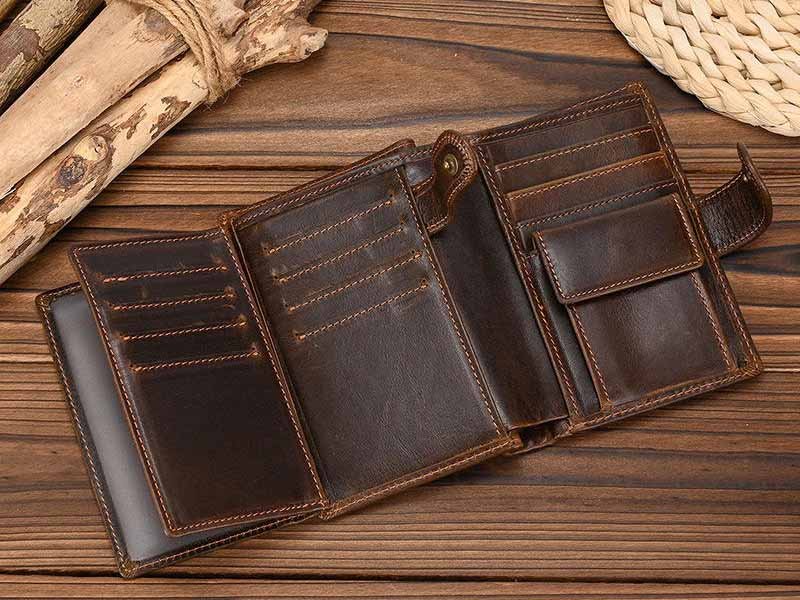
Leather goods are one of the most competitive product categories in fashion, lifestyle, corporate gifting, travel, and retail. A customer can compare dozens of leather bags, wallets, belts, straps, card holders, leather boxes, and accessories within minutes. Many products look attractive at first glance, but after a closer look, the difference between them becomes small: similar shapes, similar colors, similar hardware, similar logo positions, and similar packaging. This is where many brands begin to struggle. They are not only competing with direct competitors. They are competing with every similar-looking product on Amazon, Shopify, retail shelves, social media shops, and wholesale platforms.
What Is the Best Leather Card Holder Pocket Layout Design?
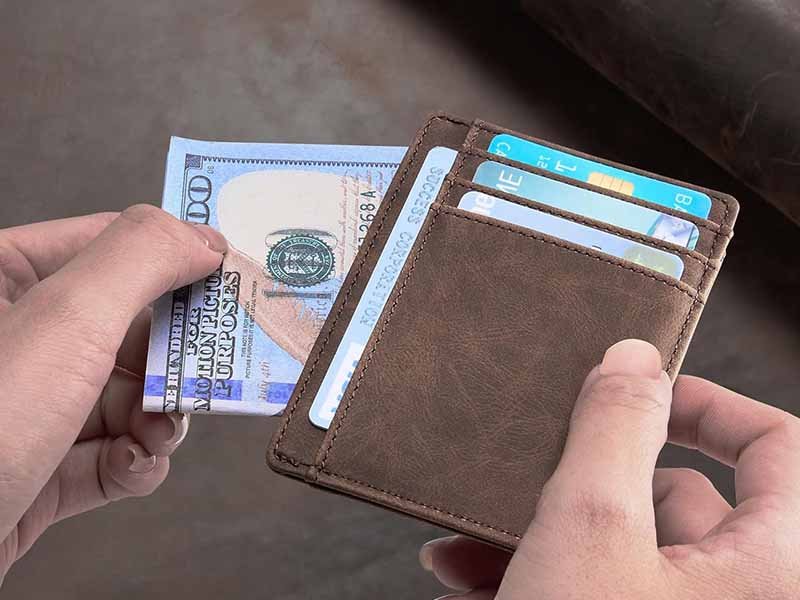
A leather card holder may look simple, but the pocket layout decides whether it feels smooth, slim, secure, and worth carrying every day. Many products fail not because the leather is poor, but because the internal structure was never designed carefully enough. A card holder can use full grain leather, clean stitching, and refined edge paint, yet still disappoint the user if the slots are too deep, too tight, too loose, or stacked with the wrong spacing. In real use, people notice these details immediately. They notice whether cards slide out naturally, whether the body stays flat after months of use, and whether the holder still feels elegant once it is filled.
How to Condition Leather at Home Safely: Expert Guide
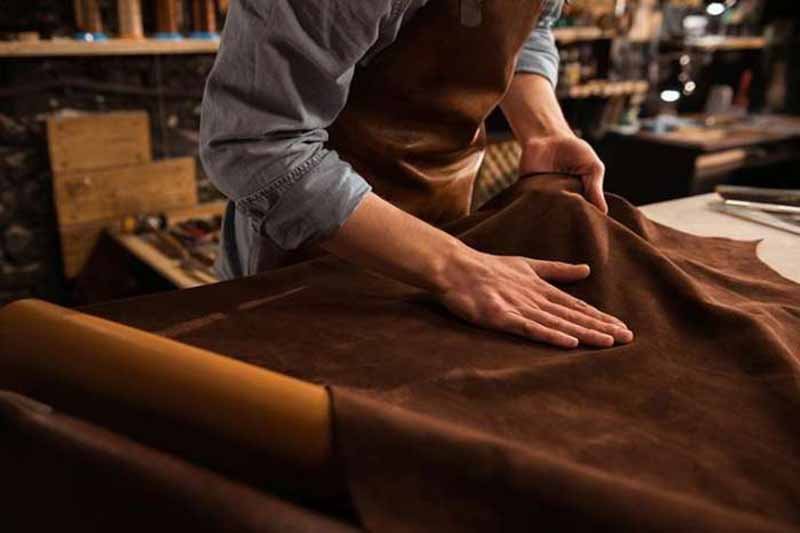
Leather is often described as a “living material.” It doesn’t breathe or heal like skin, but it reacts—to moisture, heat, friction, neglect, and care. When leather looks dry, stiff, dull, or cracked, the issue is rarely age alone. More often, it’s dehydration caused by environment, use, or improper maintenance. This is where conditioning comes in—but also where many people go wrong.
Where Does Leather Come From: A Global Journey from Hide to Hand
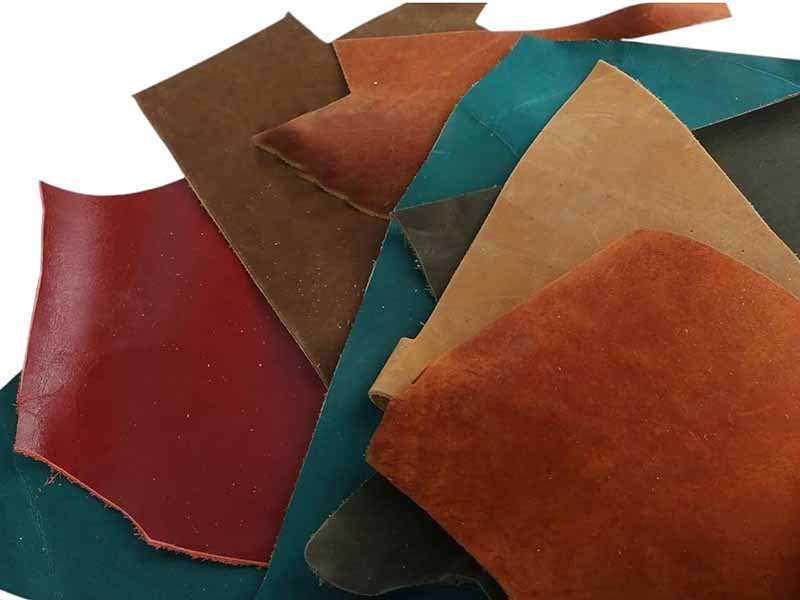
Leather surrounds us—on the wristwatch you wear, the handbag you hold, or the car seat you sink into. Yet few people stop to ask a simple question: where does leather actually come from? Behind every finished wallet or belt lies a global network of farmers, tanneries, and craftspeople transforming raw hides—often a by-product of the meat industry—into durable, luxurious materials.
10 Leather Keychain Ideas: Profitable Branding Tips
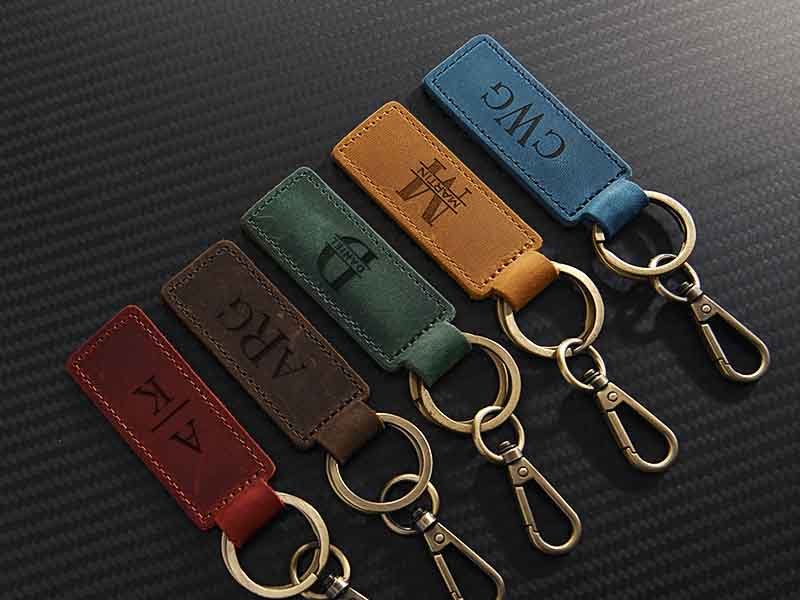
When was the last time you noticed someone’s keychain? Chances are, it wasn’t just holding keys—it was making a statement. Whether it’s a sleek monogrammed leather fob, a tech-ready AirTag holder, or a braided strap with vintage charm, leather keychains have evolved from simple utility items into powerful lifestyle accessories and brandable products. Leather keychains […]
Leather Goods Manufacturing: From Material R&D to Final Product

In today’s competitive leather market, the secret to standout products isn’t just craftsmanship—it’s an integrated process that begins with raw-material research and ends with on-point packaging. From tanneries to finished goods factories, understanding each step ensures you partner with a manufacturer who delivers quality, consistency, and innovation.
OEM vs ODM in Leather Goods: What’s the Best for Your Brand?
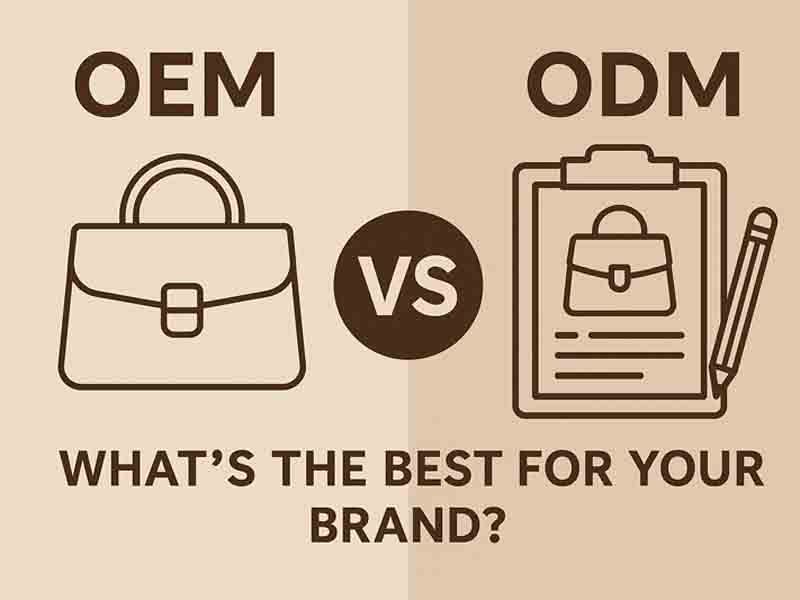
In the competitive world of leather goods—from handcrafted wallets to designer handbags—brands face a critical choice: should they handle product design and specs themselves (OEM), or lean on a factory’s in-house design expertise (ODM)? This decision shapes your intellectual property, investment level, speed to market, and ultimately, how your brand is perceived.