
What Makes a Leather Goods Manufacturer Reliable
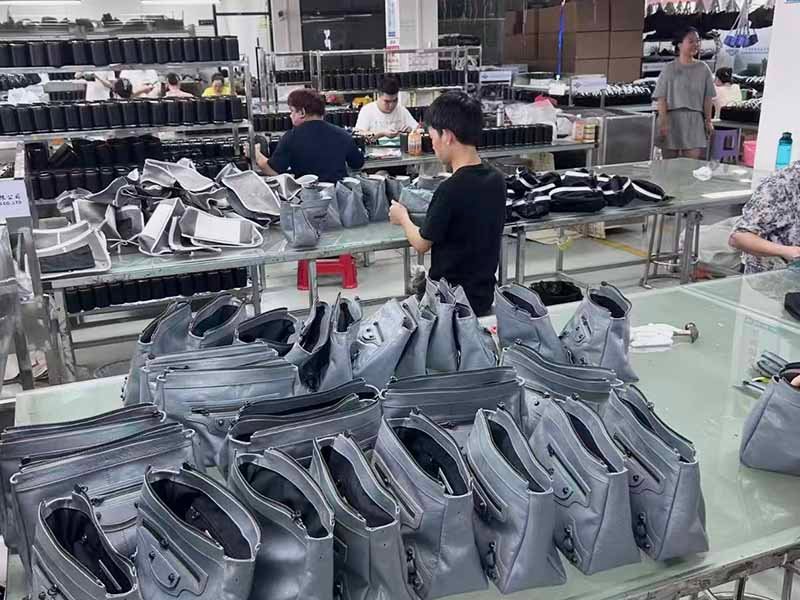
A reliable leather goods manufacturer has verifiable factory capability, documented material standards, controlled sample development, repeatable production processes, multi-stage quality inspection, realistic capacity planning, transparent subcontracting, and accountable communication. Buyers should confirm these capabilities through material records, approved samples, production documents, inspection reports, testing arrangements, factory reviews, and evidence from comparable projects rather than relying on certificates or sales claims alone.
Leather Goods Factory vs Trading Company: Which Is Better for Custom Manufacturing
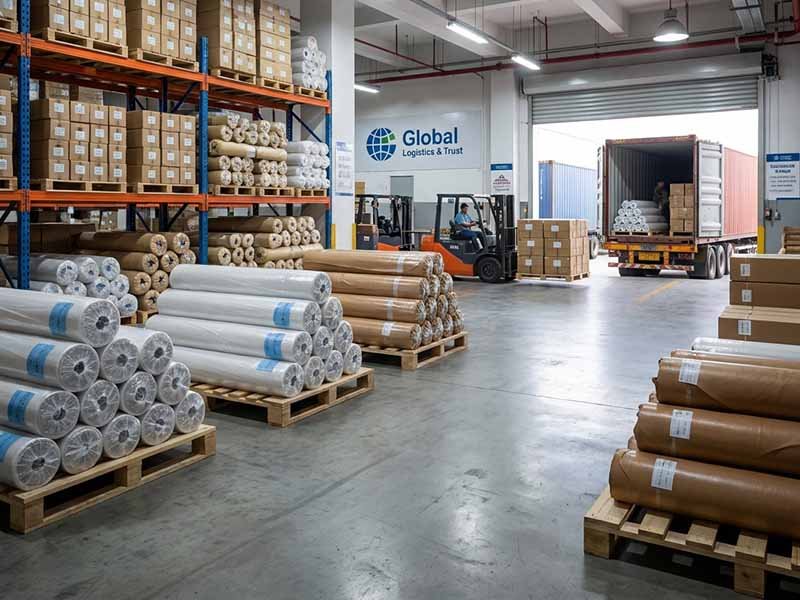
A leather goods factory is generally the better choice when a project requires direct material control, technical sampling, repeated revisions, confidential product development, stable workmanship, and repeat production. A trading company can be useful when the customer needs multi-category sourcing, supplier consolidation, local coordination, language support, inspection, or export management. The correct choice depends on measurable capabilities, transparency, accountability, and total project cost rather than the title printed on a business card.
How to Verify a Leather Goods Factory Before Sampling
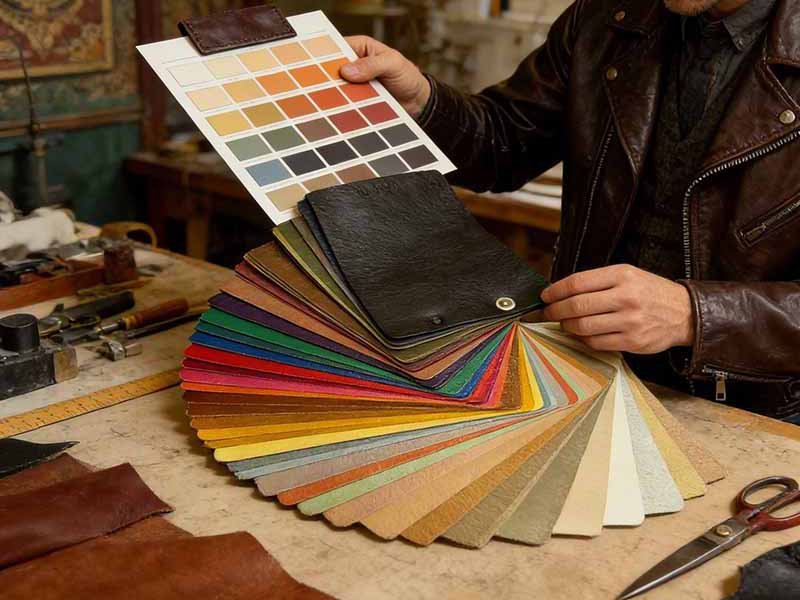
A polished sample does not automatically prove that the supplier behind it can manage real production. One experienced sample maker can spend several days perfecting a handbag, wallet, case, belt, organizer, or leather accessory, even when the wider factory lacks stable material sourcing, production records, qualified operators, or reliable quality controls. The most important supplier decision therefore happens before the first pattern is cut and before the sample fee is transferred.
OEM vs ODM Leather Goods Manufacturing: Which Model Is Right for Your Brand
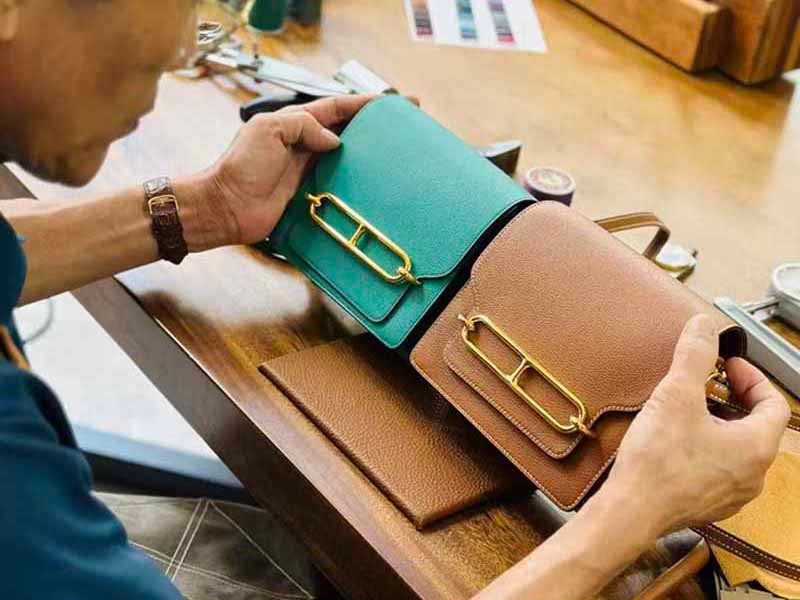
OEM leather goods manufacturing is usually the better choice when a brand owns a defined design, reference sample, tech pack, or proprietary product concept and needs a factory to develop and produce it accurately. ODM is generally more suitable when a brand wants to begin with a manufacturer-developed structure and customize materials, colors, hardware, branding, packaging, or selected functions to reduce development time and technical risk.
How to Choose a Leather Goods Supplier for Retail Programs
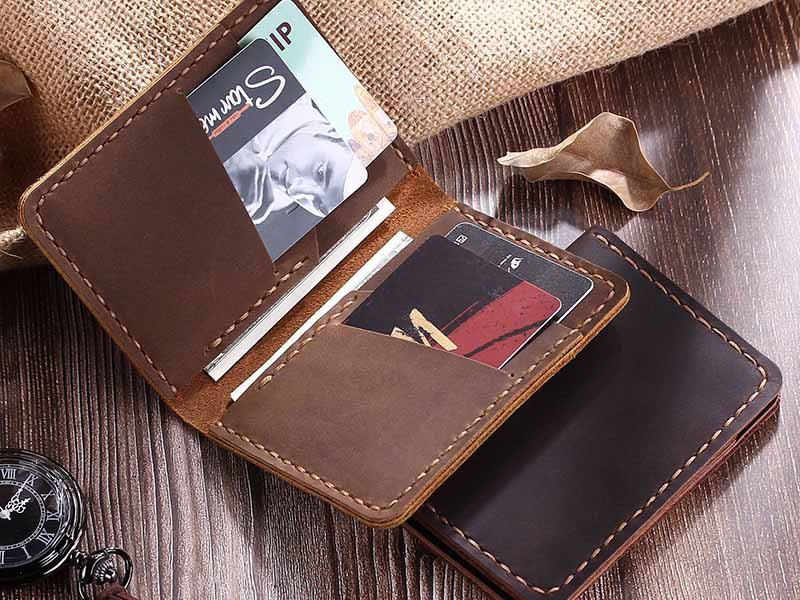
A leather goods supplier can produce an attractive sample and still be the wrong partner for a retail program. The real test begins when one approved design becomes twelve SKUs, three delivery dates, several barcode versions, hundreds of cartons, and a launch schedule that cannot move. At that point, quality is no longer defined only by smooth leather, straight stitching, or polished hardware. It also depends on version control, material consistency, production planning, inspection records, packaging accuracy, and the supplier’s ability to reproduce the same result months later.
Vegan Leather Goods Manufacturing Explained: How Are They Made
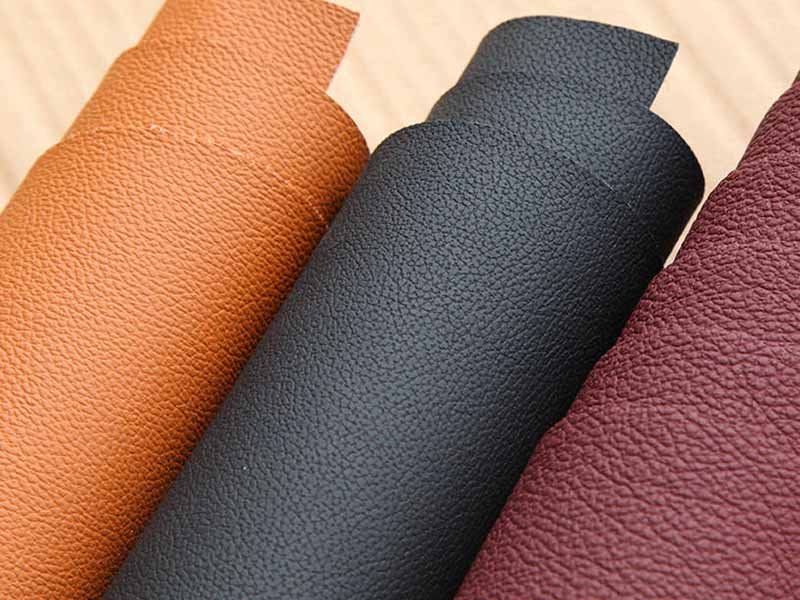
Vegan leather goods are manufactured by selecting a suitable animal-free material, engineering the product around its thickness and backing, developing patterns and samples, cutting and reinforcing components, sewing or bonding the structure, applying edge and logo finishes, installing hardware, and inspecting the finished product. Reliable production also verifies adhesives, linings, coatings, chemical requirements, packaging, and material claims before bulk manufacturing begins.
How to Choose a Custom Leather Goods Manufacturer
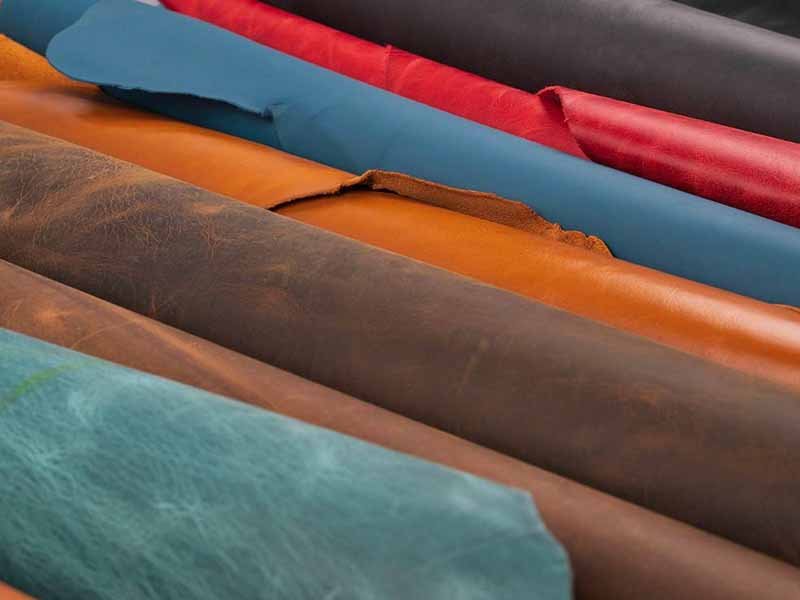
A polished leather sample can make almost any supplier look capable. It may have been produced by the factory’s best sample maker, cut from a carefully selected part of the hide, and finished without the time pressure of bulk production. The real test starts when hundreds or thousands of units must match that sample in leather shade, dimensions, stitching, edge finish, structure, hardware function, packaging, and delivery timing.
Private Label Leather Goods : Manufacturing Guide

In the world of fashion and accessories, private label leather goods are emerging as a favored approach for both start-ups and established brands seeking to differentiate themselves in a competitive market.Whether you’re launching your very first collection or scaling an existing label, there’s a distinct allure in crafting custom pieces that reflect your unique story […]