
How to Choose Recycled Leather for Accessories: A Practical Material Guide
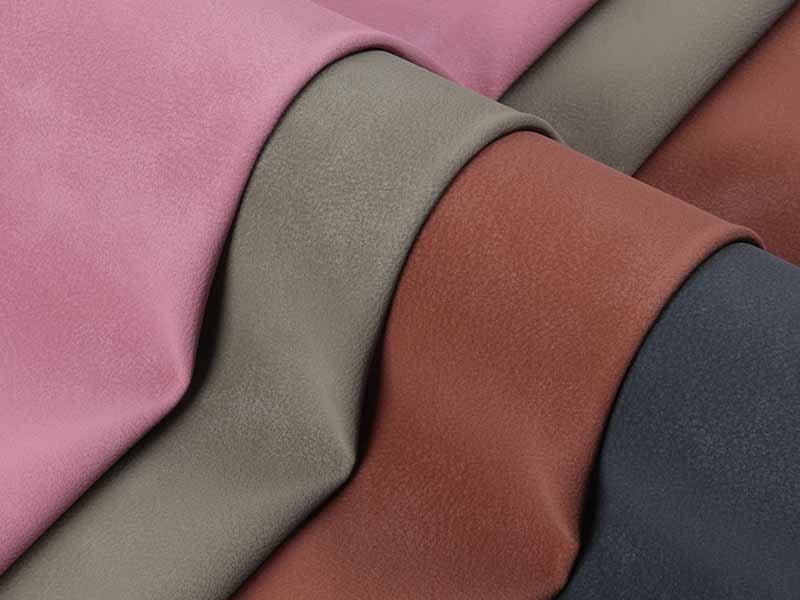
To choose recycled leather for accessories, verify the complete material composition, recycled leather percentage, backing, coating, thickness, surface finish, color consistency, mechanical performance, chemical documentation, and supply traceability. The material should then be tested in the actual wallet, bag, strap, or accessory structure. A suitable option must balance appearance, durability, manufacturability, sustainability claims, target cost, and repeat-order consistency.
Private Label vs Custom Leather Goods: What Is the Difference and Which Is Right for Your Brand
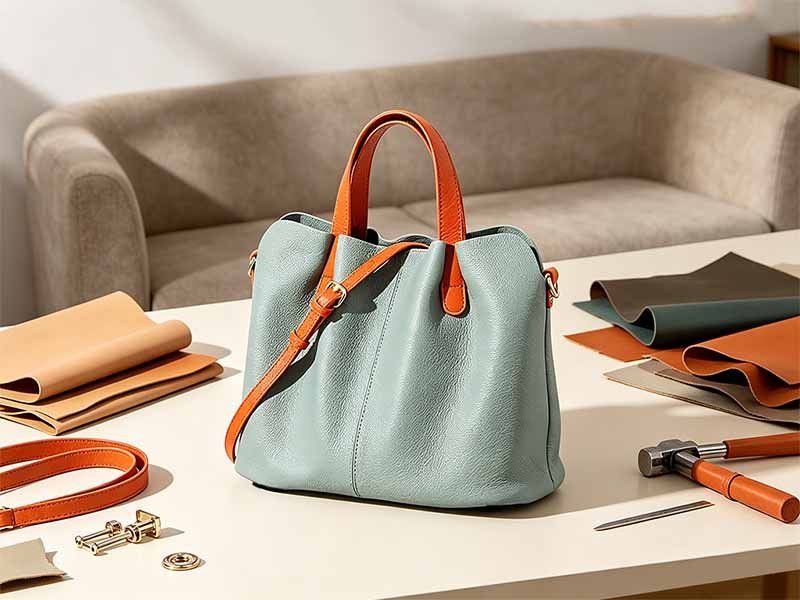
Many leather goods projects begin with an attractive reference image and a simple request: “Can you make this with our logo?” The difficult decisions appear later. The buyer discovers that the selected leather changes the product’s structure, custom hardware has a separate minimum order, a deeper pocket requires a new pattern, and the word “private label” means something different to every manufacturer. A project that initially looked straightforward can quickly become expensive, slow, and difficult to control.
How Do You Choose the Right ODM Leather Goods Partner
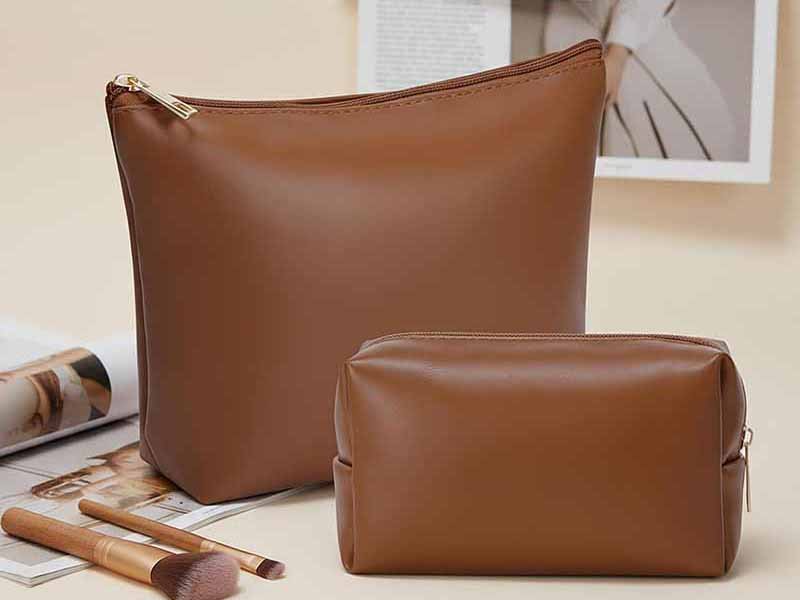
Choosing an ODM leather goods partner is not simply a matter of comparing unit prices, factory photographs, or the number of products displayed in a showroom. The company you select will influence how your original concept is interpreted, which leather and hardware are used, how quickly prototypes are revised, how closely bulk production follows the approved sample, and whether repeat orders remain consistent. A low quotation may look attractive during the first comparison, but the real cost becomes visible when leather shades change, edge paint cracks, hardware is substituted, or the final product no longer feels like the sample you approved.
How to Choose a Custom Leather Goods Manufacturer
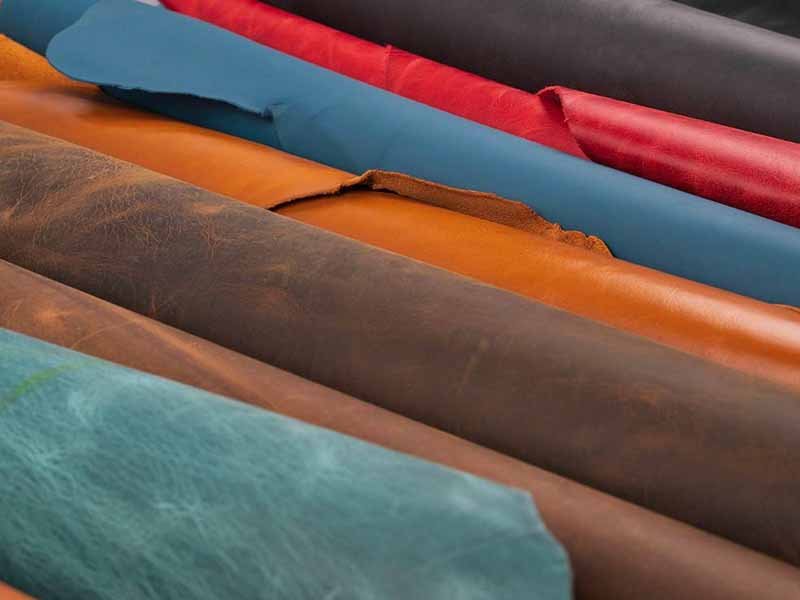
A polished leather sample can make almost any supplier look capable. It may have been produced by the factory’s best sample maker, cut from a carefully selected part of the hide, and finished without the time pressure of bulk production. The real test starts when hundreds or thousands of units must match that sample in leather shade, dimensions, stitching, edge finish, structure, hardware function, packaging, and delivery timing.
Leather Manufacturing for Business Accessories
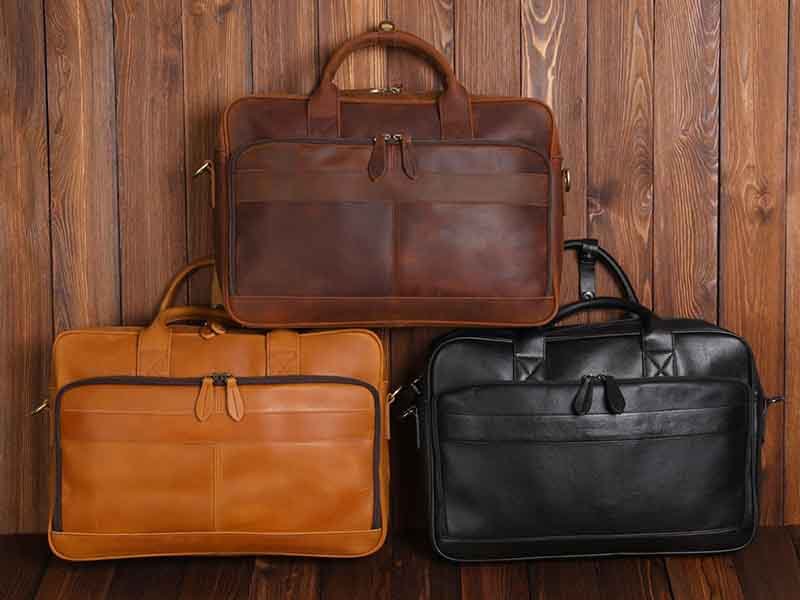
A finished leather accessory often looks straightforward. A wallet folds neatly, a belt sits flat, a briefcase holds its shape, and a leather presentation box opens with a clean, controlled movement. What is less visible is the amount of material planning and structural work required to make those results repeatable across hundreds or thousands of units.
How Does a Leather Key Holder Create Compact and Secure Key Storage
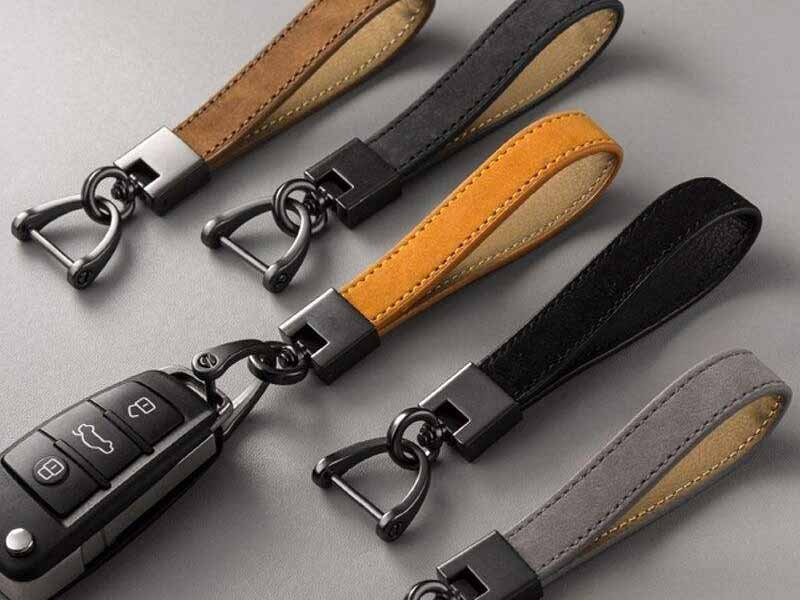
A leather key holder may occupy less space than a wallet, but its design has to manage several demanding functions at the same time. Keys have sharp teeth, uneven heads, different lengths, irregular holes, and hard metal surfaces. Car fobs are thicker, heavier, and often unsuitable for the same internal structure. Add daily pocket pressure, repeated opening, humidity, hand oils, and thousands of key rotations, and a simple-looking accessory quickly becomes a serious product-development project.
Leather Key Holder Edge Finishing Methods Explained
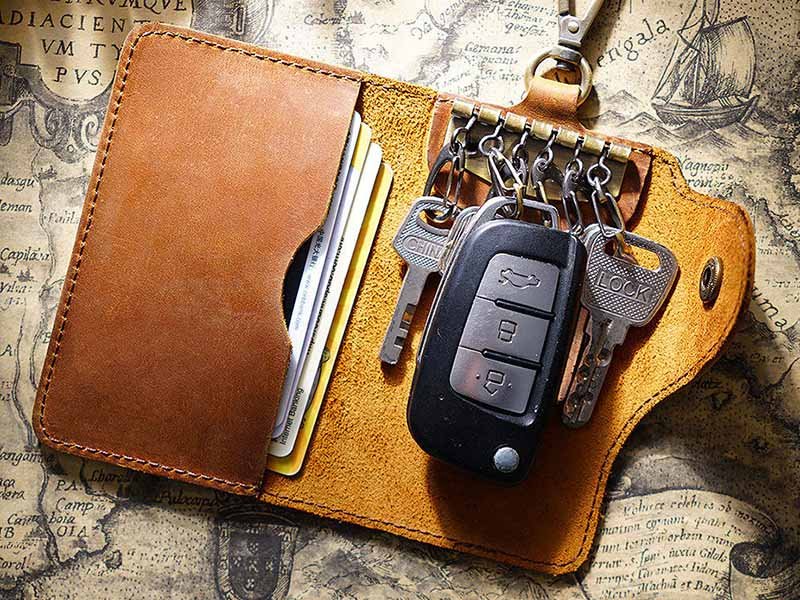
Most people think the quality of a leather key holder is decided by the leather itself. In real production, that is only part of the story. Many products use decent leather, but still feel cheap in hand because the edges are rough, dry, cracked, or uneven. On small leather goods like key holders, the edge is always close to the eye and constantly touched by the hand. That means edge finishing is not a minor detail. It is one of the clearest signals of craftsmanship, durability, and factory control.
Full Grain vs Top Grain for Leather Accessories: What Buyers Should Choose
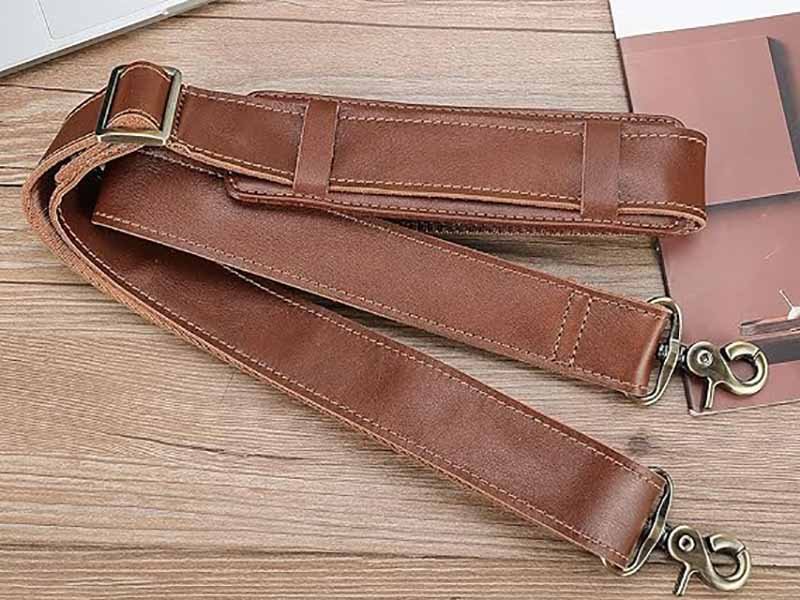
People often think the “design” is what makes a leather accessory premium. In real life, the leather choice does more heavy lifting than the design ever will. Two wallets can share the same stitching, same edge paint, same logo placement—yet one feels expensive and the other feels ordinary. Most of the time, that difference comes down to a material decision you make early: full grain vs top grain leather.
Full Grain vs Top Grain for Leather Keychain: What Buyers Should Choose
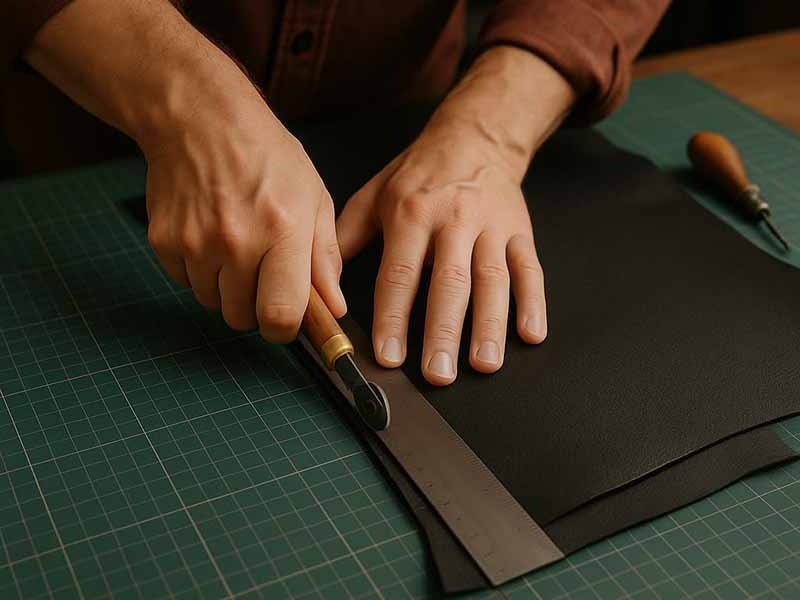
A leather keychain is small, but it lives a hard life. It gets twisted in your hand, crushed in pockets, rubbed against coins, hit by keys, exposed to sweat, and tossed onto car consoles hundreds of times a week. That’s why “nice-looking leather” is not enough. If the leather choice is wrong, keychains fail in very specific ways: edges crack, holes stretch, the surface scratches into a dull patch, or the leather delaminates around the metal ring.
What Is a Pocketbook: A Comprehensive Guide

In fashion, language evolves as fast as trends. What someone in New York calls a “pocketbook,” someone in London might call a “handbag,” and someone in Paris might call a “sac à main.” Yet all refer to a similar accessory — one that blends function, craftsmanship, and cultural identity.
Top 10 Personalized Leather Gifts for Corporate Clients: Ideas & Insights

In an age where “swag” can feel generic, personalized leather gifts cut through the noise—melding timeless elegance with practical utility. From sleek cardholders emblazoned with a client’s initials to handcrafted padfolios that cradle a signature pen, leather speaks volumes about care, quality, and professionalism. When you present a corporate partner with a bespoke leather item, you’re giving more than a gift—you’re delivering a branded touchpoint that travels into boardrooms, airports, and coffee shops, reinforcing your relationship every time it’s used.
How to Custom Leather Bookmarks for You: One-Stop Guide

In an age of e-readers, a handcrafted leather bookmark still carries undeniable charm—blending functionality with tactile luxury. For brands and boutiques seeking memorable giveaways or retail lines, custom leather bookmarks offer a low-cost, high-impact canvas for storytelling and branding.