
How to Choose a Private Label Leather Goods Manufacturer
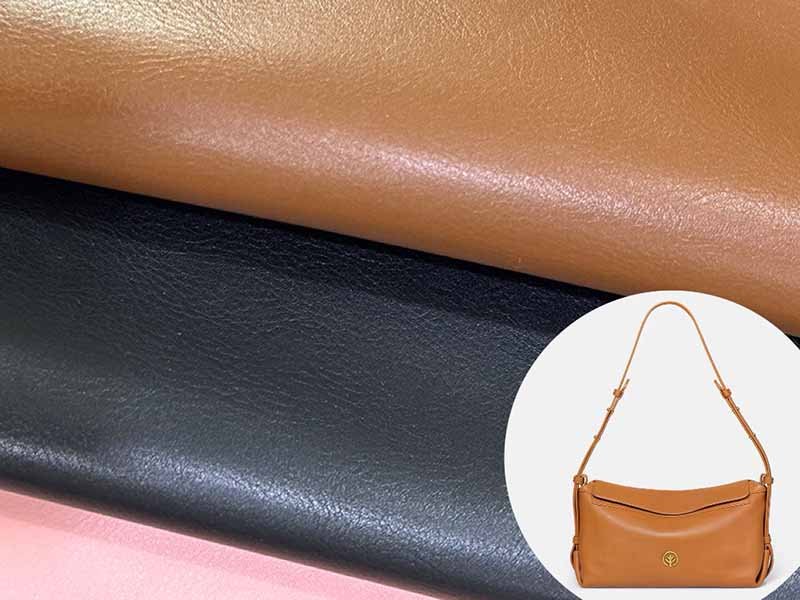
A beautifully made sample can create a dangerous sense of confidence. It arrives with smooth edge paint, clean stitching, polished hardware, and a logo positioned exactly where your team requested. Everyone approves it, the purchase order is issued, and the project appears to be under control. Several weeks later, the bulk shipment arrives with inconsistent leather grain, uneven color, soft corners, rough edges, and hardware that feels lighter than the approved sample. The original design was not necessarily the problem. The real problem was choosing a supplier based on one attractive sample instead of examining the manufacturing system behind it.
How to Choose a Leather Goods Manufacturer for Your Brand
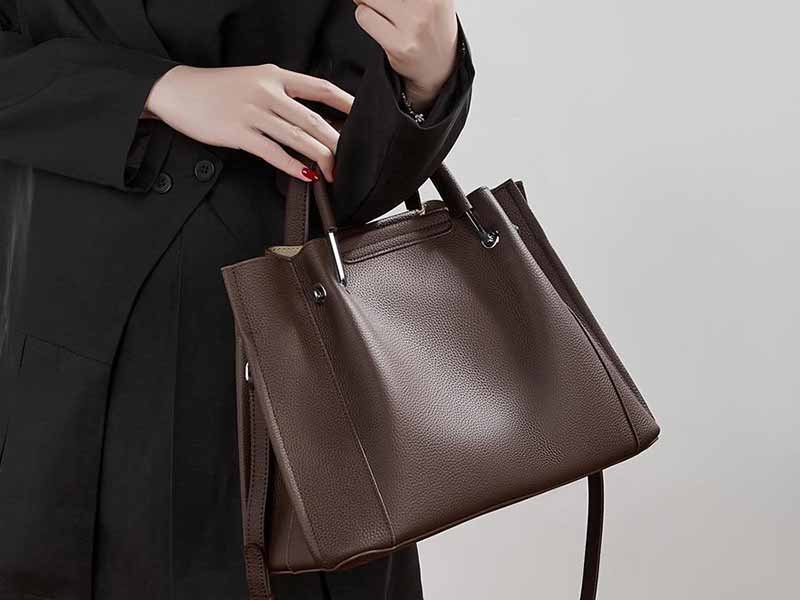
A leather product can look excellent in a presentation sample and still become a commercial problem during bulk production. Color may drift between leather batches, handles may stretch under realistic loads, edge paint may crack around tight corners, hardware may scratch the surface during shipping, or the finished product may feel noticeably different from the approved sample. These failures are rarely caused by a single sewing mistake. They usually begin with unclear specifications, unsuitable materials, weak development controls, or a manufacturer that cannot manage the entire production chain.
Leather Manufacturing for Business Accessories
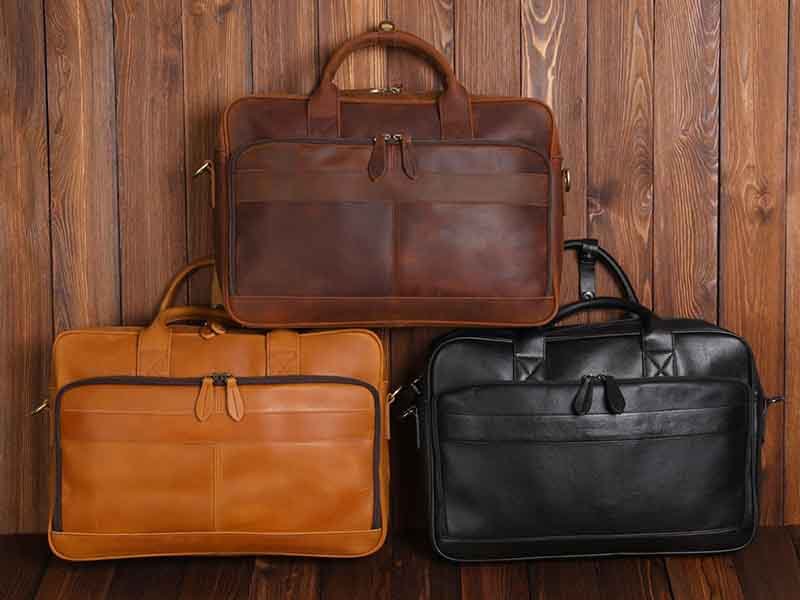
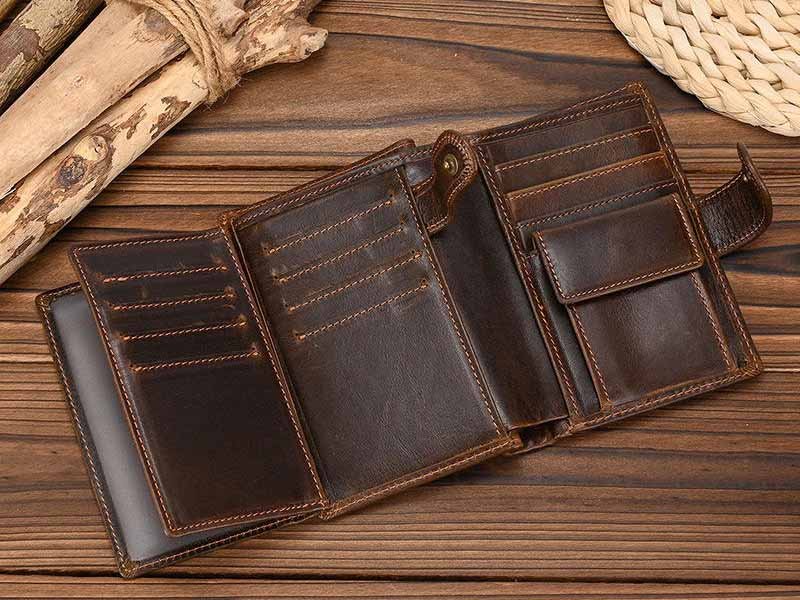
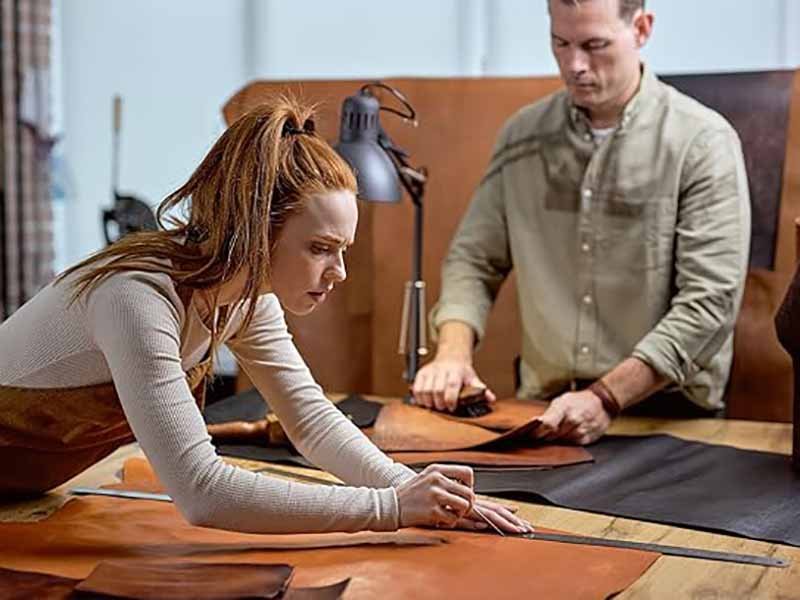
A finished leather accessory often looks straightforward. A wallet folds neatly, a belt sits flat, a briefcase holds its shape, and a leather presentation box opens with a clean, controlled movement. What is less visible is the amount of material planning and structural work required to make those results repeatable across hundreds or thousands of units.
How Custom Leather Goods Help Brands Stand Out
Leather goods are one of the most competitive product categories in fashion, lifestyle, corporate gifting, travel, and retail. A customer can compare dozens of leather bags, wallets, belts, straps, card holders, leather boxes, and accessories within minutes. Many products look attractive at first glance, but after a closer look, the difference between them becomes small: similar shapes, similar colors, similar hardware, similar logo positions, and similar packaging. This is where many brands begin to struggle. They are not only competing with direct competitors. They are competing with every similar-looking product on Amazon, Shopify, retail shelves, social media shops, and wholesale platforms.
What Is Leather Keychain Production for Retail Chains?
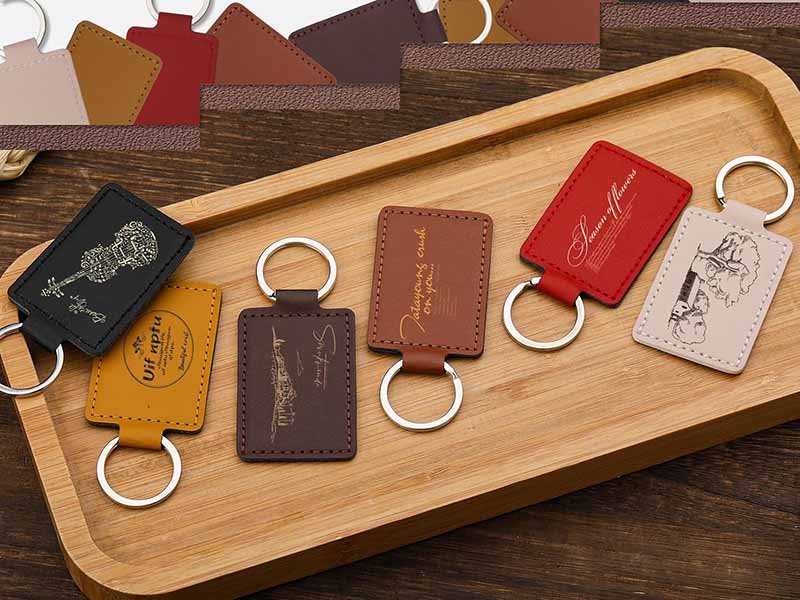
In chain retail, small accessories often do more commercial work than many larger products. A leather keychain is a good example. It is affordable enough to support impulse purchase, practical enough to justify repeat demand, and visible enough to carry a logo, a location theme, or a lifestyle message without taking up much shelf space. That is exactly why retail chains, museum stores, hotel shops, automotive programs, fashion stores, and gift retailers continue to keep this category in their assortment. A good leather keychain is not just a low-cost add-on. It can help raise average transaction value, improve giftability, strengthen store identity, and create a product line that is easy to expand into wallets, card holders, straps, and other leather accessories later.
What Is the Best Leather Card Holder Pocket Layout Design?
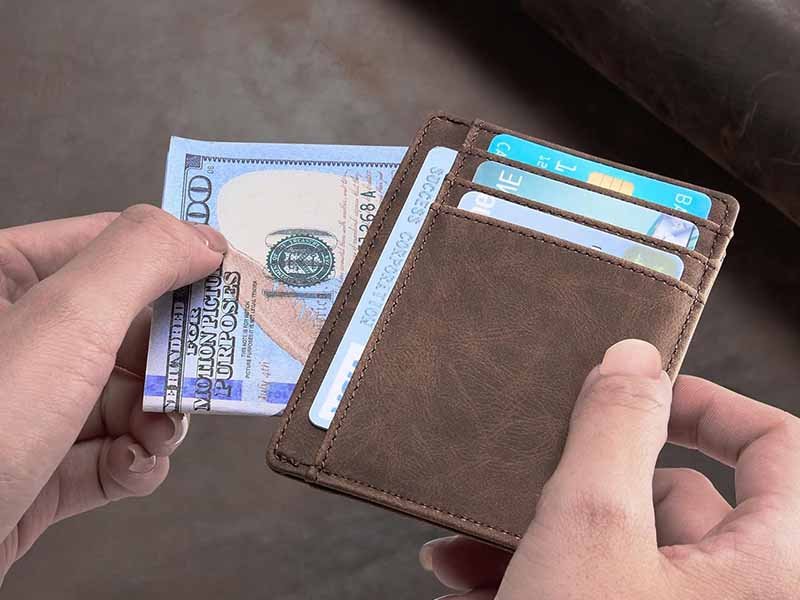
A leather card holder may look simple, but the pocket layout decides whether it feels smooth, slim, secure, and worth carrying every day. Many products fail not because the leather is poor, but because the internal structure was never designed carefully enough. A card holder can use full grain leather, clean stitching, and refined edge paint, yet still disappoint the user if the slots are too deep, too tight, too loose, or stacked with the wrong spacing. In real use, people notice these details immediately. They notice whether cards slide out naturally, whether the body stays flat after months of use, and whether the holder still feels elegant once it is filled.
What Is the Right Leather Thickness for Tote Bags?
A tote bag may look simple, but leather thickness decides whether it feels premium or cheap, whether it keeps its shape or collapses, and whether it survives daily use or starts showing problems after a few weeks. Many brands focus first on color, grain, logo, and silhouette. Those things matter, but they do not solve the real engineering question inside the product: how thick should the leather be for the body, the handles, the bottom, and the reinforcement areas? A tote that feels elegant in hand can still fail in real use if the leather is too thin for the load, and a tote that looks strong on paper can become too heavy, too stiff, and too expensive if the leather is too thick.
Full Grain vs Top Grain Leather for Bag Manufacturing
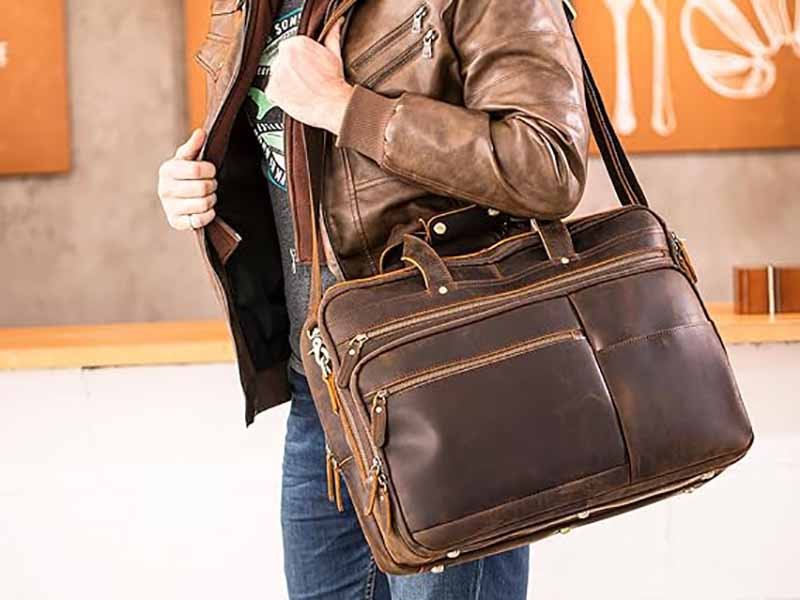
A leather bag can look excellent on the day it is packed, yet disappoint six months later when the corners soften too quickly, the surface scratches unevenly, or the body loses shape after regular use. In many of these cases, the problem is not the pattern, not the stitching, and not even the hardware. The real issue starts much earlier, with the leather choice itself. That is why the discussion around full grain leather and top grain leather matters so much in bag manufacturing. The difference is not only about status or wording on a product page. It affects structure, cutting yield, surface consistency, repair rate, pricing, customer expectation, and long-term product reputation.
Leather Size Guide: Explained
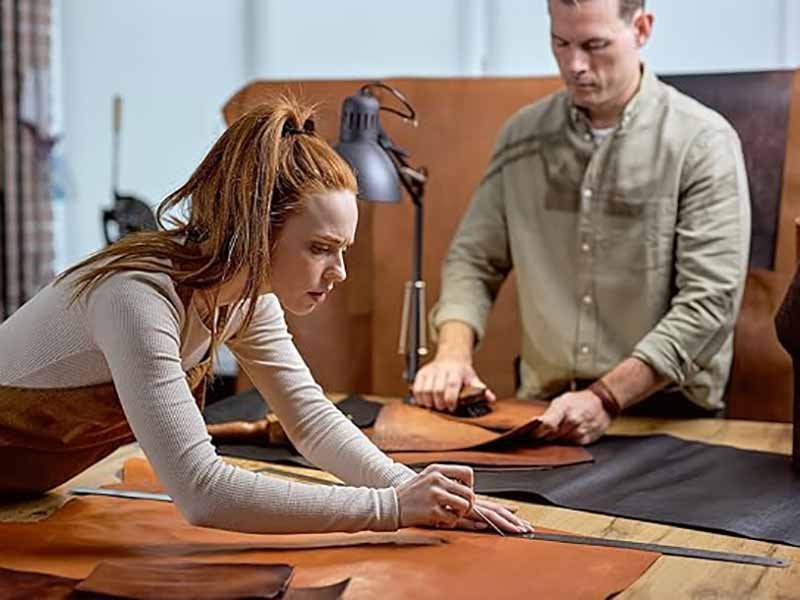
Leather sizing is one of the most underestimated factors in leather product development. Many buyers focus heavily on leather type—full grain, top grain, vegetable-tanned—but overlook sizing details that ultimately determine comfort, usability, durability, and customer satisfaction. In reality, most quality disputes in leather goods are not caused by leather quality itself, but by incorrect sizing decisions made early in development.
How to Condition Leather at Home Safely: Expert Guide
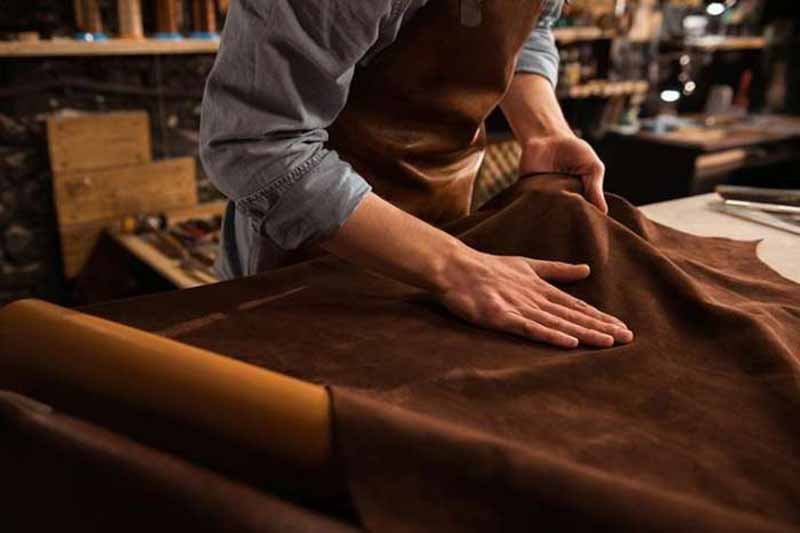
Leather is often described as a “living material.” It doesn’t breathe or heal like skin, but it reacts—to moisture, heat, friction, neglect, and care. When leather looks dry, stiff, dull, or cracked, the issue is rarely age alone. More often, it’s dehydration caused by environment, use, or improper maintenance. This is where conditioning comes in—but also where many people go wrong.
From Sketch to Shelf: How Custom Leather Design and Prototyping Bring Ideas to Life
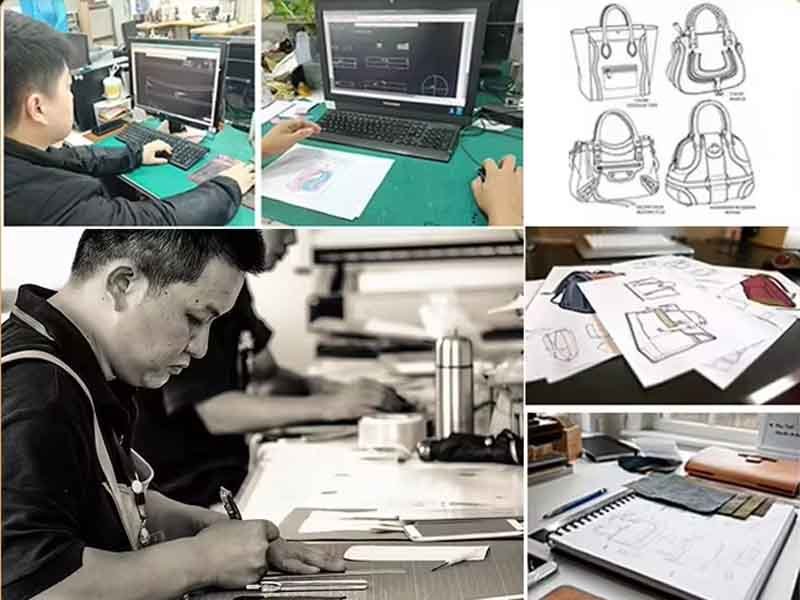
Bringing a leather product from a hand-drawn concept to a polished, market-ready item is as much an art as it is a science. It involves creative vision, material knowledge, technical precision, and iterative refinement—all underpinned by client collaboration.
Leather Goods Manufacturing: From Material R&D to Final Product

In today’s competitive leather market, the secret to standout products isn’t just craftsmanship—it’s an integrated process that begins with raw-material research and ends with on-point packaging. From tanneries to finished goods factories, understanding each step ensures you partner with a manufacturer who delivers quality, consistency, and innovation.