
Leather Camera Bag Edge Finishing Techniques
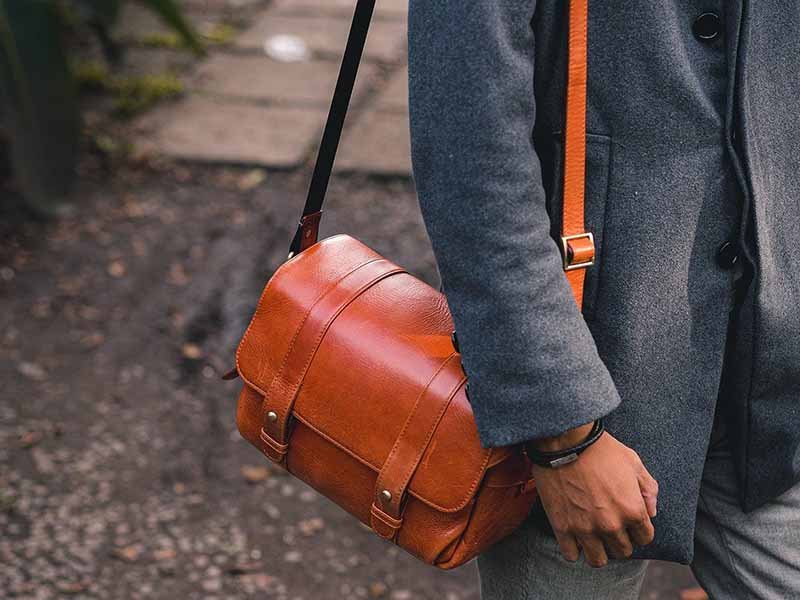
A leather camera bag can look excellent when it leaves the production line and still fail quickly in daily use. Edge damage often appears before the main leather surface wears out. Shoulder straps bend around the body, handles carry concentrated loads, flaps are opened repeatedly, and lower corners rub against floors, walls, car seats, and outdoor surfaces. When edge preparation is weak, paint may crack, layered leather may separate, and exposed fibers may absorb sweat, moisture, and dirt.
Adjustable Strap Systems in Leather Messenger Bags: A Practical Guide
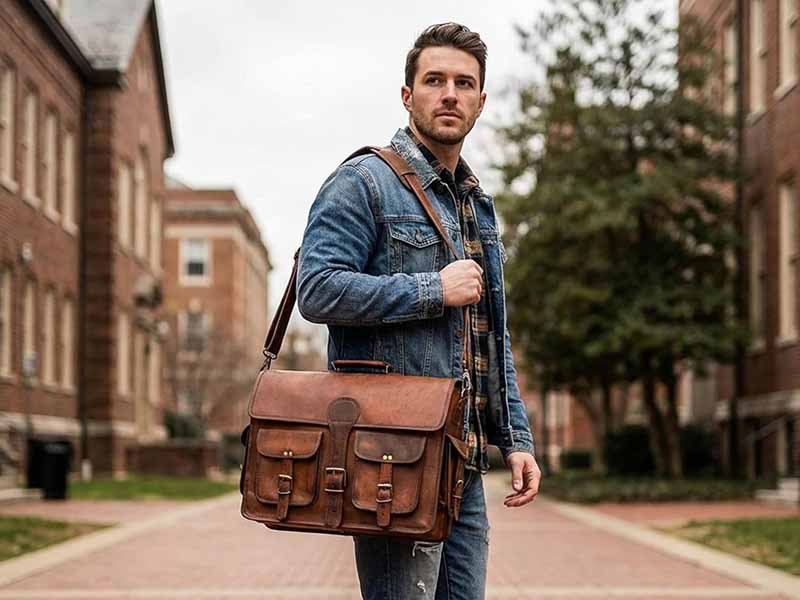
A leather messenger bag may win attention with its leather grain, rich color, clean stitching, and polished hardware, but the strap system decides whether people actually enjoy using it every day. A customer rarely says, “I love the internal reinforcement structure of this strap.” What they say is much simpler: “It feels comfortable,” “It sits well,” “It does not slide,” “It does not hurt my shoulder,” or “I can carry my laptop without worrying.” Behind those simple comments is a full engineering system involving leather thickness, strap width, hardware strength, buckle movement, attachment angle, sewing structure, shoulder pressure, and long-term wear resistance.
Interior Organization Design in Leather Tote Bags: What Makes a Tote Easy to Use

A leather tote bag is often judged by its first impression: the leather surface, the handle shape, the shine of the hardware, the stitching line, and the way it sits on a shelf. But after purchase, the real test starts inside the bag. A customer may love the outside, yet still stop using the tote if her laptop slides around, her keys disappear at the bottom, her phone pocket is too tight, or the lining feels cheap after a few weeks of use. That is why interior organization design in leather tote bags is no longer a small detail. It has become one of the strongest factors behind product reviews, repeat orders, and long-term brand trust.
Leather Crossbody Bag Pattern Engineering Basics
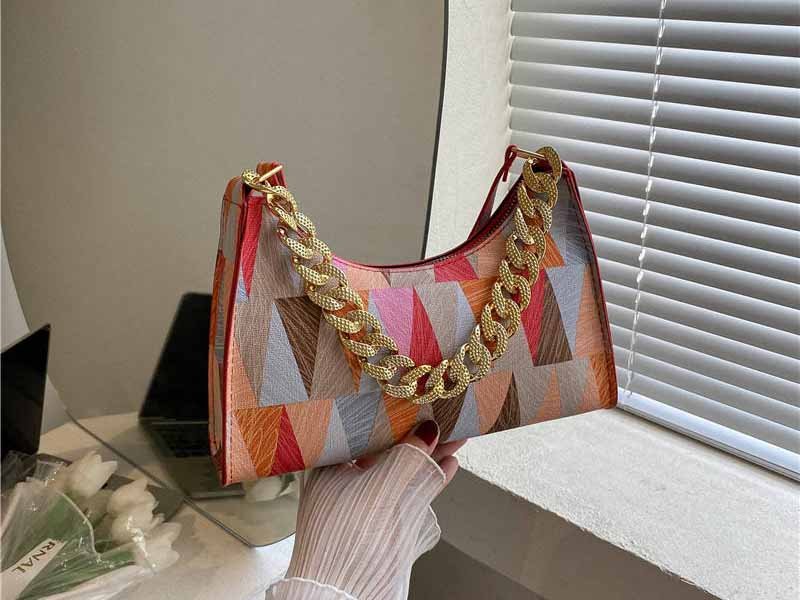
A leather crossbody bag may look simple from the outside: one body, one strap, one zipper or flap, maybe a few pockets. But in real development, the final quality is often decided before the leather ever touches the sewing machine. A small pattern mistake of only 2–3 mm can make the zipper wave, the flap sit crooked, the gusset twist, or the strap pull the whole bag forward when worn. For brand clients, this means the pattern is not just a cutting template. It is the hidden structure behind shape, comfort, leather consumption, production cost, and customer satisfaction.
Leather Briefcase Interior Organization Design Guide
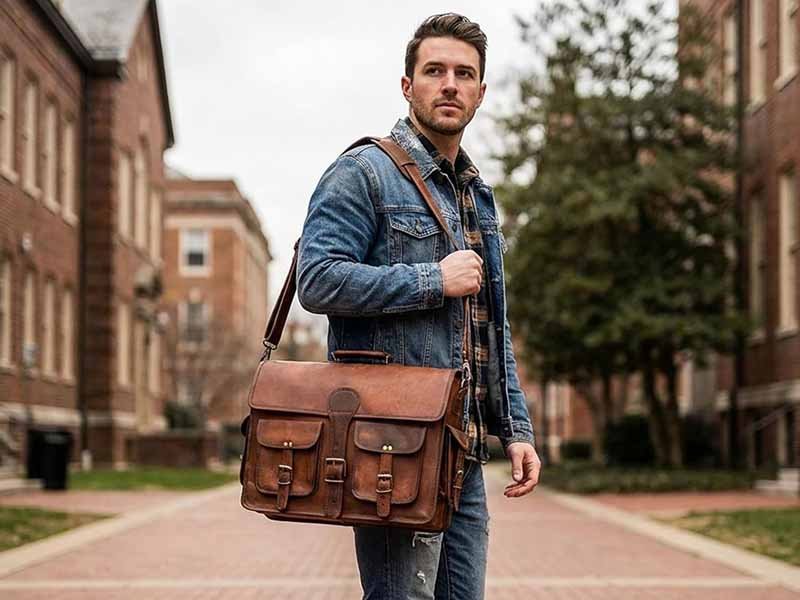
A leather briefcase can look expensive from the outside and still disappoint the user the moment it is opened. That is where many products quietly lose value. The real daily experience of a briefcase is not decided by the shine of the leather, the logo on the front, or the shape of the handle alone. It is decided by what happens inside: whether the laptop stays protected, whether documents remain flat, whether the charger and pen can be found in seconds, and whether the whole interior feels calm instead of chaotic. For business users, that difference matters more than people think. A briefcase is not only a fashion item. It is a work tool, a storage system, and often a reflection of how organized the person using it wants to appear.
What Is the Right Leather Thickness for Tote Bags?
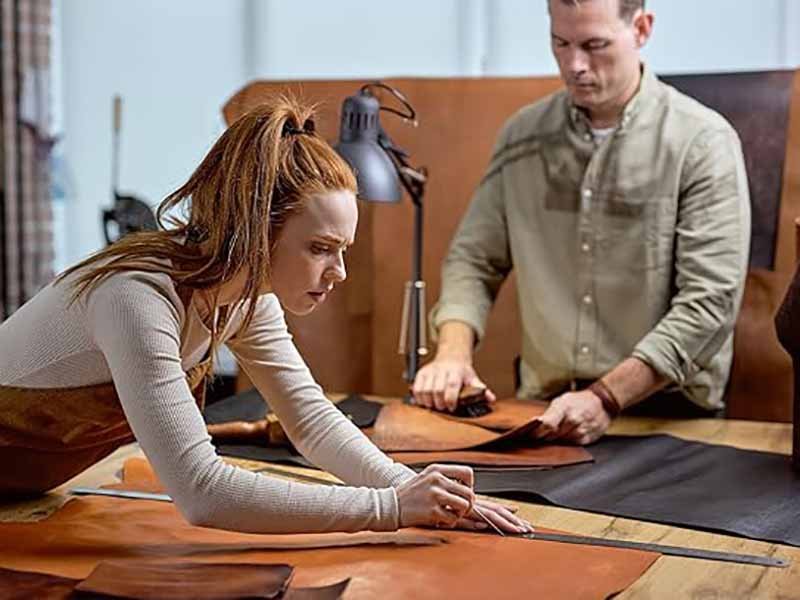
A tote bag may look simple, but leather thickness decides whether it feels premium or cheap, whether it keeps its shape or collapses, and whether it survives daily use or starts showing problems after a few weeks. Many brands focus first on color, grain, logo, and silhouette. Those things matter, but they do not solve the real engineering question inside the product: how thick should the leather be for the body, the handles, the bottom, and the reinforcement areas? A tote that feels elegant in hand can still fail in real use if the leather is too thin for the load, and a tote that looks strong on paper can become too heavy, too stiff, and too expensive if the leather is too thick.
Full Grain vs Top Grain Leather for Bag Manufacturing
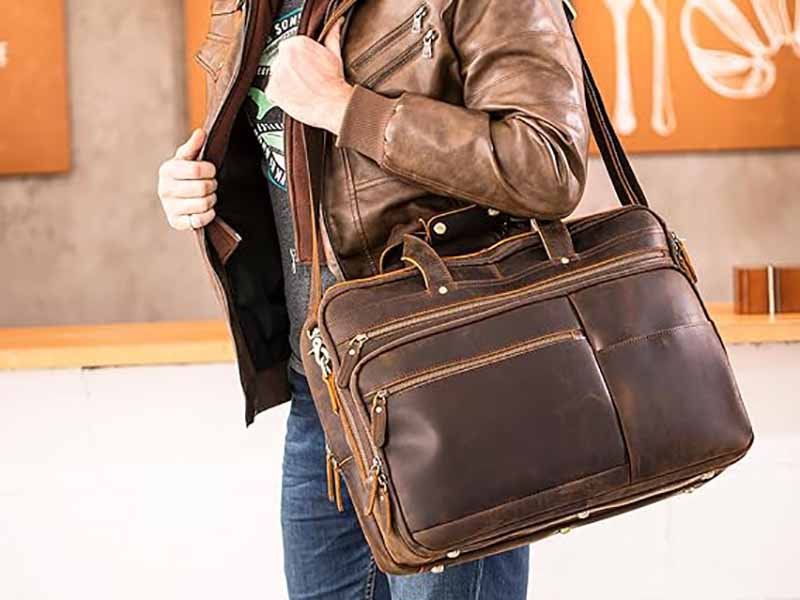
A leather bag can look excellent on the day it is packed, yet disappoint six months later when the corners soften too quickly, the surface scratches unevenly, or the body loses shape after regular use. In many of these cases, the problem is not the pattern, not the stitching, and not even the hardware. The real issue starts much earlier, with the leather choice itself. That is why the discussion around full grain leather and top grain leather matters so much in bag manufacturing. The difference is not only about status or wording on a product page. It affects structure, cutting yield, surface consistency, repair rate, pricing, customer expectation, and long-term product reputation.
Full Grain vs Top Grain for Leather Handbags

In handbag sales, “full grain” often gets treated like a magic word. Customers see it and assume the bag must be premium. But in real production, a handbag can be full grain and still disappoint—too many visible marks, uneven color panels, scratch sensitivity, or inconsistent batches that are hard to repeat at scale. On the other side, many top-performing everyday handbags are made from top grain because it offers a cleaner surface, more predictable color, and fewer customer complaints in high-touch areas like corners and handles.
Pouch vs Boxy Leather Makeup Bags: What’s Best for Capacity and Shape Control?
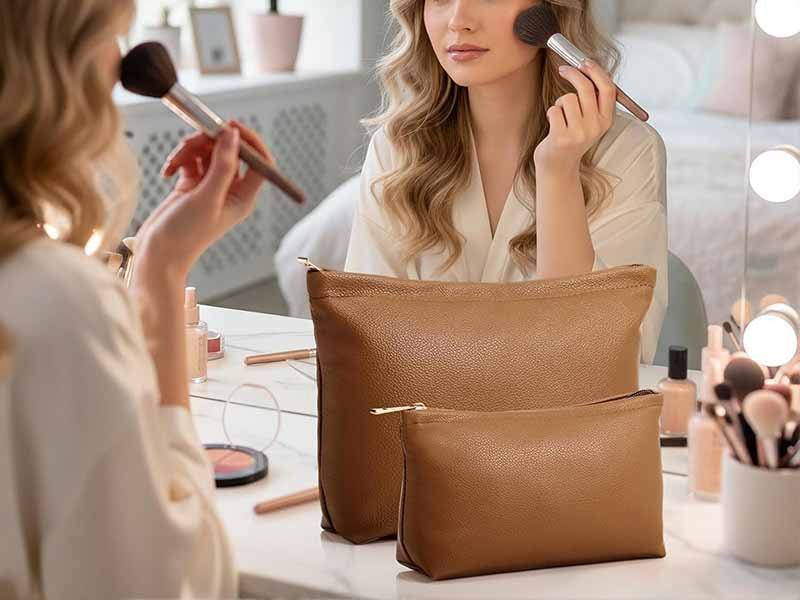
If you’ve ever packed a makeup bag that looked roomy on the outside but somehow couldn’t fit a foundation bottle, you already know the real problem: shape control is capacity control. A makeup bag isn’t just a container—it’s a little system that decides whether your products sit upright, roll around, leak, get crushed, or stay […]
The Complete Guide to Wholesale Leather Bags Manufacturing

In an era where consumers demand both quality and value, mastering wholesale leather bag manufacturing is more critical than ever. From selecting the perfect hide to navigating international shipping, every step determines your final product’s appeal, durability, and profitability. Whether you’re launching a private‐label collection or scaling an established brand, understanding the end‐to‐end process—materials, design, production, QA, pricing, compliance, and logistics—is key to standing out in a crowded market.