A leather crossbody bag may look simple from the outside: one body, one strap, one zipper or flap, maybe a few pockets. But in real development, the final quality is often decided before the leather ever touches the sewing machine. A small pattern mistake of only 2–3 mm can make the zipper wave, the flap sit crooked, the gusset twist, or the strap pull the whole bag forward when worn. For brand clients, this means the pattern is not just a cutting template. It is the hidden structure behind shape, comfort, leather consumption, production cost, and customer satisfaction.
Leather crossbody bag pattern engineering basics are the technical rules used to turn a design idea into a production-ready leather bag. They include panel shapes, gusset width, seam allowance, stitch margin, leather thickness, lining fit, strap position, hardware layout, reinforcement areas, skiving zones, and sample correction. Good pattern engineering improves shape, comfort, durability, cost control, and mass production consistency.
Many leather bag problems are not caused by bad leather alone. They come from patterns that were not engineered for the chosen material, size, hardware, or use scenario. A compact bag may look elegant in a drawing but become too tight for a phone. A soft leather bag may look beautiful when empty but collapse after use. A wide strap may look strong but pull the bag out of balance if the anchor point is wrong. This is why experienced factories like SzoneierLeather treat pattern engineering as the bridge between creative design and stable production.
What Are Leather Crossbody Bag Pattern Engineering Basics?
Leather crossbody bag pattern engineering basics are the foundation rules that control how each bag part is shaped, cut, folded, stitched, reinforced, and assembled. They help transform flat leather pieces into a stable three-dimensional bag with proper capacity, clean seams, balanced strap position, suitable hardware, and repeatable production quality.
Why Pattern Engineering Basics Matter
Pattern engineering matters because leather is not as forgiving as many textile materials. Canvas, nylon, or polyester can sometimes stretch, ease, or hide small construction errors during sewing. Leather behaves differently. It has thickness, firmness, surface grain, natural stretch direction, edge density, and visible cutting quality. Once leather is cut incorrectly, the loss is usually expensive.
For leather crossbody bags, pattern engineering directly affects:
- Shape control: whether the bag keeps the intended silhouette after assembly and daily use.
- Capacity accuracy: whether the inside space can actually fit a phone, wallet, keys, cosmetics, passport, or tablet.
- Seam quality: whether the stitching line stays straight and clean around curves and corners.
- Leather usage: whether cutting layout wastes too much usable leather.
- Hardware placement: whether snaps, zippers, D-rings, buckles, and rivets sit in the correct stress zones.
- Wearing comfort: whether the bag lies flat, tilts forward, swings too much, or pulls against the shoulder.
- Production repeatability: whether bulk production can maintain the same shape across hundreds or thousands of units.
For brand clients, the commercial impact is very real. A leather crossbody bag is often handled many times per day. Customers open it, close it, adjust the strap, touch the edges, feel the leather surface, and compare it with other bags they own. If the flap does not close smoothly or the zipper feels tight, the problem appears immediately.
Common pattern-related complaints include:
| Customer Complaint | Common Pattern Cause | Product Risk |
|---|---|---|
| “The bag is smaller than expected.” | Poor capacity planning, narrow gusset, tight opening | Returns and poor reviews |
| “The zipper is hard to use.” | Wrong zipper curve, short opening, tight lining | Bad daily experience |
| “The bag tilts when worn.” | Wrong strap anchor position or uneven weight layout | Comfort complaints |
| “The flap does not align.” | Poor flap length, leather thickness not considered | Low-quality appearance |
| “The corners wrinkle.” | Small curve radius, poor gusset matching, thick seam allowance | Weak visual finish |
| “The bag collapses.” | Soft leather without reinforcement or lining support | Lower perceived value |
Pattern engineering is also closely linked to cost control. Leather is usually one of the most expensive parts of the product. Natural leather has scars, wrinkles, color variation, belly areas, and sections that cannot be used for visible panels. A well-engineered pattern helps the factory place large visible parts on better leather areas and use suitable smaller areas for hidden parts, straps, tabs, pocket backs, or reinforcement pieces.
SzoneierLeather supports this kind of technical development because the company works across raw material supply, leather product design, sample making, production, packaging, and inspection. For brands and small-to-medium custom wholesale customers, this helps reduce the risk of building a good-looking sample that becomes unstable in bulk production.
How Pattern Engineering Basics Work
Pattern engineering works by turning a flat design into a three-dimensional leather product that can be cut, assembled, finished, inspected, packed, and repeated. A leather crossbody bag is not one pattern. It is a set of related parts that must match each other accurately.
A standard leather crossbody bag may include:
- Front main panel
- Back main panel
- Side gusset
- Bottom gusset
- Flap panel
- Zipper panel
- Lining front and back panels
- Internal pocket pieces
- Back pocket piece
- Card slot pieces
- Strap tabs
- D-ring loops
- Adjustable shoulder strap
- Reinforcement patches
- Edge folding areas
- Hardware punch marks
Each part must be planned with construction order in mind. For example, if a magnetic snap is placed after the lining is already closed, the factory may not be able to reinforce it properly. If a pocket is stitched after the front panel is assembled, the stitch line may become messy or impossible to access. If the strap tab is too narrow for the D-ring and leather thickness, the loop becomes bulky and hard to stitch.
A practical development process usually looks like this:
| Step | Engineering Task | Key Question |
|---|---|---|
| 1 | Confirm use scenario | Is the bag for fashion, travel, work, phone carry, or daily use? |
| 2 | Define size | What must fit inside the bag? |
| 3 | Choose leather | Is the leather soft, firm, thick, thin, oily, coated, suede, or structured? |
| 4 | Draft main panels | What shape should the bag show from the front and back? |
| 5 | Set gusset depth | How much real volume does the bag need? |
| 6 | Plan closure | Will it use zipper, flap, magnet, buckle, lock, or mixed closure? |
| 7 | Place straps | Where should the bag pull from when worn? |
| 8 | Add reinforcement | Which areas carry stress? |
| 9 | Build sample | Does the real bag match the design and use target? |
| 10 | Revise pattern | What needs to change before production? |
The most important point is that leather thickness changes the pattern result. A 1.0 mm soft leather and a 2.0 mm firm leather cannot always share the same pattern. Thicker leather needs more space at folds, corners, and seam intersections. It may require skiving, wider edge planning, different needle size, and stronger machine settings. Softer leather may need backing or lining support to avoid collapsing.
A simple example is a flap closure. On paper, the flap length may look correct. But after adding leather thickness, lining, edge paint, and the natural curve over the bag opening, the flap may become too short or too tight. A professional pattern must allow for this physical behavior.
Another example is a curved gusset. A curve looks elegant, but leather does not always sew smoothly around tight corners. The pattern needs alignment marks, controlled seam allowance, possible notches, and suitable corner radius. Without these details, one side may twist during assembly.
SzoneierLeather’s sampling team can help test these issues early. A first sample is not only used to show appearance. It reveals how the pattern behaves under real leather, real hardware, real stitching, and real hand feel. This is where a factory’s experience becomes valuable.
What Pattern Engineering Basics Include
Leather crossbody bag pattern engineering includes every technical detail needed to make the product accurately and repeatedly. A weak pattern only shows the outer shape. A production-ready pattern gives the factory clear information about cutting, folding, stitching, skiving, punching, reinforcement, lining, edge finishing, and inspection.
Core pattern engineering elements include:
| Pattern Detail | What It Controls | Why It Matters |
|---|---|---|
| Outer cutting line | Final leather shape | Determines visible silhouette |
| Seam allowance | Space for stitching and assembly | Prevents size loss and seam distortion |
| Stitch line | Sewing position | Controls clean and consistent stitching |
| Fold line | Leather bending position | Helps with flaps, straps, pockets, and edges |
| Skiving mark | Thickness reduction area | Reduces bulk at folds and seams |
| Punch mark | Hardware hole position | Prevents uneven rivets, snaps, and buckles |
| Alignment notch | Matching points between pieces | Helps sew curves and gussets accurately |
| Reinforcement area | Hidden support zone | Protects stress points from tearing |
| Edge finish line | Paint, binding, or folding control | Improves edge quality and appearance |
| Grain direction mark | Cutting orientation | Controls stretch, look, and strength |
| Lining pattern | Inside structure and finish | Prevents bunching or tight corners |
| Construction note | Production instruction | Reduces misunderstanding during bulk orders |
For a leather crossbody bag, the most sensitive zones usually include strap anchors, flap closure points, zipper ends, gusset corners, bottom seams, magnetic snap areas, and pocket openings. These areas receive repeated force during use.
Important reinforcement zones should be planned before the sample is made:
- Strap anchor zones: need hidden backing, strong stitching, or rivets.
- Magnetic snap zones: need reinforcement to prevent leather tearing.
- Zipper ends: need clean finishing to prevent bulky corners.
- Pocket openings: need top-edge reinforcement to avoid stretching.
- Bottom corners: need structure because they receive rubbing and load pressure.
- Flap fold line: needs controlled thickness so it bends naturally.
- Adjustable strap holes: need proper spacing and edge strength.
For brands, pattern engineering basics also help improve communication with the factory. Instead of only saying “make it better,” the product team can discuss specific details: increase gusset width by 1 cm, reduce flap bulk by skiving, move D-ring anchor 8 mm lower, adjust zipper opening, widen phone pocket, or reinforce the magnetic snap area.
This makes the development process faster and more professional. SzoneierLeather can work with sketches, physical samples, tech packs, images, or early ideas, then convert them into workable patterns and samples. Because the company also supports material selection, product design, packaging design, and quality inspection, the pattern can be developed with the whole product lifecycle in mind.
Which Leather Crossbody Bag Pattern Parts Matter?
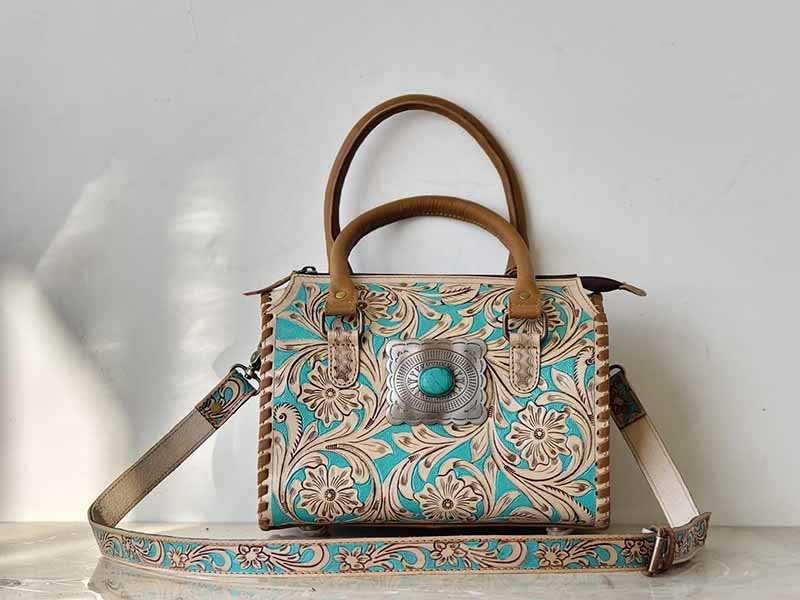
The most important leather crossbody bag pattern parts include main panels, gussets, pockets, straps, flap pieces, zipper pieces, lining, and reinforcement layers. These parts decide the bag’s shape, usable capacity, wearing balance, opening comfort, production difficulty, and long-term durability. Even small changes in one part can affect the whole product.
Main Pattern Parts
Main pattern parts are the visual foundation of a leather crossbody bag. They usually include the front panel, back panel, bottom area, flap, and sometimes separate upper or lower body sections. These pieces decide whether the bag looks square, rounded, slim, boxy, saddle-shaped, vintage, luxury, casual, or minimalist.
The main panel does more than create style. It controls usable space and production efficiency. Two crossbody bags may both be 22 cm wide, but the real capacity can be different if one has a narrow top opening, curved body, slim gusset, or thick internal pocket. This is why size should never be judged by outside width alone.
Common size references for leather crossbody bags:
| Bag Type | Common Width | Common Height | Common Depth | Main Use |
|---|---|---|---|---|
| Mini crossbody | 12–18 cm | 10–16 cm | 3–6 cm | Cards, keys, lipstick |
| Phone crossbody | 11–14 cm | 17–20 cm | 2–5 cm | Phone, cards, cash |
| Small daily bag | 18–23 cm | 14–18 cm | 5–8 cm | Phone, wallet, keys |
| Medium crossbody | 24–30 cm | 17–23 cm | 7–11 cm | Daily items, travel use |
| Large crossbody | 30–36 cm | 22–28 cm | 8–13 cm | Work, tablet, documents |
Main panel engineering should answer several practical questions:
- Will the bag fit a phone with a protective case?
- Can the customer open the bag with one hand?
- Does the front panel need reinforcement for logo embossing or hardware?
- Will the leather hold the intended shape without bubbling or collapsing?
- Does the back panel need a pocket?
- Does the panel shape waste too much leather during cutting?
- Will the same pattern work with different leather types?
For example, a rounded mini bag may look attractive but can waste more leather during cutting and reduce internal space. A rectangular body may be more efficient and functional but less distinctive. A saddle-shaped flap may create strong brand style but requires careful curve matching and closure placement.
Leather firmness is also important. A soft pebble leather main panel may need backing to keep shape. A stiff vegetable-tanned leather panel may hold shape well but needs careful edge work. A suede panel may require stronger lining because suede can stretch and mark more easily. A coated leather panel may need accurate punching because mistakes are more visible.
For SzoneierLeather custom projects, main pattern parts are usually developed around the customer’s product position. A fashion brand may care more about silhouette and hand feel. A travel brand may focus more on capacity and pocket access. A corporate gift customer may want controlled cost, logo visibility, and stable production. The main pattern must serve the real commercial goal, not only the drawing.
Gusset Pattern Parts
The gusset is the part that turns a flat bag into a bag with depth. It may look like a side strip, but it controls the volume, side shape, corner quality, and wearing thickness of the leather crossbody bag. Many crossbody bag problems begin with poor gusset engineering.
A gusset can be straight, curved, boxed, tapered, continuous, or separated into side and bottom pieces. Each style creates a different result.
| Gusset Type | Product Look | Best Use | Development Risk |
|---|---|---|---|
| Straight gusset | Clean and simple | Minimal daily bags | Can look plain if too wide |
| Curved gusset | Softer and more elegant | Fashion bags | Harder to sew cleanly |
| Box gusset | Structured and roomy | Work or travel bags | Can feel bulky |
| Tapered gusset | Slim top, wider base | Elegant compact bags | Capacity may be limited |
| Continuous gusset | Smooth side-bottom flow | Rounded bags | Needs accurate matching |
| Separate bottom gusset | Strong base structure | Premium structured bags | More parts and labor |
Gusset width should match the real carry purpose. If the gusset is too narrow, the bag may look slim but disappoint customers because it cannot hold common daily items. If the gusset is too wide, the bag may stick out from the body and swing when worn crossbody.
General gusset width reference:
| Bag Size | Suggested Depth Range | Practical Note |
|---|---|---|
| Mini bag | 3–5 cm | Best for small essentials |
| Phone pouch | 2–4 cm | Keep slim for body fit |
| Small daily bag | 5–8 cm | Good for phone, wallet, keys |
| Medium bag | 7–11 cm | Better daily storage |
| Large crossbody | 9–13 cm | Useful for travel or work |
Corner radius is one of the hardest parts of gusset design. Tight curves look refined but are harder to sew, especially with thicker leather. If the curve is too sharp, the leather may wrinkle, the seam may become bulky, or the worker may have difficulty matching the pieces. A slightly larger radius can improve production quality while still keeping an elegant shape.
Good gusset engineering should include:
- Center bottom mark
- Side midpoint marks
- Upper end marks
- Curve matching notches
- Controlled seam allowance
- Skiving zones at thick corners
- Reinforced bottom areas
- Clear instruction for sewing direction
For brand clients, gusset engineering directly affects perceived value. Customers may not know the word “gusset,” but they notice whether the side shape is smooth, whether the bottom stands well, and whether the bag looks twisted. A poorly matched gusset makes the entire bag feel cheaper.
SzoneierLeather can help brands test gusset changes during sampling. Sometimes increasing depth by only 1 cm makes the bag much more useful. Sometimes reducing depth improves body fit and fashion appearance. Sometimes changing from a continuous gusset to a separate bottom gusset improves structure. These decisions should be based on the target customer and leather behavior.
Pocket Pattern Parts
Pocket pattern parts decide how useful the leather crossbody bag feels in daily life. A beautiful bag with poor pocket planning can frustrate customers quickly. The pocket may be too small for a phone, too tight for cards, too deep to find keys, or too bulky inside the main compartment.
Common pocket options include:
- Front slip pocket
- Back slip pocket
- Interior zipper pocket
- Interior open pocket
- Phone pocket
- Card slots
- Coin pocket
- Passport pocket
- Hidden anti-theft pocket
- Divider pocket
- Key hook tab
- Small cosmetic pocket
Pocket engineering should begin with actual item dimensions. A phone pocket should allow for current phone sizes and protective cases. A passport pocket should allow easy removal. A zipper pocket should open smoothly without catching the lining. Card slots should hold cards securely without being too tight.
Practical pocket size references:
| Pocket Type | Useful Size Reference | Main Concern |
|---|---|---|
| Phone pocket | 9–11 cm wide, 16–18 cm high | Must fit phone with case |
| Card slot | 9–10 cm wide | Should hold card securely |
| Passport pocket | 10.5–11.5 cm wide, 14.5–16 cm high | Easy access during travel |
| Zipper pocket | 14–20 cm zipper length | Smooth opening and lining clearance |
| Back slip pocket | 15–24 cm wide | Convenient but not loose |
| Coin pocket | Small zipper or snap pocket | Prevent small items falling out |
Pocket material choice also matters. If every pocket layer uses full-thickness leather, the bag becomes heavy and bulky. Many leather crossbody bags use thinner leather, microfiber, textile lining, or skived leather for pocket parts. This keeps the bag cleaner and easier to assemble.
Pocket placement affects the bag’s balance:
- A heavy front pocket may pull the bag outward.
- A large back pocket may rub against clothing.
- A thick divider pocket may reduce main capacity.
- Too many card slots may make one side stiff.
- A zipper pocket placed too high may block the main opening.
- A phone pocket placed too low may be hard to reach.
For e-commerce brands, pocket design can become a strong selling point when it is practical. Customers often search for phone crossbody bags, travel crossbody bags, anti-theft crossbody bags, and everyday leather bags. A well-planned pocket layout helps the product feel more useful and easier to describe online.
SzoneierLeather can support pocket layout based on the target market. A women’s fashion crossbody may need a clean interior with one zipper pocket and one slip pocket. A men’s leather crossbody may need phone, wallet, key, and document space. A travel bag may need passport storage and anti-theft back pockets. A gift collection may need simpler structure for cost control. Pattern engineering turns these needs into accurate, repeatable parts.
Strap Pattern Parts
Strap pattern parts affect comfort, balance, durability, and style. A leather crossbody bag lives on the shoulder and across the body, so the strap cannot be an afterthought. Even a well-made bag can feel wrong if the strap is too narrow, too stiff, too short, too slippery, or attached at the wrong angle.
Strap parts may include:
- Main strap
- Adjustable strap section
- Buckle holes
- Slider section
- Strap tabs
- D-ring loops
- Shoulder pad
- Reinforcement patches
- Keeper loops
- Edge paint lines
- Stitching lines
- Rivet punch marks
Common strap width references:
| Strap Width | Suitable Bag Type | Wearing Feel |
|---|---|---|
| 8–12 mm | Mini bags, light phone pouches | Delicate but less supportive |
| 15–20 mm | Small fashion crossbody bags | Clean and refined |
| 20–25 mm | Daily leather bags | Balanced comfort |
| 25–38 mm | Travel or medium bags | Better pressure distribution |
| 38 mm+ | Utility or casual bags | Stronger but less formal |
Strap length should match the wearing market. Many adjustable crossbody straps are designed with enough range to fit different body heights and styling preferences. A bag worn high near the waist needs a different drop than one worn lower near the hip. Men’s crossbody bags often require longer strap ranges than mini fashion bags. Travel bags may need wider straps and shoulder pads for comfort.
Strap anchor position is one of the most important pattern decisions. If the anchor is too high, the bag may tilt forward. If it is too low, the top may pull outward. If the anchor is too close to the back panel, the bag may twist. If the strap tab is not reinforced, repeated pulling can damage the leather.
Good strap engineering should consider:
- Pull direction when worn crossbody
- Bag weight when fully loaded
- Leather stretch over time
- Reinforcement under D-rings
- Rivet and stitch combination
- Hardware size and plating quality
- Edge finishing durability
- Strap hole spacing
- Shoulder comfort for heavier bags
A strap made from thick leather may look premium but feel stiff. A strap made from soft leather may feel comfortable but stretch more easily. Some products use double-layer leather, bonded backing, webbing core, or fabric-lined leather straps to balance appearance and strength.
SzoneierLeather can customize strap construction based on brand positioning. A luxury-style bag may need a smooth leather strap with edge paint and custom metal hardware. A travel crossbody may need a wider adjustable strap with shoulder padding. A men’s utility crossbody may use leather combined with webbing. A small gift bag may use a simpler strap to control cost. Good pattern engineering ensures the strap supports the bag, fits the user, and matches the product style.
How Do Leather Crossbody Bag Pattern Basics Affect Shape?
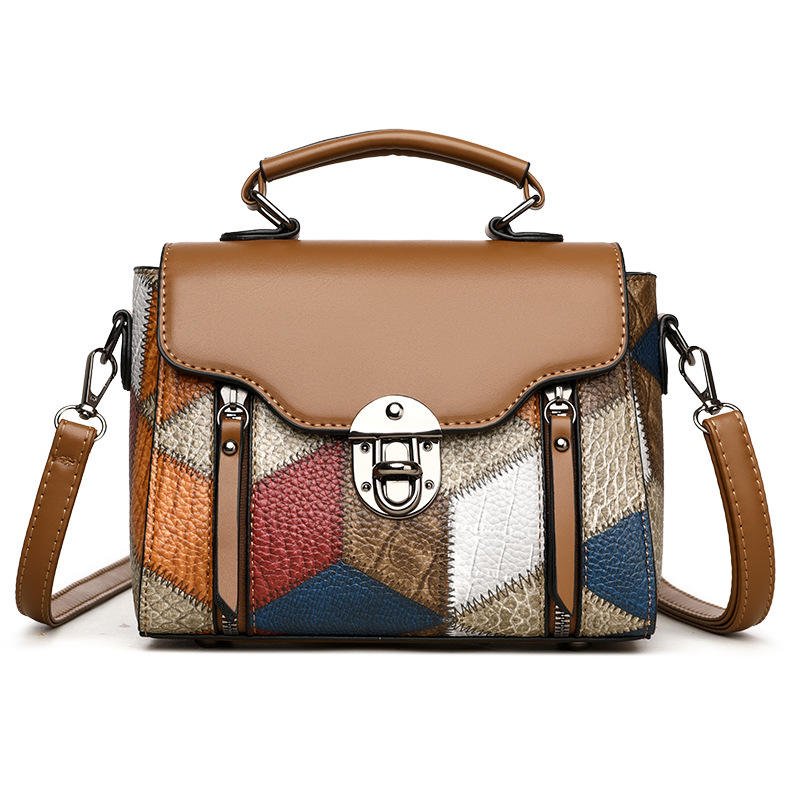
Leather crossbody bag pattern basics affect shape by controlling panel size, gusset depth, leather stiffness, lining support, reinforcement placement, closure position, and strap balance. A good pattern makes the bag look clean when empty, keep useful space when filled, close smoothly, and sit naturally against the body. Shape is not only about style. It is also about function, comfort, and production quality.
Shape and Structure Basics
Shape is usually the first thing a customer notices. A leather crossbody bag may be slim and elegant, soft and casual, boxy and structured, rounded and feminine, or compact and practical. But this shape does not come from the sketch alone. It comes from the relationship between the pattern, leather, lining, reinforcement, stitching, and finishing.
In factory development, shape can be divided into three common structure types:
| Structure Type | Pattern Character | Material Need | Product Feeling |
|---|---|---|---|
| Soft shape | Simple panels, softer gusset, light support | Soft leather, light lining | Casual, relaxed, lightweight |
| Semi-structured shape | Balanced panel support, moderate gusset | Medium leather, bonded lining, light stiffener | Clean, practical, daily use |
| Structured shape | Firm panels, shaped gusset, reinforced base | Firm leather, stiffener, strong lining | Premium, formal, stable |
A soft leather crossbody bag usually needs a pattern that allows natural drape. The panel may be less rigid, the gusset may be softer, and the lining should not fight against the leather. If the pattern is too boxy but the leather is too soft, the bag may collapse and lose its intended shape after use.
A structured leather crossbody bag needs more controlled engineering. The front and back panels may require reinforcement sheets or bonded backing. The corners need better radius control. The bottom may need added support. The flap needs a clean fold line. The edge finishing must be consistent because structured bags show defects more clearly.
Important structure questions include:
- Should the bag stand by itself or remain soft?
- Should the front panel stay flat or have a natural curve?
- Should the bottom be rounded, flat, or boxed?
- Should the bag look slim when empty but expand when filled?
- Should the leather surface remain smooth after stitching?
- Should the lining add shape or only cover the inside?
Pattern balance is critical. If the front panel is too large compared with the gusset, the front may bulge. If the lining is too tight, it may pull the outer leather inward. If the reinforcement is too stiff, the bag may feel cheap or uncomfortable despite using good leather. If the reinforcement is too soft, the bag may look tired after a short period of use.
For brands developing custom leather bags, the goal is not always the stiffest structure. A soft fashion bag can feel more luxurious if the leather drapes beautifully. A business crossbody bag may need more structure to protect documents or tablets. A phone crossbody pouch may need enough firmness to protect the phone but still feel light.
SzoneierLeather can help match the structure to the market. The factory can test soft leather, semi-firm leather, bonded lining, microfiber lining, foam, stiffener sheets, and reinforcement patches to create the right hand feel and shape. This helps brands avoid a common mistake: choosing a beautiful leather that does not behave well with the chosen bag pattern.
Capacity and Size Basics
Capacity is not only about outside dimensions. A leather crossbody bag with a 24 cm width may still feel small if the opening is narrow, the gusset is shallow, the lining is tight, or the internal pockets take too much room. Real capacity depends on usable space, not only measured size.
A good pattern should be designed around the items customers actually carry. For daily crossbody bags, this usually includes a phone, wallet, keys, sunglasses, lipstick, compact cosmetics, earbuds, passport, or small notebook. For work or travel crossbody bags, customers may also expect space for a tablet, charger, documents, water bottle, or travel documents.
Practical item size planning helps avoid customer disappointment:
| Item | Common Size Need | Pattern Design Note |
|---|---|---|
| Smartphone with case | 8–9 cm wide, 16–17 cm high | Pocket opening should allow easy removal |
| Long wallet | 19–21 cm wide | Bag width should not be too tight |
| Passport | 8.8 × 12.5 cm | Travel pocket should allow finger access |
| Small tablet | 20–25 cm wide | Requires wider bag and stronger structure |
| Sunglasses case | 16–18 cm long | Needs enough depth, not only width |
| Power bank | Dense small item | Needs balance and pocket support |
| Keys | Small but sharp | Pocket or hook can protect lining |
When a brand develops a leather crossbody bag, the target carry list should be decided before the pattern is finalized. If the product is a phone bag, it should be slim and easy to access. If it is a travel crossbody, it should have more secure pockets and a wider gusset. If it is a fashion bag, visual proportion may matter more than maximum capacity.
Capacity also depends on gusset depth. A bag with a 5 cm gusset may look elegant but hold fewer bulky items. An 8–10 cm gusset improves usability but changes the side profile. A 12 cm gusset can support travel or work use but may feel bulky when worn across the body. The pattern must balance function and appearance.
Lining fit is another hidden factor. If the lining pattern is too small, it reduces usable space and pulls the outer shell inward. If the lining is too large, it wrinkles, bunches, or gets caught in the zipper. A good lining pattern often needs slight adjustment from the outer pattern because leather thickness, seam allowance, and turning method affect the final interior space.
Capacity planning should also consider product photography and online selling. Customers often judge bag size from model photos and item-fit images. If the bag claims to fit a phone or tablet, the actual pattern must support that claim. Overstating capacity may bring traffic at first, but it can create returns and poor reviews.
SzoneierLeather can help brands build samples around real item testing. During development, the team can check whether the bag fits the intended phone size, wallet type, travel documents, or accessories. Small changes, such as increasing the gusset by 1 cm, widening the opening, lowering a pocket, or changing the zipper length, can greatly improve customer experience.
Closure and Opening Basics
Closure and opening design strongly affect how customers use a leather crossbody bag every day. A bag can look beautiful, but if the opening is too tight or the closure feels awkward, customers quickly become frustrated. Pattern engineering must decide the opening style before the bag is made, not after the body shape is finished.
Common closure types include:
| Closure Type | Best For | Pattern Concern |
|---|---|---|
| Top zipper | Security and daily use | Zipper length, curve, end finishing |
| Flap with magnet | Fashion and easy access | Flap length, magnet position, reinforcement |
| Buckle closure | Vintage or utility style | Strap hole spacing, leather thickness |
| Turn lock | Premium handbags | Accurate hardware placement |
| Snap button | Small bags and pockets | Reinforcement behind snap |
| Drawstring + flap | Casual or bucket style | Opening tension and leather softness |
| Open top | Minimal fashion bags | Security risk, edge structure |
A zipper opening must be long enough for the hand and items to pass through comfortably. A common mistake is designing a bag that is wide enough on the outside but has a short zipper opening. The customer then struggles to take out a phone or wallet. For medium crossbody bags, the zipper length and side opening angle should be tested with real items.
Zipper curves also need attention. Leather does not always bend well around sharp zipper curves, especially when the leather is firm or thick. If the zipper path is too curved, the zipper may wave, pull, or feel stiff. The pattern may need a straighter opening, better zipper tape allowance, or softer leather in that area.
Flap closures have their own challenges. The flap must cover the opening, align with the front body, and close without tension. The pattern must consider leather thickness at the fold, lining thickness, edge paint, and the natural curve over the bag opening. If these are ignored, the flap may look too short, sit unevenly, or pull the front panel inward.
Magnetic snaps and turn locks need hidden reinforcement. Without reinforcement, repeated opening and closing can stretch or tear the leather. Hardware should also be positioned so the customer can close the bag easily without pressing too hard against a soft panel.
For daily use, opening comfort is often more important than decorative complexity. A customer may open a crossbody bag dozens of times in one day. The closure should feel smooth, natural, and reliable.
Good closure engineering should check:
- Can the user open the bag with one hand?
- Can the phone or wallet be removed easily?
- Does the zipper scrape against the hand?
- Does the flap close naturally when the bag is filled?
- Does the closure still work when the bag is not full?
- Are hardware areas reinforced?
- Does the opening keep its shape after repeated use?
SzoneierLeather can help brands test different closure options during sampling. A fashion bag may use a flap and magnetic snap. A travel bag may need a zipper and hidden back pocket. A premium handbag may need a turn lock or custom metal closure. The factory can match the closure with leather thickness, reinforcement material, hardware size, and production method.
Balance and Fit Basics
Balance and fit decide how the leather crossbody bag feels when worn. A bag may look perfect on a table but behave badly on the body. It may tilt forward, swing while walking, press awkwardly against the hip, or twist because the strap anchors are not placed correctly.
Crossbody fit depends on several pattern decisions:
- Bag height
- Bag width
- Bag depth
- Strap anchor position
- Strap length range
- Pocket placement
- Hardware weight
- Leather thickness
- Bottom structure
- Back panel shape
A slim bag usually sits closer to the body. A deep bag offers more capacity but may stick out. A wide bag may distribute space well but can swing more. A tall phone bag may sit cleanly, but if the strap anchors are too low, it may lean away from the body.
Strap anchor position is especially important. The bag should hang naturally when partially and fully loaded. If the D-ring tabs are placed too far toward the front, the bag may tilt outward. If they are too far toward the back, the front may pull up. If one side is slightly off, the whole bag may hang unevenly.
A simple balance reference:
| Design Factor | If Too Much | If Too Little |
|---|---|---|
| Bag depth | Bulky, swings outward | Limited capacity |
| Strap width | Less refined for fashion styles | Shoulder pressure |
| Strap length | Bag hangs too low | Bag feels tight across body |
| Hardware weight | Bag feels heavy or tilts | May feel low-value |
| Pocket layers | Bulky and stiff | Poor organization |
| Leather stiffness | Hard against body | Collapses easily |
Weight distribution also matters. If all pockets are on the front panel, the bag may pull outward. If heavy hardware is placed on one side, the bag may tilt. If the back pocket is loaded with a phone, the bag may feel better against the body, but the pocket must be smooth enough not to rub clothing.
For customer comfort, the back panel should be considered carefully. A flat back panel usually sits better against the body. Decorative hardware, thick seams, or rough edge finishing on the back can cause discomfort. For travel crossbody bags, a back slip pocket can be useful, but the pocket opening and edge should be smooth.
SzoneierLeather can test the wearing balance of samples by loading the bag with real items and checking how it hangs from different strap lengths. This is especially useful for brands selling to international markets where body height, styling preference, and wearing habits may differ. A well-balanced crossbody bag feels natural the moment the customer puts it on. That feeling is not accidental; it is engineered into the pattern.
Which Materials Fit Leather Crossbody Bag Pattern Engineering?
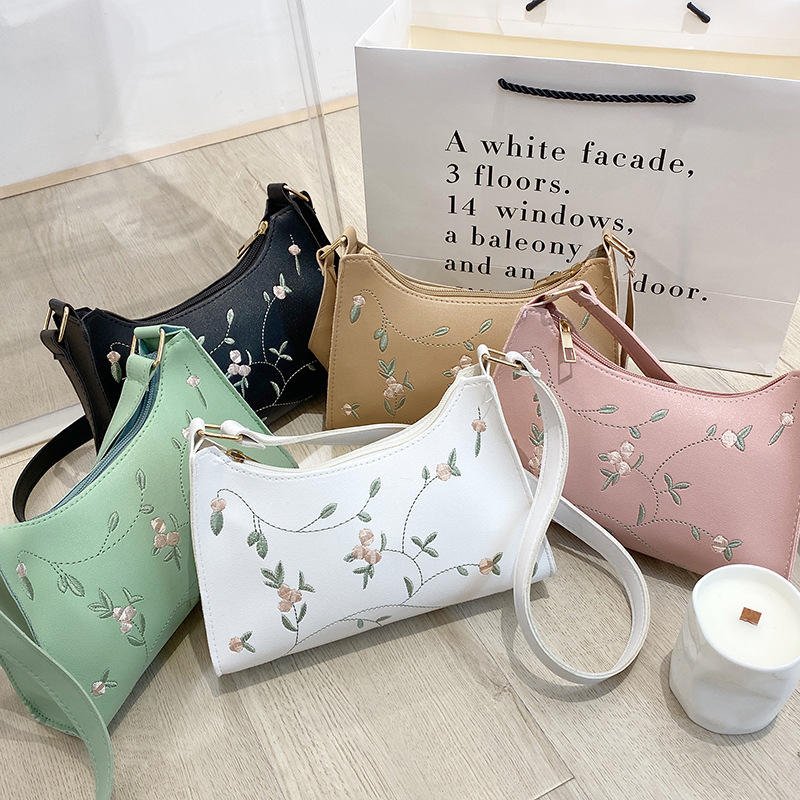
The right materials for leather crossbody bag pattern engineering depend on the desired shape, thickness, softness, durability, cost, and finish. Leather thickness, lining, reinforcement sheets, foam, microfiber, hardware, thread, zipper tape, and edge finishing materials must match the pattern. A good material choice makes the bag easier to produce and more comfortable to use.
Leather Thickness Basics
Leather thickness has one of the strongest effects on pattern engineering. It changes how the bag folds, how seams stack, how edges finish, how corners turn, how hardware holds, and how heavy the final product feels. A pattern that works well with 1.0 mm leather may not work with 2.0 mm leather.
Common leather thickness references:
| Leather Thickness | Common Use | Pattern Concern |
|---|---|---|
| 0.6–0.8 mm | Lining, small pockets, card slots | Too thin for main body without backing |
| 0.9–1.2 mm | Soft crossbody bags, small leather goods | Good flexibility, may need support |
| 1.2–1.5 mm | Daily leather bags | Balanced strength and sewability |
| 1.5–1.8 mm | Structured bags, straps, panels | Needs skiving at folds |
| 1.8–2.2 mm | Belts, heavy straps, firm panels | Higher bulk, stronger machines needed |
| 2.2 mm+ | Heavy-duty straps or special goods | Not ideal for many small bag seams |
Leather thickness affects seam allowance. Thicker leather creates more bulk inside the seam. It may require skiving, trimming, splitting, or different assembly methods. If the seam allowance is not adjusted, corners become bulky and difficult to close cleanly.
Thickness also affects edge finishing. Thin leather can be folded or painted more easily. Thick leather may need sanding, multiple edge paint layers, or edge beveling. If a premium bag needs smooth painted edges, the pattern should allow enough edge width and clean cutting accuracy.
For crossbody bags, weight is another concern. A small bag made from overly thick leather and heavy hardware may feel uncomfortable even if it looks premium. Customers often expect leather to feel solid, but they do not want a small daily bag to feel unnecessarily heavy.
A practical approach is to match thickness to function:
- Main body: balanced thickness for structure and weight control
- Flap: enough firmness to close cleanly, not too stiff
- Strap: stronger thickness or reinforced construction
- Pockets: thinner leather or lining material
- Gusset: flexible enough for curves, strong enough for volume
- Bottom: reinforced if the bag carries heavier items
SzoneierLeather can help brands choose leather thickness based on bag size, structure, price position, and production method. The factory can also use skiving, splitting, bonding, and reinforcement techniques to make thicker leather more workable or softer leather more stable.
Leather Softness Basics
Leather softness affects the personality of the bag. A soft leather crossbody bag feels casual, relaxed, and comfortable. A firm leather bag feels structured, clean, and more formal. The pattern must be designed around this material behavior.
Different leather types behave differently:
| Leather Type | Feel | Pattern Direction |
|---|---|---|
| Full-grain leather | Natural, durable, premium | Needs careful cutting and visible panel selection |
| Top-grain leather | Smooth, refined, consistent | Suitable for clean structured bags |
| Pebbled leather | Soft, textured, scratch-friendly | Good for daily crossbody bags |
| Nappa leather | Very soft and smooth | Needs support if structure is required |
| Suede | Soft, matte, flexible | Needs lining and surface protection planning |
| Vegetable-tanned leather | Firm, ages naturally | Needs skiving and precise edge work |
| Crazy horse leather | Oily, vintage, rugged | Suitable for casual or men’s styles |
| Coated leather | More uniform surface | Requires clean punching and heat control |
Soft leather may require smaller seam tension, softer reinforcement, and careful lining because it can stretch or wrinkle. Firm leather may require larger curve radius, skived folds, and stronger machines. Suede may need extra attention because it marks easily. Vegetable-tanned leather may look premium but can become too stiff for small curved patterns if not engineered correctly.
A mistake some brands make is choosing leather only by appearance. A leather swatch may look beautiful, but the full bag may not behave as expected. A soft leather may collapse. A firm leather may make the bag too boxy. A thick leather may make the zipper hard to sew. A coated leather may crack at tight folds if the pattern forces it too sharply.
Material testing before final production is important. A factory should check:
- Does the leather fold cleanly?
- Does it wrinkle at the gusset?
- Does it stretch at the strap?
- Does edge paint adhere well?
- Does embossing hold clearly?
- Does the surface scratch easily?
- Does the color vary too much between panels?
- Does it work with the chosen lining and reinforcement?
SzoneierLeather’s raw material supply chain allows brands to compare leather options before finalizing the pattern. This is valuable because the best pattern for one leather may need adjustment for another. When leather and pattern are developed together, the finished bag looks more intentional and performs better.
Lining and Reinforcement Basics
Lining and reinforcement are hidden inside the bag, but they strongly affect shape, durability, and user experience. A leather crossbody bag with poor lining may feel cheap, wrinkle inside, catch the zipper, or reduce capacity. A bag without the right reinforcement may stretch, collapse, or tear at stress points.
Common lining materials include:
| Lining Material | Common Use | Benefit |
|---|---|---|
| Polyester lining | Cost-effective daily bags | Lightweight, many color options |
| Cotton lining | Casual or natural styles | Soft hand feel |
| Microfiber | Premium leather goods | Smooth, durable, refined |
| Suede-like lining | Luxury-style interiors | Soft and elegant |
| Nylon lining | Travel or utility bags | Stronger and easier to clean |
| Leather lining | Premium products | High-end but heavier and costly |
Reinforcement materials may include:
| Reinforcement Type | Used For | Main Purpose |
|---|---|---|
| Non-woven backing | Light support | Prevents stretching |
| Bonded lining | Shape improvement | Adds body without much bulk |
| Stiffener sheet | Structured panels | Keeps bag upright |
| Foam | Soft structure | Adds padding and shape |
| Fiber board | Firm base or flap | Supports structured styles |
| Reinforcement patch | Stress points | Protects hardware and strap areas |
| Edge tape | Seam and edge support | Improves durability |
The reinforcement should match the bag style. A soft slouchy crossbody bag should not use overly stiff reinforcement because it will fight the intended shape. A boxy structured bag needs stronger support, especially in the front panel, bottom, flap, and gusset. A travel crossbody bag may need reinforcement around zipper openings and strap anchors.
Hidden reinforcement is essential in high-stress areas:
- Under magnetic snaps
- Behind turn locks
- Inside strap tabs
- Around D-ring loops
- At zipper ends
- At flap fold lines
- Along pocket openings
- At the bottom corners
- Inside adjustable strap holes
The lining pattern must also be engineered correctly. If it is too large, it creates wrinkles and may get caught in the zipper. If it is too small, it pulls the outer bag inward and reduces capacity. The lining seam allowance, pocket placement, and turning method should be planned together with the leather pattern.
SzoneierLeather can help brands choose the right lining and reinforcement structure based on price, appearance, durability, and customer use. For example, a luxury private label bag may use microfiber lining and firm reinforcement. A daily fashion bag may use polyester lining and light backing. A travel bag may use stronger nylon lining and reinforced zipper areas. Good internal engineering makes the bag feel better every time the customer opens it.
Hardware Matching Basics
Hardware must match the leather pattern, thickness, weight, and product style. A buckle, zipper, D-ring, magnetic snap, rivet, slider, or turn lock is not only decoration. It carries stress, controls movement, and affects the customer’s daily experience.
Common leather crossbody bag hardware includes:
| Hardware | Function | Pattern Requirement |
|---|---|---|
| Zipper | Main opening or pocket closure | Correct length, tape allowance, end finish |
| D-ring | Strap connection | Reinforced tab and correct loop width |
| Slider | Strap adjustment | Strap width and thickness match |
| Buckle | Strap or flap closure | Hole spacing and leather strength |
| Rivet | Reinforcement or decoration | Accurate punch and backing |
| Magnetic snap | Easy closure | Hidden reinforcement required |
| Turn lock | Premium closure | Precise placement and firm panel |
| Chain strap | Fashion style | Anchor strength and weight balance |
| Metal logo | Branding | Panel reinforcement and alignment |
Hardware size must match leather thickness. A small rivet may not hold thick folded leather. A large magnetic snap may feel too heavy on a mini bag. A stiff zipper may not work well on a soft curved opening. A heavy chain strap may pull a small bag out of shape.
Hardware placement should be tested with real use. For example, a magnetic snap should close naturally when the bag is lightly filled and moderately filled. A zipper should move smoothly around the opening. A D-ring should pull in the same direction as the strap tension. A buckle should not press uncomfortably against the body.
Plating quality also matters for brand image. Cheap hardware can lose color, scratch quickly, or feel rough. For mid-to-high-end leather bags, customers often judge quality by hardware weight, finish, sound, and smoothness.
Pattern engineering must leave enough space for hardware installation. Punch marks should be accurate. Reinforcement should be added before lining closes the area. Edge distance should be enough to prevent tearing. For adjustable straps, hole spacing should be comfortable and visually clean.
SzoneierLeather can help brands match hardware with leather type, strap width, product style, and target price. Whether the project needs polished gold hardware, matte black hardware, antique brass hardware, custom logo hardware, smooth zippers, or strong strap buckles, the hardware must be planned into the pattern from the beginning. This prevents late-stage changes that create delays, waste, or poor structure.
How Should Brands Use Leather Crossbody Bag Pattern Engineering?
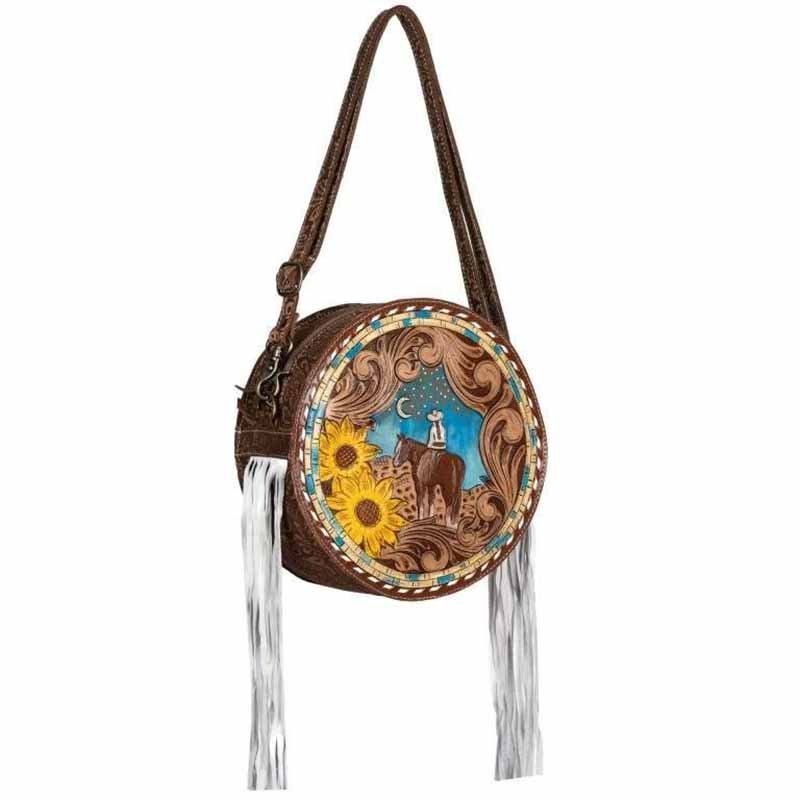
Brands should use leather crossbody bag pattern engineering as a product development tool, not only as a factory cutting step. Good pattern engineering helps brands define the use scenario, control size, choose suitable leather, reduce sample mistakes, improve comfort, protect stress points, and make bulk production more stable. It also helps the final product match the customer’s real daily habits.
Start With Use Basics
The best leather crossbody bag pattern begins with a clear use scenario. Before deciding the shape, leather, color, hardware, or logo position, the brand should first answer a simple question: what will this bag do for the customer?
A leather crossbody bag used for daily fashion does not need the same pattern as a travel crossbody bag. A phone pouch does not need the same gusset depth as a work bag. A men’s leather shoulder bag may need wider straps and more internal organization, while a women’s mini crossbody bag may focus more on shape, proportion, and decorative hardware.
Clear use planning helps prevent many development mistakes:
| Use Scenario | Pattern Focus | Common Customer Need |
|---|---|---|
| Daily fashion | Shape, proportion, easy opening | Phone, wallet, keys, cosmetics |
| Travel | Security, pocket access, comfort | Passport, phone, cards, tickets |
| Work | Capacity, structure, durability | Tablet, notebook, charger, documents |
| Phone carry | Slim body, quick access | Phone, cards, cash |
| Men’s accessories | Practical layout, stronger strap | Wallet, phone, keys, small tools |
| Women’s handbag line | Silhouette, material feel, hardware | Style, daily storage, brand identity |
| Gift collection | Cost control, logo visibility | Simple use, clean appearance |
| Premium retail | Edge finish, structure, detail quality | Luxury feel, long-term durability |
If the bag is designed for travel, the pattern should pay attention to secure pockets, zipper access, anti-theft back pockets, strap comfort, and a shape that stays close to the body. If the bag is for fashion retail, the pattern may focus more on clean panel proportion, flap shape, color matching, and hardware decoration. If the bag is for work, the pattern should protect documents or small devices and avoid a body that collapses when filled.
The use scenario also decides how much structure the bag needs. A soft casual bag can feel relaxed and stylish, but a work or travel bag usually needs more reinforcement. A phone crossbody bag should be slim and lightweight, but the phone area should still be protected. A mini bag should look delicate, but the strap anchors must still handle repeated pulling.
For brand clients, use planning also improves communication with the factory. Instead of sending only a reference photo and asking for a similar product, it is better to provide:
- Target customer group
- Product use scenario
- Preferred size range
- Items the bag must fit
- Leather type or hand feel
- Required pockets
- Hardware style
- Strap style
- Logo method
- Target price range
- Expected order quantity
- Packaging preference
SzoneierLeather can then help turn this information into a workable pattern and sample. With more than 18 years of experience in leather goods development, the team can point out possible risks early. For example, the bag may need a wider gusset to fit a long wallet, a stronger back panel for travel use, thinner pocket leather to reduce bulk, or a different strap anchor position to improve balance.
This early planning saves time. It also helps the product feel more professional when it reaches the customer.
Build Sample Basics
A sample is where the pattern becomes real. It is the first time the brand can see how the leather behaves, how the shape holds, how the strap hangs, how the zipper moves, and how the pockets feel in daily use. A good sample process is not just about making one beautiful piece. It is about finding and correcting problems before bulk production.
Leather bag sampling usually includes several checks:
| Sample Check | What to Look For | Why It Matters |
|---|---|---|
| Overall shape | Does the bag match the design? | Confirms visual direction |
| Size and capacity | Can it fit the intended items? | Prevents customer disappointment |
| Leather behavior | Does it wrinkle, collapse, or feel too stiff? | Confirms material match |
| Gusset sewing | Are corners smooth and balanced? | Shows pattern accuracy |
| Closure function | Does zipper, flap, snap, or lock work smoothly? | Affects daily use |
| Strap balance | Does the bag hang naturally? | Affects comfort |
| Pocket access | Are pockets useful and easy to reach? | Improves user experience |
| Edge finish | Are edges clean and consistent? | Shows quality level |
| Hardware position | Are rivets, snaps, and buckles aligned? | Improves appearance and strength |
| Lining fit | Does the lining sit cleanly? | Prevents wrinkles and zipper catching |
The first sample often reveals issues that were not obvious in drawings. A flap may need to be 5 mm longer. A zipper opening may need to be widened. A pocket may need to move upward. A gusset corner may need a softer curve. A strap tab may need reinforcement. A lining piece may need to be reduced or expanded slightly.
These are normal development steps. In professional leather goods manufacturing, pattern correction is part of the process. The goal is not to avoid changes; the goal is to find the right changes before production begins.
For example, if a customer wants a structured leather crossbody bag using firm leather, the first sample may show that the corner seams are too bulky. The solution may include:
- Reducing seam allowance at the curved corner
- Adding skiving at the fold area
- Increasing the corner radius
- Changing the assembly sequence
- Using a thinner lining at the seam
- Adjusting the gusset pattern length
If a customer wants a soft leather bag, the sample may show that the body collapses too much. The solution may include:
- Adding light backing to the front and back panels
- Using a firmer lining
- Reinforcing the bottom
- Changing the gusset shape
- Adding hidden support near the zipper opening
SzoneierLeather can help customers review and revise samples from both design and production viewpoints. The company’s capabilities in raw material sourcing, product design, sample making, manufacturing, and quality inspection allow the team to evaluate not only whether the bag looks good, but whether it can be produced consistently.
Check Factory Basics
Factory checking is where pattern engineering becomes production control. A bag sample may look acceptable, but bulk production requires repeatability. Every worker, cutting table, sewing line, edge finishing station, and inspection team must understand the same pattern requirements.
Key factory details include:
| Factory Detail | Why It Needs Control |
|---|---|
| Seam allowance | Keeps size and shape consistent |
| Stitch spacing | Affects appearance and seam strength |
| Needle size | Must match leather thickness |
| Thread type | Affects durability and visual style |
| Skiving position | Reduces bulk and improves folding |
| Edge paint width | Controls premium appearance |
| Hardware punch position | Prevents uneven assembly |
| Zipper length | Controls opening comfort |
| Lining fit | Prevents wrinkling and pulling |
| Strap hole spacing | Affects adjustment and appearance |
| Reinforcement placement | Protects stress points |
| Packaging method | Prevents deformation during shipping |
For leather goods, cutting control is extremely important. Natural leather is not uniform like synthetic fabric rolls. Different areas of the hide may have different stretch, grain, thickness, scars, or wrinkles. Visible parts should be cut from better areas. Hidden parts can use suitable secondary areas. Straps should be cut with strength and stretch direction in mind.
Pattern nesting also affects cost. If the main panel shape is too irregular, it may waste more leather. If the flap is very curved or oversized, the cutting yield may decrease. A skilled factory can help optimize the pattern without destroying the design.
Stitch spacing should match the product style. Fine leather bags often use neat, consistent stitches. Heavier casual bags may use thicker thread and wider spacing. But stitch margin must be controlled. If the stitch line is too close to the edge, the leather may tear. If it is too far from the edge, the product may look rough or bulky.
Edge finishing is another major quality marker. Leather crossbody bags often use edge paint, folded edges, binding, or raw edge finishing depending on style. Edge paint requires smooth cutting, sanding, drying, and sometimes multiple layers. If the pattern does not allow clean edge access, the finish becomes inconsistent.
Hardware installation also needs factory control. A magnetic snap or rivet placed 2–3 mm off-center may make the bag look cheap. A D-ring tab without enough reinforcement may loosen after repeated use. A buckle hole that is too close to the edge may tear. These are not small details in leather goods; they are part of the product’s trust.
SzoneierLeather supports factory-level control by managing development and production together. The company can check material preparation, pattern accuracy, sample approval, sewing process, edge finishing, hardware installation, packaging, and inspection before shipping. For customers placing custom or private label orders, this reduces the chance of surprises after bulk production is completed.
Test Before Bulk Basics
Testing before bulk production is one of the most practical ways to protect a leather bag project. A crossbody bag should not only be checked for appearance. It should be used, opened, closed, worn, filled, adjusted, and handled like a real customer would use it.
Important pre-production tests include:
- Strap pull test
- Zipper open-close test
- Magnetic snap use test
- Flap alignment check
- Pocket access test
- Phone fit test
- Wallet fit test
- Weight balance test
- Edge rub test
- Hardware tension check
- Lining movement check
- Surface scratch observation
- Packaging pressure check
A simple test plan can reveal many problems:
| Test Item | Test Method | Problem It May Reveal |
|---|---|---|
| Strap pull | Pull strap from different angles | Weak anchor or poor reinforcement |
| Zipper use | Open and close repeatedly | Wavy zipper, tight opening, lining catch |
| Flap closing | Fill bag and close flap | Short flap, poor magnet position |
| Pocket use | Insert phone, cards, passport | Pocket too tight or too deep |
| Wearing test | Wear crossbody while walking | Tilting, swinging, strap discomfort |
| Edge test | Rub common contact areas | Weak edge paint or rough finish |
| Load test | Fill with daily items | Bag collapse or poor balance |
| Packaging test | Pack and compress lightly | Shape deformation during shipping |
For brands, these tests do not need to be complicated at the beginning. Even a practical daily-use test can show whether the bag is ready. Fill the sample with the intended items, wear it for 30 minutes, open and close it several times, check the strap angle, and observe how the leather behaves. If the product fails during this simple test, it is not ready for bulk production.
Testing should also consider packaging. Leather bags can be damaged by poor packing. A structured bag may deform if compressed. A soft bag may arrive wrinkled if folded incorrectly. Metal hardware may leave marks on leather if not protected. Edge paint may stick or rub if packed too early or without proper separation.
SzoneierLeather can help customers check both product performance and packaging protection. This is important for e-commerce brands because the product must survive shipping and still look good when customers open the package. A well-made leather bag can lose value if it arrives crushed, scratched, or poorly packed.
Testing before bulk orders helps reduce risk, improve customer reviews, and protect brand reputation. It is not an extra step. It is part of responsible leather product development.
How Can SzoneierLeather Support Pattern Engineering Basics?
SzoneierLeather supports pattern engineering basics by helping brands turn sketches, reference samples, tech packs, or early product ideas into workable leather crossbody bag patterns and production-ready samples. The factory combines raw material sourcing, leather development, product design, sampling, manufacturing, packaging design, packaging, and quality inspection for custom leather goods projects.
Pattern Support Basics
SzoneierLeather can support pattern development from different starting points. Some customers provide detailed tech packs with measurements, materials, hardware, and construction notes. Some provide physical samples for improvement. Some provide only images, sketches, or a general product idea. Each type of project needs a different development approach.
Common project starting points include:
| Customer Input | SzoneierLeather Support |
|---|---|
| Sketch or concept | Develop initial pattern and structure |
| Reference photo | Create similar direction with custom changes |
| Physical sample | Analyze structure and improve details |
| Tech pack | Review production feasibility and make sample |
| Existing product issue | Adjust pattern, material, or construction |
| Brand collection plan | Develop multiple sizes or styles |
| Private label request | Add logo, packaging, and brand details |
The factory can help define panel shape, gusset depth, pocket layout, strap structure, closure method, hardware position, lining system, and reinforcement zones. For leather crossbody bags, this is especially useful because a small pattern change can affect several areas at once.
For example, increasing the gusset depth may improve capacity, but it may also require a longer zipper, different lining shape, wider bottom support, and adjusted strap balance. Moving a D-ring may improve wearing angle, but it may require changing reinforcement placement and stitch sequence. Adding a back pocket may improve function, but it may affect comfort against the body.
Pattern support is not only about making the bag possible. It is about making the bag better for the intended market.
Material Matching Basics
SzoneierLeather has a strong raw material supply chain, which helps customers match leather, lining, reinforcement, hardware, thread, and packaging with the product structure. This is important because material and pattern must work together.
The company can help evaluate:
- Leather type
- Leather thickness
- Surface texture
- Color options
- Softness and firmness
- Lining material
- Reinforcement sheet
- Foam or backing
- Zipper quality
- Hardware size and finish
- Thread color and strength
- Edge paint color
- Packaging material
Material matching should be based on real product goals. A premium fashion crossbody bag may need smooth leather, microfiber lining, custom hardware, painted edges, and refined packaging. A rugged men’s crossbody bag may use thicker leather, antique brass hardware, stronger stitching, and a more casual finish. A travel crossbody bag may need scratch-resistant leather, secure zippers, reinforced strap anchors, and protective packaging.
A simple material matching guide:
| Product Position | Material Direction | Structure Direction |
|---|---|---|
| Fashion mini bag | Soft or smooth leather, light lining | Slim pattern, clean flap, refined hardware |
| Daily crossbody | Pebbled or top-grain leather | Balanced gusset, practical pockets |
| Travel crossbody | Durable leather, strong lining | Secure zipper, reinforced strap, back pocket |
| Men’s leather bag | Crazy horse, full-grain, firmer leather | Stronger strap, functional pockets |
| Premium retail bag | Selected leather, microfiber, custom hardware | Structured pattern, clean edges |
| Gift line | Cost-controlled leather or split leather | Simple pattern, logo focus |
Because SzoneierLeather works with bags, wallets, belts, straps, accessories, and leather boxes, the factory understands how leather behaves across different product types. This helps customers develop matching collections. For example, a brand may want a leather crossbody bag, wallet, belt, and card holder with the same leather color and hardware finish. Material consistency becomes part of the brand identity.
Sampling Revision Basics
Sampling and revision are central to successful leather crossbody bag development. SzoneierLeather can help customers build samples, review problems, adjust patterns, change materials, and improve construction before bulk orders.
A practical sample revision process may include:
| Revision Area | Possible Adjustment |
|---|---|
| Body shape | Modify panel curve, width, height, or corner radius |
| Capacity | Increase gusset, widen opening, adjust pocket size |
| Strap comfort | Change width, length, anchor position, shoulder pad |
| Closure | Move magnet, adjust flap, change zipper length |
| Structure | Add reinforcement, change lining, adjust leather thickness |
| Edge finish | Improve edge paint, folding, sanding, or binding |
| Hardware | Change size, finish, placement, or backing |
| Production | Simplify difficult seams or improve assembly order |
| Packaging | Add stuffing, dust bag, paper wrap, box support |
For brand clients, sample revision is where factory cooperation matters most. A weak factory may only follow instructions and produce the same problem again. A more experienced factory can explain why a problem happens and suggest practical fixes.
For example:
- If the flap does not align, the issue may come from flap length, leather thickness, magnet placement, or body curve.
- If the zipper is wavy, the issue may come from zipper tape tension, leather softness, opening curve, or sewing method.
- If the bag tilts, the issue may come from strap anchor position, pocket weight, hardware weight, or gusset depth.
- If the edge paint cracks, the issue may come from leather edge density, paint material, drying process, or bend radius.
- If the lining wrinkles, the issue may come from lining size, fabric choice, assembly sequence, or seam allowance.
SzoneierLeather can revise these details before production. This helps customers avoid bulk quality problems and improve the finished product’s market performance.
OEM Custom Basics
SzoneierLeather provides OEM and custom production support for leather goods, including leather bags, wallets, belts, straps, accessories, leather boxes, and related products. The company is suitable for brand clients and small-to-medium custom wholesale customers who want a professional factory to help develop and manufacture their own products.
Custom service can include:
- Product idea review
- Leather sourcing
- Material development
- Pattern engineering
- Product design support
- Sample making
- Structure revision
- Logo customization
- Hardware matching
- Packaging design
- Bulk manufacturing
- Packaging and inspection
- Quality control before shipment
For leather crossbody bags, customization may include:
| Custom Area | Available Direction |
|---|---|
| Leather | Full-grain, top-grain, split, suede, pebbled, coated, vegan alternatives if needed |
| Color | Standard colors or custom color matching |
| Logo | Embossing, debossing, metal logo, printed logo, woven label |
| Hardware | Gold, silver, gunmetal, antique brass, matte black, custom logo hardware |
| Strap | Leather strap, webbing strap, chain strap, adjustable strap, shoulder pad |
| Lining | Polyester, cotton, microfiber, suede-like, nylon |
| Closure | Zipper, flap, magnet, buckle, snap, turn lock |
| Packaging | Dust bag, paper wrap, gift box, custom box, hangtag, barcode label |
SzoneierLeather’s advantage is that it can support both development and production. For a new brand, this means help from early idea to sample. For an existing brand, it means support in improving current products, reducing production issues, or expanding a product line. For custom wholesale customers, it means flexible product development with professional factory guidance.
Conclusion: Turn Better Patterns Into Better Leather Crossbody Bags
A leather crossbody bag may be small, but its pattern engineering is not simple. The pattern controls the shape, capacity, strap balance, pocket function, closure comfort, leather usage, stitching quality, reinforcement strength, and production consistency. When the pattern is weak, even good leather can become a poor product. When the pattern is well engineered, the bag feels cleaner, more comfortable, more durable, and more valuable.
For brands, the smartest approach is to start with real use. Decide what the bag should carry, who will wear it, how it should open, how structured it should feel, and what price level it should reach. Then build the pattern around that purpose. Choose leather thickness, lining, gusset depth, strap position, hardware, reinforcement, and packaging as one complete system.
SzoneierLeather helps brands and custom wholesale customers develop leather crossbody bags from concept to production. With more than 18 years of experience in leather goods R&D and manufacturing, strong raw material supply chain resources, product design support, sampling capability, packaging design, production, and quality inspection, SzoneierLeather can help turn your leather bag idea into a factory-ready product.
If you are planning to develop custom leather crossbody bags, send SzoneierLeather your reference design, target size, leather preference, logo method, hardware style, pocket needs, packaging requirements, and estimated order quantity. The team can help review the structure, engineer the pattern, prepare samples, and build leather products that look good, feel right, and perform well in real customer use.