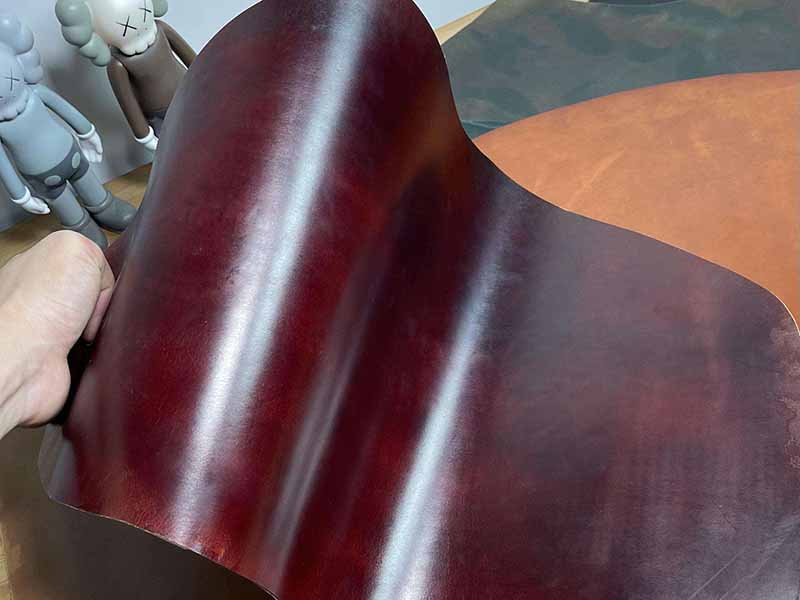
Leather waste is often described as an unavoidable consequence of producing bags, wallets, belts, cases, and accessories. Natural hides have irregular edges, surface marks, thickness variation, stretch differences, and usable zones that cannot be managed like identical sheets of synthetic material. However, the hide itself is only part of the problem. A surprising amount of waste begins with unclear specifications, inefficient product structures, repeated sample revisions, inaccurate material estimates, poorly planned cutting layouts, avoidable production defects, and inventory purchased before the design is fully approved.
Leather goods manufacturers reduce waste by improving product design, grading hides before cutting, nesting patterns around defects, validating structures through controlled sampling, preventing rework with early inspections, consolidating materials across related products, and measuring yield, recuts, defects, inventory, and scrap recovery. Recycling is useful, but the greatest savings normally come from preventing unnecessary material consumption before waste is created.
A small offcut beside one cutting table may appear insignificant. Multiply that piece across every hide, color, size, revision, production line, and repeat order, and the cost becomes substantial. The same is true for a misaligned zipper, an incorrectly skived edge, or a packaging change approved after thousands of boxes have already been printed. The following guide explains where leather goods waste is created, how experienced factories control it, and what buyers should examine before approving production.
What Waste Is Generated in Leather Goods Manufacturing?
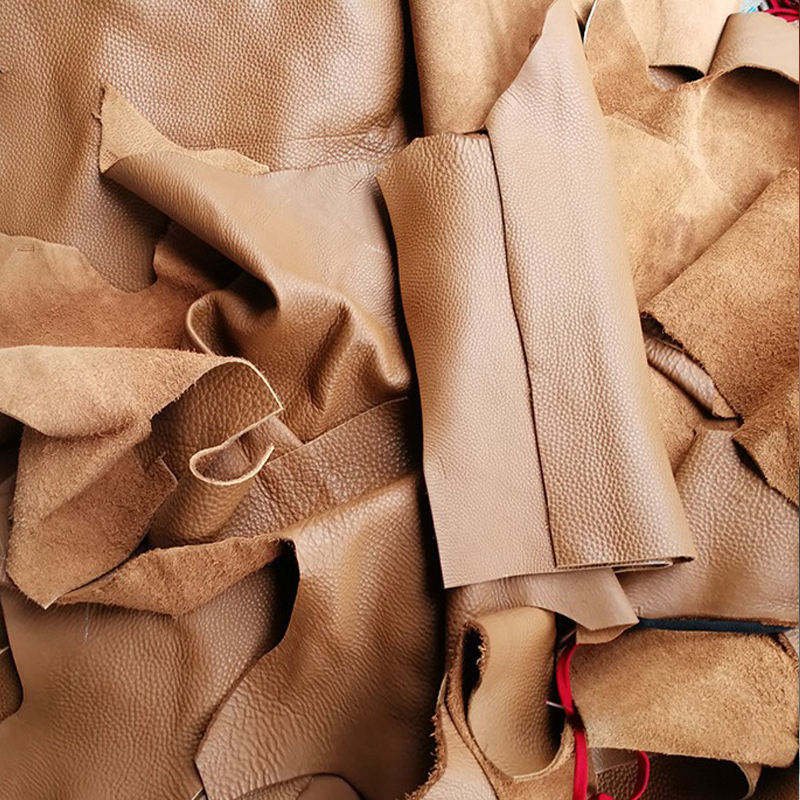
Leather goods manufacturing waste includes unused hide areas, cutting remnants, rejected panels, recut components, excess adhesive, skiving dust, failed edge finishing, sewing rework, obsolete samples, unused hardware, surplus packaging, and finished products that cannot be sold. The most avoidable losses usually come from unclear specifications, weak cutting plans, late design changes, poor process control, and defects discovered after several production steps have already been completed.
Material Waste
Material waste is the most visible form of loss, but it is not always the easiest to measure correctly. Natural leather contains areas with different grain patterns, softness, stretch, thickness, shade, and surface condition. A cutter may need to avoid scars, holes, loose grain, deep wrinkles, discoloration, or areas that are too weak for structural components. The spaces remaining between approved pattern pieces become offcuts, yet those offcuts still have different levels of practical value.
A large clean remnant may be suitable for card slots, zipper pulls, handle tabs, logo patches, reinforcement washers, luggage tags, or small accessories. Long narrow strips may be used for loops, binding details, or decorative elements. Very small fragments, contaminated pieces, and mixed scraps have fewer direct uses and may need to enter an external recovery route. Treating every leftover piece as identical “scrap” prevents the factory from understanding which material can still return to production.
Material waste also occurs before the cutting stage. A manufacturer may order excessive leather because consumption was estimated from flat pattern area rather than realistic hide utilization. A color batch may fail to match the approved standard. Leather may arrive with the wrong thickness, finish, backing, softness, or embossing depth. In these situations, technically usable material becomes unusable for the intended project, creating inventory that may remain in storage for months.
| Waste Category | Common Source | Useful Measurement | Practical Response |
| Cutting offcuts | Irregular hide shape and empty nesting spaces | Offcut area ÷ usable hide area | Improve pattern mix and placement |
| Recut panels | Hidden defects, wrong size, shade mismatch | Recut pieces ÷ total pieces cut | Strengthen marking and first-piece checks |
| Sample waste | Unclear specifications and repeated revisions | Sample rounds per approved style | Consolidate feedback and lock decisions |
| Production rework | Sewing, glue, edge, or hardware defects | Reworked units ÷ inspected units | Add earlier in-process inspections |
| Dead stock | Forecast errors and obsolete components | Value and age of unused inventory | Standardize materials and release orders in stages |
| Packaging waste | Artwork changes and incorrect dimensions | Unused packages ÷ purchased packages | Delay printing until product approval |
Process Waste
Some of the most expensive waste never enters a waste bin. When an operator reopens a seam, replaces a zipper, removes adhesive marks, repairs edge paint, adjusts hardware, or rebuilds a handle attachment, the product may eventually pass inspection, but additional labor, machine time, electricity, consumables, and production capacity have already been spent. This hidden waste can be more damaging than visible offcuts because it disrupts schedules and creates inconsistent workmanship.
Leather goods contain several dependent processes. If a component is skived too thin, it may stretch or tear during sewing. If reinforcement is positioned incorrectly, the finished product may lose shape or fail under load. If adhesive extends too close to an exposed edge, it may interfere with edge paint or stain the leather surface. If hardware is installed before alignment is confirmed, the surrounding panel may need to be replaced rather than repaired.
Factories should therefore record defects by process rather than counting only rejected finished products. A final rejection rate may appear low even when many units required repair before reaching final inspection. The defect record should identify the operation, problem type, affected quantity, repair time, material loss, suspected cause, and corrective action. Over several production runs, this information often reveals recurring problems that can be traced to an unstable material, difficult design detail, unsuitable machine setting, unclear workmanship standard, or missing operator training.
Inventory Waste
Leather goods projects often require several colors, leather finishes, lining materials, edge-paint shades, zipper tapes, hardware finishes, labels, dust bags, boxes, inserts, and shipping cartons. Every additional variation increases the amount of stock that must be purchased, identified, stored, protected, and eventually consumed. When forecasts or specifications change, these components can quickly become dead stock.
Inventory waste frequently appears after a brand changes a color, updates a logo, replaces a clasp, modifies the product dimensions, or revises packaging after materials have already been ordered. Standard components may be redirected into another product, but custom-colored leather, engraved hardware, printed linings, branded labels, and product-specific packaging are much harder to recover. Their value may remain in the accounting system even when they have little practical use.
A more efficient approach separates universal components from highly customized ones. Standard zipper sizes, shared lining colors, common thread specifications, controlled hardware finishes, and modular packaging dimensions create more opportunities to use remaining stock in future orders. Customized components should be ordered only after dimensions, artwork, material, and function have been approved.
Brands can also reduce waste by releasing orders in planned stages. An initial batch can enter the market before the full seasonal forecast is produced. Actual sales data can then guide replenishment. This approach requires clear lead-time planning and a responsive manufacturing partner, but it usually creates less risk than committing to large quantities based entirely on uncertain demand.
Quality Waste
A finished product that fails inspection represents the combined loss of leather, lining, reinforcement, hardware, thread, adhesive, edge paint, packaging, labor, and machine time. The later a defect is found, the more expensive it becomes. A miscut panel discovered immediately after cutting may require one replacement component. The same error found after lining, zippers, handles, hardware, branding, and finishing have been added may require most of the product to be rebuilt.
Quality control should therefore focus on early detection. Incoming material inspection, shade grouping, cutting checks, skiving checks, first-piece approval, in-line sewing inspection, hardware verification, edge-finish inspection, cleaning checks, and packaging inspection each protect a different part of the process. Final inspection remains essential, but it should confirm that earlier controls worked rather than become the first serious opportunity to identify problems.
The most useful quality analysis connects each defect to its real origin. A broken handle may look like a sewing failure, but the underlying cause could be narrow reinforcement, unsuitable leather stretch, incorrect stitch distance, insufficient seam allowance, or hardware with sharp contact points. Repeatedly repairing the visible problem does not reduce waste. The factory must identify and correct the design, material, pattern, or process condition that created it.
Which Design Choices Reduce Material Waste?
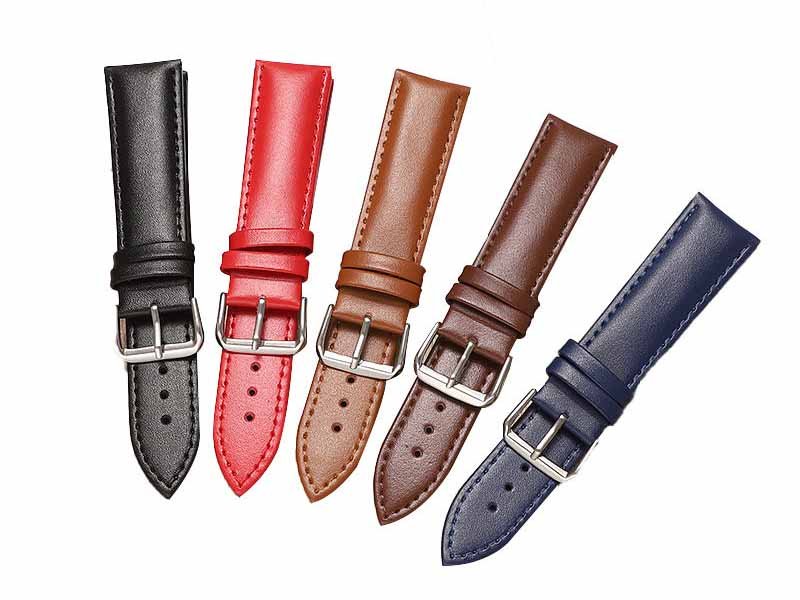
Design decisions determine how much leather is consumed, how efficiently pieces can be arranged, how many production operations are needed, and whether the finished product can be repaired. Waste is reduced when unnecessary panels are removed, shapes fit together more efficiently, small parts use suitable remnants, materials are shared across related products, and durability is achieved through targeted engineering rather than excessive layers.
Panel Efficiency
Every additional panel creates more cutting perimeter, seam allowance, alignment work, edge treatment, adhesive application, stitching, inspection points, and opportunities for mismatch. This does not mean that every product should be simplified into a few flat pieces. Panels may be necessary to create structure, capacity, access, visual identity, ergonomic shape, reinforcement, or functional organization. Waste appears when complexity is added without improving the product.
During design review, each panel should be examined carefully. A useful question is whether the panel improves structure, load distribution, access, comfort, storage, durability, repairability, or meaningful visual value. A decorative seam that contributes little to the customer experience may increase cutting loss and labor while creating another area that must be matched and inspected. Removing it may lower material consumption and make production more stable.
Combining two panels can reduce sewing and edge-finishing operations, but it can also create one larger component that is harder to position around hide defects. For that reason, the correct decision cannot be made from a digital rendering alone. The factory should test the actual pattern against realistic hide shapes and quality restrictions.
A large uninterrupted front panel may suit a premium minimalist bag but demand a wide, clean area of leather. A carefully designed multi-panel body may use smaller zones more efficiently. Conversely, an overly segmented design may create too many seams, alignment risks, and finishing operations. Good design balances visual intent with the natural limitations of the material.
Shape and Nesting
Straight and compact pattern pieces are usually easier to place than long crescents, oversized circles, narrow curves, and highly asymmetrical shapes. However, natural hides are irregular, so no single geometry guarantees the highest yield. A product made entirely from large rectangular panels may leave substantial islands of usable leather between them, especially when defects interrupt the center of the hide.
An efficient pattern group usually contains several useful sizes. Large visible panels occupy the cleanest zones, medium components fill secondary areas, and small parts use spaces near edges or marked defects. The relationship between pieces is often more important than the efficiency of one individual panel. A small internal pocket may help use an area that would otherwise remain stranded.
Orientation rules also affect yield. Some components can be rotated freely, while others must follow grain direction, stretch behavior, print, embossing, shade, or surface character. Long handles and straps may need controlled direction to reduce stretching. Paired panels may need to be cut near each other so their color and grain appear consistent.
Small dimensional changes can sometimes improve material use without affecting the visible product. Adjusting a hidden reinforcement, reducing an internal pocket radius, changing a gusset curve, or dividing a concealed strip may allow components to fit into areas that would otherwise remain unused. These changes should always be validated through a physical sample and an actual cutting layout.
Offcut-Compatible Parts
Small leather components are among the most practical ways to recover value from cutting remnants. Zipper pulls, card pockets, key loops, handle tabs, logo patches, corner pieces, reinforcement washers, cord keepers, luggage tags, and decorative tabs can often be placed in areas that are unsuitable for major body panels. Their smaller size gives cutters more flexibility around natural defects and irregular edges.
The factory should still define which quality level each component requires. A handle anchor may be small, but it carries load and needs stable leather. A hidden reinforcement may accept surface variation but still require suitable thickness and strength. A logo patch must meet a higher visual standard than an internal tab. Reuse should never mean placing weak or unsuitable material into hidden areas.
A component-quality map can define acceptable appearance, structural grade, thickness, size, stretch, and defect tolerance for each part. This allows more of the hide to be used while keeping product performance consistent.
Brands can also develop coordinated accessories around predictable remnants. A tote collection may create pieces suitable for card holders, keychains, luggage tags, cable organizers, or small repair patches. These programs work best when the offcuts are reasonably consistent in color, size, and volume. Random scrap should not be turned into products solely to support a sustainability claim, because extra labor, hardware, packaging, and unsold accessory inventory can create new waste.
Repairable Construction
A durable product is not always repairable. A bag may use strong leather and reinforcement but become unusable because one zipper, handle, strap, buckle, or clasp cannot be replaced without destroying the surrounding construction. Repairable design reduces waste by allowing high-wear components to be serviced while preserving the main body of the product.
Detachable shoulder straps, screwed hardware, accessible zipper ends, replaceable handles, removable base boards, and linings with planned repair openings can make maintenance more practical. The design team should identify which components are most likely to wear first. Moving parts, stress points, high-friction surfaces, corners, handles, straps, and closures usually deserve the most attention.
Repairability should not weaken security, waterproofing, shape, or appearance. Some parts must remain permanently fixed for safety or structural reasons. The goal is not to make every component removable, but to avoid construction that turns a minor failure into total product disposal.
Replacement-part planning also matters. A removable clasp is useful only when the same size and finish remain available. Shared hardware specifications and controlled spare inventory can support repairs across several product seasons. This approach is often more practical than maintaining many one-season components that become impossible to replace after the initial production run.
How Do Cutting Rooms Improve Leather Yield?
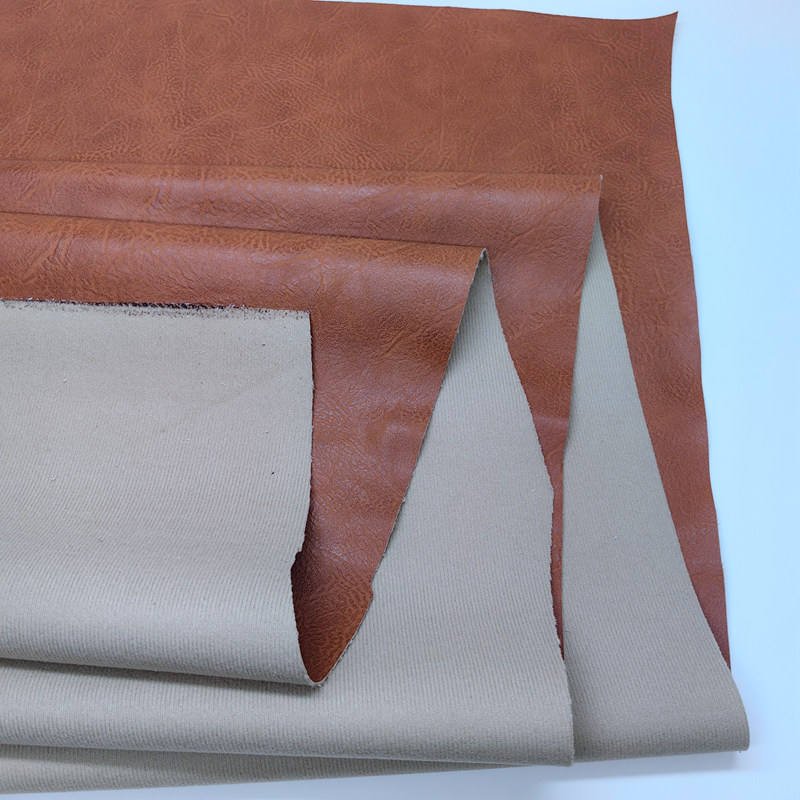
Cutting rooms improve leather yield by inspecting hides, marking defects, matching component requirements to suitable zones, testing several layouts, controlling grain and stretch direction, and measuring accepted output against usable material. Digital tools can improve speed and consistency, but experienced judgment remains essential because surface quality, thickness, shade, grain, and structural performance are not uniform across a natural hide.
Hide Inspection
An efficient cutting process begins with a clearly approved material standard. Incoming leather should be checked for leather type, finish, color, thickness, hand feel, grain condition, usable area, backing, embossing, coating, and consistency with the approved sample. Hides are then grouped by shade and visual character so that panels assembled into the same product do not appear unrelated.
Defects should be identified before nesting begins. These may include holes, scars, deep wrinkles, weak grain, finish damage, contamination, excessive stretch, thin areas, uneven embossing, or color changes. The purpose is not to reject every natural mark. Many brands accept controlled variation, particularly in casual, vintage, or heritage-style products. The key is to agree where variation is acceptable.
A small surface mark may be acceptable on an internal pocket but unsuitable for the front panel of a structured handbag. Without a component-based acceptance standard, cutters may become too conservative and waste usable leather, or they may include marks that the buyer later rejects. Both outcomes increase consumption.
Thickness and stretch should also be considered. Leather that is too thick may create bulky seams and folded edges, while thin or stretchy areas may weaken handles and stress points. Matching each hide zone to the correct component improves both material use and product reliability.
Pattern Placement
Pattern placement normally begins with the most demanding components. Large visible body panels, paired pieces, long straps, and structural components are positioned first. Medium and small pieces then fill remaining spaces while respecting shade, grain, stretch, defects, and orientation requirements. This order helps protect visual consistency without wasting useful secondary areas.
Mixed-product nesting can improve utilization when several related items use the same leather. A large tote panel may leave spaces suitable for wallet parts, tabs, card slots, zipper pulls, or luggage tags. However, this approach requires clear labeling and traceability so that components remain assigned to the correct style, color, size, and production order.
Manual nesting remains valuable for small batches and highly variable hides because experienced cutters can read subtle surface and structural differences quickly. Digital scanning and nesting systems can add consistency by recording hide boundaries, mapping defects, storing pattern versions, testing multiple layouts, and projecting cutting lines.
Technology should support judgment rather than replace it blindly. A layout may be mathematically efficient but commercially unacceptable if it creates obvious shade mismatch, weak stress areas, or inconsistent grain. The most effective cutting rooms combine repeatable digital records with practical understanding of leather behavior.
Yield Measurement
Cutting yield should be calculated from accepted components rather than the total pattern area originally placed on the hide. A layout can appear efficient while producing pieces that are later rejected because of defects, color differences, incorrect direction, or damage during cutting. Counting those rejected components would create a misleading result.
A practical formula is:
Effective Cutting Yield = Accepted Pattern Area ÷ Usable Hide Area × 100
Usable hide area should exclude zones that genuinely cannot meet the agreed product specification. Accepted pattern area should include only components that pass cutting and material-quality checks.
Consider an illustrative order requiring 2,400 square feet of accepted leather components. At an effective yield of 70%, approximately 3,429 square feet of usable leather would be required. At 75%, the requirement falls to 3,200 square feet. A five-percentage-point improvement would therefore save roughly 229 square feet before normal purchasing allowances are considered.
This example is not a universal industry benchmark. Actual results depend on leather type, grade, hide size, panel dimensions, defect tolerance, pattern geometry, orientation, shade requirements, and order mix. The most meaningful comparison is between revisions of the same product using the same quality standard.
| Cutting KPI | Formula | What It Shows |
| Effective yield | Accepted pattern area ÷ usable hide area × 100 | Actual material utilization |
| Recut rate | Recut components ÷ total components cut × 100 | Cutting and material failures |
| Consumption variance | Actual leather used – planned leather use | Costing and planning accuracy |
| Defect loss rate | Rejected hide area ÷ inspected hide area × 100 | Material consistency |
| Remnant recovery rate | Reusable remnants ÷ total offcuts × 100 | Value retained after cutting |
| Layout improvement | New consumption compared with old consumption | Effect of pattern revisions |
Recut Control
Recuts consume extra material, delay production, disrupt shade matching, and increase the chance that replacement components will differ from the original set. Common causes include outdated pattern versions, missed defects, incorrect orientation, cutting movement, inaccurate dies, labeling errors, shade mismatch, and component damage during handling.
Each recut should be assigned a reason code. Without this information, the factory only knows that additional leather was consumed. With clear categories, the team can determine whether the problem began in material inspection, pattern control, equipment setup, operator technique, labeling, storage, or production planning.
First-piece verification is one of the simplest controls. Before the full quantity is cut, the first set should be checked for dimensions, notches, hole positions, paired orientation, matching, and compatibility with the approved sample. This is particularly important after a pattern revision or when several similar product versions are stored in the same system.
Cut components should be labeled and grouped carefully. Leather pieces may appear similar while belonging to different shades, sizes, pattern revisions, or orders. Mixing them creates assembly problems that may not be discovered until sewing or final inspection.
Recut data should be reviewed by style, leather batch, pattern version, and cause. A repeated issue may indicate an unrealistic defect standard, difficult component shape, unstable material, or confusing technical file rather than poor operator performance alone.
How Can Sampling and Production Prevent Rework?
Sampling and production prevent rework by resolving material, dimensions, construction, branding, workmanship, tolerances, hardware, packaging, and testing requirements before bulk cutting. Controlled samples, approved specifications, sealed references, accurate material lists, first-piece verification, and early in-process inspections prevent small misunderstandings from spreading across an entire order.
Clear Specifications
A useful leather goods specification explains more than the overall length, width, and height. It should identify leather type, finish, thickness range, color reference, grain direction where necessary, lining, reinforcement, thread, stitch position, edge construction, hardware finish, logo size, pocket dimensions, labels, packaging, tolerances, and required tests.
Construction details deserve particular attention. Drawings and reference photos should show how layers meet around folded edges, zipper ends, handles, corners, gussets, pockets, and reinforced areas. Many costly problems begin in hidden locations that are difficult to inspect after assembly.
Specifications should distinguish critical requirements from adjustable preferences. A handle attachment, strap length, closure function, or load-bearing seam may be non-negotiable. A hidden pocket position may allow a reasonable production tolerance. When every measurement is treated as equally critical, inspection becomes slow, unnecessary rejection increases, and operators may focus on minor details while missing functional risks.
A professional manufacturer should question details that are unclear, unstable, expensive, or difficult to repeat. A handmade sample may look attractive even when its result depends heavily on one technician. Before approval, the team should confirm whether the chosen material, edge process, reinforcement, stitching, and construction can be reproduced consistently across the planned quantity.
Controlled Sampling
Each sample stage should answer a specific question. A material swatch confirms color, grain, finish, thickness, embossing, and hand feel. A structural prototype checks dimensions, capacity, balance, opening, pocket access, and assembly logic. A visual sample confirms proportion, logo, hardware, edge finishing, and overall appearance. A pre-production sample verifies the exact bulk materials and approved workmanship before production begins.
Repeated samples may be necessary for complex products, but waste increases when revisions are fragmented, contradictory, or poorly documented. A buyer may request one change, receive the next sample, and then introduce several additional changes that could have been reviewed earlier. Consolidated feedback reduces unnecessary sample rounds and protects the development schedule.
Each revision should record what changed, why it changed, which pattern version applies, whether the material or cost changed, whether testing must be repeated, and who gave final approval. This record prevents earlier decisions from being unintentionally reversed.
Once approved, the physical sample should be supported by a final pattern, bill of materials, color standard, hardware reference, logo file, packaging specification, and workmanship notes. A sealed sample alone may not show hidden reinforcement, adhesive method, skiving width, internal layers, or the precise material used inside the product.
In-Process Checks
Final inspection is too late to discover many problems economically. Quality checks should be placed at stages where defects can still be corrected without dismantling a finished product. Incoming inspection confirms leather, lining, reinforcement, hardware, thread, and packaging. Cutting inspection checks shape, dimensions, defects, orientation, shade, and quantity.
Skiving inspection verifies width, depth, smoothness, and remaining material strength. First-piece approval confirms that the production method matches the approved construction. In-line sewing checks monitor stitch position, alignment, tension, reinforcement, seam shape, cleanliness, and component matching. Hardware and edge-finishing checks identify cosmetic and functional issues before final cleaning and packaging.
Inspection frequency should reflect product risk. A simple flat card holder generally requires fewer checkpoints than a structured leather backpack with several compartments, molded support, multiple zippers, reinforced handles, foam, lining, and load-bearing straps. Complex products create more interactions between materials and processes, so earlier verification becomes more valuable.
Early detection also protects the delivery schedule. A defect found after ten pieces may be corrected through a machine adjustment, updated method, or operator briefing. The same defect found after one thousand pieces may require extensive repair, replacement leather, repeated inspection, delayed packaging, and shipment changes.
| Control Stage | Main Items Checked | Waste Prevented |
| Incoming inspection | Leather, shade, thickness, hardware, lining | Incorrect material entering production |
| Cutting inspection | Dimensions, defects, orientation, quantity | Recut panels and shade mismatch |
| Skiving check | Width, depth, smoothness, strength | Torn edges and unstable assembly |
| First-piece approval | Construction, dimensions, workmanship | Repeating an incorrect method |
| In-line inspection | Stitching, alignment, reinforcement, glue | Large-scale rework |
| Final inspection | Function, appearance, packaging, quantity | Defective goods reaching shipment |
Forecast and Release
Production planning is an important part of waste prevention. Large orders based on uncertain demand can create excess finished products, unused branded components, obsolete packaging, and leather that no longer fits the brand’s color direction. At the same time, repeated emergency orders may increase setup losses, batch differences, purchasing inefficiency, and freight costs.
The most suitable release method depends on demand stability, sales channel, lead time, material availability, and replenishment capability. Products with predictable repeat demand may justify larger planned runs. Seasonal, trend-sensitive, or untested items may be better managed through phased production.
Material commitments can also be separated from full production commitments. A factory may confirm the leather source, reserve capacity, or secure standard hardware while delaying highly customized packaging and engraved components until the pre-production sample is approved. This reduces the chance that a late dimensional or artwork change will make previously ordered items unusable.
Shared materials across a collection make forecasting more flexible. Several products using the same leather color, lining, zipper specification, thread, and hardware finish create more opportunities to consume remaining stock. Brands and manufacturers should review forecast accuracy, minimum purchasing quantities, material aging, production release timing, and replenishment plans together rather than treating these as separate commercial and manufacturing decisions.
What Can Manufacturers Do With Leather Scraps?
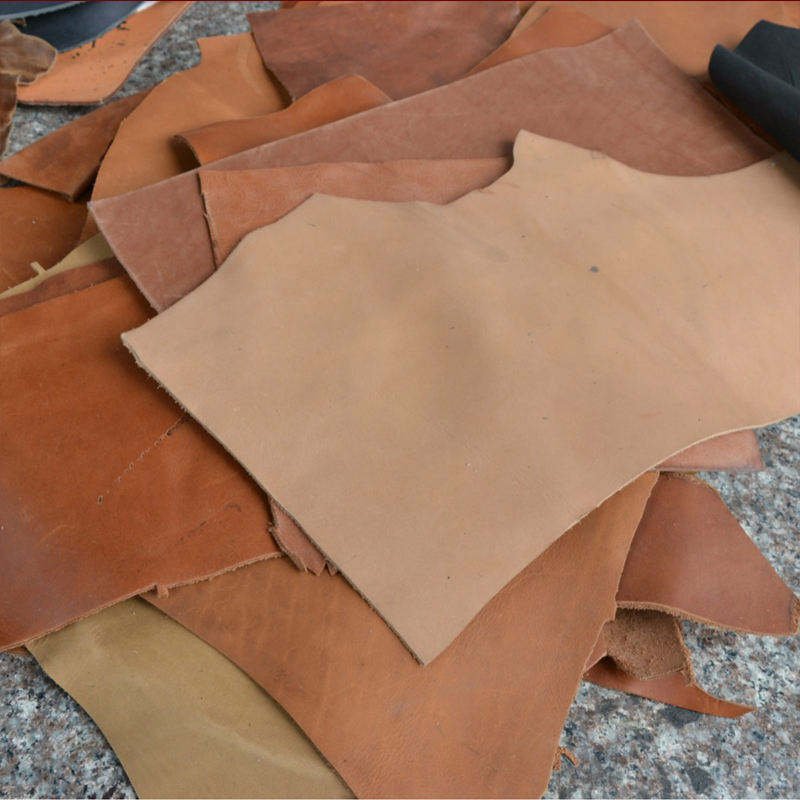
Manufacturers can prevent, reuse, repurpose, sell, donate, recycle, recover, or responsibly dispose of leather scraps according to their size, quality, finish, strength, contamination, and consistency. Prevention should remain the first priority. After cutting, large clean remnants can return to production, predictable offcuts can support small products, and lower-grade material can enter suitable external recovery channels.
Scrap Classification
Leather scraps should be sorted before they are mixed, damaged, or contaminated. A large clean remnant has significantly more value than a container filled with different leather types, colors, coatings, adhesives, backing materials, and metal fragments. Once different materials are mixed, direct reuse and traceable recovery become more difficult.
A practical sorting system may classify scraps by leather type, color, thickness, finish, size, surface quality, structural strength, contamination, potential internal use, and possible external destination. Large pieces should be stored flat or rolled carefully to avoid curling, creasing, and surface damage. Smaller pieces may be grouped into standard size ranges that match recurring components.
Every category should have a defined retention period. Storing scraps indefinitely creates warehouse clutter, extra handling, hidden costs, and misleading inventory values. A piece may be technically usable but commercially impractical when the labor required to inspect, record, store, retrieve, and cut it exceeds its remaining material value.
Traceability is also important when leather has certification requirements, restricted chemistry, customer ownership, specific finish codes, or brand-exclusive applications. Scraps should not be mixed across projects when material identity must be preserved. A useful classification system supports production decisions rather than becoming an administrative exercise that fills the warehouse with material that no team is willing to use.
In-House Reuse
The most direct recovery method is returning suitable remnants to the same factory’s production process. Large pieces may become internal pockets, hidden reinforcement, small panels, tabs, patches, straps, logo bases, sample references, repair components, or development materials.
In-house reuse must follow the same quality logic as new material. A remnant used in a handle anchor still needs adequate strength and stability. A hidden reinforcement must have the correct thickness and resistance to stretch. A piece used behind a logo plate must support clean installation and avoid creating visible unevenness. Reuse should never mean placing unsuitable material into areas that buyers cannot see.
Factories can improve recovery by connecting scrap records to their pattern library. Before ordering new leather for a sample or small component, the development team can check whether approved remnants are available. This is especially practical when a brand uses the same leather across several styles, seasons, or repeat orders.
However, mass production should not rely on random scraps for components required in every unit. The volume, color, quality, and dimensions may not remain consistent. Remnants are more suitable for flexible accessories, internal parts, development work, limited editions, repair materials, or components where controlled variation is acceptable.
Upcycled Products
Upcycling can create value from predictable offcut streams. Common applications include card holders, keychains, cable organizers, luggage tags, bookmarks, coasters, zipper pulls, small pouches, repair patches, patchwork panels, and promotional accessories. The strongest programs begin with an understanding of the available material rather than designing a product first and hoping random scraps will fit.
The development team should review average remnant dimensions, color consistency, surface condition, monthly volume, cutting time, labor cost, hardware needs, packaging, and expected demand. A small accessory is not automatically sustainable. It may create additional waste when it requires new metal parts, custom boxes, complicated sorting, or inventory that customers do not purchase.
Limited-edition products can accommodate controlled variation more easily than highly standardized retail programs. Brands should communicate differences in shade, grain, and surface character honestly instead of promising identical appearance from mixed remnants.
Upcycled material can also support internal uses. Sample tags, material cards, training pieces, testing specimens, repair patches, workshop tools, and packaging accents may consume remnants without creating another retail SKU. This can be more practical than introducing a product that requires marketing, photography, barcodes, packaging, storage, and long-term inventory management.
External Recovery
Not every leather scrap can be reused inside the factory. External options may include resale to specialist users, donation to education or training programs, fiber recovery, bonded material production, composite applications, controlled energy recovery where permitted, or responsible disposal when higher-value routes are unavailable.
The correct destination depends on leather type, coating, backing, finish, contamination, local regulation, available infrastructure, and the requirements of the receiving organization. A factory should not claim that material has been recycled merely because a collector removed it. The downstream treatment method should be understood and documented.
Records may include the waste category, weight or area, collection date, receiving organization, destination, and treatment route. Weight is often more practical for mixed small scraps, while area may be more useful for large reusable remnants. External partners should be reviewed for legal operation, traceability, capacity, handling methods, and transparency.
The preferred hierarchy remains prevention first, direct reuse second, product recovery third, material recycling next, and disposal only when other routes are not technically or commercially practical. This hierarchy prevents recycling from becoming an excuse for avoidable waste created by poor design, planning, cutting, or quality control.
How Do Manufacturers Measure and Prove Waste Reduction?
Manufacturers prove waste reduction by setting a clear baseline, tracking material utilization and process losses, recording scrap destinations, and comparing results under consistent product and quality standards. Credible evidence includes cutting records, material reconciliation, recut data, rework logs, inspection results, inventory aging, recovery receipts, and corrective-action reports rather than unsupported environmental claims.
Core KPIs
Waste measurement should begin with a limited number of indicators that the production team can update consistently. An overly complicated system may generate paperwork without improving decisions. The most useful material indicators include effective cutting yield, actual leather use per accepted unit, planned-versus-actual consumption, offcut rate, recut rate, and remnant recovery rate.
Process indicators may include the number of sample revisions, first-pass yield, rework rate, rejected-product rate, and defect frequency by operation. Inventory indicators can include dead-stock value, material aging, obsolete packaging quantity, and unused customized component value.
The baseline should be product-specific. A wallet, belt, tote, structured handbag, and leather backpack cannot be compared fairly against one universal utilization target. Their panel dimensions, construction, leather grades, visual standards, reinforcement, and complexity are different. Data should also be normalized by production volume. Total waste may rise when output increases even though waste per accepted unit improves.
A useful KPI must lead to action. When yield falls, the team should review hide quality, pattern revisions, order mix, defect standards, and nesting. When rework rises, the problem should be traced to the specific operation, material, pattern, equipment, or workmanship method. Recording a number without investigating its cause does not reduce waste.
| KPI | Practical Formula | Main Evidence | Review Frequency |
| Effective cutting yield | Accepted area ÷ usable hide area × 100 | Cutting records | Each batch |
| Leather use per unit | Total leather issued ÷ accepted units | Material issue report | Each order |
| Recut rate | Recut pieces ÷ total pieces cut × 100 | Cutting defect log | Daily or by batch |
| First-pass yield | Units passing without repair ÷ inspected units × 100 | In-line QC report | Daily |
| Rework rate | Reworked units ÷ inspected units × 100 | Repair record | Daily and per order |
| Scrap recovery rate | Reused or recovered scrap ÷ total scrap × 100 | Scrap register | Monthly |
| Dead-stock ratio | Obsolete stock value ÷ related inventory value × 100 | Inventory report | Monthly |
| Sample revision count | Total sample rounds before approval | Development record | Each style |
Waste Register
A waste register creates visibility across purchasing, development, cutting, sewing, finishing, inspection, packaging, and inventory. It should show what was lost, where it was created, why it occurred, how much was involved, whether it remained usable, and what happened to it afterward.
For leather goods manufacturing, the register may include hide trimmings, rejected panels, skiving waste, adhesive-contaminated pieces, edge-paint residue, damaged hardware, thread, lining scraps, reinforcement, foam, board, packaging, samples, and rejected finished goods.
Each record should identify the date, production order, material category, source process, quantity by weight, area, or pieces, reusable portion, recovery destination, disposal method, responsible department, root cause, and corrective action. The level of detail should remain practical. Recording every small strip individually would be inefficient, so batches can be summarized by shift, order, material type, or collection container.
Photographs may support unusual incidents, but measurable quantities are necessary for trend analysis. The register should connect with purchasing, cutting, quality, and inventory data. This helps the team distinguish losses caused by incoming material from those caused by product design, pattern management, production methods, or forecast decisions.
Buyer Verification
Buyers should request evidence that matches the claim being made. A statement such as “we recycle leather scraps” should be supported by scrap categories, quantities, collection records, and the type of downstream recovery. A statement such as “we improved material utilization” should be supported by comparable cutting layouts, consumption records, or material reconciliation reports.
Useful evidence may include approved material standards, incoming inspection records, pattern revision history, cutting layouts, actual-versus-planned consumption, recut logs, in-line inspection reports, first-pass yield records, scrap classification photos, inventory-aging reports, recovery receipts, and corrective-action documents.
Buyers should be cautious with percentages that lack a clear denominator. A claim that most scraps are reused is not meaningful unless the factory defines which materials are included, how quantities are measured, what period is covered, and whether “reuse” means direct manufacturing use, resale, donation, or recycling.
Waste reduction should also be evaluated alongside quality. A factory should not improve cutting yield by placing weak or visibly unsuitable leather into components that later fail. Credible improvement maintains the approved appearance, durability, dimensions, function, safety, and sample-to-production consistency.
Improvement Plans
A practical improvement plan starts with a baseline and concentrates on a few high-value problems. A factory may discover that its largest loss comes from one oversized visible panel, repeated shade-related recuts, late packaging changes, excessive sample revisions, or a sewing defect that requires frequent repair.
Each action should define the problem, current result, target, responsible team, implementation date, verification method, and review period. A pattern revision may aim to reduce actual leather use while keeping dimensions, capacity, appearance, strength, and function unchanged. A cutting-room action may aim to reduce shade-related recuts through improved hide grouping and component labeling.
Targets should remain realistic and product-specific. A major yield increase may be impossible without changing leather grade, panel size, visual standard, or product appearance. Small improvements repeated across high-volume orders may create more value than ambitious claims that cannot be maintained.
Brands and manufacturers should review improvement plans together when buyer decisions influence the result. Late artwork approval, unnecessary color variation, uncertain forecasts, frequent specification changes, and highly customized components can create waste that the factory cannot solve independently. The strongest programs connect product development, costing, purchasing, quality, inventory, and supply-chain planning.
Start a Lower-Waste Leather Goods Project
Reducing waste in leather goods manufacturing is not one isolated factory action. It requires coordinated decisions in product design, material selection, pattern engineering, sampling, purchasing, cutting, sewing, quality control, packaging, inventory, and recovery. Recycling remains useful, but the greatest financial and environmental gains usually come from avoiding unnecessary material consumption, preventing defects early, and designing products that can be produced consistently.
Buyers should begin by reviewing their product specifications, panel structure, leather grade, color strategy, expected quantities, packaging, and approval process. A manufacturer should then test the actual cutting layout, identify high-risk operations, define inspection checkpoints, calculate realistic consumption, and document how remaining material will be classified and managed.
Szoneier is a Shenzhen-based OEM/ODM manufacturer with more than 18 years of experience in custom bags, leather goods, sewn soft products, material sourcing, pattern development, sampling, production coordination, quality inspection, packaging, and export delivery. The team can review reference samples, product images, technical packs, materials, dimensions, branding, quantity plans, and target markets before developing a production-ready solution.
Send your product concept, technical pack, reference sample, quantity, material preference, logo file, and destination country to info@szoneier.com. For faster project discussion, contact the team by WhatsApp or phone at (+86) 13423847456. A structured development review can help identify unnecessary material use, reduce repeated sampling, improve production consistency, and create a more practical path from the first prototype to repeat bulk orders.