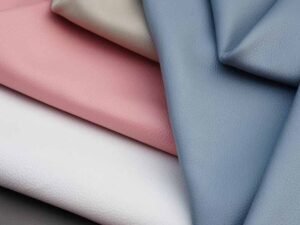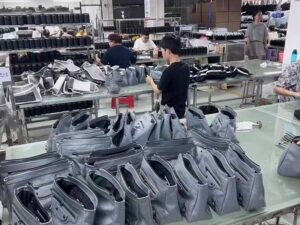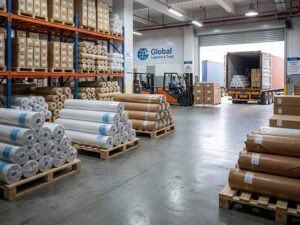
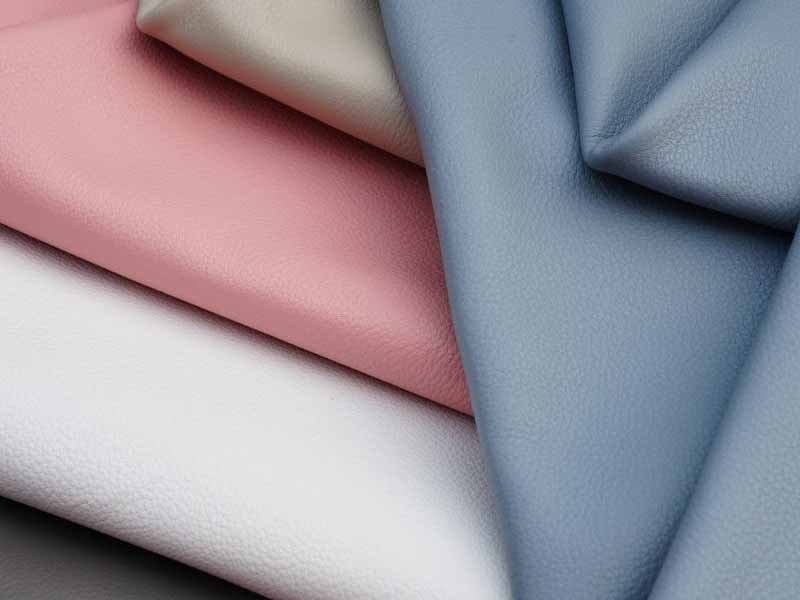
Two handbags can look equally convincing in a shop window and behave very differently after a year of daily use. One develops gentle creases, a softer hand, and a worn-in character; the other may retain its color beautifully but begin showing surface damage where the handle folds. Neither outcome can be predicted simply by reading “genuine leather” or “vegan leather” on a label. The material grade, construction, finishing, and way the product is used matter more than the marketing name suggests.
Genuine leather is often the stronger choice for natural texture, repairability, and products intended for long service, while well-made vegan leather can be preferable for animal-free collections, consistent colors, and controlled manufacturing costs. Neither is automatically better for every handbag or accessory. The right choice depends on material composition, tested durability, maintenance needs, environmental evidence, product design, and the expectations of the people using it.
This distinction becomes important when a brand is developing a new handbag, wallet, or accessory collection. A cheaper sheet of material is not always a cheaper finished product, and an expensive hide does not guarantee a comfortable, durable bag. At Szoneier Leather, we look at leather choice alongside pattern engineering, sampling, finishing, and quality control. Consider a collection of 1,000 bags that looks excellent when shipped, then develops cracks at exactly the same handle fold months later. Was the leather wrong, or was the fold too tight? The answer often lies in understanding both.
What Is the Difference Between Vegan and Genuine Leather?
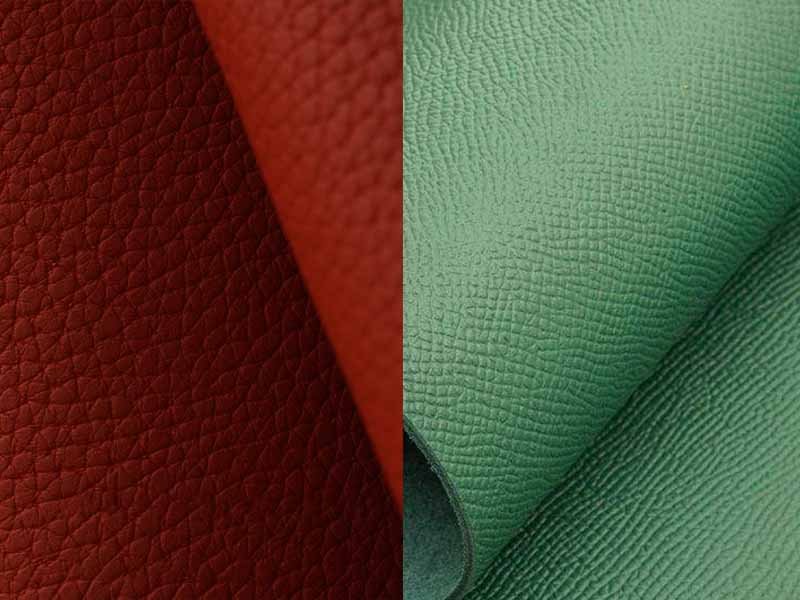
Vegan leather is an animal-free material, commonly made with PU, PVC, engineered microfiber, or plant-derived ingredients. Genuine leather comes from animal hides that have been tanned and finished. Their main differences concern internal structure, surface behavior, appearance, repairability, and supply-chain impacts. Neither term guarantees a particular quality grade, so specific composition and product performance are more useful than labels alone.
What Are They Actually Made Of?
Genuine leather begins with a natural collagen-fiber network in an animal hide. Tanning stabilizes the hide, and subsequent processes control thickness, softness, color, and finish. Depending on the processing, the surface may display natural pores and markings or a more uniform corrected grain. This underlying fiber structure is one reason appropriately selected genuine leather can develop attractive creases and sometimes be refinished when it becomes worn.
Most conventional vegan leather has a layered construction instead. A polymer coating or surface layer is combined with a woven, knitted, nonwoven, or engineered backing. PU and PVC are two common coating families. Their properties depend on the coating formulation, the backing fabric, the bond between the layers, and additional finishing treatments. A textured PU tote and a microfiber wallet may both be sold as vegan leather even though they have very different internal structures and durability requirements.
There are also materials made partly from pineapple fibers, apple-processing residues, cactus-derived ingredients, or other biological feedstocks. Many still contain synthetic binders or protective films. A product containing plant-derived matter is therefore not automatically plastic-free, biodegradable, or equivalent to natural leather. For commercial development, asking exactly what the visible layer and supporting layers contain is far more useful than accepting a broad material description.
How Do Grades and Finishes Change Quality?
“Genuine leather” describes animal-derived leather, not a guaranteed level of craftsmanship. Full-grain leather retains its original grain surface, while corrected-grain materials undergo additional treatment to produce a different, sometimes more consistent, appearance. Split leather comes from another part of the hide and may be used in suede or coated products. The tanning method, thickness, finish, and handling properties must be evaluated alongside these categories, because a label alone cannot establish suitability.
The same principle applies to synthetic materials. A basic PU coating on a low-cost textile backing does not necessarily perform like a well-engineered microfiber composite. Even two PU materials with similar grain patterns may react differently to sharp folds, humidity, scratching, or repeated rubbing. A lower-cost coating might perform adequately on a decorative panel but be unsuitable for a handle that bends every day. Conversely, selecting the most expensive synthetic grade can be wasteful if its additional properties are irrelevant to the product.
A useful material specification therefore records more than color and thickness. It identifies the surface system, backing or hide type, finish, flexibility, relevant test results, and acceptable visual variation. This level of detail also helps prevent a sample from being made with one grade and the later production order being completed with a superficially similar substitute, a mismatch that can be costly to discover after cutting begins.
Can You Tell the Difference by Looking?
It is increasingly difficult to identify genuine and vegan leather by surface appearance alone. Synthetic materials can reproduce irregular grain patterns and soft, matte textures, while heavily finished genuine leather can look almost perfectly uniform. Smell and touch may offer clues, but they are not dependable identification methods, especially when coatings, adhesives, and fragrances are involved. Burning samples is neither a safe nor a reliable buying test.
The reverse side can sometimes provide better evidence. Unlined genuine leather typically reveals a natural fibrous structure, whereas coated synthetic materials may show a recognizable textile backing. Laminated materials and linings, however, can hide those differences. The most dependable approach for a brand is to request a material composition statement, supplier specification, physical sample, and relevant testing documentation before making a claim about what the product contains.
When evaluating a bag rather than an unassembled sheet, inspect how the material behaves at seams, folds, and corners. A high-quality surface may still fail in a poorly designed product. Szoneier Leather can compare suitable genuine leather, PU, and microfiber options during development, but the final choice should follow inspection of an actual prototype rather than photographs alone, with special attention to the places where material is bent or joined.
| Material | Main construction | Typical strengths | Important limitations |
|---|---|---|---|
| PU vegan leather | Polyurethane surface over supporting substrate | Consistent colors, varied textures, flexible styling | Quality varies; hydrolysis, cracking, or delamination are possible |
| PVC vegan leather | PVC coating over textile support | Wipe-clean surface, useful in selected coated applications | Weight, plasticizer formulation, and environmental concerns |
| Microfiber synthetic leather | Fine-fiber engineered base and polymer system | Controlled hand feel and potentially strong mechanical properties | Not all microfiber grades perform equally |
| Plant-based alternative | Biological feedstocks plus other supporting ingredients | Animal-free positioning; possible renewable content | Often contains polymers; availability and testing vary |
| Full-grain leather | Tanned hide retaining natural grain | Natural character, potential repairability | Variation, moisture sensitivity, higher selection needs |
| Corrected-grain or split leather | Processed layers of animal hide | Flexible finishing and appearance options | Performance depends on coating, processing, and grade |
How Do Vegan and Genuine Leather Perform?
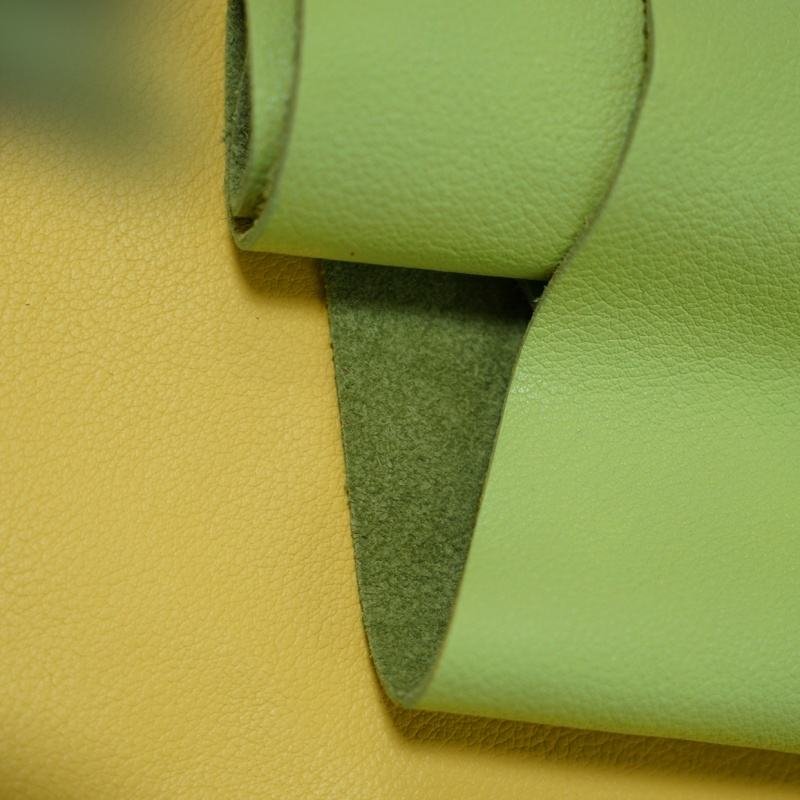
Genuine leather can deliver excellent flexibility, durability, and repairability when properly selected, while well-engineered vegan leather can offer strong abrasion resistance, repeatable finishes, and convenient care. Neither material has a universal lifespan. Repeated folding, coating adhesion, moisture, sunlight, stitching, and the product’s construction determine how it performs in everyday use, which parts wear first, and whether visible damage can be repaired economically.
Which Material Resists Wear Better?
Durability is not one property. A handbag surface must withstand rubbing, bending, contact with skin oils, and occasional moisture, but different parts experience different loads. A large front panel may be exposed primarily to abrasion, whereas the handle attachment must resist tension and a folded edge must survive repeated bending. These are different engineering problems, and one material may be more suitable for one part than another.
High-quality genuine leather can provide an excellent combination of fiber strength and flexibility. Some finishes develop a patina or soft creases that owners consider attractive. Yet leather can still suffer scratches, color transfer, drying, or finish damage, and a poorly made leather bag can fail long before a well-constructed synthetic alternative. Natural origin is not an exemption from quality control, just as a vegan designation is not evidence of weak construction.
Coated synthetic leather may perform particularly well when consistent appearance and easy cleaning are priorities. However, a strong abrasion result does not prove that the same material can endure tight, repeated folding. Coating formulation, backing strength, and the adhesion between layers matter. Material selection should follow the highest-risk use cases of the actual product, with prototypes checked at corners, openings, straps, and folds rather than only across large flat surfaces.
Does Vegan Leather Peel or Crack?
Vegan leather can peel, crack, or delaminate, but these are different failure mechanisms. Cracking may occur when a surface layer becomes brittle or is stretched repeatedly beyond its useful flexibility. Peeling or delamination may involve deterioration of the coating or loss of adhesion between that coating and its backing. The likelihood varies significantly among PU, PVC, microfiber composites, and individual grades within those categories.
Design can intensify the problem. Imagine a PU handbag handle wrapped around a very narrow reinforcement. Every time the owner carries it, the outside of the fold experiences strain. Even an otherwise suitable material can deteriorate early if that strain is concentrated in one small area. Changing the fold radius, construction, reinforcement, or coating grade may improve performance. That is a different solution from merely replacing every synthetic component with genuine leather.
Natural leather is not immune to cracking either. Drying, inappropriate care, aggressive finishes, and repeated flexing can damage its surface. Rather than promising that any material will never peel or crack, brands should request applicable flex and adhesion evidence and inspect assembled samples after repeated handling. Early testing makes more sense than discovering a predictable failure after thousands of products have reached stores.
How Do Water, Cleaning, and Repairs Compare?
Many coated vegan leathers repel light splashes and can be wiped clean with a soft, slightly damp cloth. Their convenience makes them attractive for everyday accessories, although aggressive solvents or cleaning agents can damage the finish. Even if an exterior sheet resists moisture, its seams, zipper openings, needle holes, and textile backing may still admit water. A water-resistant material does not make a completely waterproof handbag.
Genuine leather’s response depends greatly on its finish. Some pigmented or protected leathers handle occasional moisture reasonably well, while absorbent leather, suede, and nubuck can stain or darken much more easily. Appropriate care products may preserve the finish, but conditioners and cleaners should match the particular leather. Universal advice to oil every genuine leather product can cause problems, especially with delicate or specialized surfaces.
Repairability is another practical distinction. Certain genuine leather surfaces can be recolored, refinished, or conditioned, and damaged stitching or hardware may be replaced. A widespread peeling polymer coating is often much harder to restore economically. Still, a poorly designed genuine leather bag may be almost impossible to repair if its construction blocks access to critical parts. If long service life matters to the brand, it is worth considering repair access and replaceable components during design.
How Long Should a Bag Last?
There is no credible single rule that vegan leather lasts two years while genuine leather lasts ten, or any other fixed comparison. A bag carried five days each week faces different stresses from a bag used monthly, and material performance varies with temperature, humidity, storage, maintenance, and manufacturing quality. A lifetime estimate without those conditions is closer to a marketing claim than a reliable technical prediction.
A more useful approach is to define the intended service scenario. A commuter tote might need to withstand frequent handling, loaded carrying, and abrasion at its lower corners. A compact wallet will be folded much more often, while a decorative evening bag may experience relatively little mechanical stress. Brands can then select representative tests and assess whether the chosen materials and construction meet their own performance requirements.
Laboratory results do not translate automatically into years of use. A flexometer reports behavior under specified repeated motions, not an exact calendar life for every customer. That limitation makes product-level trials valuable. A sample should be filled, carried, opened, closed, folded, and inspected under relevant conditions. The practical goal is not to invent a guaranteed lifespan but to find weaknesses while there is still time to change the material or design.
Which Leather Offers Better Long-Term Value?
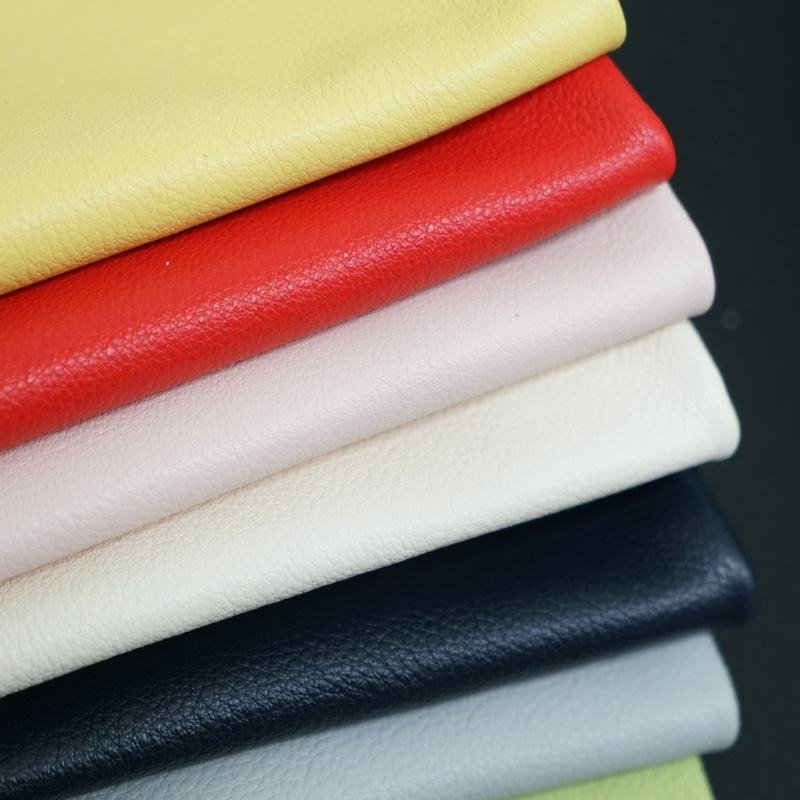
Genuine leather usually has a higher initial material cost than standard PU or PVC, but its potential longevity and repairability may justify that premium. Vegan leather may provide better value when animal-free construction, consistent colors, or lower manufacturing costs are central to the product. An accurate comparison includes usable material yield, labor, supporting components, expected service life, and the customer’s willingness to pay.
What Is the True Cost of the Material?
A material quotation must be compared on equivalent terms. Genuine leather is commonly purchased by area, often square feet or square meters, whereas synthetic leather is frequently sold by linear meter at a specified roll width. A quote of $12 per linear meter is meaningless without that width. At 1.40 meters wide, one linear meter represents 1.40 square meters of nominal surface area before defects and cutting losses are considered.
Natural hides add another factor: their shapes are irregular, and visible scars or grain differences may make some portions unsuitable for prominent panels. Synthetic rolls can be easier to nest into predictable cutting plans, although direction-dependent patterns, surface defects, and roll-edge losses still affect yield. A product with large uninterrupted panels may be particularly sensitive to usable-area differences. The effective cost is therefore the price of material actually converted into acceptable cut components, not simply the supplier’s price per nominal unit.
Other costs also matter. Premium microfiber and specialty plant-based composites can cost more than some animal-derived leathers. Custom colors may require additional material minimums, while special finishes can add sampling time. Accurate comparison involves the same product drawings, similar performance requirements, current quotations, and documented cutting assumptions. A low-priced material that is difficult to sew or causes excessive rejection may not produce a low-cost finished bag.
How Can Cutting Yield Change a Quote?
Consider a simplified production example for a handbag that requires 0.65 square meters of net exterior material. Assume that a vegan leather sheet costs $14 per square meter with 90% usable cutting yield, while a genuine leather option costs $32 per square meter with 75% usable yield. These are illustrative assumptions only; they are not current market averages or Szoneier quotations. Actual yield changes with hide size, surface standards, bag shape, direction of grain, and cutting layout.
In the example, each synthetic bag requires approximately 0.722 square meters of purchased material, giving a direct exterior material cost of about $10.11. The genuine leather bag requires approximately 0.867 square meters, resulting in about $27.73 of exterior material. Across 1,000 bags, that creates a material difference of roughly $17,620 before other costs are included. Such a difference can be decisive for a price-sensitive product, but less important for a premium collection that can justify a higher retail price.
| Illustrative cost calculation | Vegan leather | Genuine leather |
|---|---|---|
| Price per m² | $14.00 | $32.00 |
| Net exterior material per bag | 0.65 m² | 0.65 m² |
| Assumed cutting yield | 90% | 75% |
| Purchased material per bag | 0.722 m² | 0.867 m² |
| Exterior material cost per bag | $10.11 | $27.73 |
| Exterior material cost for 1,000 bags | $10,110 | $27,730 |
This calculation excludes lining, reinforcement, zippers, hardware, edge finishing, sampling, labor, packaging, inspection, freight, taxes, and other costs. It is useful for understanding the relationship between unit price and cutting efficiency, not for predicting a finished factory quotation. In practice, pattern layouts and supplier specifications should be reviewed before a brand commits to a cost target or material-dependent retail strategy.
Does a Higher Price Deliver Better Value?
A more expensive leather is not necessarily the best leather for the product. A thick full-grain hide may feel luxurious but make a compact bag heavier than intended. A high-performance synthetic material could be unnecessary for a decorative pouch, while an inexpensive PU coating may be a poor choice for a heavily used commuter bag. Paying more makes commercial sense only when the additional characteristics improve the finished product in ways customers recognize or that reduce material-related risk.
One way to think about value is purchase cost divided by years of useful service, while acknowledging that precise lifetime forecasts are uncertain. In a hypothetical example, a $60 bag used for three years costs $20 per year, while a $150 bag used for ten years costs $15 per year. Those figures are not lifespan predictions for either material; they simply demonstrate how longevity can affect apparent value. Care, repair, and replacement costs would also need to be included in a fuller comparison.
For a brand, value also includes repeat-order stability, customer complaints, and returns. A small saving at the material stage can disappear if coating failures or inconsistent colors lead to replacements. At the same time, an unnecessarily expensive specification can prevent a good product from reaching its intended market. The goal is to match real performance requirements to a defensible cost, rather than assuming the lowest or highest quotation is correct.
Is Vegan Leather More Sustainable?
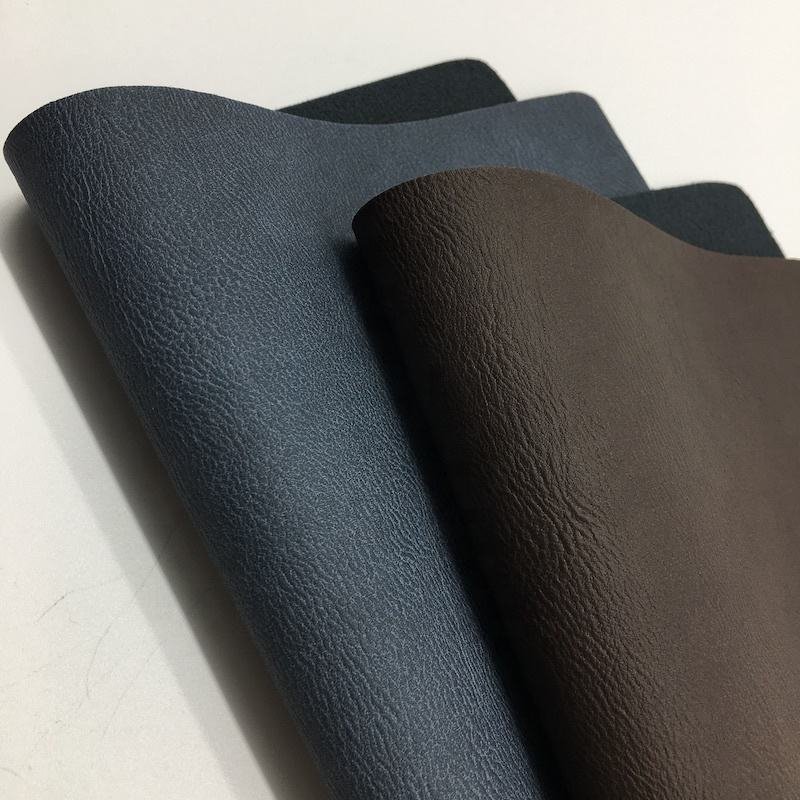
Vegan leather avoids animal-derived hides, but that does not automatically make it more environmentally sustainable. Conventional PU and PVC commonly use fossil-derived polymers, while genuine leather carries impacts associated with livestock, tanning, and finishing. Plant-based alternatives may still contain plastics. A fair comparison requires clear composition data, credible lifecycle methods, attention to the product’s useful life, and evidence supporting any environmental claims.
What Environmental Impacts Matter Most?
The sustainability comparison cannot be reduced to the origin of the main ingredient. Genuine leather is linked to animal-agriculture supply chains, tanning chemistry, water use, energy consumption, and wastewater treatment. Its calculated carbon footprint varies greatly with the method used to allocate livestock impacts to hides and other outputs. A study that assigns considerable upstream farming emissions to hides may produce very different results from one using another allocation approach, even when examining similar leather production processes.
Synthetic leather raises a different set of questions. Conventional PU and PVC usually involve fossil-derived chemistry, polymer manufacturing, additives, coating processes, and composite constructions that may be difficult to recycle. A particular synthetic material might perform favorably on one environmental measure while having drawbacks on another, such as end-of-life management. A meaningful assessment considers several indicators instead of selecting only the one that best supports a marketing message.
Product life is relevant but not a substitute for analysis. A bag that remains useful longer can spread its production impacts across more use, although durability alone does not eliminate high upstream impacts. Comparing products by one kilogram of material can also be misleading when one finished bag requires more material, reinforcement, or replacement than another. Brands should examine the scope, functional unit, and assumptions behind environmental data rather than treating a single headline number as a universal verdict.
Is Plant-Based Leather Plastic-Free or Biodegradable?
Plant-based and plastic-free mean different things. A leather alternative can contain cactus-derived ingredients, pineapple fibers, apple residues, or grape-processing by-products while still relying on synthetic coatings or adhesives for strength and surface protection. Even a credible renewable-content percentage needs a clearly defined measurement basis, such as the percentage by mass of the finished material or of a particular component. Without that information, consumers may reasonably misunderstand what a plant-based claim describes.
Biodegradable is a separate claim about how a material breaks down under specified conditions. A composite containing plant fibers and polymer coatings does not become fully biodegradable merely because one ingredient is biological. Industrial composting, soil exposure, laboratory conditions, and landfill disposal can produce different results, and many ordinary products never enter a disposal system capable of processing such materials. The performance of the complete product matters, including backings, finishes, adhesives, and hardware.
For a collection intended to be sold internationally, it is safer to describe documented attributes precisely. A statement about verified animal-free composition or measured plant-derived content can be clearer than calling a product fully sustainable. Innovative materials may offer genuine opportunities, but reliable supply, abrasion resistance, flex performance, and consistent manufacturing must also be established. A promising ecological story cannot compensate for a material that has not been adequately tested for the product it will become.
How Should Environmental Claims Be Checked?
Environmental claims need a chain of evidence from the actual material to the language used on the product page. For synthetic alternatives, that evidence may include composition statements, recycled-content documentation, restricted-substance testing, and appropriate lifecycle data. For genuine leather, records might cover tannery information, hide traceability, chemical management, and relevant audits. Any certification needs to be reviewed for the exact material, facility, time period, and claim it supports; one certificate does not necessarily apply to every component of a finished bag.
The U.S. Federal Trade Commission’s Green Guides caution against broad, unqualified terms such as “eco-friendly” because such claims are difficult to substantiate. Specific, verifiable language is more useful. “Animal-free PU exterior,” for example, conveys a different and narrower fact from “environmentally harmless handbag.” Similarly, the presence of recycled or plant-derived content should not be presented as proof of complete biodegradability or overall environmental superiority.
Before approving marketing language, a brand should ask what exactly is being claimed, which component is covered, how the characteristic was measured, and whether the documents can be checked. Szoneier Leather can incorporate customer-specified material and test-document requirements into sourcing discussions, subject to actual supplier availability and project scope. The useful outcome is not an inflated green claim, but a product description that customers and commercial partners can reasonably trust.
Which Leather Is Best for Different Products?
Genuine leather can be a strong fit for premium handbags, belts, and accessories emphasizing natural texture, repairability, and long-term ownership. Vegan leather may better suit animal-free collections, consistent color programs, and designs where controlled costs or wipe-clean finishes matter. Material selection should follow each product’s shape, stress points, weight, daily use, finish requirements, and brand positioning rather than one universal ranking.
Which Works Better for Handbags?
The right material for a handbag depends as much on the silhouette as on the name printed on the specification. A soft shoulder bag needs flexibility and attractive drape; a structured tote needs stable panels and reinforcement; a compact crossbody bag should not become uncomfortable through unnecessary material weight. Genuine leather can bring natural texture and premium character, but its thickness and stiffness must be selected to suit the intended shape. The most expensive hide can create a less successful bag if it fights the design.
PU and microfiber materials offer possibilities for consistent surface grain, coordinated color collections, and animal-free styling. Yet the same synthetic grade should not automatically be applied to every component. A decorative panel may tolerate a different level of bending from a handle or tightly folded opening. Lining, internal support, stitching, edge paint, zippers, and hardware have to be considered together with exterior material. A sample that looks good when empty may deform once it is filled and carried.
For commercial development, compare complete prototypes, not only swatches. Load the bag, handle it repeatedly, examine base corners, and check how the opening behaves. A consistent material source also matters when a brand plans several colors or repeat production. Szoneier Leather’s handbag development work can bring material selection together with pattern making and sample revision, so appearance and manufacturing requirements are considered before a bulk order is approved.
Which Works Better for Wallets and Belts?
Wallets and belts create different stress patterns from handbags. A wallet may be folded and opened many times per day, with layers of material stacked around card slots and corners. If the exterior is too thick, the finished product can feel bulky; if it is too delicate, repeated folds and edge friction may become weak points. Suitable genuine leather can provide flexibility and attractive wear characteristics, while well-selected PU or microfiber can offer controlled thickness and a uniform finish.
Belts must manage repeated bending, tension, and friction around buckles and adjustment holes. Some genuine leathers are well suited to traditional belt construction because of their fiber structure and practical strength. Synthetic belt designs may need careful backing selection, lamination, or reinforcement, especially when they are intended for frequent use rather than purely decorative styling. Appearance alone says little about strength at a buckle fold or punched hole.
The complete assembly matters in both cases. Edge finishing, adhesive compatibility, seam placement, reinforcement, and hardware can create or solve problems independently of the surface material. Instead of assuming that one grade will suit every accessory, a brand should specify the actual performance required for each product and inspect finished prototypes. The exterior may be similar across a collection even when different backing constructions or thicknesses are needed.
Which Suits Luxury and Everyday Use?
Luxury positioning is not established simply by choosing genuine leather. Customers experience a finished product through its touch, weight, stitching, hardware, silhouette, and how it behaves over time. A well-selected natural leather may support traditional luxury storytelling and repairability, while a carefully engineered vegan material can support a refined animal-free collection. Both can be undermined by uneven edge paint, weak strap connections, poor lining, or inexpensive hardware that clashes with the intended price point.
Everyday products require a somewhat different balance. A commuter bag may rub against clothing, sit on rough desks, and face occasional rain. A wipe-clean coated synthetic exterior can be practical, while suitably finished genuine leather may appeal to customers who value long-term use and are comfortable with maintenance. Neither choice removes the need for strong handle attachments, stable base construction, or appropriate protection at high-wear corners.
For a coherent product range, the brand should decide which characteristics must remain consistent and which may vary by application. Matching surface colors across a tote, wallet, and pouch may be important, but insisting on identical thickness and backing across all three can reduce performance. Good material development preserves the intended visual identity while allowing each product to function the way its owner expects.
How Do Brands Choose and Test Leather?
Brands should define the finished product’s use, appearance, cost target, and expected performance before selecting a leather material. Physical swatches and prototypes should then be compared using relevant specifications and tests, followed by a clearly approved production sample. Incoming-material checks, documented construction details, and in-process inspection help keep bulk orders consistent with the approved design rather than relying on material names or verbal assurances.
What Specifications Should Be Confirmed?
A useful specification answers questions a production team can actually verify. For genuine leather, the record may include hide type, grain or finish, thickness, color, softness, and the natural markings considered acceptable. For synthetic leather, it should identify the coating family, backing construction, thickness, texture, color, and critical performance expectations. A request for “soft premium black leather” leaves too much open to interpretation, particularly when several suppliers offer visually similar materials.
Thickness is a good example of a characteristic that must be considered alongside construction. A development team might compare candidate sheets of 0.8 mm, 1.0 mm, and 1.2 mm for a particular handbag, but those figures are design trials rather than universal recommended specifications. The most appropriate option depends on softness, support, seam bulk, weight, and intended silhouette. A thicker material can increase stiffness without making every part of the product more durable.
Finishing choices also need definition. Edge paint, folded edges, embossing, lining, reinforcement, and hardware may interact with the exterior material. Approved color swatches and physical preproduction samples are important when products will be reordered or made in several batches. For a useful sourcing decision, a specification should connect measurable material properties to the finished product’s actual requirements, including acceptance criteria rather than vague promises of quality.
Which Tests Provide Useful Evidence?
Material testing should address the failures most likely to matter for the product. Genuine leather used in flexible applications may be evaluated for repeated bending, tear behavior, and rubbing fastness. Coated synthetic materials may need special attention to abrasion, flex resistance, and the strength of the bond between the coating and its backing. Different materials require different methods, and a test result is useful only when its conditions and acceptance thresholds are appropriate for the intended application.
For example, ISO 5402-1:2022 specifies a flex resistance method for flexible leather less than 3 mm thick, while ISO 2411:2024 measures coating adhesion strength in rubber- or plastics-coated fabrics. These tests describe particular properties; neither provides a universal guarantee that a handbag will last a certain number of years. Finished-product trials remain important because a material can pass a sheet-level test and still perform poorly when folded sharply or attached to an unsuitable reinforcement.
| Performance question | Example method or check | What the result helps reveal |
|---|---|---|
| Can flexible genuine leather withstand repeated bending? | ISO 5402-1:2022 | Flex-related damage under defined conditions |
| Will a synthetic coating stay bonded to its backing? | ISO 2411:2024 | Coating adhesion strength |
| Does a visible panel resist rubbing and wear? | Relevant abrasion / rubbing-fastness test | Surface changes under specified rubbing conditions |
| Will a loaded handle remain secure? | Agreed finished-bag load and attachment test | Weaknesses in seams, reinforcement, or hardware |
| Is the color and finish consistent across a batch? | Approved reference plus incoming-material inspection | Variations before cutting and assembly |
Testing should be selected for the product category, material, destination market, and agreed quality standard. Chemical compliance may also require laboratory evidence, depending on applicable regulations and customer requirements. A supplier should never imply that a product has passed a particular standard unless an appropriate report exists for the actual material or finished product being supplied. Clear documentation helps technical teams make decisions without confusing a test method with a certified performance level.
How Do MOQ and Production Affect the Choice?
Materials that are easy to source in stock colors can make smaller production runs more practical, whereas unusual finishes, custom colors, specialized backing structures, or selected genuine leather grades may create additional purchasing minimums. The finished product’s order quantity is not always the same as the material supplier’s minimum. A manufacturer may be able to produce a limited number of handbags but still need to purchase a larger batch of custom-colored exterior material, leaving unused inventory and additional cost.
Szoneier’s documented product references identify starting quantities around 200 pieces for selected custom leather bag designs, with sampling commonly around 10-15 days and bulk production around 35-60 days. These are indicative project references, not promises for every design. Leather grade, color availability, hardware, structure, packaging, and production scheduling can change the actual quotation and lead time. A brand planning several colorways should confirm whether each color requires a separate material purchase or production quantity before setting a launch calendar.
The approval process matters just as much as the schedule. A flat swatch can confirm surface appearance, but a prototype reveals whether the material stitches cleanly, folds without damage, accepts the selected edge finish, and keeps the intended bag shape. Sample feedback should be incorporated into a clear production specification before materials are ordered for the full run. This is where a small investment in development can prevent much larger rework and inconsistency after production begins.
How Can Szoneier Support Consistent Quality?
Reliable manufacturing depends on connecting material decisions to production controls. An approved sample should establish dimensions, visible finish, stitching, reinforcement, hardware, logo placement, lining, and packaging expectations. Incoming materials can then be assessed against the agreed reference before cutting begins. During production, checks should focus on areas where defects are expensive to correct later, particularly handles, folded edges, seams, zippers, and other high-stress details.
Szoneier Leather is part of a Shenzhen-based custom bags and soft goods manufacturing business with more than 18 years of documented experience. Its company materials describe support for material sourcing, pattern development, in-house sampling, sewing-production coordination, quality inspection, packaging, and export preparation, including suitable genuine leather, PU, and microfiber options. Selected projects can also be coordinated through approved partner production resources under Szoneier’s project management. These capabilities are relevant because consistency requires communication between the people selecting the material and those building the finished product.
For brands deciding between vegan and genuine leather, comparing two prototypes in the intended structure can be more productive than debating the labels. The team can examine shape, weight, handle comfort, surface behavior, and the realistic cost of each version, then confirm a specification before moving to bulk production. Project-specific tests and any regulatory evidence still need to be agreed and obtained rather than assumed. A reliable manufacturing partner should make the trade-offs clear enough for a brand to choose with confidence.
The best answer to vegan leather versus genuine leather is not that one always wins. Genuine leather may be the more suitable choice when natural texture, repairability, and long-term ownership are central to the product; carefully selected vegan leather can be better when animal-free materials, consistent finishes, or controlled production costs matter most. In either case, the finished product must be judged by its actual construction and performance. For a brand preparing a new collection, that means checking material composition, defining realistic quality standards, testing the high-stress details, and approving a complete sample before bulk manufacturing. Szoneier Leather approaches this decision as a product-development question, helping turn material preferences into a design that can be made consistently and used with confidence.
Frequently Asked Questions
Is vegan leather real leather?
Vegan leather is not genuine animal-hide leather. It is a category of animal-free materials designed to provide a leather-like appearance or function, commonly using PU, PVC, microfiber composites, or plant-derived ingredients. The label does not describe one fixed composition, and some plant-based alternatives still contain synthetic polymers. If animal-free claims are important, confirm the materials used throughout the finished product, including relevant adhesives, backing layers, and decorative components.
Does vegan leather peel more easily than genuine leather?
Some coated vegan leathers can peel or delaminate when the surface or its bond to the backing deteriorates, particularly around repeated folds or under unfavorable environmental conditions. That does not mean every synthetic material peels quickly or that genuine leather cannot crack. Coating formulation, thickness, backing quality, construction, use, and care all matter. A useful comparison checks material test reports and inspects sample handles, corners, and folds under realistic handling conditions.
Which is more durable for handbags, vegan leather or genuine leather?
Appropriate genuine leather can provide excellent long-term performance and repair potential, while premium PU or microfiber materials may also work well in handbags with suitable construction. A durability ranking without a product specification is not meaningful because a handbag panel, handle, and corner experience different stresses. Rather than selecting by label, compare abrasion resistance, flex behavior, coating condition, seam construction, reinforcement, and how finished prototypes perform when carried and handled.
Is vegan leather more environmentally friendly than genuine leather?
Not automatically. Vegan leather avoids animal hides, but conventional PU and PVC commonly contain fossil-derived polymers, while many plant-based alternatives include synthetic components. Genuine leather has impacts associated with livestock supply chains, tanning, chemicals, and wastewater. Different lifecycle assessments can reach different results because their system boundaries and allocation methods vary. Strong environmental claims need product-specific composition information, comparable assessments, and evidence of the benefits being advertised.
Is vegan leather cheaper than genuine leather?
Standard PU and PVC are often less expensive to purchase than many genuine leather options, although premium microfiber or specialty plant-based materials may cost more than some lower-priced genuine leathers. The final bag cost also depends on cutting yield, structure, labor, hardware, lining, finishing, and minimum material purchases. A meaningful quotation compares equivalent specifications and the amount of usable material needed for the actual design, rather than comparing isolated material prices.
Can brands use both vegan and genuine leather in one collection?
Yes. A coordinated collection can offer animal-free and genuine leather versions, or use different materials for different products, provided composition claims remain accurate and customers can clearly distinguish the options. Matching colors and textures may require separate sampling because natural hides and coated synthetics react differently to finishing and construction. Brands should confirm material availability, labeling, product-level testing, and production quantities for each version before treating them as interchangeable.