A vegan leather product can look flawless during a sample meeting and still become a commercial problem after several months of use. Surface peeling, cracked edge paint, weak handles, unstable colors, chemical odor, and unsupported environmental claims are rarely visible in a quotation. These problems usually appear after the products have entered stores, reached customers, or accumulated online reviews. Choosing a manufacturer therefore requires much more than comparing photographs, unit prices, and promises of premium quality.
The most reliable way to choose a vegan leather goods manufacturer is to verify its material knowledge, comparable product experience, sample-development process, quality testing, compliance support, and sample-to-bulk control. A capable factory should identify the exact material specification, explain construction risks, provide a production-ready sample, document approved details, inspect manufacturing in stages, and maintain consistent materials and workmanship across repeat orders.
One brand once approved a beautifully soft vegan leather tote that looked almost identical to its original design. The first delivery appeared successful, but several months later, products stored in a humid warehouse developed sticky surfaces and cracked edges. The factory had matched the color and grain, yet quietly changed the material backing to meet the target price. The real failure was not simply choosing the wrong leather alternative. It was choosing a supplier without a reliable system for locking the approved specification from sampling through bulk production.
What Is a Qualified Vegan Leather Goods Manufacturer?
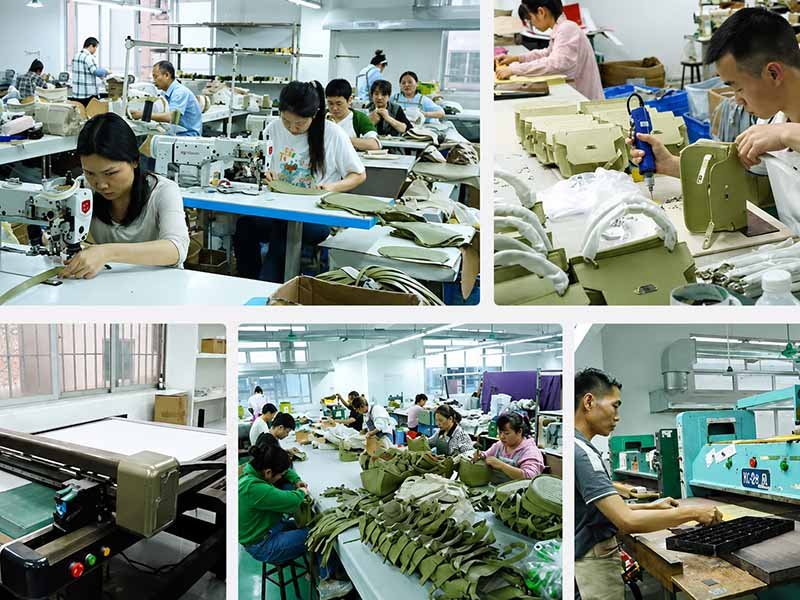
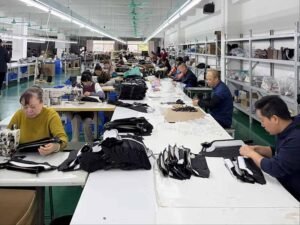
A qualified vegan leather goods manufacturer controls more than sewing. It should understand material composition, pattern development, reinforcement, edge treatment, hardware, branding, testing, packaging, and repeat production. The strongest candidates can clearly explain how a design becomes an approved sample, how specifications are recorded, and how every production batch is checked against that standard.
Factory or Material Supplier?
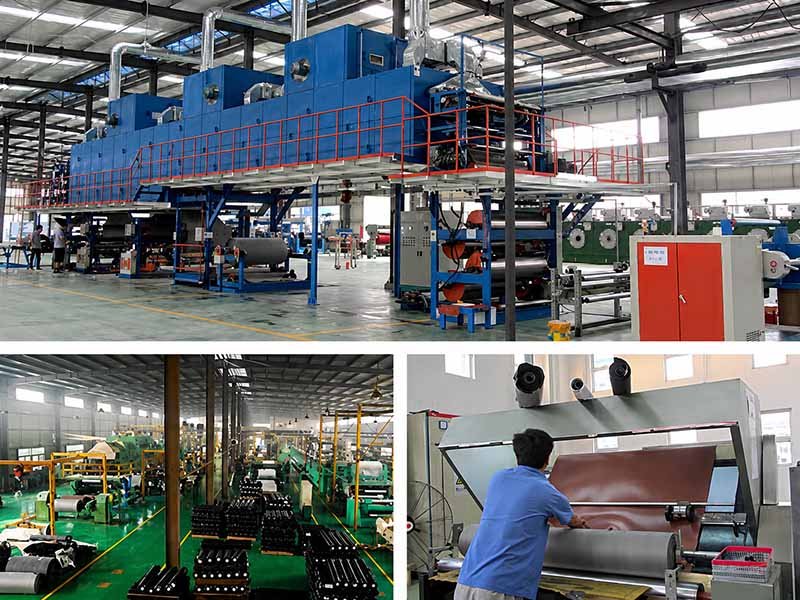
A vegan leather material supplier mainly manufactures or distributes rolls, sheets, coatings, and laminated substrates. A finished-goods manufacturer converts those materials into handbags, wallets, backpacks, belts, card holders, cosmetic cases, travel accessories, pet products, and other completed items. The difference matters because an attractive material swatch reveals very little about how a finished product will behave after cutting, folding, skiving, stitching, reinforcement, hardware installation, and repeated use.
Finished-product performance depends on material thickness, backing construction, seam position, reinforcement, adhesive compatibility, edge preparation, lining tension, and hardware load. A sheet that performs well as a flat wallet panel may crack when wrapped around a tight corner or tear when used in a heavily loaded handle. Ask prospective manufacturers which operations they manage and which processes are completed by outside partners.
Trading companies are not automatically unsuitable, but responsibility must remain clear. When pattern development, sampling, production, quality control, and corrective action are handled by unrelated parties, technical information can be lost. A factory-based partner normally provides a shorter control chain, making it easier to confirm material codes, maintain workmanship standards, solve construction problems, and reproduce an approved design during later replenishment orders.
| Capability | Useful Evidence | Warning Sign |
|---|---|---|
| Material control | Supplier code, thickness record, physical swatch | Material described only as premium vegan leather |
| Product development | Patterns, tech packs, sample revision records | Dependence on verbal instructions |
| Production control | Line records, process photos, production schedule | Bulk production location remains unclear |
| Quality management | Written tolerances and inspection checkpoints | Inspection begins only after packing |
| Repeatability | Sealed sample and complete specification sheet | No retained approval standard |
| Export readiness | Label, carton, packing, and shipping experience | Discussion focuses only on unit price |
OEM, ODM, and Private Label
OEM manufacturing is appropriate when a company already has a completed tech pack, physical reference sample, bill of materials, measurements, tolerances, artwork, packaging requirements, and quality standards. In this situation, the manufacturer must reproduce the approved product accurately and protect every specification as the project moves from sample development to production.
ODM development requires greater technical involvement. A project may begin with a rough sketch, competitor reference, intended use, target price, preferred appearance, or market position. The manufacturer then helps translate those ideas into practical decisions involving size, construction, material thickness, reinforcement, hardware, branding, packaging, and production feasibility. A useful development team does not simply agree with every request. It explains how each choice affects performance, appearance, cost, and manufacturability.
Private label production should also extend beyond printing a logo on a standard product. Meaningful brand customization may include exclusive dimensions, custom grains, Pantone-matched colors, printed linings, embossed patches, branded zipper pullers, metal emblems, woven labels, dust bags, gift boxes, barcode labels, and channel-specific cartons. These elements must be managed as one coordinated system so that the finished product presents a consistent brand identity rather than a collection of disconnected decorative details.
Relevant Product Experience
Broad claims such as “we manufacture leather goods” do not prove that a factory can handle a particular construction. A workshop that mainly produces simple promotional pouches may not have the skills required for structured totes, multi-slot wallets, reinforced backpacks, painted-edge belts, or fitted protective cases. Experience should therefore be judged by product structure, material type, hardware complexity, and finishing method.
For a structured handbag, examine base reinforcement, side-panel symmetry, opening stability, handle anchoring, lining tension, and shape retention. For a wallet, study card-slot spacing, folded thickness, corner accuracy, closure alignment, and edge quality. For a backpack, inspect shoulder-strap reinforcement, zipper loading, internal support, seam stress, and hardware strength. Request examples made with materials and constructions close to the proposed project rather than accepting unrelated catalog products.
The manufacturer should also understand the intended sales channel. Retail programs often require barcode management, carton assortments, replenishment consistency, and third-party inspection. E-commerce goods need protective packaging and visually consistent surfaces because customers evaluate them through detailed photographs. Premium gift items may require stricter cosmetic standards and more refined presentation packaging. Relevant experience becomes valuable when manufacturing decisions are connected to how the product will be sold, transported, displayed, and used.
Transparent Production Control
A qualified manufacturer should explain how product information moves from sales and development teams to sampling, purchasing, production, quality inspection, and packing. Many failures are not caused by a lack of sewing skill. They happen because approved information is incomplete, poorly recorded, or communicated differently to separate departments and production partners.
The final approved sample should be supported by a written specification containing dimensions, tolerances, outer material code, lining, reinforcement, hardware finish, thread, stitching requirements, logo position, edge color, packaging, and functional expectations. Annotated photographs and email confirmations can support the record, but they should not replace a complete production specification.
Production control must begin before bulk cutting. Incoming materials should be compared with the approved swatch, hardware finishes must be checked, and branding tools should be tested on the actual production material. For projects involving printing, plating, embossing, molding, or other outside processes, the manufacturer should retain final responsibility for quality and timing. Transparency is more valuable than unrealistic claims that every operation happens under one roof.
Which Vegan Leather Material Should You Choose?
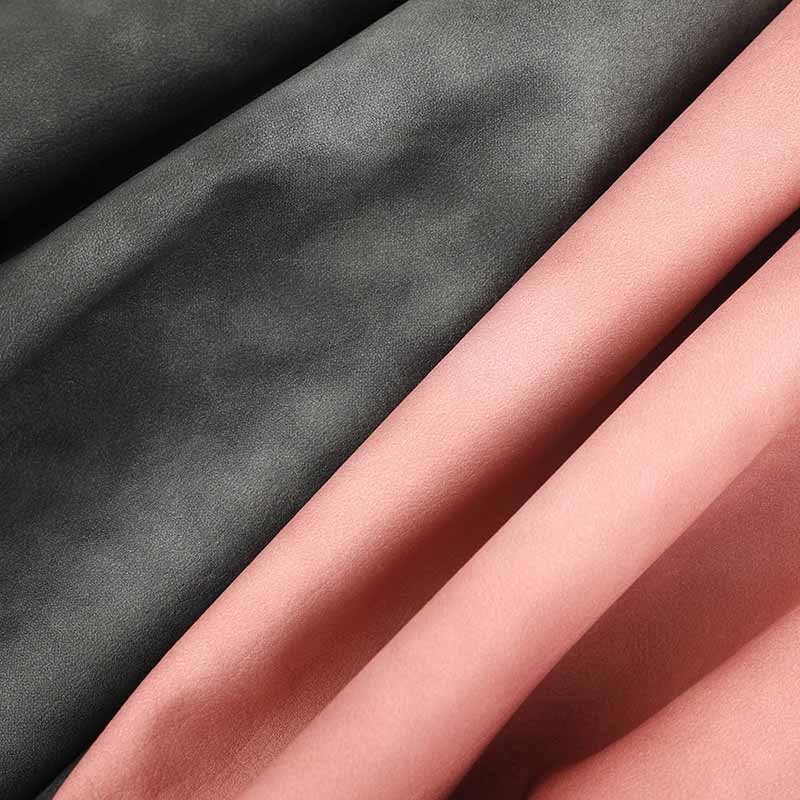
The right vegan leather depends on the product’s use, expected lifespan, shape, appearance, retail position, market claims, and repeat-order requirements. PU, microfiber, water-based PU, recycled-content synthetics, and plant-derived composites all offer different benefits. A material should never be approved by trade name alone; its composition, thickness, backing, coating, finish, test performance, and availability must be confirmed.
PU and Microfiber Leather
Conventional PU leather remains widely used because it offers extensive color choices, controllable grains, consistent sheet sizes, and flexible price levels. It can perform well in fashion bags, cosmetic cases, wallets, promotional accessories, and lifestyle products when an appropriate grade is selected. The difficulty is that the term “PU leather” covers an extremely broad range of formulations and performance levels.
Lower-grade materials may initially appear acceptable but later develop peeling, cracking, strong odor, surface tackiness, or coating separation. More stable PU systems use stronger backing, better coating adhesion, controlled finishing, and more reliable production methods. Manufacturers should provide the proposed material code, backing type, thickness, surface finish, and available performance information rather than relying on vague terms such as high-grade or premium PU.
Microfiber leather usually uses a denser synthetic fiber base and can provide better tear resistance, dimensional stability, edge quality, and hand feel than basic nonwoven PU. It is frequently considered for structured bags, wallets, belts, backpacks, and products that require a more refined appearance. However, microfiber is also a broad category. Density, coating thickness, backing quality, grain definition, and surface treatment still vary, so the exact proposed grade must be tested in the intended product.
Water-Based and Recycled Options
Water-based PU is often considered by brands seeking to reduce dependence on certain solvent-intensive manufacturing methods. It can offer good color consistency, a pleasant hand feel, and a more responsible material story. However, the word water-based does not automatically mean plastic-free, biodegradable, recyclable, or environmentally harmless throughout the complete production process.
Ask the material supplier to define which layer or stage uses a water-based process and what polymers, coatings, pigments, and backings remain in the final material. Supporting documentation should identify the material code, composition, manufacturing process, and available testing. A general marketing brochure is less useful than product-specific technical information.
Recycled-content vegan leather may contain recycled polyester in its backing or recycled material within another layer. The key questions are where the recycled content appears, what percentage it represents, how that percentage is calculated, and whether the supplier can provide consistent documentation for future production. Recycled content should not replace durability assessment. The material still needs suitable abrasion resistance, flex performance, coating adhesion, color stability, odor control, and reliable repeat availability.
Plant-Based Materials
Cactus, apple, grape, pineapple, mushroom, corn, and other plant-associated materials attract attention because they offer distinctive brand stories and reduce reliance on animal leather. Many commercial versions, however, are composite materials rather than sheets made entirely from plant matter. They may include polyurethane coatings, polyester backings, binders, pigments, and reinforcement layers.
This composition does not automatically make them unsuitable, but it affects how the product can be described. Request a written breakdown showing the plant-derived percentage, polymer content, backing composition, coating, available colors, standard thicknesses, material minimums, and normal purchasing lead time. A strong launch can quickly become difficult if the material cannot be reordered in the same color and finish several months later.
Plant-derived materials should also be tested inside the final construction. Tight folds, skiving, sewing, edge painting, heat application, and hardware installation can expose weaknesses that are invisible on a flat swatch. These materials often work best when used selectively in well-planned capsule collections, premium accessories, or highlighted panels rather than being treated as automatic replacements for every conventional PU component.
| Material Type | Common Working Thickness | Main Advantages | Important Checks |
|---|---|---|---|
| Standard PU | 0.6–1.5 mm | Wide choice of grains, colors, and price levels | Hydrolysis, odor, peel strength, backing |
| Microfiber leather | 0.8–2.0 mm | Better structure, tear resistance, and edge finish | Density, coating stability, hand feel |
| Water-based PU | 0.7–1.5 mm | Reduced-solvent positioning and modern finishes | Exact process and composition |
| Recycled synthetic | 0.7–1.6 mm | Supports documented recycled-content programs | Percentage and chain of custody |
| Plant-derived composite | 0.8–1.8 mm | Distinctive story and visual identity | Polymer content, MOQ, lead time, continuity |
These thickness ranges are practical starting points rather than fixed standards. The final selection must consider backing strength, reinforcement, folded layers, seam bulk, intended load, and product construction.
Thickness, Backing, and Finish
Thickness should be selected by product component instead of being applied uniformly. A wallet card slot may require thinner material than the outer cover. A handbag body may use a medium thickness with internal support, while handles, bases, and attachment panels may need heavier material or additional reinforcement.
Soft pouches often use materials around 0.7–1.0 mm. Wallets and passport holders commonly use approximately 0.8–1.2 mm, depending on the number of folded layers. Bag exteriors frequently fall around 1.0–1.5 mm, while handles and structural sections may use thicker grades. These values are working references, not universal specifications.
Backing construction has a major effect on performance. Knitted backings may provide flexibility, woven backings can improve dimensional control, and microfiber bases can offer greater density and cleaner cut edges. Surface finish also affects production risk. Pebbled grains can hide minor marks, while smooth matte surfaces reveal scratches and adhesive contamination. Glossy and metallic finishes require more protection, and deep grains can reduce logo definition. The approved standard should include the exact supplier code, color, grain, gloss, thickness, backing, and hand feel.
How Do You Verify Vegan and Sustainability Claims?
Vegan and sustainability claims should be verified by tracing every relevant product component and connecting each statement to clear evidence. Vegan, recycled, biobased, PVC-free, water-based, biodegradable, and compostable describe different characteristics. A reliable manufacturer will define these terms carefully, identify which material or process they cover, and avoid making claims that the available documentation cannot support.
Full Product Composition
The outer material is only one part of a finished product. Vegan leather goods may also contain adhesives, edge paint, lining, foam, reinforcement boards, thread, zipper tape, printing ink, labels, surface coatings, waxes, and hardware treatments. Any of these components can affect whether a strict animal-free claim is accurate.
Begin with a complete bill of materials. Request composition and supplier information for the outer material, lining, reinforcement, adhesive, edge coating, thread, labels, and other relevant components. Materials that are hidden inside the product should not be ignored simply because customers cannot see them.
Adhesives and finishing chemicals deserve particular attention because their formulations may be proprietary or poorly documented. The manufacturer may need to request declarations from upstream suppliers rather than making assumptions. For environmental statements, percentages are more valuable than adjectives. A claim that a material contains plant content is less informative than a declaration showing the exact plant-derived percentage, polymer content, and backing composition. Clear data protects brands from inconsistent marketing, retailer objections, and customer complaints.
Documents and Scope
Useful evidence may include technical data sheets, composition declarations, supplier assurance statements, safety data sheets, restricted-substance reports, recycled-content certificates, transaction records, purchase documents, and batch identification. The required package depends on the product category, sales market, retailer requirements, and exact marketing claim.
The scope of every document must be examined carefully. A certificate held by a material producer does not automatically certify the finished-goods factory. A factory social audit does not prove that a specific material contains recycled content. A laboratory report for one color, backing, or thickness may not apply to a different version from the same supplier.
Record the document number, issuing organization, tested material code, production location, issue date, validity period, and applicable product scope. Traceability should continue into production by recording the approved supplier, article number, color, thickness, purchase batch, and quantity. This creates a practical chain from claim to document, from document to purchased material, and from purchased material to the shipped product.
| Claim | What It Describes | Evidence to Request | Frequent Misunderstanding |
|---|---|---|---|
| Vegan | Absence of animal-derived components | Component declarations and supplier assurances | Vegan automatically means sustainable |
| Biobased | Material partly derived from biological sources | Percentage and calculation method | The entire material is plant-based |
| Recycled | Reprocessed content in a defined component | Certificate and chain-of-custody records | The complete product is recycled |
| PVC-free | No PVC within the stated material scope | Composition declaration or test evidence | The product is plastic-free |
| Water-based | A defined production or coating process | Product-specific process documentation | The material is biodegradable |
| Biodegradable | Breakdown under specific test conditions | Recognized method and defined conditions | The product decomposes naturally everywhere |
Responsible Claims
Environmental language should be narrow, measurable, and directly connected to evidence. Broad statements such as completely eco-friendly, zero impact, or one hundred percent sustainable are difficult to verify and may create unnecessary legal and reputational risk. Clearer claims are usually more credible and more useful to customers.
Before packaging and marketing content are approved, create a claim review sheet. List each proposed statement, the document supporting it, the person responsible for verification, the markets where it will appear, and the date when the evidence should be reviewed again. Product-specific wording such as made without animal leather, PVC-free outer material, or outer fabric containing a stated percentage of recycled polyester is easier to support when documentation is complete.
The manufacturer’s responsibility is to provide accurate material, production, and traceability information. The brand’s responsibility is to convert that evidence into responsible customer communication. A factory that questions an exaggerated claim rather than repeating it without proof is demonstrating professional caution and protecting the long-term reputation of the product.
Batch Traceability
Material approval should not finish when the first sample is completed. Bulk manufacturing may use material delivered several weeks later, while repeat orders can involve a new production batch. Even when the supplier code remains unchanged, grain, color, gloss, thickness, hand feel, odor, and coating behavior may vary.
Keep a signed master swatch and record measurable details where practical. Incoming bulk material should be compared against the approved standard before cutting. Differences must be reviewed under consistent lighting and, for larger programs, within a defined color tolerance. Material rolls should be linked to supplier documents, purchase orders, incoming inspection records, production orders, and finished cartons.
Traceability is particularly important when a product claim depends on recycled, plant-derived, or other documented content. If materials from different suppliers or batches are mixed without clear records, the evidence chain becomes weak. Good traceability also makes corrective action faster because affected material can be isolated without treating the entire production history as unknown.
How Do You Evaluate Development and Craftsmanship?
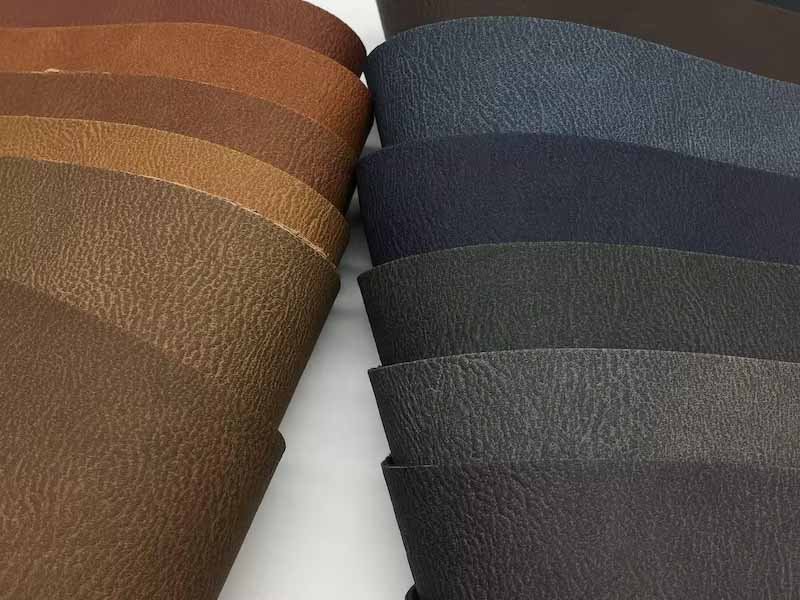
Development and craftsmanship should be evaluated through complete functional samples rather than isolated swatches or carefully staged photographs. A production-ready sample must demonstrate pattern accuracy, structure, reinforcement, stitching, edges, hardware, lining, branding, and packaging. The factory should also show how those approved details will be recorded and repeated through specifications, tolerances, retained samples, and staged inspections.
Production-Ready Samples
A visual prototype demonstrates general appearance, but a production-ready sample confirms the materials, dimensions, construction, hardware, branding, and packaging that can be reproduced in quantity. The development process should begin with a clear review of intended use, target market, product dimensions, expected contents, load, material preference, price position, quantity, packaging, and delivery requirements.
The sample must be tested in realistic conditions. Load a tote with its intended contents, fill a wallet with cards, open and close every zipper, flex the material, pull the handles, inspect the lining, and place the product inside its proposed retail or shipping packaging. A bag may look balanced when empty yet distort significantly after loading.
Record every approved revision. The final specification should include dimensions, tolerances, material codes, thicknesses, reinforcement, hardware finish, thread, logo placement, edge treatment, packaging, and critical workmanship standards. For complex or larger orders, approve a pre-production sample made with the actual bulk materials before full cutting begins.
Structure and Reinforcement
Vegan leather goods are engineered structures. The visible material creates appearance, while internal reinforcement and construction determine whether the product retains its shape and survives normal use. Common reinforcement areas include the base, side panels, opening, handles, shoulder straps, zipper ends, magnetic closures, and metal-logo attachment points.
Reinforcement must fit the product rather than simply making it heavier. Material that is too soft can cause sagging and collapsed corners. Excessively rigid board may create unnatural folds, visible edges, pressure marks, or cracking at stress points. Foam can improve hand feel, while woven reinforcement can add strength without excessive thickness.
Handle attachment requires particular attention because stress should be distributed across an adequate internal area instead of being concentrated around a few stitches. Depending on the product, internal patches, webbing, layered reinforcement, rivets, or box stitching may be necessary. Skilled development balances visual proportions, strength, comfort, manufacturing efficiency, and cost. The best structure is not always the thickest one; it is the structure that provides sufficient support without creating unnecessary weight or stiffness.
Stitching and Edge Finishing
Stitch quality should be assessed through alignment, tension, seam allowance, corner control, backstitching, and reinforcement rather than through stitch density alone. Excessively dense stitching can weaken some synthetic materials by creating a row of closely spaced perforations, while loose stitching may allow seams to open under load.
Visible stitching on many leather-look accessories often falls around 7–10 stitches per inch, although the correct standard depends on thickness, backing strength, thread, needle, design, and stress level. Decorative topstitching may use a different density from structural seams. The final standard should always be approved on the actual product rather than copied from an unrelated style.
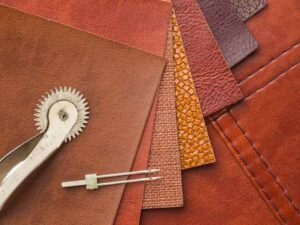
Painted edges require accurate cutting, skiving where necessary, sanding, base preparation, controlled coating, drying, and final inspection. Several thin coats usually produce a cleaner and more durable finish than one heavy application. Common defects include cracking, bubbles, roughness, poor adhesion, uneven width, and color mismatch. Folded edges can offer durability in certain constructions, while selected microfiber materials may support clean raw edges.
Hardware and Branding
Hardware affects both function and perceived value. Confirm the base metal, plating, surface finish, color, weight, closure force, logo detail, corrosion expectations, and protective packing. Components from different suppliers may look similar in photographs yet vary considerably in edge smoothness, plating consistency, strength, and long-term appearance.
Zippers should be tested after installation because curves, thick seam stacks, lining tension, and reinforcement can affect movement. Magnetic closures need enough holding force without placing excessive stress on surrounding material. Buckles, rings, hooks, rivets, and strap adjusters should be evaluated under the load expected in normal use.
Branding methods include embossing, debossing, hot stamping, screen printing, heat transfer, metal emblems, custom zipper pullers, woven labels, and printed linings. Fine embossed details may disappear on deeply pebbled materials, while foil can wear on high-contact areas. Approve branding on the final production material and record artwork dimensions, depth, color, location, orientation, and allowable placement tolerance.
What Quality Tests Should You Require?
Testing should reflect the product’s real use, material risks, destination market, and customer expectations. Common evaluations cover abrasion, flexing, peel strength, tear strength, seam strength, colorfastness, odor, aging, hydrolysis, zipper operation, hardware performance, and restricted substances. Not every product needs every test, but every project should have a written risk-based plan before production begins.
Physical Performance
Testing should start with the way the product will be used. A wallet is folded repeatedly, exposed to oils, and rubbed inside pockets. A tote carries weight through handles and base seams. A cosmetic bag may contact liquids, makeup, and cleaning products. A belt experiences flexing, tension, buckle abrasion, and repeated loading around adjustment holes.
Relevant material evaluations can include abrasion resistance, flex resistance, coating adhesion, peel strength, tensile strength, tear resistance, scratch resistance, and dimensional stability. Finished-product evaluations may include seam strength, handle pulling, closure operation, zipper cycling, and controlled load testing.
The appropriate method and acceptance level depend on product construction, price position, intended frequency of use, and expected lifespan. A promotional pouch does not need the same performance standard as a premium travel bag designed for daily use. Whenever possible, test representative bulk material. A report for another color, backing, thickness, or formulation may not accurately represent the actual production material.
Aging and Hydrolysis
Polyurethane materials can be sensitive to heat, humidity, storage conditions, and time. Unstable formulations may peel, crack, harden, soften, or become sticky. These failures often develop after products have left the factory, making them particularly expensive because they can lead to returns, replacements, poor reviews, and retailer claims.
Accelerated aging and hydrolysis evaluations can help compare material options and identify higher-risk grades. Test duration and conditions differ between methods and laboratories, so results should not be translated into unrealistic promises of a precise product lifespan. They are most useful for comparing options and identifying weak formulations before a major order.
Storage and packaging also affect results. Finished products should not be sealed before adhesives, printing inks, and edge coatings have cured sufficiently. Excess humidity inside closed packaging can worsen odor and surface problems. Desiccants may support selected shipping routes and seasons, but they cannot correct unstable material chemistry. Projects intended for warm or humid markets deserve additional attention during material approval.
Color, Surface, and Odor
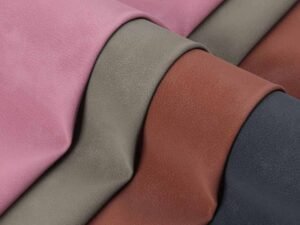
Color approval should be based on a physical swatch rather than a screen image. Grain depth, coating thickness, gloss, backing color, and lighting can change how the surface appears. Keep a signed master standard and inspect incoming production material under consistent conditions.
Useful assessments include dry and wet rubbing, color transfer, scratch resistance, staining, coating adhesion, surface consistency, and odor. Light-colored vegan leather can absorb dye from dark clothing, denim, packaging, or printed inserts. Metallic, glossy, and smooth matte finishes often need more protection during sewing, handling, and transport.
Odor should be reviewed during material approval, after sampling, and before packing. Strong odor may originate from the outer material, adhesives, foam, ink, edge paint, or packaging. Airing finished products for several days is not a reliable substitute for identifying the source. Visual inspection should also cover grain consistency, gloss variation, scratches, pressure marks, adhesive contamination, edge paint, and panel-to-panel color variation.
| Risk Area | Practical Evaluation | Main Decision Use |
|---|---|---|
| Surface wear | Abrasion and scratch testing | Daily-use bags and accessories |
| Repeated movement | Flex testing | Wallets, straps, belts, and flaps |
| Layer separation | Peel or coating-adhesion testing | Delamination risk assessment |
| Structural strength | Tear, seam, and handle-pull tests | Loaded bags and backpacks |
| Heat and moisture | Aging or hydrolysis evaluation | Humid markets and long storage |
| Color transfer | Dry and wet rubbing tests | Light colors and fashion products |
| Hardware operation | Zipper cycling and closure testing | Handbags, wallets, and travel goods |
| Chemical compliance | Accredited laboratory screening | Legal and retailer requirements |
The laboratory or compliance adviser should confirm the test method, conditions, sample size, and acceptance criteria for the actual market and product category.
Compliance and Inspection
Compliance requirements vary according to destination country, product type, user age, materials, sales channel, and retailer. A general adult fashion accessory and a children’s product should not follow the same testing plan. The manufacturer needs to know the destination markets and intended users before sampling begins.
Depending on the project, laboratory testing may cover restricted substances, heavy metals, phthalates, certain colorants, formaldehyde, and other regulated chemicals. European projects may require current REACH-related assessment, while products sold in California may need review against applicable Proposition 65 considerations. Retailers and marketplaces can also impose standards beyond minimum legal requirements.
Inspection must occur in stages. Incoming checks identify incorrect material before cutting. Pre-production review confirms construction and workmanship. In-process inspection catches repeated stitching or edge defects before they spread through the order. Final inspection confirms appearance, dimensions, function, cleanliness, assortment, and quantity. Packaging inspection verifies labels, barcodes, protective materials, carton markings, and shipping requirements. A final random inspection is valuable, but it cannot replace controls applied earlier.
How Do You Select the Final Manufacturer?
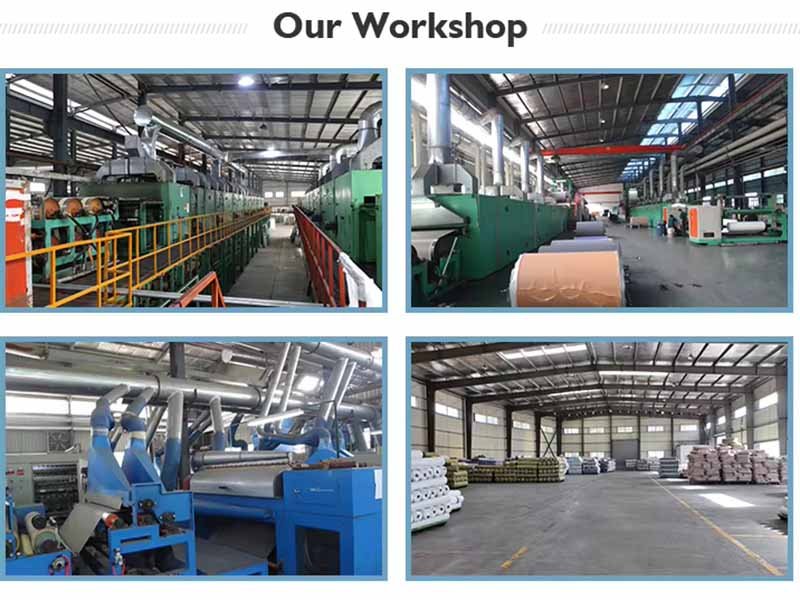
The final manufacturer should be selected through evidence collected from comparable quotations, material records, samples, meetings, factory verification, testing plans, and production-control answers. Unit price alone cannot measure manufacturing reliability. The stronger partner usually provides the best balance of material transparency, relevant craftsmanship, realistic timing, communication, quality management, capacity, and repeat-order consistency.
Compare Equal Specifications
A lower quotation is meaningful only when every supplier is pricing the same product. Confirm the material code, thickness, backing, lining, reinforcement, hardware, logo process, packaging, testing requirements, quantity, and delivery terms before comparing prices.
Small differences can create significant cost changes. Basic nonwoven PU should not be compared directly with dense microfiber leather. Standard alloy hardware is not equivalent to custom-logo components with upgraded plating. A simple polybag is not the same as a dust bag, retail box, barcode label, protective inserts, and printed master carton.
Ask each supplier to identify assumptions and exclusions. The quotation should state sample charges, tooling costs, molds, testing, packaging, freight terms, and material minimums. Unusually low pricing may be based on thinner materials, cheaper backing, lighter hardware, reduced reinforcement, fewer finishing stages, or a different inspection standard. Competitive pricing is valuable, but only when the included specification is clear enough to deliver the expected product.
Use the Sample as an Audit
The first sample reveals much more than sewing quality. It shows how carefully the manufacturer reads instructions, identifies risks, asks technical questions, records revisions, and communicates trade-offs involving cost, appearance, and performance.
Evaluate whether the material matches the proposed specification and whether the product works as intended. Check symmetry, dimensions, reinforcement, edge finishing, stitching, lining, zipper movement, closure alignment, logo position, hardware, and packaging. Use the product under realistic conditions rather than inspecting it only on a display table.
Pay attention to the response when a problem appears. A professional team should explain the cause, offer workable solutions, clarify cost or timing effects, and record the agreed correction. After approval, request a sealed sample and final specification. Confirm that bulk manufacturing will use the same material supplier, hardware, edge paint, adhesive, construction, and packaging. A strong sample has limited value when the factory lacks a reliable method for reproducing it.
Verify Capacity and Timing
Production capacity should be evaluated in relation to the proposed construction rather than through a general monthly output figure. A factory may produce large quantities of simple pouches but have limited capacity for structured handbags, complex wallets, painted edges, or custom-hardware assembly.
Ask about material purchasing time, sample development, tooling, approval stages, bulk production, testing, inspection, packaging, and shipment preparation. The critical path may be controlled by a material supplier, custom mold, plating process, or packaging producer rather than by sewing capacity.
Custom leather-look samples commonly require approximately 7–15 working days after specifications and materials are confirmed, although complicated structures, custom hardware, or unusual materials can require more time. Bulk production often needs several additional weeks depending on quantity, material availability, construction, finishing processes, and season. Realistic schedules are more useful than aggressive promises because they reveal whether the supplier understands the complete production chain.
Score the Final Candidates
A supplier scorecard helps purchasing, product, quality, and management teams compare evidence rather than relying on personal impressions. Weight each category according to the project. A technically demanding premium product may emphasize development and craftsmanship, while a replenishment program may prioritize capacity, consistency, documentation, and delivery.
| Evaluation Category | Suggested Weight | Evidence to Review |
|---|---|---|
| Material transparency | 15% | Composition, supplier, backing, and records |
| Comparable experience | 15% | Similar products and constructions |
| Sample quality | 15% | Function, appearance, and specification accuracy |
| Development capability | 10% | Technical problem-solving and revision control |
| Quality system | 15% | Incoming, in-process, final, and packing checks |
| Testing support | 10% | Laboratory coordination and document management |
| Capacity and timing | 10% | Realistic schedules and scalable production |
| Communication | 5% | Clear, prompt, and technically useful responses |
| Commercial terms | 5% | Transparent MOQ, pricing, payment, and exclusions |
Score each category from one to five and record the evidence supporting the result. The lowest quotation may still produce the weakest total score when material information, sample control, quality management, or capacity remains unclear.
The final decision should also consider how a supplier behaves when something goes wrong. Delayed material, failed testing, sample revisions, and color variation can appear in any long-term manufacturing relationship. The stronger partner is not the factory that claims problems will never happen. It is the one that identifies risks early, communicates honestly, documents corrective action, and protects the approved product standard.
Start Your Vegan Leather Goods Project with Szoneier
Choosing a vegan leather goods manufacturer is ultimately a risk-management decision. The right partner should help clarify material composition, select an appropriate construction, develop a production-ready sample, coordinate relevant testing, control workmanship, and maintain consistency when the project moves into bulk manufacturing. Those capabilities are more valuable than an attractive sample or a low quotation that cannot be reproduced reliably.
Szoneier is a Shenzhen-based custom bags and soft goods OEM/ODM manufacturer with more than 18 years of experience in material sourcing, sample development, sewing production, quality inspection, packaging, and international delivery. The company works with PU, microfiber leather, selected alternative materials, fabrics, hardware, linings, reinforcement, and multiple branding processes to develop custom handbags, wallets, pouches, backpacks, travel accessories, and other leather-look products.
Selected custom projects can begin from 200 pieces, depending on material availability, color, construction, hardware, logo process, packaging, and testing requirements. Clients can provide a tech pack, physical sample, product photograph, rough sketch, material reference, or initial product concept. The development team can then review the design, recommend practical material and construction options, prepare a sample plan, and establish a clearer path toward stable bulk production.
To request an assessment, please send details—including product images, dimensions, target quantities, preferred materials, branding artwork, packaging requirements, target markets, and estimated delivery timelines—to szoneier to connect with the project team and discuss material selection, prototyping, quotations, testing, quality standards, and production schedules.