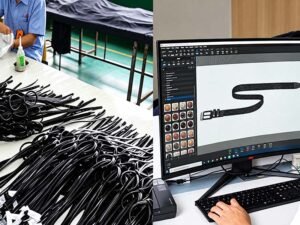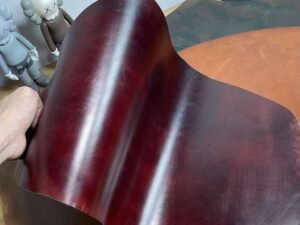
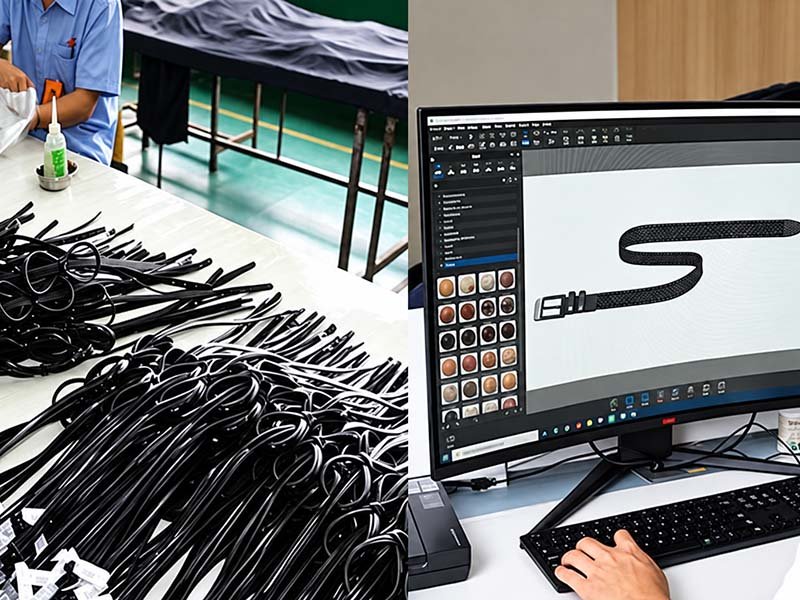
Launching a vegan leather accessories line looks straightforward when viewed from the outside. Choose an animal-free material, create several attractive products, add a brand logo, and place the collection on the market. In practice, the hardest work happens between those visible steps. A material that looks refined in a small swatch may stretch across a tote panel, crack at folded corners, absorb edge paint poorly, or become unavailable when the brand needs to reorder. A beautiful design may also become too expensive after reinforcement, custom hardware, branded packaging, testing, freight, and retail margins are included.
To build a commercially viable vegan leather accessories line, define the target buyer and price position first, select materials by documented composition and real product performance, create a focused group of coordinated products, develop production-ready specifications, test samples under expected use conditions, verify every marketing claim, and complete a controlled pilot order before expanding into additional colors, sizes, materials, and sales channels.
The brands that scale successfully are rarely the ones that begin with the largest assortment. They are usually the ones that make fewer decisions, but make those decisions more carefully. One accessories company may launch twelve products in five colors and spend its first season managing inventory, inconsistent materials, and slow-moving variants. Another may launch one carefully engineered tote, one wallet, and one pouch, learn exactly what customers value, and use the same material and hardware system to build a larger collection. The second company may appear more cautious at the beginning, but it often reaches stable repeat production much sooner.
What Is Your Market Position?
A clear market position explains who will buy the line, how the products will be used, what price customers will accept, and why the collection deserves attention. Before selecting materials or commissioning samples, define the buyer, sales channel, price tier, design identity, product promise, and environmental claims that the brand can support with evidence.
Define the Buyer
A target customer described only as “someone who prefers vegan products” is too broad to guide real product development. A useful buyer profile needs to explain where the accessory will be used, how frequently it will be carried, what the customer expects to place inside it, where the product will be purchased, which competing products are being considered, and what would cause a return, poor review, or loss of trust.
A commuter choosing a work tote may care most about shoulder comfort, laptop protection, organization, zipper security, weight, and resistance to daily abrasion. A fashion-led customer may place greater value on silhouette, seasonal color, distinctive hardware, and social-media presentation. A corporate gift buyer may prioritize logo consistency, packaging, repeat ordering, approval procedures, and delivery accuracy across hundreds or thousands of units. These buyers may all purchase animal-free accessories, but they require very different product specifications.
The customer profile should therefore be written in practical development language. Identify the primary use environment, expected carrying load, preferred price range, purchase channel, desired product lifespan, visual preferences, buying motivation, and likely reasons for dissatisfaction. These details influence the material backing, reinforcement, strap width, pocket arrangement, closure, hardware weight, lining, packaging, and inspection standard. Products designed for occasional gifting should not automatically use the same construction as accessories expected to perform five days a week.
| Positioning factor | Questions to resolve | Product-development impact |
|---|---|---|
| Target buyer | Who will purchase and use it? | Size, styling, capacity, features |
| Use scenario | Work, travel, fashion, gifting, daily carry? | Reinforcement, closures, organization |
| Sales channel | DTC, retailer, marketplace, corporate program? | Margins, labels, packaging, SKU count |
| Retail tier | Entry, mid-market, premium, luxury-inspired? | Material grade, hardware, finishing |
| Brand promise | Vegan, functional, fashion-led, lower-impact? | Claims, documentation, communication |
| Product lifecycle | Seasonal, limited edition, or permanent core line? | Material continuity and reorder planning |
Clarify the Brand Promise
A vegan product position and a sustainability position are related, but they are not identical. Vegan normally indicates that animal-derived materials are intentionally excluded from the agreed product specification. It does not automatically prove that the item is plastic-free, recyclable, biodegradable, compostable, low-carbon, or environmentally preferable throughout its complete life cycle.
This distinction becomes especially important with materials described as cactus, apple, grape, corn, mushroom, or pineapple leather. These materials may include a meaningful plant-derived component, but many are composites that also rely on polyurethane, polyester backing, binders, protective coatings, or other synthetic elements. That does not necessarily make them poor materials. It simply means the brand should understand what the material actually contains and communicate it accurately.
Specific claims are generally more credible than broad claims. Phrases such as “made without animal leather,” “made with a water-based PU coating,” or “contains a documented percentage of recycled backing” tell customers what the brand has actually verified. Claims such as “completely sustainable,” “plastic-free,” or “fully biodegradable” require far more extensive evidence and may become difficult to defend if the product contains synthetic thread, adhesives, reinforcement, zipper tape, coatings, inks, labels, or packaging components.
The brand promise should be agreed before packaging and advertising copy are finalized. Material declarations, supplier records, chemical reports, recycled-content evidence, and animal-free statements should be reviewed during development rather than requested after production. When the evidence is clear, the brand story becomes stronger because marketing language is connected to a traceable product specification.
Set the Price Position
A collection should have a target retail price and landed-cost structure before the design is fully developed. Without these limits, teams often approve attractive components independently and only discover later that the finished product cannot support the expected retail margin. Premium microfiber leather, custom-plated hardware, edge painting, branded lining, a dust bag, and a rigid gift box may each add value, but the combined cost can change the commercial position of the product.
Begin with the expected selling price and work backward through wholesale or retail margins, freight, import duty, warehousing, fulfillment, marketplace fees, promotions, returns, and marketing costs. The remaining figure provides a practical range for the ex-factory cost. The exact percentage differs by market and channel, but the development principle remains consistent: product specifications must fit within the complete commercial model, not only the factory quotation.
Effective cost control does not mean making every component cheaper. It means preserving the details customers see, touch, and use while standardizing less visible elements that do not need to be unique. A brand may keep a premium exterior surface and distinctive hardware while using one zipper size across several products, one lining family across the collection, or one shared packaging structure. These decisions reduce minimums, simplify procurement, and make repeat production easier.
A product that misses its price position usually faces one of two problems. Either the brand must raise the selling price beyond what the intended customer accepts, or the factory must remove quality from areas that influence durability and customer experience. Both situations can be avoided when the financial framework is established before sample development becomes too advanced.
Build a Recognizable System
A coordinated accessories line should look related even when the logo is hidden. The relationship may come from recurring proportions, seam lines, edge colors, hardware shapes, zipper pulls, stitching details, pocket treatments, or closure methods. Using the same exterior material on every item is not enough if each product follows a different visual and structural language.
Before sampling begins, define a compact design system covering the main and accent colors, surface texture, hardware finish, stitch color, logo method, edge treatment, lining direction, signature structural detail, and packaging style. These decisions give the factory a clear reference and prevent each product from being developed as an isolated item. The system also helps future products join the collection without appearing repetitive.
Consistency should not eliminate product-specific engineering. A wallet may need thinner material and tighter tolerances than a tote, while a belt may require a stronger laminated construction. The products can still share the same grain, tone, hardware finish, and logo style while using different material thicknesses and internal reinforcement. Visual consistency and technical suitability should support one another rather than compete.
A recognizable system also improves photography, retail presentation, bundling, and repeat purchasing. Customers are more likely to understand a line when the products appear to belong to one world. This is especially valuable for brands planning to introduce coordinated gift sets, travel collections, work accessories, or seasonal color extensions after the first launch.
Which Vegan Leather Should You Use?
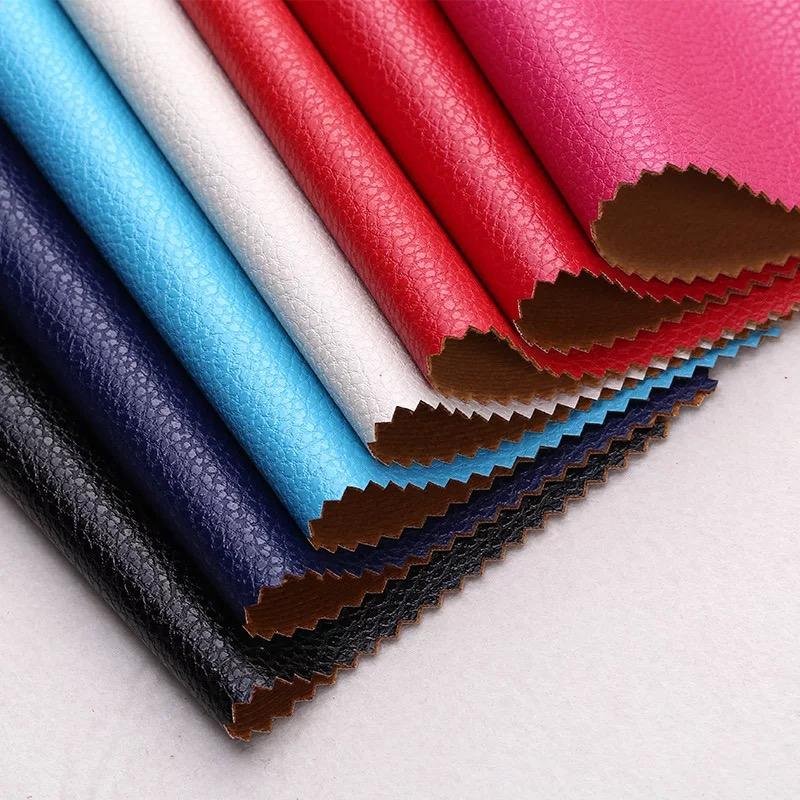
The best vegan leather is the material that fits the product’s structure, expected use, target price, manufacturing method, compliance needs, and reorder strategy. Compare exact composition, backing, thickness, stretch, surface performance, sewing behavior, documentation, minimum quantities, and supply continuity instead of choosing a material only because its marketing name sounds innovative.
Compare Material Families
Vegan leather is a broad commercial term rather than one standardized material. It can include conventional polyurethane-coated materials, water-based PU, microfiber leather, recycled-content synthetic materials, silicone-coated fabrics, cork composites, and materials incorporating plant-derived inputs. Each family contains multiple grades, and products sharing the same general description may perform very differently in cutting, sewing, folding, bonding, edge finishing, abrasion, and storage.
Conventional PU remains widely used because suppliers can provide a broad selection of colors, surface grains, thicknesses, backing structures, and price levels. However, quality varies considerably. A decorative PU developed for short-term fashion use should not be evaluated as though it were equivalent to a material designed for frequent flexing, higher tear strength, or repeated daily handling.
Microfiber leather usually uses a denser synthetic base that can provide stronger tear behavior, more stable cutting, and a refined hand feel. It is often considered for structured bags, wallets, belts, and premium small leather goods, although its price and supply minimums may be higher. Water-based PU may support a more specific material story, but the complete composition and supplier documentation still need to be verified.
Plant-content materials can create meaningful differentiation, particularly for hero products or limited collections. Buyers should nevertheless ask which component is plant-derived, how the percentage is calculated, what the remaining composition contains, and whether the material is consistently available in the required colors and quantities.
| Material family | Common advantages | Common constraints | Typical applications |
|---|---|---|---|
| Standard PU | Broad color, grain, thickness, and price range | Performance varies significantly by grade | Bags, wallets, pouches, fashion accessories |
| Water-based PU | May support more specific process claims | Documentation and performance require verification | Branded bags and small leather goods |
| Microfiber leather | Dense backing, stable cutting, refined hand feel | Higher cost and possible material minimums | Structured bags, belts, premium wallets |
| Recycled-content PU | Supports measurable recycled-content positioning | Certificate scope and supply continuity may vary | Retail and DTC collections |
| Plant-content composite | Distinct material story and market differentiation | Limited colors, variable lead time, processing constraints | Hero products and limited collections |
| Cork composite | Recognizable natural visual character | Folding, edge, and consistency limitations | Wallet panels, trims, cases, small accessories |
These comparisons are general planning references. Material approval should always be based on the exact supplier, material code, color, backing, thickness, surface treatment, and production batch that will be used for the order.
Match Material to Product
Material performance should be evaluated against the physical stresses of the finished item. A card holder needs controlled thickness, clean slot edges, stable dimensions, and repeated flex resistance. A tote requires tear strength, broad-panel stability, handle reinforcement, seam holding, and resistance to abrasion from clothing and surrounding objects. A belt requires tensile stability, strong layer bonding, controlled elongation, and durable edge finishing.
Thickness provides an initial reference, but it should never be the only selection criterion. Materials around 0.8–1.2 millimeters are frequently evaluated for wallet exteriors, passport holders, card cases, and folded small leather goods. Materials around 1.0–1.5 millimeters may be considered for many bag exteriors, while straps, bases, and structured panels may require heavier or laminated constructions. Backing, reinforcement, folding method, and target hand feel can change these ranges.
Backing construction often has as much influence as the visible surface. Knitted, woven, nonwoven, polyester, cotton, and microfiber backings stretch and recover differently. A soft knitted backing may create a pleasant drape but distort near pocket openings. A dense microfiber backing may improve structure while requiring different cutting, skiving, or edge treatment.
Review thickness tolerance, material weight, usable roll width, grain consistency, stretch in both directions, tear behavior, fold recovery, needle-hole appearance, adhesive compatibility, edge-paint adhesion, odor, scratch visibility, and lot-to-lot continuity. A material that looks impressive as a small swatch may behave very differently when used across a large tote panel.
Test the Construction
A laboratory report cannot reveal everything that happens during production. A material may achieve an acceptable abrasion result and still develop unattractive needle holes, surface whitening at folds, poor edge-paint adhesion, or visible backing separation around rivets. Before the material is approved, it should be processed using the same techniques planned for the finished accessory.
Useful construction trials include folded and stitched seams, painted edges, turned edges, bonded multi-layer panels, curved seams, embossed logos, foil-stamped logos, rivet attachments, snap installations, zipper ends, and reinforced strap sections. These samples allow the development team to observe whether the surface wrinkles, cracks, lifts, stretches, or becomes damaged during normal factory handling.
Edge-painted products require particular care because the result depends on the material backing, edge preparation, primer, paint chemistry, number of coats, drying conditions, sanding, and flexibility of the finished component. A visually clean edge immediately after painting may crack after repeated bending if the material and coating system are not compatible.
Color testing should include both dark and light shades. Pale materials can show denim transfer and handling marks, while dark smooth surfaces may reveal scratches, dust, and fingerprints. Metallic and pearlescent coatings often need separate folding and abrasion trials because decorative finishes can behave differently from standard matte or textured coatings.
Verify the Evidence
Each approved material should have a basic evidence file containing the technical data sheet, supplier identity, material code, backing composition, thickness specification, color reference, available chemical reports, production-lot information, and any declarations supporting animal-free, recycled, bio-based, low-odor, phthalate-free, or other claims.
Reports should be checked carefully rather than accepted because the cover page says “pass.” Confirm that the supplier name, product code, color, backing, test date, test standard, and tested substances match the material being ordered. A report for a similar material or an earlier formulation may not provide reliable evidence for the current production lot.
Recycled and plant-content claims require additional detail. Ask what percentage is claimed, whether it refers to the total material or one layer, whether the calculation is based on weight, and which third party or supplier document supports the number. These records should remain connected to the final product specification and packaging language.
For repeat orders, retain signed swatches and finished reference samples under suitable storage conditions. Photographs are helpful for communication, but lighting, cameras, screens, and compression can change color appearance. Physical standards, approved material codes, Pantone references where applicable, and batch records provide a more dependable basis for future comparisons.
What Products Should You Launch First?
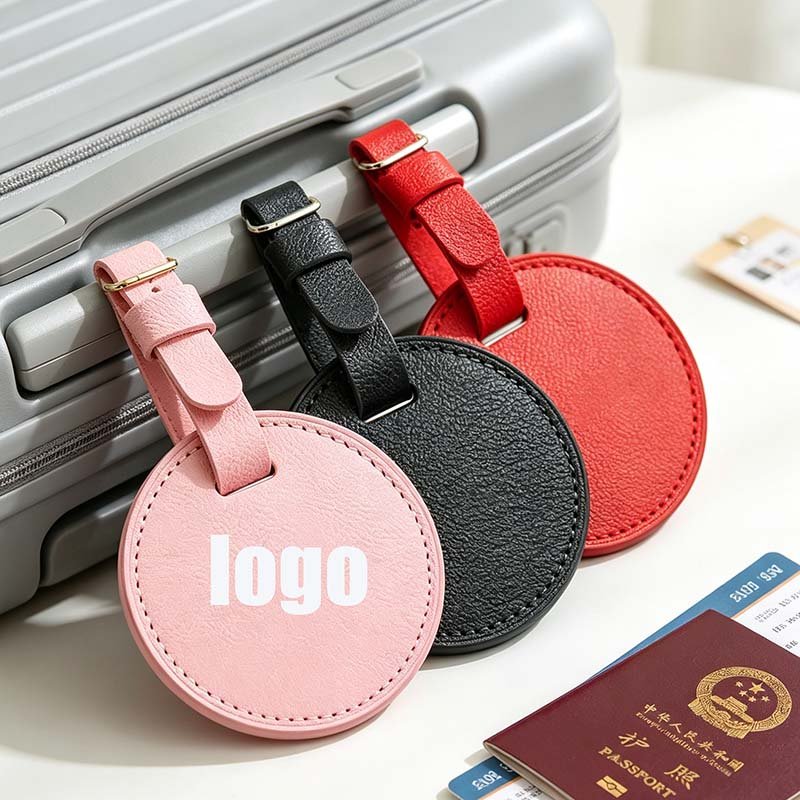
Begin with one hero product and a controlled group of complementary accessories that share materials, colors, hardware, logo treatments, packaging, and customer use scenarios. A focused launch is easier to sample, test, photograph, manufacture, stock, explain, and improve than a wide assortment divided across too many products, colors, finishes, and low-volume variants.
Choose a Hero Product
The hero product should express the brand’s promise more clearly than any other item in the launch. It should be recognizable, commercially useful, easy to photograph, and capable of showing the chosen material, construction, and visual identity. A commuter brand may choose a structured work tote, while a travel brand may center its line on a crossbody organizer or passport wallet.
A strong hero product performs several jobs at the same time. It attracts attention, communicates the design language, demonstrates the material, and creates a reason to explore supporting accessories. It should therefore receive the most detailed development work, including repeated checks of proportions, opening function, handle comfort, pocket arrangement, loaded appearance, edge finishing, hardware, logo position, and packaging.
The most visually unusual product is not always the best hero. Extreme shapes can reduce usable capacity, create inefficient material cutting, require complicated reinforcement, increase defect rates, and produce oversized cartons. A hero product should be distinctive enough to be remembered but stable enough to manufacture repeatedly.
Future expansion should also be considered. A successful hero product should support additional colors, sizes, material versions, coordinated accessories, and seasonal editions. If every small change requires a new construction system, the product may be difficult to scale despite strong initial visual appeal.
Control the SKU Count
SKU numbers grow more quickly than many development teams expect. Four products offered in three colors already create twelve SKUs. Adding two hardware finishes increases the number to twenty-four. Separate packaging languages, retailer-specific barcodes, or channel-exclusive labels can multiply inventory combinations again.
For many first collections, three to six product designs create enough variety to communicate a complete line without spreading the initial order across too many variants. This is not a universal rule. A retailer with confirmed shelf allocation may need a broader assortment, while a DTC brand may learn more from six well-stocked SKUs than from twenty-four shallow ones.
| Launch structure | Product designs | Colors or finishes | Total SKUs | Relative operating complexity |
|---|---|---|---|---|
| Focused market test | 3 | 2 colors | 6 | Lower |
| Balanced initial line | 4 | 3 colors | 12 | Moderate |
| Broad assortment | 6 | 4 colors | 24 | Higher |
| Multi-finish program | 6 | 4 colors × 2 finishes | 48 | Very high |
A smaller assortment can also improve supplier efficiency. Shared material colors, lining, zipper sizes, hardware finishes, labels, and packaging reduce purchasing fragmentation and make color matching easier. The initial line should create meaningful customer choice without creating unnecessary production and inventory combinations.
Build the Product Ladder
A balanced product ladder allows customers to enter the brand at different price levels, add complementary items, and move toward higher-value purchases. Entry products may include card holders, key cases, luggage tags, or small zip pouches. Core products may include wallets, organizers, crossbody bags, or medium totes. Premium products may include work bags, structured handbags, travel pieces, or boxed sets.
The price difference between tiers should reflect visible and functional value. A premium product should not simply be larger. It may include more complex organization, stronger reinforcement, upgraded hardware, additional edge finishing, a more advanced lining, or more elaborate packaging. Customers should understand why one product costs more when they compare the items directly.
Supporting products should repeat identifiable details from the hero product. A wallet may reuse the same curved seam, edge color, zipper pull, embossed logo, or hardware geometry. This helps the line appear coordinated without forcing every product to use the same construction.
Gift sets and product bundles can increase order value, but they also introduce packing accuracy, color-matching, replacement, and inventory challenges. Sets should be developed when the products genuinely support one another and can be produced with consistent materials and finishes.
Plan Future Extensions
The first collection should create a foundation for growth without committing the brand to every possible expansion before real customer data is available. Future extensions may include seasonal colors, additional sizes, travel accessories, premium material versions, simplified entry-price versions, corporate gift packaging, retailer-exclusive colors, straps, charms, gift sets, and limited-edition finishes.
Sales data should guide the sequence. The fastest-selling color may deserve deeper stock rather than immediate expansion into several new shades. A product receiving strong feedback for organization may support a larger version, while one generating returns because of weight or strap discomfort needs correction before new variants are introduced.
Customer reviews, retailer feedback, return reasons, conversion rates, and reorder patterns provide more useful direction than internal preference alone. Development teams often become attached to colors and shapes that perform well in meetings but do not attract customers in the market.
A controlled extension strategy also protects material continuity. Reusing approved materials, hardware, lining, labels, and packaging components can reduce sample time and sourcing risk. Expansion becomes more manageable when each new product builds on proven standards rather than creating an entirely separate supply chain.
How Do You Develop the Products?
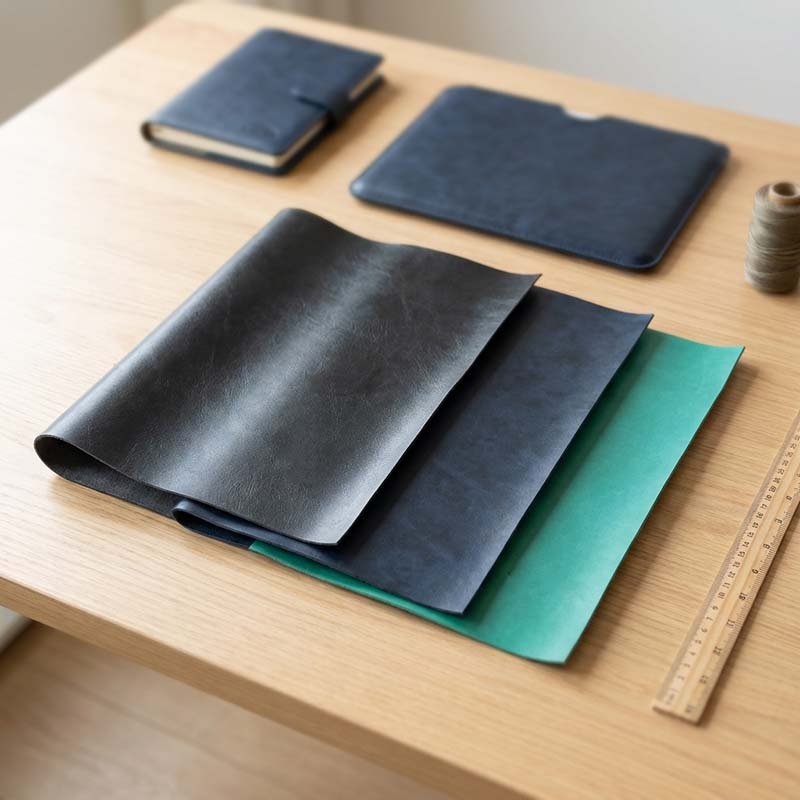
Develop each product through a controlled sequence of brief preparation, specification, material approval, pattern making, prototype construction, review, revision, final sample approval, and pre-production confirmation. Every stage should close defined decisions. A sample is not only a visual model; it is a practical test of function, cost, workmanship, manufacturability, quality, packaging, and customer experience.
Prepare the Product Brief
A complete product brief gives the development team enough information to understand what the product must achieve before quotations, patterns, and samples are prepared. It should identify the intended customer, use environment, product category, expected contents, finished dimensions, material direction, preferred surface and hand feel, lining, pockets, closures, handles, straps, hardware, branding, packaging, projected quantity, destination market, required tests, launch timing, and target cost.
Reference photographs and competitor links are useful for explaining style, but they are not complete technical instructions. A photograph cannot reveal reinforcement, internal seam allowance, pocket depth, lining construction, material code, hardware plating, tolerance, or packing method. Buyers should separate visual inspiration from the actual product specification.
The brief should also explain priorities and acceptable trade-offs. A buyer may request a bag that feels soft, stands upright, weighs very little, carries a laptop, includes several pockets, and remains within a strict cost limit. Some of those requirements may conflict. The factory needs to know which characteristics are essential and which can be adjusted.
Clear starting information improves quotation accuracy and reduces repeated sample changes. A project can begin with a product photo, sketch, physical reference, technical pack, material concept, logo artwork, packaging requirement, and quantity plan, but the development team should convert those inputs into a documented brief before production decisions are finalized.
Build the Tech Pack
A production-ready tech pack translates the product concept into measurable instructions. It normally includes front, back, side, top, and internal drawings; finished measurements and tolerances; bill of materials; exterior and lining codes; reinforcement; hardware; zipper sizes; stitching; pockets; straps; logo artwork; labels; packaging; barcode information; inspection points; and revision history.
Descriptions must be specific. “Gold hardware” may refer to polished yellow gold, brushed champagne, antique brass, or several other finishes. “Soft vegan leather” may describe numerous materials with different backings, thicknesses, stretch behavior, and durability. The technical pack should replace subjective terms with approved codes, measurements, references, and physical samples.
A bill of materials should identify each component and its location in the product. The exterior material, lining, foam, reinforcement board, zipper tape, thread, edge paint, labels, adhesives, hardware, and packaging all need clear descriptions. This reduces substitutions and helps costing teams understand which components are driving price.
The document should be updated after every approved revision. If a strap length, pocket position, zipper, lining, material, or packaging component changes during sampling, the tech pack must reflect the final decision. Many bulk-production mistakes occur because an outdated drawing remains in circulation after the physical sample has already been modified.
Use Sampling Gates
Sampling is most effective when it is divided into approval gates rather than treated as a single attempt. A material trial can confirm folding, edge painting, embossing, foil stamping, bonding, stitching, or hardware attachment before a complete prototype is produced. The first prototype can then evaluate proportions, capacity, opening function, internal arrangement, and basic structure.
A revised sample should correct dimensions, materials, construction, hardware, logo, and visual details based on recorded comments. A final or pre-production sample should confirm the exact production configuration, including material code, color, reinforcement, stitch specification, edge finish, labels, packaging, and accepted tolerances.
A simple card holder may require fewer rounds than a structured work tote containing multiple compartments, custom-plated hardware, painted edges, reinforcement layers, and molded components. The objective is not to minimize sampling at any cost. It is to prevent unresolved decisions from moving into a large production order.
Each sample should carry a revision number and approval record. The buyer and production team should retain physical reference samples where practical. The approved sample becomes the visual and construction standard, while the updated technical pack provides measurable instructions. Using both together creates a stronger control system than relying on either one alone.
Review for Production
A visually attractive sample is not automatically ready for mass production. Before approval, the team should review whether the material is available in the required quantity, whether the selected color can be repeated, whether custom hardware molds are complete, whether edge-finishing steps are realistic for the schedule, and whether critical dimensions can be measured consistently.
Some sample-room techniques are difficult to reproduce on a production line because an experienced sample maker may manually adjust each panel during assembly. Bulk production requires repeatable patterns, cutting dies, guides, templates, machines, operation sequences, and inspection criteria. The product should be reviewed by production and quality teams before the final sample is signed off.
Packaging should also be tested at this stage. A structured bag can deform if the carton is too small, while excessive internal filling increases material and freight costs. Hardware needs protection from scratching, edge-painted components need adequate curing, and pale surfaces may require extra protection from color transfer during transport.
Production readiness means that the design, material supply, operation sequence, tolerances, testing, packaging, and quality standards are all defined. Approving the appearance without approving these supporting controls leaves too much uncertainty for bulk manufacturing.
How Do You Test Quality and Claims?
Material performance, finished-product quality, and marketing claims should be evaluated separately. Material tests examine coating, backing, color, strength, flexing, adhesion, and chemical risks. Product tests examine seams, straps, zippers, hardware, dimensions, loading, and workmanship. Claim verification confirms that vegan, recycled, bio-based, or environmental statements are supported by traceable evidence.
Test the Material
The material test plan should reflect the way the finished accessory will actually be used. A wallet is opened, folded, and handled repeatedly. A work tote carries weight, rubs against clothing, and may remain inside a hot vehicle. A belt experiences repeated bending and tension. A pale bag may face denim transfer, while a dark smooth surface may show scratches and fingerprints clearly.
Common evaluation areas include abrasion resistance, flex resistance, coating adhesion, peel strength, tear strength, tensile strength, colorfastness to rubbing, color migration, hydrolysis resistance, scratch resistance, heat and cold behavior, odor, dimensional stability, and restricted substances. The final protocol should be selected according to the product category, material construction, destination market, customer requirements, and expected lifespan.
Laboratory results should be supported by practical manufacturing trials. A material may perform acceptably in a standardized abrasion test while producing poor needle-hole appearance, unstable folded corners, or weak painted edges. It may remain strong as a flat sheet but crack when wrapped tightly around a reinforced panel.
Approved materials should be retained as physical standards, and test reports should remain connected to the correct supplier code and production batch. Testing a representative but different material may provide useful early information, but it should not replace confirmation of the exact material selected for production.
Test the Finished Product
Finished-product testing should reproduce realistic customer use rather than rely only on visual inspection. A work tote should be loaded with the types of items it is expected to carry, while a crossbody strap should be evaluated for attachment security, adjustability, comfort, and repeated movement. Handles, strap anchors, zipper ends, snaps, rivets, and hardware connections deserve particular attention because failures in these areas create serious complaints.
| Inspection area | Practical evaluation | Typical control objective |
|---|---|---|
| Dimensions | Measure specified finished points | Remain within approved tolerances |
| Stitching | Check alignment, density, skipped stitches, loose thread | Even, secure, and visually consistent |
| Handles and straps | Apply realistic loading and inspect anchors | No tearing, movement, or deformation |
| Zippers and closures | Repeat opening and closing | Smooth movement and correct alignment |
| Hardware | Inspect plating, scratches, security, and function | Correct finish and firmly installed |
| Edges | Bend and inspect painted or folded areas | No cracking, lifting, or contamination |
| Surface | Compare color, grain, scratches, stains, and marks | Match the approved material reference |
| Packaging | Verify protection, labels, quantities, and carton fit | Correct, clean, and shipment-ready |
Quality control should begin before final packing. Incoming materials, hardware, printed components, cut panels, embossing, sewing, semi-finished assemblies, completed products, and packaging all require appropriate checks. A defect found before sewing is less expensive to correct than the same problem discovered after an entire order has been assembled.
The inspection standard should define critical, major, and minor defects where appropriate. Buyers should also agree on measurement tolerances, sampling methods, inspection timing, reporting format, and corrective-action procedures before bulk production begins.
Verify Vegan Claims
A finished accessory includes much more than the exterior sheet. It may contain lining, thread, foam, reinforcement board, adhesives, edge paint, zipper tape, labels, inks, coatings, and hardware finishes. A credible vegan specification should consider all intentionally selected materials rather than assuming that an animal-free exterior automatically makes the entire product vegan.
Suppliers should be asked whether animal-derived substances are intentionally used in the surface coating, backing, adhesives, waxes, edge paints, inks, dyes, labels, or decorative trims. Declarations are more useful when they identify the supplier, component, material code, date, and scope rather than making a broad statement about an entire company.
Vegan, cruelty-free, plant-based, recycled, and biodegradable are separate claims. A material may be vegan without being plant-based. It may contain a plant-derived input without being biodegradable. It may contain recycled polyester in the backing while the coating remains virgin polyurethane. These distinctions should be reflected in product descriptions and packaging.
A claim file should be maintained throughout the project. Supplier declarations, material codes, test reports, certificates, calculations, sample approvals, and final marketing copy should remain connected. If the material supplier, coating formulation, backing, adhesive, or production location changes, the claim should be reviewed again.
Control Environmental Language
Environmental language should describe a specific characteristic that can be supported. “Contains 30% recycled polyester in the backing” is more informative than “made from recycled materials.” “Uses a water-based PU coating” provides a clearer statement than “environmentally harmless.” Precise language helps customers understand what is improved while reducing the risk of implying benefits that have not been verified.
For materials marketed with plant content, confirm which layer contains the plant-derived input, the documented percentage, whether the calculation applies to the coating or entire material, what the remaining composition contains, and whether the evidence matches the purchased production lot.
Destination-market chemical and consumer-product requirements should be reviewed with qualified testing laboratories and compliance professionals. Requirements can differ according to the product, customer age group, materials, sales country, retailer, and marketing claims. Testing plans should therefore be developed for the actual product rather than copied from an unrelated accessory.
Honest communication is not a marketing weakness. Customers increasingly recognize the difference between a carefully qualified claim and an exaggerated environmental promise. A brand that explains what its material contains, why it was selected, how it was tested, and what limitations remain can often build stronger long-term trust.
How Do You Plan Production and Scale?
Plan production around an approved bill of materials, confirmed supplier minimums, realistic lead times, measurable quality standards, material continuity, and a pilot order designed to generate useful manufacturing and sales evidence. Scaling should follow stable production and real customer demand. Expand products, colors, materials, and claims only when the supply chain can reproduce them reliably.
Understand MOQ and Cost
Minimum order quantity is influenced by more than the sewing factory’s available capacity. Material mills, coating suppliers, backing suppliers, zipper manufacturers, hardware producers, plating workshops, packaging printers, mold makers, and testing laboratories may each impose their own minimums, setup charges, or production schedules.
A factory may be able to assemble a few hundred pieces, while a custom-colored exterior material requires substantially more yardage. A custom zipper pull may need a mold, a unique hardware finish may require a minimum plating batch, and a rigid gift box may have a higher printing minimum than a standard dust bag or folding carton.
Major cost and MOQ drivers include material availability, custom colors, thickness, backing, number of products, number of colors, cutting efficiency, structure, lining, reinforcement, zippers, hardware, molds, logo application, edge painting, packaging, testing, urgency, and shipping method. Dividing an order across many SKUs can increase cost even when the total number of pieces appears commercially attractive.
For selected custom accessory projects, starting quantities may be around 200 pieces, while special vegan materials, custom colors, unique hardware, complex structures, or multi-SKU programs can require higher minimums. Exact requirements should be confirmed after the complete material and component supply chain has been reviewed.
Evaluate the Manufacturer
A suitable manufacturing partner should understand more than sewing. The development and production team should be able to discuss material backing, thickness, stretch, reinforcement, pattern engineering, edge finishing, adhesives, stitching, hardware, logo processes, testing, packaging, quality inspection, and repeat-order continuity.
Request evidence instead of relying on general promises. Comparable product samples, material codes, technical specifications, revision records, inspection procedures, testing coordination, production schedules, packaging capabilities, export experience, and corrective-action processes provide more useful information than statements such as “high quality” or “we can make everything.”
A capable supplier should also explain trade-offs. When a requested material is too soft for a structured bag, a strap is too narrow for the intended load, or a custom color creates an impractical minimum, the development team should identify the risk and suggest alternatives. A supplier that agrees with every request without technical discussion may not be evaluating the project carefully.
Factory-based sampling and coordinated production management can reduce communication loss. Szoneier operates as a Shenzhen-based custom bags and soft-goods OEM/ODM manufacturer with more than eighteen years of experience, supporting material sourcing, pattern development, sampling, sewing production, quality inspection, packaging, and export delivery for international projects.
Use a Pilot Order
A pilot order should answer defined commercial and manufacturing questions rather than simply reproduce the final order at a smaller scale. It can be used to verify material consistency, bulk color, workmanship, production yield, packing accuracy, landed cost, customer response, return reasons, review themes, and reorder potential.
Success criteria should be agreed before the order is placed. A product may sell quickly but generate excessive returns because the strap is uncomfortable or the color differs from online photography. Another product may receive excellent reviews but fail to achieve the expected margin because the packaging is oversized, the carton quantity is inefficient, or fulfillment costs are higher than planned.
After the launch, separate product feedback from assortment, pricing, packaging, and marketing feedback. A structural defect should lead to a technical correction, while weak color demand may require a merchandising decision. Changing multiple variables at the same time makes it difficult to understand which improvement produced the result.
The pilot order should end with a documented review. Confirm which specifications remain unchanged, which issues require a revised sample, which colors should be reordered, which products should be discontinued, and whether the material and component suppliers can support the next production volume.
Scale With Control
Once the core products are stable, expansion can follow a controlled sequence. Reorder the strongest combinations first, correct confirmed product issues, add one or two proven color extensions, introduce a complementary accessory, test a premium or simplified version, and then consider gift sets, channel-specific packaging, or seasonal materials.
Reuse approved components where practical. Shared lining, hardware, zipper sizes, stitch colors, edge paints, labels, packaging, and cartons can reduce sample time, purchasing complexity, and supply risk. Standardization does not make the products less distinctive when the exterior design and customer experience remain carefully developed.
Every reorder should include change control. A replacement material that appears similar may have a different backing, coating, stretch, odor, or edge behavior. A new hardware supplier may produce a slightly different plating color. Small undocumented changes can create visible inconsistency across products that customers expect to match.
Long-term scaling depends less on launching many designs and more on protecting the standards customers already recognize. A stable hero product, disciplined material system, controlled supplier base, approved physical samples, accurate technical documents, and structured quality process provide a stronger foundation than rapid expansion without repeatability.
A successful vegan leather accessories line is built by connecting a clear customer position with verified materials, focused products, disciplined specifications, structured sampling, measurable quality standards, defensible claims, and a supply chain capable of repeating the approved result. Choosing an attractive material is only the beginning. The real commercial value comes from turning that material into products customers can trust, use, recommend, and purchase again.
The most important decisions should be completed before bulk production. Define what vegan means for the brand, identify which environmental statements are supportable, match each material to the physical stresses of the product, limit the opening assortment, document every construction, test real use conditions, and use pilot production to validate both manufacturing performance and market demand.
Szoneier helps global brands, retailers, importers, DTC businesses, e-commerce sellers, corporate buyers, and other B2B customers turn sketches, technical packs, reference samples, material ideas, logo artwork, packaging requirements, and quantity plans into production-ready custom accessories. Project support can include material comparison, structure development, pattern making, sampling, logo application, bulk production, quality inspection, branded packaging, and international delivery.
To request an initial project review, send the product drawings or reference images, preferred materials, dimensions, target quantities, logo artwork, packaging requirements, destination country, required tests, target cost, and expected launch date. The development team can then review material options, construction risks, sampling requirements, estimated minimums, production conditions, and the practical steps required to move the collection toward repeatable manufacturing.