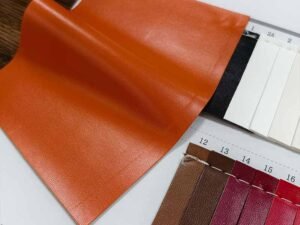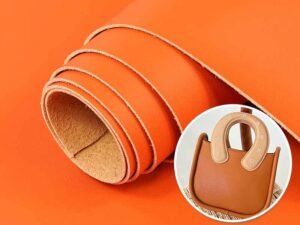

A seasonal leather collection can fail even when every design looks impressive. A custom buckle may arrive two weeks late, the approved leather color may require a larger dye lot than expected, or the finished products may reach the warehouse after the main retail campaign has already started. Unlike a permanent core product, a seasonal collection has a limited commercial window. Once that window closes, even well-made products can become slow-moving inventory.
Choosing a leather goods manufacturer for seasonal collections requires evaluating six connected capabilities: relevant leather craftsmanship, coordinated multi-SKU development, material and component sourcing, production-ready sampling, controlled bulk quality, and delivery planning based on the actual launch date. The best manufacturer is not always the largest factory or the supplier offering the lowest unit price. It is the manufacturer that can identify risks early, document every approval, and reproduce the confirmed collection consistently at scale.
Consider a brand that approves a beautiful showroom sample in March. By May, the team discovers that the leather must be custom dyed, the metal lock requires a new mold, and each color has a separate material minimum. The launch date has not moved, but the project has already lost several weeks. That situation is usually preventable when the collection is evaluated as one connected manufacturing program rather than a group of unrelated products.
What Does Your Seasonal Collection Require?
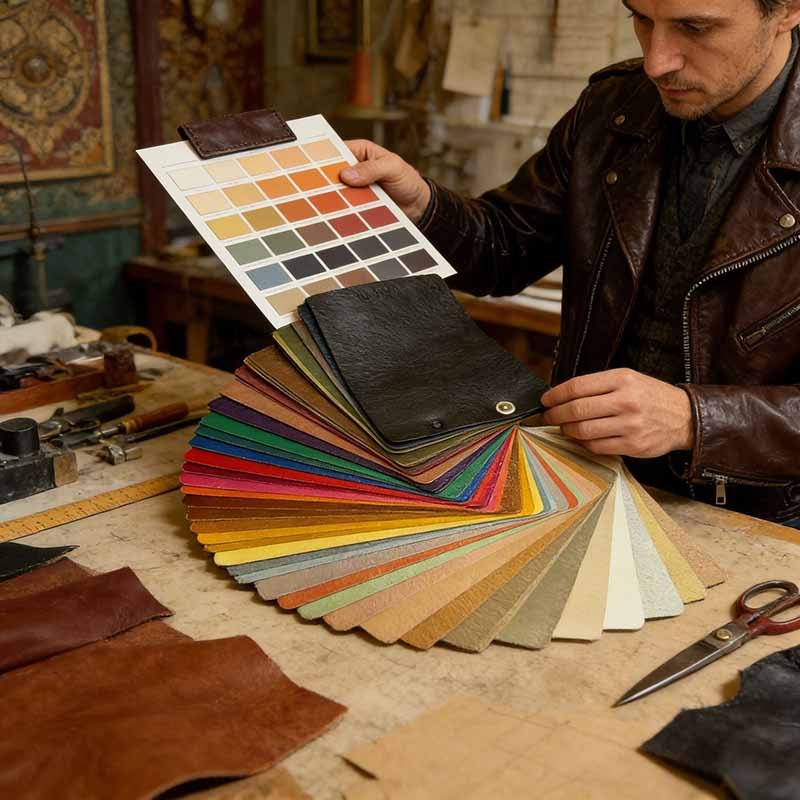
A seasonal leather collection needs a confirmed launch date, complete SKU list, material and color plan, quantity breakdown, packaging requirements, target market, and delivery destination. These details determine sampling time, material minimums, production capacity, testing requirements, and shipping options. Without them, even an experienced manufacturer can provide only a rough quotation and an unreliable production schedule.
Which Launch Date Defines the Schedule?
The most important date is usually not the day production finishes. It is the date the collection must reach the warehouse, retail distribution center, showroom, photography studio, or fulfillment facility. Starting from the retail launch date alone can be misleading because the products may still require customs clearance, product photography, online listing preparation, retailer allocation, and local distribution before they are commercially available.
A collection planned for an October retail launch may need to arrive at the local warehouse during August. If the order will move by sea, the factory may need to complete production several weeks earlier. If the collection includes custom-dyed leather, molded hardware, special gift packaging, or third-party testing, material development and approval must begin even earlier.
A realistic seasonal calendar should identify the following commercial and manufacturing milestones:
- Campaign photography date
- Wholesale showroom or sales meeting
- Final purchase-order confirmation
- Material approval deadline
- Pre-production sample approval
- Bulk production start
- Final inspection date
- Factory shipment date
- Freight departure
- Warehouse arrival
- Retail or online launch
- Planned replenishment period
Approval time is frequently underestimated. A sample may take only seven working days to produce, yet internal feedback may consume another week when design, merchandising, purchasing, quality, marketing, and management teams all need to review it. The manufacturer should therefore understand both the technical lead time and the customer’s internal decision process.
Seasonal projects also need a meaningful buffer. Seven to fourteen days may be adequate for a relatively standard product using available leather and existing hardware. A collection involving custom colors, exclusive metal parts, complex structures, laboratory testing, or premium packaging usually needs a larger contingency period.
| Project stage | Common planning range | Main risk to confirm |
|---|---|---|
| Technical review | 3–7 days | Missing product information |
| Material sourcing | 7–30 days | Custom colors or limited stock |
| First sample development | 7–20 days | Structural changes |
| Sample revision | 7–21 days | Slow internal approval |
| Pre-production sample | 5–12 days | Bulk material differences |
| Bulk production | 30–60 days | Capacity and workmanship complexity |
| Inspection and packing | 3–10 days | Rework or packaging errors |
| International shipping | 5–45+ days | Freight method and customs |
| Recommended buffer | 7–21 days | Unexpected development or shipping risk |
These planning ranges should not be treated as fixed promises. The final schedule must reflect the actual leather, hardware, structure, quantity, production season, testing requirements, and destination market.
How Many SKUs Are in the Collection?
A seasonal collection should be counted by sellable SKU rather than basic design. One handbag offered in three colors and two sizes creates six SKUs. When eight designs are offered in several colors or packaging versions, the collection may easily contain twenty or more production combinations.
Every SKU affects leather purchasing, cutting allocation, hardware quantities, lining colors, labels, barcodes, packaging, inspection records, carton markings, and warehouse distribution. The collection may look simple in a creative presentation while becoming much more complex when translated into manufacturing instructions.
Create a collection matrix before requesting final quotations. It should include:
- Internal style number
- Product name
- Dimensions
- Color
- Leather article
- Leather thickness
- Lining material
- Hardware finish
- Logo method
- Packaging version
- Order quantity
- Destination market
The number of SKUs alone does not determine difficulty. Ten products sharing one leather article, one lining, and one metal finish may be easier to manage than four products using completely different materials and components. The more the collection can share approved materials and production standards, the easier it becomes to control color consistency, purchasing efficiency, and delivery.
The manufacturer should explain how each SKU will be identified during sampling, production, inspection, and packing. Informal descriptions such as “the small black bag” create unnecessary risk after multiple styles enter production. Each product should have a unique style code, an individual bill of materials, a measurement sheet, and a confirmed reference sample.
It is also useful to classify products by commercial importance. Hero products may justify custom hardware and a longer development cycle. Matching card holders, key cases, or small pouches may need simpler construction and shared components to protect margin and delivery time.
Are Colors and Materials Shared?
Shared materials can make a collection look coordinated and improve purchasing efficiency, but they can also concentrate supply-chain risk. If every product depends on one custom-dyed leather and that leather is delayed, the entire seasonal program may stop.
A practical collection material system often includes:
- One primary leather for visible exterior panels
- A thinner matching leather for wallets and folded details
- One standard lining across several products
- One or two coordinated hardware finishes
- Shared thread and edge-paint colors
- Common labels, dust bags, and packaging graphics
Natural leather requires more planning than a uniform synthetic sheet. Shade, grain, scars, stretch, thickness, and cutting yield can vary between hides. Visible components should be shade matched, particularly on front panels, flaps, gussets, paired handles, and products intended to be sold as coordinated sets.
Custom seasonal colors need a defined approval procedure. Ask whether the color will be produced through drum dyeing, pigment finishing, surface coating, or another process. Confirm the minimum dye lot, color-development time, acceptable shade range, and procedure for approving the bulk material lot.
Using one leather across several products does not necessarily mean using the same thickness. A structured tote body may require leather around 1.6–2.0 mm, while wallet interiors may require approximately 0.8–1.2 mm after splitting or skiving. These are broad industry ranges rather than fixed specifications. The correct thickness depends on firmness, reinforcement, folding method, product size, and construction.
When materials are shared, they should be purchased and approved as part of one coordinated program. Ordering each product independently can result in different leather lots, different metal plating, and packaging colors that look inconsistent when displayed together.
What Quantities Are Needed?
Quantities should be listed by style, color, and size rather than presented only as one total collection volume. An order of 3,000 pieces may sound commercially attractive, but it becomes more demanding when divided across fifteen styles, several colors, and multiple packaging versions.
Ask the manufacturer to evaluate three possible volume levels:
- Initial seasonal order
- Likely replenishment quantity
- Potential annual or repeat volume
This helps the supplier recommend a practical sourcing strategy. A first order may use available leather colors and standard metal components, while future confirmed volume may justify custom dyeing, exclusive buckles, molded zipper pullers, or specially developed packaging.
The finished-product MOQ is only one part of the quantity decision. Tanneries, zipper suppliers, metal-plating factories, lining mills, label printers, and packaging producers may each have separate minimum requirements. A factory may accept 300 finished units while the custom lock supplier requires 1,000 components.
Ask whether materials can be shared across several products. A handbag, pouch, and card holder using the same leather and metal finish may collectively meet material minimums. This approach works only when consumption, allocation, and replacement allowances are carefully calculated.
Smaller quantities normally carry higher unit costs because sampling, cutting setup, molds, project management, and inspection expenses are spread across fewer products. The most useful question is not simply, “What is your lowest MOQ?” It is, “Which order quantity provides a workable balance between inventory risk, unit cost, material efficiency, and supply reliability?”
Which Manufacturer Fits Your Collection?
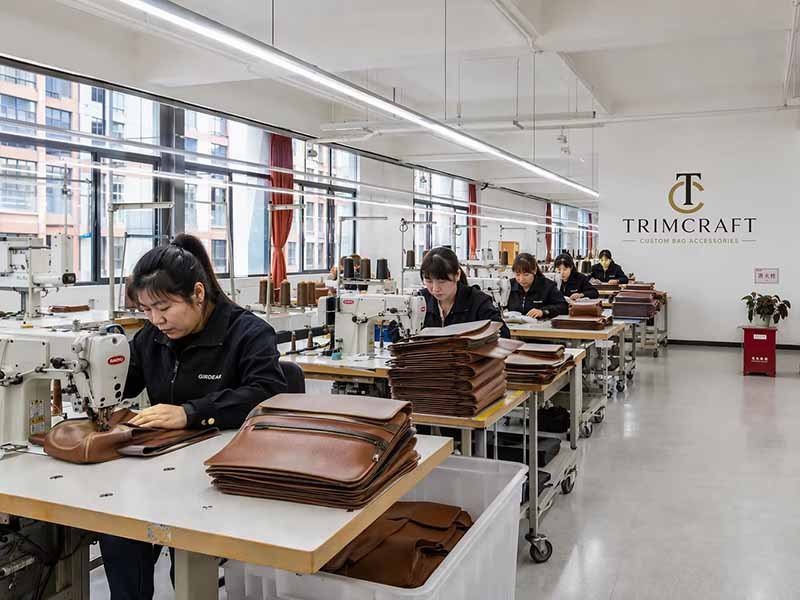
The right manufacturer should have relevant leather-goods experience, structured product development, dependable material sourcing, clear production responsibility, measurable quality standards, and sufficient capacity during the required season. Company size alone does not prove suitability. A specialized manufacturer with disciplined project management can outperform a larger general factory that treats every style as an unrelated order.
Do They Specialize in Leather Goods?
A factory that can sew fabric bags is not automatically qualified to produce refined leather goods. Leather cutting, skiving, folded-edge preparation, edge painting, reinforcement, stitching, adhesive control, and hardware installation require different equipment, operator skills, and quality judgment.
Request products that are technically comparable to the collection you intend to develop. Do not evaluate only attractive showroom samples. Look for similarities in:
- Leather type and thickness
- Product structure
- Edge-finishing method
- Handle and strap construction
- Hardware installation
- Lining complexity
- Logo technique
- Target market position
A supplier experienced in basic PU promotional pouches may not be suitable for a structured top-grain leather handbag with painted edges, wrapped handles, layered gussets, and a custom metal lock. Likewise, a workshop specializing in labor-intensive luxury briefcases may not be commercially suitable for a larger seasonal accessory program.
Ask for close-up photographs or live video showing stitches, edges, corners, handle bases, zipper ends, hardware backs, pocket construction, and internal finishing. These details reveal more about real manufacturing capability than polished front-view product images.
A qualified manufacturer should also explain material limitations honestly. Soft leather may require reinforcement to hold a structured shape. Thick leather can create bulky folded corners. Full-grain leather usually shows more natural variation than heavily corrected leather. Honest discussion of these tradeoffs is a stronger sign of expertise than accepting every request without technical review.
Can They Develop a Product Line?
Developing a seasonal collection requires more coordination than producing several unrelated products. The manufacturer must preserve a common design language across bags, wallets, pouches, belts, and accessories while adapting material thickness, reinforcement, and construction to each product.
A coordinated collection may include a tote, crossbody bag, wallet, card holder, belt, and key holder. These products can share visual elements, but they cannot always share identical technical specifications. Leather that works well on a tote body may be too thick for an internal wallet pocket. A heavy metal lock suitable for a handbag may look oversized on a small pouch.
The development team should coordinate:
- Leather articles and thicknesses
- Color standards
- Hardware plating
- Edge-paint shades
- Thread colors
- Logo sizes
- Strap proportions
- Lining materials
- Labels and barcodes
- Dust bags and packaging
The manufacturer should also identify opportunities for responsible standardization. Using one zipper specification across several products may simplify purchasing and replacement. Using four nearly identical gold finishes increases plating risk and comparison problems without adding clear customer value.
One person should have overall responsibility for the collection calendar. This project coordinator should maintain sample status, revision records, material approvals, unresolved issues, and delivery milestones. When products are managed independently, decisions can conflict. One sample team may use warm gold hardware while another uses pale gold. Each product may look acceptable alone but inconsistent when placed together.
Are They a Factory or Trading Company?
The most useful evaluation focuses on production control and accountability rather than labels alone. Many genuine leather goods manufacturers work with specialist partners for tanning, metal plating, printing, embroidery, packaging, and overflow capacity. The important question is whether product information, approved standards, and quality responsibility remain under controlled management.
Ask where the following activities will take place:
- Pattern making
- Sample development
- Leather cutting
- Skiving
- Edge painting
- Sewing and assembly
- Hardware installation
- Final inspection
- Packaging
Also ask which operations are subcontracted and how external suppliers are managed. A trading company may provide useful sourcing services, but technical feedback often passes through more people. Product changes may move from the customer to an account manager, then to a factory coordinator, and finally to the production workshop. Each handoff creates room for lost information.
A factory-based supplier should normally be able to show its sample room, material area, production process, inspection workflow, and packing area through a physical visit or live video review. If partner factories are used, ask how approved samples, BOMs, color standards, and inspection requirements are distributed and verified.
| Supplier factor | What to verify | Warning sign |
|---|---|---|
| Sampling | In-house patterns and revision records | Samples made by unknown workshops |
| Materials | Traceable supplier and material codes | Frequent unapproved substitution |
| Production | Identified production location | Location changes without notice |
| Quality | In-line and final inspection records | Inspection only after packing |
| Communication | Named project coordinator | Different answers from each contact |
| Subcontracting | Disclosed and controlled partners | Unmanaged low-price outsourcing |
| Accountability | Clear corrective-action process | Supplier blames third parties |
Subcontracting is not automatically a weakness. Uncontrolled subcontracting is the real risk.
Can They Handle Peak-Season Capacity?
Annual production figures do not prove that the factory has enough capacity during the specific weeks your collection must be made. Seasonal programs often overlap before holiday launches, trade shows, spring releases, and autumn retail deliveries.
Leather goods depend on specialist operations. A factory may have many sewing machines but only a limited number of experienced workers for skiving, edge painting, handle wrapping, or complex assembly. These specialist processes can become the actual production bottleneck.
Request a project-specific capacity plan covering:
- Sample-room availability
- Material booking date
- Cutting schedule
- Production-line allocation
- Specialist process capacity
- In-line inspection timing
- Packing schedule
- Final inspection date
- Planned ex-factory date
Ask whether the collection will remain on one line or be divided among several workshops. Dividing production can improve speed, but it increases the need for sealed samples, common work instructions, cross-line comparison, and centralized inspection.
The supplier should explain how it handles overload. Does it add approved lines, arrange overtime, divide products by technical process, prioritize hero items, or propose split shipments? More importantly, how early will it warn the customer that capacity is becoming tight?
A responsible manufacturer will check material lead times and real production availability before confirming a peak-season delivery date. A cautious plan based on available resources is more valuable than an aggressive promise that changes after the deposit is paid.
How Should You Evaluate Materials and MOQ?
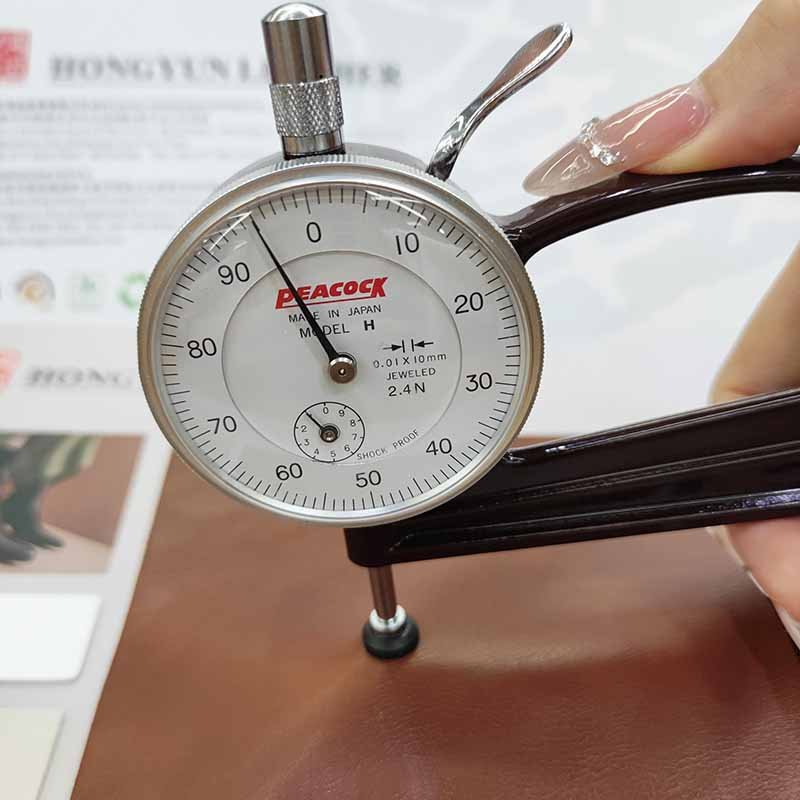
Materials and MOQ should be evaluated together because leather, lining, hardware, logos, labels, and packaging all have separate purchasing limits. A low finished-product MOQ means little when the chosen leather color requires a larger dye lot or the custom lock requires extensive tooling. Ask for component-level information showing quantities, lead times, setup costs, and approved alternatives.
Which Leather Type Fits the Collection?
Leather should be chosen according to product function, desired appearance, construction, expected use, and target price. Selecting the most expensive leather does not automatically create the most suitable product.
Full-grain leather retains more natural surface character and can develop an attractive patina. It also shows more variation, which must match the brand’s expectations. Top-grain and corrected leather can offer greater surface consistency, which is often useful for larger seasonal programs requiring relatively uniform color and grain.
Suede and nubuck create a soft, tactile presentation but require careful handling, packing, and color-transfer evaluation. Smooth coated leather can provide easier cleaning and more consistent appearance, although its surface may age differently.
Different parts of one collection may require different thicknesses:
- Approximately 1.4–2.0 mm for structured exterior panels
- Approximately 1.0–1.4 mm for softer bag bodies
- Approximately 0.8–1.2 mm for wallets and folded details
- Thinner skived edges at seams, corners, and layered sections
These are broad manufacturing references, not fixed standards. The correct thickness depends on leather firmness, reinforcement, product size, folding method, and construction.
Request physical swatches instead of approving materials from digital images alone. Screen settings and studio lighting cannot accurately communicate hand feel, grain depth, stiffness, gloss, or subtle shade differences.
The manufacturer should also explain cutting yield. Natural defects and irregular hide shapes reduce usable area. Products with large clean panels usually require a higher leather grade and create more cutting waste than small leather accessories.
How Are Color and Grain Controlled?
Color control begins with a physical master standard. A Pantone number can guide color development, but the same reference may appear different on leather, lining, thread, metal, and edge paint because each surface reflects light differently.
For natural leather, one approved swatch is often insufficient. A practical approval system may include:
- Master target shade
- Acceptable lighter boundary
- Acceptable darker boundary
- Approved grain examples
- Rejected surface examples
- Retained bulk-lot sample
Visible panels should be shade matched before cutting. The front, back, flap, and gusset of one bag should not look as though they came from unrelated dye lots. Pairs of handles should also appear balanced.
Natural markings should be classified by product area. A small scar may be acceptable inside a pocket but unacceptable on the front panel of a premium handbag. These standards should be defined before production begins.
Ask how the tannery manages custom colors and how many development rounds may be needed. Pale shades, bright seasonal colors, and special gloss levels can require more adjustment than standard brown, black, or navy.
Bulk leather should be checked against the approved range before cutting. When the shade or grain falls outside the agreed standard, the decision should be made before hundreds of components have already been produced.
What Determines MOQ?
MOQ is controlled by the least flexible part of the supply chain. The bag factory may accept a smaller finished-product order, but customized materials and components can create much higher requirements.
| Component | Common MOQ pressure | Practical lower-risk option |
|---|---|---|
| Stock leather color | Relatively flexible | Use available tannery shade |
| Custom leather color | Dye-lot minimum | Combine several SKUs |
| Standard hardware | Lower setup requirement | Select existing shape and finish |
| Custom buckle or lock | Mold and plating minimum | Modify a standard component |
| Custom zipper puller | Tooling and unit minimum | Add a branded leather pull |
| Printed lining | Fabric-printing minimum | Use solid lining with woven label |
| Custom edge paint | Approval and small-batch setup | Match an existing color |
| Gift box | Higher packaging MOQ | Use a branded mailer or dust bag |
A useful quotation should separate finished-product MOQ from supplier-level minimums. Different colors may each require separate quantities. Five hundred units divided across five leather colors can be more difficult than five hundred units in one color.
Ask whether components can be shared across styles. Combining leather consumption from several products can make a custom dye lot more practical. Sharing one buckle, zipper, label, or packaging specification can also reduce cost and sourcing risk.
Do not accept an unusually low MOQ without understanding what technical changes make it possible. The quotation may depend on replacing the specified leather, using lighter hardware, changing the lining, or simplifying packaging. Every adjustment should appear in the written specification and approved sample.
Are Components Available on Time?
A seasonal collection can be delayed by one small component even when leather and sewing capacity are ready. Custom locks, zipper pullers, buckles, rivets, magnets, and printed packaging often require more development time than expected.
Create a component register that records:
- Item description
- Supplier
- Material or finish
- MOQ
- Sample lead time
- Bulk lead time
- Approval status
- Required ordering date
- Backup option
Separate components into available standard parts, custom low-risk parts, long-lead critical items, and components without approved substitutes.
Custom metal components may require drawing approval, mold development, first samples, plating confirmation, and bulk production. Even standard hardware can become unavailable in an exact finish during a busy season.
Ask whether hardware plating will be completed in one batch. Components described as “light gold” may appear noticeably different when produced by separate suppliers or at different times.
Packaging should receive the same level of attention. A rigid gift box may have a higher MOQ and longer lead time than the leather product itself. It can also increase shipping volume and freight cost.
The sourcing plan should identify the latest date each critical component can be approved without affecting the collection launch. After that point, the brand may need to select an available alternative rather than wait for the original component.
How Do You Test Sampling and Development?
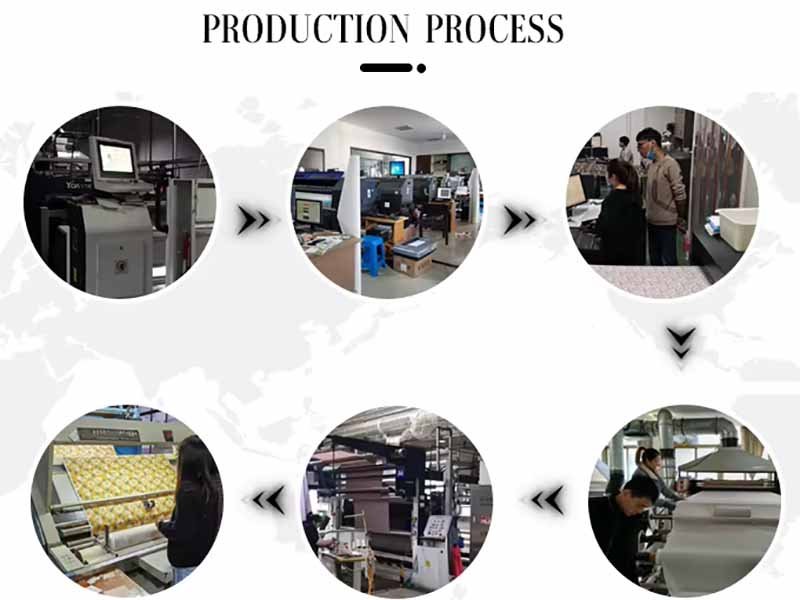
Sampling should prove that the manufacturer can turn a creative concept into a repeatable production standard. The sample must confirm materials, measurements, construction, branding, workmanship, packaging, cost, and manufacturability. An attractive prototype is not enough when it relies on manual corrections that cannot be reproduced consistently during bulk production.
What Should You Send the Factory?
A useful development package should explain both what the product is and how it will be sold. A technical drawing without commercial context can produce an item that is manufacturable but unsuitable for the target market.
Provide as many of the following materials as possible:
- Product drawings or reference images
- Tech pack
- Measurement chart
- Bill of materials
- Leather requirements
- Physical color references
- Hardware finish
- Logo artwork
- Packaging requirements
- Testing requirements
- Order quantity
- Target cost
- Destination country
- Required delivery date
State the non-negotiable functions clearly. A bag may need to fit a specific laptop, carry a defined load, comply with retailer carton standards, or match an established brand color. These requirements affect material, reinforcement, dimensions, and testing.
Physical reference products are useful, but explain which details matter. You may prefer the closure of one sample, the proportions of another, and the leather feel of a third. Without clear direction, the sample maker must guess which features should be combined.
A professional manufacturer should respond with technical questions before producing a final quotation. Questions about leather thickness, reinforcement, hardware weight, edge finishing, pocket use, construction, and packaging indicate that the project has received a real technical review.
The first quotation should remain provisional when critical specifications are still unknown. Costing becomes more reliable after the materials, structure, branding, and packaging are confirmed.
How Many Sample Rounds Are Needed?
The number of sample rounds depends on product complexity and development risk. A mature design made from standard materials may need one or two rounds. A new collection involving custom leather, exclusive hardware, coordinated packaging, and several product structures may require more controlled approvals.
| Sample stage | Primary purpose | Typical decision |
|---|---|---|
| Development sample | Test shape and construction | Revise structure |
| Revision sample | Confirm corrections | Approve or adjust |
| Material or color sample | Approve leather and finish | Confirm bulk material |
| Sales sample | Support showroom or photography | Approve appearance |
| Pre-production sample | Confirm bulk materials and method | Authorize production |
| Sealed sample | Establish final QC standard | Use during inspection |
Not every adjustment requires a complete new product. Logo size may be checked through a strike-off. Hardware finish can be approved from a plated component. Pocket construction may be reviewed through a partial mock-up.
Complex products should not enter production based only on renderings and loose materials. A physical pre-production sample is particularly important when early development used substitute leather or non-bulk components.
Every sample should receive a clear status: approved, approved with written comments, revision required, or rejected. Informal comments such as “almost correct” or “looks fine” are too vague for production authorization.
Is the Sample Production-Ready?
Sample technicians are often highly skilled and may manually correct difficult areas. They can stretch leather around a corner, repaint an edge several times, or adjust hardware by eye. These techniques may produce one excellent prototype but become inconsistent across a large order.
Before approval, ask whether:
- Patterns include clear notches and seam allowances
- Leather thickness works at folded areas
- Skiving instructions are repeatable
- Hardware positions can be measured
- Reinforcement is documented
- Edge painting can be completed consistently
- Stitching uses normal production equipment
- The structure remains within target cost
- The product can be packed without deformation
Pay particular attention to handle bases, folded corners, zipper ends, gusset curves, layered seams, and metal-lock positions. These areas often create bulk-production defects when the original sample depends on excessive manual adjustment.
A production-ready sample should use the intended manufacturing method. If the prototype uses hand stitching while bulk production will use machine stitching, the final method should be tested before approval.
The factory should conduct a production-feasibility review. Small pattern or reinforcement changes can reduce defects without visibly changing the design. A minor dimensional adjustment may improve edge alignment, zipper installation, or corner folding.
Packaging also needs validation. Soft leather may crease when packed too tightly. Polished hardware may scratch without protective film. Structured bags may require tissue, shaping inserts, or stuffing to maintain appearance during shipping.
How Are Revisions Recorded?
Revision control prevents outdated instructions from entering production. Every sample round should have a numbered comment sheet, updated measurements, dated photographs, and confirmed material references.
Replace subjective instructions with measurable actions. Instead of writing, “Make the strap stronger,” explain whether the change requires thicker reinforcement, wider stitching, additional rivets, a different leather thickness, or a revised attachment pattern.
The manufacturer should update:
- Tech pack version
- Pattern version
- Measurement chart
- Bill of materials
- Leather code
- Hardware code
- Edge-paint color
- Logo artwork
- Packaging files
- Costing
- Approval status
Collection-wide changes need special attention. If the hardware finish changes on one bag, confirm whether it also changes on the wallet, belt, and key holder.
Use one master decision log to record what changed, why it changed, who approved it, and when the change became effective. This becomes particularly important when several departments or international offices are involved.
At final approval, create a sealed reference package containing the approved product, leather swatches, hardware samples, color standards, packaging, signed specification, and measurement sheet. One set should remain with the manufacturer, while another should remain with the brand or inspection team.
How Is Bulk Quality Controlled?
Bulk quality is controlled by translating the approved sample into measurable production standards and checking those standards throughout manufacturing. Inspection should cover leather, components, cutting, assembly, workmanship, function, and packaging. Final inspection alone cannot correct leather cut from defective areas or reinforcement omitted inside completed seams.
Is There a Pre-Production Sample?
A pre-production sample should be made from the materials intended for bulk production. It confirms that the approved design remains correct after the factory receives the actual leather, lining, hardware, thread, reinforcement, logo, and packaging.
The pre-production review should verify:
- Leather shade and thickness
- Surface and grain
- Hardware finish
- Stitch type and density
- Edge-paint quality
- Product measurements
- Reinforcement
- Logo placement
- Lining and pocket layout
- Packaging method
- Labels and barcodes
A development sample produced from substitute leather should not automatically authorize production. Materials with the same stated thickness can behave differently during skiving, folding, stitching, gluing, and edge painting.
The approved pre-production sample becomes the main physical reference for production supervisors and inspectors. It should remain available together with the current bill of materials, measurement chart, and workmanship requirements.
If a problem appears at this stage, production should pause until it is resolved. Correcting one sample may cost several days, but producing hundreds of incorrect products creates a much larger delay and financial loss.
Some factories rush into cutting because materials and workers are available. That decision is only safe when the bulk material has been checked and the pre-production standard is confirmed.
Which Leather Defects Are Controlled?
Leather should be inspected before cutting. Once a scar, loose-grain area, or shade difference is placed on a visible panel, it cannot be removed without replacing the component.
Common leather concerns include:
- Scars and holes
- Loose grain
- Deep wrinkles
- Shade variation
- Uneven embossing
- Surface cracking
- Oil or water marks
- Thickness inconsistency
- Excessive stretch
- Color transfer
- Finish inconsistency
Acceptance depends on leather type and product position. Natural markings may be suitable for a character-rich, minimally corrected collection. The same markings may be unacceptable for a polished and uniform retail program.
The factory should classify product areas. Front panels, flaps, and paired handles normally require cleaner and more consistent leather. Hidden internal parts may allow a wider range of natural variation.
Cutters should also consider grain direction and stretch. Two components cut from different areas of one hide may behave differently during assembly.
Pilot cutting can reveal whether the expected leather yield is realistic. Large, clean panels generally create more waste than small leather accessories. If the real yield is lower than estimated, the factory should not compensate by using visibly defective areas without customer approval.
Retaining a cutting from the bulk material lot provides a useful reference if questions later arise about shade, surface, or color transfer.
Which Workmanship Details Are Checked?
Leather-goods quality is often judged through small visible details. General requirements such as “good workmanship” are not precise enough to control production.
Inspection standards should define:
- Stitch straightness
- Stitch density
- Thread tension
- Backstitching
- Edge-paint coverage
- Folded-edge width
- Corner symmetry
- Handle alignment
- Strap length
- Hardware position
- Zipper operation
- Logo placement
- Lining cleanliness
- Adhesive marks
- Product dimensions
Many leather constructions use approximately 6–10 stitches per inch, but there is no universal correct number. Leather thickness, thread, needle, seam design, and appearance determine the most suitable density.
Edge painting often involves sanding, base coating, drying, additional coating, and final finishing. Inspect cracking, bubbles, overflow, uneven thickness, poor adhesion, and inconsistent gloss, particularly around curves and layered corners.
Functional checks should match intended use. Zippers should operate smoothly, magnetic closures should align, strap adjusters should hold, and load-bearing attachment points should remain secure.
Approved photographs of acceptable and rejected workmanship help production teams and inspectors make more consistent decisions than written descriptions alone.
How Is Sample-to-Bulk Consistency Maintained?
The production team needs more than one approved sample. It needs a complete control package containing current patterns, specifications, BOMs, color standards, measurements, component samples, and work instructions.
A practical quality process includes:
- Incoming material inspection
- Cutting and panel matching
- First-piece approval
- In-line inspection
- Semi-finished review
- Final product inspection
- Packaging inspection
The first several production pieces should be checked before the line reaches full speed. Early inspection can identify incorrect edge preparation, misplaced hardware, missing reinforcement, or measurement drift while correction is still manageable.
When production is divided across several lines or controlled partner workshops, each location should use matching sealed samples and current specifications. The lead manufacturer should compare output from different lines to prevent visible differences.
Unapproved substitution is a major source of inconsistency. When a zipper, reinforcement, adhesive, or metal component becomes unavailable, the replacement should be tested and authorized before use.
Many international customers apply sampling plans such as AQL 2.5 for major defects and AQL 4.0 for minor defects. The correct standard depends on product value, retailer requirements, safety risk, and contractual expectations.
The objective is not to make every natural leather item look mechanically identical. It is to keep variation, workmanship, measurements, function, branding, and packaging within the agreed standard.
How Do You Verify Delivery Reliability?
Delivery reliability is verified through a dated production plan, confirmed material orders, reserved capacity, visible milestones, early-warning procedures, inspection readiness, and realistic shipping buffers. A general promise such as “45-day delivery” is insufficient. You need to know when the countdown begins, which approvals are required, and which operations control the critical path.
Is the Timeline Built Backward?
The schedule should begin with the required warehouse arrival date and move backward through customs, transportation, packing, inspection, production, material purchasing, and sample approval.
A useful seasonal schedule includes:
- Required warehouse arrival
- Customs and local delivery
- Freight departure
- Final inspection
- Packing completion
- Production completion
- Production start
- Pre-production approval
- Material arrival
- Material order
- Sample approval
Clarify when the manufacturer’s production lead time officially begins. Some suppliers count from purchase-order confirmation, while others count only after receiving the deposit, approved sample, final artwork, and all material approvals.
The customer’s responsibilities should also appear on the timeline. Late comments, artwork, barcodes, payment, or color confirmation can move the project as much as factory delays.
Use milestone updates rather than asking only whether the order is “on schedule.” Useful checkpoints include material received, cutting started, first piece approved, production 30% complete, production 60% complete, packing started, and final inspection booked.
Shipping time should include more than the carrier’s stated transit. Add time for booking, export documents, customs, terminal handling, and local delivery.
Split shipments can protect a seasonal launch. Photography samples or first-launch quantities may move by air while the balance moves by sea, provided the cost and allocation plan are agreed before production ends.
How Is Capacity Reserved?
Capacity should be supported by a production plan rather than an informal sales promise. Sales staff may believe a delivery date is available, but the production manager must confirm access to the required equipment, workers, and specialist processes.
Ask when the factory will reserve:
- Cutting
- Skiving
- Edge painting
- Sewing
- Hardware installation
- Assembly
- Inspection
- Packing
The slowest specialist operation often controls the schedule. A factory with many sewing machines may still have limited capacity for painted edges, wrapped handles, or structured leather assembly.
Confirm whether the collection will run continuously or stop between styles. Continuous production generally supports better consistency. Frequent changes between leather colors, hardware finishes, and structures increase setup time and error risk.
Ask whether any products will be allocated to partner workshops. If so, request the style allocation and quality-control plan. Production should not move to an unapproved location without customer knowledge.
Factory evidence can help verify capacity. A live video review, sample-room workload, production schedule, and current line activity are more useful than one broad annual output figure.
A responsible supplier may reject an unrealistic peak-season deadline. That decision can be inconvenient, but it is safer than accepting the order and announcing a delay after materials have been purchased.
What Happens If Materials Are Delayed?
Critical materials should be tracked from quotation through factory receipt. The manufacturer should identify long-lead components before the purchase order is finalized.
For each important material or component, record:
- Supplier confirmation
- MOQ
- Sample lead time
- Bulk lead time
- Required approval date
- Bulk order date
- Expected arrival
- Backup option
- Latest substitution date
A simple red, amber, and green status system can make risk visible. Available components may be green. Custom-dyed leather awaiting approval may be amber. An exclusive lock without completed tooling may be red.
Alternatives should be considered before an emergency occurs. The team may approve a second leather article, standard buckle, simpler packaging method, or substitute lining during the development stage.
Each alternative has commercial and technical consequences. Different leather may change hand feel and price. Standard hardware may alter the design. Simpler packaging may reduce freight volume. The customer should understand and approve each tradeoff.
Early communication preserves options. A material delay reported several weeks before production may allow a practical decision. The same issue reported shortly before shipment may leave only air freight, partial delivery, or a missed launch.
A reliable manufacturer does not simply report a delay. It provides alternative solutions, cost implications, and revised delivery dates.
Can They Support Reorders?
A successful seasonal collection may require rapid replenishment. Reorder speed depends on whether patterns, specifications, materials, components, color standards, and packaging records have been properly retained.
The manufacturer should archive:
- Final patterns
- Measurement charts
- Approved BOM
- Leather codes
- Color standards
- Hardware specifications
- Logo artwork
- Molds and tooling
- Packaging files
- QC requirements
- Carton specifications
- Approved samples
Ask how long the selected leather and components will remain available. Custom colors may require a new dye lot, and the new lot should be approved against the original standard. Metal plating can also differ between production batches.
Discuss replenishment before the first order ships. The factory may reserve additional leather, purchase extra hardware, retain labels, or prepare packaging inventory. These measures require planning and sometimes financial commitment, but they can shorten reorder time.
The original production schedule should also allow appropriate time for final inspection, edge-paint drying, adhesive setting, packing, and shipment preparation. Leather goods should not be rushed directly from assembly into cartons simply to recover an earlier delay.
A dependable manufacturing partner should support both the initial launch and the product’s commercial life afterward. The real value of a seasonal supplier is not only delivering the first order. It is preserving enough technical and supply-chain control to repeat successful products without beginning development again from zero.
Choosing a leather goods manufacturer for seasonal collections ultimately means selecting the company that will protect your launch date, design intent, product quality, and commercial reputation when dozens of small decisions begin interacting. The strongest partner asks difficult questions early, documents every approval, explains sourcing limitations clearly, and shows how the approved sample will become consistent bulk production.
Szoneier is a Shenzhen-based factory-led OEM/ODM manufacturer supporting custom leather goods and coordinated soft-goods collections from material selection and pattern development through sampling, production, multi-stage inspection, branded packaging, and international delivery. MOQ can start from 200 pieces for selected standard projects, while leather type, custom color, hardware, packaging, and SKU distribution are evaluated individually.
To evaluate a new seasonal collection, send your tech pack, reference sample, product images, material direction, color plan, quantity breakdown, packaging requirements, destination country, and required warehouse date to info@szoneier.com or WhatsApp (+86) 13423847456. The Szoneier team can review the project and provide a development, MOQ, sampling, production, and delivery assessment based on the actual collection requirements.