A leather corporate gift may appear simple when it is placed on an executive’s desk, handed to a long-term client, or included in an employee welcome package. Behind that finished wallet, passport holder, notebook cover, luggage tag, card case, pouch, or business gift set, however, sits a complicated production chain involving leather selection, pattern development, logo application, edge finishing, packaging, inspection, and international delivery. A weak decision at any stage can turn a well-funded gift program into a highly visible brand problem.
Choosing a leather goods factory for corporate gifts requires evaluating its manufacturing identity, leather knowledge, sample-development process, branding capabilities, quality-control system, packaging support, production capacity, and ability to meet a fixed delivery date. The right factory should provide verifiable evidence at each stage rather than relying on broad promises about premium quality, factory prices, or years of experience.
The real test is not whether a supplier can make one attractive sample. It is whether the same supplier can reproduce that sample across hundreds or thousands of gifts without unexpected changes in leather color, grain, logo position, stitching, hardware, dimensions, or packaging. One procurement manager discovered this only after receiving 2,000 wallets with uneven foil logos days before an annual conference. The products arrived, but the confidence in the supplier did not. The following sections explain how to avoid that outcome before a purchase order is signed.
What Should a Corporate Gift Factory Provide?
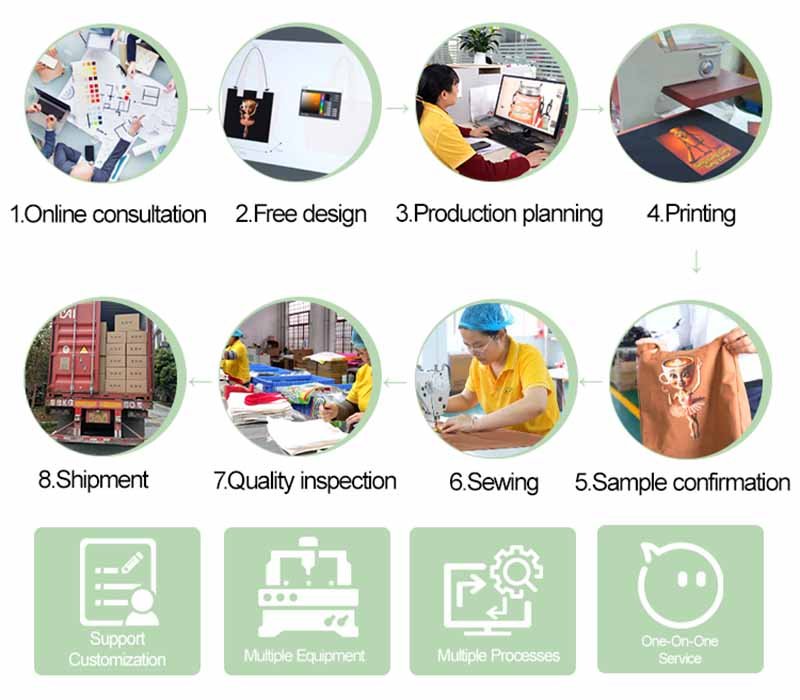
A qualified corporate gift factory should control product development, leather sourcing, pattern making, sampling, branding, production, inspection, packaging, and shipment coordination. It should also provide evidence of relevant leather-goods experience, clear project ownership, realistic capacity, and dependable quality procedures. The best manufacturing partner is not merely capable of making one sample; it can consistently reproduce the approved standard throughout the complete order.
Relevant Product Experience
Begin by confirming that the factory has produced leather goods with a construction level similar to the intended corporate gift. Experience with a flat leather keychain does not automatically qualify a supplier to make a structured document case, zip wallet, notebook organizer, business bag, or multi-piece executive gift set. Each product category requires different pattern-making, skiving, reinforcement, stitching, edge-finishing, hardware, and assembly knowledge.
Ask to review physical samples or detailed project photographs of comparable products. Focus on construction rather than only surface appearance. A useful reference sample should have a similar leather thickness, closure system, internal layout, edge treatment, branding method, and packaging format. The factory should also be able to explain the approximate production quantity, target market, technical difficulties, and inspection requirements behind the sample.
A capable leather corporate gift manufacturer may support card holders, wallets, passport covers, luggage tags, key cases, notebook covers, document folders, desk accessories, toiletry bags, business bags, and coordinated gift sets. Product breadth becomes important when a company plans a continuing gift program. A project may begin with a card holder and later expand into a matching passport cover, luggage tag, travel pouch, and executive business set.
Do not rely entirely on an online gallery. Some suppliers display products they have purchased, traded, sourced, or photographed without controlling the actual manufacturing. A genuine factory should be able to discuss material specifications, pattern construction, production order, branding settings, defect risks, and manufacturing limitations in practical language. The ability to explain how a product is made is often more valuable than showing dozens of polished photographs.
Factory Control
The phrase “factory direct” appears on many websites, but it does not always mean that the company controls sampling or production. Buyers should identify which operations are completed internally and which are handled by approved external specialists. It is normal for a leather goods manufacturer to use specialist partners for custom metal hardware, electroplating, printing, or rigid-box production. The risk appears when no single project team controls the final standards.
Ask who prepares the pattern, who sources the leather, who produces the first sample, who manages logo tooling, who inspects production, and who approves shipment. One accountable project manager should coordinate product development, materials, branding, production, packaging, and delivery. When several independent suppliers communicate separately, specifications are more likely to be misunderstood or changed without proper approval.
A practical factory review should cover the sample room, material storage, cutting department, sewing or assembly area, edge-finishing process, quality-control station, packaging area, and finished-goods warehouse. Buyers should look for material identification, separated approved and rejected goods, accessible specification sheets, calibrated measuring tools, inspection records, and traceable order numbers.
Factory size matters less than whether its resources match the project. A very large manufacturer may not be efficient for a highly detailed order of several hundred personalized gifts, while a small workshop may lack the capacity, documentation, or export management needed for a multi-thousand-piece program. The goal is to confirm that the supplier has sufficient technical knowledge, management control, and production resources for the actual order.
Szoneier operates as a factory-based custom bags, leather goods, and soft goods manufacturer rather than a trading-only intermediary. Its documented system includes in-house sampling, material coordination, sewing-production management, quality inspection, packaging, export delivery, and a controlled network of specialized partner factories.
Corporate Gift Capability
Corporate gift manufacturing creates pressures that are not always present in ordinary retail production. The delivery may be linked to a conference, company anniversary, product launch, employee onboarding date, seasonal campaign, distributor meeting, or executive recognition program. A retail product delivered late may still be sold later, but a gift arriving after an annual event may have lost most of its commercial purpose.
A suitable factory should understand that the project includes more than the leather product. The complete order may involve a debossed logo, personal initials, custom lining, metal accessories, gift boxes, dust bags, tissue paper, care cards, thank-you cards, recipient labels, barcodes, carton marks, and multi-address shipping requirements. Each component has its own production lead time and potential quality risks.
Ask whether the factory has experience coordinating connected components made by different processes. Leather goods, plated logos, printed cards, and rigid boxes may come from separate production departments or specialist facilities. The main manufacturer should plan them as one project and identify which component is most likely to affect the delivery schedule.
Corporate branding also requires discipline. Logo size, color, clear space, placement, and metallic finish may be controlled by formal brand guidelines. An experienced factory will request vector artwork, Pantone references, measurable placement instructions, and physical logo approval instead of making assumptions from screenshots or compressed image files.
Service Evidence
A dependable factory should support its claims with evidence that can be verified before an order is placed. Evidence may include comparable product samples, material specifications, sample-development files, production schedules, inspection checklists, packaging drawings, factory videos, and anonymized project examples. Confidential client names are not required for a manufacturer to demonstrate professional project management.
One useful test is to ask the supplier to identify the three greatest risks in the proposed project. An experienced manufacturer may mention leather-batch variation, unsuitable logo methods, incomplete personalization files, delayed packaging, unrealistic dimensional tolerances, or insufficient transport buffers. A supplier that claims every requirement is simple may not have examined the project closely enough.
Request a written project summary after technical discussions. It should confirm the product, dimensions, materials, colors, branding, hardware, packaging, quantity, sample plan, inspection level, and target delivery date. Written confirmation reduces the chance that information is lost when the project moves from sales to development, purchasing, production, quality control, and logistics.
| Evidence to Request | What It Helps Verify | Warning Sign |
|---|---|---|
| Comparable physical samples | Relevant construction experience | Only unrelated products are available |
| Material specifications | Leather type, thickness, and finish | Vague descriptions such as “premium leather” |
| Sample revision records | Development and approval control | Changes are communicated only verbally |
| Live factory video | Real production and facility control | Only edited promotional videos are provided |
| Quality checklist | Inspection responsibility and standards | Quality is described only as guaranteed |
| Packaging specification | Presentation and shipping readiness | Packaging is discussed after production starts |
| Production schedule | Capacity and delivery planning | Only one final completion date is given |
| Export documentation | International delivery experience | Shipping responsibilities remain unclear |
Which Leather and Materials Should You Choose?
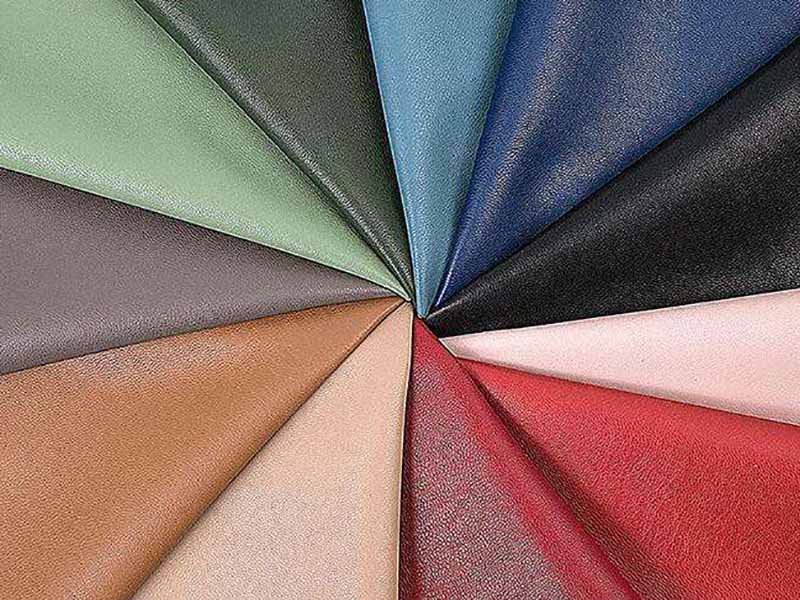
Leather should be selected according to the recipient, product structure, expected service life, order quantity, logo process, appearance consistency, budget, and destination-market requirements. Full-grain leather offers natural character, while selected top-grain leather often provides greater uniformity for larger programs. Quality PU and other alternatives can also be appropriate when predictable color, easy maintenance, or cost control matters more than natural aging.
Leather Type
There is no single leather grade that is correct for every corporate gift. Full-grain leather retains more of the natural surface and can develop an attractive patina over time. It is often selected for executive gifts, premium client programs, and smaller high-value orders where natural character is part of the intended product experience. Its visible grain, pores, and natural markings, however, require careful grading and realistic expectations.
Top-grain leather is often selected when buyers want a genuine leather feel with a more controlled appearance. The surface may be lightly corrected or finished to improve color and texture consistency. It is a practical option for wallets, card cases, notebook covers, travel organizers, and other products made in medium or large quantities.
Corrected leather provides greater surface uniformity and may be easier to match across a large program. The trade-off is that heavier finishing can reduce natural character. Split leather may offer a lower cost, but its coating, backing strength, flex resistance, and edge performance should be reviewed carefully before approval.
PU leather can be suitable for high-volume employee gifts, conferences, promotional campaigns, or projects requiring exact corporate colors. High-quality PU can provide consistent appearance, easy maintenance, and broad surface options. It should still be described honestly because it does not develop a natural patina and its durability depends on the base fabric, coating formulation, thickness, and intended use.
The material specification should identify more than “genuine leather” or “synthetic leather.” It should state the leather layer or material construction, thickness range, surface finish, backing, color process, and relevant performance expectations.
Product Structure
Material should be selected together with the product structure. A thin card holder, flexible notebook cover, structured briefcase, and soft travel pouch cannot use the same leather specification without adjustment. A material that looks attractive as a flat swatch may fold, stitch, or hold its shape poorly when converted into a finished product.
Small leather goods often combine different leather thicknesses within one item. A visible outer panel may use leather around 1.0 to 1.4 millimeters, while folded pockets may be skived thinner to reduce bulk. These figures are general industry references rather than fixed standards. The correct thickness depends on leather firmness, number of layers, reinforcement, lining, edge method, and intended product profile.
A soft pouch may require flexible leather that turns cleanly during sewing. A document case or business bag may need firmer leather, internal boards, foam, nonwoven reinforcement, or a supporting lining to retain its shape. Choosing very thick leather is not automatically an upgrade. Excessive thickness can create bulky folds, uneven corners, unnecessary weight, and poor stitching accuracy.
Hardware also influences the material specification. Heavy locks, handles, D-rings, or shoulder-strap attachments require reinforcement behind the leather. Magnetic closures must be positioned carefully so that they do not leave visible impressions on the outer panel. Zippers should match the curve, stiffness, and thickness of the surrounding structure.
Before approving a material, the factory should make a construction sample. A leather swatch can show color, grain, and hand feel, but only a finished sample reveals whether the material folds, stitches, edges, supports hardware, and maintains its intended form.
Surface and Performance
Corporate gifts are handled repeatedly and often observed at close range. Buyers should evaluate not only the first impression but also likely performance during daily use, storage, transport, and distribution. Important considerations include color consistency, abrasion resistance, scratch sensitivity, flex performance, coating adhesion, color transfer, odor, moisture response, and edge-paint compatibility.
Natural leather varies between hides. Even when color is controlled, grain depth and visible markings may differ. Buyers should agree on an acceptable appearance range before cutting begins. For larger orders, the factory should reserve enough material from a controlled batch and sort visible panels according to agreed standards.
Dark or strongly dyed leather should be checked for color transfer, especially when it will contact light linings, tissue paper, clothing, or packaging inserts. Flexible areas such as wallet folds, handles, and straps should be bent repeatedly during sample evaluation. Edge paint should be tested on the actual leather because adhesion can vary according to surface oils, coatings, preparation methods, and curing conditions.
Odor is another practical issue. Leather, adhesives, edge paint, foam, printing inks, and enclosed cartons can all contribute to smell. Finished goods should receive sufficient drying, curing, and ventilation before being packed into sealed boxes or polybags. A product that looks premium but releases a strong chemical odor when opened can damage the entire gift experience.
Recipient and Use
Material decisions should reflect the recipient and occasion rather than following a rigid quality hierarchy. Senior executives and long-term clients may appreciate full-grain or selected top-grain leather with understated branding, refined stitching, and carefully finished edges. Large employee programs may benefit more from durable, visually consistent materials that can be reordered reliably over several years.
Conference gifts often need to be lightweight, easy to transport, easy to distribute, and visibly branded. Travel gifts should resist repeated handling and fit real passports, tickets, devices, or documents. Desk accessories may prioritize shape retention and appearance. Employee onboarding products should be useful, replaceable, and available for future hires.
Geography and corporate policy may also influence material selection. Some organizations require animal-free products, recycled content, responsible sourcing, or restricted-substance documentation. Environmental claims should be precise and supported. Broad terms such as “eco-friendly” or “sustainable” should not be used without information about material composition, certification, source, or recycled percentage.
A practical sourcing method is to request three material proposals: premium, balanced, and cost-controlled. Each option should explain the material, likely appearance, expected performance, logo compatibility, MOQ effect, and approximate cost difference. This enables internal decision-makers to compare real trade-offs rather than choosing materials based only on names.
| Material | Common Thickness Reference | Main Advantage | Main Limitation | Typical Gift Use |
|---|---|---|---|---|
| Full-grain leather | 0.9–1.8 mm, product-dependent | Natural character and aging | Greater grain variation | Executive and VIP gifts |
| Top-grain leather | 0.8–1.6 mm, product-dependent | Balanced quality and consistency | Less natural surface variation | Wallets, organizers, travel gifts |
| Corrected leather | 0.8–1.6 mm, product-dependent | Uniform appearance | Heavier surface finishing | Large branded gift programs |
| Split leather | 0.8–1.5 mm, product-dependent | Lower genuine-leather cost | Coating performance varies | Cost-controlled leather products |
| PU leather | 0.6–1.4 mm, construction-dependent | Color consistency and flexibility | Does not age like natural leather | Events and employee gifts |
| Recycled alternative | Supplier-specific | Supports selected sustainability goals | Claims require verification | ESG-oriented corporate campaigns |
How Should You Evaluate Customization?
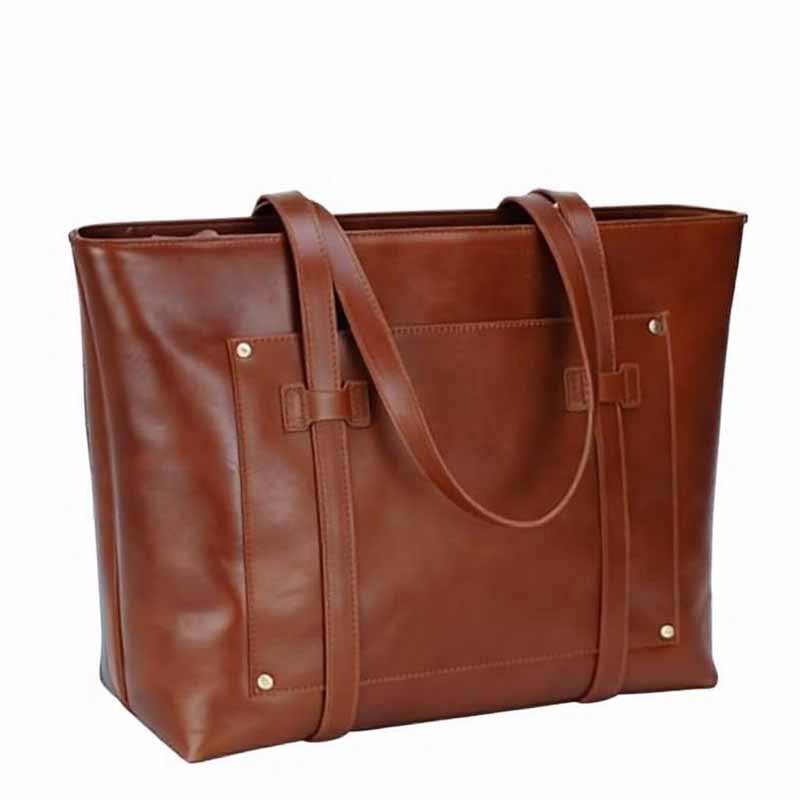
Customization should be evaluated by testing the proposed process on the actual production material, documenting measurable branding standards, confirming personalization controls, and approving the complete packaging system. A factory should explain the strengths and limitations of each logo method. Customization becomes reliable only when artwork, placement, settings, recipient data, packaging, and inspection criteria are confirmed before bulk production.
Logo Method
Blind debossing is widely used on leather corporate gifts because it creates a subtle and permanent impression without adding another color. Its quality depends on leather grain, firmness, thickness, moisture, temperature, pressure, tooling depth, and contact time. A deeper mark is not automatically better. Excessive pressure can deform thin pockets, create unwanted shine, or leave visible impressions on the reverse side.
Foil stamping creates stronger visibility and may use gold, silver, black, white, or selected brand colors. It should be tested for adhesion, edge clarity, surface compatibility, and resistance to rubbing. Fine lettering may not reproduce clearly on deep-grain leather, while large solid areas may show uneven pressure or foil transfer.
Laser engraving can reproduce detailed artwork and variable information, but its effect differs across natural leather, corrected leather, coated leather, and PU. The process may darken the surface, expose a lower layer, produce odor, or create varying color across natural grain. A physical trial is essential before final approval.
Metal logos create a premium appearance but introduce additional requirements, including mold charges, plating references, attachment methods, scratch protection, weight, and finish consistency. Screen printing can work on selected coated surfaces but requires adhesion and abrasion testing.
The safest approach is to produce several branding trials on the actual production material. Compare size, position, depth, color, visibility, and surface effect under normal lighting. Record the approved artwork version, dimensions, edge distances, foil code, tooling reference, and application process.
Placement and Tolerance
Logo placement should be defined with measurements rather than phrases such as “centered,” “near the bottom,” or “similar to the sample.” A difference of only a few millimeters can be visually important on a small card holder, luggage tag, or notebook cover.
The specification should state the logo width, height, distance from nearby edges, orientation, and permitted positional tolerance. Smaller leather goods usually require tighter visual control than large soft bags. The final tolerance should reflect product dimensions, leather behavior, branding method, tooling, and production process.
Placement should also consider product use. A logo near a wallet fold may distort over time. A metal badge may press against cards or create an uncomfortable hard point. Foil positioned too close to an edge can be damaged during folding, stitching, sanding, or edge painting. A luggage-tag logo must remain visible after the strap is installed.
Ask the factory to provide a paper placement template or digital overlay before logo tooling is finalized. The final sample should be measured and photographed. During production, operators and inspectors should use the same physical reference rather than relying only on visual judgment.
Logo consistency should be assessed across several trial pieces, not only one sample. A short trial run can reveal variation in pressure, heat, alignment, foil transfer, or leather response that a single successful piece may conceal.
Personalization
Individual names, initials, employee numbers, departments, office locations, or serial codes can increase the perceived value of a corporate gift, but they also convert a standard order into a data-management project. The production team must control both the product and the accuracy of every unique record.
Begin with a locked personalization file. Define the exact spelling, capitalization, punctuation, permitted characters, font, size, position, and line-break rules. Special characters, long names, non-Latin languages, and duplicate entries should be identified before production starts. The buyer should approve visual examples for short, average, and unusually long names.
The factory must then control matching. A personalized product may need to be paired with a specific box, card, label, office, department, or shipping address. Numbered trays, barcode labels, controlled batches, and two-person verification are common methods used to reduce errors. Buyers should ask the factory to explain its process rather than assuming that personalization will be handled accurately through manual checking alone.
Replacement planning is also important. Standard products can be replaced from extra stock, but a product with an individual name must be remade. Buyers may order spare blank units and agree on the procedure, cost, and lead time for personalized replacements.
Personalization often extends the schedule because products can no longer move through branding and packaging as one identical batch. The impact depends on the method, number of unique records, quantity, language, and matching complexity.
Gift Packaging
Packaging should be developed early because it affects presentation, product dimensions, MOQ, production time, freight volume, and damage risk. A premium leather product inside an oversized, weak, or poorly fitted box can feel less valuable than a simpler product presented with care.
Rigid magnetic boxes provide a high-end unboxing experience but usually cost more, require longer development, and increase volumetric freight. Folding cartons are more space-efficient and may be more appropriate for large employee or conference programs. Dust bags, tissue paper, sleeves, insert cards, ribbons, and molded or paperboard inserts can be combined according to the intended experience.
The insert should hold the product securely without marking the leather. Metal parts should not rub against visible surfaces. Dark leather may require tissue, a dust bag, or a protective separator. Packaging inks, adhesives, and foam should receive adequate curing time before the leather item is enclosed.
Ask for a blank structural sample before printing. After the structure and fit are approved, review a printed prototype with the final product inside. Check opening force, box alignment, print color, logo placement, insert fit, product protection, and carton efficiency.
Outer shipping packaging is equally important. Gift boxes may need dividers, corner protection, moisture control, tissue, or stronger export cartons. Final carton dimensions should be calculated before freight quotations are confirmed because packaging volume can significantly affect transport costs.
| Customization Method | Suitable Use | Typical Setup Issue | Main Quality Check |
|---|---|---|---|
| Blind debossing | Understated premium branding | Tooling depth and pressure | Clear and even impression |
| Foil stamping | Visible metallic or colored logos | Foil and heat compatibility | Adhesion and edge definition |
| Laser engraving | Fine details and variable data | Surface color reaction | Consistent tone and legibility |
| Metal logo | Executive gift sets | Mold, plating, and attachment | Finish, alignment, and scratch control |
| Screen printing | Selected coated surfaces | Ink adhesion | Abrasion resistance and color accuracy |
| Individual initials | Employee and VIP gifts | Data and matching control | Correct name, font, and packaging |
How Do You Verify Samples and Craftsmanship?
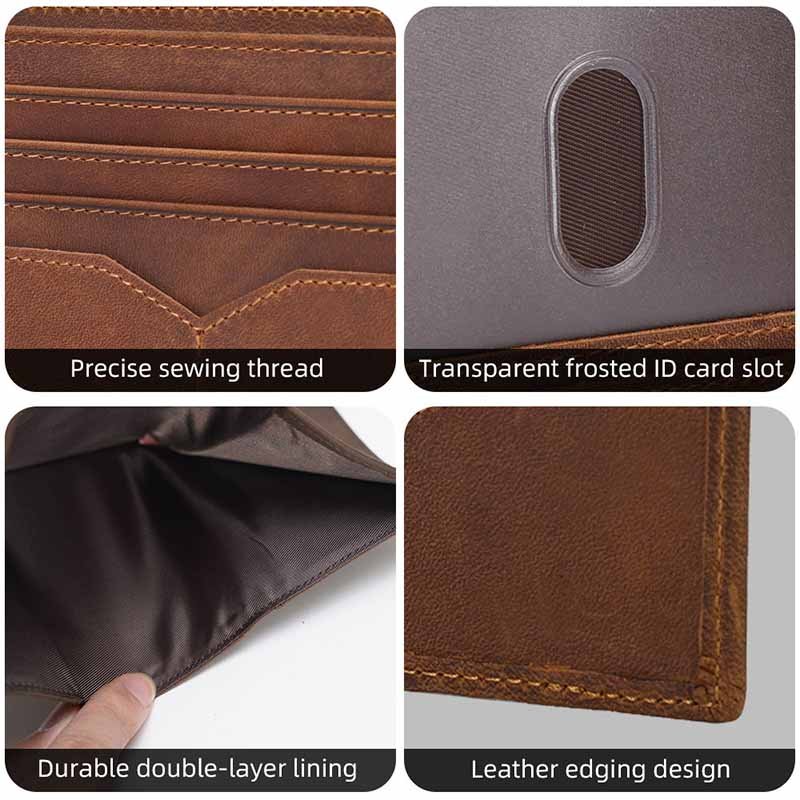
Samples should be verified using production-intent leather, hardware, logos, linings, reinforcements, and packaging, with all approved details recorded in measurable documents. Inspect function as carefully as appearance. The final sample should be supported by a material specification, bill of materials, dimensions, tolerance sheet, artwork record, packaging standard, and pre-production confirmation so it can be reproduced during bulk manufacturing.
Approval Sample
An approval sample should represent the product the factory intends to manufacture in bulk. Ask the supplier to identify any temporary material, substitute hardware, incomplete packaging, or provisional logo process. A sample made with available components can support early development, but it should not be treated as the final production standard.
The approval record should identify leather type, color, thickness, surface finish, lining, reinforcement, thread, zipper, hardware, logo artwork, logo position, edge color, dimensions, packaging, and labeling. Photographs are useful, but they should support physical specifications rather than replace them.
Test the sample in realistic use. Insert the intended number of cards, passport, notebook, laptop, documents, or accessories. Check whether pockets remain accessible, closures operate smoothly, corners maintain their shape, and the item feels comfortable to carry. Open, close, fold, and handle the product repeatedly, paying particular attention to high-stress areas.
The sample should also be tested inside the proposed packaging. Check whether the box compresses the product, whether hardware touches the leather, whether the product shifts during handling, and whether the presentation remains neat after transport simulation.
A rushed approval often transfers unresolved issues into bulk production. Buyers should allow at least one correction round when the structure, material, branding, or packaging is new. Complex products may require more than one revision before the manufacturer has a stable production standard.
Stitching and Assembly
Leather stitching should be assessed for straightness, spacing, tension, alignment, reinforcement, and cleanliness. The correct stitch density depends on leather thickness, thread size, needle, seam construction, and desired appearance. Excessively dense stitching can weaken some leather by creating a perforation line, while stitches that are too widely spaced may reduce seam stability and appear unfinished.
Inspect long straight seams and difficult areas such as corners, curves, zipper ends, handle attachments, gussets, and pocket openings. There should be no skipped stitches, loose threads, visible backstitch buildup, severe needle marks, puckering, or exposed construction that was not part of the approved design.
Stress areas require additional attention. Handles, shoulder straps, D-rings, magnetic closures, and frequently used pocket corners may need reinforcement layers, rivets, bar tacks, or additional stitching. Reinforcement should be integrated into the structure rather than added only after the first sample fails.
Assembly order can also affect quality. A product may appear acceptable from the outside while containing twisted linings, trapped seams, misaligned pockets, loose reinforcement, or poorly secured hardware. Every compartment should be opened and inspected.
For structured products, compare shape across several samples or early production pieces. Panels should sit evenly, bases should remain level, and left-right components should be symmetrical. Small dimensional variations can create obvious distortion when the product uses geometric construction or firm edges.
Edges and Hardware
Edge finishing is one of the clearest indicators of leather-goods workmanship. Painted edges should be smooth, evenly colored, and properly sealed. They should not show bubbles, rough sanding, cracks, heavy buildup, exposed fibers, or paint contamination on adjacent surfaces.
Professional edge painting normally involves several controlled stages, which may include trimming, sanding, base preparation, repeated paint application, drying, and final polishing. The precise sequence depends on the leather, product level, edge profile, and paint system. More layers do not automatically create better quality; surface preparation and curing are equally important.
Folded edges should remain even and free from visible wrinkles. Raw edges used intentionally as a design feature should be cleanly cut and suitable for the selected leather. Corners deserve close attention because they are among the most difficult areas to finish consistently.
Hardware should be checked for plating consistency, scratches, sharp edges, looseness, corrosion marks, and functional performance. Zippers should move smoothly without catching the lining. Snaps and magnets should close securely without excessive force. Metal logos should sit flat, remain stable, and avoid pressing into the product interior.
Protective films on hardware should be removed at the correct stage. If they remain during final inspection, scratches or plating problems may be hidden. If they are removed too early, the hardware may be damaged during assembly, packing, or transportation.
Bulk Reproduction
The central sourcing question is not whether the factory can make one good sample, but whether it can reproduce the same standard repeatedly. Bulk consistency depends on documented specifications and control at several production stages.
The final sample should be sealed or clearly identified. The factory should retain the final pattern, material codes, bill of materials, accessory references, logo settings, dimensions, tolerance limits, packaging files, and inspection checklist. These records should remain available for repeat orders.
Before full cutting begins, review the bulk leather batch. Compare color, grain, thickness, hand feel, and surface condition with the approved sample. Approve a production logo trial using bulk material. Confirm hardware plating, lining, edge paint, and packaging components before they enter assembly.
A pre-production sample made with bulk materials is especially valuable when the project uses custom leather colors, new hardware, complex packaging, or personalization. It reveals whether the actual production components still match the approved development sample.
In-process inspection should compare semi-finished products with the approved standard. Errors in pocket placement, logo position, edge color, reinforcement, or dimensions should be corrected before the entire order reaches final assembly.
Every change should be documented. Material substitutions, construction adjustments, hardware changes, and packaging revisions should not be approved casually without confirming their effect on appearance, function, cost, quality, and delivery.
How Do You Compare MOQ, Cost, and Lead Time?
MOQ, cost, and lead time should be compared as connected project variables. Leather availability, color quantity, custom hardware, branding, personalization, packaging, testing, and construction complexity all influence the final terms. A useful quotation should state its assumptions, identify one-time charges, explain possible price changes, and provide project milestones rather than only a unit price and final delivery promise.
MOQ Drivers
The final product MOQ is often controlled by a component supplier rather than the leather assembly line. A factory may be able to sew 200 wallets, while custom-dyed leather, printed lining, exclusive hardware, metal logos, or rigid boxes require higher minimum quantities.
Ask for the MOQ of each important component. These may include leather color, lining, zipper tape, custom pullers, plated hardware, logo tooling, printed tissue, gift boxes, and personalized cards. This makes it easier to identify which feature is increasing the order requirement.
Color splitting also matters. An order of 1,000 pieces divided across ten colors is not equivalent to 1,000 pieces in one color. Each color may require separate material purchasing, cutting control, thread matching, edge paint, branding trials, and packaging records.
Multiple SKUs create similar pressure. A gift set containing three coordinated products may require separate patterns, materials, samples, production instructions, and inspection standards. The manufacturer may calculate the minimum by product, color, or material rather than by total pieces in the overall program.
A lower MOQ is valuable only when the factory can maintain material and workmanship control. Buyers should be cautious when a supplier accepts an unusually small quantity of a highly customized product without explaining how custom leather, hardware, and packaging minimums will be managed.
Szoneier states that MOQ can begin from 200 pieces for selected custom projects, while the exact requirement depends on material availability, product structure, branding, accessories, packaging, colors, and testing.
Cost Structure
A leather product quotation normally includes material consumption, cutting loss, reinforcement, lining, thread, hardware, branding, labor, edge finishing, inspection, packaging, overhead, and profit. Custom tooling, sample development, testing, personalization, and international freight may be listed separately.
Material yield has a significant effect on cost. Natural hides contain edges, markings, grain differences, and areas that may not meet the agreed visible-panel standard. The usable percentage depends on hide quality, panel size, product pattern, and appearance requirements. A product using large, clean panels may create more cutting loss than a small item made from several pieces.
Labor cost increases with construction complexity. Additional pockets, curved zippers, hand-applied edge paint, skived folds, concealed hardware, personalized names, and multi-stage inspection all require more working time. Two wallets with the same external dimensions may therefore have very different production costs.
Packaging is frequently underestimated. A rigid magnetic gift box may cost significantly more than a basic folding carton and may increase freight volume. Personalization adds both processing labor and data-control work.
Compare suppliers using the same specification. A lower quotation may rely on thinner leather, standard hardware, fewer edge-finishing stages, simpler packaging, or reduced inspection. Ask each factory to identify assumptions, exclusions, and possible substitutions before comparing unit prices.
Sample and Production Time
Sampling starts with information review rather than sewing. The factory must confirm dimensions, materials, structure, branding, hardware, packaging, and intended function. It may need to source leather, create a pattern, prepare tooling, test the logo, assemble the sample, inspect it, and revise it.
A simple card holder using available leather and a standard debossed logo may be developed relatively quickly. A structured business bag, custom-color leather product, multi-piece set, metal-logo design, or personalized gift package can take significantly longer.
The first sample should not be confused with the final approval sample. Buyers should plan for review and correction. A realistic schedule may include requirement confirmation, material selection, first sample, buyer feedback, revision, final sample, packaging approval, and pre-production confirmation.
Bulk production begins only after the essential materials and approvals are ready. Leather procurement, custom hardware, printed lining, personalized components, and rigid boxes may each have different lead times. Factory capacity can also change during peak production seasons.
Request milestone dates for material arrival, pre-production approval, cutting, branding, assembly, inspection, packaging, and shipment. A milestone schedule makes it easier to identify delays early and decide whether a material, process, or transport plan needs adjustment.
Delivery Deadline
Corporate gift planning should work backward from the date products must reach recipients. The date the shipment leaves the factory is not the final deadline.
The full schedule should include last-mile distribution, customs clearance, international transport, export preparation, final inspection, packing, bulk manufacturing, component procurement, pre-production approval, sample revision, and first-sample development.
Fixed events require contingency time. A realistic buffer should allow for sample correction, material replacement, packaging reprints, production rework, inspection findings, customs delays, and local delivery issues. The necessary buffer depends on product complexity, quantity, destination, season, and shipping method.
Air freight may shorten transit, but it cannot correct unresolved production or packaging problems. Premium gift boxes can create high volumetric weight, making emergency air shipment extremely expensive. Sea freight is often more economical for larger programs but requires earlier completion and greater allowance for port and customs uncertainty.
Request more than one shipping scenario. Courier, air, sea, DAP, and DDP options have different costs, responsibilities, and transit times. Confirm who prepares export documentation, carton marks, commercial invoices, packing lists, barcode information, and destination labels.
| Project Stage | Common Planning Range | Main Variables |
|---|---|---|
| Requirement review | 1–3 working days | Completeness of specifications |
| Simple sample | About 3–7 days | Available materials and standard branding |
| Standard custom sample | About 7–12 days | Pattern, hardware, and one revision |
| Complex sample | About 12–20+ days | Structure, custom components, and packaging |
| Sample revision | About 3–10+ days | Scope of correction and material changes |
| Bulk production | About 20–60+ days | Quantity, complexity, materials, and season |
| Final inspection and packing | About 2–7 days | Defect rate and packaging complexity |
| International transport | Method-dependent | Destination, customs, and shipping mode |
What Checks Reduce Production Risk?
Production risk is reduced through factory verification, documented approvals, incoming-material checks, in-process inspection, final inspection, outgoing checks, and formal change control. Buyers should define critical defects and evaluate factories with evidence rather than price alone. The most reliable project has clear ownership, measurable standards, realistic tolerances, traceable materials, inspection records, and sufficient time to correct problems before the delivery deadline.
Inspection Stages
Quality control should begin when materials arrive. Incoming inspection can review leather color, thickness, surface condition, backing, hand feel, visible marks, lining, thread, hardware, zippers, packaging materials, and branding components. Rejecting unsuitable materials before cutting is far less expensive than repairing completed products.
In-process inspection should check cutting accuracy, grain selection, panel matching, logo position, stitching, reinforcement, edge preparation, hardware attachment, and semi-finished assembly. The objective is to catch repeated mistakes before they spread across the entire order.
Final inspection compares completed products with the approved sample and written specification. Inspectors may examine dimensions, material, color, branding, stitching, edges, hardware, closures, lining, function, cleanliness, odor, and overall appearance.
Outgoing inspection focuses on packaging and shipment. It may verify personalization, recipient labels, product-to-box matching, barcode accuracy, carton marks, quantities, carton dimensions, gross weight, and required shipping documentation.
AQL sampling is widely used in commercial inspections, but it is not a universal guarantee. Inspection levels and acceptance limits should be agreed according to product value, quantity, defect consequences, and customer requirements. Visible logos, individual names, or critical functions may require tighter control or a complete check of every unit.
Defect Standards
Terms such as “premium quality” or “high quality” are too subjective for production inspection. Buyers and factories should define defects by category and consequence.
Critical defects may include unsafe sharp points, unauthorized branding, incorrect personalization, serious contamination, or a product that cannot perform its intended function. Major defects may include broken zippers, incorrect dimensions, visibly misplaced logos, severe color variation, loose hardware, cracked edge paint, or missing components. Minor defects may include small cosmetic marks that do not affect use and remain within an agreed appearance standard.
Leather requires realistic visual standards. Natural grain, pores, wrinkles, and minor variation may be acceptable characteristics rather than defects. The challenge is to define where natural variation ends and unacceptable damage begins. Reference samples, limit samples, and marked photographs are useful for establishing this boundary.
Measurement tolerances should be stated by product area. A compact card holder may require tighter dimensional control than a soft pouch or tote. Logo placement tolerances should reflect product size and visual sensitivity.
Defect standards should also cover packaging. A perfect leather product inside a crushed, stained, mislabeled, or poorly fitted box is not an acceptable corporate gift. Inspection should assess the complete delivered experience.
When defects are identified, corrective action should be agreed. Depending on severity and timing, the response may include repair, rework, replacement, sorting, repacking, price adjustment, or rejection.
Factory Audit
A factory audit helps confirm whether the organization shown in sales materials actually controls the processes required for the project. A live video audit can provide a useful first review when international travel is not practical.
Ask to see the sample room, pattern-making process, material storage, cutting area, branding process, sewing or assembly lines, edge finishing, quality stations, packing area, warehouse, and current production records. Request live movement to selected locations rather than relying only on a prepared route.
Look for material identification, order separation, approved samples, work instructions, measuring tools, inspection records, rejected-goods areas, and traceability. A visually busy workshop does not necessarily have strong control. Organized records and clear product status are often more meaningful than the number of workers visible.
For larger or sensitive programs, third-party audits or on-site visits may be appropriate. Reviews can cover legal registration, quality systems, capacity, subcontracting, working conditions, social-compliance expectations, and corrective-action history.
When partner workshops are used, ask which processes they complete and how the main factory transfers standards. The primary supplier should retain responsibility for materials, approved samples, production instructions, inspection, packaging, communication, and final delivery.
An audit should not be treated as a ceremonial visit. It should determine whether the factory has the technical ability, management system, capacity, and accountability required for the specific corporate gift order.
Supplier Decision
The final decision should reflect the cost of failure. For an executive gift presented at a public event, logo accuracy, workmanship, and deadline reliability may deserve more weight than a small unit-price difference. For a continuing employee program, material continuity, record retention, and repeat-order stability may become more important.
Use a scorecard covering relevant product experience, sample quality, leather knowledge, customization, quality control, packaging, communication, capacity, delivery planning, and commercial transparency. Every high score should be supported by evidence such as a sample, document, inspection record, live factory review, or clear technical explanation.
Observe how each supplier responds to limitations. Experienced factories usually explain risks, material variation, component minimums, branding restrictions, and realistic schedules. A company that promises every material, every quantity, every process, and every deadline without qualification may not be evaluating the project carefully.
Communication also matters. Corporate gift projects frequently involve procurement, marketing, human resources, design, finance, logistics, and senior management. The factory must translate input from several stakeholders into one controlled production standard.
Price remains important, but it should be considered only after confirming that quotations cover the same product. A lower price provides little value when it excludes approved leather, required packaging, sufficient inspection, or a realistic delivery plan.
The strongest manufacturing partner is the supplier capable of keeping product design, materials, branding, packaging, quality, cost, and timing aligned from the first sample to the final carton.
Request a Custom Leather Corporate Gift Project
Choosing a leather goods factory for corporate gifts is ultimately an exercise in managing brand and delivery risk. You are not merely purchasing wallets, card cases, passport holders, notebook covers, luggage tags, pouches, business bags, or gift sets. You are asking a manufacturer to reproduce your company’s identity across materials, workmanship, branding, packaging, and presentation, often for an event that cannot be postponed.
Szoneier is a Shenzhen-based OEM and ODM manufacturer with more than 18 years of experience in custom bags, leather goods, and sewn soft products. Its project capabilities cover material selection, product development, sampling, revision, branding, bulk production, staged quality inspection, gift packaging, export preparation, and international shipment coordination.
A productive quotation begins with clear project information. Send your reference photographs, drawings, technical pack, dimensions, target quantity, preferred leather, logo artwork, packaging concept, destination country, budget expectations, and required delivery date. These details allow the manufacturing team to evaluate material suitability, construction, tooling, MOQ, sampling, production time, packaging, and shipment before the project enters development.
Please contact Szoneier for a project assessment and quote regarding custom leather business gifts, executive gift sets, employee recognition gifts, branded travel accessories, or long-term leather gift programs.