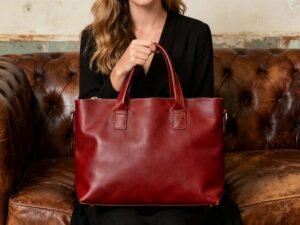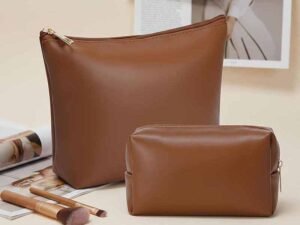
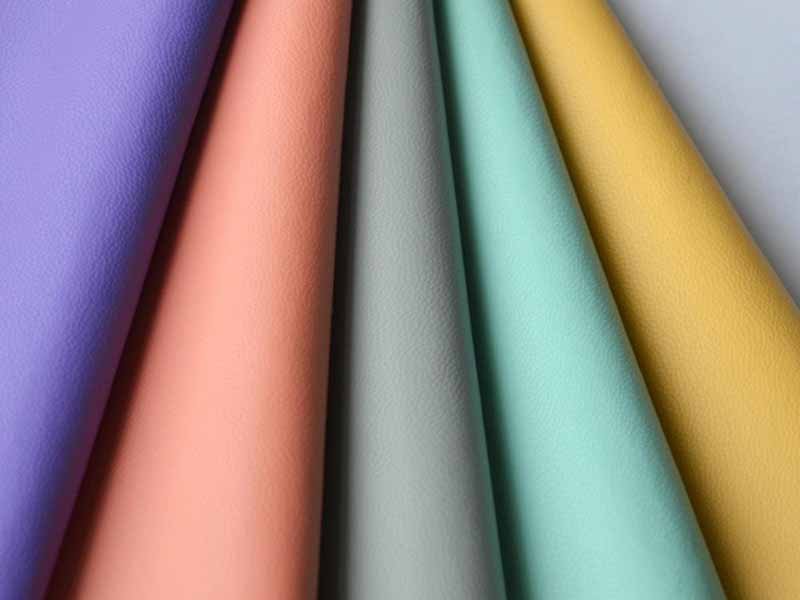
Vegan fashion brands are no longer asking one simple question: “Can this product be made without animal leather?” That question is only the starting point. The real business question is much sharper: “Can this material help us build products that look premium, feel comfortable, survive daily use, fit our retail price, and still support our brand values?” PU leather sits right in the middle of that decision. It is animal-free, flexible in design, easier to color-match than natural leather, and practical for many commercial products such as handbags, wallets, belts, straps, accessories, and leather boxes. But PU leather can also disappoint if the coating is weak, the backing fabric is wrong, the edge finish is poor, or the product is designed without considering real stress points.
PU leather manufacturing is the process of developing polyurethane-based synthetic leather materials and turning them into finished fashion goods through material selection, coating, texture design, cutting, stitching, hardware assembly, logo application, packaging, and quality inspection. For vegan fashion brands, the main value is not just avoiding animal hide. It is the ability to create scalable, customizable, visually consistent, and commercially practical products across different categories.
Imagine a vegan accessories brand preparing a new launch: a shoulder bag, a card holder, a belt, a phone strap, and a gift box. On the product page, everything looks clean and coordinated. But behind that clean launch are many hidden decisions: PU thickness, backing fabric, grain depth, colorfastness, strap reinforcement, zipper strength, logo method, edge paint, packaging pressure, and carton stacking. One wrong decision can turn a beautiful product into a return problem. One smart manufacturing partner can turn the same idea into a collection that feels polished, repeatable, and ready for market.
What Is PU Leather Manufacturing?
PU leather manufacturing is the full process of creating polyurethane-based synthetic leather materials and converting them into finished products such as bags, wallets, belts, straps, accessories, and leather boxes. It includes material development, surface coating, texture embossing, color control, product design, sampling, cutting, sewing, assembly, packaging, and quality inspection.
For vegan fashion brands, PU leather manufacturing is not only about replacing animal leather. It is about building a complete product system that can support modern retail, e-commerce sales, private label collections, and seasonal product development. A professional factory must understand how PU material behaves during folding, stitching, edge painting, heat pressing, gluing, packing, and long-distance shipping.
What Is PU Leather?
PU leather is a synthetic leather material made with a polyurethane surface layer applied to a fabric backing. The surface gives the material its leather-like appearance, while the backing provides strength, flexibility, thickness, and structure. Depending on the product requirement, the backing may use polyester, cotton, knitted fabric, nonwoven fabric, microfiber, or blended materials.
For vegan fashion products, PU leather is popular because it can be made in many textures, colors, finishes, and thicknesses. A brand can develop smooth matte black PU for minimalist bags, pebbled brown PU for classic wallets, saffiano-textured PU for structured accessories, or soft pastel PU for social commerce product drops.
The important point is that PU leather is not one fixed material. The quality range is very wide. Low-grade PU may look acceptable in a photo but peel quickly at corners or crack at folds. Higher-grade PU can offer better coating adhesion, stronger backing, softer handfeel, better abrasion resistance, and more stable performance during production.
For leather goods manufacturing, PU leather should be selected according to product use:
| Product Type | Material Focus | Main Risk If Wrong PU Is Used |
|---|---|---|
| Handbags | Surface durability, structure, softness | Corner peeling, poor shape, wrinkles |
| Wallets | Fold resistance, thinness, colorfastness | Cracking at folds, bulky edges |
| Belts | Tensile strength, reinforcement, edge stability | Stretching, hole tearing, edge peeling |
| Straps | Abrasion resistance, backing strength | Surface wear, weak pull strength |
| Accessories | Cutting accuracy, logo effect, handfeel | Rough edges, unclear branding |
| Leather Boxes | Glue compatibility, smooth wrapping | Corner lifting, surface bubbling |
A professional PU leather factory should not simply show a material catalog and ask the brand to choose. It should explain which material fits which product and why.
Is PU Leather Vegan?
PU leather can be vegan when it contains no animal hide, no leather split backing, and no animal-derived components in the final product structure. Most standard PU synthetic leather is animal-free, which is why it is widely used by vegan fashion brands. However, brands should still verify the full material composition before making vegan claims.
This detail matters because some materials that look like PU may include animal leather underneath. For example, some coated split leather products use a real leather base with a synthetic coating on top. That type of material is not suitable for vegan brands, even if the surface looks similar to PU leather.
A responsible vegan fashion brand should confirm more than just the surface material. The full product should be reviewed, including:
Material backing
Surface coating
Adhesives
Lining
Edge paint
Logo patches
Hardware inserts
Packaging materials
Care labels
Supplier documentation
For example, a vegan bag may use PU leather on the outside but contain a leather logo patch, animal-based glue, or leather zipper pull if the factory is not careful. These details can create serious brand trust problems, especially for brands selling to customers who actively check cruelty-free claims.
A practical approach is to ask the factory for a material breakdown before sampling. For private label and wholesale projects, brands should also prepare clear product claim language. “Animal-free PU leather” is usually safer and clearer than broad claims such as “eco leather” or “sustainable leather” unless the brand has supporting documentation.
Why Brands Choose PU
Vegan fashion brands choose PU leather because it offers a strong balance between appearance, customization, cost control, production stability, and animal-free positioning. Compared with genuine leather, PU leather usually gives brands better control over color, texture, surface consistency, and batch repeatability. Compared with many emerging plant-based materials, PU leather is often easier to source, easier to produce at scale, and more predictable for commercial orders.
This makes PU leather especially useful for brands that need to launch collections quickly. A vegan brand may want five colors of the same handbag, matching wallets, adjustable straps, branded packaging, and repeat orders after testing online sales. PU leather makes this type of development more practical because the material supply chain is mature and flexible.
Brands also choose PU leather because it supports a wide price range. It can be used for entry-level accessories, mid-range fashion bags, boutique gift items, or private label collections. The key is matching the material grade to the retail position.
Common commercial reasons for choosing PU leather include:
Stable material supply for repeat orders
Lower color variation than natural leather
Flexible texture and finish options
Suitable for small leather goods and bags
Easier seasonal color development
Animal-free product positioning
Cost control for wholesale programs
Strong compatibility with logo customization
Good option for coordinated product collections
Lower material waste during cutting compared with irregular hides
For many vegan fashion brands, the strongest value is collection consistency. A brand can use the same PU material story across bags, wallets, belts, straps, and packaging details. This creates a more professional product line and helps customers recognize the brand style.
PU Leather vs PVC
PU leather and PVC leather are both synthetic leather materials, but they are not the same in feel, flexibility, product positioning, and customer perception. PU leather is generally softer, more flexible, and more suitable for fashion bags, wallets, belts, and accessories. PVC leather is often more rigid and plastic-like, though it can be useful for products requiring stronger water resistance or firmer structure.
For vegan fashion brands, PU leather is usually the better option when the product needs a softer handfeel and a more refined look. A shoulder bag, card holder, belt, or strap touches the customer’s hand and body often. If the material feels too stiff or artificial, the product may look lower-value even if the design is attractive.
The comparison is especially important for brands selling online. Customers cannot touch the product before buying, so reviews become very important. If a product arrives with a strong plastic smell, stiff surface, or cheap feel, customers often mention it in reviews. PU leather can reduce that risk when the correct grade is selected.
| Comparison Point | PU Leather | PVC Leather |
|---|---|---|
| Handfeel | Softer and more leather-like | Often firmer and more plastic-like |
| Flexibility | Better for folding and soft goods | More rigid in many applications |
| Fashion Appeal | Strong for bags and accessories | Better for low-cost or waterproof goods |
| Weight | Usually lighter | Often heavier |
| Surface Options | Matte, pebbled, saffiano, smooth, glossy | Smooth, coated, waterproof styles |
| Product Fit | Bags, wallets, belts, straps | Covers, cases, waterproof items |
| Customer Perception | More premium when well made | Can feel cheaper if poorly finished |
This does not mean PVC is always bad. It means brands should not treat PU and PVC as interchangeable. A product that needs softness, foldability, and a premium surface usually performs better with PU. A product that needs strong waterproof behavior may require a different material strategy.
PU Leather vs Real Leather
PU leather and real leather serve different markets. Real leather is made from animal hide and is valued for its natural grain, aging character, strength, and premium identity. PU leather is synthetic, animal-free, more consistent in color and texture, and easier to customize across repeat production. For vegan fashion brands, PU leather is often the more suitable material because it aligns with animal-free values while still offering leather-like design possibilities.
The decision should not be framed as “real leather is good, PU leather is bad” or the opposite. The better question is: “Which material supports the brand promise and product use?” A luxury leather brand may choose full-grain leather because aging and natural grain are part of its value. A vegan fashion brand may choose PU leather because cruelty-free positioning, price accessibility, and color flexibility matter more to its customers.
For commercial product development, PU leather has several practical advantages:
More stable color matching
Easier production planning
No animal hide scars or natural defects
More predictable cutting yield
Lower material price variation
Better support for seasonal fashion colors
Easier development of matching accessories
Suitable for private label and wholesale orders
However, PU leather also has limitations. It does not age like full-grain leather. Low-quality PU may peel or crack. Heat and humidity can affect poor coatings. Long-term durability depends heavily on material grade and production control.
That is why brands should not market PU leather as a direct luxury leather replacement unless the product truly supports that level. Instead, PU leather should be positioned honestly: animal-free, stylish, practical, customizable, and suitable for modern fashion products when properly developed.
How Does PU Leather Manufacturing Work?
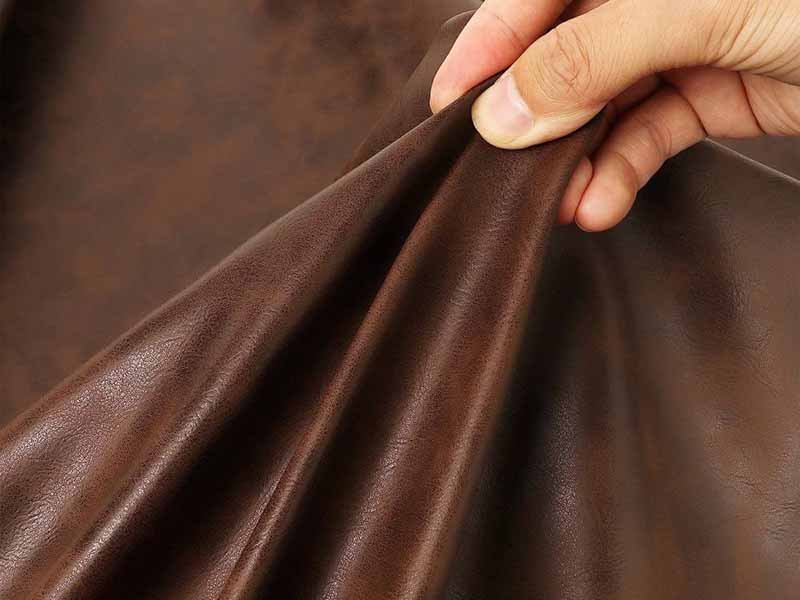
PU leather manufacturing starts with selecting the right backing fabric, applying polyurethane coating, creating texture, matching color, finishing the surface, and testing material performance. After the material is ready, the factory converts it into finished goods through pattern making, cutting, stitching, assembly, logo application, packaging, and final inspection.
The best factories do not treat PU leather as a simple sheet material. They treat it as a product engineering component. A PU material may look excellent when flat, but it must still survive folding, sewing, edge painting, bending, stretching, packing, and daily use. This is where manufacturing experience becomes the difference between a nice sample and a reliable commercial product.
Base Fabric Selection
Base fabric is the foundation of PU leather. It determines the material’s strength, softness, stretch, tear resistance, thickness, and stability during production. A high-quality PU coating on the wrong backing can still fail. That is why material selection should always start with product use.
Common backing options include polyester, cotton, knitted fabric, nonwoven fabric, and microfiber. Polyester backing is widely used because it is stable and cost-efficient. Cotton backing can offer a different handfeel but may not suit every product. Microfiber backing is often used for higher-end synthetic leather because it can provide better strength, softness, and leather-like structure.
For handbags, the backing should support both softness and shape. For wallets, it should allow repeated folding without cracking. For belts, it must work with reinforcement to reduce stretching. For straps, it needs abrasion resistance and pull strength. For boxes, it should wrap smoothly around corners without bubbling.
Brands can use the following guide when discussing PU backing with a factory:
| Product Goal | Suggested Backing Focus | Why It Matters |
|---|---|---|
| Soft vegan handbag | Flexible textile backing | Better drape and handfeel |
| Structured bag | Stable backing with reinforcement | Helps maintain shape |
| Slim wallet | Thin, foldable backing | Reduces bulk at card slots |
| Fashion belt | Strong backing plus inner core | Prevents stretching |
| Shoulder strap | Abrasion-resistant backing | Handles repeated rubbing |
| Gift box wrapping | Smooth, glue-friendly backing | Reduces bubbles and lifting |
SzoneierLeather’s raw material supply chain strength gives brands more room to compare and select materials instead of forcing one material into every design.
PU Coating Process
The PU coating process creates the visible leather-like surface. Polyurethane is applied over the base fabric to form a smooth, textured, glossy, matte, soft-touch, or embossed surface. The coating may include several layers depending on the required look and performance.
For leather goods, coating quality directly affects peeling resistance, scratch resistance, handfeel, color depth, odor, and surface life. A weak coating may look fine at the sample stage but fail after bending, rubbing, or humidity exposure. A better coating can help the product hold up longer in daily use.
Important coating factors include:
Coating thickness
Adhesion strength
Surface finish
Flex resistance
Abrasion resistance
Hydrolysis resistance
Odor control
Color stability
Compatibility with embossing
Compatibility with logo processes
For vegan fashion brands, coating selection should also consider customer experience. A bag with strong odor may receive negative reviews even if it looks good. A wallet with a beautiful surface may still fail if the coating cracks at the fold. A belt may look clean but peel near punched holes if adhesion is weak.
Factories should test coating behavior before bulk production, especially for products with high bending or rubbing areas. For brands aiming at higher-end retail, coating selection should be treated as a core product decision, not a minor material detail.
Grain Texture Design
Grain texture gives PU leather its visual identity. It can make a product look clean, classic, bold, soft, luxury-inspired, or casual. Common grain options include smooth, pebbled, saffiano, crosshatch, crocodile-embossed, lizard-embossed, vintage, matte, glossy, and printed effects.
Texture affects more than appearance. It also affects scratch visibility, logo clarity, cleaning behavior, flexibility, and perceived value. Smooth PU looks modern but can show marks more easily. Pebbled PU hides small scratches better and works well for daily bags. Saffiano texture gives a structured, premium look and is popular for wallets and small accessories. Croc-embossed PU creates a strong fashion effect but may not suit every vegan brand because some customers prefer designs that do not imitate exotic animal skin.
Brands should choose texture based on both design direction and use case:
| Texture | Best Use | Customer Impression |
|---|---|---|
| Smooth PU | Minimalist bags, boxes, wallets | Clean, modern, simple |
| Pebbled PU | Daily handbags, totes, straps | Practical, classic, durable |
| Saffiano PU | Wallets, structured bags | Premium, polished, scratch-hiding |
| Croc Embossed PU | Fashion bags, statement accessories | Bold, trend-driven |
| Matte PU | Modern vegan collections | Soft, understated, refined |
| Glossy PU | Seasonal bags, party accessories | Eye-catching, youthful |
| Metallic PU | Holiday drops, gift items | Fashion-forward, decorative |
A strong factory will help brands review texture under real product conditions. The swatch should be folded, stitched, edge-painted, and tested with logo application before final approval.
Color Matching
Color matching is one of PU leather’s biggest advantages. Vegan fashion brands can develop consistent black, brown, beige, white, pastel, metallic, or seasonal colors across multiple product categories. This helps create a complete collection instead of isolated products.
However, color matching is not as easy as picking a color code. PU color changes depending on grain, gloss, coating thickness, backing color, and lighting. A beige sample can look warm under showroom lights but cooler in outdoor photos. A matte black may look premium in person but too flat in e-commerce images. A bright red wallet may need extra colorfastness testing because it touches cards, clothing, and hands often.
Brands should review color from several angles:
Daylight color
Indoor light color
E-commerce photo effect
Colorfastness
Bulk material consistency
Logo visibility
Thread matching
Edge paint matching
Lining coordination
Packaging harmony
For fashion brands, color is a sales tool. A well-matched product family can increase perceived value. For example, a vegan brand may develop a “warm sand” collection that includes a tote, mini crossbody, card holder, belt, and jewelry box. If each item has a slightly different beige tone, the collection feels less professional. If all materials, thread, lining, and packaging are coordinated, the product line feels intentional.
Surface Finishing
Surface finishing controls the final look, touch, and protective behavior of PU leather. It can create matte, semi-matte, glossy, soft-touch, waxy, metallic, printed, embossed, or textured effects. The finish also influences scratch resistance, stain resistance, rub performance, cleaning behavior, and customer perception.
For fashion goods, finish selection should be practical. A very soft-touch surface can feel beautiful but may attract fingerprints or oil marks. A glossy surface can look fashionable but may reveal scratches. A light matte finish can look expensive but may need stronger stain resistance. A metallic finish can sell well during holiday seasons but must be tested for cracking at folds.
The right finish depends on product category:
| Product | Finish Priority | Testing Focus |
|---|---|---|
| Tote Bag | Scratch resistance, body | Corner wear, handle rub |
| Mini Bag | Visual impact, smoothness | Surface marks, zipper area |
| Wallet | Flexibility, clean logo effect | Fold cracking, color transfer |
| Belt | Surface strength, edge stability | Hole cracking, bending |
| Strap | Abrasion resistance | Shoulder rub, sweat exposure |
| Leather Box | Wrapping smoothness | Glue marks, corner lifting |
Surface finishing should never be approved only from a flat swatch. The factory should make a product sample or at least a test panel with stitching, folding, edge paint, and logo application. This gives the brand a more accurate view of how the material will behave in production.
Which PU Leather Products Sell Well?
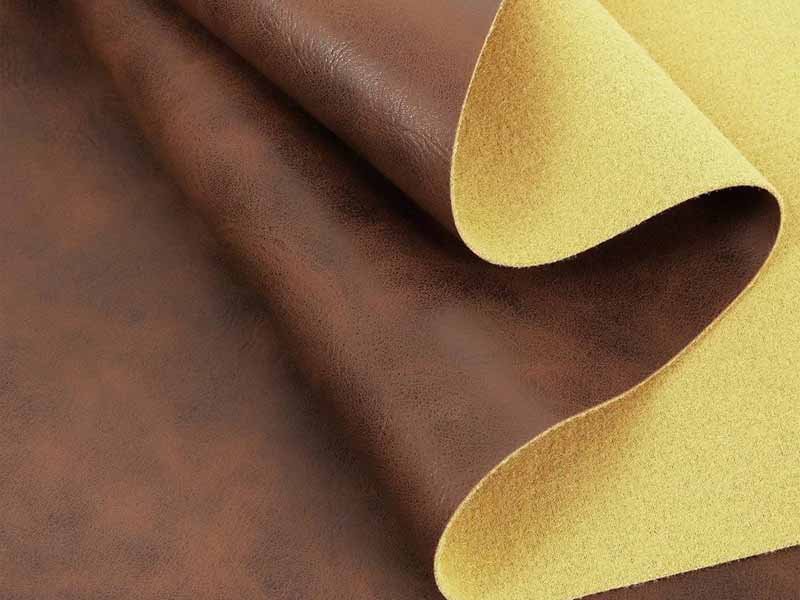
PU leather sells well in vegan fashion because it can be developed into bags, wallets, belts, straps, accessories, and leather boxes with consistent color, texture, and branding. The strongest products usually combine attractive design, practical structure, reliable hardware, clean stitching, durable surface finishing, and good packaging.
For commercial brands, the winning product is rarely the most complicated one. It is usually the product that looks good, solves a real lifestyle need, hits the right price, and can be produced repeatedly without quality surprises. PU leather supports this because it can be adapted across many product forms.
PU Leather Bags
PU leather bags are one of the most important categories for vegan fashion brands. Popular styles include tote bags, shoulder bags, crossbody bags, mini bags, bucket bags, camera bags, laptop bags, cosmetic bags, travel pouches, and structured handbags.
A good PU leather bag needs more than a pretty outer material. It requires structure, lining, reinforcement, hardware, zipper quality, handle strength, strap comfort, edge finishing, and packaging support. Many bag problems come from hidden construction issues rather than the visible material.
Common bag development concerns include:
Will the bag hold its shape after packing?
Will the handle support the expected load?
Will the strap edges peel after rubbing?
Will the bottom corners wear too quickly?
Will the zipper opening feel smooth?
Will the lining tear near pockets?
Will the color transfer onto clothing?
Will the bag arrive crushed after shipping?
For vegan brands, PU leather bags also offer strong style flexibility. One factory can develop a clean daily tote, a structured work bag, a trendy mini bag, and a matching wallet collection using coordinated materials. This helps brands build a complete product story.
A practical product planning table:
| Bag Type | Best PU Focus | Suitable Brand Position |
|---|---|---|
| Tote Bag | Medium body, scratch-resistant surface | Daily lifestyle, workwear |
| Crossbody Bag | Flexible PU, stable strap construction | Casual fashion, travel |
| Shoulder Bag | Soft handfeel, strong handle area | Boutique fashion |
| Mini Bag | Strong color and finish appeal | Trend-driven collections |
| Laptop Bag | Thicker PU, reinforced structure | Work and commuter brands |
| Cosmetic Bag | Water-resistant surface | Beauty and lifestyle brands |
PU Leather Wallets
PU leather wallets are excellent products for vegan brands because they are compact, giftable, easy to customize, and suitable for repeat orders. Popular styles include bifold wallets, card holders, zip-around wallets, coin purses, passport holders, phone wallets, and travel organizers.
Wallets place heavy stress on fold lines and edges. A PU material that works well for a flat pouch may not perform well in a wallet with multiple folds and card slots. Thickness control is also important. If the PU is too thick, the wallet becomes bulky. If it is too thin, it may feel cheap or weak.
Important wallet quality points include:
Fold resistance
Card slot accuracy
Edge thickness
Stitching density
Logo clarity
Zipper smoothness
Lining strength
Colorfastness
Gift packaging
RFID layer option
Wallets are also strong branding products. A customer may use the same wallet every day, so logo placement, handfeel, and functional layout matter a lot. Debossed logos, foil stamping, branded lining, custom zipper pulls, and rigid gift boxes can all increase perceived value.
For wholesale and private label programs, wallets can be used as entry-level products. They require less storage space than bags and are easier to ship. Many brands use wallets to test colorways before launching larger matching bags.
PU Leather Belts
PU leather belts require careful construction because they face repeated pulling, bending, and friction. A belt is not simply a strip of PU leather. It usually needs surface material, backing, inner reinforcement, edge finishing, hole punching, buckle assembly, and tensile strength control.
The most common belt failures include stretching, edge peeling, cracking around holes, weak buckle attachment, poor hole finishing, and surface wrinkles. These issues often appear after real use, not during the first sample review.
Brands should define the belt type before selecting material:
Fashion belt
Dress belt
Casual belt
Wide waist belt
Reversible belt
Logo belt
Gift box belt
Bag strap-style belt
Each style requires different construction. A dress belt needs a cleaner surface and refined edge finish. A casual belt may need stronger flexibility. A wide waist belt may need body without becoming too stiff. A reversible belt needs stable bonding on both sides.
Useful belt testing points include:
Pull strength
Bend resistance
Hole durability
Buckle plating
Edge paint adhesion
Surface cracking
Size accuracy
Packaging shape retention
PU leather belts can be strong products for vegan fashion brands, but only when the factory treats them as engineered accessories rather than simple cut strips.
PU Leather Straps
PU leather straps are widely used for handbags, phone bags, camera accessories, luggage tags, fashion accessories, pet products, and replacement strap programs. Straps often experience more stress than the main bag body because they rub against clothing, shoulders, hands, sweat, rain, and metal hardware.
A good strap must balance comfort, strength, and appearance. If it is too stiff, it feels uncomfortable. If it is too soft, it may stretch or wrinkle. If the edge finish is poor, peeling can start quickly. If the clips are weak, the whole product becomes risky.
Common strap options include:
Adjustable shoulder strap
Detachable crossbody strap
Padded strap
Chain-and-PU strap
Logo strap
Short handle strap
Phone strap
Luggage strap
Replacement bag strap
Straps are also useful for product expansion. A brand can sell seasonal color straps, printed logo straps, matching wallet straps, or gift strap sets. This allows the brand to increase average order value without developing an entirely new bag.
For production, the factory should check strap width, thickness, edge finish, pull strength, hardware rotation, clip strength, stitch reinforcement, and color matching. Small details matter because straps are touched and seen constantly.
PU Leather Accessories
PU leather accessories are strong products for vegan fashion brands because they are small, practical, customizable, and easy to pair with larger goods. Popular items include keychains, luggage tags, card sleeves, tech organizers, cosmetic pouches, watch straps, notebook covers, jewelry cases, eyeglass cases, cable organizers, and small gift sets.
Accessories are often used for:
Brand launch gifts
Retail add-ons
Gift-with-purchase programs
Holiday collections
Boutique wholesale orders
Corporate gifting
Influencer campaign kits
Matching product collections
Although accessories are small, quality still matters. Small products are held close in the hand, so rough edges, uneven stitching, poor logo work, and cheap hardware are easy to notice. A small card holder with clean edge paint and precise stitching can feel more premium than a larger product with sloppy finishing.
PU accessories also help brands test new colors and textures with lower risk. Before launching a full handbag collection in a new color, a brand can test the same PU on card holders, keychains, or pouches. If the color sells well, the brand can expand into larger goods.
For SzoneierLeather, this category fits naturally because the company already works across leather bags, wallets, belts, straps, accessories, and leather boxes. This gives vegan brands a simpler way to build coordinated product families with one production partner.
How To Choose Quality PU Leather?
Quality PU leather should be chosen by product performance, not only by surface appearance. A good material must match the product’s daily-use stress points, target price, retail channel, climate, packaging method, and customer expectation. Brands should check softness, thickness, coating adhesion, peeling resistance, water resistance, colorfastness, abrasion resistance, odor, edge behavior, and bulk consistency before production.
Many PU leather problems happen because the material looks good in a small swatch but performs poorly after it becomes a finished product. A flat material sample does not show how the PU will behave after folding, stitching, heat pressing, edge painting, gluing, hardware assembly, and long-distance shipping. This is why serious vegan fashion brands should review PU leather through product testing, not just visual approval.
For example, a soft PU leather may feel expensive in hand, but if it has weak backing, it may stretch on bag handles. A smooth matte PU may look elegant on a handbag, but it may show scratches more easily than pebbled PU. A thick PU may seem durable, but it can create bulky wallet folds. A glossy PU may photograph well, but it may need stronger scratch testing for daily use.
A professional PU leather factory should help brands compare material options from a practical angle:
| Quality Factor | What It Affects | Product Risk If Ignored |
|---|---|---|
| Softness | Handfeel and comfort | Product feels cheap or too stiff |
| Thickness | Structure and foldability | Bulky wallets or weak bags |
| Backing Strength | Tear and pull resistance | Handle stretching or strap failure |
| Coating Adhesion | Peeling resistance | Surface separation |
| Abrasion Resistance | Daily wear performance | Corners and straps wear quickly |
| Colorfastness | Stain and transfer control | Color rubs onto clothing |
| Water Resistance | Daily protection | Surface swelling or staining |
| Odor Control | Customer experience | Negative reviews after unboxing |
| Edge Behavior | Finish durability | Cracking, peeling, rough edges |
| Bulk Consistency | Repeat order stability | Color and texture variation |
For vegan fashion brands, quality selection should always begin with the product’s real use. A wallet, belt, handbag, strap, and leather box may all use PU leather, but they should not always use the same PU leather. Better material matching helps reduce returns, improve customer satisfaction, and protect the brand’s long-term reputation.
Softness And Handfeel
Softness is one of the first things customers notice when they touch a PU leather product. A bag may look attractive in photos, but once the customer holds it, the surface touch quickly tells them whether the product feels premium, average, or cheap. Good PU leather can feel smooth, supple, structured, waxy, dry matte, or softly textured depending on the brand’s design direction.
However, softness should not be treated as the only sign of quality. Some very soft PU materials are not suitable for structured bags or belts because they may collapse, stretch, wrinkle, or lose shape. Some firmer PU materials may feel less soft at first, but they can perform better for products that need structure and support.
For bags, softness must be balanced with body. A slouchy tote can use softer PU, but it still needs enough backing strength to hold daily items. A structured handbag needs a firmer PU or added reinforcement. A crossbody bag needs flexibility around the flap and zipper area but stronger support around strap connections.
For wallets, handfeel should be smooth but not too thick. Customers expect a wallet to slip easily into a pocket or small bag. If the PU is too soft, the card slots may stretch. If it is too stiff, the wallet may not close comfortably.
For belts and straps, softness must work together with tensile strength. A strap that feels soft but stretches under weight will create complaints. A belt that bends comfortably but cracks near holes is also a quality failure.
Brands should review handfeel through simple but useful checks:
Touch the material with dry and slightly moist hands
Fold it several times at the same point
Rub the surface with light pressure
Compare it under daylight and indoor light
Check whether the surface feels sticky
Check whether the backing stretches too much
Review how it behaves after stitching and edge finishing
The best PU leather is not always the softest. It is the material that gives the right handfeel while still supporting the product’s function.
Thickness And Strength
Thickness affects how a PU leather product looks, feels, folds, stitches, and wears over time. Many brands assume thicker material means better quality, but this is not always true. A thick PU leather with poor coating adhesion can still peel. A thinner microfiber-backed PU may perform better than a thicker low-grade material because the backing structure is stronger.
For bags, thickness helps control shape and body. A large tote may need medium-to-thick PU with reinforcement to avoid a weak, collapsed look. A soft shoulder bag may need a medium thickness that allows natural drape. A small structured bag may require PU that works well with internal board, foam, or other reinforcing materials.
For wallets, thickness control is even more sensitive. A wallet may contain many layers: outer PU, lining, card slots, reinforcement, zipper tape, folded edges, and stitching. If every layer is too thick, the finished wallet becomes bulky and difficult to close. A slim card holder needs thin but strong PU, clean cutting, and accurate edge finishing.
For belts, material strength matters more than surface thickness alone. A PU belt usually needs an inner core or reinforcement layer. Without it, the belt may stretch, deform, or tear around punched holes. For straps, the same principle applies. A shoulder strap carrying a heavy bag needs strong internal support, not just a beautiful surface.
A useful product-based thickness guide:
| Product Category | Thickness Direction | Key Manufacturing Concern |
|---|---|---|
| Soft Tote Bags | Medium | Balance softness and body |
| Structured Bags | Medium to thick | Shape support and corner control |
| Mini Bags | Medium | Clean shape and light weight |
| Wallets | Thin to medium | Foldability and slim profile |
| Card Holders | Thin | Slot precision and edge neatness |
| Belts | Reinforced medium to thick | Pull strength and hole durability |
| Straps | Medium with reinforcement | Abrasion and load bearing |
| Leather Boxes | Thin to medium | Smooth wrapping and glue bonding |
Brands should ask the factory to explain not only the material thickness, but also the full construction thickness after folding and assembly. This helps avoid surprises during sample review.
Peeling Resistance
Peeling is one of the most damaging problems in PU leather goods. It often appears at corners, folds, edges, handles, straps, belt holes, zipper openings, and glued areas. Once peeling happens, customers usually see the product as low quality, even if the rest of the construction is acceptable.
Peeling can be caused by several issues. The coating may not bond well with the backing fabric. The material may not be suitable for tight folding. The edge paint may not match the PU surface. The glue may react poorly with the coating. The product may be stored in hot or humid conditions. The packaging may compress the product too much during shipping.
Brands should pay special attention to peeling risk in these product areas:
Bag bottom corners
Handle attachment points
Shoulder strap edges
Wallet fold lines
Card slot openings
Belt holes
Buckle fold area
Zipper openings
Box corners
Logo heat-press areas
A professional factory should reduce peeling risk through material selection, pattern adjustment, reinforcement, edge treatment, glue testing, and production control. Sometimes the solution is not only “use better PU.” It may also require a larger fold radius, softer corner structure, different edge paint, stronger stitching, or improved packaging.
Before bulk production, brands should ask for sample testing around high-stress points. A simple visual review is not enough. The sample should be opened, closed, bent, pulled, rubbed, packed, and checked again. For products sold in humid markets, extra attention should be given to hydrolysis resistance and storage conditions.
Peeling risk can be managed early if the factory has material knowledge and product development experience. It becomes expensive only when discovered after finished goods are packed.
Water Resistance
PU leather usually has some water-resistant surface behavior, but that does not mean every PU leather product is fully waterproof. This distinction matters for product descriptions, customer expectations, and return prevention. The PU surface may resist light splashes, but water can still enter through seams, zipper gaps, stitch holes, lining, hardware openings, and unfinished edges.
For most vegan fashion products, “water-resistant” is a more accurate and safer description than “waterproof.” A daily handbag may handle light rain, but it is not designed to be submerged or used as outdoor waterproof gear. A cosmetic pouch may need stronger surface protection because it may contact liquids. A laptop sleeve needs better construction around seams and closures if the brand wants stronger water protection.
Water resistance depends on several details:
Surface coating quality
Seam construction
Stitch hole density
Edge sealing
Zipper type
Lining material
Glue compatibility
Product structure
Care instructions
Packaging and storage
Brands should define the required level before sampling. A fashion mini bag, office tote, travel pouch, cosmetic bag, and tech organizer all have different water exposure. Overengineering water resistance may increase cost unnecessarily. Underestimating it may cause customer complaints.
A practical guide:
| Product | Water Resistance Need | Recommended Focus |
|---|---|---|
| Fashion Handbag | Light daily resistance | Surface coating and edge finish |
| Work Tote | Moderate protection | Bottom structure and zipper area |
| Cosmetic Bag | Higher surface protection | Easy-clean PU and lining |
| Laptop Sleeve | Better seam control | Closure design and padding |
| Wallet | Basic protection | Colorfastness and surface wipeability |
| Travel Pouch | Moderate to high | Coating, zipper, and lining |
Brands should also write care instructions clearly. Customers should know that PU leather can be wiped with a soft damp cloth, but strong solvents, alcohol cleaners, long sun exposure, and high heat can damage the surface.
Colorfastness
Colorfastness controls whether PU leather color stays stable during rubbing, handling, moisture exposure, and daily use. Poor colorfastness can lead to fading, staining, dye transfer, or visible rub marks. This is especially important for bags, straps, wallets, belts, and light-colored accessories.
Color transfer is a real customer concern. A black shoulder strap rubbing against a white shirt, a red wallet touching pale lining, or a beige bag exposed to denim dye can create complaints. For e-commerce brands, customers may post photos in reviews if color transfer happens, which can hurt sales quickly.
Brands should pay attention to high-risk color situations:
Dark straps used with light clothing
Bright red, blue, green, or purple PU
Light beige, cream, and white PU
Matte surfaces that absorb marks easily
Metallic finishes
Printed PU surfaces
Wallet interiors
Bag handles
Phone straps
Long shoulder straps
Colorfastness should be checked in dry rubbing and wet rubbing conditions. For straps, sweat resistance may also be relevant because the strap touches the body. For wallets, repeated hand contact and pocket friction should be considered. For belts, friction against clothing and body heat can affect performance.
Color matching also connects to colorfastness. A beautiful custom color is not useful if it transfers easily or fades too quickly. Brands should approve both the appearance and the performance of the color.
A more professional approach is to create a color control checklist:
| Color Item | What To Confirm |
|---|---|
| Main PU Color | Matches approved sample |
| Thread Color | Matches or contrasts intentionally |
| Edge Paint | Same tone or approved contrast |
| Lining Color | No unwanted color conflict |
| Hardware Finish | Works with material color |
| Logo Color | Clear and visible |
| Packaging Color | Matches brand direction |
| Rub Test | No serious transfer |
| Bulk Color | Same as approved sample |
Good color control makes the whole product feel more expensive. Poor color control makes even a good design look careless.
How Can Brands Customize PU Leather Goods?
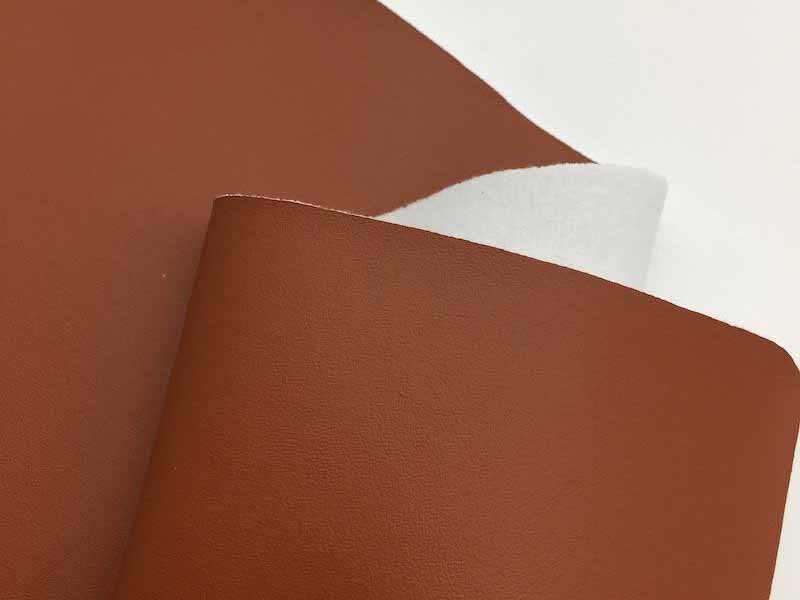
Brands can customize PU leather goods through material, color, texture, shape, lining, logo, hardware, stitching, edge finish, function, packaging, and product set planning. A professional factory helps turn sketches, reference samples, market ideas, or technical files into production-ready bags, wallets, belts, straps, accessories, and leather boxes.
Customization is where PU leather becomes valuable for vegan fashion brands. Instead of choosing generic catalog items, brands can develop products that match their exact customer profile. A minimalist vegan label may want clean matte PU, quiet hardware, and soft neutral colors. A social commerce brand may want bold colors, trend shapes, fast sampling, and eye-catching packaging. A wholesale brand may need practical products with stable quality and flexible MOQ.
The strongest custom projects usually start with clear product information:
Product category
Target customer
Target retail price
Reference photos
Size requirements
Material preference
Color direction
Logo file
Hardware style
Lining requirement
Packaging method
Quantity plan
Sales market
Quality requirements
When brands provide this information early, the factory can give more accurate suggestions on materials, structure, cost, MOQ, and lead time.
Custom Materials
Custom materials are the foundation of PU leather product development. Brands can choose different PU grades, backing fabrics, textures, colors, thicknesses, finishes, and performance levels. Material customization affects not only appearance but also durability, cost, production speed, and customer experience.
Common PU material options include:
Smooth PU
Pebbled PU
Saffiano PU
Croc-embossed PU
Lizard-embossed PU
Matte PU
Glossy PU
Metallic PU
Soft-touch PU
Vintage PU
Microfiber PU
Water-based PU options
Recycled backing options where available
PVC-free material options
High-abrasion PU
Easy-clean PU
Brands should choose custom materials by product category. A soft handbag may need flexible PU with good drape. A wallet may need thinner PU with strong fold performance. A belt may need reinforced PU that can withstand pulling. A leather box may need wrapping PU that glues smoothly and does not bubble at corners.
Material customization should also match the sales channel. Products sold through premium boutiques may need better handfeel and packaging. Products sold through fast online drops may need stronger color impact and stable cost. Products sold through wholesale channels may need practical durability and repeatable bulk supply.
For SzoneierLeather, raw material supply chain capability is a key advantage. It allows brands to compare different materials and develop products based on real performance needs, not only what is available in a standard catalog.
Custom Shapes
Custom shape development turns an idea into a usable product. Shape includes the product’s size, pattern, structure, opening, pocket layout, handle design, strap design, gusset, flap, corners, fold lines, and overall silhouette. This step is especially important for bags, wallets, belts, straps, accessories, and leather boxes because each product has its own construction logic.
A design may look simple in a drawing but create manufacturing challenges. A curved flap may wrinkle if the material is too stiff. A slim wallet may become bulky if card slots are not planned well. A square leather box may lift at corners if the wrapping material is too thick. A mini bag may look cute but fail to hold a phone if dimensions are not checked carefully.
Useful shape development questions include:
What items should the product hold?
Should the structure be soft or firm?
Does the product need to stand upright?
Where will the logo be placed?
How will the customer open and close it?
Will the shape work after bulk packing?
Can the pattern reduce material waste?
Does the design create difficult stress points?
Can the shape support different sizes later?
For brands building collections, shape consistency matters. A tote, wallet, strap, and pouch should not look like unrelated products. They should share design language: similar curves, similar edge style, similar hardware tone, similar logo placement, and similar material texture.
A factory with R&D and sample development ability can help refine shapes before bulk production. This reduces risk and makes the final product easier to scale.
Custom Logo
Logo customization gives PU leather products brand identity. Common methods include debossing, embossing, foil stamping, metal logo plates, screen printing, heat transfer, woven labels, rubber patches, embroidery, custom zipper pulls, engraved buckles, and branded lining.
The right logo method depends on the PU surface and the product position. A minimalist vegan brand may prefer small debossing. A fashion brand may choose a metal logo plate. A gift product may use foil stamping on both product and box. A sporty accessory line may use rubber patches or printed branding.
Logo method comparison:
| Logo Method | Best For | Key Concern |
|---|---|---|
| Debossing | Minimalist bags, wallets | Needs suitable PU surface |
| Embossing | Premium accessories | Requires clear pressure control |
| Foil Stamping | Wallets, boxes, gift items | Foil adhesion must be tested |
| Metal Logo | Handbags, belts | Adds cost and weight |
| Screen Printing | Promotional items | Rub resistance needed |
| Heat Transfer | Trend accessories | Heat compatibility needed |
| Woven Label | Casual products | Sewing position matters |
| Engraved Hardware | Belts, zipper pulls | MOQ and mold cost |
| Branded Lining | Premium bags | Color and print control |
Brands should test the logo on the actual approved PU material, not on a random sample. Deep pebbled PU may not show fine debossing clearly. Glossy PU may react differently to heat. Metallic PU may not work well with some pressure methods. A good factory will test logo clarity, position, durability, and bulk repeatability during sampling.
Logo placement should also feel natural. Oversized logos can reduce perceived value in some markets. Too-small logos may not be visible in product photos. The best logo design supports the product, rather than shouting over it.
Custom Hardware
Hardware has a direct impact on product value. Customers may not know the technical grade of PU leather, but they instantly notice whether the zipper feels smooth, the buckle feels solid, the clasp opens easily, or the chain looks cheap. For PU leather products, hardware can lift the whole product’s perceived quality.
Common hardware options include:
Zippers
Buckles
Magnetic snaps
D-rings
O-rings
Swivel hooks
Rivets
Chains
Locks
Feet studs
Logo plates
Strap adjusters
Eyelets
Zipper pulls
Belt buckles
Hardware customization includes shape, size, plating color, logo engraving, weight, finish, and function. Popular finishes include gold, light gold, silver, gunmetal, black, antique brass, brushed silver, matte black, and rose gold.
Hardware should be selected based on product use. A tote bag carrying heavy items needs stronger strap rings and handle rivets. A wallet needs a smooth zipper that will not scratch the PU. A belt buckle must resist plating wear and pull force. A mini bag can use decorative hardware, but it should not be so heavy that the bag feels unbalanced.
Testing should include:
Opening and closing smoothness
Pull strength
Plating durability
Rust resistance
Color consistency
Logo engraving clarity
Sharp edge inspection
Attachment security
Weight balance
Bulk hardware consistency
A beautiful PU product can still fail if the hardware is weak. That is why custom hardware should be treated as part of product engineering, not only decoration.
Custom Packaging
Packaging helps vegan fashion brands create a complete customer experience. It protects the product, supports brand positioning, improves gift appeal, and reduces damage during shipping. For private label and wholesale programs, packaging also helps products look retail-ready.
Common packaging options include:
Dust bags
Tissue paper
Hangtags
Care cards
Barcode labels
Paper boxes
Rigid gift boxes
Magnetic boxes
Drawer boxes
Recyclable mailers
Cotton bags
Product sleeves
Carton dividers
Custom inserts
Retail display packaging
Packaging should match the product and sales channel. A premium vegan handbag may need a dust bag, tissue wrapping, shape support, and a strong outer carton. A wallet gift set may need a rigid box with foil logo. A belt may need flat or rolled packaging depending on design. Small accessories may use paper cards, hangtags, or compact boxes.
Poor packaging can damage good products. Bags may arrive crushed. Belts may develop unwanted curves. Wallet corners may dent. PU leather boxes may rub against each other. Hardware may scratch the surface if not protected.
A useful packaging planning guide:
| Product | Packaging Focus | Risk To Avoid |
|---|---|---|
| Handbags | Shape support and surface protection | Crushing and hardware scratches |
| Wallets | Corner protection and gift appeal | Denting and surface rubbing |
| Belts | Shape control | Deformation and buckle marks |
| Straps | Tidy folding and hardware protection | Edge pressure marks |
| Accessories | Compact retail presentation | Loose packing and scratches |
| Leather Boxes | Corner protection | Surface rubbing and box damage |
SzoneierLeather’s packaging design and packaging QC capabilities help brands manage both presentation and protection. For vegan fashion products, packaging should feel intentional, not like an afterthought added at the end.
Why Work With A PU Leather Factory?
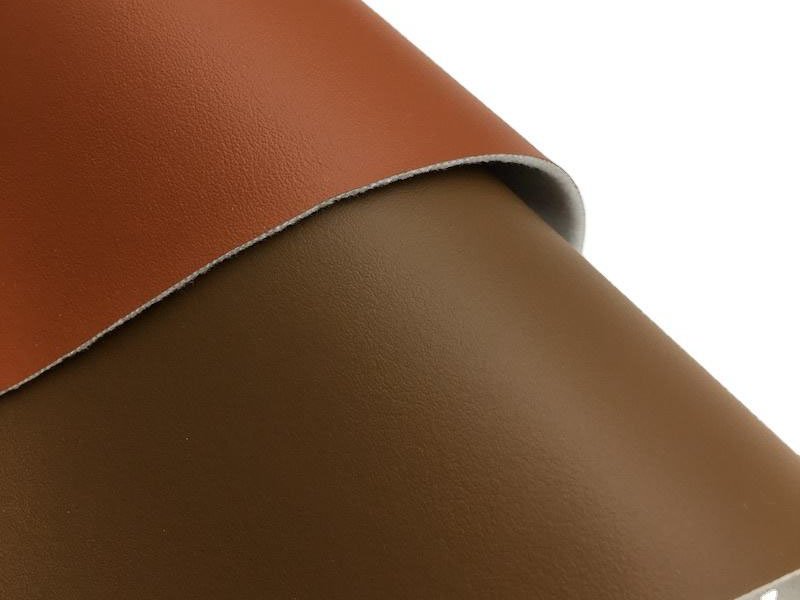
Working with a professional PU leather factory helps vegan fashion brands control material selection, product structure, sampling accuracy, production quality, packaging, and delivery stability. A reliable factory does not only sew products. It helps brands turn ideas into manufacturable bags, wallets, belts, straps, accessories, and leather boxes with fewer risks and better commercial results.
For vegan fashion brands, the factory relationship matters because PU leather products involve many connected decisions. Material grade affects cutting. Cutting affects stitching. Stitching affects shape. Shape affects packaging. Packaging affects shipping condition. Shipping condition affects customer reviews. A small mistake at one stage can become a visible problem after the product reaches the customer.
A strong PU leather factory should help brands answer practical questions before production begins:
What PU leather grade fits this product?
Which backing fabric supports the required strength?
Will the material crack at fold lines?
Can the logo method work on this texture?
Will the bag hold its shape during shipping?
Does the strap need reinforcement?
Can the packaging prevent surface pressure marks?
Can the same material be used across future collections?
What inspection standard should be used before shipment?
A brand may be able to buy ready-made vegan leather goods from a catalog, but custom brand development needs more than product sourcing. It needs material knowledge, product engineering, sample control, skilled workers, packaging planning, and clear inspection.
Material Supply Chain
A strong material supply chain gives vegan fashion brands more control over product quality, cost, lead time, and customization. PU leather manufacturing depends heavily on material selection. If the factory only has limited material access, the brand may be forced to accept whatever PU is available, even if it does not fit the product.
SzoneierLeather has strong raw material supply chain resources, which is important for brands developing bags, wallets, belts, straps, accessories, and leather boxes. Different products need different material solutions. A handbag may require a soft pebbled PU with stable body. A wallet may need thin, flexible PU with good folding resistance. A belt may require reinforced PU with strong backing. A leather box may need a wrapping-friendly PU that bonds smoothly and does not bubble at the corners.
A stronger material supply chain can support:
More texture options
More color choices
More backing fabric choices
Faster material matching
Better cost comparison
Better repeat order stability
More suitable PU for each product category
Lower risk of using the wrong material
Easier development of matching product sets
Better response to seasonal fashion trends
For brands, this means product development becomes less random. Instead of testing one material and hoping it works, the factory can compare several options based on real product requirements. This saves time and reduces the risk of failed samples.
A material supply chain also affects bulk production. A sample may look good, but if the factory cannot secure stable bulk material, the final order may show color difference, grain difference, or thickness variation. A professional factory should control the approved material standard before cutting begins.
| Material Supply Area | Why It Matters For Brands |
|---|---|
| PU Surface Options | Supports different brand styles and product looks |
| Backing Fabrics | Affects strength, flexibility, and durability |
| Color Development | Helps create seasonal and private label collections |
| Texture Library | Speeds up product development and sampling |
| Lining Materials | Improves product inside quality and user experience |
| Reinforcement Materials | Supports structure, load bearing, and long-term use |
| Hardware Sources | Improves product function and perceived value |
| Packaging Materials | Builds retail-ready presentation and shipping protection |
For vegan fashion brands, a factory with material knowledge is more valuable than a supplier that only says “yes.” The right partner should know when a material is suitable, when it is risky, and when a better option is needed.
Product Development
Product development is the process of turning a design idea into a product that can be sampled, tested, improved, produced, packed, and sold. For PU leather goods, development covers much more than drawing a shape. It includes material selection, pattern making, structure planning, reinforcement, hardware matching, logo testing, packaging design, and production feasibility review.
Many vegan fashion brands come to a factory with a strong visual idea but still need technical support. A reference photo may show the general direction, but it does not provide exact dimensions, material thickness, pocket structure, stitching method, edge finishing, strap construction, or packaging details. This is where factory development capability becomes very important.
SzoneierLeather supports product design, R&D, sampling, manufacturing, packaging design, and QC. This type of full-process support is useful for brands that want custom products rather than generic stock items.
A strong development process should include:
Design review
Material recommendation
Size and structure discussion
Pattern development
Hardware selection
Logo method testing
Sample production
Sample correction
Cost review
Packaging planning
Pre-production confirmation
Product development also protects the brand from hidden risks. For example, a beautiful bag shape may create too much pressure at the bottom corners. A wallet design may include too many card slots and become bulky. A belt may require a stronger inner layer than originally planned. A leather box may need a different corner structure to avoid lifting.
A good factory should not wait until mass production to discover these issues. It should identify them during development and sampling. That is the difference between a factory that only follows instructions and a factory that helps improve the product.
For brands planning multiple products, development should also consider product family consistency. A handbag, wallet, belt, strap, and gift box should share a connected design language. This may include similar PU texture, matching hardware tone, consistent logo size, coordinated lining color, and similar packaging style. When these details are aligned, the collection feels more professional and easier to sell.
Fast Sampling
Fast sampling is important because vegan fashion brands often need to test products, confirm designs, prepare product photography, meet launch calendars, and show samples to wholesale customers. However, speed only has value when the sample is accurate. A rushed sample made with the wrong material or wrong structure creates confusion instead of progress.
A good PU leather sample should help the brand evaluate three things:
Does the product look right?
Does the product work correctly?
Can the product be produced consistently in bulk?
For bags, the sample should be checked for shape, handle drop, strap length, zipper opening, pocket placement, lining, hardware, weight balance, and packaging fit. For wallets, the sample should be checked for card slot size, fold thickness, edge finishing, zipper movement, and logo clarity. For belts, the sample should be checked for hole spacing, buckle strength, edge finish, and bend resistance. For leather boxes, the sample should be checked for surface smoothness, corner wrapping, glue marks, and lid fit.
Brands should not approve samples based only on photos. A physical sample gives a clearer understanding of handfeel, weight, structure, flexibility, smell, hardware quality, and packaging condition.
A practical sample review checklist:
| Sample Area | What To Review |
|---|---|
| Material | Texture, color, softness, thickness, odor |
| Shape | Size, proportion, balance, structure |
| Stitching | Line straightness, tension, spacing |
| Edges | Paint, folding, trimming, peeling risk |
| Hardware | Smoothness, strength, plating, weight |
| Logo | Position, clarity, size, finish |
| Function | Opening, closing, storage, comfort |
| Packaging | Protection, presentation, shipping fit |
| Cost | Whether the design fits target price |
| Production | Whether the structure can be repeated |
Fast sampling also helps brands reduce market risk. A brand can test a design with a small batch, gather customer feedback, then adjust color, strap length, packaging, or size before scaling. This is especially useful for e-commerce brands, boutique labels, and custom wholesale customers launching new vegan product lines.
Quality Control
Quality control is one of the most important parts of PU leather manufacturing because many defects are visible to customers immediately. Crooked stitching, peeling edges, scratched hardware, poor logo placement, strong odor, color difference, or crushed packaging can all damage brand trust.
Professional QC should not happen only at the end. It should be built into the entire production process. Material inspection should happen before cutting. Cutting inspection should happen before sewing. Sewing inspection should happen during production. Final inspection should happen before packing and shipping.
For PU leather goods, quality control usually includes:
Material color inspection
Surface defect inspection
Thickness and texture check
Cutting accuracy
Stitching quality
Edge finishing
Logo position
Hardware function
Glue and bonding quality
Lining inspection
Size measurement
Odor check
Packaging inspection
Carton marking
Random final inspection
Different products need different QC focus. A bag requires handle strength, zipper smoothness, shape control, and lining quality. A wallet requires fold accuracy, slot size, edge neatness, and logo clarity. A belt requires pull strength, hole durability, buckle function, and edge adhesion. A leather box requires surface smoothness, corner bonding, and packaging protection.
A useful QC table for PU leather goods:
| Product | Main QC Focus | Common Defect To Avoid |
|---|---|---|
| Bags | Shape, straps, stitching, hardware | Handle weakness, corner peeling |
| Wallets | Fold, slots, logo, edges | Bulky structure, uneven stitching |
| Belts | Pull strength, holes, buckle | Stretching, cracking near holes |
| Straps | Edge finish, clip strength, width | Surface wear, weak hardware |
| Accessories | Cutting, logo, small details | Rough edges, poor alignment |
| Leather Boxes | Glue, corners, surface | Bubbling, lifting, dents |
For vegan fashion brands, QC also protects online reputation. Customers often judge small details harshly because they cannot inspect the product before purchase. A well-inspected product reduces return rates and improves repeat buying.
SzoneierLeather’s manufacturing and packaging QC capabilities are valuable because quality must continue beyond the product itself. A well-made PU leather handbag can still be damaged by poor packing. A clean wallet can still arrive with pressure marks if cartons are stacked incorrectly. Quality control should cover both product and packaging.
OEM ODM Support
OEM and ODM support allows vegan fashion brands to work with a factory in different ways. OEM is suitable when the brand already has detailed designs, technical files, material requirements, and clear product specifications. ODM is suitable when the brand has a concept, reference image, target market, or rough idea and needs the factory to help develop the product.
Many vegan fashion projects need a mix of both. A brand may provide a reference handbag and request a new shape, different PU texture, custom logo, matching wallet, branded packaging, and adjusted price point. In this case, the factory is not just producing; it is helping build the product line.
SzoneierLeather supports custom, private label, OEM, and ODM leather goods development across bags, wallets, belts, straps, accessories, leather boxes, and related products. This gives brands more flexibility when they want to launch a complete collection instead of one isolated product.
OEM support may include:
Producing from tech packs
Matching approved samples
Following brand specifications
Controlling material standards
Managing private label production
Producing repeat orders
Maintaining batch consistency
ODM support may include:
Product concept development
Material recommendation
Shape improvement
Structure adjustment
Logo and hardware suggestions
Packaging design
Sample creation
Cost optimization
Collection planning
A strong OEM/ODM partner should also help brands control production risk. For example, if a requested material is too stiff for a folded wallet, the factory should suggest an alternative. If a custom hardware design increases cost too much, the factory should offer a more practical option. If packaging may crush the bag, the factory should recommend shape support.
For vegan fashion brands, the goal is not just to make one product. The goal is to build a repeatable product development system. A reliable PU leather factory helps brands move from idea to sample, from sample to bulk production, and from one collection to the next with better control.
FAQs About PU Leather Manufacturing
PU leather manufacturing questions usually focus on product durability, vegan claims, customization, quality testing, MOQ, sustainability, and factory cooperation. Brands should ask not only whether a factory can make PU leather goods, but whether it can select the right material, control construction, test quality, customize packaging, and support repeat production.
These questions are especially important for vegan fashion brands because customers often care about both values and product experience. A product may be animal-free, but it still needs to look good, feel comfortable, function smoothly, and hold up during daily use. Clear answers help brands make smarter manufacturing decisions before spending money on samples or bulk orders.
Is PU Leather Good For Bags?
Yes, PU leather can be very suitable for bags when the correct material grade and structure are selected. It works well for tote bags, shoulder bags, crossbody bags, mini bags, cosmetic bags, laptop bags, pouches, and structured handbags. The key is choosing PU leather based on bag function, not only color or texture.
For daily bags, brands should focus on scratch resistance, handle strength, bottom corner durability, lining quality, zipper smoothness, and strap reinforcement. For fashion mini bags, appearance and finish may be more important, but the product still needs stable structure. For laptop or work bags, reinforcement and load-bearing ability are critical.
PU leather bags should be tested in real-use conditions. Put weight inside the bag. Open and close the zipper many times. Bend the strap. Check the corners. Look at the stitching under light. Review whether the bag keeps shape after packing.
A well-made PU leather bag can give vegan brands a strong combination of animal-free positioning, attractive design, color flexibility, and commercial pricing.
How Long Does PU Leather Last?
The lifespan of PU leather depends on material grade, coating quality, backing fabric, product construction, use frequency, climate, storage, and care. A low-grade PU product may show peeling or cracking quickly, while a better material with proper construction can perform much better for daily fashion use.
Brands should not think of lifespan as a fixed number. A wallet used every day in a humid climate faces different conditions from a party clutch used occasionally. A belt is pulled and bent repeatedly. A handbag handle absorbs hand oil and friction. A leather box may sit on a shelf and experience very little stress.
Factors that improve PU leather product life include:
Better coating adhesion
Stronger backing fabric
Suitable material thickness
Reinforced stress points
Clean edge finishing
Good stitching tension
Stable hardware
Proper packaging
Clear care instructions
Avoiding long-term heat and humidity
Brands should also educate customers on product care. PU leather should usually be kept away from strong solvents, high heat, long sun exposure, and excessive moisture. A soft damp cloth can be used for light cleaning, while harsh alcohol-based cleaners may damage the surface.
For brand reputation, it is better to develop a product that matches customer expectations honestly than to overpromise. A well-positioned PU leather product can satisfy customers when the material, price, and use case are aligned.
Can PU Leather Be Sustainable?
PU leather can support animal-free fashion, but brands should be careful with sustainability claims. Vegan does not automatically mean sustainable. Most PU leather is synthetic, and its environmental profile depends on raw materials, coating process, chemical management, product life, packaging, waste control, and end-of-life options.
That does not mean PU leather has no place in responsible fashion. It means brands should communicate clearly and improve where possible. Better options may include water-based PU, solvent-free PU, PVC-free material choices, recycled backing where available, improved cutting efficiency, longer-lasting product construction, recyclable packaging, and better care guidance.
A more responsible approach is to use specific claims instead of broad language. For example:
Animal-free PU leather
PVC-free material option
Water-based PU option
Recycled lining option
Designed for longer daily use
Plastic-free packaging option
Lower-waste cutting plan
Reusable dust bag
Repair-friendly hardware structure
The strongest sustainability move for many brands is durability. A product that lasts longer and avoids quick disposal is usually better for both customers and brand reputation. Cheap PU products that peel quickly create waste and negative reviews. Better material selection and stronger construction can help brands build more responsible vegan fashion products.
Can PU Leather Be Customized?
Yes, PU leather can be highly customized. Brands can customize the material, color, texture, thickness, finish, lining, hardware, logo, stitching, edge paint, structure, size, function, packaging, and product set. This is one of the main reasons PU leather is widely used in vegan fashion manufacturing.
Common customization directions include:
Custom handbag shape
Custom wallet layout
Custom belt width
Custom strap length
Custom PU texture
Custom seasonal color
Debossed or embossed logo
Metal logo plate
Custom zipper pull
Branded lining
Custom buckle
Gift box packaging
Dust bag packaging
Barcode and retail labels
Matching product sets
For better results, brands should provide clear information before sampling. Useful documents include reference photos, sketches, logo files, target dimensions, preferred material feel, color direction, estimated order quantity, packaging ideas, and target retail price.
A factory with R&D, design, sampling, production, and packaging capability can help turn these details into a real product. Without that support, customization may become slow, expensive, and inconsistent.
SzoneierLeather can support custom PU leather goods across bags, wallets, belts, straps, accessories, and leather boxes, helping brands build complete collections instead of disconnected single products.
What MOQ Do Brands Need?
MOQ depends on product type, material availability, custom color requirements, logo method, hardware, packaging, and production complexity. Products using available PU materials and standard hardware usually have more flexible MOQ. Fully custom materials, special colors, custom molds, custom hardware, and premium packaging may require higher quantities.
Brands should understand that MOQ is not only a factory rule. It is also affected by upstream suppliers. PU material suppliers, hardware suppliers, lining suppliers, packaging suppliers, and printing suppliers may all have their own minimum quantities. A professional factory helps brands find the most practical balance between customization and order size.
Factors that affect MOQ include:
Product size
Material type
Color availability
Custom texture
Logo method
Hardware mold
Packaging design
Production difficulty
Labor process
Testing requirement
Repeat order potential
A practical launch strategy is to start with focused products. Instead of developing too many styles at once, a brand can begin with two or three high-potential products and expand after market feedback. For example, a vegan fashion brand might start with one tote bag, one crossbody bag, one wallet, and one strap. This creates a small but complete collection without spreading the budget too thin.
When discussing MOQ with SzoneierLeather, brands can prepare product category, preferred material, quantity plan, logo needs, and packaging ideas. This allows the team to recommend a more accurate production solution.
Ready To Develop PU Leather Goods With SzoneierLeather?
Vegan fashion products need to do more than look animal-free. They need to feel good in the hand, photograph well, survive daily use, protect brand reputation, and arrive to customers in good condition. That takes more than a material supplier. It takes a manufacturing partner that understands PU leather, product structure, custom branding, packaging, and quality control.
SzoneierLeather is a leather goods R&D and manufacturing factory with more than 18 years of experience. The company develops and produces PU leather bags, wallets, belts, straps, accessories, leather boxes, and other custom leather goods for brand clients and small-to-medium custom wholesale customers. With strong raw material supply chain resources, material development, product R&D, design support, sampling, manufacturing, packaging design, packaging inspection, and quality control, SzoneierLeather helps brands turn ideas into finished products ready for market.
If your brand is planning a vegan fashion collection, SzoneierLeather can support projects such as:
PU leather handbags
Vegan leather tote bags
Custom wallets
Private label belts
Adjustable straps
Fashion accessories
Leather gift boxes
Retail packaging
Matching product sets
OEM and ODM development
Before requesting a quotation, it is helpful to prepare:
Product type
Reference images
Target size
Preferred PU texture
Color requirements
Logo file
Hardware preference
Packaging idea
Estimated order quantity
Target market
Quality requirements
Expected launch time
The more details you provide, the faster the team can recommend suitable materials, estimate cost, develop samples, and prepare a practical production plan.
For vegan fashion brands, the best product is not simply the one that avoids animal leather. It is the one that customers want to carry, use, gift, photograph, review, and buy again. With the right PU leather manufacturing partner, your next collection can be stylish, practical, scalable, and built with the level of detail your customers can feel.