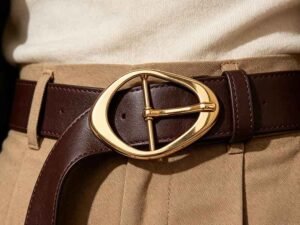
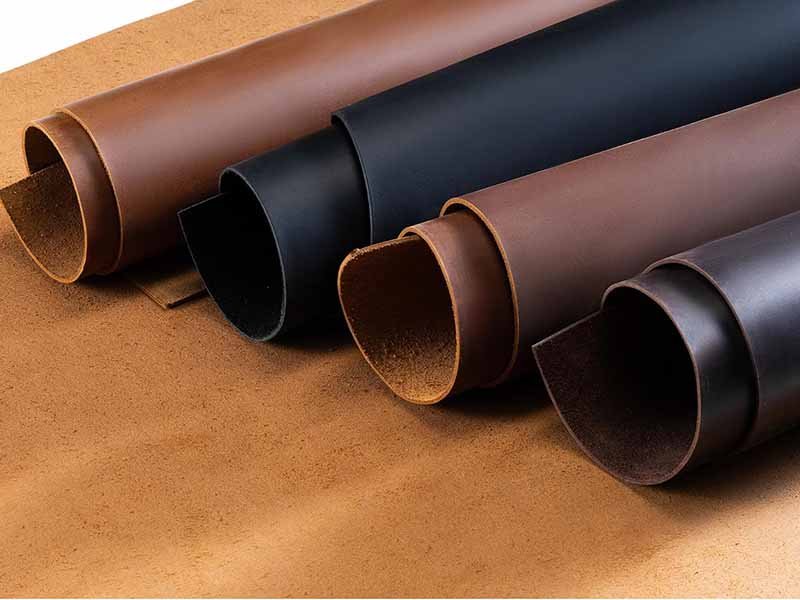
In a market where synthetic and vegan leathers are multiplying, Crazy Horse leather stands apart as a material that grows more beautiful the more it’s used. Known for its rugged yet elegant texture, this distinctive leather has found its way into luxury bags, vintage wallets, artisan belts, and timeless accessories. But what exactly makes it “Crazy Horse,” and why has it become the hallmark of craftsmanship for those who value authenticity over perfection?
Crazy Horse leather is a premium full-grain cowhide treated with natural waxes and oils, creating a durable, water-resistant surface that develops a rich patina over time. Its vintage “pull-up” effect gives each piece a unique personality, making it one of the most sought-after materials for premium bags, wallets, and belts.
The charm of Crazy Horse leather lies not in flawless uniformity, but in its evolution. Each mark, scratch, or color variation tells a story — much like a fine wine that matures with age. Let’s explore why artisans, designers, and brands across the world continue to choose this timeless leather.
What Makes Crazy Horse Leather Unique?

Crazy Horse leather stands out for its natural full-grain quality and distinctive wax-infused finish that produces a rich, rugged look. It’s exceptionally durable, water-resistant, and develops a deep patina over time. Its “pull-up effect” — the way color lightens when the surface bends or scratches — gives every piece a vintage, one-of-a-kind character.
A Material Born from Equestrian Heritage
Despite the name, Crazy Horse leather isn’t made from horsehide. The name comes from its historical use in saddlery — leathers crafted for equestrian gear had to be tough, flexible, and resistant to the elements, capable of aging gracefully through years of handling and exposure. The same principles guide modern Crazy Horse leather production: creating a material that embodies strength, authenticity, and personality.
Historically, saddle-makers applied layers of natural wax and oil to full-grain cowhide to make it supple yet weather-resistant. This tradition evolved into today’s “Crazy Horse” technique — a process that balances raw toughness with vintage appeal. Each piece retains its natural scars, pores, and grain, ensuring that no two hides are exactly alike.
The Craftsmanship Behind Its Making
The making of Crazy Horse leather begins with full-grain cowhide, the highest-quality part of the animal hide. Unlike corrected-grain or genuine leathers, this layer contains all the natural fibers, providing maximum strength and durability. The process involves several key stages:
- Selection of Full-Grain Hides: Only top-grade cowhides with minimal artificial correction are chosen. These preserve the natural structure of the skin, allowing breathability and long-term endurance.
- Vegetable or Oil Tanning: The hides are tanned using eco-friendly vegetable extracts or mild aniline processes. This locks in the organic strength of the fibers.
- Wax Infusion: The defining step — artisans coat the leather with natural beeswax or oil mixtures. These substances penetrate deep into the pores, creating the soft sheen and water-repellent quality that make Crazy Horse unique.
- Hand Finishing: The surface is polished lightly to highlight tonal variation and reveal the pull-up effect — where oils redistribute under tension, producing lighter shades along creases or scratches.
The Pull-Up Effect: Beauty in Motion
One of the most captivating aspects of Crazy Horse leather is its dynamic surface behavior. When the leather flexes or experiences pressure, oils and waxes shift within the fibers, creating a temporary lightening of color. This is known as the pull-up effect — an aesthetic hallmark of authentic full-grain waxed leathers.
Instead of showing damage, these color variations reveal life and motion. A new wallet or bag may start with a matte, uniform tone, but after weeks of use, it begins to tell a visual story — every rub, touch, and fold leaves behind a subtle trace of ownership. Over years, this “living finish” evolves into a deep, glossy patina, showcasing the leather’s maturity and your personal history.
Does Crazy Horse Leather Darken Over Time?
Yes — and that’s one of its greatest charms. Exposure to air, natural body oils, and light causes Crazy Horse leather to darken gradually, producing a richer hue. Unlike synthetic coatings that fade, this darkening is part of the aging process. It’s the same mechanism that gives vintage leather bags and boots their deep, earthy tones.
For example:
- A light chestnut bag may turn into a deeper cognac brown.
- A dark tan wallet might evolve into a rich coffee tone.
- The surface sheen becomes smoother and glossier with every polish or touch.
This transformation, called patina development, is prized among collectors and craftsmen because it enhances rather than diminishes value — each piece becomes a record of time and use.
Texture: The Feel of Authenticity
Crazy Horse leather is instantly recognizable by touch. It feels smooth, waxy, yet firm — neither too polished nor rough. The wax coating gives a soft, almost velvety resistance under the fingers, while the full-grain core ensures structural integrity. Over time, the texture transitions from matte to semi-gloss as the surface oils migrate and reabsorb with handling.
This tactile evolution distinguishes Crazy Horse leather from coated or synthetic finishes. It doesn’t just look real — it feels real, with every detail reflecting the natural life of the hide.
Is Crazy Horse Leather Real Leather?

Yes, Crazy Horse leather is 100% real, full-grain cowhide — the highest grade of natural leather. It is not synthetic or “genuine” leather but a wax-treated, full-grain variant designed for durability and rich aging.
The Four Grades of Leather
| Grade | Description | Durability | Example Use |
|---|---|---|---|
| Full-Grain | Top layer with natural markings | ★★★★★ | Premium bags, belts |
| Top-Grain | Sanded and treated surface | ★★★★☆ | Upholstery, mid-range wallets |
| Genuine | Split leather with embossed grain | ★★☆☆☆ | Budget belts, accessories |
| Bonded | Reconstituted leather fibers | ★☆☆☆☆ | Low-cost goods |
Crazy Horse leather belongs to the full-grain category — the purest and strongest form of leather available.
What Is the Difference Between Leather and Crazy Horse Leather?
“Leather” is a general term for animal hides treated for use, but Crazy Horse leather specifically refers to full-grain cowhide treated with natural waxes. This gives it a more rugged appearance, stronger structure, and resistance to water or scratches compared to smooth or polished finishes.
What Is the Difference Between Nubuck Leather and Crazy Horse Leather?
While both are derived from full-grain hides, nubuck is sanded to create a velvety, matte texture, whereas Crazy Horse retains its natural grain and is wax-coated for a shiny, distressed finish. Nubuck feels softer to touch but requires more maintenance, while Crazy Horse is tougher and self-healing when scratched.
What Is the Difference Between Faux Leather and Crazy Horse Leather?
Faux leather is synthetic, made from polyurethane or PVC, while Crazy Horse leather is 100% natural cowhide.
| Aspect | Faux Leather | Crazy Horse Leather |
|---|---|---|
| Source | Plastic-based | Full-grain cowhide |
| Aging | Cracks and peels | Develops patina |
| Breathability | None | Excellent |
| Sustainability | Short lifespan | Long-lasting |
| Price Range | Low | Medium–High |
What Are the Pros and Cons of Crazy Horse Leather?
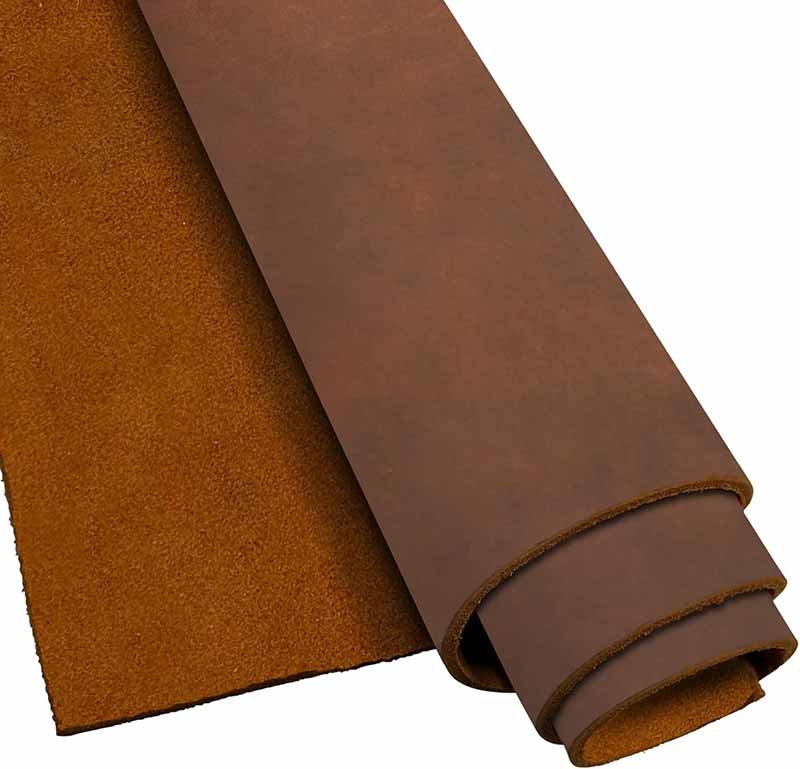
Crazy Horse leather offers outstanding durability, natural water resistance, and an elegant vintage patina that deepens with use. It’s made from full-grain cowhide treated with waxes and oils, giving it a unique aged look and long lifespan. However, it can show scratches easily, feel heavier than other leathers, and requires regular care to maintain its supple texture and color.
Advantages of Crazy Horse Leather
1. Exceptional Durability
Crazy Horse leather is made from full-grain cowhide, the highest and strongest layer of the animal hide. Unlike split or corrected-grain leathers, it keeps the natural fiber density intact — making it highly resistant to tearing, stretching, and surface wear.
- It can last 20–30 years or more with proper care.
- The dense grain structure resists cracking and retains its form under heavy loads.
- Ideal for everyday-use products like bags, wallets, and belts that endure constant motion.
Its durability rivals or surpasses that of other popular finishes, making it a long-term investment rather than a disposable fashion item.
2. Beautiful Patina and Aging
One of Crazy Horse leather’s greatest strengths is how it improves with time. Instead of degrading, its appearance matures — deepening in tone and developing a glossy patina that reflects its journey.
- Each scratch or rub lightens the surface temporarily but blends back as oils redistribute.
- Exposure to sunlight and handling gradually darkens the color.
- No two items ever age the same, ensuring every bag or wallet is truly unique.
This living surface gives it a timeless, vintage appeal — like denim that fades or wood that gains character with age.
3. Natural Water and Dirt Resistance
The wax infusion process gives Crazy Horse leather its mild water repellence and stain protection. The oils fill the pores, creating a barrier that keeps moisture and dust from penetrating easily.
- It withstands light rain and splashes without absorbing water.
- Dirt can be wiped away with a dry or slightly damp cloth.
- The wax layer helps protect the surface from minor spills or fingerprints.
While not fully waterproof like synthetic TPU, Crazy Horse leather is water-resistant enough for everyday use, especially when maintained with conditioning balms.
4. Eco-Friendliness and Sustainability
High-quality Crazy Horse leather is often vegetable-tanned, meaning it uses natural tannins extracted from tree bark, rather than harsh chromium salts found in mass-market leathers. This gives it an earthy aroma and a smaller environmental footprint.
Additionally, because full-grain hides last for decades, they reduce the need for frequent replacements — aligning with sustainable, long-term consumption.
Environmental Benefits:
- Fewer chemicals in production.
- Biodegradable when untreated.
- Longer product life cycle, reducing waste.
5. Timeless Aesthetic Appeal
The rustic charm of Crazy Horse leather is difficult to replicate. Its matte, slightly waxy finish and pull-up effect give it a vintage-meets-modern look suitable for multiple styles — from rugged outdoor bags to minimalist wallets or belts.
- Works with both heritage and luxury designs.
- Each product tells a story through its unique surface evolution.
- Perfect for branding and personalization, as the texture highlights embossing beautifully.
This aesthetic versatility makes it a favorite among both traditional craftsmen and contemporary fashion designers.
6. Repairability and Longevity
Unlike synthetic materials that crack beyond repair, Crazy Horse leather is self-healing to a degree. Light scratches can be buffed out by hand, and conditioning oils restore the surface sheen. Even after years of wear, re-waxing revives its original richness.
Disadvantages of Crazy Horse Leather
1. Visible Scratches and Marks
Because of its wax finish, Crazy Horse leather highlights every small scratch, rub, or fingerprint — part of its charm but sometimes misunderstood as damage.
- The lighter tones of the pull-up effect can appear uneven to new users.
- Regular buffing is needed to maintain even coloration.
While these marks contribute to its vintage personality, those who prefer a flawless, uniform surface may find it less appealing.
2. Heavier Weight
Full-grain leather retains its natural thickness, making it denser and heavier than split or faux leathers. A full-size Crazy Horse leather duffel or tote may weigh noticeably more than its nylon equivalent.
However, this density also gives it structure and durability, allowing it to hold shape over time without sagging — a key advantage for premium bags.
3. Requires Regular Maintenance
To keep its oils balanced, Crazy Horse leather should be conditioned every few months. Without care, the wax layer may dry out, causing stiffness or minor cracking.
- Needs beeswax or oil-based leather conditioner (not water-based creams).
- Avoid exposure to extreme heat or humidity.
- Must be air-dried naturally after getting wet.
While not difficult to maintain, this extra attention makes it less “set-and-forget” than synthetic alternatives.
4. Not Fully Waterproof
Although water-resistant, Crazy Horse leather can still absorb moisture over time, especially along stitching or edges. Heavy rain or submersion can cause darkening or slight warping.
- Avoid long exposure to rain or wet surfaces.
- Reapply waterproofing wax or spray periodically.
It’s best described as weather-tolerant, not waterproof — ideal for daily use but not for extreme conditions like boating or snow trekking.
5. Cost and Accessibility
Because it uses top-grade full-grain hides and labor-intensive finishing, Crazy Horse leather tends to be more expensive than genuine or PU leather. It also comes from select tanneries specializing in traditional wax treatments, making it less accessible for mass production.
However, its longevity offsets the cost — a well-made Crazy Horse bag can outlast several cheaper synthetic ones, delivering better long-term value.
How to Identify Genuine Crazy Horse Leather
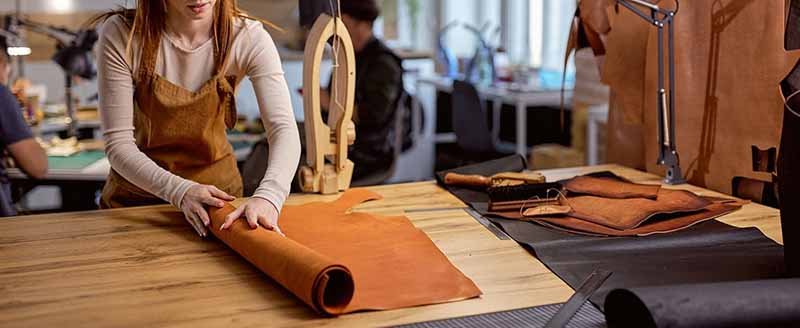
Genuine Crazy Horse leather can be identified by its smooth yet waxy texture, visible natural grain, and color-changing “pull-up effect” when rubbed or bent. It gives off a rich, earthy leather scent and darkens beautifully with age. Unlike synthetic or coated leathers, it feels warm to the touch and reveals subtle imperfections that prove authenticity.
1. Check the Texture and Surface Feel
Genuine Crazy Horse leather has a distinct tactile signature — smooth, dense, and slightly oily or waxy to the touch. When you press your fingers into it, it feels soft but firm, flexible but not rubbery.
How to test:
- Run your fingers lightly over the surface. You’ll feel a thin wax layer that gives a subtle drag, not slipperiness.
- Rub a small area with your thumb — you’ll notice a temporary lightening of color where oils move under pressure.
- After a few seconds, the shade blends back to normal — this is the pull-up effect, unique to full-grain waxed leathers.
This is one of the most reliable ways to distinguish real Crazy Horse leather from coated or PU types, which remain static and overly smooth when touched.
2. Look for the Natural Grain and Imperfections
Unlike top-grain or genuine leather (which are sanded and corrected), Crazy Horse leather proudly retains visible pores, scars, wrinkles, and grain texture. These natural markings are not flaws — they’re proof that the leather comes from the top layer of hide.
Visual clues of authenticity:
- Uneven texture: Real full-grain hides have natural variations; fake ones look too uniform.
- Visible pores: Under light, you can see the tiny hair follicle marks of the original hide.
- Random patterns: Every piece is unique; if you see identical embossing or repeating “cracks,” it’s likely synthetic.
3. Perform the Scratch and Rub Test
The scratch test is one of the simplest and most effective methods.
When lightly scratched, genuine Crazy Horse leather will show a lighter mark that blends away when rubbed — thanks to the mobility of the waxes within the grain.
How to do it:
- Use your fingernail to make a small mark.
- Observe if the surface lightens.
- Rub the area gently with your finger.
- The mark should fade or disappear, restoring the surface color.
Fake or coated leather will not respond — the surface layer is plasticized, so scratches either remain white and harsh or peel off completely. The flexibility and recovery of Crazy Horse leather are key signs of authenticity.
4. Smell the Leather
The aroma is another powerful indicator. Genuine Crazy Horse leather emits a rich, earthy, organic scent due to natural tanning oils and waxes. This scent deepens with age and handling.
In contrast, PU or faux leather gives off a chemical or plastic odor — often sharp or artificial. While manufacturers can add artificial fragrances, the natural warm smell of full-grain leather is unmistakable and nearly impossible to fake.
5. Observe the Color and Pull-Up Effect
The “pull-up” is what defines Crazy Horse leather. When the surface is flexed or folded, oils and waxes move, lightening the color temporarily before gradually returning to its darker tone.
How to test:
- Bend or crease a corner of the leather.
- You’ll notice a lighter shade appear along the bend.
- After a few seconds, the original color returns.
This living quality — how the leather changes under motion and recovers naturally — is unique to wax-treated full-grain hides. Synthetic materials, on the other hand, stay rigid or crack when bent.
6. Compare Edges and Underside
The edges and underside of Crazy Horse leather also reveal authenticity.
Genuine leather:
- Rough, fibrous backing (the suede-like underside of hide).
- Natural color transitions through the material — not just on the surface.
- Feels slightly coarse but organic.
Fake or bonded leather:
- Perfectly smooth or fabric-backed underside.
- The cross-section often shows a foam or layered structure.
- The top layer peels easily from the base when bent or scratched.
At Szoneier Leather, genuine Crazy Horse materials are dyed through and through, ensuring that even when cut or stitched, the core color matches the surface tone.
7. Conduct a Water Drop Test
Full-grain Crazy Horse leather is water-resistant, not waterproof — it absorbs moisture slowly and evenly.
To test:
- Place a tiny drop of water on the surface.
- Wait for 10–15 seconds.
- Real leather will absorb slowly, darkening slightly where the droplet was placed.
- Synthetic leather will resist entirely or let the droplet roll off unnaturally.
This absorption is part of what allows Crazy Horse leather to age beautifully — as moisture interacts with the oils, it deepens the patina rather than damaging it.
8. Check the Patina Over Time
Perhaps the most telling test of all: time itself.
Real Crazy Horse leather will evolve. Within weeks of use, it develops a soft sheen and richer tone, especially in areas of frequent touch like handles, corners, or wallet folds. Over months, it acquires a deep, polished glow — the result of absorbed oils and motion.
Fake or coated leathers instead deteriorate — cracking, peeling, or losing color as the surface coating breaks down.
Patina is not wear — it’s transformation. That’s why genuine Crazy Horse leather is prized by heritage brands and collectors who want pieces that grow in character rather than decay.
9. Examine Stitching and Craftsmanship
While not an intrinsic property of the leather itself, the way a product is crafted often hints at authenticity. Genuine Crazy Horse leather is typically used by experienced artisans or reputable manufacturers because of its value and difficulty to handle.
Look for:
- Clean, tight, even stitching using heavy-duty wax thread.
- Burnished or sealed edges.
- No glue residue or artificial laminate lines.
What Products Are Crazy Horse Leather Used For?
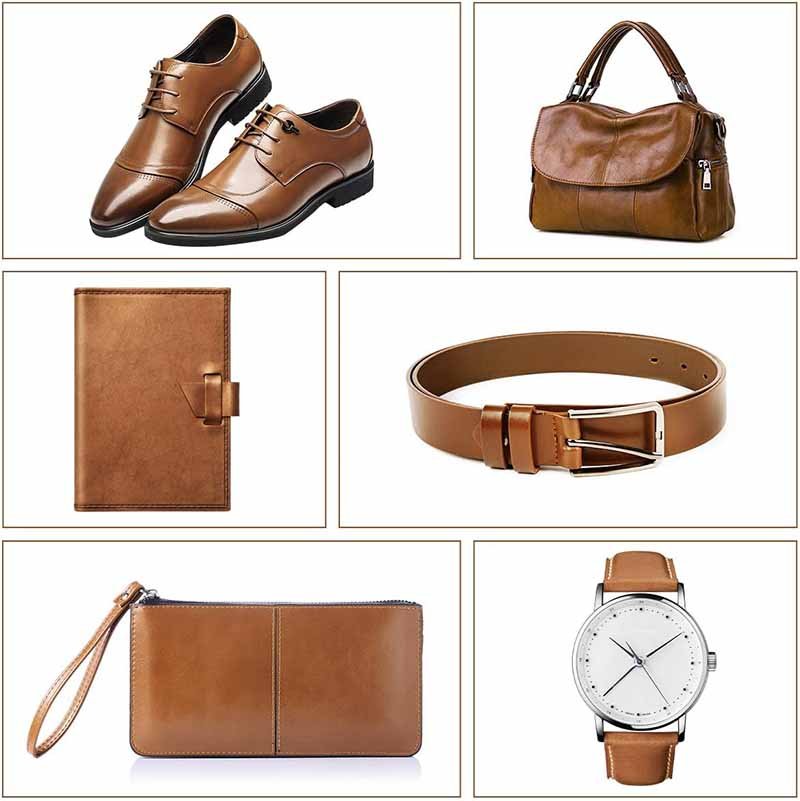
Crazy Horse leather is widely used in high-end bags, wallets, belts, shoes, straps, and accessories because of its durability, water resistance, and unique vintage appearance. Its waxed full-grain finish makes it ideal for daily-use products that improve with age, offering both rugged strength and timeless style.
Below, we explore the most common applications across industries — from fashion to travel, from daily carry to premium décor.
1. Bags and Luggage
Crazy Horse leather is a natural fit for bags, satchels, and travel gear — items that endure frequent handling and exposure to the elements.
Common Product Types:
- Messenger Bags: Perfect for office or casual use; they combine structure and flexibility, resisting wear while gaining attractive creases over time.
- Backpacks: Popular among both students and professionals for their ruggedness and refined vintage look.
- Duffel & Travel Bags: Designed for heavy loads and frequent travel, Crazy Horse leather handles tension and friction far better than corrected-grain alternatives.
- Tote Bags: The smooth yet firm body structure allows them to hold shape while showcasing beautiful pull-up texture.
Why It’s Ideal:
- High tensile strength and resistance to tearing.
- Wax coating provides mild water resistance.
- Develops rich patina with handling — ideal for travel aesthetics.
Example: A leather duffel made from Crazy Horse leather can endure over a decade of frequent use, looking even better after years of flights, road trips, and daily commutes.
2. Wallets and Small Leather Goods
Few materials age as gracefully as Crazy Horse leather when used for wallets, card holders, and pouches.
Key Advantages:
- Compact goods benefit from the material’s natural stiffness that softens gradually.
- Every bend and rub enhances the character, creating a personalized finish.
- Excellent resistance to edge fraying or cracking.
Popular Items Include:
- Slim and bi-fold wallets
- Passport holders
- Coin purses
- Phone sleeves
- Key organizers
3. Belts and Straps
Belts and watch straps demand both flexibility and strength — two areas where Crazy Horse leather excels.
Why It’s a Top Choice:
- Its dense grain structure prevents stretching, even under repeated stress.
- The matte vintage look suits both formal and casual wardrobes.
- Leather softens over time, adjusting naturally to the wearer’s body shape.
Applications:
- Men’s and women’s belts with brushed metal buckles.
- Camera straps and guitar straps, where reliability and comfort matter.
- Watch straps that age beautifully alongside luxury timepieces.
For brands, Crazy Horse leather’s color-shifting surface also enhances embossed logos or heat-stamped branding, giving each strap a refined artisan appearance.
4. Footwear and Boots
Crazy Horse leather is a heritage favorite for work boots, casual shoes, and outdoor footwear. It combines durability with breathability — rare for heavy-duty leathers.
Key Characteristics:
- Naturally resistant to scratches, stains, and minor scuffs.
- Repels light rain while maintaining flexibility.
- Gains character with every crease, enhancing rugged aesthetics.
Product Examples:
- Hiking boots
- Chelsea and chukka boots
- Moccasins and loafers
- Handcrafted sandals
5. Accessories and Everyday Gear
Designers use Crazy Horse leather to elevate simple functional goods into long-lasting lifestyle items.
Common Uses Include:
- Laptop sleeves and tablet covers
- Journals and planners with leather bindings
- Keychains and lanyards
- Headphone cases and cable organizers
- Leather mouse pads or desk mats
Why It Works: Its waxed surface resists scratches from metal or zippers, while its structure gives form and protection. The finish lends a touch of sophistication even to utility pieces.
6. Furniture and Décor Applications
Beyond fashion and travel, Crazy Horse leather is also used in upholstery and decorative accents, especially where a rustic or industrial aesthetic is desired.
Examples:
- Leather desk pads and mouse mats
- Chair and stool upholstery
- Wall panels, menu covers, or luxury book bindings
Advantages:
- Easy to clean and maintain.
- Develops warm, natural tones over years of use.
- Adds tactile richness to interior spaces.
Its vintage charm and subtle sheen make it a popular choice in cafés, boutique hotels, and home offices seeking a natural, lived-in luxury feel.
7. Equestrian, Outdoor, and Utility Gear
The name “Crazy Horse” itself nods to its equestrian roots — originally used for saddle and tack leather. Modern versions continue this tradition in functional and outdoor products.
Applications:
- Horse saddles, harnesses, and reins
- Knife sheaths and tool holsters
- Motorcycle bags and seat covers
- Outdoor survival pouches and field gear
Why It’s Chosen:
- Superior strength under tension.
- Handles moisture, sweat, and abrasion effectively.
- Ages beautifully even under tough outdoor conditions.
For craftspeople and enthusiasts, Crazy Horse leather embodies the ideal blend of heritage craftsmanship and functional resilience.
8. Premium Corporate Gifts and Custom Branding
Because it takes embossing, laser engraving, and debossing exceptionally well, Crazy Horse leather is a favorite for corporate gifts and brand merchandise.
Common Gift Items:
- Personalized notebooks and folios
- Luggage tags
- Branded card wallets or organizers
- Custom pen cases or desk accessories
At Szoneier Leather, we frequently produce branded Crazy Horse leather goods for global companies — each designed to reflect the brand’s aesthetic through authentic material storytelling.
Product Durability Matrix
| Category | Primary Qualities | Expected Lifespan | Common Finish |
|---|---|---|---|
| Bags & Luggage | Strong, structured, weather-tolerant | 10–20 years | Waxed matte |
| Wallets & SLGs | Compact, flexible, soft patina | 8–15 years | Smooth wax pull-up |
| Belts & Straps | Firm, tension-resistant | 15–25 years | Matte oil-wax |
| Footwear | Rugged, breathable, water-repellent | 5–10 years | Oiled grain |
| Accessories | Scratch-resistant, elegant | 10+ years | Semi-gloss finish |
| Furniture/Decor | Aging tone, easy to clean | 15+ years | Glossy pull-up |
How to Care for Crazy Horse Leather
Clean with a dry cloth, avoid soaking, and condition every few months with beeswax or natural oils. Never use alcohol-based cleaners or excessive water.
Cleaning and Conditioning
Use a dry or slightly damp cloth to remove dust. For deeper care, apply neutral beeswax balm using circular motions. Let it absorb overnight for lasting suppleness.
Water and Scratch Handling
If the surface gets wet, blot gently — don’t rub. For scratches, simply massage the area with your fingertips; the natural oils will restore color balance.
Storage
Store in a cool, dry environment. Use dust bags and keep away from direct heat. Avoid plastic covers, which can trap moisture.
Maintenance Frequency
Condition every 3–6 months. With care, Crazy Horse leather can last over 20 years, aging gracefully rather than degrading.
Conclusion
Crazy Horse leather stands at the intersection of heritage and innovation — a material that grows more beautiful with time, rather than fading away. It embodies the craftsmanship, durability, and individuality that define true luxury. From the rich pull-up effect to its evolving patina, every mark on the surface tells a story of authenticity and use — qualities that modern consumers increasingly value in the age of fast fashion and synthetic substitutes. Every Crazy Horse leather item we produce — whether it’s a bag, wallet, belt, or case — carries not only the durability of tradition but also the character of human touch.
If you’re ready to create a collection that blends rugged authenticity with modern precision, contact Szoneier Leather today. Let’s design, prototype, and build your next Crazy Horse masterpiece — one that matures beautifully, just like the brands that choose it.