A leather belt may seem like a simple accessory — but behind every well-designed belt lies the intersection of engineering precision, material science, and timeless fashion. From the boardroom to the workshop, a belt defines more than your waistline — it reflects craftsmanship, durability, and personal taste.
A good belt design balances aesthetic proportion, material integrity, and ergonomic comfort. The best belts use premium full-grain or top-grain leather, reinforced stitching, and thoughtfully designed buckles to ensure both durability and elegance.
Yet, as the market floods with synthetic substitutes and flashy imitations, understanding what makes a well-designed belt has never been more crucial. Whether you’re a designer, retailer, or individual buyer, this guide reveals how professionals approach leather belt creation — from raw material selection to modern trend integration.
At Szoneier Leather, every belt design begins with a simple philosophy: function meets art. Let’s dive into the world of leather craftsmanship and see what truly separates a $20 belt from a lifetime investment.
What Is Belt Design?
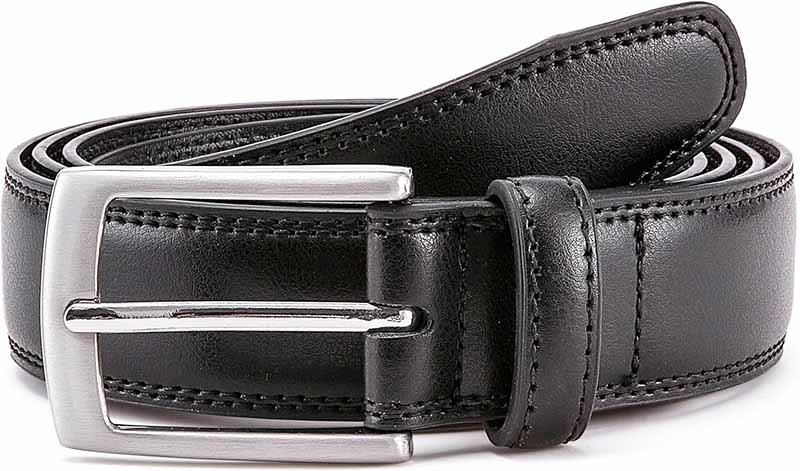
Belt design is the thoughtful integration of aesthetic proportion, material selection, and ergonomic functionality that transforms a simple strip of leather into a durable, stylish, and comfortable accessory. A well-designed belt achieves harmony between beauty and purpose — balancing visual symmetry, structural strength, and user comfort while expressing personal or brand identity.
Understanding Belt Design Beyond Aesthetics
When most people think of a belt, they imagine a strip of leather that holds up pants. But in the eyes of a designer or craftsman, a belt is an engineering product — one that must handle constant tension, bending, and daily wear without losing form or comfort.
A good belt design involves three essential elements:
- Structure: how it’s built — width, thickness, stitching, hole placement, and buckle alignment.
- Materials: what it’s made from — full-grain, top-grain, or synthetic leather, plus linings and hardware.
- Functionality: how it performs — tension distribution, flexibility, and aesthetic integration.
Each decision — from selecting the hide to cutting the strap angle — affects the belt’s lifespan and how it feels when worn.
At Szoneier Leather, our design team approaches belts as a blend of functionality and fashion. We study how the human waist moves, how leather reacts to bending, and how color tone interacts with metal finishes. This holistic view allows each belt to combine engineering precision with timeless visual appeal.
The Balance Between Form and Function
In professional belt design, aesthetics cannot exist without structure. A sleek-looking belt that warps after a month is poor design, just as an ultra-strong belt that feels uncomfortable is impractical.
Form — the belt’s visible attributes — includes width, color, buckle style, and grain texture. These determine first impressions.
Function — the hidden performance factors — depends on fiber density, stitching strength, edge finishing, and buckle tension balance.
The designer’s goal is to merge both worlds seamlessly:
- The belt should sit flat, not curl or bulge.
- Buckle weight should match strap stiffness for balance.
- Hole spacing and curvature should ensure comfort when sitting or bending.
How Proportion Defines Good Design
The most critical — and often overlooked — rule in belt design is proportion. The width, thickness, and buckle size must align with both the wearer and the clothing style.
| Style | Standard Width (inches) | Use Case | Design Note |
|---|---|---|---|
| Dress Belt | 1.25 – 1.35 | Formal attire | Thin, sleek, polished buckle |
| Casual Belt | 1.5 – 1.75 | Jeans, chinos | Wider, textured, matte finish |
| Utility Belt | 1.75 – 2.0+ | Outdoor or workwear | Reinforced edges, thick leather |
Proportion ensures harmony between belt and body line.
- A tall wearer benefits from wider belts to balance frame.
- A smaller build looks sharper with slimmer belts.
- For women’s belts, design flexibility allows mixing widths and shapes as fashion statements.
At Szoneier, each custom order begins with proportion calibration — matching strap width to buckle ratio and leather density to end use.
Is Belt Design Only About Looks or Functionality Too?
Fashion may sell a belt at first sight, but engineering keeps it alive. Every belt must withstand repetitive bending and pulling without cracking, warping, or stretching out.
Functional design details include:
- Hole placement: evenly spaced, ideally five holes 1 inch apart.
- Buckle alignment: tongue should center in the middle hole when worn.
- Edge construction: smooth and sealed to prevent fraying.
- Stitching: heavy-duty nylon thread enhances durability.
Designers also consider ergonomics — how belts flex during sitting, walking, or bending. A properly shaped belt should follow the waist’s natural curve, distributing tension evenly instead of creating pressure points.
The Psychology of Belt Design
Belt design also carries psychological weight. In fashion, a belt is a symbol of completeness and confidence — the accessory that ties the outfit together, literally and visually.
- In formalwear, the belt represents order and professionalism.
- In casualwear, it signals creativity and individuality.
- In luxury fashion, it showcases craftsmanship and status.
Designers consider emotional triggers such as color, buckle finish, and tactile feel. A matte brown vegetable-tanned leather belt evokes heritage and craftsmanship, while a glossy black top-grain belt suggests modern minimalism.
How to Tell a Quality Leather Belt
A quality belt reveals itself in subtle details.
- Touch: Real leather feels supple, not plasticky.
- Smell: Natural aroma from tanning oils, not chemicals.
- Edges: Smoothly finished or hand-burnished.
- Stitching: Straight, dense, and consistent.
- Hardware: Solid brass or steel buckles, not light alloys.
Which Types of Belts Exist Today?
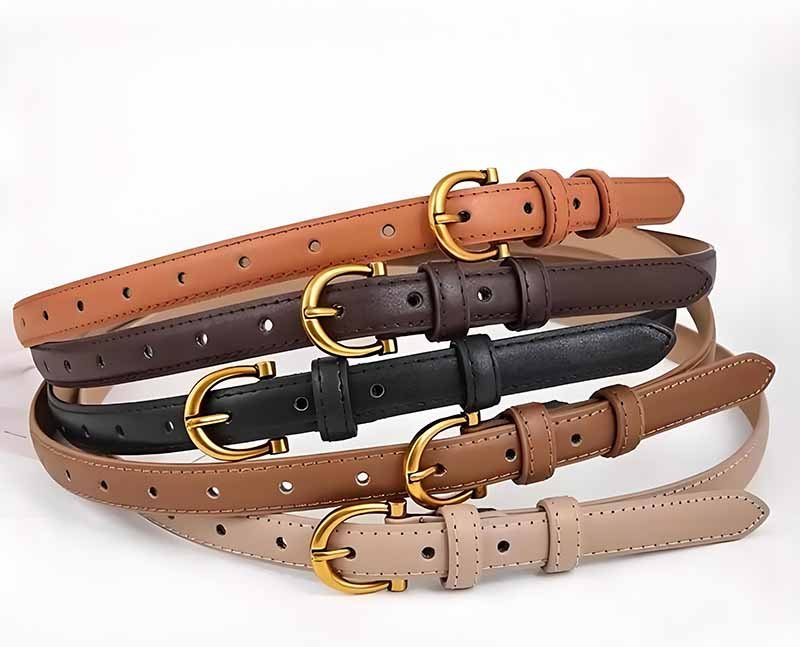
There are three primary categories of belts — formal, casual, and utility — each designed for different functions, materials, and aesthetics. Formal belts feature slim profiles and polished leather for business wear, casual belts emphasize texture and style flexibility, and utility belts focus on strength and practicality for outdoor or work use. Understanding these distinctions helps match the right belt to the right lifestyle or brand.
The Evolution of Belt Typology
The belt has evolved from a functional military strap to a defining style accessory. Historically, belts held tools and weapons; today, they express taste and identity. Yet, function remains vital.
Modern belts are categorized not only by purpose but also by material, width, and finish. Across global markets, we now see three major design archetypes — formal, casual, and utility — each addressing a unique user need and aesthetic principle.
1. Formal Belts
Formal belts are the essence of sophistication — designed for business, office, or evening wear. They follow precise proportions and subdued detailing to complement tailored clothing.
Key Design Features:
- Width: 1.25″ to 1.35″ (3.2–3.4 cm)
- Leather: Full-grain or top-grain, smooth or lightly polished
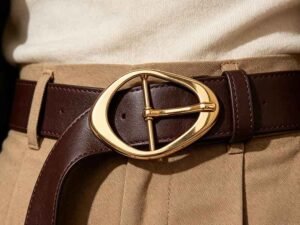
- Buckle: Slim, single-prong, polished metal (silver, gold, or gunmetal)
- Stitching: Tight, subtle, and tone-matched
- Finish: Glossy, aniline, or semi-aniline leather
Formal belts focus on simplicity and symmetry. The buckle should align perfectly with the trouser’s center seam. The goal is not to stand out but to complete the silhouette.
Common Variations:
- Reversible Belts: Two-tone color (black/brown) for travel and versatility.
- Seamless Belts: Single-piece strap without visible stitching.
- Patent Leather Belts: For tuxedos or formal dress codes.
Szoneier’s formal belt lines are known for their precision engineering: buckle alignment tolerance <0.5 mm, edge-paint thickness calibrated at 0.2 mm, ensuring flawless finishing.
2. Casual Belts
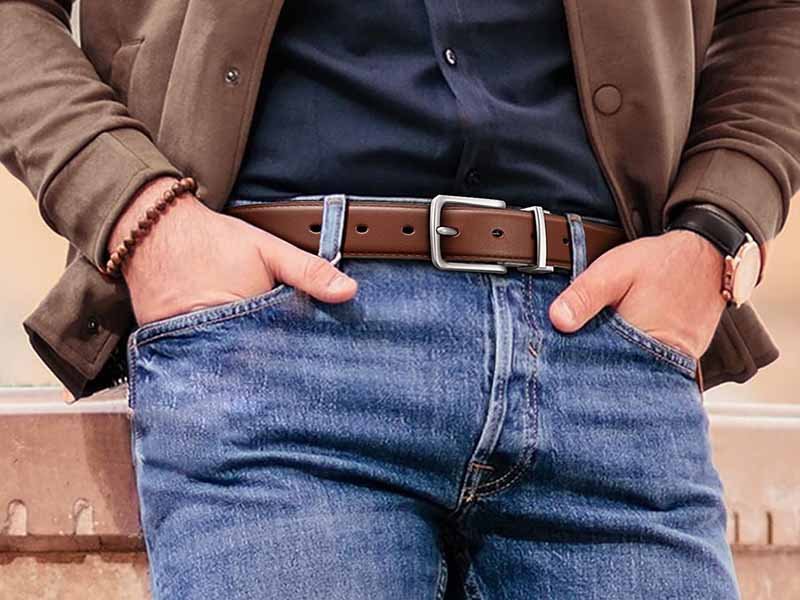
Casual belts represent freedom and individuality. They’re designed to match denim, chinos, or streetwear — thicker, more textured, and creatively styled.
Key Design Features:
- Width: 1.5″ to 1.75″ (3.8–4.5 cm)
- Leather: Pull-up, nubuck, or waxed full-grain
- Buckle: Chunkier or matte finish, brass, antique silver, or blackened metal
- Stitching: Contrast thread often used as a design accent
- Finishes: Distressed, burnished, or oiled
Unlike formal belts, casual belts invite variety. They can include braided textures, perforated edges, stitched overlays, or embossed branding.
Popular Styles Include:
- Braided Leather Belts: Flexible fit and bohemian charm.
- Double-Stitch Belts: Rugged, Western-inspired durability.
- Suede Belts: Soft feel and matte appearance for semi-casual outfits.
- Canvas/Hybrid Belts: Combining fabric and leather for modern wear.
Casual belts reflect personal style, which is why brands often use this category for private label customization. At Szoneier, clients can mix leathers, color tones, and decorative hardware (rivets, D-rings, embossing) to express brand identity.
3. Utility Belts
Utility belts are engineered for performance. These include work belts, military-style belts, tool belts, and tactical models used in demanding environments. Their focus is function before fashion, though premium versions now integrate aesthetic balance.
Key Design Features:
- Width: 1.75″ to 2.25″ (4.5–5.7 cm)
- Leather: Thick full-grain, oil-tanned, or reinforced composite
- Buckle: Heavy-duty roller or quick-release systems
- Hardware: Riveted and stitched joints for extra load capacity
- Design: May include loops, holsters, or MOLLE webbing for accessories
Utility belts can support up to 50–80 kg of tensile load, depending on construction. Szoneier performs tension and abrasion tests to simulate field conditions — ensuring every piece meets ISO9001 durability standards.
Common Variants:
- Work Belts: Designed for craftsmen; double-layered leather for tool stability.
- Tactical Belts: Nylon-core leather belts with quick-release buckles for military and outdoor use.
- Firefighter Belts: Fireproof stitching and non-corrosive buckles for safety wear.
4. Fashion Belts
Beyond the main functional categories lies a rising segment — fashion belts, focused on individuality and brand storytelling.
These belts experiment with unconventional materials, shapes, and proportions: oversized buckles, color-blocked leather, or fabric overlays. They serve as statement accessories, often worn over dresses or coats rather than through loops.
Design Traits:
- Width: Ranges widely (from 1″ to 3″)
- Materials: Embossed leather, exotic skins, or vegan alternatives
- Buckle: Decorative or logo-centric
- Focus: Visual impact over everyday utility
Luxury brands use this category to showcase identity and innovation, while boutique designers use it for limited-edition runs.
5. Reversible and Hybrid Belts
As travel and minimalism trends grow, reversible belts have become global bestsellers. These designs allow users to switch colors or textures by rotating the buckle or flipping the strap — merging style with convenience.
Hybrid belts blend leather with elastic, canvas, or recycled fabrics for adaptive stretch and eco-friendly appeal. They appeal to both fashion and sustainability-conscious consumers.
Technical Innovation Example:
Szoneier’s dual-layer reversible belts feature:
- Micro-rotation buckle systems
- Dual-color leather bonding
- Anti-delamination edge coating
- 5,000-cycle rotation endurance testing
Such designs embody the modern ethos of “less but better” — quality craftsmanship with versatile usability.
Do Men’s and Women’s Belts Differ in Design?
Yes — but the line is blurring.
Men’s Belts:
- Typically structured, minimalist, darker tones.
- Focus on endurance and proportionality.
- Common leathers: full-grain, pebble-grain, matte finish.
Women’s Belts:
- Wider style range: slim, decorative, corset-like.
- Play with color, texture, and ornamentation.
- Common materials: patent leather, suede, or metallic finish.
However, the rise of gender-neutral fashion has led to shared design philosophies — a field where Szoneier excels, developing adaptable belt templates for unisex and sustainable collections.
Matching Belt Type to Purpose
| Category | Material | Width (in) | Main Use | Design Focus |
|---|---|---|---|---|
| Formal | Top/Full-grain | 1.25–1.35 | Business | Simplicity, symmetry |
| Casual | Pull-up, Nubuck | 1.5–1.75 | Everyday | Texture, flexibility |
| Utility | Oil-tanned | 1.75–2.25 | Work/Outdoor | Strength, endurance |
| Fashion | Exotic/Hybrid | 1–3 | Statement | Creativity, branding |
| Reversible | Dual-grain | 1.25–1.5 | Travel/Hybrid | Versatility, design logic |
What Materials and Components Define Quality?
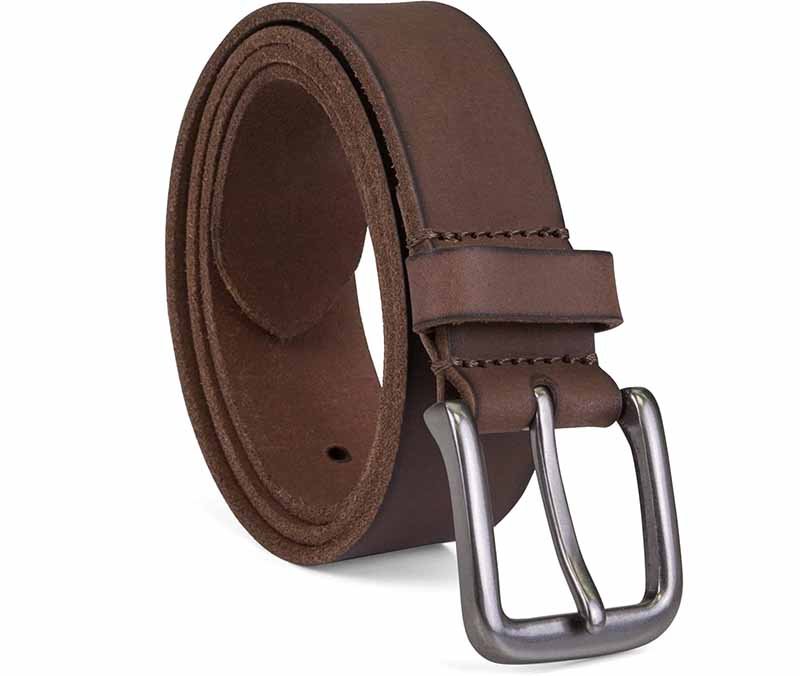
The quality of a leather belt depends on the materials, craftsmanship, and hardware precision. The best belts are made from full-grain or top-grain leather, reinforced with strong stitching, solid buckles, and smooth, sealed edges. Each component—from hide selection to metal finishing—contributes to how long a belt lasts, how it feels, and how it represents the brand’s value.
Leather Grade
Leather is the heart of any premium belt. Understanding leather grades helps distinguish authentic craftsmanship from mass-market imitations.
| Leather Grade | Source | Durability | Surface Texture | Common Uses |
|---|---|---|---|---|
| Full-Grain Leather | Top layer, unaltered | ★★★★★ (20+ years) | Natural pores, unique grain | Luxury belts, heritage brands |
| Top-Grain Leather | Sanded upper hide | ★★★★☆ (10–15 years) | Smooth, refined finish | Formal belts |
| Genuine (Split) Leather | Lower hide layers | ★★★☆☆ (5–8 years) | Corrected grain or coated | Mid-range belts |
| Bonded Leather | Leather dust + PU | ★☆☆☆☆ (<2 years) | Uniform, synthetic look | Low-cost, fast-fashion belts |
Full-grain leather remains the gold standard. It retains the natural fiber structure, ensuring maximum tensile strength and breathability. Over time, it develops a patina — a rich, darker sheen that tells the story of its use, enhancing rather than degrading its beauty.
Top-grain leather, while slightly less rugged, offers elegance and consistency, making it ideal for formalwear belts that demand polished aesthetics.
Tanning
The tanning process determines not only the belt’s color but also its resistance to moisture, flexibility, and scent.
Vegetable Tanning:
- Uses natural tannins from plants like oak or chestnut.
- Produces firm, durable leather with earthy fragrance.
- Ages beautifully, developing a vintage patina.
- Eco-friendly and ideal for artisanal or luxury belts.
Chrome Tanning:
- Uses chromium salts for faster production.
- Results in softer, more flexible leather.
- Resists moisture and color fading.
- Preferred for fashion or everyday belts.
Oil or Wax Tanning:
- Infuses natural oils for water resistance.
- Common in work or outdoor utility belts.
Edge Finishing
A belt’s edge finish separates a handmade piece from a factory product. Quality edges are smooth, rounded, and sealed to prevent cracking or delamination.
Professional edge finishing involves:
- Beveling: Cutting the sharp edge for a softer curve.
- Burnishing: Polishing the edge with wax or friction to create a glossy seal.
- Edge Painting: Applying specialized paint to seal and color-match.
- Buffing: Smoothing and reinforcing after drying.
Poorly finished edges often expose fiber layers, which absorb moisture and cause separation over time.
Stitching
Even the best leather will fail without proper stitching. Stitching provides mechanical stability, holding the belt’s layers, lining, and buckle loops together.
High-quality stitching involves:
- Thread Type: Bonded nylon or polyester for superior tension strength.
- Stitch Density: 6–8 stitches per inch for balance between flexibility and security.
- Alignment: Perfectly straight, even rows without skipped stitches.
- Reinforcement: Double-stitched ends and keeper loops.
Buckles and Hardware
A belt’s buckle is both a mechanical and aesthetic centerpiece. Hardware quality directly affects comfort, durability, and visual impact.
| Buckle Material | Durability | Finish Options | Best Use |
|---|---|---|---|
| Solid Brass | ★★★★★ | Gold, Antique, Matte | Premium belts |
| Stainless Steel | ★★★★☆ | Silver, Chrome | Formal belts |
| Zinc Alloy (Plated) | ★★☆☆☆ | Variety of colors | Budget models |
| Gunmetal or Black Nickel | ★★★★☆ | Matte/Industrial look | Casual belts |
High-quality buckles are cast or CNC-milled rather than stamped, ensuring tight tolerances and smooth tongue movement. The prong and frame should align precisely, and the finish must resist scratching and oxidation.
At Szoneier, we conduct 5,000 buckle-rotation cycle tests to simulate real-world durability. Custom buckle designs can also be laser-etched or embossed with client logos for private-label branding.
Linings, Adhesives, and Reinforcements
While often hidden, these internal components are essential to long-term structure.
- Lining Leather: Used to reinforce soft exterior leather (e.g., calfskin or lambskin). It stabilizes the strap and prevents stretching.
- Adhesive Layer: Bonds upper and lining layers; at Szoneier, we use eco-certified polyurethane glue that remains flexible under heat and moisture.
- Reinforcement Strip: A fiber or nylon core inserted to increase tensile strength and prevent shape deformation.
Premium belts are engineered not just for initial feel but for how they perform after 1,000 wears.
Color, Texture, and Finish
The final surface finish defines both aesthetics and protection.
- Aniline Finish: Transparent dye preserving natural grain.
- Semi-Aniline: Slight protective coat, balanced durability and softness.
- Pigmented Finish: Full protective coating for uniform appearance.
Texture is equally important: smooth leathers project formality, while distressed, pebble-grain, or embossed surfaces enhance casual and fashion appeal.
Colorfastness testing ensures the dye won’t bleed onto clothing — a critical factor for light-toned outfits.
Hardware Integration and Custom Branding
A professional belt’s branding is subtle yet unmistakable. The best brands use embossed, engraved, or laser-etched details on the strap interior or buckle back.
Customization possibilities at Szoneier Leather include:
- Heat-debossed logos
- Engraved or molded buckles
- Custom stitching color
- Monogram personalization for premium brands
Even packaging — from dust bags to magnetic boxes — contributes to perceived quality. A well-branded belt experience builds long-term consumer trust.
Testing, Quality Control, and Standards
Szoneier applies a rigorous multi-stage inspection process covering:
- Tensile strength test: ≥ 40 kg pull resistance
- Colorfastness: No visible staining after 30 rub cycles
- Edge adhesion: <0.2 mm delamination tolerance
- Hardware corrosion: 24-hour salt spray test
- Dimensional accuracy: ±0.5 mm width variation
These controls ensure every belt leaving the factory embodies the brand’s promise — precise, dependable, and visually refined.
How to Design a Belt for Fit and Function
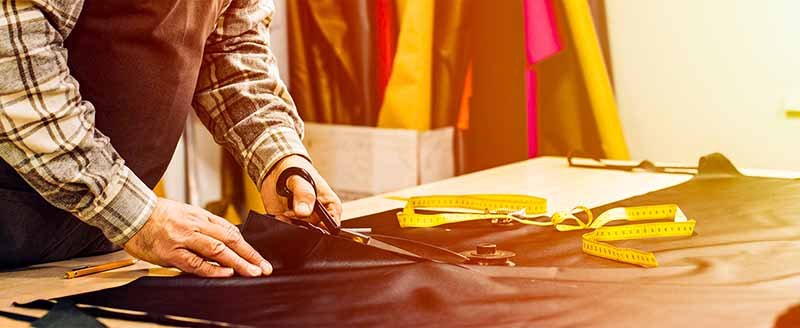
Designing a belt for fit and function means balancing precise measurement, ergonomic comfort, material behavior, and user lifestyle. The ideal belt fits the waist perfectly, distributes pressure evenly, and flexes naturally with body movement—all while maintaining aesthetic proportion. True functional design considers not only appearance but how the belt performs under daily wear and long-term use.
1. Understanding Belt Length and Sizing
A perfect fit starts with accurate sizing, and this is where many brands go wrong.
The standard rule:
Belt size = Waist size + 2 inches (or +5 cm).
That ensures the tongue rests in the middle hole (typically the third of five). The goal is both visual symmetry and mechanical balance.
Example:
If a person’s waist measures 34″, the ideal belt length should be 36″.
Additional Sizing Considerations:
- For dress belts, maintain tighter tolerance (+/- 0.5″).
- For casual or utility belts, add an extra inch for layering flexibility.
- For custom OEM clients, Szoneier adjusts templates according to target markets (Asian, EU, US), as body ratios vary by region.
Tip: Belt length should always be measured from the buckle tip to the middle hole, not from end to end — a frequent cause of consumer confusion.
2. Width, Thickness, and Balance
The belt’s width and thickness determine how it interacts with the body and clothing. Too thin, and it may twist or dig in; too thick, and it can feel rigid or bulky.
| Style | Width (inches) | Typical Thickness (mm) | Function |
|---|---|---|---|
| Dress Belt | 1.25 – 1.35 | 3.0 – 3.5 | Sleek fit, elegance |
| Casual Belt | 1.5 – 1.75 | 3.5 – 4.0 | Support, comfort |
| Utility Belt | 1.75 – 2.25 | 4.0 – 5.0 | Load-bearing strength |
Thickness matters because it affects both comfort and durability. For instance, full-grain leather belts are naturally dense and should be skived (thinned) near buckle ends to reduce bulk and ensure smooth curvature when worn.
Balance Principle:
A good design maintains harmony between strap rigidity and buckle mass. A heavy buckle on soft leather creates uneven pressure, leading to sagging. Conversely, a light buckle on stiff leather can make fastening difficult.
Szoneier achieves this balance through tensile testing and mock wear trials, adjusting strap stiffness and buckle torque until the belt moves naturally.
3. Hole Placement and Adjustment Logic
Hole spacing is another subtle but crucial aspect of functionality.
Standard configuration:
- 5 holes, spaced 1 inch (2.5 cm) apart.
- Middle hole = optimal fit point.
Ergonomic design adjustments:
- For women’s belts or fashion belts, spacing may reduce to 0.75″ for finer adjustment.
- For utility or tactical belts, micro-adjustment ratchet systems replace traditional holes, allowing 1/8″ increments for precision.
Engineering detail:
Each punched hole should have beveled edges and reinforced burnishing to prevent cracking — particularly in vegetable-tanned leather, which can stiffen over time.
4. Buckle Selection and Functional Mechanics
Buckles aren’t just decoration; they are mechanical load points that determine ease of fastening and comfort.
Common Types of Buckles:
- Frame Buckle (Single/Double Prong): Classic design, ideal for formalwear.
- Plate Buckle: Wide plate with hook; used in fashion or Western styles.
- Automatic/Ratchet Buckle: Uses a toothed track; allows micro-adjustment.
- Snap-On Buckle: Detachable type for reversible belts.
- Quick-Release Buckle: Used in tactical or outdoor applications.
Functional Rule:
A good buckle should lock smoothly, release safely, and withstand 10× daily use over 5 years.
5. How Ergonomics Shapes Belt Comfort
An ergonomic belt adapts to the human body’s movement without friction or pressure. This requires careful attention to:
- Strap curvature: Slightly arched cut for a natural waistline fit.
- Edge contour: Rounded or beveled edges to avoid digging into the abdomen.
- Leather flexibility: Achieved through balanced tanning oils and inner reinforcement layers.
Case Example:
Szoneier designed a 4.0 mm full-grain belt for a Canadian outdoor brand where users wore belts during hiking. The standard straight-cut strap caused discomfort when bending. By adjusting the strap’s curvature radius to 1.25 inches, we achieved better tension distribution and zero cracking after 1,200 flex tests.
6. Design Adaptations for Use Scenarios
Each belt’s design logic changes depending on its intended environment:
Formal Belts:
- Prioritize slim profile, symmetry, and buckle polish.
- Hidden reinforcements maintain a crisp appearance under suits.
Casual Belts:
- Allow thicker cuts and color contrast stitching.
- Feature softer leathers for flexibility when sitting or walking.
Utility Belts:
- Reinforced with double stitching and nylon or canvas cores.
- Designed for abrasion and weight-bearing.
Fashion Belts:
- Focus on visual impact, not tension resistance.
- Often include decorative hardware, embossing, or woven patterns.
7. How Do I Create My Own Belt? (For Designers and Brands)
Creating a custom belt requires following a structured design-to-production process.
Step 1: Concept and Measurement
Define target audience (gender, lifestyle, price range). Determine belt type (formal, casual, utility) and size range.
Step 2: Material Selection
Choose leather grade (full-grain, top-grain, etc.) and buckle material. Consider colorways, stitching, and edge finishing options.
Step 3: Prototype Development
Using CAD or hand sketches, Szoneier’s R&D team produces digital 3D models and then samples within 7–10 days. Adjustments focus on fit, tension, and aesthetic balance.
Step 4: Testing & Refinement
Conduct mechanical tests — tensile strength, buckle resistance, and flexibility cycles. Compare feedback from wear trials.
Step 5: Branding & Packaging
Finalize embossing, logos, and retail presentation. Premium belts often include dust bags and magnetic boxes to elevate brand perception.
8. Sustainability and Comfort in Modern Design
Modern belt design increasingly values sustainability. Eco-conscious consumers expect chrome-free tanning, water-based adhesives, and recycled metal buckles. Szoneier incorporates OEKO-TEX and REACH-certified materials, ensuring compliance with environmental and safety standards.
At the same time, comfort innovations—like flexible leather composites or hybrid elastic cores—help belts adapt to a wider range of body movements and climates.
Which Design Trends Are Shaping Modern Belts?
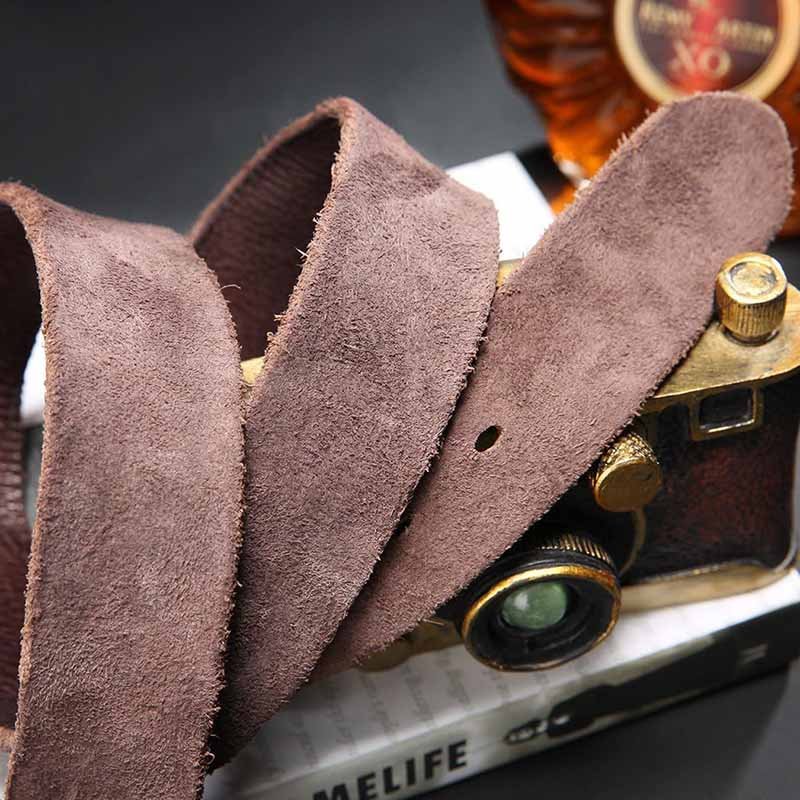
Modern belt design is shaped by three major global trends — minimalist luxury, sustainable craftsmanship, and functional innovation. Today’s consumers value belts that balance timeless elegance with responsible materials and smart usability. Designers and manufacturers are blending heritage techniques with modern technologies to create products that are stylish, durable, and ethically made for a new generation of fashion-conscious buyers.
1. Minimalism and Timeless Sophistication
In the era of quiet luxury, less is more. The new standard of style rejects flashy logos and embraces clean, architectural lines.
Key Characteristics of Minimalist Belts:
- Sleek silhouettes with precise edge finishing
- Monochrome or neutral color palettes (black, cognac, taupe, navy)
- Hidden or micro-profile stitching
- Polished yet understated hardware — matte silver, gunmetal, brushed brass
- Focus on texture rather than decoration
Why It Matters:
Consumers associate minimalism with longevity. A well-designed, subtle belt complements multiple outfits, extending its usability across years. Brands like Hermès and Szoneier’s premium lines thrive on this approach — crafting belts that remain relevant across fashion cycles.
Case Insight:
A Scandinavian apparel label partnered with Szoneier to design a full-grain vegetable-tanned belt line with no visible stitching and slim magnetic buckles. The product sold 3× faster than forecasted — proving simplicity resonates deeply with modern buyers.
2. Sustainable and Ethical Leather Sourcing
Sustainability has moved from “added value” to core design philosophy. Conscious consumers now demand transparency in sourcing, tanning, and production.
Key Sustainable Practices in Belt Manufacturing:
- Vegetable tanning: Chrome-free and biodegradable processes.
- Recycled leather composites: Using offcuts from production waste.
- Eco-friendly adhesives and water-based coatings.
- Ethical supply chains: Traceable hides from certified tanneries (LWG, OEKO-TEX).
Why It Matters:
According to a 2024 Global Leather Goods Report, over 63% of millennial consumers prefer products labeled “eco-conscious.” Sustainable belts also carry longer brand value — their patina becomes a living story of natural aging rather than chemical preservation.
Szoneier’s Innovation:
We’ve integrated GRS-certified recycled leather fibers and bio-based coatings into our new belt lines, reducing environmental impact by up to 35% in carbon footprint without sacrificing texture or strength.
3. Functional Innovation and Smart Adjustability
Modern belts merge craftsmanship with technology. Consumers expect comfort, precision, and adaptability.
This has led to the rise of micro-adjustment ratchet systems, magnetic quick-release buckles, and reversible dual-tone designs.
Trends in Functional Design:
- Ratchet Belts: Offer 30+ micro-adjustments instead of fixed holes.
- Quick-Release Mechanisms: Magnetic or clip buckles for ease of use.
- Reversible Belts: Two color options in one strap, ideal for travel.
- Hidden Stretch Belts: Integrated elastic core for flexibility while maintaining structure.
4. Texture and Material Play
While color trends fluctuate, texture has become the new frontier in belt design. Designers use texture to communicate personality and craftsmanship.
Popular Surface Trends:
- Pebbled & Grain Embossing: Adds tactile dimension and hides minor wear.
- Two-Tone Layering: Contrasting inner and outer strap colors.
- Matte Wax or Pull-Up Finish: Vintage aesthetics with evolving patina.
- Braided or Woven Leather: A nod to heritage craftsmanship with modern weaving precision.
Szoneier’s design studio combines 3D embossing and digital cutting to reproduce textures such as crocodile grain or linen weave on cowhide — giving brands the luxurious look of exotic materials at sustainable cost.
5. Personalization and Brand Storytelling
Customization has become a defining expectation. Consumers want their accessories to feel personal, not mass-produced.
Emerging Personalization Techniques:
- Laser Engraving: Names, dates, or coordinates etched into the strap or buckle.
- Heat-Debossed Branding: Subtle and premium logo integration.
- Contrast Stitching: Color differentiation to express identity.
- Modular Components: Detachable buckles and changeable straps.
Luxury and DTC (direct-to-consumer) brands alike use personalization to deepen emotional connection. A simple embossed initial turns a product into a memory.
6. Smart Belts and the Integration of Technology
As wearable tech expands, smart belts are quietly emerging. These designs integrate technology to monitor or enhance lifestyle without sacrificing fashion.
Examples of Smart Belt Innovations:
- Automatic tightening systems (via micro-motor or elastic sensors).
- Health tracking sensors measuring waist change or posture.
- Built-in NFC or RFID chips for authentication or digital wallets.
Though still niche, this segment is expected to grow 12% annually through 2027, led by brands merging fashion with fitness.
How to Choose the Right Belt for Your Brand or Lifestyle
Choosing the right belt depends on purpose, brand identity, materials, craftsmanship, and customer lifestyle. Whether selecting for personal use or developing a private-label collection, the perfect belt should align with your functional needs, aesthetic preferences, and long-term durability goals. A thoughtfully chosen belt enhances comfort, communicates style, and strengthens brand consistency across product lines.
1. Define Your Primary Use Case
The first step in choosing the right belt is determining its intended environment. Each context demands different materials, widths, and aesthetics.
| Use Scenario | Recommended Belt Type | Material Preference | Functional Traits |
|---|---|---|---|
| Business & Formal Wear | Dress Belt | Full-grain, top-grain leather | Slim, polished, understated |
| Everyday Casual | Casual Belt | Nubuck, pull-up, pebbled leather | Softer, more flexible |
| Outdoor / Work | Utility Belt | Oil-tanned, reinforced leather | Thick, durable, load-bearing |
| Travel / Hybrid | Reversible Belt | Dual-tone, chrome-tanned | Versatile, space-saving |
| Fashion / Statement | Designer or Corset Belt | Exotic or textured leather | Bold, expressive, decorative |
Each belt must not only fit the purpose but also enhance it. For instance, a reversible belt may be ideal for business travelers seeking versatility, while a top-grain formal belt suits professionals prioritizing refined style.
2. Align Belt Design with Brand Identity
For fashion labels, belts are more than accessories — they are visual extensions of brand DNA. The buckle shape, stitch color, and edge finish can all convey subtle branding cues.
Consider the following design alignments:
- Luxury brands: Prefer minimal hardware, polished finishes, and vegetable-tanned leathers.
- Outdoor brands: Focus on durability, reinforced holes, and natural textures.
- Youth/lifestyle brands: Experiment with color contrast, matte buckles, or embossed logos.
- Eco-conscious brands: Highlight recycled leather or water-based dyes.
3. Evaluate Material Quality and Leather Type
No matter the category, leather selection is non-negotiable for quality.
| Leather Type | Aesthetic | Durability | Ideal For |
|---|---|---|---|
| Full-Grain | Natural, organic texture | 20+ years | Heritage & luxury lines |
| Top-Grain | Smooth, uniform | 10–15 years | Dress & business belts |
| Genuine (Split) | Coated or embossed | 5–8 years | Budget or entry-level lines |
| Bonded | Synthetic blend | <3 years | Promotional or fast fashion |
Key Tip: Brands aiming for longevity should always choose full-grain or top-grain leather, as these develop natural patina and retain strength with time.
At Szoneier, every belt leather batch undergoes:
- Tensile testing (≥40 kg)
- Colorfastness assessment (30-cycle rub test)
- Moisture and abrasion resistance tests
4. Choose the Right Buckle and Hardware Finish
The buckle is the focal point of any belt—it’s where functionality meets artistry. It can elevate the product from standard to signature.
Popular Buckle Styles by Category:
- Formal Belts: Polished single-prong, framed buckles (silver/gold finish).
- Casual Belts: Matte, antique brass, or roller buckles.
- Utility Belts: Quick-release or plate-style buckles for heavy load.
- Fashion Belts: Oversized, logo-centered, or decorative designs.
Surface Treatments:
- Chrome, nickel, or titanium plating for shine.
- Matte powder-coating for industrial or military looks.
- PVD coatings for wear resistance and anti-corrosion.
When designing for a brand, hardware consistency matters — the same buckle shape or finish across multiple products creates recognizable identity.
5. Prioritize Fit, Comfort, and Function
The belt must not only look good — it must fit seamlessly.
Here’s how to ensure functionality matches lifestyle:
Fit Principles:
- Belt length should place the tongue through the middle hole.
- Width should correspond to belt loops — 1.25″ for formalwear, 1.5–1.75″ for casual.
- Thickness must balance buckle weight and comfort.
Lifestyle-Specific Comfort Tips:
- Travelers benefit from reversible or ratchet belts that adapt easily.
- Outdoor users need oil-tanned or double-layered leather for weather resistance.
- Office professionals prefer soft-tanned or semi-aniline belts for all-day comfort.
6. Consider Trends and Long-Term Market Relevance
Selecting the right belt also means understanding market direction. The current global belt industry prioritizes:
- Minimalism: Timeless silhouettes that transcend fashion cycles.
- Sustainability: Eco-certified tanning and recycled metals.
- Hybrid Design: Reversible and micro-adjust models for versatility.
- Texture: Subtle grain and layered finishes for depth.
- Customization: Personalized embossing or stitch color.
7. How to Select the Perfect Belt as a Brand Buyer
When developing a custom line, every decision — from proportion to packaging — communicates brand value. Here’s a professional checklist used in Szoneier’s OEM consultation sessions:
Step 1: Identify Buyer Demographics
Define age range, style preference, income level, and lifestyle of your audience.
Step 2: Choose the Core Material Strategy
Decide between natural leather (heritage appeal) or synthetic alternatives (vegan or low-cost).
Step 3: Determine Design Language
Do you want timeless minimalism or bold branding? Match design direction to long-term strategy.
Step 4: Confirm Functional Requirements
Select the right buckle system, reinforcement method, and ergonomic curve for comfort.
Step 5: Define Branding Touchpoints
Logo placement, embossing technique, and packaging must align with your identity.
Step 6: Prototype, Test, and Adjust
Always prototype first — test comfort, buckle mechanics, and durability before scaling.
Conclusion
In today’s global market, a belt is far more than a utilitarian accessory — it is a brand statement, a design showcase, and a testament to craftsmanship. Whether your goal is to create a premium leather belt line for a high-end label or develop a cost-effective private-label collection for the international market, the success of your product begins with one thing: the right manufacturing partner.
Whether you aim to create minimalist luxury belts, functional outdoor styles, or fashionable retail collections, Szoneier delivers products that elevate your brand, captivate your customers, and exceed market standards.
Contact Szoneier Leather today to discuss your belt customization project.