
Genuine Leather vs Bonded Leather: Key Differences Explained
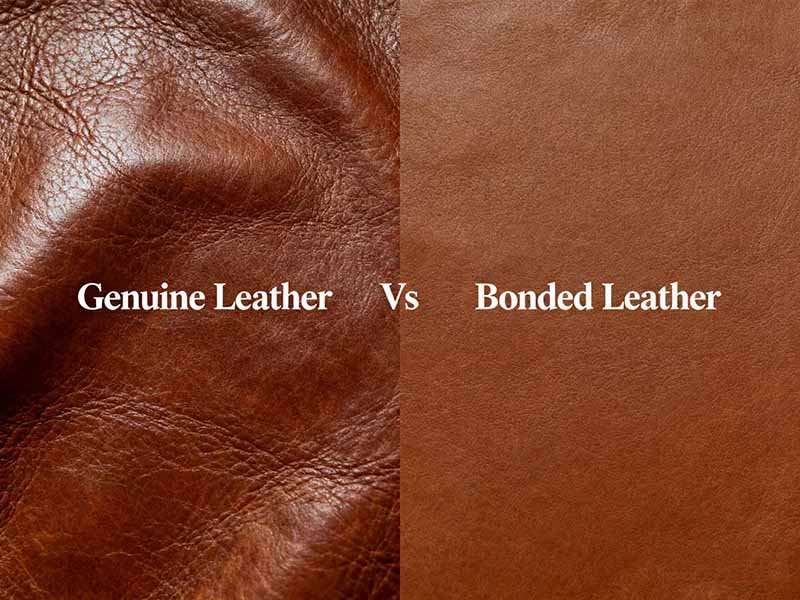
Leather has long been a symbol of luxury, craftsmanship, and timeless elegance. But in today’s market, not all leather is created equal. Walk into any boutique or scroll through online stores, and you’ll see “genuine leather” and “bonded leather” side by side — terms that sound alike but carry vastly different meanings. Choosing between them is not just about price; it’s about investing in quality, heritage, and a product that tells a lasting story.
What Is Calfskin Leather: A Comprehensive Guide

Few materials embody luxury and durability like calfskin leather. Sourced from the hides of young calves, this fine‑grained leather has been the hallmark of premium footwear, handbags, and upholstery for centuries. Its supple hand, tight grain, and capacity to take rich dyes make it a favorite among high‑end designers—and a reliable choice for products that must combine elegance with everyday wear.
How Much Does Leather Cost: Ultimate Pricing Guide
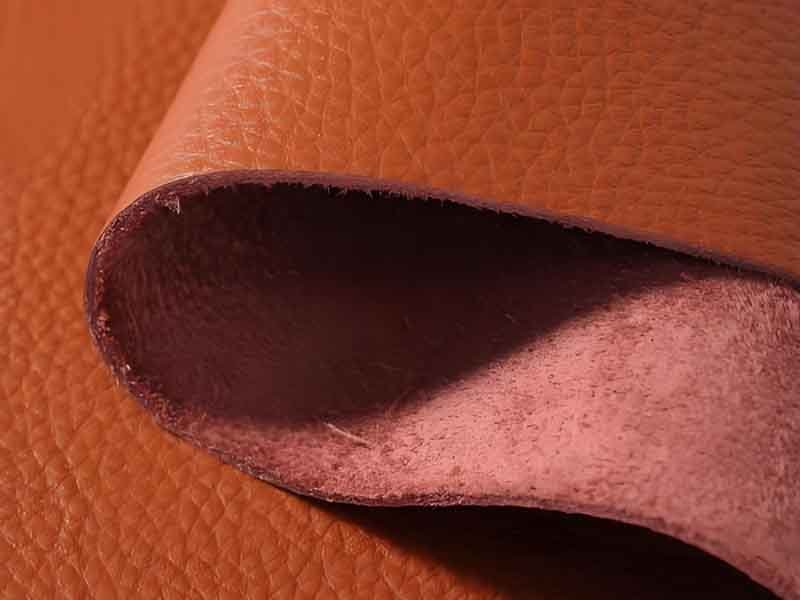
Leather isn’t just a material—it’s a statement of quality, luxury, and durability. Whether you’re sourcing hides for a premium wallet line or budgeting for a batch of custom leather tote bags, understanding what drives leather cost is crucial. From the ranch where the cow grazed to the tannery’s vats, every step adds value—and price. Yet, navigating hide grades, tanning methods, and market fluctuations can feel like deciphering a secret code.
Real Leather vs Fake Leather: How to Tell, Pros, Cons & Best Uses

Leather has long symbolized quality and craftsmanship, but in today’s market flooded with synthetic alternatives, distinguishing real leather from its faux counterparts can feel like decoding a secret language. From handbags to upholstery, making the right choice affects durability, aesthetics, and even your brand’s reputation. But beyond the surface-level “genuine leather” labels lies a world of tanning methods, material innovations, and ethical considerations that savvy buyers—especially brand clients—must understand.
What Is Nappa Leather Made Of:Exploring Origins, Processing & Characteristics
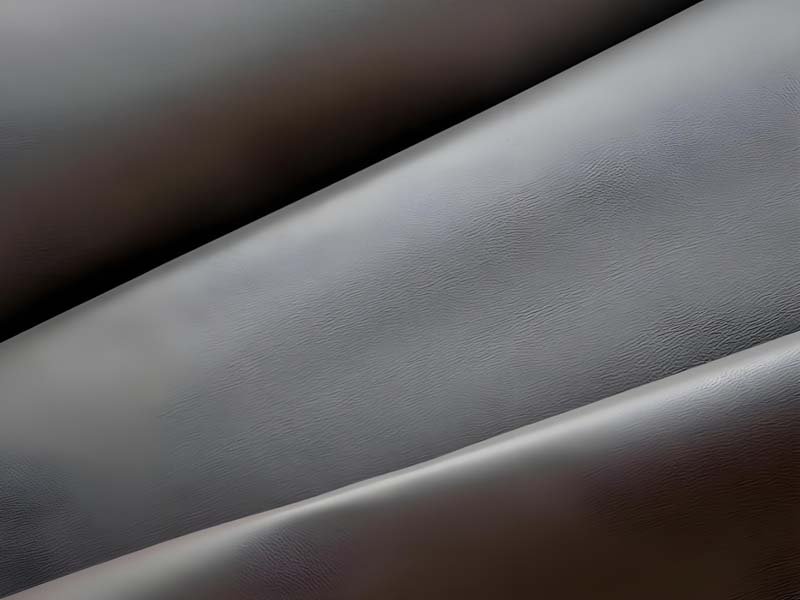
Leather enthusiasts and luxury brands often praise Nappa leather for its unmatched softness and supple feel. But what exactly is Nappa leather, and why has it become the go-to material for high-end goods ranging from handbags to car interiors? The term evokes images of buttery-soft hides and premium craftsmanship. Yet beneath that allure lies a precise selection of animal hides and specialized tanning methods that define Nappa’s quality and price.
Top Grain Leather vs Genuine Leather: What’s the Difference?

When you’re shopping for a leather jacket, wallet, or bag, you’ve probably seen labels boasting “Top Grain Leather” or “Genuine Leather” and wondered: what do these terms really mean? Are you paying more for a marketing buzzword or investing in quality that lasts decades?
What Are the 5 Types of Leather: The Ultimate Guide
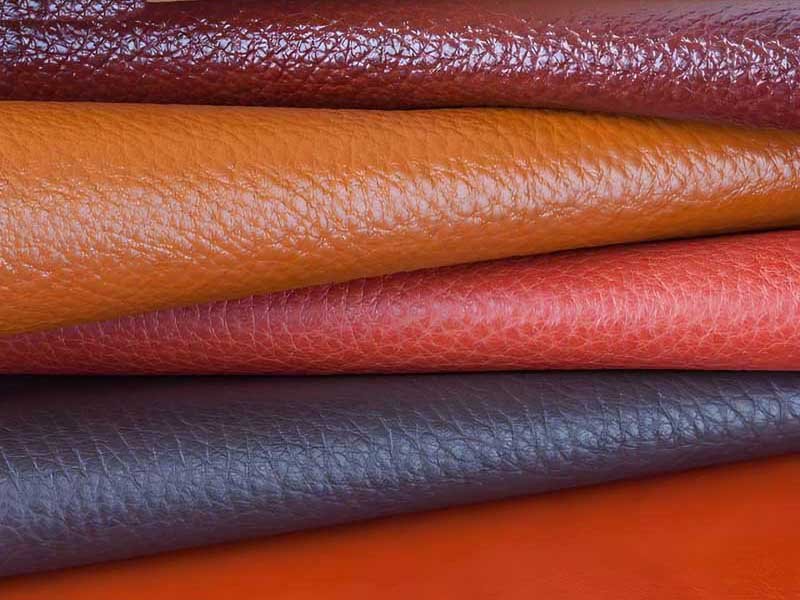
This guide dives into the five most common types of leather used in today’s market: full-grain, top-grain, corrected-grain, split, and bonded leather. We’ll break down their characteristics, how they’re made, their pros and cons, and most importantly, how they compare to one another. By the end of this article, you’ll be equipped with everything you need to pick the right type of leather for your needs.