
Private Label vs White Label Leather Goods: Which Model Is Right for Your Brand
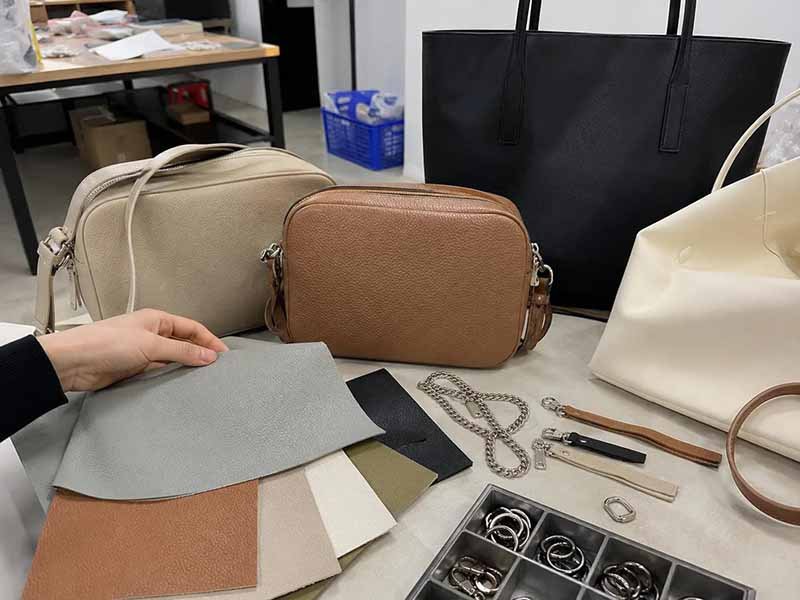
Private label leather goods are generally better for brands that require control over materials, dimensions, structure, hardware, functionality, packaging, and product differentiation. White label leather goods are usually more suitable when faster launch speed, lower development commitment, and market testing matter more than exclusive construction. The right option depends on the brand’s budget, timeline, sales channel, expected order volume, and long-term product strategy.
What Makes a Leather Goods Factory Suitable for Brand Buyers
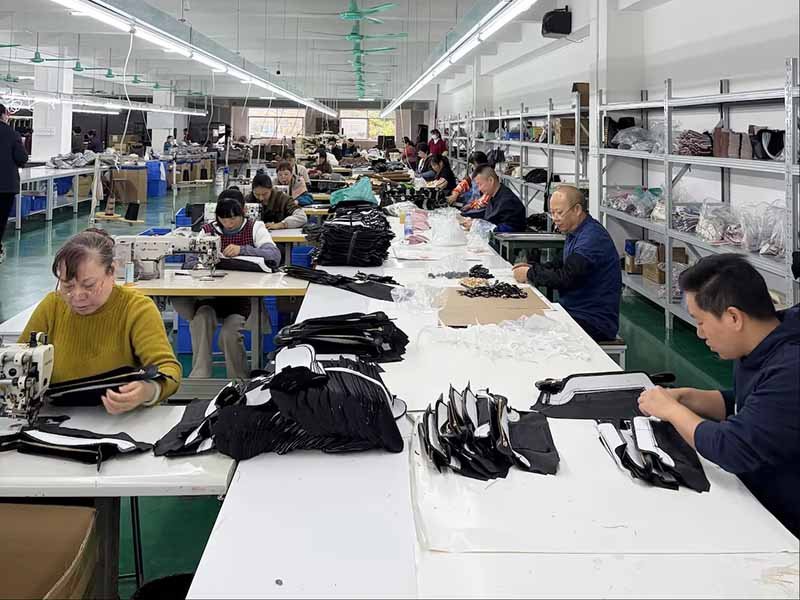
A leather goods factory is suitable for brand buyers when it can translate brand expectations into repeatable manufacturing standards. This requires material expertise, controlled sampling, documented specifications, skilled craftsmanship, in-process inspection, realistic capacity planning, transparent subcontracting, market-specific compliance support, and reliable delivery. The right factory does more than make an impressive prototype; it protects product consistency, launch timing, customer satisfaction, and the brand’s long-term reputation.
How to Choose a Leather Handbag Manufacturer for Your Brand
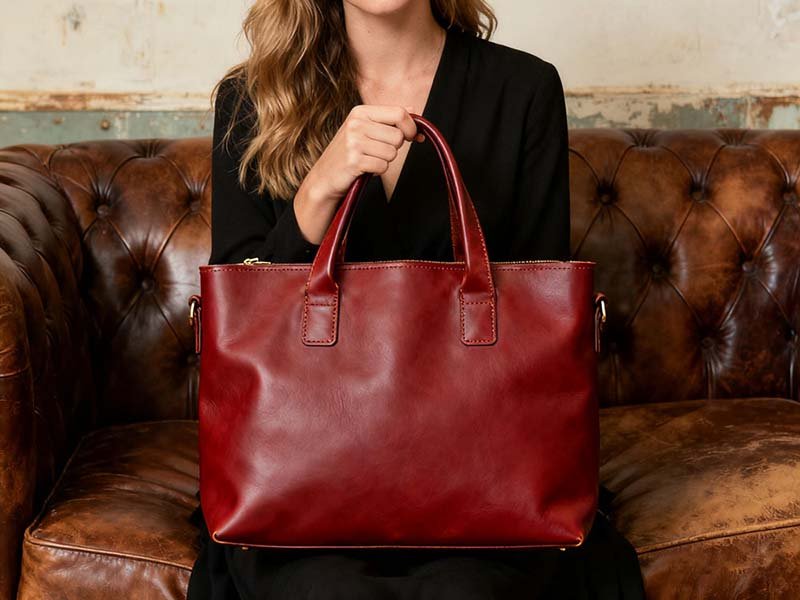
The wrong leather handbag manufacturer rarely looks wrong during the first conversation. The quotation may be attractive, the sample photographs may appear polished, and the sales representative may promise that every design detail is easy to produce. The real differences often become visible later, when the approved leather is replaced, edge paint starts cracking, hardware finishes vary between cartons, handles sit at different angles, or the bulk order no longer looks like the sample displayed in the meeting room.
How Do You Choose the Right ODM Leather Goods Partner
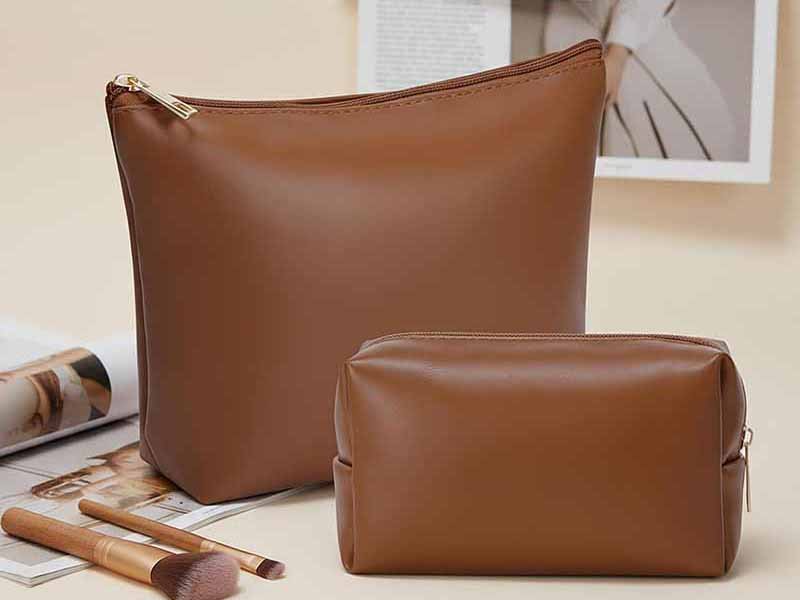
Choosing an ODM leather goods partner is not simply a matter of comparing unit prices, factory photographs, or the number of products displayed in a showroom. The company you select will influence how your original concept is interpreted, which leather and hardware are used, how quickly prototypes are revised, how closely bulk production follows the approved sample, and whether repeat orders remain consistent. A low quotation may look attractive during the first comparison, but the real cost becomes visible when leather shades change, edge paint cracks, hardware is substituted, or the final product no longer feels like the sample you approved.
How to Choose an OEM Leather Goods Factory
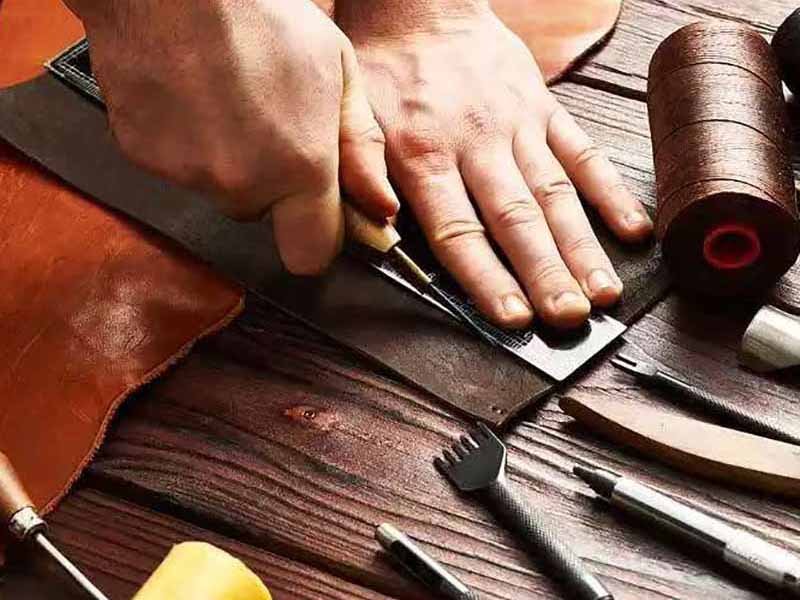
A polished leather sample can be dangerously convincing. The stitching looks clean, the edge paint feels smooth, the hardware has a satisfying weight, and the leather appears suitable for the retail price you have in mind. However, none of these details proves that the factory can repeat the same result across 500, 2,000, or 10,000 units while controlling color variation, dimensions, structure, workmanship, packaging, and shipment timing. Selecting a manufacturer is therefore not a beauty contest between samples. It is a commercial risk decision that can influence product reviews, retail acceptance, cash flow, inventory planning, and the long-term reputation of your brand.
How to Choose a Custom Leather Goods Manufacturer
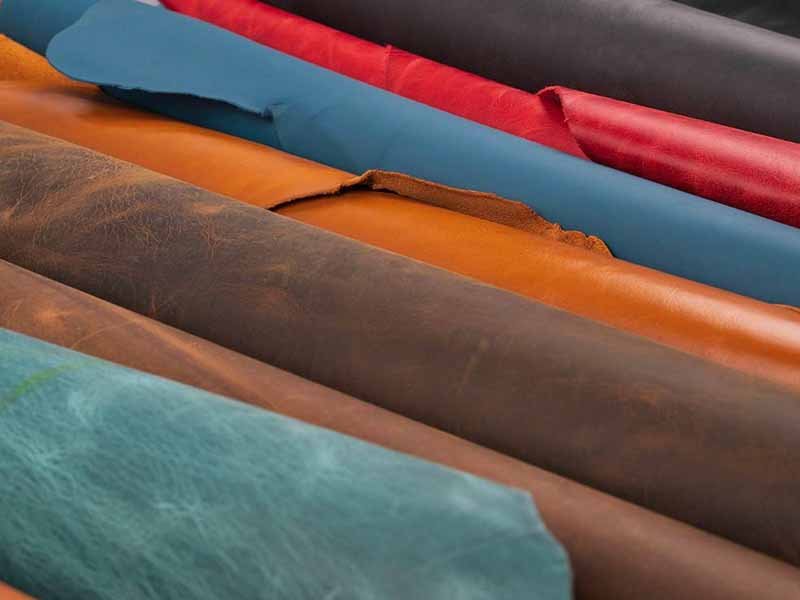
A polished leather sample can make almost any supplier look capable. It may have been produced by the factory’s best sample maker, cut from a carefully selected part of the hide, and finished without the time pressure of bulk production. The real test starts when hundreds or thousands of units must match that sample in leather shade, dimensions, stitching, edge finish, structure, hardware function, packaging, and delivery timing.
How to Choose a Leather Goods Manufacturer for Your Brand
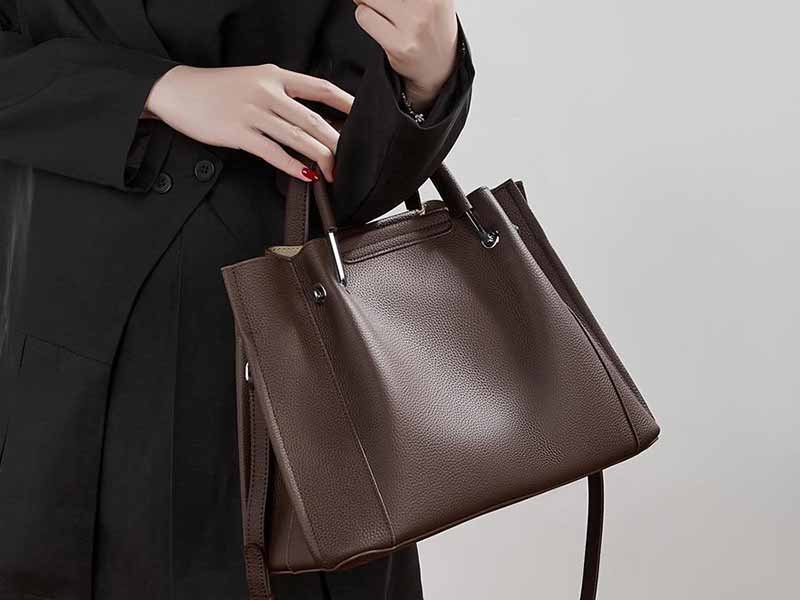
A leather product can look excellent in a presentation sample and still become a commercial problem during bulk production. Color may drift between leather batches, handles may stretch under realistic loads, edge paint may crack around tight corners, hardware may scratch the surface during shipping, or the finished product may feel noticeably different from the approved sample. These failures are rarely caused by a single sewing mistake. They usually begin with unclear specifications, unsuitable materials, weak development controls, or a manufacturer that cannot manage the entire production chain.
Full Grain vs Top Grain for Leather Handbags

In handbag sales, “full grain” often gets treated like a magic word. Customers see it and assume the bag must be premium. But in real production, a handbag can be full grain and still disappoint—too many visible marks, uneven color panels, scratch sensitivity, or inconsistent batches that are hard to repeat at scale. On the other side, many top-performing everyday handbags are made from top grain because it offers a cleaner surface, more predictable color, and fewer customer complaints in high-touch areas like corners and handles.
How to Choose a Reliable Leather Bags Manufacturer for Brands
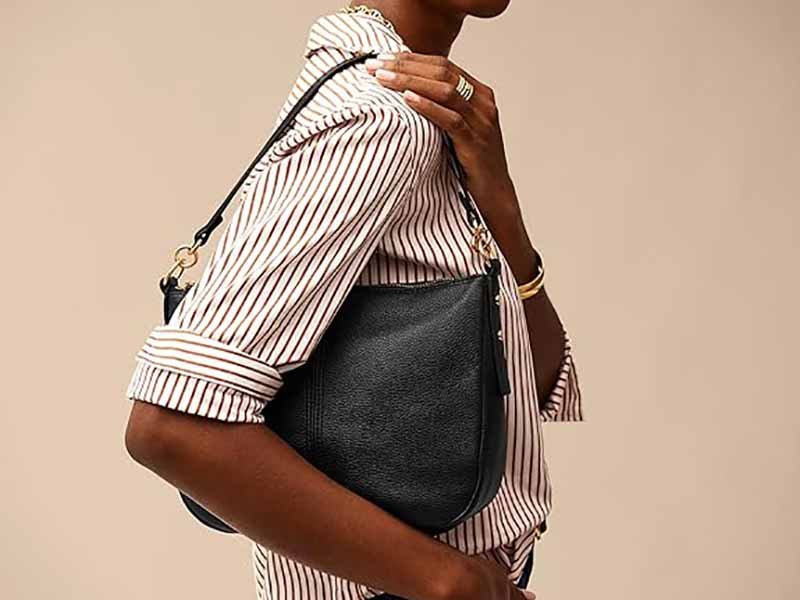
Most brands don’t lose money because their leather bag design is “wrong.” They lose money because the factory behind it is inconsistent. One production run looks premium; the next run feels cheaper. Stitching tension changes, edge paint cracks early, hardware plating fades, or the leather grain doesn’t match the sample. Customers notice—fast. A few bad reviews can cost more than the entire sampling budget.
How Long Does Genuine Leather Last: Guide You Need Before Buying Real Leather
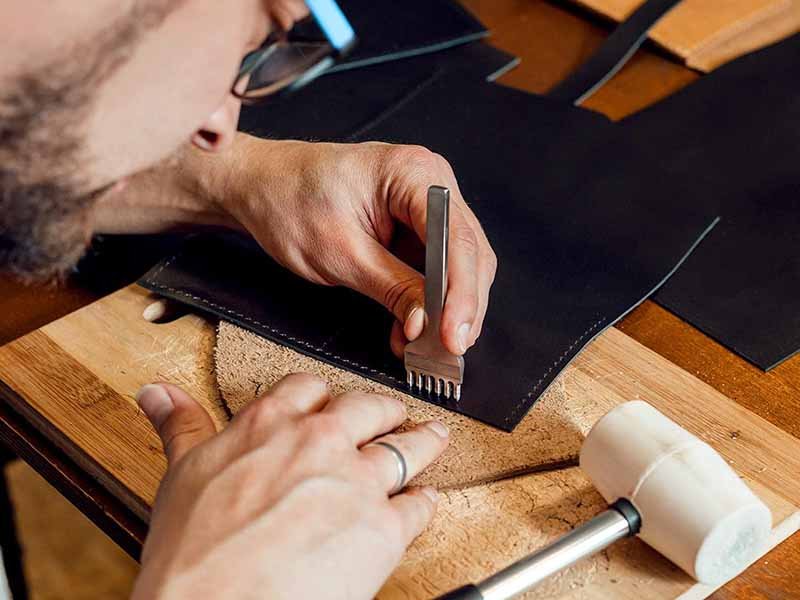
Genuine leather has long been celebrated for its durability, natural beauty, and the unmistakable character it develops over time. Yet in today’s world of fast fashion and synthetic alternatives, more buyers—especially brand owners and professional sourcing teams—are asking a simple but critical question: How long does genuine leather really last? The answer is more complex than most expect. Leather longevity depends on grade, tanning method, construction, climate exposure, care habits, and even how often the item is used. Because of these variables, two leather wallets purchased at the same time may age very differently.
Where Does Leather Come From: A Global Journey from Hide to Hand
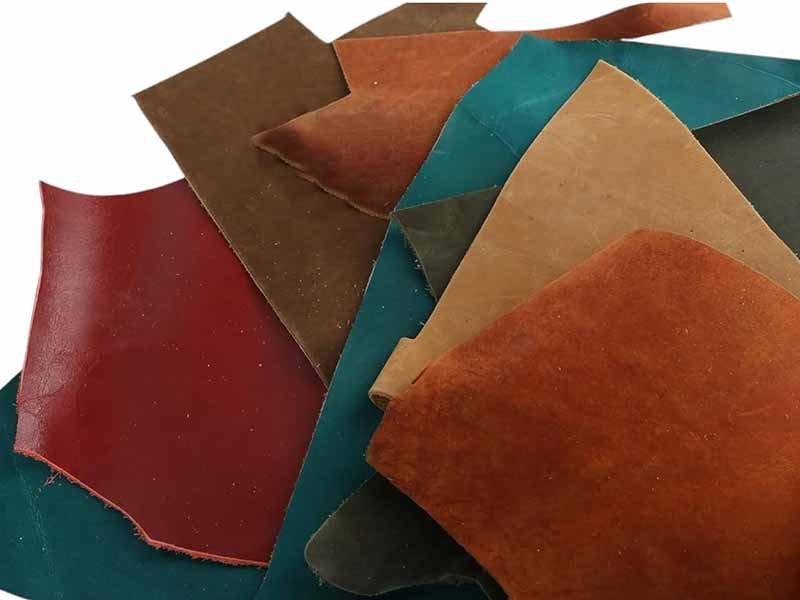
Leather surrounds us—on the wristwatch you wear, the handbag you hold, or the car seat you sink into. Yet few people stop to ask a simple question: where does leather actually come from? Behind every finished wallet or belt lies a global network of farmers, tanneries, and craftspeople transforming raw hides—often a by-product of the meat industry—into durable, luxurious materials.