 Skip to content
Leather Size Guide: Explained
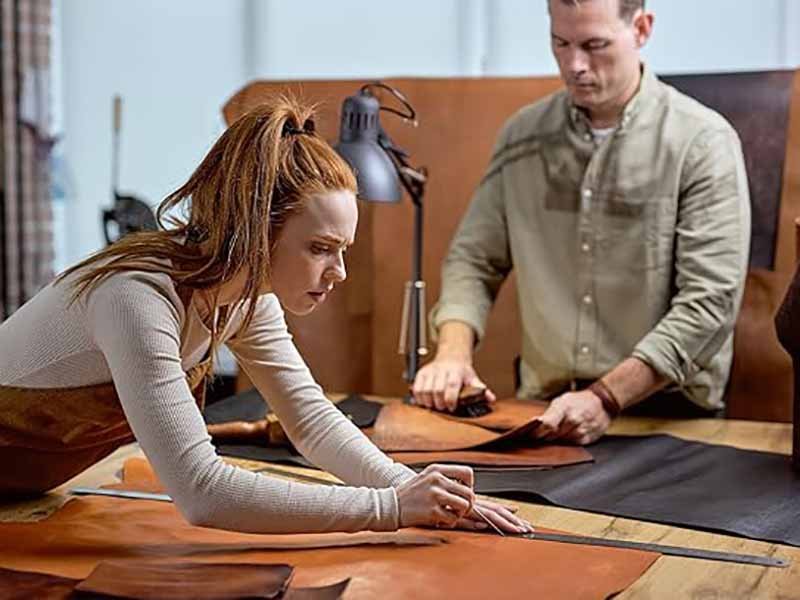
Leather sizing is one of the most underestimated factors in leather product development. Many buyers focus heavily on leather type—full grain, top grain, vegetable-tanned—but overlook sizing details that ultimately determine comfort, usability, durability, and customer satisfaction. In reality, most quality disputes in leather goods are not caused by leather quality itself, but by incorrect sizing decisions made early in development.
How to Condition Leather at Home Safely: Expert Guide
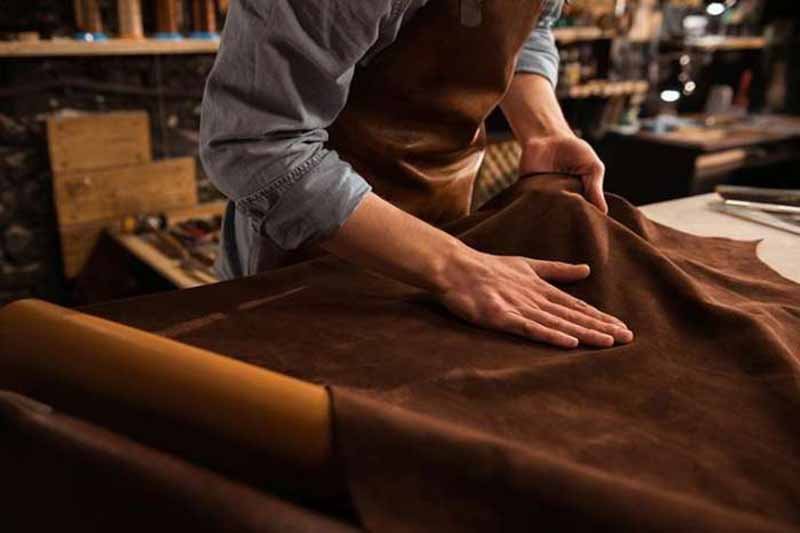
Leather is often described as a “living material.” It doesn’t breathe or heal like skin, but it reacts—to moisture, heat, friction, neglect, and care. When leather looks dry, stiff, dull, or cracked, the issue is rarely age alone. More often, it’s dehydration caused by environment, use, or improper maintenance. This is where conditioning comes in—but also where many people go wrong.
From Sketch to Shelf: How Custom Leather Design and Prototyping Bring Ideas to Life
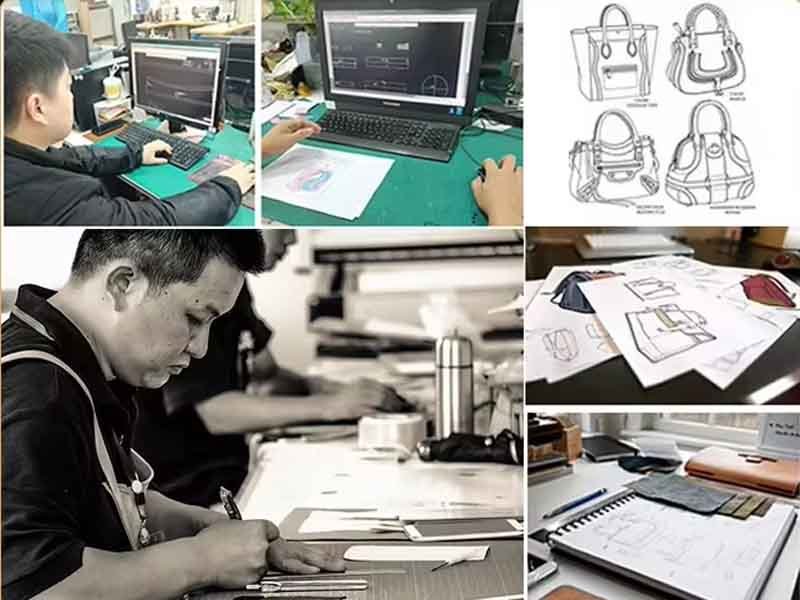
Bringing a leather product from a hand-drawn concept to a polished, market-ready item is as much an art as it is a science. It involves creative vision, material knowledge, technical precision, and iterative refinement—all underpinned by client collaboration.
Leather Goods Manufacturing: From Material R&D to Final Product

In today’s competitive leather market, the secret to standout products isn’t just craftsmanship—it’s an integrated process that begins with raw-material research and ends with on-point packaging. From tanneries to finished goods factories, understanding each step ensures you partner with a manufacturer who delivers quality, consistency, and innovation.