 Skip to content
What Is Leather Keychain Production for Retail Chains?
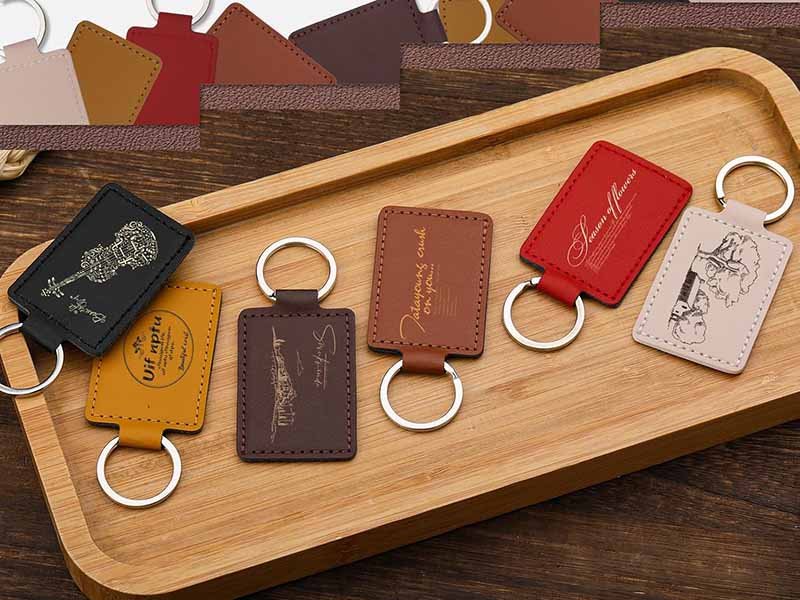
In chain retail, small accessories often do more commercial work than many larger products. A leather keychain is a good example. It is affordable enough to support impulse purchase, practical enough to justify repeat demand, and visible enough to carry a logo, a location theme, or a lifestyle message without taking up much shelf space. That is exactly why retail chains, museum stores, hotel shops, automotive programs, fashion stores, and gift retailers continue to keep this category in their assortment. A good leather keychain is not just a low-cost add-on. It can help raise average transaction value, improve giftability, strengthen store identity, and create a product line that is easy to expand into wallets, card holders, straps, and other leather accessories later.
Different Types of Leather Hardware: What You Need to Know
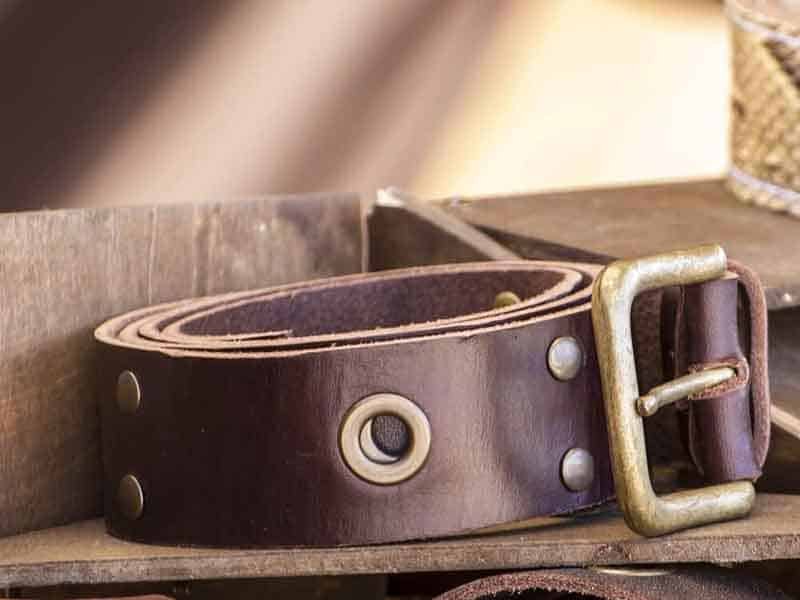
Leather hardware does more than hold pieces together—it defines a product’s style, durability, and user experience. From the gleam of a polished buckle to the subtle strength of a well-placed rivet, selecting the right components can make or break your design. Whether you’re crafting a luxury handbag or a rugged tool belt, understanding the breadth of hardware options ensures you deliver both beauty and function.
How Do You Design Your Own Leather Bag: A Step by Step Guide
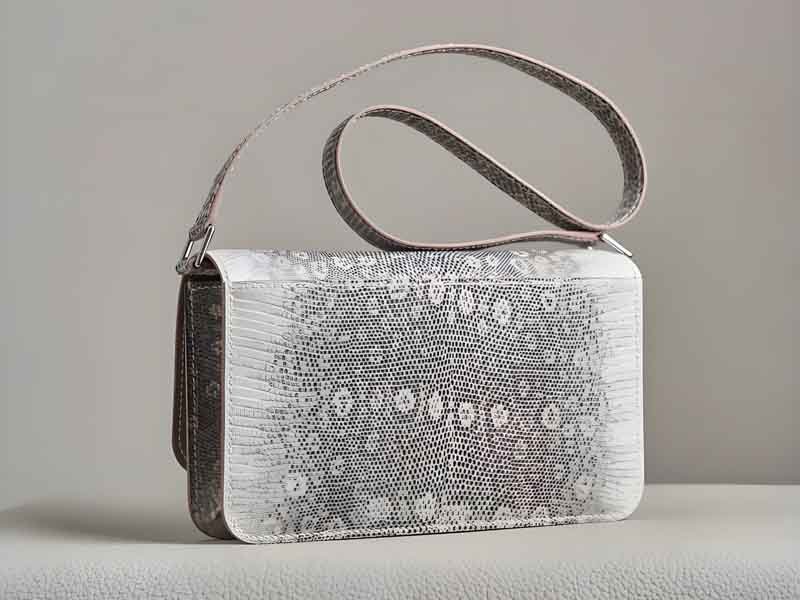
Designing your own leather bag is like writing your personal style manifesto in stitches and hides. Whether you’re a beginner or an established brand, the journey from blank page to finished bag involves inspiration gathering, material selection, technical specs, and prototyping. You’ll ask, “What kind of leather suits my vision?” “How big should pockets be?” and “Where do I find a factory that can bring this to life?”