
How Leather Goods Manufacturers Ensure Consistent Craftsmanship
When people talk about leather craftsmanship, they often think about the last thing they can see: a clean stitch line, a smooth edge, a rich leather surface, a solid zipper pull, or a handbag that holds its shape after months of use. But in real manufacturing, consistent craftsmanship is not created at the final step. It is built much earlier, starting from leather selection, pattern engineering, material testing, cutting accuracy, stitching control, edge finishing, hardware matching, and repeated inspection during production. A leather product may look good in one sample, but that does not mean a factory can reproduce the same quality across 300 pieces, 1,000 pieces, or repeated orders over several seasons. That is where professional manufacturing systems make the real difference.
What is The Leather Goods Industry: The ultimate Guide
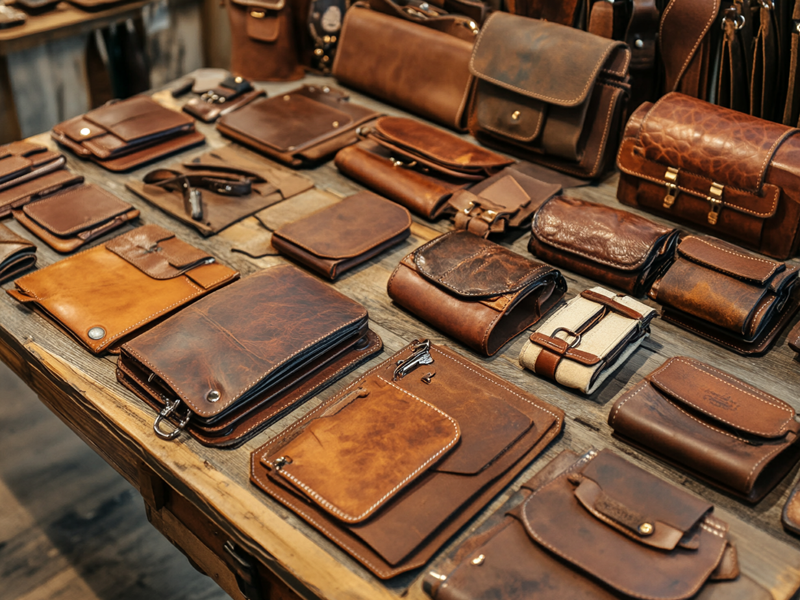
Leather goods have been a staple in fashion, design, and functionality for centuries. From high-end designer handbags to everyday essentials like belts and wallets, leather products are timeless. What is the leather goods industry? It’s a global market driven by the demand for leather products that offer both style and durability. In this ultimate guide, We’ll dive deep into the world of leather goods industry, discussing the types of products available, market trends, and key factors that contribute to its success.