
Interior Organization Design in Leather Tote Bags: What Makes a Tote Easy to Use
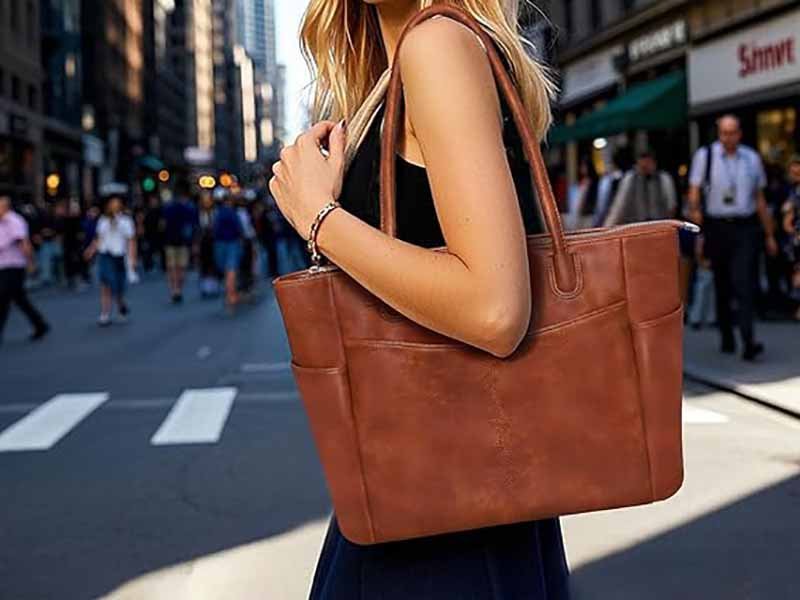
A leather tote bag is often judged by its first impression: the leather surface, the handle shape, the shine of the hardware, the stitching line, and the way it sits on a shelf. But after purchase, the real test starts inside the bag. A customer may love the outside, yet still stop using the tote if her laptop slides around, her keys disappear at the bottom, her phone pocket is too tight, or the lining feels cheap after a few weeks of use. That is why interior organization design in leather tote bags is no longer a small detail. It has become one of the strongest factors behind product reviews, repeat orders, and long-term brand trust.
How Custom Leather Goods Help Brands Stand Out
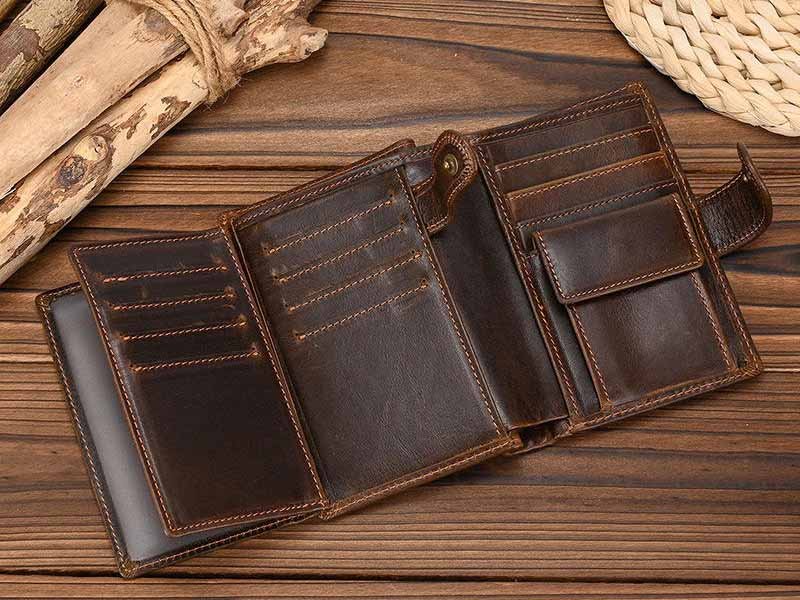
Leather goods are one of the most competitive product categories in fashion, lifestyle, corporate gifting, travel, and retail. A customer can compare dozens of leather bags, wallets, belts, straps, card holders, leather boxes, and accessories within minutes. Many products look attractive at first glance, but after a closer look, the difference between them becomes small: similar shapes, similar colors, similar hardware, similar logo positions, and similar packaging. This is where many brands begin to struggle. They are not only competing with direct competitors. They are competing with every similar-looking product on Amazon, Shopify, retail shelves, social media shops, and wholesale platforms.
Leather Crossbody Bag Pattern Engineering Basics
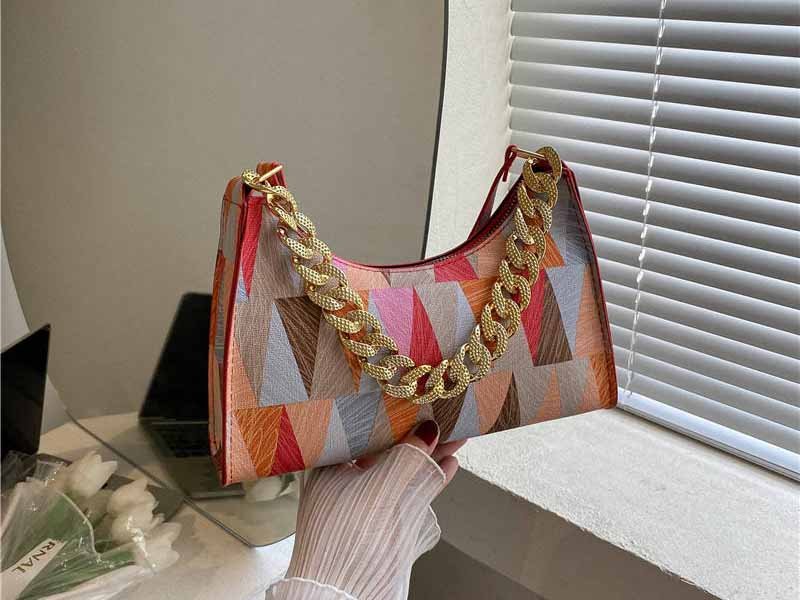
A leather crossbody bag may look simple from the outside: one body, one strap, one zipper or flap, maybe a few pockets. But in real development, the final quality is often decided before the leather ever touches the sewing machine. A small pattern mistake of only 2–3 mm can make the zipper wave, the flap sit crooked, the gusset twist, or the strap pull the whole bag forward when worn. For brand clients, this means the pattern is not just a cutting template. It is the hidden structure behind shape, comfort, leather consumption, production cost, and customer satisfaction.
Full Grain vs Top Grain Leather for Bag Manufacturing
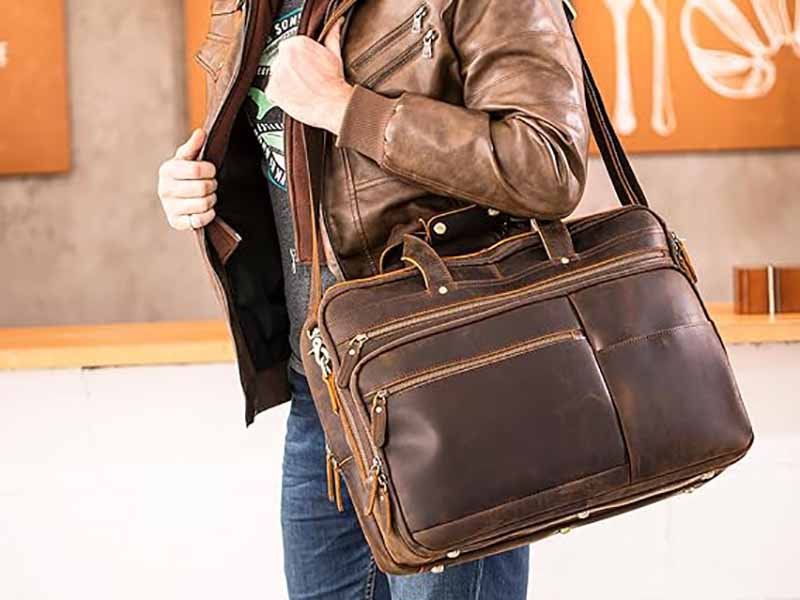
A leather bag can look excellent on the day it is packed, yet disappoint six months later when the corners soften too quickly, the surface scratches unevenly, or the body loses shape after regular use. In many of these cases, the problem is not the pattern, not the stitching, and not even the hardware. The real issue starts much earlier, with the leather choice itself. That is why the discussion around full grain leather and top grain leather matters so much in bag manufacturing. The difference is not only about status or wording on a product page. It affects structure, cutting yield, surface consistency, repair rate, pricing, customer expectation, and long-term product reputation.
How to Choose the Right Leather Goods Manufacturer for Your Product Line: A Comprehensive Guide

Choosing the right leather goods manufacturer is a crucial step for any brand looking to create high‑quality, custom leather products. Whether you’re designing handbags, wallets, belts, or accessories, the right manufacturer can elevate your brand while ensuring consistency, durability, and style. But how do you find the right fit for your brand’s needs?