
How to Choose a Leather Bag Factory for Fashion Brands
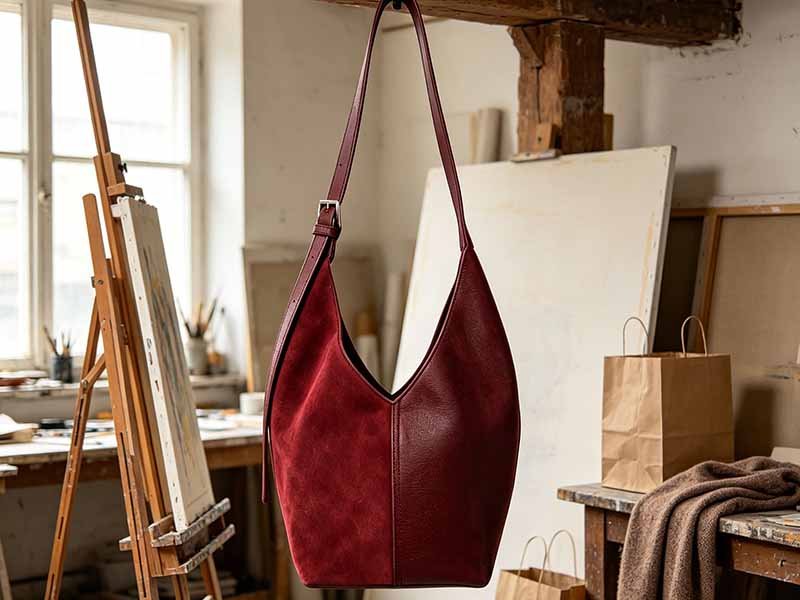
To choose a leather bag factory, fashion brands should evaluate product fit, leather and hardware knowledge, development capability, sample-to-bulk consistency, quality control, MOQ, cost transparency, lead time, capacity, compliance, and factory verification. The best manufacturing partner should support every claim with physical samples, material records, production documents, inspection procedures, audit access, clear responsibilities, and evidence of reliable repeat production.
Full Grain vs Top Grain Leather for Bag Manufacturing
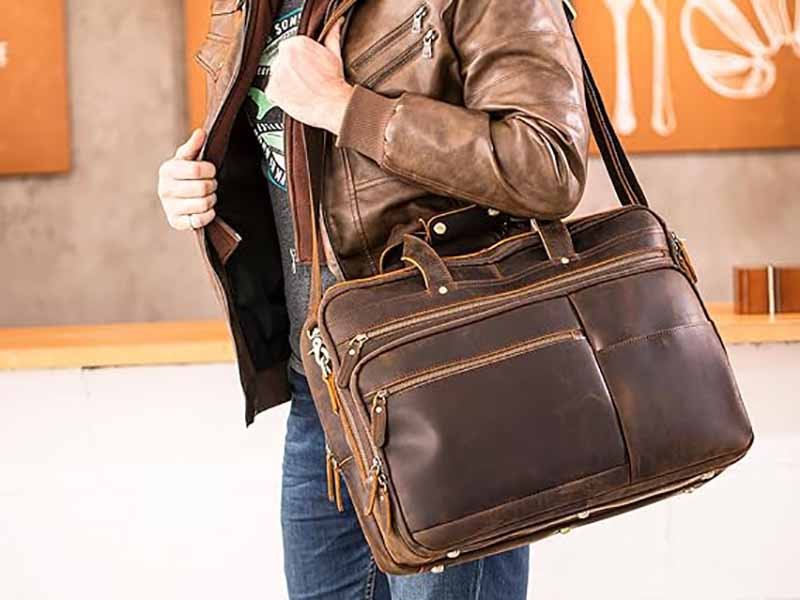
A leather bag can look excellent on the day it is packed, yet disappoint six months later when the corners soften too quickly, the surface scratches unevenly, or the body loses shape after regular use. In many of these cases, the problem is not the pattern, not the stitching, and not even the hardware. The real issue starts much earlier, with the leather choice itself. That is why the discussion around full grain leather and top grain leather matters so much in bag manufacturing. The difference is not only about status or wording on a product page. It affects structure, cutting yield, surface consistency, repair rate, pricing, customer expectation, and long-term product reputation.
The Complete Guide to Wholesale Leather Bags Manufacturing

In an era where consumers demand both quality and value, mastering wholesale leather bag manufacturing is more critical than ever. From selecting the perfect hide to navigating international shipping, every step determines your final product’s appeal, durability, and profitability. Whether you’re launching a private‐label collection or scaling an established brand, understanding the end‐to‐end process—materials, design, production, QA, pricing, compliance, and logistics—is key to standing out in a crowded market.