
How to Reduce Waste in Leather Goods Manufacturing
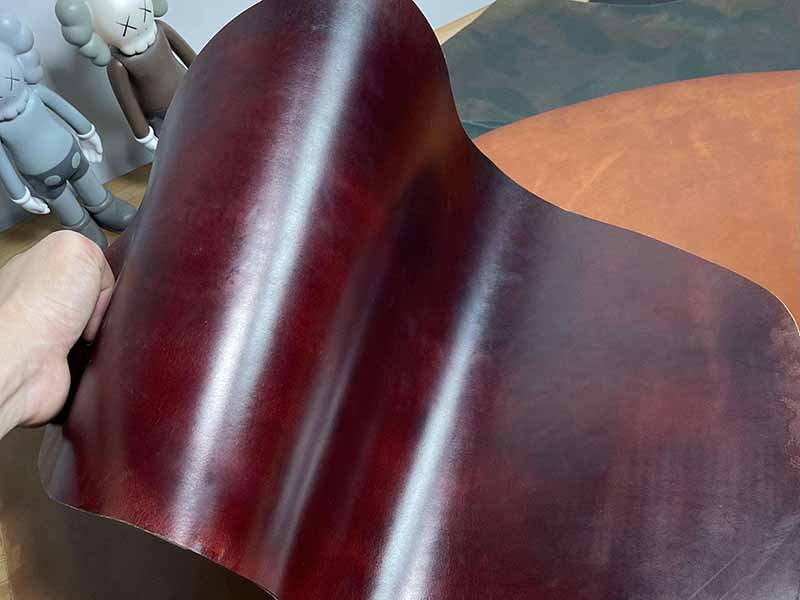
Leather waste is often described as an unavoidable consequence of producing bags, wallets, belts, cases, and accessories. Natural hides have irregular edges, surface marks, thickness variation, stretch differences, and usable zones that cannot be managed like identical sheets of synthetic material. However, the hide itself is only part of the problem. A surprising amount of waste begins with unclear specifications, inefficient product structures, repeated sample revisions, inaccurate material estimates, poorly planned cutting layouts, avoidable production defects, and inventory purchased before the design is fully approved.
Leather Duffle Bag Strap Load Capacity Design Guide
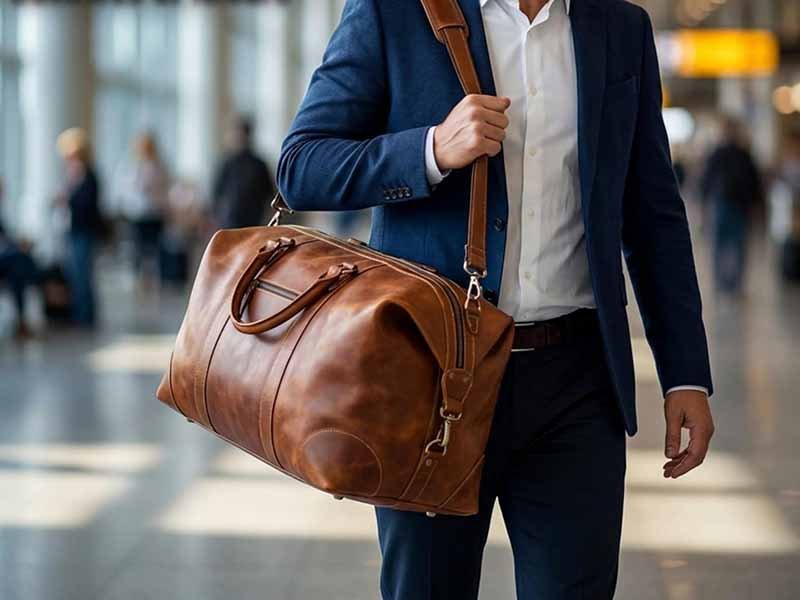
A leather duffle bag can look premium on the shelf, feel smooth in the hand, and photograph beautifully in a campaign. But once it is filled with clothes, shoes, a laptop, toiletries, chargers, and travel accessories, the real test begins. At that moment, the strap is no longer a decorative part of the product. It becomes the most stressed part of the entire bag system.
Full Grain vs Top Grain Leather for Bag Manufacturing
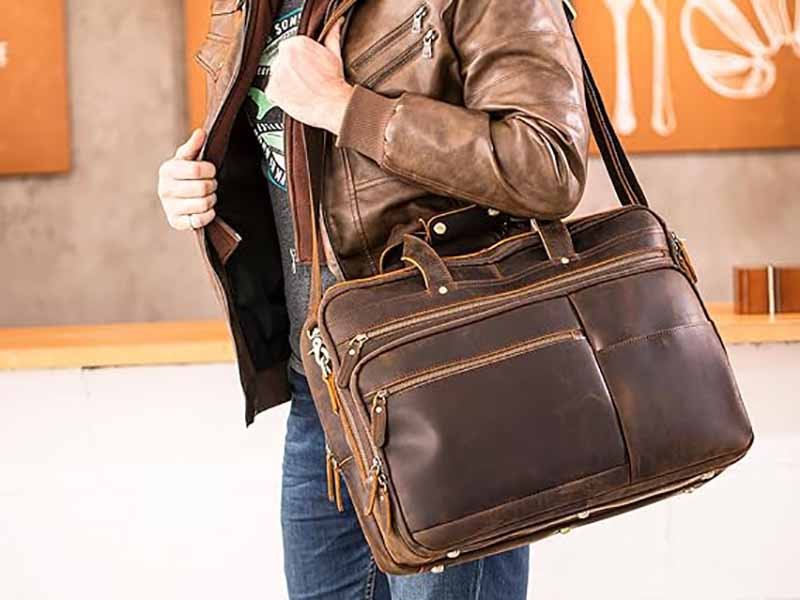
A leather bag can look excellent on the day it is packed, yet disappoint six months later when the corners soften too quickly, the surface scratches unevenly, or the body loses shape after regular use. In many of these cases, the problem is not the pattern, not the stitching, and not even the hardware. The real issue starts much earlier, with the leather choice itself. That is why the discussion around full grain leather and top grain leather matters so much in bag manufacturing. The difference is not only about status or wording on a product page. It affects structure, cutting yield, surface consistency, repair rate, pricing, customer expectation, and long-term product reputation.
Full Grain vs Top Grain for Leather Purses: Which Should Buyers Choose
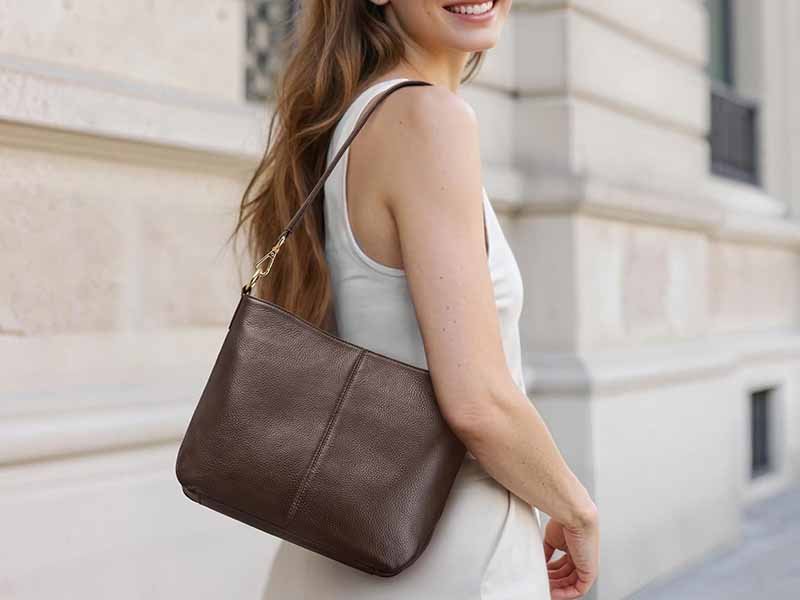
When selecting the best leather for a purse, two types dominate the market: full grain leather and top grain leather. Both are made from the hides of animals and are known for their high quality and durability, but each offers distinct characteristics that will affect the look, feel, and longevity of the purse. Understanding the differences can help you choose the leather that best suits your style, needs, and budget.