Leather Manufacturing for Business Accessories
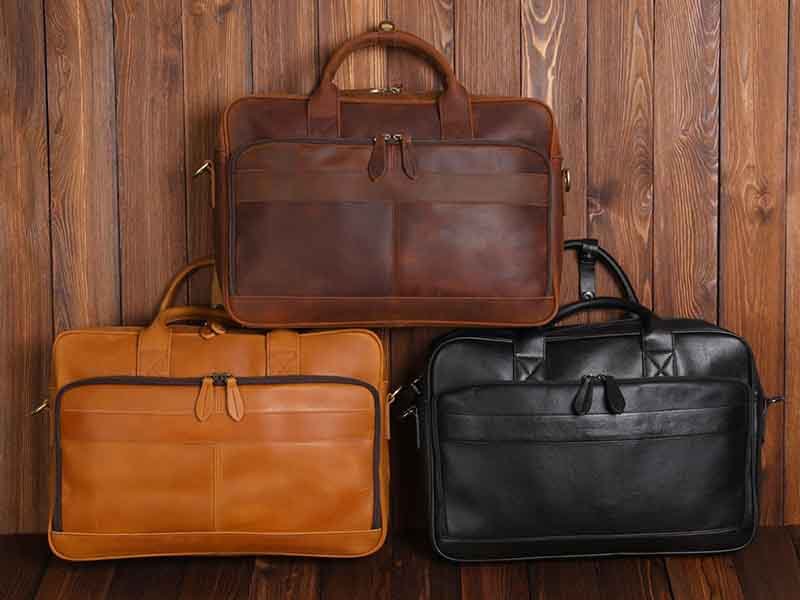
A finished leather accessory often looks straightforward. A wallet folds neatly, a belt sits flat, a briefcase holds its shape, and a leather presentation box opens with a clean, controlled movement. What is less visible is the amount of material planning and structural work required to make those results repeatable across hundreds or thousands of units.
Leather Belt Hardware Options and Buckle Types
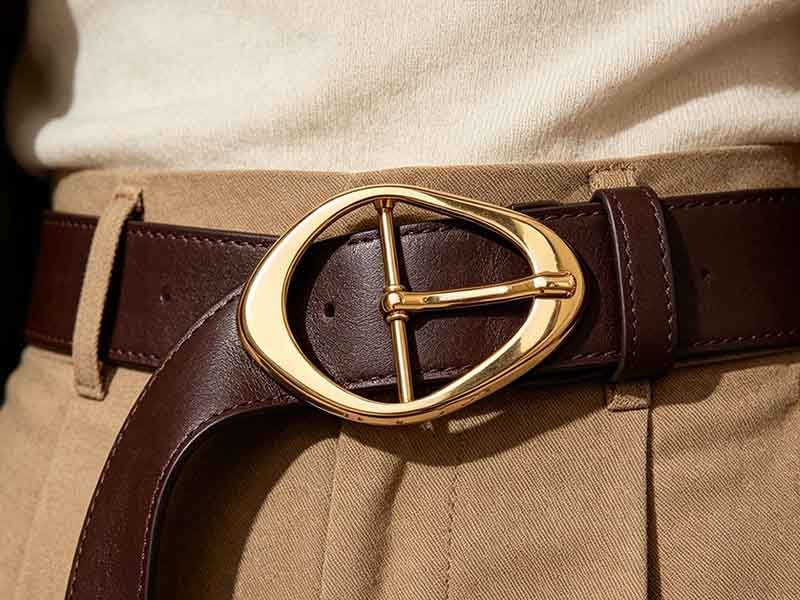
A leather belt is one of those products that looks simple until you start developing it seriously. From a distance, customers see leather color, buckle shape, and maybe a logo. But once the belt is in their hands, the judgment becomes much sharper. They feel the buckle weight. They check whether the prong moves smoothly. They bend the strap near the fold. They look at the holes, edge paint, stitching, keeper loop, and plating color. A belt may only have a few visible components, but every one of them affects how the final product feels, sells, and performs after months of wear.
How Custom Leather Goods Help Brands Stand Out
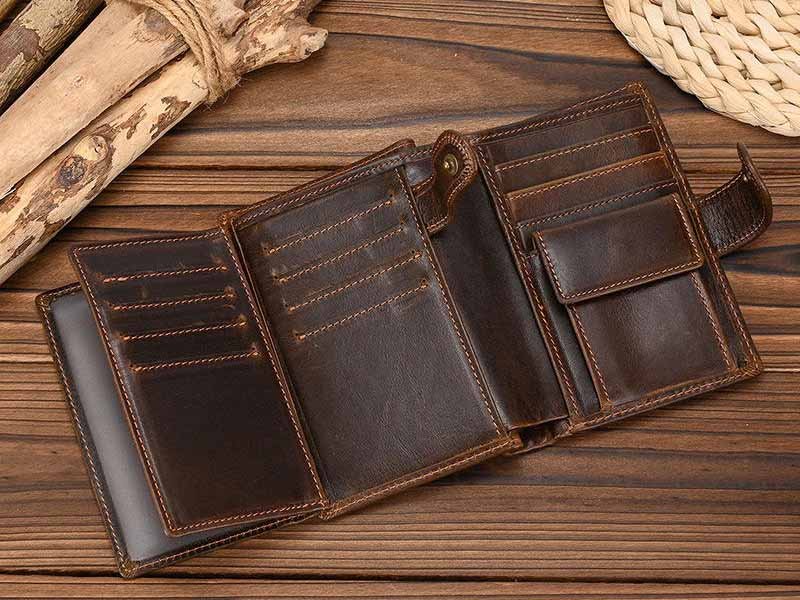
Leather goods are one of the most competitive product categories in fashion, lifestyle, corporate gifting, travel, and retail. A customer can compare dozens of leather bags, wallets, belts, straps, card holders, leather boxes, and accessories within minutes. Many products look attractive at first glance, but after a closer look, the difference between them becomes small: similar shapes, similar colors, similar hardware, similar logo positions, and similar packaging. This is where many brands begin to struggle. They are not only competing with direct competitors. They are competing with every similar-looking product on Amazon, Shopify, retail shelves, social media shops, and wholesale platforms.
Women’s Waist vs Hip Wearing for Leather Belts: Fit Differences Explained
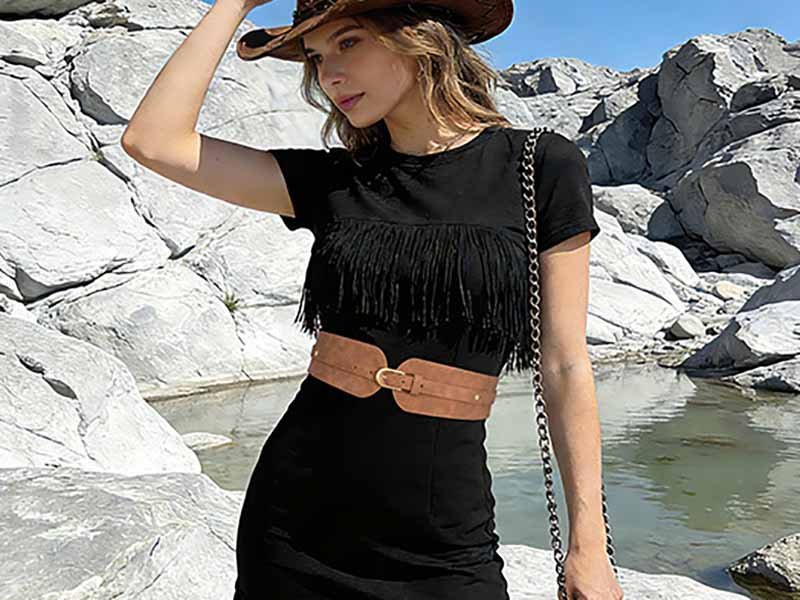
A women’s leather belt is one of those “small” items that can quietly ruin an outfit—or make it feel perfect. And the reason is often not the leather, not the buckle, not even the brand. It’s where the belt is worn. A belt that feels great at the waist can feel stiff and “too short” at the hips. A belt that sits effortlessly on the hips can look sloppy and overly long when pulled up to the waist. That’s not the customer being picky; it’s geometry.
Best-Selling Leather Belt Styles for Brands: What Buyers Are Searching For
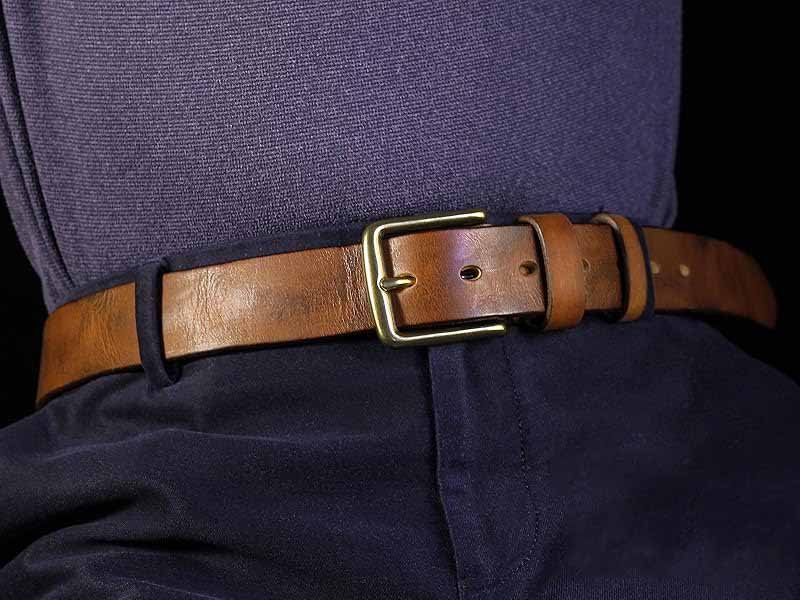
Leather belts have been a staple in the fashion world for centuries, with their versatility and timeless appeal. Whether it’s for office wear, casual outings, or special events, belts are a must-have accessory that ties an outfit together. For brands, understanding the best-selling leather belt styles is crucial to ensure their products meet consumer expectations. The right combination of materials, design, and functionality can help create the perfect leather belt that customers are searching for.
What Are the Best Leather Belts for Men: Guide to Material, Style & Fit
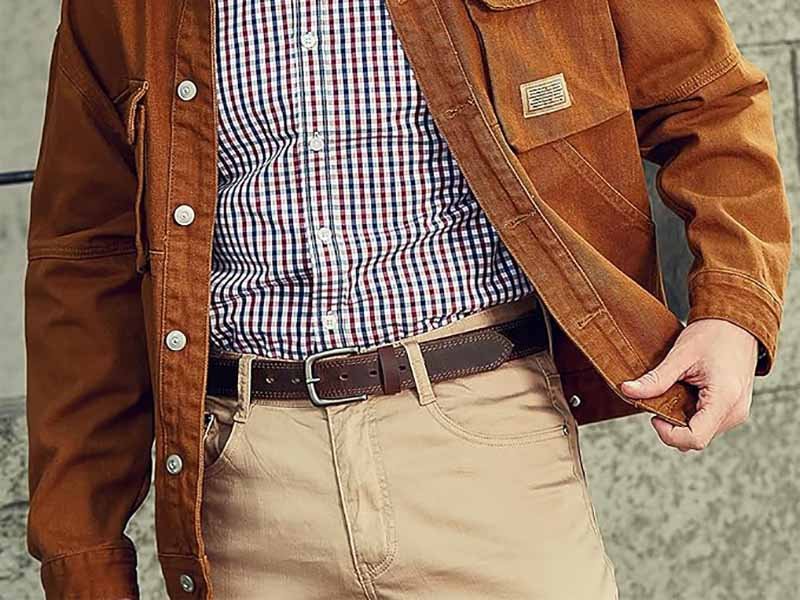
When it comes to investing in a leather belt, quality is key. A good leather belt isn’t just about holding up your pants; it’s about style, durability, and functionality that will stand the test of time. But with so many options available, how do you choose the right one? From full-grain leather to handmade designs, the choices are endless, each offering unique qualities that appeal to different tastes and needs.
How to Launch a Bespoke Leather Belt Line Under Your Brand: A Step by Step Guide
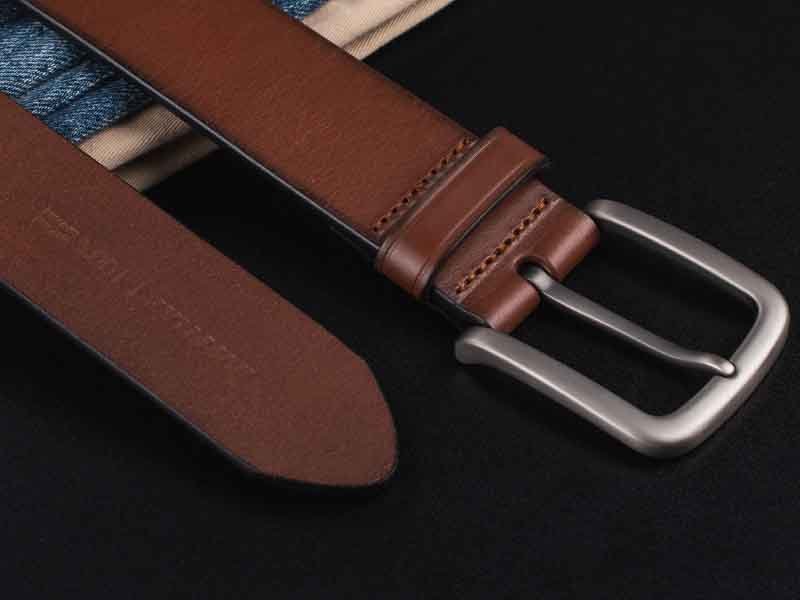
Leather belts are more than utilitarian accessories—they’re statements of craftsmanship, style, and brand identity. As consumers increasingly seek unique, high-quality products, launching a bespoke leather belt line under your brand can be both creatively fulfilling and financially rewarding. But where do you begin?
Custom Leather Belt Sizing Guide: How to Get the Perfect Fit for Your Brand
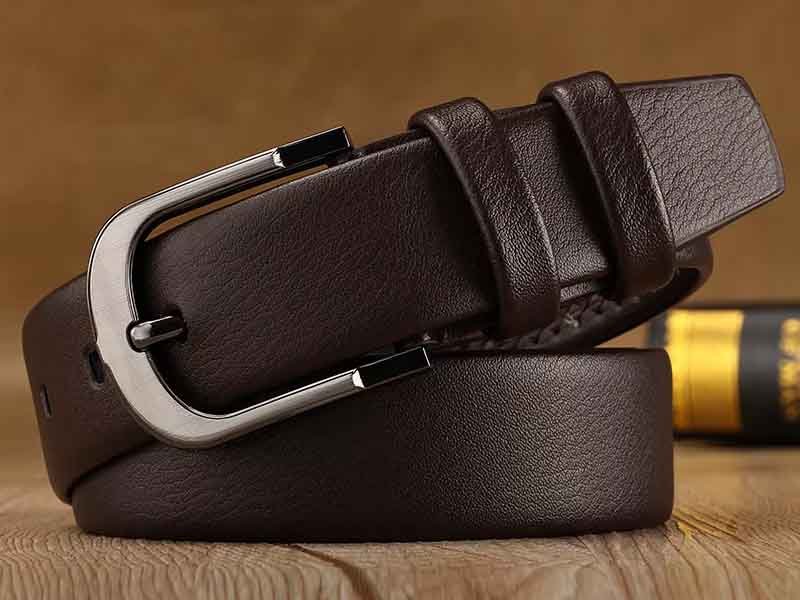
Whether you’re building a luxury fashion line or an everyday accessory collection, nothing undermines customer satisfaction faster than a belt that’s too tight, too loose, or just plain awkward. Accurate belt sizing is essential to reduce returns, protect your brand’s reputation, and ensure end users keep coming back for more.