
Leather Crossbody Bag Pattern Engineering Basics
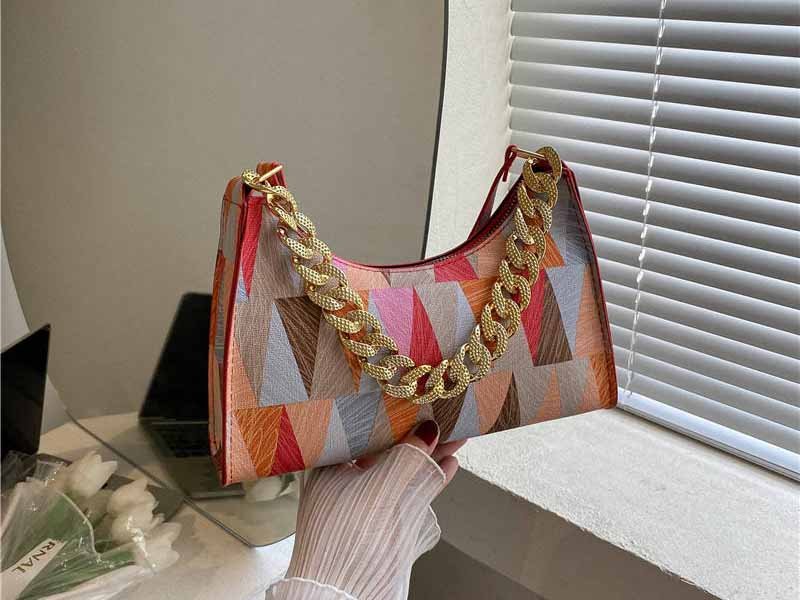
A leather crossbody bag may look simple from the outside: one body, one strap, one zipper or flap, maybe a few pockets. But in real development, the final quality is often decided before the leather ever touches the sewing machine. A small pattern mistake of only 2–3 mm can make the zipper wave, the flap sit crooked, the gusset twist, or the strap pull the whole bag forward when worn. For brand clients, this means the pattern is not just a cutting template. It is the hidden structure behind shape, comfort, leather consumption, production cost, and customer satisfaction.
What Is the Best Leather Card Holder Pocket Layout Design?
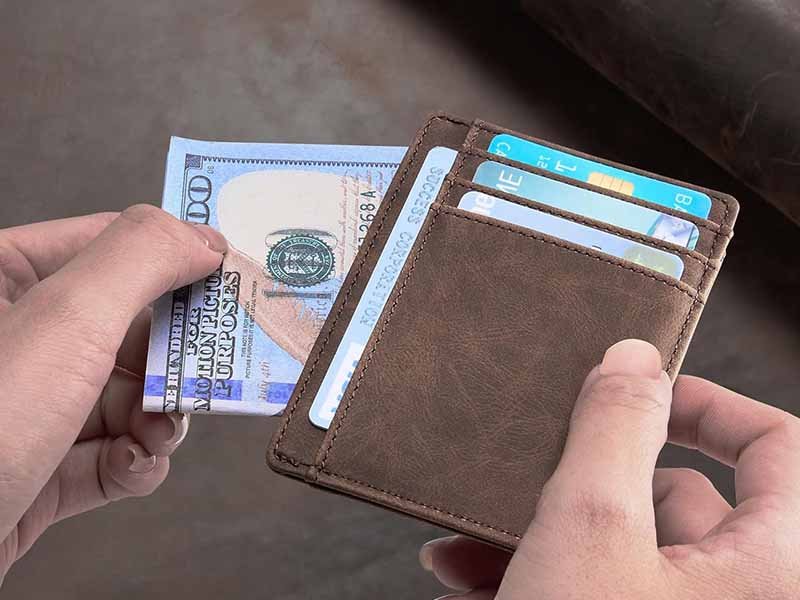
A leather card holder may look simple, but the pocket layout decides whether it feels smooth, slim, secure, and worth carrying every day. Many products fail not because the leather is poor, but because the internal structure was never designed carefully enough. A card holder can use full grain leather, clean stitching, and refined edge paint, yet still disappoint the user if the slots are too deep, too tight, too loose, or stacked with the wrong spacing. In real use, people notice these details immediately. They notice whether cards slide out naturally, whether the body stays flat after months of use, and whether the holder still feels elegant once it is filled.
Full Grain vs Top Grain Leather for Bag Manufacturing
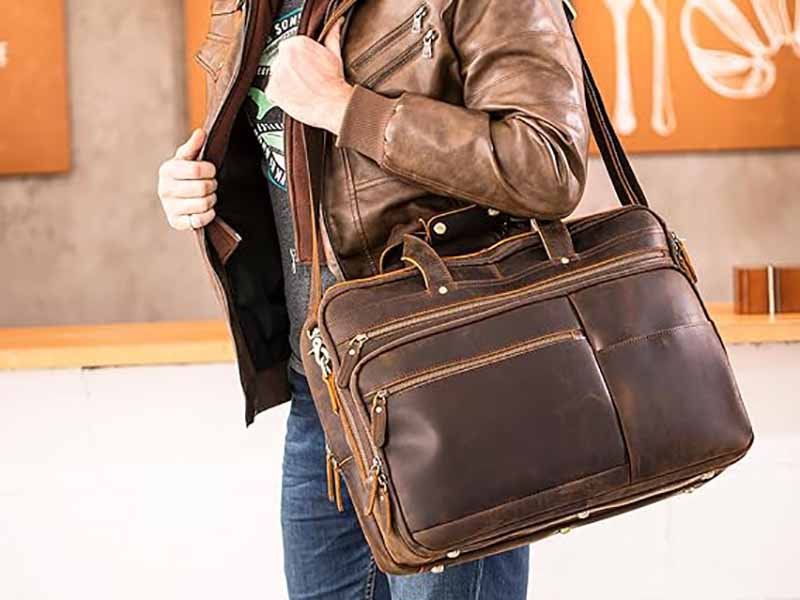
A leather bag can look excellent on the day it is packed, yet disappoint six months later when the corners soften too quickly, the surface scratches unevenly, or the body loses shape after regular use. In many of these cases, the problem is not the pattern, not the stitching, and not even the hardware. The real issue starts much earlier, with the leather choice itself. That is why the discussion around full grain leather and top grain leather matters so much in bag manufacturing. The difference is not only about status or wording on a product page. It affects structure, cutting yield, surface consistency, repair rate, pricing, customer expectation, and long-term product reputation.
Split Leather in Leather Makeup Bags: When Is It Acceptable
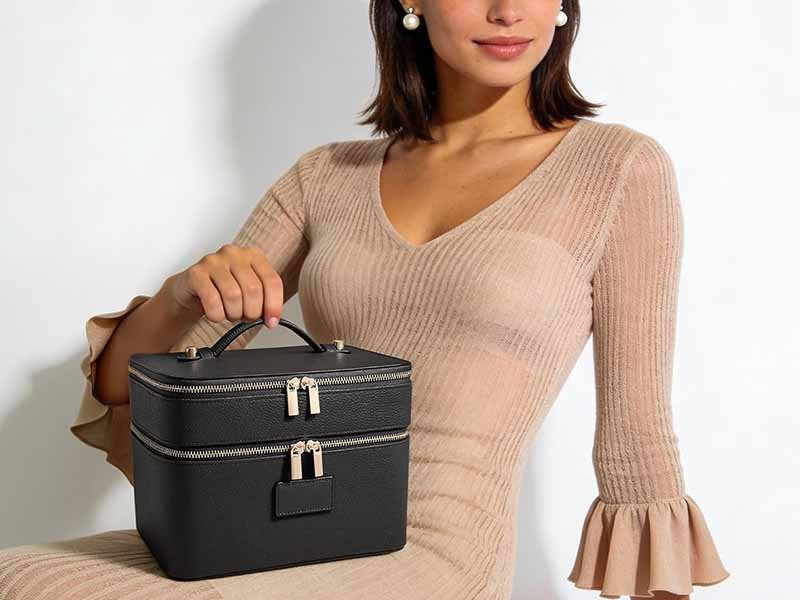
A leather makeup bag may look like a small and simple product, but for brands that actually develop and sell them, the material choice is rarely simple. Cosmetics are messy. Zippers are opened and closed every day. Bags are squeezed into handbags, dropped into suitcases, and exposed to oils, hand creams, alcohol-based cleaners, powder residue, and frequent friction. That means the leather used for a makeup bag has to do more than just look good under studio lighting. It needs to feel right in hand, hold its shape, resist surface damage, and still make sense within the target price range.
YKK vs SBS vs Custom Zippers for Leather Bags: Cost and Failure Risks
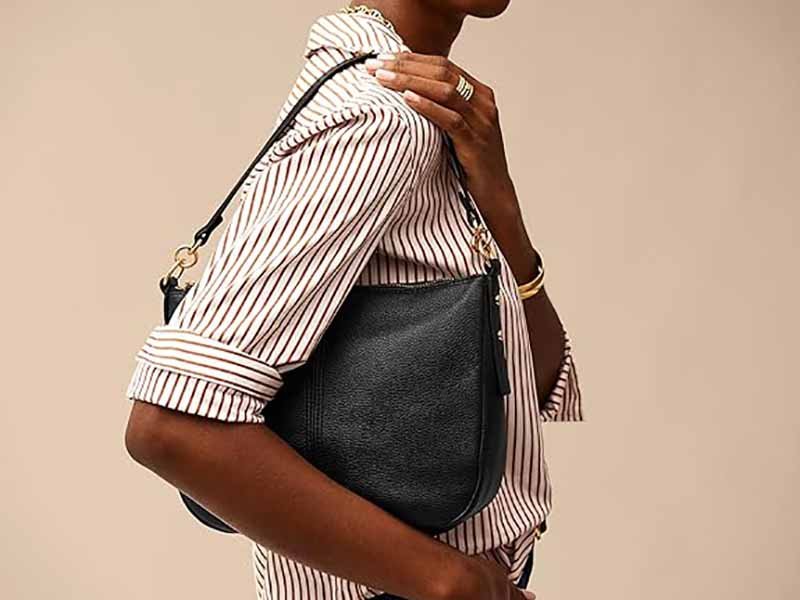
In leather bags, the zipper is one of the cheapest parts on the BOM—but it creates some of the most expensive problems. One stuck slider can turn a premium leather bag into a “bad product” in the customer’s mind, even if the leather and stitching are perfect. That’s why professional brands don’t treat zippers as a simple sourcing item. They treat them as a return-rate control point
Pouch vs Boxy Leather Makeup Bags: What’s Best for Capacity and Shape Control?
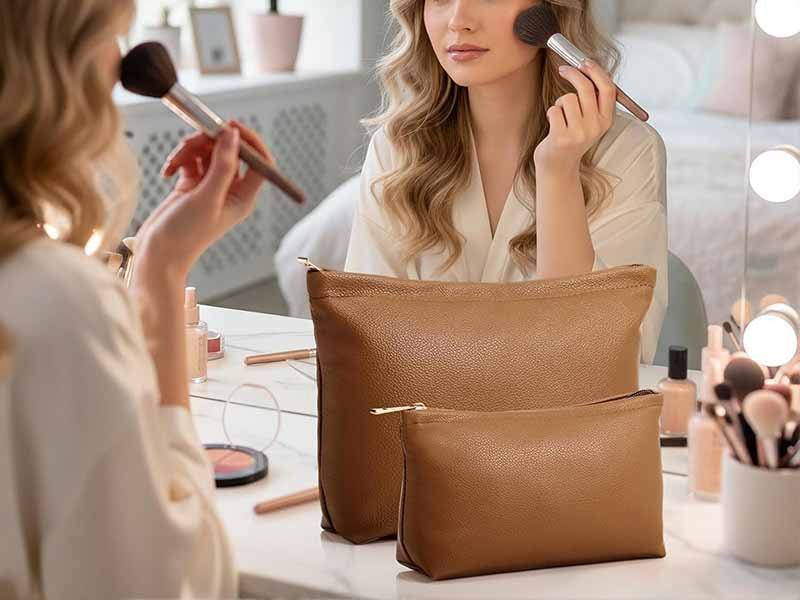
If you’ve ever packed a makeup bag that looked roomy on the outside but somehow couldn’t fit a foundation bottle, you already know the real problem: shape control is capacity control. A makeup bag isn’t just a container—it’s a little system that decides whether your products sit upright, roll around, leak, get crushed, or stay […]
What Are Crazy Horse Leather Bags: How to Manage Scratches and Color Shift
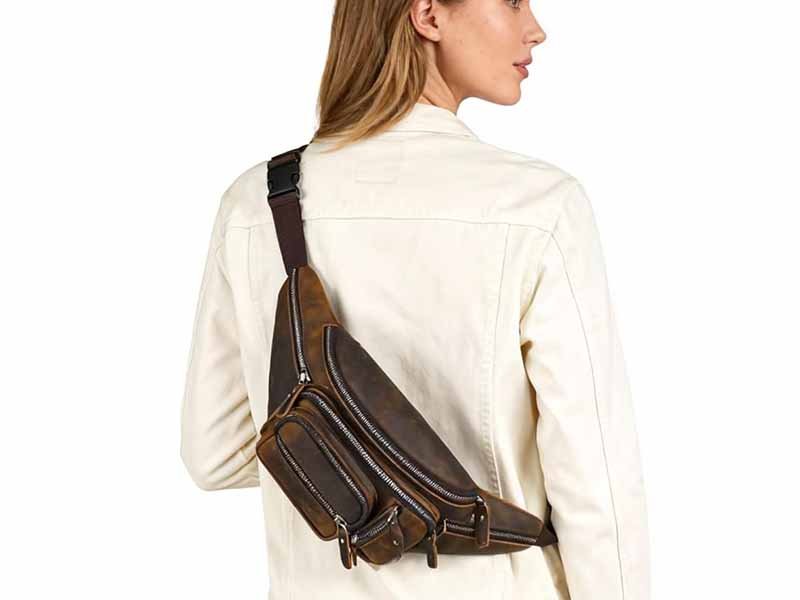
Crazy Horse leather bags are one of the easiest products to sell—and one of the easiest products to get returned—if the customer doesn’t understand the material. The same bag can look “better with age” to one person and “damaged” to another after the first week. Why? Because Crazy Horse leather is designed to show marks, color movement, and hand-made character from normal use.
How to Choose a Reliable Leather Bags Manufacturer for Brands
Most brands don’t lose money because their leather bag design is “wrong.” They lose money because the factory behind it is inconsistent. One production run looks premium; the next run feels cheaper. Stitching tension changes, edge paint cracks early, hardware plating fades, or the leather grain doesn’t match the sample. Customers notice—fast. A few bad reviews can cost more than the entire sampling budget.
Best Luxury Bags to Start Your Collection
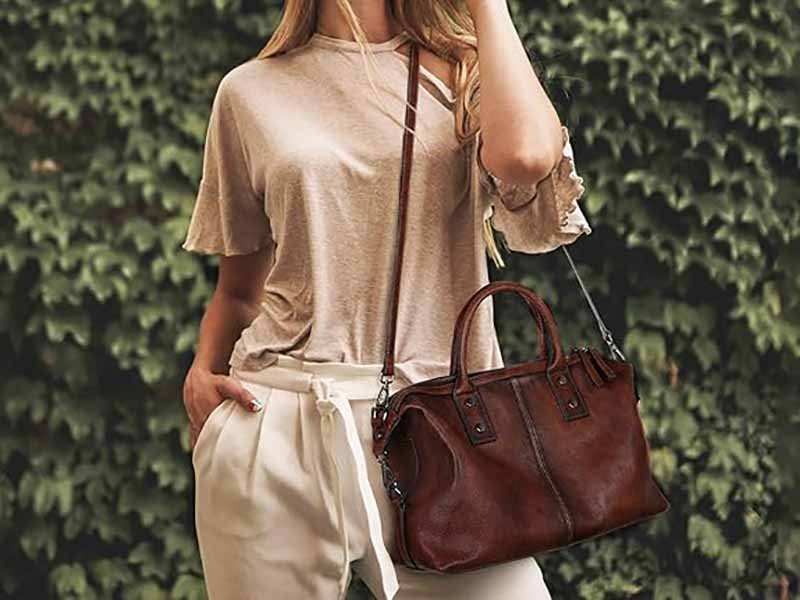
Starting a luxury bag collection is rarely just about fashion. For most buyers, it’s a mix of emotion, craftsmanship, long-term value, and personal identity. The first luxury bag often becomes a reference point—setting expectations for quality, usability, and even resale potential. Choose well, and it can anchor your collection for years. Choose poorly, and it risks becoming an expensive lesson.
What Luxury Bags Are Made in China: Quality Guide
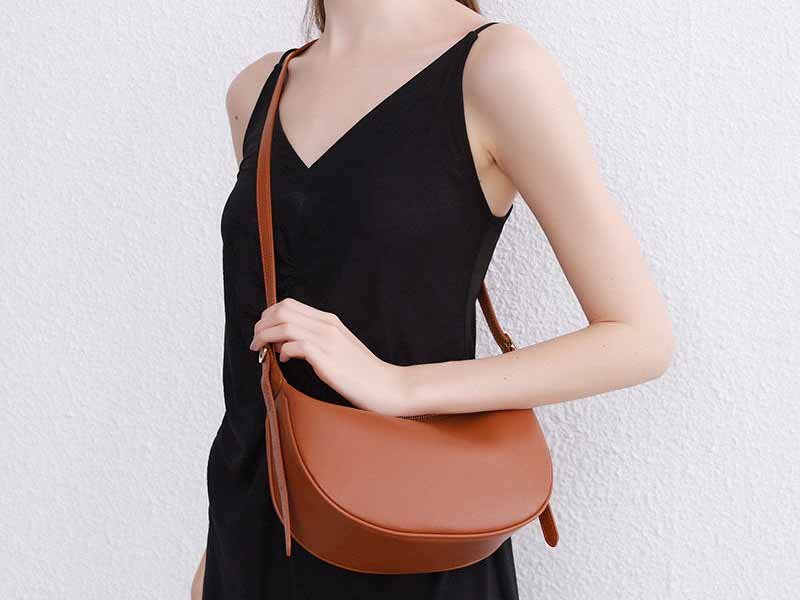
For many consumers, the phrase “Made in China” still triggers assumptions about mass production and low-cost manufacturing. Yet behind the scenes of the global luxury industry, the reality is far more complex. Today, China plays a critical—but often misunderstood—role in the production of luxury handbags, leather accessories, and premium fashion goods sold worldwide.
High End Bag Brands: Top Luxury Labels Explained

Luxury bags are no longer just accessories. They are signals—of taste, identity, craftsmanship, and sometimes even financial literacy. In recent years, searches for “high end bag brands” have surged, not only among fashion consumers but also among professionals, collectors, and brand founders trying to understand what truly separates high-end luxury from mass-market “designer” labels.
How to Clean a Leather Backpack Without Ruining It
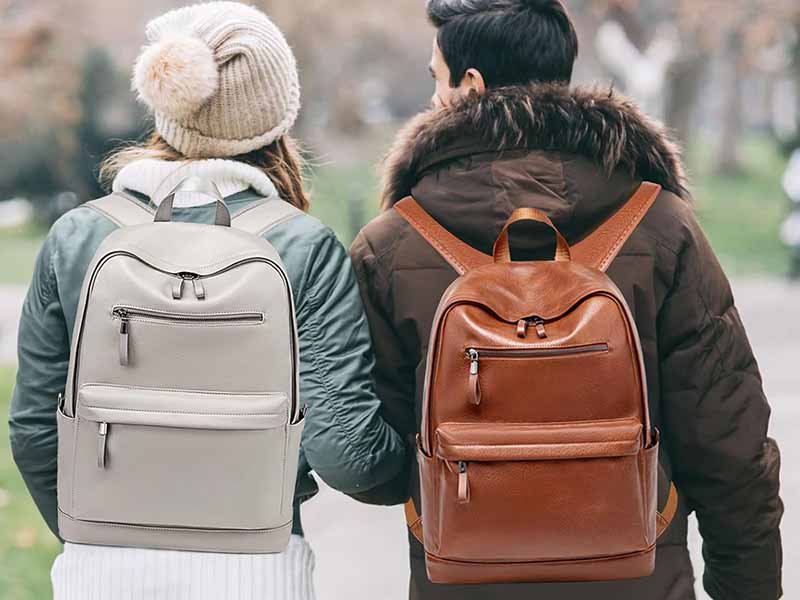
A leather backpack is not just a bag—it’s a long-term companion. It carries daily essentials, travels through rain, heat, friction, and time. And yet, when it comes to cleaning, most people hesitate. Some avoid cleaning altogether, fearing damage. Others act quickly—using water, wipes, or soap—only to discover stains, stiffness, or color loss later.