A polished leather sample can make almost any supplier look capable. It may have been produced by the factory’s best sample maker, cut from a carefully selected part of the hide, and finished without the time pressure of bulk production. The real test starts when hundreds or thousands of units must match that sample in leather shade, dimensions, stitching, edge finish, structure, hardware function, packaging, and delivery timing.
To choose a custom leather goods manufacturer, first define your product, market, materials, quantity, quality level, and delivery requirements. Then evaluate the supplier’s relevant product experience, leather knowledge, sampling process, craftsmanship, quality system, capacity, pricing transparency, communication, and sample-to-bulk control. Confirm these capabilities through physical samples, written specifications, factory reviews, inspection records, material references, and clear commercial terms before approving production.
The lowest quotation or fastest reply rarely tells you which factory will perform best over a complete project. Many costly sourcing problems begin with an unclear product brief, an attractive but unrepeatable sample, or a supplier that cannot control its subcontractors. One buyer may save a few dollars per unit during quotation, only to spend far more on rework, delayed launches, replacement goods, emergency air freight, and damaged customer reviews. The purpose of this guide is to help you identify those risks before they are packed into cartons.
What Should You Define Before Contacting a Manufacturer?
Before contacting a manufacturer, define the product type, intended user, target market, quality level, dimensions, functions, materials, branding, packaging, quantity, budget range, and required delivery date. A clear brief gives suppliers the same basis for quotation and technical evaluation. Without it, manufacturers may assume different leather grades, hardware, construction methods, tolerances, or packaging, making price and capability comparisons unreliable.
Product Purpose
Begin with how the product will be used rather than choosing leather only by color or appearance. A business briefcase designed to carry a laptop, documents, chargers, and personal items requires different reinforcement from a lightweight fashion tote. A slim cardholder depends on precise skiving and controlled thickness, while a travel wallet must balance capacity, closure security, durability, and convenient access during frequent use.
Describe what the product will carry, how often it will be opened, how much weight it must support, and where it will be used. A leather bag carried daily in a humid coastal market may need a different finish and hardware protection from a presentation case used mainly in an office. When possible, provide the dimensions and approximate weight of the contents, especially for laptop bags, equipment cases, passport organizers, camera accessories, or tool pouches.
The intended use affects handle width, strap reinforcement, opening size, pocket position, lining, closure type, and base structure. A handle can look elegant on an empty sample yet feel uncomfortable or become distorted when the product is loaded. A soft leather may feel premium but fail to hold the intended silhouette. Clear usage information allows the manufacturer to identify these conflicts before sampling begins.
Market Position
Define the target market and expected quality level before requesting quotations. A product sold through premium department stores is normally examined closely for leather selection, panel matching, stitching, edge smoothness, hardware finish, lining quality, packaging, and consistency. A corporate gift program may place more emphasis on logo accuracy, delivery timing, presentation, and uniformity across a large quantity.
The expected retail price helps the manufacturer understand the level of leather, hardware, construction, and packaging that the project can support. A leather accessory expected to retail at USD 35 cannot usually contain the same material, edge-finishing labor, hardware, lining, and rigid packaging as one positioned at USD 180. The goal is not to design strictly around a formula between factory price and retail price, but to ensure that product quality supports the intended customer expectation.
Explain the sales channel, target country, reference brands, estimated retail price, expected order frequency, and customer complaints the new product should avoid. A product developed for online sales must photograph well and survive parcel delivery. A product intended for physical retail must also withstand repeated handling, display, and close inspection. These differences influence material selection, packaging, and inspection standards.
Product Specifications
A useful product brief reduces interpretation. Reference photographs are helpful, but they rarely communicate material thickness, internal reinforcement, seam construction, expected hand feel, or measurement tolerances. The manufacturer should not have to guess whether a surface is soft or firm, whether an edge is folded or painted, or whether a component is decorative or load-bearing.
| Specification Area | Information to Provide | Practical Importance |
|---|---|---|
| Dimensions | Length, height, depth, strap length, tolerances | Controls proportions, capacity, patterns, and packing |
| Leather | Type, thickness, temper, finish, color | Affects appearance, weight, sewing, and durability |
| Structure | Pockets, gussets, closures, reinforcements | Determines function and production complexity |
| Hardware | Zippers, buckles, snaps, plating, size | Influences performance, MOQ, cost, and lead time |
| Branding | Logo method, artwork, size, position | Prevents inconsistent brand presentation |
| Stitching | Thread color, stitch appearance, edge distance | Affects strength and visual quality |
| Edge Finish | Folded, painted, burnished, or raw | Changes labor, appearance, and wear performance |
| Lining | Material, color, weight, print | Influences thickness, cleanliness, and retail feel |
| Packaging | Dust bag, box, labels, barcode, carton | Supports retail, shipping, and warehouse requirements |
| Order Plan | Quantity per style, color, and size | Helps calculate material needs and production capacity |
For products with several components, prepare a basic bill of materials that lists the main leather, lining, reinforcement, thread, zipper, hardware, logo method, labels, packaging, and any required accessories. It does not need to be a highly technical engineering file at the first inquiry stage, but it should prevent major items from being omitted from the quotation.
Mark which requirements are fixed and which are open to recommendation. A custom zipper pull may be essential to the brand identity, while an internal pocket construction may be adjusted to improve production efficiency. This distinction gives the manufacturer enough flexibility to solve technical problems without changing the core concept.
Customization Level
Clarify whether the project requires OEM production, ODM development, private labeling, or a combination of these services. In a typical OEM project, the buyer provides an approved sample, technical drawings, measurements, materials, branding, and packaging instructions. The manufacturer’s main responsibility is to reproduce the specification consistently and manage production efficiently.
An ODM project begins earlier. The buyer may have a sketch, mood board, reference product, target function, preferred leather, or target price but no production-ready design. The manufacturer may need to develop patterns, recommend dimensions, select reinforcement, adjust construction, test materials, and produce several sample versions before the product is ready for bulk manufacturing.
Many real projects sit between these two models. A brand may provide a mature design but request help reducing weight, strengthening handle attachments, simplifying expensive construction, improving pocket access, or replacing unavailable hardware. Ask which services are included in the development fee and whether the supplier can support pattern making, material selection, structure review, sample revision, tooling, packaging, and production engineering.
Ownership should also be discussed before significant development work begins. Clarify who owns patterns, molds, embossing dies, custom hardware tooling, artwork, and packaging files. A reliable arrangement protects the buyer’s intellectual property while allowing the factory to retain the technical records required for repeat production.
Which Manufacturing Capabilities Matter Most?
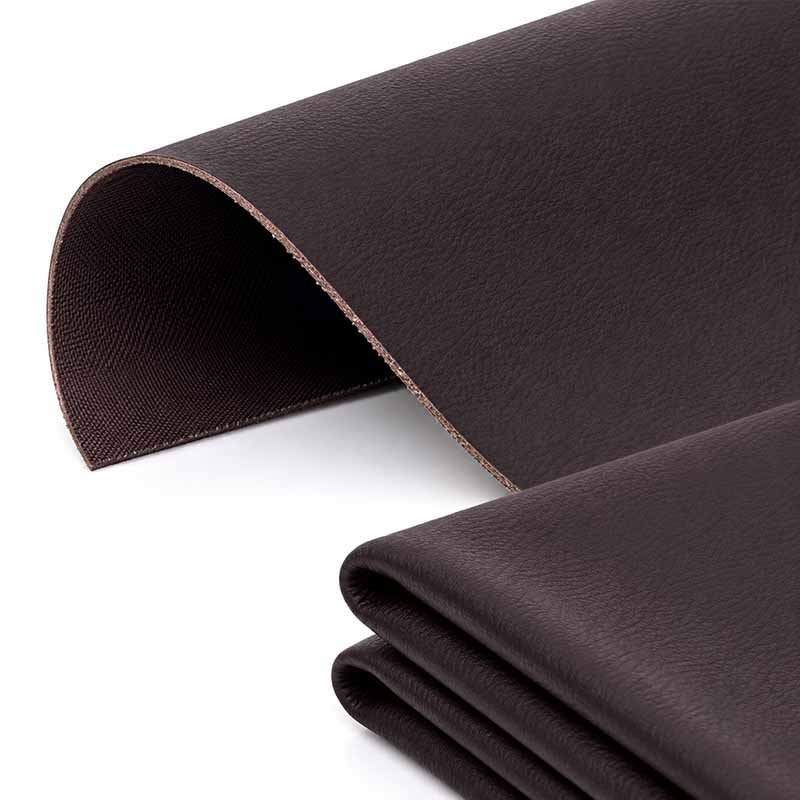
The most important capabilities include relevant product experience, pattern development, in-house sampling, leather sourcing, cutting, skiving, stitching, edge finishing, assembly, inspection, packaging, and production management. Buyers should verify who performs each stage and how subcontracted processes are controlled. A large online catalog is less valuable than proven experience with products that share your materials, structure, workmanship, order size, and quality expectations.
Factory Role
Determine whether the supplier is a factory-based manufacturer, trading company, sourcing office, or product-development business that coordinates external workshops. None of these models is automatically unsuitable, but each model creates a different level of control over materials, sampling, production, quality, pricing, and delivery. The buyer should understand exactly who is responsible for each part of the project.
Ask who makes the patterns, produces samples, purchases leather, schedules production, performs inspections, manages packaging, and handles quality claims. Request the address where samples and bulk goods will be produced. When several locations are involved, ask which processes occur at each location and whether the final supplier remains responsible for all subcontracted work.
A factory-based partner should be able to explain the complete production path. The sales or project team should know how the design moves through pattern review, material sourcing, cutting, skiving, stitching, edge processing, assembly, inspection, and packaging. A supplier that cannot answer practical production questions may be passing information between the buyer and an unknown workshop without enough technical control.
Live video is more useful than edited factory photographs. Ask to see the sample room, leather storage, cutting tables, skiving equipment, sewing lines, edge-finishing workstations, hardware installation, inspection tables, packaging area, and current production. The purpose is not to judge whether the building looks impressive. It is to confirm whether the required processes and management systems actually exist.
Product Experience
Relevant product experience matters more than the number of years printed on a company profile. A manufacturer may have decades of experience with simple wallets but limited ability to produce structured handbags with multiple gussets, molded panels, complex linings, reinforced handles, custom frames, and carefully painted edges.
Compare potential suppliers using products that share several important characteristics with your project. These may include similar leather thickness, product structure, closure type, edge treatment, hardware, lining, retail positioning, or order quantity. A factory that has produced a visually similar product using completely different materials and construction may still face a steep learning curve.
| Capability | Evidence to Request | Warning Sign |
|---|---|---|
| Similar product structure | Physical samples or detailed production images | Only unrelated products are presented |
| Similar leather type | Swatches and completed-product examples | Leather descriptions remain vague |
| Pattern capability | Pattern room, technicians, revision records | Patterns are uncontrolled or undocumented |
| Specialist finishing | Skiving, edge paint, reinforcement samples | Supplier avoids detailed close-up review |
| Repeat production | Archived BOM, patterns, or reorder files | No formal product records are retained |
| Multi-SKU management | Identification and scheduling system | Styles and colors are mixed informally |
| Export packaging | Labels, cartons, packing examples | Packaging is discussed only after production |
Ask the factory to describe one relevant project. An experienced team should be able to explain the leather specification, construction difficulty, sample revisions, critical quality risks, inspection method, and final production solution. These details reveal more than a collection of polished product photographs.
Experienced manufacturers usually discuss skiving zones, edge-paint adhesion, seam thickness, reinforcement placement, panel matching, hardware clearance, and cutting yield. Inexperienced suppliers often repeat broad claims such as “high quality” or “no problem” without explaining how those results will be achieved.
Development Capability
Sampling should convert a design into a stable production method. A capable development team does more than make a visually attractive prototype. It reviews construction feasibility, identifies stress points, recommends leather thickness, adjusts patterns, defines seam allowances, selects reinforcement, checks hardware clearance, and anticipates processes that may be difficult to repeat during bulk production.
Pattern development is particularly important because small changes can alter the entire product. A slightly different gusset width can affect capacity and shape. An incorrect corner radius can create wrinkles. An inadequate folding allowance can expose raw edges or make assembly difficult. If patterns are not recorded and controlled, repeat orders may depend too heavily on individual operator experience.
Ask how the manufacturer records revisions. Changes should be documented through marked photographs, updated measurements, revised patterns, bill-of-material updates, and clear version numbers. Informal instructions sent through scattered messages are easily lost when a project moves from a sample technician to purchasing, production, and quality teams.
A capable developer should also understand cost engineering. Good cost reduction does not simply mean replacing leather with a cheaper material. It may involve reducing unnecessary layers, changing an invisible seam, improving cutting yield, selecting a reliable standard component, or modifying packaging dimensions to lower freight volume without weakening the customer experience.
Supply Chain Control
Leather goods production often depends on several specialist suppliers. Tanneries, hardware manufacturers, plating facilities, zipper suppliers, lining printers, embossing-die makers, rigid-box manufacturers, and specialist surface-treatment workshops may all contribute to one finished product. External processing is common in the industry, but it must be managed through clear specifications and inspection.
The lead manufacturer should maintain control over approved material references, purchase specifications, supplier selection, sample approval, incoming inspection, delivery schedules, replacement materials, and defect handling. The buyer should not have to communicate separately with every subcontractor or discover after production that a critical process was transferred without approval.
Ask whether the manufacturer uses stable suppliers for repeat products or purchases materials from whichever source offers the lowest price. Frequent changes can produce differences in leather temper, grain, shade, hardware plating, zipper performance, lining color, and edge-paint adhesion. These changes may not appear clearly in photographs but can be obvious when products are displayed together.
A controlled network of partner factories can provide useful capacity and specialist capability. It may support several product categories, parallel SKUs, or peak-season orders. However, the buyer should still have one accountable project team, one approved sample, one quality standard, and one delivery responsibility. Capacity flexibility creates value only when communication, materials, inspection, and final accountability remain centralized.
How Do You Evaluate Leather and Craftsmanship?
Evaluate leather by type, grade, thickness, temper, surface finish, grain, color consistency, usable yield, physical performance, and repeat availability. Evaluate craftsmanship through cutting, skiving, stitching, edge finishing, reinforcement, lining, hardware installation, symmetry, cleanliness, and function. The objective is not simply to approve one attractive sample, but to define a material and workmanship standard that can be repeated throughout production.
Leather Quality
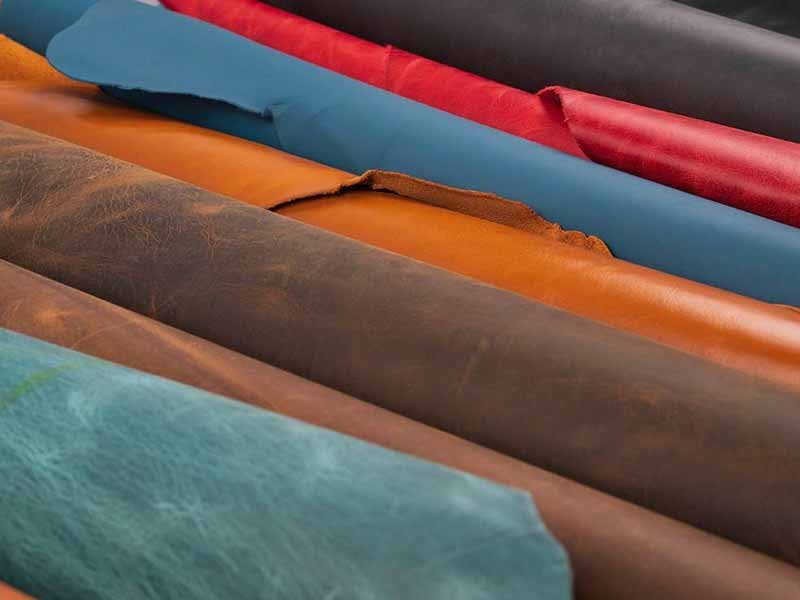
Leather names alone do not define quality. Full-grain, top-grain, corrected-grain, split, suede, vegetable-tanned, chrome-tanned, pull-up, embossed, and coated leathers may all be appropriate when matched correctly to the product. The important question is whether the chosen material delivers the required appearance, hand feel, durability, construction performance, and repeat availability.
Thickness and temper often matter as much as the leather category. A soft tote needs enough flexibility to drape naturally, while a structured briefcase requires leather that works with reinforcement and holds a defined shape. A slim wallet needs controlled thickness because several folded layers meet around card slots, seams, and edges. Even a small thickness difference can create visible bulk.
| Product Area | Common Starting Thickness | Main Consideration |
|---|---|---|
| Soft handbag body | 1.0–1.6 mm | Drape, weight, and seam bulk |
| Structured bag exterior | 1.2–2.0 mm | Shape retention and reinforcement |
| Wallet exterior | 0.9–1.4 mm | Durability without excessive thickness |
| Card-slot components | 0.5–0.9 mm after skiving | Clean layering and card access |
| Belt structure | 2.8–4.0 mm total | Stretch resistance and buckle support |
| Handles and tabs | 1.2–2.0 mm plus reinforcement | Repeated load and attachment strength |
| Decorative overlays | 0.6–1.2 mm | Clean edges and controlled appearance |
These figures are useful starting points rather than universal rules. Leather density, softness, backing, finish, panel size, construction method, and number of layers can change the appropriate specification. The sample should be evaluated as a complete structure rather than judging thickness in isolation.
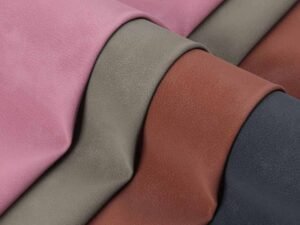
Ask for a physical swatch, thickness range, finish description, color reference, and material-source information. Review the material under several lighting conditions, flex it, rub it, and examine how the grain behaves around curves. Natural variation should be managed through agreed standards rather than described vaguely as unavoidable.
Cutting and Skiving
Cutting quality affects product appearance, symmetry, material cost, and strength. The cutter must consider surface defects, grain direction, stretch, shade, and the location of each component. Large visible panels usually require more selective cutting than small hidden components, while load-bearing parts should avoid weak or excessively stretchy areas.
Matching is especially important for premium products. Front and back panels, paired gussets, handles, and visible overlays may need to come from the same hide or shade group. Without sorting, individually acceptable pieces can look inconsistent when assembled into one product or displayed beside other units.
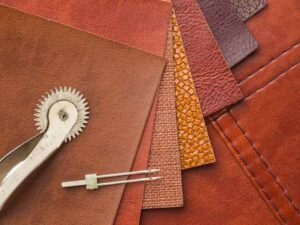
Skiving reduces leather thickness around folded edges, seams, overlaps, pockets, and hardware attachments. Poor skiving creates either excessive bulk or structural weakness. Check for sudden thickness changes, uneven skiving width, visible ridges, cuts through the grain, and overly thin areas near rivets, handles, buckles, or other stress points.
A wallet may look acceptable when empty but become distorted when cards are inserted if the card-slot layers were not reduced correctly. A handle attachment may fail if the leather has been skived too aggressively around a rivet. Important skiving areas should therefore be defined during sampling and checked during production, not left entirely to individual operator judgment.
Stitching and Edges
Stitch density should suit the leather thickness, thread size, product style, and expected load. Extremely tight stitches can weaken some leathers by creating a line of perforations, while very wide spacing may look inexpensive or provide insufficient seam control. For many leather accessories, visible machine stitching often falls around 6–10 stitches per inch, although different products may require different ranges.
Consistency matters more than selecting one universal stitch count. Examine the distance between the stitch line and edge, stitch length, top and bottom tension, curves, corners, backstitch areas, skipped stitches, loose ends, and needle marks. Contrast stitching makes irregularity more visible and normally requires tighter process control than tone-on-tone thread.
Leather edges may be folded, burnished, raw, sealed, or painted. Painted edges usually require preparation, sanding, coating, drying, and often more than one finishing pass. A single heavy layer may look smooth initially but become sticky, uneven, or prone to cracking. The exact process depends on the leather surface, edge-paint system, desired appearance, and required durability.
A good painted edge should feel smooth, dry, and firmly bonded. Bend the sample gently at corners, handles, flaps, and frequently flexed areas. Early cracking can indicate poor preparation, incompatible materials, excessive coating thickness, or insufficient curing time.
Hardware and Structure
Hardware should be evaluated for both appearance and performance. A polished clasp has little value if it loosens after repeated use, scratches the leather, creates sharp contact points, or fails to align when the product is loaded. Zippers, snaps, magnets, buckles, rivets, hooks, rings, and custom metal parts should be tested through normal operation rather than judged only by appearance.
Check plating consistency, sharp edges, logo orientation, movement, alignment, color transfer, and resistance. Hardware finish can vary between batches, especially when plating references are described only with general terms such as gold or gunmetal. A physical approved sample is more reliable than a written color name.
Test the finished product while loaded. Handle attachments, strap anchors, zipper ends, flap hinges, base corners, and pocket openings experience repeated stress and often require hidden reinforcement. The reinforcement material should distribute load without producing visible ridges or making the product unnecessarily stiff.
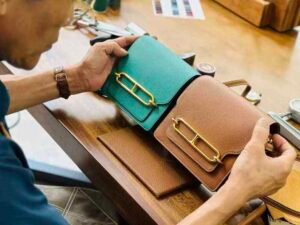
The lining should not sag, twist, pull against closures, or expose unfinished openings. Internal boards, foams, and reinforcement should support the intended shape without creating hard edges. Place the product on a level surface and compare both sides. Handles should align, gussets should match, the body should not twist, and the flap or zipper should sit centrally.
How Should Sampling and Bulk Production Be Verified?
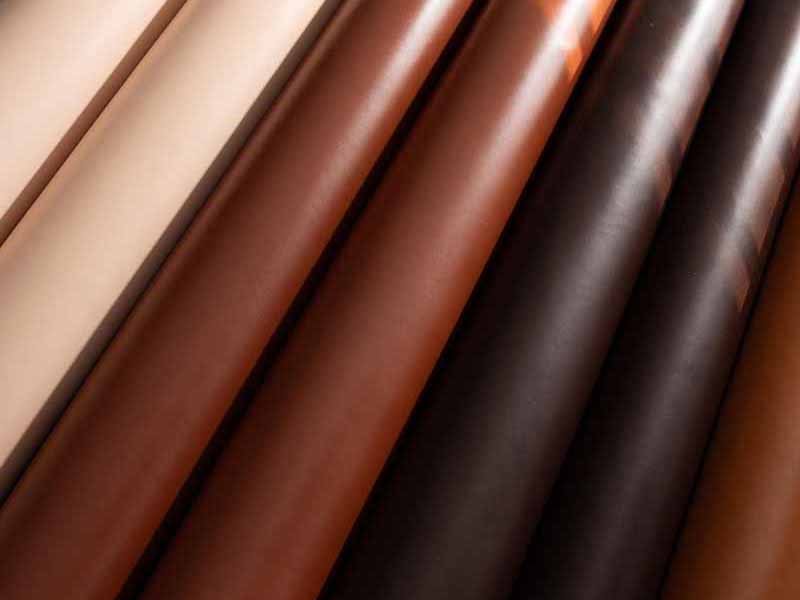
Sampling should confirm dimensions, structure, leather, hardware, workmanship, function, branding, packaging, cost, and production feasibility. After revisions, approve a physical golden sample supported by final specifications. Bulk production should then follow material approval, pre-production review, first-piece confirmation, in-line inspection, final inspection, and packaging checks so the approved sample becomes a repeatable standard rather than an exceptional prototype.
First Prototype
The first prototype is a problem-finding tool rather than a final promise. It should reveal whether the design, dimensions, materials, construction, function, and cost assumptions work together. Buyers gain more value when they use the first sample to identify technical risks instead of judging it only as a pass-or-fail object.
Begin with function before focusing on minor cosmetic defects. Load the product with the objects it is designed to carry. Open every zipper, snap, magnet, buckle, pocket, and compartment. Wear or carry the product as intended and observe the weight distribution, strap comfort, opening access, shape, balance, and stability.
Then review material, stitching, edges, hardware, lining, logo, and cleanliness. Provide specific revision comments rather than broad instructions such as “improve the shape” or “make the handle better.” Mark photographs, include target measurements, identify exact locations, and describe the required result.
Separate manufacturing errors from new design decisions. An incorrect dimension is a correction. A newly requested compartment is a design change. This distinction helps both sides manage revision costs, sample timing, and accountability. One to three revisions may be enough for many straightforward products, while complex structures, new materials, custom hardware, or incomplete initial briefs can require additional rounds.
Golden Sample
The final approved sample should become the golden sample or sealed reference sample for production. It represents the agreed standard for shape, dimensions, leather, color, hardware, stitching, edge finish, lining, branding, function, and packaging. It should not remain an informal sample sitting on a salesperson’s desk without supporting documentation.
Both the buyer and manufacturer should ideally retain matched approved samples. Photographs are useful but cannot fully capture leather temper, thickness, edge texture, zipper resistance, hardware movement, surface finish, or color under different lighting. A physical reference is especially important when subjective details such as hand feel, softness, grain character, or edge smoothness affect acceptance.
The golden sample should be supported by final measurements, tolerances, material references, hardware finishes, thread colors, logo size and position, packaging instructions, label files, and inspection criteria. Old measurements, rejected leather swatches, and outdated artwork should be removed from the active production package.
A good prototype is not automatically production-ready. It may have been made slowly by an experienced sample technician using hand-selected material. Before mass production, the factory should confirm that normal operators, bulk materials, standard equipment, and realistic production speed can reproduce the same result.
Pre-Production Control
A pre-production meeting aligns the teams responsible for purchasing, production, quality, packaging, and shipment. The sample technician, project manager, material buyer, production supervisor, and inspector should all work from the same approved sample, pattern version, bill of materials, and production instructions.
The meeting should identify critical measurements, difficult construction areas, special leather-matching requirements, reinforcement positions, hardware orientation, edge-finishing standards, logo placement, known sample problems, packaging details, and required shipment dates. These points should be written clearly enough that a production operator or inspector can understand them without relying on memory.
Bulk leather should be inspected before full cutting. Shade, thickness, temper, grain, surface condition, usable yield, and quantity should be compared with approved references. Hardware, lining, thread, edge paint, labels, and packaging should also be checked before they enter production.
A first production piece is particularly valuable because it is made with actual bulk materials and normal production methods. When it does not match the golden sample, the factory can adjust cutting, skiving, assembly, or finishing before the problem spreads across the full order.
Bulk Inspection
Final inspection alone cannot prevent every defect. By the time finished products reach the packing area, incorrect cutting, over-skiving, missing reinforcement, misaligned hardware, or poor edge preparation may already be difficult to repair. Effective quality control begins during production.
In-line inspection should focus on cutting direction, shade grouping, skiving depth, reinforcement, stitch alignment, edge preparation, adhesive use, hardware position, lining construction, and shape. Measurements should be checked at several stages because folding, stitching, and assembly can gradually move dimensions outside the agreed tolerance.
Final inspection should cover appearance, function, dimensions, cleanliness, quantity, labels, retail packaging, and export cartons. The inspection level may follow an agreed sampling plan, customer standard, or full checking of critical functions. Closures, handle attachments, sharp hardware, correct logos, and required labels may justify 100% inspection even when general appearance is sampled.
Inspection records should identify the defect, affected quantity, location, likely cause, corrective action, and reinspection result. A general statement that goods passed quality control provides limited protection when there is no documented standard or evidence behind the decision.
What Do MOQ, Pricing, Lead Time, and Capacity Reveal?

MOQ, pricing, lead time, and capacity reveal how the manufacturer’s material supply, labor, specialist processes, and production planning really operate. Reliable suppliers explain which factors control each figure. Very low prices, MOQs that ignore custom components, or schedules that exclude approvals and external processing may indicate hidden substitutions, later surcharges, unmanaged outsourcing, or promises that cannot survive bulk production.
MOQ Structure
MOQ is rarely determined by one factory rule. It is created by several connected minimums, including leather purchasing, custom colors, hardware, plating, lining printing, packaging, tooling, and production setup. The sewing department may be willing to assemble 200 units while the tannery or hardware supplier requires a much larger purchase.
Clarify whether the stated MOQ applies per order, style, color, material, or size. An offer of 500 units may mean 500 units in one color rather than five colors of 100 units. Color splitting creates more cutting, sorting, purchasing, setup, inspection, and material-balance work.
Lower quantities are often more practical when the project uses stock leather, available colors, standard hardware, existing lining, and simple packaging. Custom-dyed leather, exclusive embossing, molded zipper pulls, special plating, printed lining, rigid gift boxes, or several custom colors usually require larger commitments.
A professional manufacturer should identify the component that controls the minimum. In some cases, the buyer can accept leftover material for a future order, use a standard hardware finish, combine colors, simplify packaging, or purchase extra custom components for later production. These options create a more realistic trial order without pretending that every custom feature can be produced at any quantity.
Pricing Detail
Prices can be compared only when suppliers quote the same specification. Differences in leather grade, thickness, cutting yield, hardware weight, plating quality, lining, reinforcement, edge finishing, packaging, inspection, and export terms can produce large unit-price differences.
A complete quotation should identify the leather specification, lining, hardware, thread, reinforcement, logo process, packaging, order quantity, color split, sample fee, tooling cost, testing cost, unit price, payment terms, Incoterm, production lead time, and quotation validity. Clarify whether labels, export cartons, final inspection, and delivery to the agreed shipping point are included.
Leather utilization is an important cost factor. Natural hides contain scars, loose areas, shade movement, and regions unsuitable for large visible panels. Strict grain matching, large clean components, light colors, and low tolerance for natural marks reduce usable yield. Two products with similar dimensions can therefore have very different leather costs.
Do not assume that the lowest quotation reflects better purchasing power. It may use a different leather grade, thinner components, lighter hardware, less reinforcement, simplified packaging, or reduced inspection. Ask suppliers to state important assumptions so that the comparison is based on the same product rather than several different interpretations.
Lead-Time Planning
Lead time should be divided into development, material preparation, production, inspection, and shipment stages. A statement such as “production takes 30 days” is incomplete unless the starting point and included processes are clearly defined.
The timeline may include requirement review, pattern development, material sourcing, sample production, sample shipment, buyer evaluation, revision, final approval, custom hardware preparation, packaging production, bulk manufacturing, inspection, rework, packing, and shipment booking. The project clock may start after deposit, final sample approval, material approval, or receipt of final packaging files, depending on the agreement.
Straightforward samples using available materials may sometimes be completed in approximately 7–15 days. More complex products, special leather, custom metal parts, printed lining, molded components, or several revisions can take longer. Bulk production normally requires additional weeks after materials and specifications are fully approved.
Ask which activities can run in parallel and which form the critical path. Hardware molds, leather development, plating, and rigid packaging often control the schedule more than sewing. The plan should also include buyer decision dates because delayed feedback, incomplete artwork, or repeated changes can move the shipment date even when the factory remains on schedule.
Capacity and Terms
Capacity should be measured against the actual project rather than the factory’s total monthly output. Leather goods production may depend on specialist skills such as skiving, edge painting, structured assembly, hardware fitting, and shaping. A factory may produce large quantities of simple wallets but have limited capacity for handbags with multiple painted edges and complex construction.
Ask how many units of a similar product can be produced under normal conditions and how many SKUs can run in parallel. Review current workload, peak-season availability, sample-room capacity, specialist-process capacity, inspection resources, packaging space, and backup production arrangements.
Commercial terms should explain what happens when conditions change. Confirm deposit and balance timing, sample approval, tooling ownership, pattern ownership, excess materials, acceptable quantity variation, inspection rights, defect handling, replacement responsibility, confidentiality, intellectual property, delivery terms, and delay communication.
Written terms do not guarantee that problems will never occur, but they prevent different assumptions from turning into expensive disputes. A reliable manufacturer should be willing to record important decisions in quotations, purchase orders, approval sheets, specifications, or manufacturing agreements rather than relying entirely on informal conversations.
How Do You Verify Quality and Reliability?
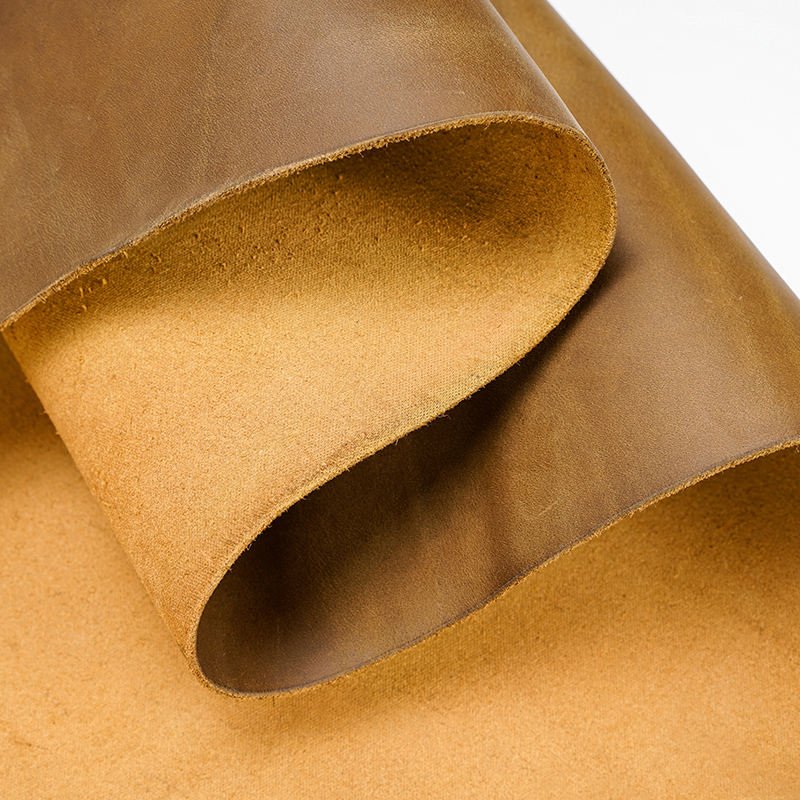
Verify quality and reliability through physical samples, written specifications, material records, inspection procedures, relevant test reports, live factory reviews, production documentation, and transparent communication. Compare shortlisted manufacturers with a weighted scorecard based on evidence rather than sales claims. Reliable suppliers identify risks early, explain their limitations, maintain clear records, and show how approved standards will be controlled during production.
Quality System
A quality system should define what is inspected, when inspection occurs, who is responsible, which standard is used, and what happens when the result is unacceptable. The phrase “strict quality control” has little value unless the supplier can explain the actual checkpoints and provide evidence of how defects are managed.
Typical control stages include incoming leather inspection, hardware and accessory verification, pre-production approval, cutting inspection, first-piece confirmation, in-line inspection, semi-finished inspection, final inspection, packaging inspection, and shipment review. Each stage should focus on problems that can be corrected efficiently at that point.
For leather goods, incoming inspection should cover shade, grain, thickness, temper, surface condition, quantity, and usable yield. During production, inspectors should check skiving, reinforcement, stitching, edge preparation, hardware alignment, lining, dimensions, and shape. Final inspection should confirm appearance, operation, cleanliness, labels, packaging, and quantity.
Defects should be classified according to their effect on safety, function, branding, and retail acceptance. Incorrect logos, broken closures, sharp hardware, or insecure handle attachments may be critical. Crooked seams, severe shade mismatch, and visible edge defects may be major. Minor removable thread ends may be less serious. The classification should reflect the product and market rather than applying one generic standard to every order.
Factory Verification
An on-site visit or structured live video audit helps confirm the supplier’s identity, production role, capabilities, and management systems. The audit should focus on real processes rather than the appearance of the reception area or showroom.
Ask to see pattern development, sample making, leather storage, cutting, skiving, sewing, edge finishing, hardware installation, semi-finished goods, inspection, packaging, and finished-product storage. During a live review, ask the host to show current work and explain what is happening rather than following only a rehearsed presentation route.
Useful questions include how leather batches are identified, where golden samples are stored, how pattern revisions are controlled, which processes are subcontracted, how external work is inspected, how defective materials are separated, how light-colored products are protected, and how repeat-order files are archived.
A factory does not need to reveal confidential customer information, but it should still be able to demonstrate its equipment, workflow, sample capability, material handling, inspection procedures, and project management. Repeated refusal to show production, conflicting addresses, or an inability to explain leather-related processes are warning signs that require further verification.
Communication Evidence
Communication quality is part of manufacturing capability. A technically skilled factory can still create serious problems if requirements are misunderstood, sample revisions are not recorded, or delays are hidden until the shipment date.
Evaluate whether the supplier asks detailed questions, confirms uncertain points, summarizes meetings, maintains current files, explains cost changes, reports delays early, shares sample progress, and documents corrective actions. Fast replies are useful, but the quality of the reply matters more than the speed. A quick “no problem” response can be less valuable than a careful technical explanation delivered after the team has reviewed the design.
Pay attention to how the manufacturer handles disagreement. Reliable teams may challenge an unrealistic tolerance, unsuitable leather, weak attachment, low target price, or impossible delivery date. This is not necessarily poor service. It can be evidence that the manufacturer is considering production reality rather than agreeing to every request simply to secure an order.
The strongest supplier relationships are built on clear decisions, documented changes, early warnings, and shared responsibility. Buyers should look for a project contact who can coordinate sampling, materials, production, quality, packaging, and shipment instead of leaving each department to communicate separately.
Supplier Scorecard
A weighted scorecard helps prevent the lowest price or most confident salesperson from dominating the selection. The weighting should reflect the risks that matter most to the product, market, and launch schedule.
| Evaluation Area | Suggested Weight | Evidence to Review |
|---|---|---|
| Relevant product experience | 15% | Similar samples and technical explanations |
| Leather knowledge | 15% | Swatches, specifications, and sourcing records |
| Sample accuracy | 15% | Dimensions, function, finish, and revision control |
| Quality system | 15% | Checkpoints, inspection records, defect response |
| Production capability | 10% | Equipment, specialists, workload, capacity plan |
| Communication | 10% | Clear answers, records, and issue escalation |
| Pricing transparency | 8% | Complete and comparable quotation |
| Lead-time reliability | 5% | Realistic stages and material planning |
| Compliance support | 4% | Relevant testing and documentation |
| Packaging and delivery | 3% | Labels, cartons, export and shipment control |
Score each supplier from 1 to 5 in every category, multiply the score by the assigned weighting, and record the evidence that supports the result. A polished website or impressive showroom should not receive the same value as verified samples, controlled documents, and demonstrated production capability.
A manufacturer that is slightly more expensive but significantly stronger in material control, sampling, quality management, and delivery may create a lower total project cost. Rework, returns, missed launches, replacement goods, emergency air freight, and damaged customer reviews can quickly outweigh a small saving in unit price.
The final decision should reflect the project’s actual risks. Premium leather collections may place more weight on materials and craftsmanship. Corporate gift programs may prioritize delivery timing and logo consistency. Long-term product lines may require stronger development support, record keeping, capacity flexibility, and repeat-production control.
Start Your Project
Choosing a custom leather goods manufacturer is ultimately a risk-management decision. Buyers are not only purchasing leather, hardware, stitching, and packaging. They are selecting the team responsible for translating brand standards, technical requirements, and commercial plans into repeatable physical products.
Szoneier is a Shenzhen-based OEM/ODM custom bags, leather goods, and soft goods manufacturer with more than 18 years of manufacturing experience. Its documented capabilities include material sourcing, pattern and sample development, production coordination, multi-stage quality inspection, packaging, remote factory review, export support, and a controlled network of more than 10 partner factories for specialist products and flexible capacity. Selected custom projects may begin from 200 pieces, although leather-goods MOQ depends on material, color, structure, hardware, branding, packaging, and testing requirements.
To receive a useful project evaluation, prepare product images, drawings, reference samples, or a tech pack together with target dimensions, preferred leather, logo artwork, estimated quantity, packaging requirements, destination market, and expected schedule. Clear information allows the manufacturing team to review structure, material direction, sample requirements, production risks, MOQ, pricing factors, quality controls, and delivery options before recommending the next step.
To receive a detailed quote, please send your product specifications, design drawings, quality requirements, and procurement plan to szoneier. Our goal goes beyond simply creating a visually appealing leather sample; we aim to develop a product that ensures a seamless transition through every stage—from initial concept to final design, from design to controlled production, and from the first order to stable, recurring manufacturing.