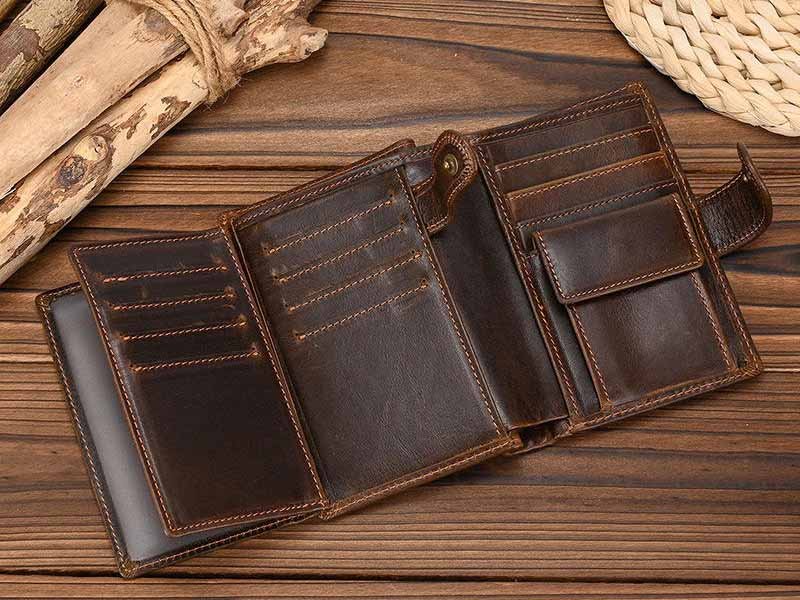
Leather goods are one of the most competitive product categories in fashion, lifestyle, corporate gifting, travel, and retail. A customer can compare dozens of leather bags, wallets, belts, straps, card holders, leather boxes, and accessories within minutes. Many products look attractive at first glance, but after a closer look, the difference between them becomes small: similar shapes, similar colors, similar hardware, similar logo positions, and similar packaging. This is where many brands begin to struggle. They are not only competing with direct competitors. They are competing with every similar-looking product on Amazon, Shopify, retail shelves, social media shops, and wholesale platforms.
Custom leather goods help brands stand out by turning ordinary leather products into recognizable, practical, and value-driven brand assets. Through customized leather materials, product structure, size, color, stitching, logo methods, hardware, lining, packaging, and functional details, brands can create products that fit their market position, target customers, price range, and long-term product strategy.
For many brands, the real value of custom leather goods is not simply “making something different.” It is about building a product that customers can recognize, touch, use, remember, and recommend. A custom leather tote can express a clean urban lifestyle. A compact leather wallet can communicate practicality and refinement. A leather belt can represent durability and daily reliability. A branded leather box can turn packaging into part of the product value. When these details are planned well, the leather product no longer feels like a basic item with a logo. It becomes part of the brand’s story.
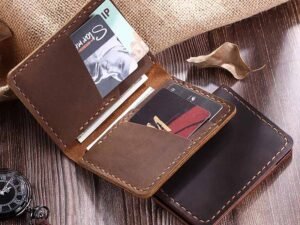
Imagine two leather wallets placed side by side. One is a standard model with a printed logo and thin packaging. The other has selected leather grain, balanced card layout, smooth edge paint, neat stitching, custom lining, debossed logo, and a rigid gift box. The second wallet may not need to shout for attention. It already tells the customer that the brand cares about detail. That quiet difference is often what makes customers choose, keep, and reorder.
What Are Custom Leather Goods?
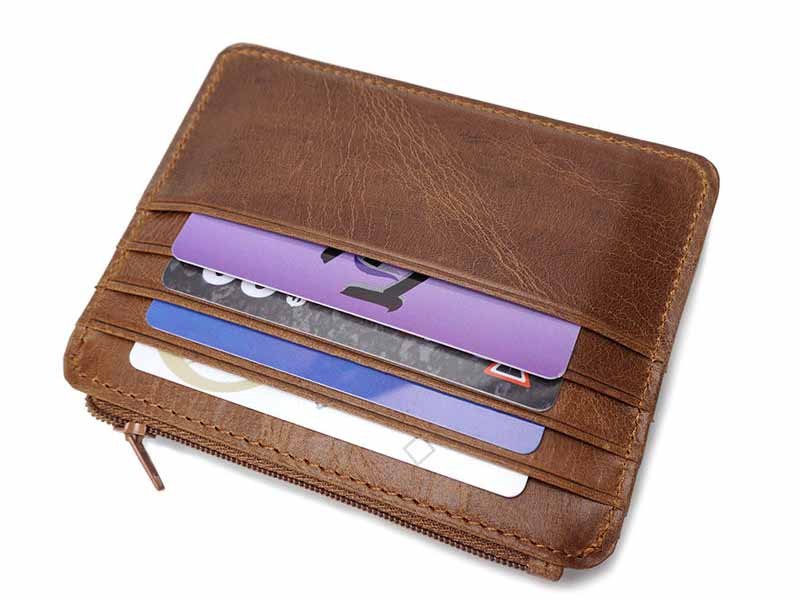
Custom leather goods are leather-based products made according to a brand’s own requirements for material, design, size, color, logo, function, structure, packaging, and quality level. They include bags, wallets, belts, straps, accessories, leather boxes, card holders, cases, sleeves, gift sets, and private label collections developed for retail, corporate, fashion, lifestyle, travel, or promotional markets.
What Makes Custom Leather Goods Different?
Custom leather goods are different from ready-made leather products because the brand has control over the product from the beginning. Instead of choosing a finished item from a catalog and adding a logo, the brand can decide what the product should look like, how it should feel, how it should be used, and how it should be presented to customers.
For example, a standard leather bag may come with fixed leather, fixed lining, fixed hardware, and fixed size. A custom leather bag can be adjusted based on the customer’s real market needs:
- Leather type: full-grain leather, top-grain leather, split leather, suede, nubuck, PU leather, recycled leather, vegan leather alternatives
- Leather thickness: commonly adjusted from around 0.8 mm to 2.5 mm depending on product structure
- Product shape: soft, structured, semi-structured, foldable, slim, oversized, compact
- Lining material: cotton, polyester, microfiber, suede-like fabric, canvas, nylon, or custom printed lining
- Hardware: zipper, buckle, magnetic snap, D-ring, rivet, clasp, lock, chain, metal plate
- Logo process: embossing, debossing, foil stamping, metal logo, woven label, leather patch, screen printing
- Edge finish: painted edge, folded edge, raw edge, burnished edge
- Packaging: dust bag, paper box, rigid box, drawer box, gift set packaging, custom insert card
The main value is control. A brand can choose whether the product should feel luxury, casual, rugged, minimal, colorful, formal, sustainable, travel-friendly, or gift-ready. This control helps the brand avoid looking the same as competitors.
Custom development also allows brands to correct product problems before mass production. If the handle feels too thin, the sample can be reinforced. If the wallet is too bulky, the inner structure can be adjusted. If the logo looks too large, the position and size can be changed. If the box increases shipping cost too much, the packaging design can be optimized. This is why custom leather goods are especially useful for brands that care about repeat orders, customer reviews, and product consistency.
| Standard Leather Product | Custom Leather Goods |
|---|---|
| Fixed size and structure | Size and structure can be adjusted |
| Limited leather options | Leather can be selected by texture, thickness, grade, and cost |
| Basic logo placement | Logo method and position can match brand style |
| Generic packaging | Packaging can support retail, gifting, or premium presentation |
| Less control over function | Pockets, slots, straps, closures, and lining can be customized |
| Easy to compare by price | Easier to create unique brand value |
Which Custom Leather Goods Do Brands Use?
Brands use custom leather goods in many product categories because leather works well for both daily-use products and premium presentation products. The most common categories include leather bags, wallets, belts, straps, accessories, cases, sleeves, organizers, and leather boxes.
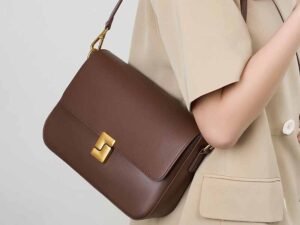
Custom leather bags are often used by fashion brands, lifestyle brands, travel brands, corporate clients, boutique retailers, and private label sellers. These may include tote bags, handbags, shoulder bags, crossbody bags, backpacks, briefcases, duffel bags, laptop bags, cosmetic bags, clutch bags, and mini bags. Each bag type has different development priorities. A laptop bag needs protection and structure. A tote bag needs handle strength and capacity. A handbag needs shape, proportion, hardware balance, and style. A travel bag needs load-bearing performance and abrasion resistance.
Custom leather wallets and card holders are popular because they are compact, easy to launch in multiple colors, and suitable for retail, gifting, subscription boxes, corporate programs, and online stores. Common customization points include card slot quantity, coin pocket, cash compartment, RFID layer, zipper pocket, leather thickness, edge paint color, and logo method.
Custom leather belts, straps, and accessories are often used for apparel lines, lifestyle collections, gift programs, hotel projects, uniforms, and brand merchandise. Belts can be customized by width, leather layer, buckle type, hole spacing, stitching, embossing, and packaging. Straps can be designed for bags, cameras, watches, luggage, pet products, or equipment accessories.
Leather boxes are another important category for brands that want stronger presentation. Jewelry boxes, watch boxes, wine boxes, perfume boxes, cosmetic boxes, document boxes, and gift boxes can make the packaging itself feel valuable. For luxury and premium retail products, packaging can strongly influence the first impression before the customer even touches the main product.
| Product Category | Common Products | Key Customer Concerns |
|---|---|---|
| Leather Bags | Tote bags, handbags, crossbody bags, backpacks, briefcases | Shape, handle strength, leather quality, lining, hardware durability |
| Leather Wallets | Bifold wallets, card holders, zip wallets, passport holders | Slot layout, thickness, edge finish, RFID, compact design |
| Leather Belts | Formal belts, casual belts, reversible belts, uniform belts | Buckle quality, leather layer, hole strength, size range |
| Leather Straps | Bag straps, watch straps, camera straps, luggage straps | Load-bearing strength, comfort, stitching, hardware |
| Leather Accessories | Keychains, tags, trays, organizers, cases, sleeves | Logo visibility, gift value, color matching, cost control |
| Leather Boxes | Jewelry boxes, watch boxes, cosmetic boxes, wine boxes | Structure, lining, insert fit, closure, retail presentation |
Are Custom Leather Goods Worth It?
Custom leather goods are worth it when a brand wants stronger differentiation, better customer experience, and more control over quality. They are especially valuable for brands that do not want to compete only on low price.
A ready-made product may be faster to buy, but it usually gives the brand limited space to build a strong identity. When several companies sell almost the same wallet, bag, or belt, customers often choose based on price, discount, delivery speed, or platform reviews. That makes the brand weaker over time because the product does not have enough unique value.
Custom leather goods help solve this problem by adding value in areas customers can see and feel:
- Better material match for the target market
- More useful structure and storage design
- Stronger logo recognition without looking cheap
- More consistent product and packaging style
- Better unboxing experience
- More suitable price positioning
- Easier product line expansion
- Stronger customer memory after purchase
However, custom leather goods are not automatically better just because they are customized. Poor customization can increase cost without improving the product. For example, adding heavy metal hardware to a lightweight bag may make it uncomfortable. Using very thick leather for a compact wallet may make it bulky. Choosing a large logo for a premium product may reduce elegance. Using a luxury rigid box for a low-margin product may damage profitability.
Good customization needs a clear purpose. Before starting a project, brands should answer several practical questions:
- Who will use this product?
- What price range should the product fit?
- What problem should the product solve?
- What material feeling should customers notice first?
- Which details must reflect the brand identity?
- Which features are necessary, and which are only decorative?
- How should the product be packed and shipped?
- What quality level is expected for repeat orders?
For many brand customers and custom wholesale clients, the best result is not the most complicated design. It is a product that looks good, works well, matches the brand, meets cost targets, and can be produced consistently.
| Customization Area | Poor Decision | Better Decision |
|---|---|---|
| Leather Selection | Choose only by appearance | Choose by touch, thickness, durability, cost, and usage |
| Logo Design | Make the logo too large | Match logo size to product style and customer expectation |
| Hardware | Use heavy hardware for decoration only | Select hardware based on function, weight, and finish |
| Structure | Add too many compartments | Keep layout useful and comfortable |
| Packaging | Overbuild packaging without budget control | Match packaging to retail price and shipping needs |
| Quality Control | Check only final appearance | Check material, size, stitching, edge, function, and packaging |
For brands planning long-term product lines, custom leather goods can become a foundation for growth. A successful wallet design can expand into card holders, passport holders, gift sets, and travel accessories. A popular tote bag can lead to crossbody bags, pouches, laptop sleeves, and matching straps. A premium leather box can become part of a brand’s entire packaging system.
This is why brands that work with experienced leather goods factories usually look beyond a single order. They want a partner that can help them develop products, refine samples, control materials, manage production, and support future collections.
Why Do Brands Choose Custom Leather Goods?
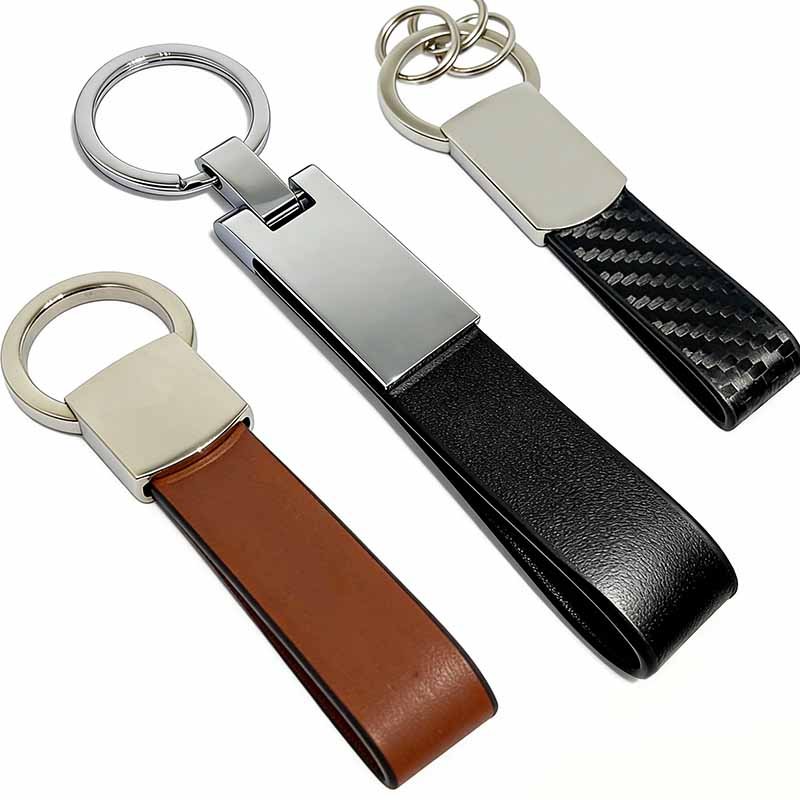
Brands choose custom leather goods because they help create a clearer product identity, stronger customer trust, better perceived value, and more control over design and quality. With custom development, brands can match leather products to their target market, instead of selling generic items that customers can easily compare with cheaper alternatives.
How Do Custom Leather Goods Show Brand Style?
Custom leather goods show brand style through visible and touchable details. Leather grain, product shape, color, stitching, edge finish, hardware, lining, logo, and packaging all tell customers what kind of brand they are looking at.
A minimalist brand may prefer smooth leather, clean shapes, hidden seams, slim profiles, tone-on-tone stitching, and small debossed logos. A vintage-style brand may choose pull-up leather, brass hardware, contrast stitching, and a slightly rugged edge finish. A luxury gift brand may use soft-touch leather, elegant colors, microfiber lining, magnetic closures, and rigid gift boxes. A travel brand may focus on abrasion-resistant leather, reinforced handles, organized compartments, and durable zippers.
This is why custom leather goods are not only about appearance. They are about product language. The product needs to speak the same language as the brand.
Customers often judge a leather product within seconds. They may not know the exact leather grade or stitching technique, but they quickly notice whether the product feels cheap, heavy, smooth, refined, practical, or well-made. A good custom product uses these first impressions carefully.
Important style elements include:
- Leather texture: smooth, pebbled, grainy, vintage, suede, matte, glossy
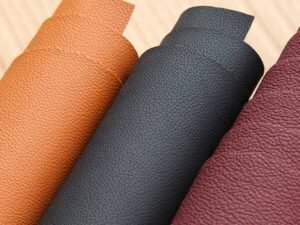
- Color tone: classic black, warm brown, tan, burgundy, navy, green, cream, seasonal colors
- Shape: sharp, soft, structured, rounded, boxy, slim, oversized
- Stitching: contrast stitching, tonal stitching, decorative stitching, reinforced stitching
- Hardware finish: silver, gold, gunmetal, antique brass, matte black
- Logo style: subtle debossing, metal logo, foil stamping, engraved plate
- Packaging style: simple kraft box, premium rigid box, dust bag, luxury gift box
When these details are consistent across several products, the brand becomes easier to recognize. For example, if a brand uses the same leather texture, logo method, hardware color, and packaging style across bags, wallets, belts, and accessories, customers begin to remember the brand’s visual system.
| Brand Style | Suitable Leather Goods Direction | Common Design Details |
|---|---|---|
| Minimal | Slim wallets, clean tote bags, simple card holders | Smooth leather, small logo, tonal stitching |
| Heritage | Belts, satchels, travel bags, key holders | Pull-up leather, brass hardware, contrast stitching |
| Luxury Gift | Leather boxes, wallets, organizers, watch cases | Soft lining, rigid box, foil logo, elegant colors |
| Travel | Backpacks, passport holders, luggage tags | Reinforced structure, durable zippers, organized pockets |
| Corporate | Belts, document holders, card cases, gift sets | Subtle logo, classic colors, neat packaging |
| Fashion | Handbags, straps, mini bags, seasonal accessories | Trend colors, shaped hardware, custom silhouettes |
How Do Custom Leather Goods Build Trust?
Custom leather goods build trust when the product performs well in real use. Trust is not only about looking beautiful in photos. For leather products, customers care about how the item feels after opening the package, how it works after several weeks, and whether it still looks good after months of use.
A leather bag must hold weight without handle deformation. A wallet should not become too bulky after cards are inserted. A belt should not stretch or crack too quickly. A zipper should not get stuck. Edge paint should not peel easily. Hardware should not lose plating after short use. Packaging should protect the product during shipping.
These are the details that influence customer reviews, repeat orders, and brand reputation.
For brands, trust begins during product development. Before mass production, a professional factory should help review practical details such as:
- Is the selected leather suitable for the product structure?
- Is the leather thickness correct for folding, sewing, and shaping?
- Are the stress points reinforced?
- Is the hardware strong enough for the expected use?
- Is the lining compatible with the product price and function?
- Is the logo position clear but not excessive?
- Is the packaging strong enough for transportation?
- Can the design be produced consistently in bulk?
Custom development also gives brands the chance to test and revise samples. A first sample may look close to the idea but still need adjustment. The handle may need more support. The zipper may need a smoother puller. The logo may need a smaller size. The box insert may need better fitting. These improvements reduce risk before bulk production.
A reliable factory should not only follow instructions blindly. It should also give practical suggestions when a design may create production problems. For example:
- Very soft leather may not hold a structured shape well.
- Very thick leather may not be suitable for small folded wallets.
- Bright edge paint may need stricter color control.
- Complex hardware may increase cost and lead time.
- Oversized packaging may increase shipping cost.
- Large logo embossing may not look clean on some textured leathers.
This kind of factory feedback helps brands avoid expensive mistakes.
| Quality Area | What Can Go Wrong | What Brands Should Check |
|---|---|---|
| Leather | Color variation, scratches, wrong thickness | Leather grade, color tolerance, surface inspection |
| Stitching | Loose thread, uneven spacing, weak seams | Stitch density, stress points, thread quality |
| Edge Finish | Peeling, cracking, uneven paint | Edge smoothness, paint layers, drying quality |
| Hardware | Rust, poor plating, weak buckle, rough zipper | Plating test, opening/closing test, pull strength |
| Structure | Deformation, poor balance, wrong dimensions | Sample measurement, load test, shape retention |
| Logo | Crooked placement, unclear embossing, wrong size | Logo position, depth, alignment, color |
| Packaging | Crushing, poor fit, weak insert | Drop protection, box strength, product fitting |
For brand customers, trust also depends on consistency. A great sample is useful, but a great bulk order is what protects the brand. The approved sample must become the production standard. Materials, dimensions, stitching, logo, hardware, lining, and packaging should be controlled against that standard.
SzoneierLeather supports this kind of project thinking through material sourcing, product development, sampling, production, packaging design, and quality inspection. For brands and custom wholesale clients, this full-process support is important because the product needs to be good not only once, but again and again.
Do Custom Leather Goods Feel More Premium?
Custom leather goods can feel more premium when the product is designed with the right balance of material, structure, finishing, function, and packaging. Premium does not always mean expensive decoration. In leather goods, premium often comes from restraint, comfort, proportion, and clean execution.
Customers usually judge premium value through small signals:
- The leather feels comfortable and suitable for the product.
- The product has balanced weight.
- Stitching is straight and secure.
- Edges are smooth and clean.
- Hardware opens and closes smoothly.
- The lining feels intentional, not random.
- The logo is clear but not cheap-looking.
- Packaging matches the product price.
- The product feels useful, not only decorative.
A premium leather wallet does not need ten unnecessary compartments. It needs the right card layout, comfortable thickness, smooth folding, clean edge paint, and a logo that fits the design. A premium leather bag does not need oversized hardware. It needs good leather selection, stable structure, strong handles, smooth zipper movement, organized storage, and a shape that keeps its appearance.
Many brands make the mistake of connecting “premium” only with expensive leather. Leather quality is important, but it is only one part. A beautiful leather can still look poor if the cutting is inaccurate, the edge paint is rough, the stitching is loose, or the logo is badly placed. On the other hand, a mid-range leather can look much better when the design, construction, and finishing are carefully controlled.
Premium value also comes from product experience. When a customer opens a box and sees a leather item wrapped neatly in a dust bag, with a care card, clean logo, and well-protected shape, the product already feels more valuable. This is especially important for gifts, retail displays, online orders, and high-end brand launches.
| Premium Detail | Customer Feeling | Brand Value |
|---|---|---|
| Selected Leather Grain | Natural, rich, comfortable | Better first impression |
| Clean Stitching | Reliable, well-made | Stronger quality image |
| Smooth Edge Paint | Refined, finished, premium | Higher perceived craftsmanship |
| Good Hardware Weight | Durable, solid, polished | More confidence in product use |
| Functional Layout | Easy to use, practical | Better customer satisfaction |
| Custom Packaging | Gift-ready, professional | Stronger unboxing experience |
| Logo Control | Recognizable but elegant | Better brand memory |
Premium custom leather goods also help brands control price positioning. A product with better material, structure, and packaging gives customers more reasons to accept a higher price. This does not mean every product must be luxury. It means the product should feel worth its price.
For example:
- A $20 promotional leather accessory should still feel clean and useful.
- A $50 wallet should have good touch, neat edges, and practical layout.
- A $100 bag should have stronger structure, better hardware, and better finishing.
- A $200+ leather product should show clear material value, careful construction, and premium presentation.
The product must match the promise. If the brand wants to sell premium leather goods, the customer should feel premium details from the first touch to daily use.
Why Custom Leather Goods Create Long-Term Brand Value
Custom leather goods are powerful because they can grow with the brand. A single product can become a collection. A collection can become a recognizable product line. A product line can become part of the brand’s identity.
For example, a brand may start with one custom leather wallet. After testing the market, it may add a card holder, passport holder, key holder, belt, tote bag, and gift box using the same leather texture, color palette, logo style, and packaging system. Over time, customers begin to recognize the brand through consistent product details.
This is much stronger than launching random products without a clear connection. When every product looks unrelated, the brand feels weak. When the products share a clear design system, the brand feels more professional.
Custom leather goods also support repeat business. If customers like the first product, they are more likely to buy matching products. A customer who buys a wallet may later buy a belt. A company that orders leather gift boxes may later order card holders or document cases. A fashion brand that launches one handbag may expand into straps, pouches, and accessories.
From a business point of view, custom leather goods help brands in several ways:
- Reduce direct price comparison
- Improve product recognition
- Build stronger customer loyalty
- Support collection development
- Improve retail and gifting presentation
- Increase perceived value
- Support private label growth
- Create better storytelling for product pages and marketing
For custom wholesale clients, these benefits are also practical. Better product differentiation can help with sales presentations, online listings, retail buyer discussions, and customer retention. A product that looks like every competitor’s product is harder to sell. A product with clear material, design, packaging, and function advantages is easier to explain.
This is why brands choose custom leather goods not only for appearance, but for business growth. The product becomes easier to market because it has real points of difference.
SzoneierLeather works with brands and custom wholesale clients that need this kind of development support. With experience in leather bags, wallets, belts, straps, accessories, leather boxes, material sourcing, product design, sampling, production, packaging, and inspection, the goal is to help each customer build leather products that look professional, feel reliable, and match the brand’s market plan.
How Do Custom Leather Goods Stand Out?
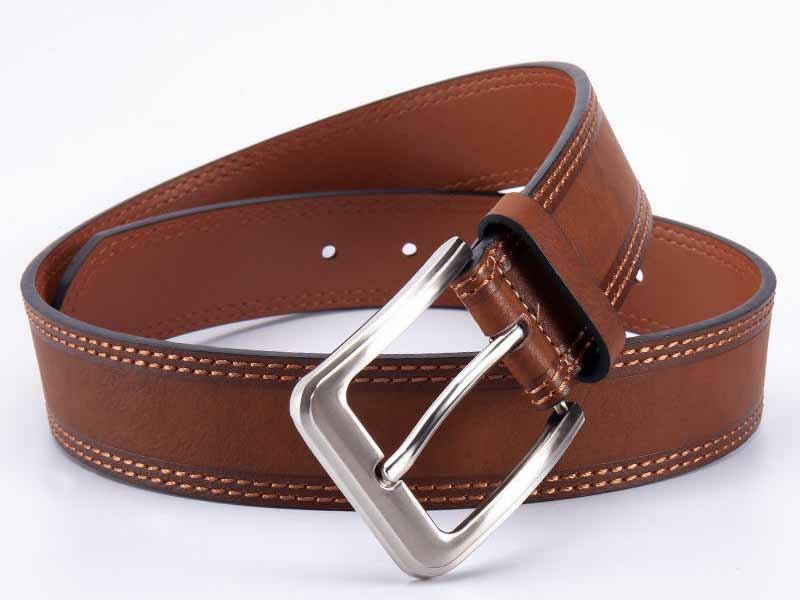
Custom leather goods stand out when the product has a clear difference customers can see, touch, use, and remember. This difference may come from leather material, color, logo method, hardware, stitching, structure, lining, packaging, or function. The strongest custom leather products are not only beautiful; they solve real customer needs while showing the brand’s own style.
How Do Materials Make a Difference?
Material is one of the first things customers notice in custom leather goods. Even before they check the logo, pocket layout, or packaging, they usually judge the product by touch, smell, surface texture, weight, flexibility, and finish. A leather bag made with stiff coated leather gives a very different feeling from a soft full-grain leather tote. A smooth leather card holder feels different from a pebbled leather wallet. A suede accessory communicates a different mood from a polished leather belt.
For brands, material choice should never be based only on appearance. The leather must match product use, target price, production method, and customer expectation. A travel bag needs stronger abrasion resistance and better load-bearing performance. A slim wallet needs leather thin enough to fold cleanly without becoming bulky. A belt needs leather with good tensile strength and stable thickness. A leather box needs surface material that can wrap corners cleanly and hold shape after gluing and assembly.
Common leather and leather-like materials used in custom leather goods include:
- Full-grain leather for premium products with natural texture and long-term aging character.
- Top-grain leather for a cleaner surface, more controlled finish, and good balance between appearance and usability.
- Split leather for cost-sensitive projects where genuine leather touch is still needed.
- Suede leather for soft, matte, and fashion-focused accessories.
- Nubuck leather for a smooth, velvety premium surface.
- PU leather for cost control, color consistency, and easier surface maintenance.
- Recycled leather for brands that need a more responsible material story.
- Vegan leather alternatives for brands targeting animal-free product collections.
Each material has advantages and limits. Full-grain leather can look premium and age well, but it may have more natural marks and higher cost. PU leather can provide strong color consistency and lower cost, but it may not deliver the same aging value as natural leather. Suede feels soft and elegant, but it needs more care and may not be ideal for products exposed to heavy daily friction. A professional factory should help brands understand these trade-offs before sampling.
| Material Type | Main Strength | Possible Limit | Suitable Products |
|---|---|---|---|
| Full-Grain Leather | Natural grain, premium aging, strong feel | Higher cost, natural surface variation | Luxury bags, wallets, belts, gift sets |
| Top-Grain Leather | Cleaner surface, stable finish, good usability | Less natural character than full-grain | Bags, wallets, accessories, straps |
| Split Leather | Genuine leather base with lower cost | Lower durability than top layers | Promotional goods, casual accessories |
| Suede Leather | Soft touch, matte look, fashion appeal | More sensitive to stains and abrasion | Pouches, fashion bags, small accessories |
| Nubuck Leather | Smooth velvet-like surface, premium feel | Needs careful handling and cleaning | Premium wallets, cases, accessories |
| PU Leather | Cost control, color consistency, easy maintenance | Lower natural leather value | Large-volume bags, boxes, accessories |
| Recycled Leather | Resource-saving story, stable sheet material | Depends on bonding and surface finish | Boxes, tags, folders, promotional goods |
| Vegan Leather | Animal-free positioning, wide color range | Quality varies by material type | Fashion accessories, gift items, lifestyle goods |
Material thickness is another important factor. A leather product may fail not because the leather is “bad,” but because the thickness is wrong for the structure. A leather wallet using leather that is too thick can feel bulky after folding. A tote bag using leather that is too thin may lose shape or stretch around the handle area. A leather box using surface material that is too stiff may crack around corners.
A good material decision should consider:
- Product type
- Product size
- Expected weight load
- Folding and sewing difficulty
- Surface feel
- Color stability
- Logo process compatibility
- Target cost
- Packaging method
- Customer usage environment
For example, a brand developing a premium leather belt may prioritize leather thickness, grain stability, buckle strength, hole durability, and edge finishing. A brand developing a leather jewelry box may focus more on surface smoothness, corner wrapping, inner lining, insert tray fit, and logo presentation. These are different material problems, even though both products are “leather goods.”
At SzoneierLeather, material sourcing is not treated as a simple purchasing step. It is part of product development. Since leather goods depend heavily on material performance, the material must be selected based on both design and production reality. This helps brands avoid common problems such as poor folding, weak structure, color mismatch, rough edges, or packaging damage.
How Do Colors Shape Brand Identity?
Color is one of the easiest ways for custom leather goods to become recognizable. Many brands choose black, brown, tan, and burgundy because they are safe, classic, and easy to sell. These colors work well, but they also make the market crowded. When every brand uses similar shades, color no longer creates enough memory.
Custom color development helps a brand build a stronger visual identity. A specific warm brown, deep green, cream white, soft gray, navy blue, wine red, or seasonal pastel can become part of the brand’s product language. When the same color direction appears across bags, wallets, belts, accessories, and packaging, customers start connecting that color with the brand.
However, color customization must be handled carefully. Leather color is not as simple as choosing a digital color code. Different leather surfaces absorb dye and finish differently. Smooth leather, pebbled leather, suede, nubuck, and PU leather may all show the same color in different ways. Lighting also changes the appearance. A tan leather may look warm under indoor light but more yellow under daylight. A dark green may look premium in photos but nearly black in some retail environments.
Brands should consider several practical points when developing custom leather colors:
- Does the color match the target customer?
- Will the color work across multiple product types?
- Is the color suitable for both online photos and physical retail?
- Does the color show scratches easily?
- Does the color match hardware, lining, zipper tape, stitching, and packaging?
- Can the color remain consistent across repeat orders?
- Is the color too seasonal for long-term inventory?
- Does the color support the product’s price level?
Classic colors are still important because they reduce commercial risk. Black, brown, tan, and navy usually work well for wallets, belts, work bags, and corporate gifts. More expressive colors are useful for fashion bags, limited collections, small accessories, seasonal drops, and influencer-driven products.
| Color Direction | Customer Perception | Good For |
|---|---|---|
| Black | Formal, modern, safe, professional | Wallets, belts, work bags, corporate gifts |
| Brown | Warm, classic, heritage, reliable | Belts, travel bags, wallets, straps |
| Tan / Cognac | Casual, lifestyle, natural, approachable | Totes, handbags, accessories, gift sets |
| Burgundy | Elegant, mature, premium | Wallets, handbags, leather boxes |
| Navy | Business, clean, understated | Document holders, laptop bags, wallets |
| Forest Green | Distinctive, refined, lifestyle-focused | Fashion accessories, limited collections |
| Cream / Beige | Soft, premium, gift-ready | Small bags, boxes, beauty accessories |
| Pastel Colors | Young, seasonal, social-media friendly | Mini bags, keychains, pouches |
Color also affects perceived price. Dark, controlled colors often feel more formal and premium. Bright colors can create attention but may need stronger design discipline to avoid looking cheap. Soft neutrals can look elegant but may require better stain resistance and packaging protection.
A strong brand should not use too many colors without a plan. It is better to create a color system. For example:
- Core colors: black, brown, tan
- Seasonal colors: green, burgundy, cream
- Accent colors: contrast stitching, lining, zipper tape, packaging insert
This approach helps brands launch collections without confusing customers. It also makes future product development easier. A wallet, bag, strap, and box can share the same color story, even if they are different product types.
For bulk production, color control should be discussed early. Leather is a natural or coated material, so slight variation may occur between batches. A professional factory should confirm acceptable color tolerance, sample approval standards, material batch control, and inspection methods before production. This is especially important for brands that plan repeat orders or sell matching sets.
How Do Logos Improve Recognition?
Logo customization is one of the most direct ways to make leather goods recognizable, but it must be done with taste and control. A logo can improve brand memory, but if it is too large, poorly placed, or made with the wrong process, it can make the product look less refined.
For leather goods, the logo process should match the material, product category, and brand style. A premium wallet may look better with subtle debossing. A fashion handbag may use a small metal logo. A leather box may use foil stamping or embossing on the lid. A belt may use logo engraving on the buckle or embossing on the inner side. A corporate gift may need a clean logo position that is visible but not excessive.
Common logo methods include:
- Debossing: pressing the logo into the leather for a subtle and premium look.
- Embossing: raising the logo or creating a pressed surface effect.
- Foil stamping: adding metallic color such as gold, silver, or rose gold.
- Metal logo plate: attaching a metal logo to bags, boxes, or accessories.
- Engraving: marking logos on buckles, hardware, plates, or leather surfaces.
- Screen printing: useful for certain leather-like materials and promotional items.
- Woven label: suitable for lining, inner brand tags, or casual products.
- Leather patch: useful for bags, accessories, packaging, and apparel-style designs.
The best logo method depends on several conditions. Textured leather may not show small debossed letters clearly. Suede may not hold a sharp logo the same way smooth leather does. Metallic foil may look elegant but can wear differently depending on surface and use. Metal logos can feel premium, but they add cost, weight, and production steps. Screen printing can support color logos but may not match high-end leather positioning.
| Logo Method | Visual Effect | Best For | Key Risk |
|---|---|---|---|
| Debossing | Subtle, premium, clean | Wallets, belts, bags, boxes | May be unclear on heavy texture |
| Embossing | Tactile, visible, refined | Packaging, leather boxes, patches | Needs good mold quality |
| Foil Stamping | Elegant, gift-like, shiny | Boxes, wallets, premium accessories | Foil wear depends on surface |
| Metal Logo | Strong brand visibility | Handbags, boxes, accessories | Adds cost and weight |
| Engraving | Durable and detailed | Buckles, hardware, metal plates | Requires accurate hardware process |
| Screen Printing | Colorful and direct | Promotional items, PU leather goods | May look less premium |
| Woven Label | Soft, casual, flexible | Lining, inner labels, pouches | Less visible from outside |
| Leather Patch | Textured, crafted, visible | Bags, straps, accessories | Needs accurate stitching or glue |
Logo size matters. Many new brands want the logo to be very visible, but large logos are not always better. For premium leather goods, customers often prefer a cleaner look. A smaller logo with better placement can create stronger trust than a large logo that interrupts the product design.
Logo position also affects recognition. Common positions include:
- Front center of a wallet
- Lower corner of a bag
- Inner leather patch
- Belt tip or buckle area
- Lid center of a leather box
- Zipper puller
- Hangtag
- Lining label
- Dust bag or packaging box
A smart logo system uses more than one touchpoint. For example, a handbag may have a small metal logo on the front, an embossed logo inside, a branded zipper puller, and a custom dust bag. These details reinforce the brand without making the product look crowded.
For large orders, logo consistency is critical. Brands should confirm mold size, logo depth, placement tolerance, color, material compatibility, and production sample approval. A logo placed 5 mm too high or too low may seem small in production, but it can affect the product’s appearance and brand quality perception.
How Do Details Create Value?
In custom leather goods, small details often create the biggest difference. Customers may first notice the leather and color, but long-term satisfaction usually depends on details such as stitching, edge paint, lining, zipper movement, buckle quality, pocket layout, weight balance, handle comfort, and packaging.
A leather product is not judged only when it is new. It is judged every time the customer uses it. A bag handle that cuts into the hand will disappoint the customer. A wallet that becomes too thick will stay in a drawer. A belt buckle that scratches easily will reduce trust. A zipper that feels rough makes the product feel cheap, even if the leather is good.
Important detail areas include:
- Stitching density and alignment
- Thread color and strength
- Edge paint layers and smoothness
- Corner finishing
- Zipper quality and puller design
- Buckle strength and plating quality
- Rivet placement and reinforcement
- Magnetic snap strength
- Lining thickness and color
- Pocket layout
- Handle width and padding
- Strap adjustability
- Product weight balance
- Packaging protection
These details should be planned according to product use. A leather tote bag needs strong handle attachment and bottom support. A laptop sleeve needs accurate sizing, soft lining, and corner protection. A wallet needs clean folding and controlled thickness. A leather jewelry box needs smooth inner lining and accurate insert fitting. A belt needs edge durability and hole strength.
| Detail | Why It Matters | Common Quality Check |
|---|---|---|
| Stitching | Affects durability and visual quality | Straightness, density, loose threads |
| Edge Paint | Affects premium look and wear resistance | Smoothness, cracking, peeling |
| Zipper | Affects daily user experience | Pull smoothness, teeth alignment |
| Buckle | Affects belt strength and appearance | Plating, movement, locking strength |
| Lining | Affects touch and product interior value | Clean fitting, glue marks, color match |
| Handle | Affects comfort and load performance | Reinforcement, width, attachment strength |
| Pockets | Affects function and customer satisfaction | Size, layout, accessibility |
| Packaging | Affects first impression and shipping safety | Fit, protection, box strength |
Details also influence customer reviews. Many negative reviews for leather goods are not about the overall design. They often mention small but painful problems: “zipper broke,” “stitching came loose,” “smells bad,” “logo is crooked,” “wallet is too thick,” “box arrived damaged,” or “color is different from photos.” These issues can hurt a brand more than customers realize before launch.
The best way to reduce these problems is to treat details as part of development, not only inspection. A factory should review the design before production and identify where problems may appear. If a strap will carry weight, reinforcement should be added. If a wallet has many layers, thickness should be controlled. If a product needs a clean logo, the leather surface should be tested first. If the packaging will ship internationally, the box strength should be considered.
For brands, good details create value because they make the product feel thoughtful. A customer may not describe every feature in professional words, but they will feel that the product is easy to use, comfortable, stable, and worth keeping.
How Packaging Makes Custom Leather Goods More Memorable
Packaging is often underestimated in custom leather goods, but it has a direct impact on customer perception, gifting value, online reviews, retail display, and brand memory. For many customers, packaging is the first physical contact with the brand. Before they touch the wallet, bag, belt, or leather box, they see the outer package, dust bag, tissue paper, insert card, hangtag, and logo presentation.
A good packaging system does more than protect the product. It helps answer an important customer question: “Did I buy something worth the price?”
For premium leather goods, packaging may include:
- Custom rigid box
- Drawer box
- Magnetic closure box
- Dust bag
- Tissue paper
- Care card
- Thank-you card
- Warranty card
- Product information card
- Branded sticker
- Custom hangtag
- Protective wrapping
- Insert tray or molded insert
For cost-sensitive products, packaging can still feel professional without being expensive. A kraft paper box, printed sleeve, simple dust pouch, or clean hangtag may be enough if the design is consistent.
Packaging must match the product type. A leather belt may need a long narrow box or rolled gift box. A wallet may need a compact rigid box. A handbag may need a dust bag and reinforced carton. A leather jewelry box may need protective outer packaging and inner cushioning. A corporate gift set may need custom compartments for multiple items.
| Product Type | Suggested Packaging | Main Purpose |
|---|---|---|
| Wallet | Rigid box, sleeve box, dust pouch | Premium presentation, gift value |
| Belt | Long box, rolled box, pouch | Shape protection, retail display |
| Handbag | Dust bag, tissue paper, carton | Surface protection, brand image |
| Card Holder | Small box, envelope pouch | Low-cost premium feel |
| Leather Box | Outer carton, foam or paper protection | Avoid corner damage |
| Gift Set | Custom insert box, magnetic box | Organized presentation, higher value |
| Accessories | Hangtag, pouch, kraft box | Easy gifting and branding |
Packaging also affects logistics cost. Heavy rigid boxes improve presentation but increase shipping volume and cost. Oversized packaging can reduce profit in e-commerce. Thin packaging may reduce cost but increase damage risk. Brands should choose packaging based on product value, sales channel, shipping method, and target customer.
A professional leather goods factory should support packaging design with practical production thinking. Beautiful packaging is not enough. It must fit the product, protect the surface, support the brand image, and stay within budget.
For SzoneierLeather customers, packaging can be developed together with the product, including box structure, logo process, insert design, dust bag, label, care card, and inspection. This helps brands create a more complete product experience instead of treating packaging as an afterthought.
Which Custom Leather Goods Sell Well?
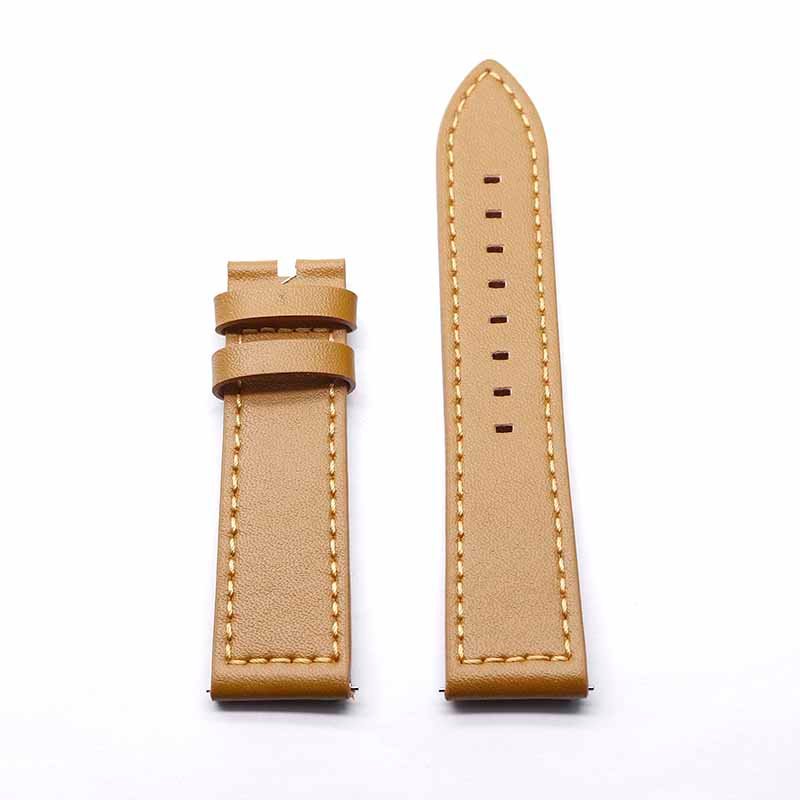
Custom leather goods sell well when they combine practical daily use, visible brand value, strong material feel, and clear target-market fit. Popular categories include custom leather bags, wallets, belts, straps, accessories, leather boxes, gift sets, and travel items. The best-selling product is not always the most complex; it is the product that matches customer habits and brand positioning.
Which Custom Leather Bags Are Popular?
Custom leather bags remain one of the strongest categories for brands because bags are highly visible, functional, and closely connected to personal style. A leather bag is not hidden in a drawer. Customers carry it to work, travel, meetings, shopping, events, and daily life. This gives the brand more exposure and more emotional value.
Popular custom leather bag types include:
- Tote bags
- Handbags
- Shoulder bags
- Crossbody bags
- Backpacks
- Briefcases
- Laptop bags
- Messenger bags
- Duffel bags
- Travel bags
- Cosmetic bags
- Clutch bags
- Mini bags
- Bucket bags
- Belt bags
Each bag type serves a different market. Tote bags work well for lifestyle brands, office use, retail collections, and promotional programs. Crossbody bags are popular because they are practical, compact, and suitable for daily use. Backpacks and laptop bags are strong for business, travel, and commuter markets. Handbags and mini bags are more fashion-driven and require stronger attention to shape, hardware, color, and finishing.
For custom leather bags, brands usually care about:
- Leather surface quality
- Bag shape and structure
- Handle strength
- Strap comfort
- Hardware durability
- Zipper smoothness
- Lining quality
- Pocket layout
- Weight control
- Bottom support
- Logo placement
- Packaging protection
A leather bag must look good in photos, but it must also work in daily use. A bag that looks beautiful but feels too heavy may not sell well. A tote bag without enough reinforcement may deform quickly. A backpack without proper shoulder comfort may receive poor feedback. A mini bag with awkward storage may look cute but disappoint customers after purchase.
| Bag Type | Main Selling Point | Key Custom Details |
|---|---|---|
| Tote Bag | Large capacity, daily use | Handle strength, bottom support, lining |
| Crossbody Bag | Hands-free convenience | Strap adjustability, zipper, compact storage |
| Handbag | Fashion and personal style | Shape, hardware, color, logo position |
| Backpack | Travel and work function | Shoulder comfort, laptop pocket, reinforcement |
| Briefcase | Business appearance | Structured body, document storage, clean logo |
| Duffel Bag | Weekend and travel use | Load-bearing handles, zipper strength, capacity |
| Cosmetic Bag | Small storage, gift value | Waterproof lining, zipper, easy-clean surface |
| Mini Bag | Trend appeal | Color, shape, chain strap, compact structure |
For brands launching leather bags, one useful strategy is to begin with a clear hero product. Instead of developing too many styles at once, start with one strong bag that reflects the brand’s direction. After market feedback, the same design language can expand into a wallet, strap, pouch, or gift set.
SzoneierLeather can support leather bag projects from material selection and structure review to sample development, production, packaging, and inspection. This is important because leather bags often involve more parts than small accessories, including leather panels, lining, foam, reinforcement, zippers, buckles, rivets, handles, straps, edge finishing, and packaging.
Which Custom Leather Wallets Work Best?
Custom leather wallets work well because they are practical, easy to carry, suitable for many customer groups, and easier to launch in multiple styles. They are also strong products for private label brands, corporate gifts, retail stores, e-commerce sellers, subscription boxes, and promotional collections.
Popular wallet types include:
- Bifold wallets
- Trifold wallets
- Card holders
- Zip wallets
- Coin wallets
- Passport holders
- Long wallets
- Money clip wallets
- RFID wallets
- Slim wallets
- Phone wallets
- Travel organizers
Wallet customers usually care about size, thickness, card capacity, pocket layout, leather touch, edge finish, and durability. A wallet is handled every day, so small details matter. If the wallet is too thick, customers may stop using it. If card slots are too tight, it becomes annoying. If the edge paint peels, the product looks old quickly. If the stitching is uneven, customers may question the quality immediately.
A good custom leather wallet should balance storage and comfort. Many brands want to add more card slots, but too many layers can make the wallet bulky. Slim wallets are popular because many customers prefer lighter everyday carry items. However, a slim wallet must still have enough structure to hold cards securely.
| Wallet Type | Best For | Key Development Focus |
|---|---|---|
| Bifold Wallet | Classic daily use | Card layout, folding thickness, edge finish |
| Card Holder | Minimal carry | Slim structure, slot tightness, logo position |
| Zip Wallet | Security and storage | Zipper quality, compartment layout |
| Passport Holder | Travel use | Passport fit, ticket slot, RFID option |
| Long Wallet | Fashion and premium retail | Leather softness, lining, closure |
| Money Clip Wallet | Minimal and modern | Clip strength, leather thickness |
| RFID Wallet | Security-focused market | RFID layer, slimness, card access |
RFID protection is a common feature in modern wallets, especially for travel, business, and gift markets. However, brands should consider whether RFID is truly needed for their target customers. Adding RFID may increase cost and thickness. For some premium fashion wallets, appearance and touch may matter more. For travel wallets, RFID can be a useful selling point.
Logo placement on wallets should be handled carefully. Since wallets are small, a large logo can look unbalanced. Debossing, embossing, foil stamping, or a small metal logo can work depending on the style. Inner logo placement can also create a more subtle premium feel.
Wallet packaging is also important. A wallet in a clean rigid box feels more gift-ready and easier to sell at a higher price than a wallet packed only in a polybag. For online sales, a compact box can improve presentation while keeping shipping cost under control.
Which Custom Leather Belts Fit Brands?
Custom leather belts are strong products for apparel brands, uniform suppliers, corporate programs, lifestyle brands, and accessory collections. Belts are simple in appearance, but quality differences become obvious after use. A good leather belt should hold shape, resist cracking, keep holes stable, and match the customer’s clothing style.
Popular custom leather belt types include:
- Formal leather belts
- Casual leather belts
- Reversible belts
- Braided leather belts
- Uniform belts
- Western-style belts
- Fashion belts
- Minimalist belts
- Premium gift belts
Important belt customization details include:
- Leather type and layer structure
- Belt width
- Belt thickness
- Buckle material
- Buckle finish
- Hole spacing
- Edge finishing
- Stitching style
- Logo embossing
- Size range
- Packaging method
Belt width should match the target use. Formal belts are often slimmer, while casual belts may be wider and thicker. Uniform belts need durability and consistent sizing. Fashion belts may focus on buckle design, color, and special leather texture.
The buckle is a major quality signal. A weak buckle can damage the product experience even if the leather is good. Buckle plating, weight, opening mechanism, and surface smoothness should be checked carefully. Reversible belts need special attention because the buckle mechanism must rotate smoothly and remain stable after repeated use.
| Belt Type | Main Market | Key Quality Concerns |
|---|---|---|
| Formal Belt | Business, retail, corporate gifts | Smooth leather, clean buckle, slim profile |
| Casual Belt | Lifestyle, denim, outdoor-inspired fashion | Thicker leather, stronger holes, rugged finish |
| Reversible Belt | Gift market, travel, retail | Rotating buckle, double-side leather quality |
| Uniform Belt | Workwear, hospitality, security | Durability, sizing consistency, cost control |
| Fashion Belt | Apparel brands, seasonal collections | Color, buckle design, logo, trend details |
For belts, sizing accuracy is very important. Brands should define size range, hole spacing, total length, buckle size, and packaging method clearly. If a belt is sold internationally, size conversion should be considered. Wrong sizing can lead to returns and customer complaints.
Packaging also affects belt value. A premium belt packed in a gift box can work well for holidays, corporate gifting, and retail shelves. A simple hangtag or pouch may be enough for casual apparel programs. The packaging should fit the sales channel and price point.
Which Custom Leather Accessories Add Value?
Custom leather accessories add value because they are flexible, lower-risk, easy to gift, and suitable for product line expansion. They can support brand recognition without requiring the same investment as large leather bags. For many brands, leather accessories are a smart way to test new materials, colors, logos, and markets.
Popular custom leather accessories include:
- Keychains
- Luggage tags
- Card holders
- Passport holders
- Phone cases
- AirPods cases
- Watch straps
- Camera straps
- Desk mats
- Cable organizers
- Leather trays
- Sunglasses cases
- Notebook covers
- Menu covers
- Coasters
- Bottle holders
- Cosmetic pouches
- Small gift sets
Accessories are especially useful for:
- Corporate gifts
- Event merchandise
- Retail add-ons
- Brand launch gifts
- Hotel and hospitality projects
- E-commerce upsells
- Holiday gift sets
- Influencer merchandise
- Subscription boxes
The advantage of leather accessories is that they can carry strong brand details in a compact form. A keychain with a clean embossed logo, a luggage tag in a signature color, or a leather tray with custom packaging can make a brand feel more polished. Accessories can also increase average order value when paired with bags, wallets, belts, or leather boxes.
| Accessory Type | Why It Sells | Custom Options |
|---|---|---|
| Keychain | Low-cost, easy gifting | Shape, logo, hardware, color |
| Luggage Tag | Travel value, brand visibility | Strap, buckle, window, embossing |
| Desk Mat | Office and corporate use | Size, color, edge finish, logo |
| Watch Strap | Personal style, repeat purchase | Leather type, stitching, buckle |
| Leather Tray | Home and hotel use | Shape, snaps, logo, packaging |
| Notebook Cover | Business and gifting | Size, pen loop, pocket, debossing |
| Phone Case | Daily use | Model fit, magnetic function, card slot |
| Gift Set | Higher perceived value | Item combination, box insert, card |
Leather accessories should still be developed carefully. Because they are small, defects are more visible. A crooked logo on a keychain, rough edge on a luggage tag, or poor snap button on a leather tray can make the item feel cheap. Small products need clean cutting, accurate logo placement, and neat edge finishing.
For brands with limited budgets, accessories can be a practical entry point into custom leather goods. They require less material than large bags and can be developed in multiple colors or shapes. Once the brand understands customer response, it can expand into larger leather goods.
Which Leather Boxes and Gift Sets Create Strong Impressions?
Leather boxes and gift sets are powerful because they improve product presentation immediately. In some categories, the packaging is almost as important as the product inside. Jewelry, watches, cosmetics, perfumes, wine, business gifts, awards, and premium accessories often need packaging that feels protective, attractive, and valuable.
Custom leather boxes can include:
- Watch boxes
- Jewelry boxes
- Perfume boxes
- Cosmetic boxes
- Wine boxes
- Document boxes
- Gift boxes
- Display boxes
- Keepsake boxes
- Corporate gift boxes
- Leather-covered packaging boxes
Leather boxes are usually customized by size, surface material, lining, insert tray, closure, logo, stitching, edge finish, and outer packaging. The structure must be accurate because the product inside needs to fit well. A watch box with a loose pillow or a jewelry box with poor insert alignment can reduce the whole presentation.
Gift sets can combine several leather products, such as:
- Wallet + belt
- Card holder + keychain
- Passport holder + luggage tag
- Notebook cover + pen case
- Desk mat + leather tray
- Watch box + leather strap
- Cosmetic pouch + mirror case
- Corporate gift box with multiple accessories
| Gift Set Type | Target Customer | Key Development Point |
|---|---|---|
| Wallet + Belt Set | Retail, holiday gifting | Matching leather, box insert, size options |
| Passport + Luggage Tag | Travel brands, corporate gifts | Color consistency, logo system, compact box |
| Desk Set | Corporate, office, hotel | Surface quality, layout, premium packaging |
| Jewelry Box | Luxury, fashion, gifting | Lining, insert fit, closure, logo |
| Watch Box | Watch brands, premium gifts | Cushion fit, structure, surface material |
| Accessory Set | Events, promotions, lifestyle brands | Cost control, logo consistency, easy shipping |
Leather boxes and gift sets are especially useful when a brand wants to raise perceived value. A wallet alone may feel like a simple item. A wallet in a well-designed box with a care card, dust pouch, and matching keychain feels more complete. The customer sees more value before even using the product.
However, gift packaging must be designed with shipping in mind. Large boxes look good but may increase freight cost. Fragile structures may crush during transport. Inner inserts must hold products in place. Surface materials should resist scratches during handling. A good factory should test packaging practicality, not only appearance.
SzoneierLeather supports leather boxes and gift sets with product design, material sourcing, structure development, packaging design, and quality inspection. This is important because gift products often need both product quality and presentation quality. One weak detail can affect the full set.
How Brands Choose the Right Product Category
Choosing the right custom leather goods category depends on the brand’s customer base, budget, sales channel, and growth plan. Not every brand should start with the same product. A fashion brand may start with handbags or straps. A corporate gift supplier may start with wallets, card holders, and gift sets. A travel brand may begin with passport holders, luggage tags, and duffel bags. A premium packaging brand may focus on leather boxes.
Before selecting a product category, brands should consider:
- Is the product easy for customers to understand?
- Does it match the brand’s existing style?
- Can it be produced at the target price?
- Is the product suitable for repeat orders?
- Does it create enough visible difference?
- Can it expand into a collection later?
- Is the packaging cost reasonable?
- Is the product easy to ship and store?
- Does the product solve a real customer need?
For first-time custom projects, it is often better to start with a focused product and make it strong. A clean card holder, a well-built tote bag, or a premium gift set can perform better than a large collection with weak details. Once the first product is tested, the brand can expand based on real market feedback.
A practical product expansion path may look like this:
| Starting Product | Possible Expansion |
|---|---|
| Custom Wallet | Card holder, passport holder, belt, gift set |
| Leather Tote Bag | Pouch, strap, laptop sleeve, wallet |
| Leather Belt | Wallet, keychain, gift box |
| Passport Holder | Luggage tag, travel wallet, duffel bag |
| Leather Box | Gift set, jewelry case, watch box |
| Keychain | Card holder, pouch, small accessory set |
This approach helps brands control risk while building a consistent leather product line.
Custom leather goods sell well when product decisions are connected to customer habits. A product should not only look attractive in a catalog. It should make sense in the customer’s daily life, retail shelf, gift program, or online shopping journey. When design, material, function, price, and packaging work together, the product becomes much easier to sell.
How Are Custom Leather Goods Made?
Custom leather goods are made through a step-by-step process that includes product planning, material selection, design development, pattern making, sampling, sample revision, pre-production approval, bulk manufacturing, quality inspection, packaging, and shipment preparation. A good factory does not only sew leather; it helps brands turn an idea into a stable, repeatable, and market-ready product.
How Does Custom Leather Design Start?
Custom leather design starts with a clear product direction. Before a factory can make a strong sample, the brand should define what the product is, who it is for, how it will be used, what price level it should reach, and what details must reflect the brand identity.
Many leather goods projects begin with one of three starting points:
The first is a design sketch. This is common for fashion brands, lifestyle brands, and product teams that already have a clear visual concept. The sketch may include shape, size, opening method, logo position, pocket layout, stitching details, and hardware ideas.
The second is a reference sample. This is common when a brand wants to improve an existing product or develop a similar function with a new brand style. The factory can review the reference sample and suggest changes in leather, structure, material thickness, stitching, lining, hardware, or packaging.
The third is a product brief. This is common for corporate gifts, private label collections, and wholesale customers. The brand may not have a final drawing, but it knows the product type, target customer, budget, order quantity, logo method, and packaging needs.
A strong leather product brief usually includes:
- Product category: bag, wallet, belt, strap, accessory, leather box, gift set
- Target use: retail, corporate gift, fashion collection, travel, office, luxury packaging
- Target customer: men, women, business users, travelers, students, premium gift buyers
- Size requirements: length, width, height, thickness, capacity
- Material preference: full-grain leather, top-grain leather, suede, PU leather, recycled leather, vegan leather
- Color direction: classic, seasonal, brand color, custom dyed color
- Logo method: debossing, embossing, foil stamping, metal logo, engraved hardware
- Hardware needs: zipper, buckle, magnetic snap, rivet, chain, lock, clasp
- Functional details: pockets, card slots, laptop compartment, RFID layer, adjustable strap
- Packaging: dust bag, paper box, rigid box, gift box, hangtag, care card
- Quantity plan: sample quantity, first order quantity, repeat order expectation
- Price target: estimated retail price or target manufacturing budget
- Quality requirement: daily use, premium retail, gift use, heavy-duty use
The more clearly these points are prepared, the faster the sample can move in the right direction. This does not mean the brand must know every technical detail. A professional factory should help fill the gaps. But without a clear product direction, sampling can become slow, expensive, and confusing.
For example, a brand may simply say, “We need a leather tote bag.” That is too broad. A better brief would be: “We need a women’s leather tote bag for daily office use, around 38 cm wide, structured enough for documents and a laptop, with a zipper top, two inner pockets, soft pebbled leather, subtle debossed logo, and dust bag packaging.” This gives the factory a real direction.
| Project Input | What It Helps Define | Why It Matters |
|---|---|---|
| Product Sketch | Shape, proportion, visual style | Helps pattern makers understand the design |
| Reference Sample | Structure, function, improvement points | Reduces misunderstanding during development |
| Material Requirement | Leather type, thickness, texture, color | Controls product feel, durability, and cost |
| Logo Requirement | Branding method and position | Helps avoid wrong logo size or poor placement |
| Target Price | Material and construction choices | Keeps the product commercially realistic |
| Packaging Plan | Presentation and shipping needs | Supports retail value and protection |
| Order Quantity | Production method and cost calculation | Helps estimate feasibility and pricing |
At SzoneierLeather, design development is handled as a practical conversation between product idea and production reality. Some design ideas look excellent on a screen but need adjustment before manufacturing. A strap may need reinforcement. A wallet may need fewer layers to stay slim. A box may need a different structure to protect corners. These factory-side suggestions help brands avoid problems before they become expensive.
How Does Leather Goods Sampling Work?
Leather goods sampling is the stage where the product idea becomes a physical item. It is one of the most important parts of custom leather development because the sample shows whether the design, material, size, function, logo, hardware, and packaging can work together in real life.
A sample is not only used for photos or approval. It is used to check whether the product can be produced consistently. For serious brand projects, sampling should answer several questions:
- Does the leather feel right?
- Is the product size accurate?
- Does the structure hold its shape?
- Are the pockets and compartments useful?
- Is the product too heavy or too thin?
- Is the logo clear and correctly placed?
- Are the edges clean?
- Does the zipper or buckle work smoothly?
- Is the stitching straight and strong?
- Does the packaging fit and protect the product?
- Can this design be repeated in bulk production?
The sampling process usually begins after the design brief, material selection, and initial cost direction are confirmed. The factory prepares the pattern, cuts the material, arranges sewing or assembly, adds hardware, applies logo processes, finishes edges, checks structure, and prepares the sample for review.
For leather bags, sampling may involve many parts: outer leather, lining, reinforcement material, foam, zipper, puller, buckle, strap, handle, pocket, bottom support, logo patch, edge paint, and packaging. For wallets, the key work often includes pattern accuracy, leather thickness control, folding, slot alignment, edge finishing, and logo placement. For belts, sampling focuses on leather layer, buckle connection, hole spacing, edge finish, and size accuracy. For leather boxes, structure, wrapping, lining, insert tray, closure, and logo position are especially important.
| Product Type | Main Sampling Focus | Common Sample Adjustments |
|---|---|---|
| Leather Bag | Shape, handle, lining, hardware, capacity | Handle reinforcement, pocket layout, zipper change |
| Wallet | Thickness, card slots, edge paint, logo | Slot tightness, folding thickness, logo size |
| Belt | Leather thickness, buckle, holes, edge | Buckle finish, belt width, hole spacing |
| Strap | Length, comfort, stitching, hardware | Pad thickness, buckle type, stitching strength |
| Leather Box | Structure, wrapping, insert, closure | Insert fitting, lid tightness, corner finish |
| Gift Set | Product matching, box layout, presentation | Insert tray, item placement, packaging size |
Sampling often requires revisions. This is normal and healthy. A first sample may reveal that the leather is too soft for the structure, the logo is too deep, the hardware is too heavy, the card slots are too tight, or the box insert does not hold the product properly. These issues should be fixed before production, not discovered after thousands of pieces are made.
For brands, sample review should be detailed. It is better to check the sample in real use, not only by appearance. Put cards inside the wallet. Carry weight in the bag. Open and close the zipper many times. Bend the belt. Check the packaging after handling. Compare the product with the target retail price. Ask whether the customer would feel the product is worth buying.
A practical sample review checklist includes:
| Review Area | What to Check |
|---|---|
| Appearance | Shape, color, proportion, surface condition |
| Size | Length, width, height, thickness, capacity |
| Material | Touch, grain, stiffness, flexibility, smell |
| Function | Pockets, slots, closure, straps, handles |
| Logo | Size, position, depth, clarity, alignment |
| Stitching | Straightness, thread color, density, strength |
| Edge Finish | Smoothness, paint layers, peeling, cracking |
| Hardware | Weight, color, plating, smooth movement |
| Lining | Fit, color, thickness, cleanliness |
| Packaging | Fit, protection, presentation, shipping practicality |
At SzoneierLeather, sampling is treated as a development stage, not only a production step. The goal is to help customers refine the product before bulk manufacturing. For brands and custom wholesale clients, this matters because a good sample becomes the standard for production, photography, sales presentation, and quality control.
How Is Quality Checked?
Quality control for custom leather goods must cover material, structure, workmanship, function, logo, packaging, and consistency. A leather product can look attractive in a photo but still fail in real use if the factory does not check the right details.
Quality inspection should begin before production. Material inspection is the first step. Leather should be checked for thickness, color, surface scratches, grain consistency, stains, wrinkles, smell, and suitability for cutting. Hardware should be checked for color, plating, function, size, weight, and surface defects. Lining, zipper tape, thread, edge paint, glue, packaging material, and labels should also be reviewed.
During production, process inspection is important because many leather goods problems cannot be fully fixed at the end. If the cutting is inaccurate, sewing becomes difficult. If glue is applied unevenly, the surface may look messy. If edge paint is rushed, cracking or peeling may appear later. If the logo mold is misaligned, the product may already be damaged before final inspection.
Final inspection checks finished goods before packing or shipment. A professional inspection process usually includes:
- Material surface check
- Color consistency check
- Size measurement
- Stitching check
- Edge finish check
- Logo placement check
- Hardware function check
- Zipper or buckle test
- Pull strength review for handles and straps
- Lining cleanliness check
- Shape and structure check
- Packaging check
- Carton mark and quantity check
Different leather products need different quality priorities. A handbag should be checked for shape, symmetry, handle strength, lining fit, and hardware. A wallet should be checked for folding, card slot function, edge paint, and thickness. A belt should be checked for hole position, buckle fixing, leather strength, and edge finish. A leather box should be checked for lid closure, corner wrapping, lining, insert fitting, and surface protection.
| Quality Check Point | Why It Matters | Common Defect |
|---|---|---|
| Leather Surface | Determines first impression | Scratches, stains, loose grain, color marks |
| Thickness | Affects structure and sewing | Too thick, too thin, uneven layers |
| Cutting | Controls shape and assembly | Uneven panels, wrong size, rough cuts |
| Stitching | Affects durability and appearance | Loose thread, skipped stitches, crooked lines |
| Edge Paint | Affects premium look and wear | Cracking, peeling, uneven coating |
| Hardware | Affects function and perceived value | Rust, poor plating, weak buckle, rough zipper |
| Logo | Affects brand image | Crooked, unclear, wrong position |
| Lining | Affects inside appearance and touch | Wrinkles, glue marks, poor fit |
| Packaging | Affects delivery and unboxing | Crushed box, wrong label, poor protection |
For leather goods, acceptable variation should also be discussed. Leather is a natural material, so small texture differences can be normal, especially for full-grain and top-grain leather. However, stains, deep scratches, obvious color mismatch, weak stitching, crooked logos, and damaged packaging should not be accepted. Brands and factories should define standards clearly before production.
A useful quality standard can include:
| Inspection Item | Suggested Standard |
|---|---|
| Size Tolerance | Usually controlled within agreed range based on product type |
| Logo Position | Must match approved sample and technical file |
| Stitching | No loose threads, broken stitches, skipped stitches, or major unevenness |
| Edge Paint | Smooth, dry, no obvious peeling, cracking, or overflow |
| Hardware | Correct color, no rust, no sharp edges, smooth function |
| Leather Surface | No major scratches, stains, holes, or visible damage |
| Lining | Clean, flat, no glue marks, no obvious wrinkles |
| Packaging | Correct item, correct label, clean box, suitable protection |
Quality inspection is not only about rejecting bad products. It is about protecting brand reputation. One batch of poor leather goods can lead to returns, negative reviews, retail complaints, delayed launches, and damaged customer trust.
SzoneierLeather supports quality control through material review, sample approval, production inspection, finished product inspection, and packaging inspection. This helps brands maintain consistency from sample to bulk order, especially for projects involving custom leather, hardware, logo, and packaging.
How Can Brands Scale Production?
Scaling production means moving from sample approval to stable bulk manufacturing. This is where many custom leather goods projects become more complex. A good sample is important, but bulk production must repeat that sample hundreds, thousands, or even tens of thousands of times with consistent quality.
Before scaling, brands should confirm a pre-production sample. This sample should represent the final approved material, color, size, logo, hardware, lining, stitching, edge finish, packaging, and construction method. It becomes the production reference for the factory and the quality standard for inspection.
The scaling process usually includes:
- Final sample approval
- Material order and preparation
- Hardware and packaging confirmation
- Production planning
- Pattern grading or size adjustment if needed
- Cutting
- Logo processing
- Sewing or assembly
- Edge finishing
- Hardware installation
- Cleaning and shaping
- In-line inspection
- Final inspection
- Packaging
- Carton packing
- Shipment preparation
Production time depends on product complexity, material availability, order quantity, logo process, packaging requirements, and inspection level. A simple leather card holder is faster than a structured leather handbag. A standard leather belt is usually faster than a multi-piece leather gift set. A custom leather box with insert tray and special packaging may need additional production steps.
| Product Complexity | Examples | Production Considerations |
|---|---|---|
| Low Complexity | Keychains, card holders, simple tags | Faster cutting, simple assembly, lower material use |
| Medium Complexity | Wallets, belts, passport holders, straps | More stitching, edge finishing, logo control |
| High Complexity | Handbags, backpacks, briefcases | Multiple parts, lining, reinforcement, hardware |
| Special Structure | Leather boxes, gift sets, watch cases | Wrapping, inserts, closure, packaging accuracy |
Scaling also requires material control. Leather batches should be prepared based on production quantity and cutting loss. Cutting loss varies by product type, leather grade, surface defects, and pattern shape. Natural leather often requires more careful cutting because the factory must avoid visible defects. For products that require consistent color, the material batch should be managed carefully to reduce shade difference.
For larger orders, brands should also think about production risk:
- Will the material supplier provide enough consistent leather?
- Are the hardware and zippers available on time?
- Does packaging production match the main product schedule?
- Is the logo mold approved before production?
- Are carton sizes confirmed?
- Is inspection planned before shipment?
- Are replacement materials available if defects appear?
- Is the factory capacity suitable for the delivery deadline?
A realistic production plan protects both the brand and the factory. Rushing leather goods production can create problems. Edge paint needs drying time. Glue needs proper bonding time. Leather needs careful handling. Packaging needs accurate fitting. Quality inspection needs enough time before shipment. When a brand pushes only for speed and ignores these steps, the risk of defects increases.
For repeat orders, production becomes smoother if the brand keeps technical files and approved samples. A proper technical file should include:
- Product photos
- Size chart
- Material specification
- Leather color reference
- Hardware details
- Logo position and size
- Stitching details
- Edge finishing method
- Lining details
- Packaging specification
- Inspection standard
- Approved sample notes
This helps reduce communication errors and keeps future orders consistent.
SzoneierLeather’s value for scaling comes from its ability to support product development, material sourcing, production, packaging, and inspection under one coordinated process. For brands that need repeatable leather goods, this full-process control is important. It helps reduce the gap between sample quality and bulk quality.
How Production Planning Affects Cost and Delivery
Production planning has a direct impact on cost, quality, and delivery time. Many brands focus mainly on unit price, but unit price is only one part of the real cost. Poor planning can lead to sample delays, material waste, packaging mistakes, urgent shipping cost, product rework, and missed launch dates.
The main cost factors in custom leather goods include:
- Leather type and grade
- Material thickness
- Product size
- Cutting loss
- Hardware quality
- Lining material
- Stitching complexity
- Logo process
- Edge finishing
- Product structure
- Labor time
- Packaging type
- Inspection requirement
- Order quantity
- Shipping volume
| Cost Factor | Lower-Cost Direction | Higher-Cost Direction |
|---|---|---|
| Material | PU leather, split leather, standard colors | Full-grain leather, custom dyed leather, suede |
| Structure | Simple flat design | Structured body, multiple compartments |
| Hardware | Standard zipper, basic buckle | Custom hardware, heavy metal, engraved parts |
| Logo | Simple debossing | Metal logo, foil stamping, custom mold |
| Edge Finish | Folded or simple edge | Multiple-layer painted edge |
| Packaging | Polybag, kraft box | Rigid box, magnetic box, custom insert |
| Quantity | Small trial order | Larger order improves unit efficiency |
Brands should be honest about price positioning early. A factory cannot make a luxury-level product with low-grade materials and rushed finishing. At the same time, not every product needs expensive leather and packaging. The best custom leather goods match cost with customer expectation.
For example, a promotional leather keychain may need clean cutting, a neat logo, and stable hardware, but it does not need luxury packaging. A premium handbag may need better leather, stronger hardware, careful stitching, dust bag, and strong carton protection. A leather gift box may need less emphasis on daily wear performance but more attention to appearance, lining, and presentation.
Delivery planning should also include packaging and inspection time. Some brands remember product production time but forget that boxes, dust bags, labels, hangtags, care cards, and cartons also need production and approval. If packaging is delayed, the finished products may wait in the factory, causing shipment delays.
A practical production plan should include:
| Stage | Key Work |
|---|---|
| Design Confirmation | Product style, size, function, logo, packaging direction |
| Material Confirmation | Leather, lining, hardware, zipper, thread, packaging materials |
| Sample Approval | Physical sample review and revision |
| Pre-Production Sample | Final standard before bulk production |
| Bulk Production | Cutting, logo, sewing, edge finishing, assembly |
| Inspection | In-line and final quality checks |
| Packaging | Product packing, label, carton, protection |
| Shipment Preparation | Quantity check, carton marks, export coordination |
For brands, the safest approach is to plan backward from the launch date. If the products need to arrive before a retail season, campaign, event, or online launch, development should begin early enough to allow sampling, revision, material preparation, production, inspection, and shipping.
Custom leather goods are not difficult when the process is clear. The problems usually happen when details are left unclear. A strong factory helps brands turn many small decisions into a controlled production plan.
How to Choose a Custom Leather Goods Factory?
Brands should choose a custom leather goods factory based on experience, material sourcing ability, product development support, sampling quality, production capacity, quality control, packaging capability, communication efficiency, and OEM/ODM service. The right factory should understand both leather craftsmanship and commercial product needs, helping brands create products that are attractive, practical, scalable, and consistent.
Is Factory Experience Important?
Factory experience is very important because custom leather goods involve many small technical decisions. A factory with years of leather product experience can often identify problems before they appear in bulk production. This saves brands time, cost, and risk.
Leather goods are not only about cutting and sewing. Different products require different knowledge. A leather bag needs structure, load-bearing design, handle reinforcement, lining assembly, hardware installation, and shape control. A wallet needs thin material control, folding accuracy, slot spacing, edge finishing, and compact construction. A belt needs leather strength, buckle fixing, hole durability, and size consistency. A leather box needs wrapping skill, inner lining, insert fitting, and clean corner finishing.
An experienced factory can guide brands on practical questions such as:
- Which leather thickness fits this product?
- Will the design hold shape after use?
- Is the logo method suitable for this leather surface?
- Will the hardware make the product too heavy?
- Can the edge paint remain clean on this structure?
- Is the packaging strong enough for shipping?
- Can the product be made consistently in bulk?
- Can the design reach the target price?
Experience also helps with problem-solving. During development, changes are common. A brand may want a softer leather, a slimmer structure, a different zipper, a smaller logo, a stronger handle, or a more premium box. A skilled factory can evaluate the impact of each change on cost, lead time, function, and appearance.
| Factory Experience Area | Why It Matters to Brands |
|---|---|
| Leather Material Knowledge | Helps match leather to product use and price |
| Pattern Making | Controls shape, size, and production consistency |
| Sampling | Helps turn ideas into workable physical products |
| Sewing and Assembly | Affects durability and visual quality |
| Edge Finishing | Strongly affects premium appearance |
| Hardware Use | Controls function, weight, and durability |
| Packaging Design | Improves presentation and shipping protection |
| Quality Control | Protects brand reputation and repeat orders |
SzoneierLeather has more than 18 years of experience in leather goods research, development, and production. This experience is valuable for brands because the company understands how to support projects from raw material sourcing to finished product manufacturing. Instead of only producing one item, SzoneierLeather can help brands build a more complete leather product system covering bags, wallets, belts, straps, accessories, leather boxes, and related packaging.
Do Materials and Supply Chains Matter?
Materials and supply chains matter because leather goods quality begins long before sewing. If the leather, lining, hardware, zipper, thread, glue, edge paint, and packaging materials are not stable, the finished product will not be stable either.
A strong material supply chain helps brands in several ways:
- More leather options for different price levels
- Faster material matching during development
- Better control over color, thickness, and texture
- More stable repeat-order production
- Easier sourcing of hardware and packaging
- Better cost optimization
- More options for sustainable or alternative materials
- Lower risk of production delays
For custom leather goods, material matching is one of the most important steps. A brand may want a premium full-grain leather, but the product price may not support it. Another brand may want a vegan leather alternative but still needs a premium touch. Another may need high consistency for large gift orders. A factory with a strong supply chain can recommend options based on real production needs rather than guessing.
Material control also affects repeat orders. If a brand launches a leather wallet in a specific brown color, then reorders three months later, customers will expect the color to look similar. If the factory cannot control material sourcing, repeat orders may look different from the first batch. This is a serious issue for brands selling collections or matching sets.
| Supply Chain Area | Customer Benefit |
|---|---|
| Leather Sourcing | Better texture, thickness, color, and price options |
| Hardware Sourcing | More choices for buckles, zippers, clasps, rivets, chains |
| Lining Materials | Better interior feel and product positioning |
| Packaging Materials | Stronger presentation and shipping protection |
| Logo Materials | More branding methods and better finish |
| Sustainable Options | Support for eco-focused product lines |
| Repeat Material Control | Better consistency across future orders |
Strong supply chains also help brands control cost without destroying quality. Cost reduction should not simply mean choosing the cheapest material. A good factory can suggest smart alternatives. For example, using top-grain leather instead of full-grain leather may reduce cost while keeping a premium appearance. Using a standard hardware mold instead of custom hardware may shorten lead time. Using a rigid box only for premium SKUs and simpler packaging for entry-level products can protect margins.
SzoneierLeather’s raw material supply chain, material development ability, product design support, and packaging capability help brands make more practical decisions. This is especially useful for brands that need multiple leather goods categories under one consistent style.
Can the Factory Support OEM/ODM?
OEM and ODM support are important for brands that need more than simple production. OEM usually means the factory produces according to the brand’s design, technical file, or approved sample. ODM means the factory can also help with design development, structure suggestions, material recommendations, and product improvement.
Many brand customers need a mix of both. Some already have clear drawings and need precise manufacturing. Others have a product idea but need factory support to make it workable. A professional custom leather goods factory should be able to support both types of projects.
OEM support usually includes:
- Producing based on customer design
- Following technical files and specifications
- Matching approved samples
- Customizing logo, packaging, and materials
- Managing bulk production
- Conducting quality inspection
- Preparing goods for shipment
ODM support usually includes:
- Product concept development
- Material and color suggestions
- Structure improvement
- Pattern making
- Functional design support
- Packaging development
- Sample revision
- Product line expansion suggestions
| Service Type | Best For | What Brands Get |
|---|---|---|
| OEM | Brands with ready design or sample | Accurate production based on existing requirements |
| ODM | Brands with idea but no final product | Design and development support from factory experience |
| Private Label | Brands needing branded products | Logo, packaging, product customization |
| Custom Wholesale | Small and medium custom clients | Flexible product development and order support |
| Product Line Development | Growing brands | Matching bags, wallets, belts, accessories, boxes |
OEM/ODM capability is important because leather goods development usually involves many product details. A brand may know the desired appearance, but the factory needs to help make it manufacturable. For example, a designer may draw a very slim wallet with many card slots, but the factory may need to adjust leather thickness and slot structure to avoid bulkiness. A brand may want a soft leather bag, but the factory may need to add reinforcement so the bag does not collapse. A customer may want a luxury leather box, but the factory may need to adjust the insert and closure to protect the product inside.
SzoneierLeather supports end-to-end OEM/ODM leather goods development, including material sourcing, product design, sampling, manufacturing, packaging design, packaging quality inspection, and finished product inspection. This is valuable for brands that want one factory partner to help manage the full process instead of coordinating separate suppliers for materials, production, and packaging.
How Should Brands Start a Project?
Brands should start a custom leather goods project by preparing clear information and choosing a factory that can respond with practical suggestions. The project does not need to be perfect at the beginning, but the basic direction should be clear enough for the factory to evaluate feasibility, cost, sampling, and lead time.
A brand can begin with the following information:
- Product type
- Design sketch or reference image
- Target size
- Material preference
- Color direction
- Logo requirement
- Hardware requirement
- Functional needs
- Packaging expectation
- Estimated quantity
- Target price range
- Market or sales channel
- Desired delivery timeline
For example, instead of saying “We need a custom leather wallet,” a better inquiry would be:
“We need a custom leather bifold wallet for a men’s lifestyle brand. Target size is around 11 × 9 cm when folded. We prefer black or dark brown top-grain leather, 6 card slots, 1 cash compartment, subtle debossed logo on the front, smooth painted edges, and a simple rigid gift box. First order may be 500–1,000 pieces after sample approval.”
This kind of inquiry allows the factory to respond with useful information quickly.
A strong project start should include:
| Information Needed | Why It Helps |
|---|---|
| Product Category | Helps factory understand process and cost level |
| Reference Image | Reduces visual misunderstanding |
| Size Requirement | Helps pattern making and material calculation |
| Material Direction | Affects touch, durability, price, and lead time |
| Logo Method | Affects mold, process, and appearance |
| Quantity | Affects unit cost and production planning |
| Packaging | Affects presentation, cost, and shipping volume |
| Target Market | Helps match product quality and design style |
| Budget Range | Helps factory recommend realistic options |
After receiving the project details, the factory can usually provide material suggestions, estimated cost direction, sample time, technical comments, and possible improvement points. This stage is where factory experience becomes very useful.
Brands should also ask the factory practical questions before placing an order:
- Have you made similar products before?
- Can you support material selection?
- Can you make samples before bulk production?
- What logo methods are suitable for this leather?
- What packaging options do you recommend?
- What are the main risks in this design?
- How do you control quality?
- Can you support repeat orders?
- Can you help improve the product structure?
- What information do you need from us to move faster?
These questions help brands avoid choosing a factory based only on price. The cheapest quotation may not include the right material, packaging, inspection, or production control. A slightly higher but more reliable factory may save cost in the long run by reducing defects, delays, and customer complaints.
What Makes SzoneierLeather a Strong Partner?
SzoneierLeather is suitable for brands and custom wholesale clients that need professional leather goods development and manufacturing support. With more than 18 years of leather goods research, development, and production experience, the company works across a wide range of product categories, including leather bags, wallets, belts, straps, accessories, leather boxes, and related custom packaging.
The strength of SzoneierLeather is not only in making finished goods. It is in supporting the full product development path from idea to shipment.
Key capabilities include:
- Raw material supply chain support
- Leather material development
- Finished product research and development
- Product design support
- Sample development
- Manufacturing production
- Logo customization
- Hardware matching
- Packaging design
- Packaging quality inspection
- Finished goods inspection
- OEM/ODM customization
- Private label support
- Custom wholesale project support
For brands, this means fewer disconnected steps. Instead of sourcing leather from one supplier, hardware from another, packaging from another, and production from another, customers can work with a factory that understands how these parts affect each other.
For example, leather thickness affects sewing and edge finishing. Hardware weight affects product comfort. Packaging size affects shipping cost. Logo process depends on leather surface. Lining material affects interior value. When these decisions are handled together, the final product is more controlled.
| Brand Need | How SzoneierLeather Supports |
|---|---|
| New Product Development | Design support, material suggestions, sampling |
| Private Label Launch | Logo, packaging, product customization |
| Premium Product Line | Better leather, hardware, finishing, packaging |
| Cost-Controlled Project | Material alternatives and structure optimization |
| Gift Program | Leather accessories, boxes, sets, packaging |
| Repeat Orders | Material records, approved samples, quality standards |
| Multi-Category Collection | Bags, wallets, belts, straps, accessories, boxes |
SzoneierLeather understands that brand customers and custom wholesale clients often have professional expectations. They are not only looking for a cheap supplier. They want a factory that can understand their product direction, support development, manage production details, and protect quality.
This makes factory communication especially important. A good partner should respond with useful suggestions, not vague promises. It should help customers understand material choices, cost differences, production risks, packaging options, and quality control points. That is how a leather goods project becomes more predictable.
Final Thoughts: Build Leather Goods Customers Remember
Custom leather goods help brands stand out because they give products a clear identity. In a market full of similar bags, wallets, belts, straps, accessories, and boxes, the brands that win are often the ones that pay attention to real product details: material touch, color, structure, logo, stitching, hardware, packaging, and daily user experience.
A custom leather product should not only look different. It should feel useful, reliable, well-made, and connected to the brand. The leather should fit the product. The structure should fit the customer’s habits. The logo should support recognition without hurting design. The packaging should make the product feel worth its price. The quality should be stable enough for repeat orders.
For brands, custom leather goods can support:
- Stronger brand identity
- Better product differentiation
- Higher perceived value
- Improved customer trust
- Better gifting and retail presentation
- More flexible product line development
- Reduced direct price comparison
- Stronger repeat purchase potential
The real advantage comes when customization is guided by manufacturing experience. A beautiful idea still needs the right leather, pattern, structure, hardware, stitching, edge finishing, logo process, packaging, and inspection. Without factory support, even a strong design can face problems in production.
SzoneierLeather helps brands and custom wholesale clients develop custom leather goods with professional support across materials, design, sampling, manufacturing, packaging, and quality inspection. Whether you need custom leather bags, wallets, belts, straps, accessories, leather boxes, gift sets, or private label leather products, SzoneierLeather can help turn your concept into a product that looks good, works well, and supports your brand growth.
Send Your Custom Leather Goods Inquiry
To start a custom project with SzoneierLeather, you can prepare the following information:
- Product type: bag, wallet, belt, strap, accessory, leather box, or gift set
- Reference image, sketch, or sample
- Target size and structure
- Preferred leather material and color
- Logo method and logo file
- Hardware requirements
- Lining or inner structure requirements
- Packaging style
- Estimated order quantity
- Target market and price positioning
- Any special quality or delivery requirements
The more details you share, the faster the team can recommend suitable materials, development methods, packaging options, and production solutions.