When it comes to producing high-quality leather wallets, one of the key decisions a manufacturer or brand must make is whether to use hand stitching or machine stitching. While both methods have their benefits, they offer different results in terms of cost, appearance, and durability. As a brand, how do you choose the right stitching method for your leather wallets, and what are the key differences between these two approaches?
Hand stitching is a more time-consuming and costly process, but it adds an element of craftsmanship and uniqueness. Machine stitching is faster and more cost-effective, but it provides a uniform, consistent finish that may not have the same artisan appeal as hand stitching. The choice depends on the desired aesthetic, production speed, and budget of the brand.
In this article, we will delve into the cost differences, visual appeal, durability, and consumer perceptions of both hand-stitched and machine-stitched leather wallets. Whether you’re a manufacturer looking to choose the right method or a consumer curious about the quality of your wallet, this guide will provide valuable insights.
What Is Hand Stitch vs Machine Stitch in Leather Wallets?
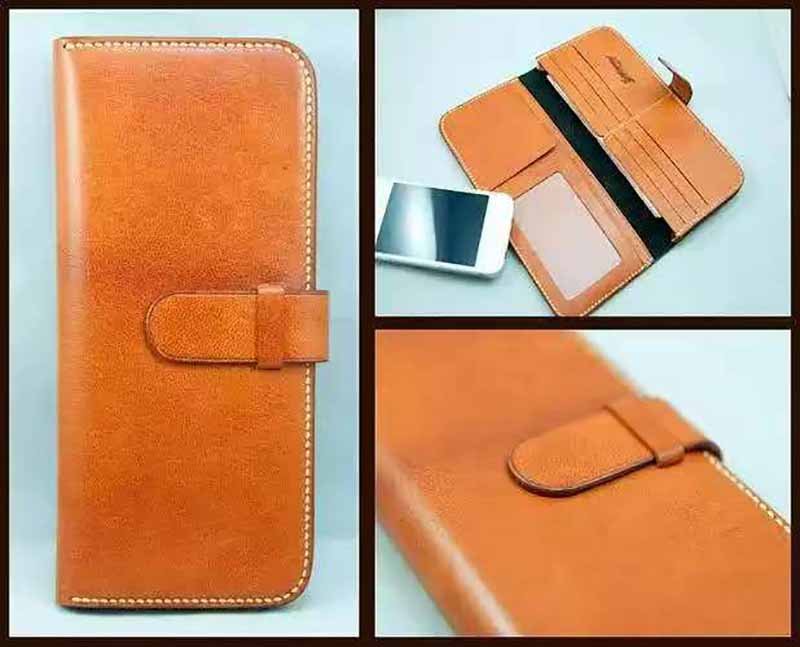
Understanding the core differences between hand stitching and machine stitching is the first step in determining which method is best suited for your leather wallet production. Both techniques involve stitching the leather together, but the methods, tools, and outcomes differ significantly.
Hand stitching is a manual process that offers a customized, artisanal finish, while machine stitching is an automated process that provides uniformity and speed.
What Defines Hand Stitching?
Hand stitching involves using two needles and waxed thread to sew leather. It is a manual process performed by skilled artisans who create even stitches with precision. Hand stitching can be customized to create unique patterns or incorporate different thread colors and stitch types. It also allows for better control over the tension of each stitch, which can contribute to greater durability.
- Time-consuming: Hand stitching takes significantly more time than machine stitching. It is a labor-intensive process that requires attention to detail and careful execution.
- Artisanal quality: The result is a personalized and unique finish, often preferred in high-end leather products.
- Durability: Hand stitching tends to be stronger and more resilient because the stitches are pulled tighter and with more precision, especially in thicker leather.
What Defines Machine Stitching?
Machine stitching uses a sewing machine to quickly and uniformly stitch leather. It automates the process, creating precise and consistent stitches that are ideal for mass production. The machine uses a continuous thread loop to sew the leather, and while it can be fast, it lacks the personal touch of hand stitching.
- Efficient: Machine stitching is faster and ideal for high-volume production.
- Uniformity: The stitches are even and consistent, which can be a positive for those seeking a clean, flawless finish.
- Less customizable: Machine stitching lacks the customizable aspect of hand stitching and usually involves fewer design options.
| Feature | Hand Stitching | Machine Stitching |
|---|---|---|
| Speed | Slow | Fast |
| Customization | High | Low |
| Uniformity | Variable (artisan quality) | High (consistent stitching) |
| Durability | High (tight stitches) | Moderate (depends on machine quality) |
| Cost | Expensive | Affordable |
Which Process Costs More and Why?
One of the most significant differences between hand and machine stitching is the cost. Due to the labor-intensive nature of hand stitching, it is generally more expensive, but it also brings a unique, personalized touch to the final product. In contrast, machine stitching is faster, more efficient, and less costly, making it a popular choice for mass production.
Hand stitching tends to be more expensive because it requires skilled labor and more time, while machine stitching is cost-effective due to its speed and automation.
How Does Labor Affect Hand-Stitch Costs?
Labor costs are a major factor in determining the price of hand-stitched leather wallets. Since hand stitching is a manual process performed by skilled artisans, it requires a significant amount of time and expertise. Labor costs also increase with custom designs or intricate stitching patterns, as they require more detailed work. The cost of labor in regions with high labor wages (such as developed countries) further adds to the cost of the final product.
- Skilled artisans demand higher wages for their craftsmanship, which directly affects the cost of the product.
- Custom stitching or detailed work, such as double stitching or adding intricate designs, further increases labor costs.
Do Materials Change Cost Outcomes?
The choice of materials used in hand-stitching can significantly impact the overall cost of production. For example, premium leathers, such as full-grain leather, are more expensive than lower-quality options like genuine leather or split leather. Similarly, high-quality thread, such as waxed thread, also adds to the overall cost of hand-stitched wallets.
- Full-grain leather used in hand-stitched wallets can increase the overall cost due to its premium quality and durability.
- Waxed thread used for hand stitching is more expensive than the typical industrial threads used in machine stitching.
| Material Type | Hand Stitching Cost Impact | Machine Stitching Cost Impact |
|---|---|---|
| Full-Grain Leather | Higher cost (premium quality) | Lower cost (used less frequently) |
| Waxed Thread | Expensive (handcrafted finish) | Not used in machine stitching |
| Synthetic Thread | Expensive (for custom options) | Low cost (machine-made thread) |
Is Machine Stitching More Economical?
Machine stitching is typically more economical due to the speed and efficiency it offers. Since machines can complete stitching faster than human workers, the labor costs are lower. Furthermore, the cost of materials may also be reduced because machine stitching often uses standardized materials, which are typically less expensive than the custom options used in hand stitching.
- Machine stitching does not require skilled artisans, making it less costly to produce wallets.
- Faster production times lead to reduced overhead costs and increased production efficiency.
| Production Aspect | Hand Stitching | Machine Stitching |
|---|---|---|
| Labor Costs | High | Low |
| Production Time | Long | Fast |
| Suitability for Mass Production | Low | High |
| Customization | High | Low |
How Do Visual Differences Impact Perception?
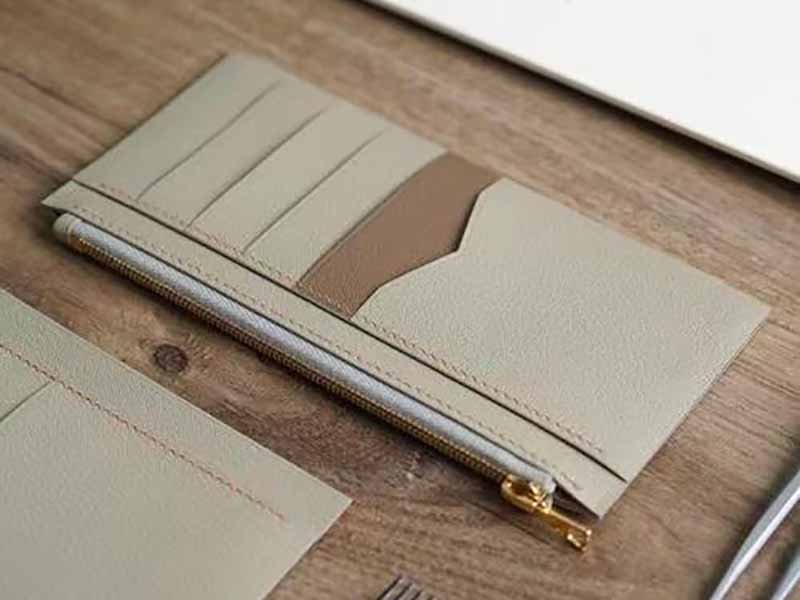
The visual appeal of hand-stitched vs machine-stitched wallets can greatly influence consumer perception. Hand stitching is often associated with luxury, craftsmanship, and authenticity, while machine stitching is known for its uniformity and efficiency. These visual differences can affect how consumers perceive the value of the wallet, influencing their purchasing decisions.
Hand stitching creates a more personalized, artisanal appearance, while machine stitching offers a more uniform, pristine finish. Consumer preference may depend on whether they value craftsmanship or consistency.
What Visual Traits Define Hand-Stitched Wallets?
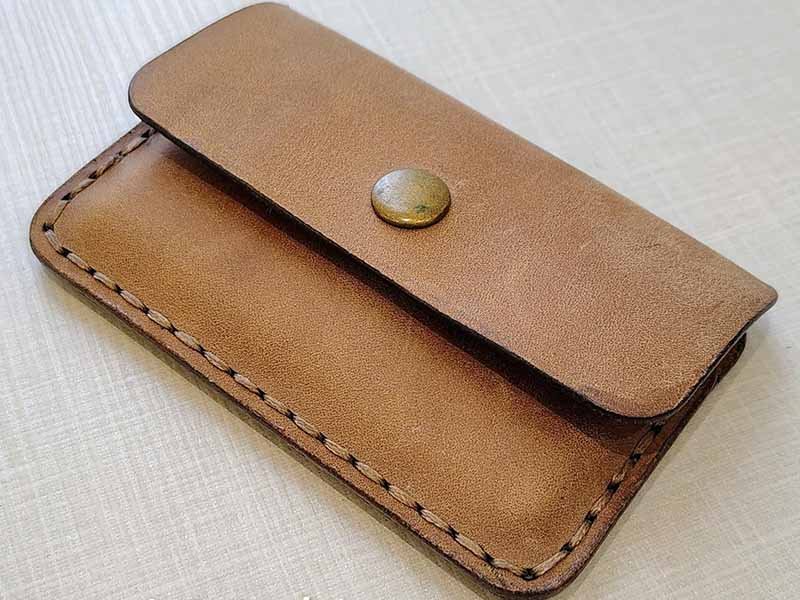
Hand-stitched wallets are highly regarded for their unique, artisanal look. The stitches often have slight variations, which add a sense of authenticity to the product. This slight imperfection is a key feature for customers who appreciate personal craftsmanship.
- Visible stitching: Hand-stitched wallets have slightly uneven stitches, which contribute to their individuality.
- Thicker thread: The thread used in hand stitching is often heavier, making the stitches more visible and adding depth to the design.
A hand-stitched wallet may feature slightly imperfect stitching and a distinct texture, which gives it a vintage, artisanal appeal that appeals to consumers seeking luxury and uniqueness.
Which Machine Stitch Details Are Noticeable?
Machine-stitched wallets are often praised for their precision and uniformity. The even stitches and neat finish appeal to consumers who prefer perfect consistency in their products. While machine stitching lacks the personal touch of hand stitching, its clean lines and tight stitching are preferred by some for their polished look.
- Uniform stitches: Machine stitching produces consistent, even stitching that is perfect for mass production.
- Sleek finish: The stitching is very tight, creating a neat and smooth appearance.
A machine-stitched wallet often looks crisp, with clean stitching and a modern, professional finish. It’s ideal for customers who prefer perfection and uniformity over the artisanal appeal of hand stitching.
Which Offers Better Durability and Wear?
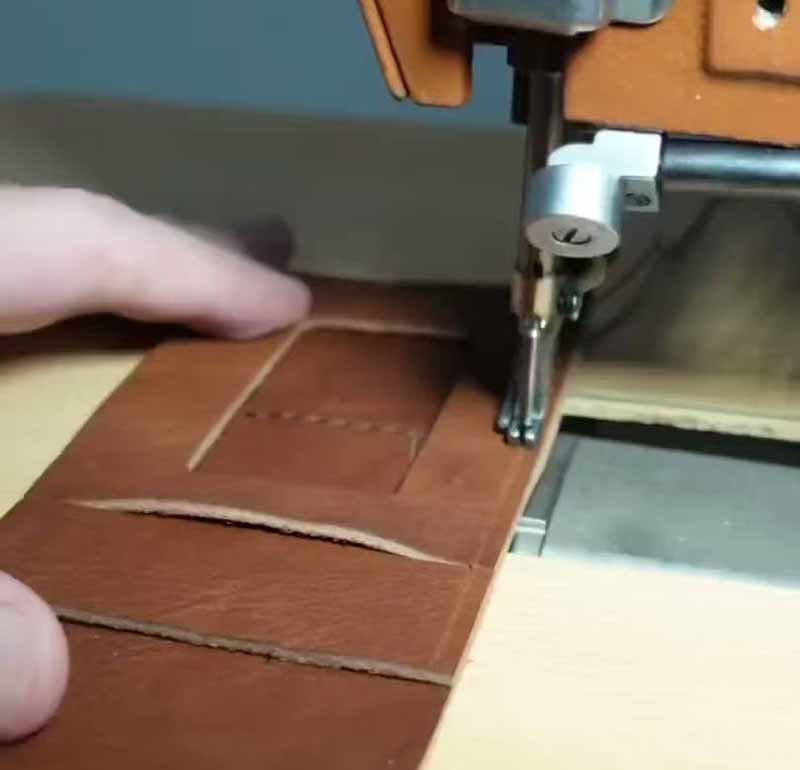
The durability of leather wallets is crucial to consumers, especially those looking for long-lasting and high-quality products. Both hand stitching and machine stitching offer advantages in terms of durability, but the performance depends on the type of leather, the quality of stitching, and the construction method used.
Hand stitching tends to be more durable than machine stitching due to the way it’s executed, with each stitch pulled tightly. However, machine stitching can still provide long-lasting durability if done properly, especially with high-quality threads and stitching patterns.
Are Hand-Stitched Seams Stronger?
One of the main advantages of hand stitching is the strength of the seams. This method involves individually pulling each stitch through the leather, ensuring that the stitching is tight and secure. The waxed thread used in hand stitching also adds additional strength to the seams, making the wallet more resilient to wear and tear over time.
- Tighter stitches: The process allows artisans to pull each stitch more tightly, which makes the seams stronger and more resistant to stretching.
- Stronger thread: Waxed thread is typically used in hand stitching, which provides additional strength and abrasion resistance.
Do Machine Stitches Wear Differently?
While machine stitching is efficient, it can sometimes result in seams that are less durable than hand stitching, especially when the machine uses standard thread or low-quality stitches. However, high-end machines and stronger threads can make machine stitching just as durable as hand stitching. The wear of machine stitches largely depends on the thread type and stitch tightness.
- Thread quality: If the stitching machine uses low-quality thread or lighter materials, the seams may wear down faster.
- Stitch tightness: If the machine produces tight, secure stitches, the seams can be very durable, but they may still not have the same strength as hand-stitched seams, which are tightly pulled by hand.
| Stitching Method | Durability | Strength of Seams | Vulnerability |
|---|---|---|---|
| Hand Stitching | Very High | Stronger, tightly pulled stitches | Minor imperfections over time |
| Machine Stitching | Moderate to High | Even, consistent stitches | Can weaken with low-quality thread |
How Does Stitching Affect Longevity?
The longevity of a leather wallet depends largely on the quality of stitching used. Hand stitching, due to the tightness and attention to detail it offers, generally ensures that the wallet will last longer even with frequent use. Machine stitching, however, can still provide a long lifespan, especially if high-quality materials are used in the process.
- Hand stitching is more resilient in the long term because it is done with a more personalized approach and typically features stronger thread.
- Machine stitching may show signs of wear faster, especially in wallets that are subject to frequent stress or abrasion at the seams.
| Durability Factor | Hand Stitching | Machine Stitching |
|---|---|---|
| Seam Strength | Very High | Moderate |
| Wear Resistance | High | Moderate to High |
| Longevity with Use | Long-lasting | Long-lasting (depending on thread quality) |
How Do Visual Differences Impact Perception?
The visual appeal of a leather wallet is one of the most important factors in consumer decision-making. Many customers associate hand-stitched wallets with luxury and artisan craftsmanship, while machine-stitched wallets are perceived as more uniform and perfect. The aesthetic differences between the two methods can influence purchasing behavior and brand perception.
Hand stitching creates a more personalized, artisanal finish, often with slightly uneven stitching that adds character. Machine stitching, on the other hand, offers a uniform, flawless finish that appeals to those who prioritize perfection and precision.
What Visual Traits Define Hand-Stitched Wallets?
Hand-stitched wallets are often recognized by their unique, artisanal appearance. These wallets typically feature slightly uneven stitching and individualistic details that give them character. Consumers who appreciate craftsmanship and the story behind a product often prefer hand-stitched wallets for their authenticity.
- Uneven stitches: Hand stitching creates subtle variations in stitch size and tension, which adds personal charm and reflects the handcrafted nature of the product.
- Heavier thread: Hand stitching often uses heavier waxed thread, which is more visible and pronounced compared to machine stitching.
A hand-stitched leather wallet might have slightly imperfect stitching, showcasing the artisan’s skill. This adds to the authenticity and luxury appeal, making it a timeless piece for customers who value craftsmanship.
Which Machine Stitch Details Are Noticeable?
On the other hand, machine-stitched wallets are characterized by their uniformity and consistency. The stitching is often tight, even, and clean, which gives the wallet a sleek, modern appearance. Consumers who prefer a polished, consistent look often opt for machine-stitched wallets, as they are precise and free from any imperfections.
- Uniform stitches: Machine stitching produces identical, neat stitches throughout the wallet, creating a clean, professional finish.
- Sleek appearance: The stitching is typically tight and consistent, which creates a smooth look that appeals to those who prefer precision over artisan imperfections.
A machine-stitched leather wallet typically looks sleek and refined, with perfectly aligned stitches that appeal to those who seek perfection and clean lines.
How Do Consumers Perceive Finish Quality?
Consumers’ perceptions of finish quality are often shaped by the visible stitching on the wallet. While some prefer the imperfections of hand stitching for its authenticity and artistic value, others may opt for the polished and consistent finish of machine stitching for its modern appeal and precision.
- Hand-stitched wallets tend to evoke feelings of luxury and craftsmanship, making them desirable for customers who value unique products.
- Machine-stitched wallets may attract customers who seek clean, flawless products that show a high level of professionalism.
| Visual Trait | Hand Stitching | Machine Stitching |
|---|---|---|
| Stitch Uniformity | Uneven, artisanal look | Perfectly even, uniform |
| Finish | Slight imperfections, unique | Clean, sleek finish |
| Craftsmanship Appeal | High (artisan appeal) | Moderate (professional appeal) |
How Do Brand Positioning and Consumer Preferences Differ?
When it comes to leather goods, the choice of stitching method often reflects a brand’s positioning. Hand-stitched wallets are typically associated with luxury brands, high-end craftsmanship, and premium pricing, while machine-stitched wallets are often geared towards affordable and mass-market production. Understanding consumer preferences is essential in deciding whether to focus on hand stitching or machine stitching.
Luxury brands often favor hand stitching for its unique appeal and artisan craftsmanship, while machine stitching is favored by mass-market brands seeking efficiency and affordability.
Do Luxury Brands Favor Hand Stitching?
Luxury brands prefer hand stitching due to its association with high-quality craftsmanship and exclusive design. Hand-stitched wallets are often seen as premium products because they require skilled artisanship and considerable time to produce. This adds to the exclusivity and luxury appeal, making it a major selling point for consumers who value artisan goods.
- Brand appeal: Hand stitching allows brands to emphasize their craftsmanship and attention to detail, which are key elements of their luxury identity.
- Higher price points: The labor-intensive nature of hand stitching results in higher production costs, which in turn leads to higher prices for premium products.
A luxury leather brand may showcase its hand-stitched leather wallets as the highlight of its collection, emphasizing the personal craftsmanship and quality of the stitching to appeal to affluent consumers.
Is Machine Stitching Preferred for Mass Market?
On the other hand, machine stitching is often used for mass-market wallets where cost efficiency and speed are essential. Machine-stitched wallets are often produced in large quantities, making them more affordable and accessible to a wider audience. For brands aiming at volume sales and quick production, machine stitching is the preferred method.
- Lower cost: Machine stitching reduces labor costs, making it a suitable choice for products aimed at the budget-conscious market.
- Consistency: Machine stitching allows for consistent quality, which is important for products where uniformity is essential, such as in mass production.
A budget-friendly leather wallet brand may opt for machine stitching to produce large quantities of affordable, uniform wallets at a competitive price, catering to a broader consumer base.
How Do Consumers Decide What to Buy?
When consumers are choosing between hand-stitched and machine-stitched leather wallets, they often base their decision on factors like brand positioning, price, and desired aesthetic. Some consumers prioritize luxury craftsmanship and are willing to invest in hand-stitched products, while others may be more focused on practicality and affordability, making machine-stitched wallets more appealing.
- Price sensitivity: Consumers on a budget are more likely to opt for machine-stitched wallets that provide a balance of quality and affordability.
- Luxury preference: High-end consumers may seek out hand-stitched wallets for the artisanal finish and the perceived value associated with artisan craftsmanship.
| Consumer Type | Preferred Stitching Method | Key Motivation | Price Sensitivity |
|---|---|---|---|
| Luxury Buyers | Hand Stitching | Craftsmanship, exclusivity | Low |
| Mass-Market Consumers | Machine Stitching | Affordability, uniformity | High |
| Fashion Enthusiasts | Hand Stitching or Machine Stitching | Unique designs, brand prestige | Moderate |
How Does Hand Stitching Affect Long-Term Value?
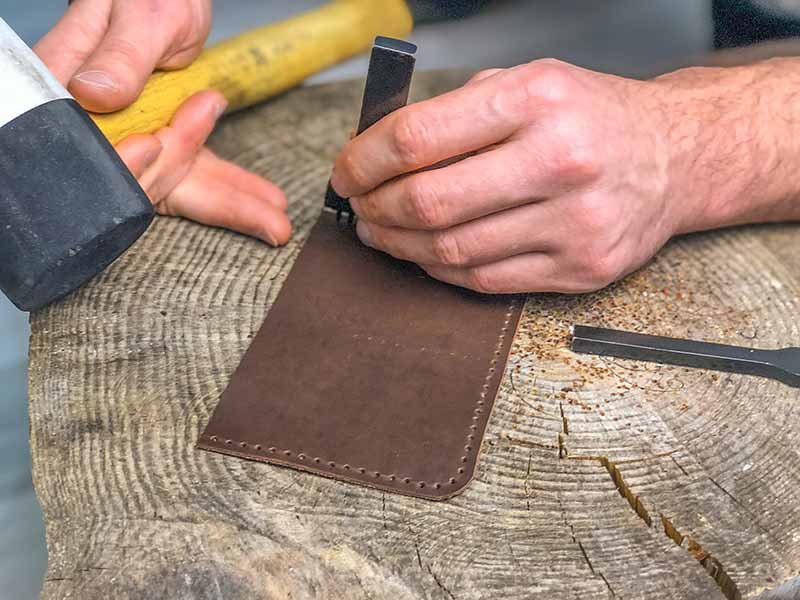
When it comes to long-term value, hand-stitched leather wallets often outlast their machine-stitched counterparts. The durability of hand stitching is a key factor, as the stitches are generally tighter, stronger, and less prone to fraying or breakage over time.
Hand stitching offers better longevity and durability, making it an ideal choice for consumers seeking quality and long-lasting products.
Does Hand Stitching Enhance Longevity?
Hand-stitched wallets are typically more durable due to the nature of the stitching technique. The artisan takes extra care to pull the stitches tightly, ensuring they remain intact even under the stress of everyday use. Additionally, hand stitching allows for greater flexibility in choosing the best thread types and materials.
- Stronger seams: Since the stitching is done manually with careful attention, the seams are often more secure than those done by a machine.
- Custom thread: High-quality, waxed thread used in hand stitching provides a stronger bond between the leather pieces.
A hand-stitched leather wallet may look worn over time, but it will retain its structural integrity. The stitching remains tight, and the wallet will age beautifully.
How Does Machine Stitching Affect Durability?
While machine stitching can produce uniform and consistent seams, it may not provide the same level of durability as hand stitching. Machine-stitched wallets may be more prone to thread loosening or fraying over time, especially if the stitching is not as tightly pulled or if lower-quality materials are used.
- Less durability: Machine stitching may not always provide the same tightness in the stitching, leading to potential fraying or damage.
- Speed over precision: Since the machine is built for speed, the stitches may be slightly looser and may not hold up as well over years of use.
| Stitching Method | Durability | Longevity | Best for |
|---|---|---|---|
| Hand Stitching | High | Very Long-lasting | High-end products, luxury |
| Machine Stitching | Moderate | Moderate to Long-lasting | Mass production, affordable |
How to Maintain Hand-Stitched vs Machine-Stitched Leather Wallets
Proper maintenance is essential to preserving the quality and longevity of any leather wallet, whether it is hand-stitched or machine-stitched. Here are some maintenance tips to ensure that your leather wallet remains in great shape for years.
Regardless of the stitching method, regular care such as conditioning leather, cleaning, and proper storage can enhance the lifespan of your leather wallet.
How to Care for Hand-Stitched Wallets?
- Condition Regularly: Hand-stitched wallets benefit from regular conditioning to keep the leather soft and supple. Use a high-quality leather conditioner to maintain flexibility and prevent cracking.
- Clean Gently: Use a soft cloth to wipe off dirt and dust. Avoid using harsh chemicals, as they can damage the thread and the leather.
- Store Properly: Store hand-stitched wallets in a cool, dry place, away from direct sunlight, to prevent fading and drying of the leather.
How to Care for Machine-Stitched Wallets?
- Condition the Leather: Like hand-stitched wallets, machine-stitched wallets require conditioning to maintain their natural oils and keep the leather from becoming dry or brittle.
- Protect the Stitches: If you notice any fraying of the machine stitching, it’s important to address it immediately to prevent further damage.
- Avoid Overloading: Machine-stitched wallets may be less durable than hand-stitched wallets, so it’s important not to overload them with too many cards or items, which can cause the seams to weaken.
Conclusion
Choosing between hand stitching and machine stitching for leather wallets comes down to a variety of factors, including cost, durability, aesthetic appeal, and brand positioning. Hand stitching offers luxury, individuality, and higher durability, while machine stitching provides efficiency, cost-effectiveness, and uniformity. By understanding the strengths and weaknesses of each method, brands can make informed decisions that align with their target market, whether it’s luxury consumers or budget-conscious buyers.
Custom Leather Goods by Szoneier
At Szoneier, we specialize in custom leather wallets and accessories tailored to your needs. Whether you prefer hand-stitched craftsmanship for a luxury feel or machine-stitched precision for affordable production, we offer personalized solutions. Contact us today to discuss how we can help bring your custom leather designs to life.