
How Much Does Faux Leather Cost:A Complete Pricing Guide
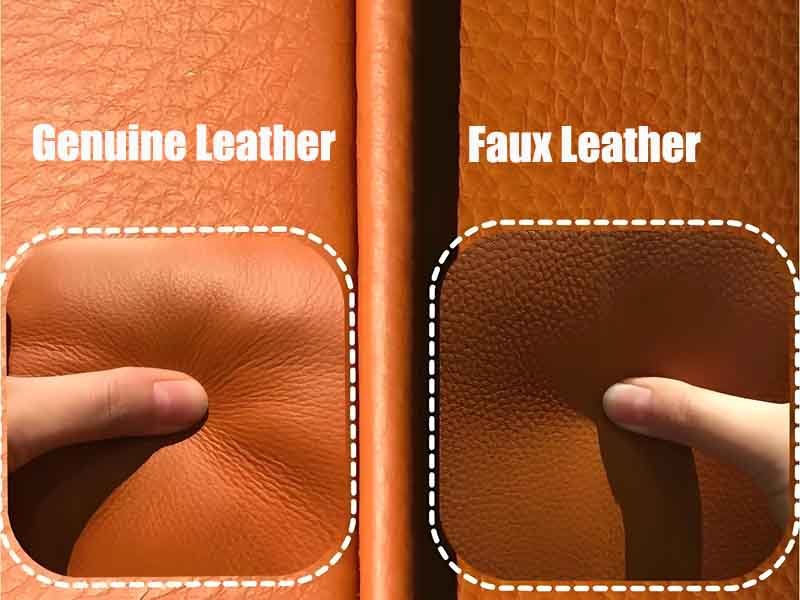
The rise of faux leather, also known as synthetic or vegan leather, has transformed industries from fashion and furniture to automotive interiors and luxury accessories. Buyers today want materials that look like genuine leather but come at a fraction of the cost, are animal-free, and increasingly eco-friendly.
Faux leather typically costs $5–$15 per yard for standard grades, while eco-friendly or high-performance variants can reach $20–$30 per yard. Prices depend on material type (PU, PVC, silicone), thickness, durability, order volumes, and certifications. Bulk OEM buyers often secure 10–30% discounts through large-scale contracts or direct manufacturing partnerships.
But pricing isn’t the only factor—lifespan, environmental impact, and applications also shape buying decisions. Let’s break it down step by step so you can choose the right faux leather for your next project without overpaying.
What Factors Influence Faux Leather Pricing?
Faux leather pricing depends on material type (PU, PVC, silicone), thickness, surface treatments, eco-certifications, order volumes, and production locations. Higher durability grades with UV resistance, fire retardancy, or eco-friendly coatings cost more than standard PVC or PU options. Bulk OEM orders and factory-direct sourcing can reduce prices by 10–30%, especially for global brands seeking competitive supply chains.
1. Material Type & Base Composition
The raw material is the biggest cost determinant:
- PVC (Polyvinyl Chloride): Cheapest, typically $5–$8 per yard, widely used in budget furniture and vehicle interiors due to its water resistance but limited breathability.
- PU (Polyurethane): Costs $8–$15 per yard, offering softer texture and better flexibility, preferred for handbags, fashion, and upholstery.
- Silicone or Bio-Based Leather: Premium grades reaching $20–$30 per yard, eco-friendly with high durability and UV/weather resistance for marine and outdoor applications.
| Material Type | Cost Range (per yard) | Durability Level | Common Applications |
|---|---|---|---|
| PVC Faux Leather | $5–$8 | Moderate | Budget furniture, interiors |
| PU Faux Leather | $8–$15 | High | Fashion, furniture upholstery |
| Silicone/Bio Leather | $20–$30 | Very High | Outdoor gear, luxury seating |
2. Thickness, Backing, and Coatings
- Thicker Grades (1.2–1.5mm): Used in belts, automotive seating, requiring reinforced backings and special coatings, leading to higher costs.
- Surface Treatments: UV resistance, fire-retardant layers, and anti-microbial coatings can add 10–25% to base prices.
- Embossing or Custom Textures: Crocodile or patent finishes increase production steps, raising costs per yard.
3. Performance Requirements & Lifespan
- Standard Furniture Faux Leather: Lasts 3–5 years under normal conditions.
- Automotive or Marine Grades: Demand 8–10 years lifespan, saltwater resistance, and anti-fungal properties, costing nearly 2–3x more.
- Buyers should match performance specs to the final product to avoid overpaying for unnecessary features.
4. Brand Certifications & Compliance
- OEKO-TEX, REACH, ISO 9001 certifications add to costs but enable export readiness for EU/US markets.
- Buyers in California may require Proposition 65 compliance, adding extra testing expenses.
- Premium buyers often demand colorfastness and abrasion tests, increasing QC budgets by 5–10%.
5. Order Volume & Supply Chain Scale
- Small MOQs (500–1000 yards): Higher per-yard costs ($12–$15) due to setup charges for coating lines and embossing rollers.
- Large Orders (5000+ yards): Enable 10–30% cost reductions via batch production and lower logistics fees.
6. Production Region & Logistics Costs
- China & Southeast Asia: Competitive pricing, fast lead times, and massive scale for global exports.
- Europe & North America: Higher labor costs but shorter delivery times for domestic buyers.
- Freight Mode: Sea freight lowers landed costs by 20–40% compared to air transport.
Pricing Impact Summary
| Factor | Cost Impact | Typical Increase (%) | Notes |
|---|---|---|---|
| Material Type | High | +20–50% for premium grades | PU & Silicone cost more than PVC |
| Thickness & Coatings | Moderate–High | +10–25% | Fire/UV coatings add cost layers |
| Certifications & Compliance | Moderate | +5–10% | Required for EU/US market exports |
| Order Volume (MOQ) | High (reverse impact) | -10–30% with bulk orders | Larger batches = lower per-yard cost |
| Production Region & Logistics | Moderate | +10–20% (EU/US labor costs) | Asia offers most competitive pricing |
| Performance Specs (Lifespan) | High | +20–40% for long-life grades | Automotive/marine grades cost more |
Which Types of Faux Leather Have Different Price Ranges?
Faux leather prices vary by type: PVC leather costs $5–$8 per yard, PU leather $8–$15, eco-friendly or silicone leather $20–$30, and recycled or bio-based leather $18–$28. Each type differs in durability, aesthetics, eco-compliance, and application suitability, with bulk OEM orders offering significant cost savings for manufacturers and brands worldwide.
PVC Faux Leather: The Budget-Friendly Option
PVC faux leather remains the lowest-cost synthetic leather, typically ranging from $5–$8 per yard. It offers good water resistance and is widely used in budget furniture, low-cost automotive interiors, and promotional products. However, its short lifespan (3–5 years), limited breathability, and tendency to crack under UV exposure make it less ideal for high-end or outdoor applications. Despite these limitations, PVC is popular in price-sensitive markets where cost efficiency outweighs premium aesthetics or long-term durability.
PU Faux Leather: The Mid-Range, Versatile Choice
PU (Polyurethane) leather offers a balance between cost and performance, typically priced at $8–$15 per yard. It delivers a softer texture, better flexibility, and improved breathability compared to PVC, making it the preferred choice for handbags, footwear, fashion accessories, and mid-range furniture upholstery. With lifespans of 5–8 years, especially when treated with UV- or abrasion-resistant coatings, PU leather meets the needs of brands seeking both durability and aesthetics without the cost of premium materials like silicone or bio-based leather.
Silicone & Eco-Friendly Faux Leather: Premium-Grade Materials
Silicone and eco-friendly faux leathers occupy the top pricing tier, ranging from $20–$30 per yard, but offer outstanding durability and environmental compliance. They are UV-resistant, waterproof, flame-retardant, and hypoallergenic, with lifespans of 8–10 years even under outdoor or marine exposure. These materials are favored by luxury furniture brands, automotive OEMs, and marine equipment manufacturers seeking long-lasting, sustainable alternatives to conventional synthetics. The higher cost is often offset by lower replacement cycles and enhanced brand positioning in premium markets.
Recycled & Bio-Based Faux Leather: Sustainable Alternatives
Recycled PU and bio-based faux leathers typically cost $18–$28 per yard and are designed for eco-conscious brands aiming to meet sustainability goals and international certifications like OEKO-TEX or REACH. While performance is similar to mid-range PU materials, the eco-friendly production processes and recycled content justify the higher price. These materials are popular among European fashion labels and furniture brands responding to consumer demand for ESG-compliant products, though limited global production capacity sometimes leads to longer lead times and slightly higher costs.
Price Comparison Table by Material Type
| Material Type | Price Range (per yard) | Typical Lifespan | Eco-Friendly Level | Common Applications |
|---|---|---|---|---|
| PVC Faux Leather | $5–$8 | 3–5 years | Low | Budget furniture, interiors, promo goods |
| PU Faux Leather | $8–$15 | 5–8 years | Medium | Fashion, mid-range furniture, footwear |
| Silicone/Eco-Friendly Leather | $20–$30 | 8–10 years | High | Automotive, marine, luxury outdoor furniture |
| Recycled/Bio-Based Leather | $18–$28 | 5–8 years | Very High | Sustainable fashion, eco-conscious furniture |
Names of Faux Leather Fabrics
- Rexine (South Asia), Leatherette, Koskin (Europe), and Vegan Leather (US/EU markets) are popular terms buyers encounter in trade catalogs.
How Does Faux Leather Compare to Real Leather in Cost & Performance?
Faux leather is typically 50–70% cheaper than real leather, costing $5–$15 per yard versus $25–$50 per yard for genuine leather. While real leather offers 10–20 years of durability and a premium natural feel, modern faux leathers provide lower upfront costs, easier maintenance, and eco-friendly options, making them ideal for budget-conscious brands, automotive interiors, and mass-market furniture buyers.
Cost Comparison: Upfront Price vs Long-Term Value
Faux leather’s biggest advantage is its initial affordability. Standard PVC faux leather costs $5–$8 per yard, PU leather $8–15, while high-performance silicone variants reach $20–$30. In contrast, genuine leather ranges $25–$50 per yard, with exotic hides costing even more. However, real leather’s longer lifespan (10–20 years) often offsets the higher upfront cost for luxury furniture or automotive brands prioritizing product longevity over initial savings.
Durability & Lifespan Differences
Real leather naturally withstands decades of use, developing a patina that enhances its appearance over time. Faux leather, depending on the type, typically lasts 3–5 years for PVC, 5–8 years for PU, and 8–10 years for silicone or marine-grade materials. For applications like outdoor furniture or high-wear automotive interiors, buyers must weigh whether shorter replacement cycles of faux leather negate its initial cost savings.
Maintenance & Care Requirements
Real leather demands regular conditioning, humidity control, and stain protection to prevent drying or cracking, adding long-term maintenance costs. Faux leather, by contrast, requires minimal care—simple cleaning with mild soap and water suffices for most products. This low-maintenance advantage makes faux leather attractive for restaurants, offices, and mass-market furniture brands with high product turnover and tight operational budgets.
Aesthetic & Comfort Comparison
Real leather delivers a luxurious tactile experience, natural grain patterns, and breathability unmatched by most synthetics. Faux leather now offers realistic embossing, matte or glossy finishes, and soft-touch coatings, but it still lacks the temperature regulation and natural aroma of genuine hides. However, vegan brands and eco-conscious buyers increasingly accept this trade-off, valuing animal-free and sustainable materials over traditional luxury markers.
Environmental Impact & Certifications
While genuine leather is a byproduct of the meat industry, its tanning process often involves chemicals with environmental implications. Modern faux leathers, especially water-based PU or recycled variants, meet REACH, OEKO-TEX, and low-VOC standards, offering eco-friendly alternatives for brands targeting EU and North American markets with strict compliance requirements.
How Much Does Faux Leather Cost by Application?
Faux leather costs vary by application: furniture upholstery $5–$10/yard, fashion accessories $8–$15/yard, automotive interiors $15–$25/yard, and marine or outdoor products $20–$30/yard. Pricing depends on durability requirements, UV/water resistance, certifications, and expected lifespan. High-performance grades cost more but reduce replacement frequency and long-term maintenance costs, making them ideal for demanding industries.
Furniture Upholstery
Furniture manufacturers often choose PVC or PU faux leather priced at $5–$10 per yard to meet budget constraints while providing good aesthetics and ease of cleaning for residential or commercial use. Most furniture-grade faux leathers last 3–5 years, with UV-protected PU variants extending lifespans to 6–8 years for mid-range or premium segments. Bulk OEM sourcing reduces costs by 10–20% for brands producing large furniture volumes.
Fashion Accessories & Footwear
For handbags, wallets, belts, and footwear, PU faux leather priced at $8–$15 per yard dominates the market due to its soft texture, color versatility, and eco-friendly water-based coatings. High-end brands increasingly use recycled PU or bio-based synthetics costing $15–$20 per yard to meet ESG and sustainability commitments demanded by EU and US consumers. With proper coating treatments, these materials last 5–8 years under regular use.
Automotive Interiors
Automotive applications demand high abrasion resistance, UV stability, and heat durability, pushing costs to $15–$25 per yard for premium PU or silicone-based synthetic leathers. These materials must withstand daily friction, temperature fluctuations, and sunlight exposure, with lifespans of 8–10 years meeting strict OEM performance certifications like REACH and FMVSS 302 fire resistance. While upfront costs are higher, lower warranty claims and brand reputation benefits justify the investment.
Marine & Outdoor Products
Marine seating, outdoor furniture, and luxury patio products require waterproof, UV-resistant, and anti-fungal coatings, with prices ranging $20–$30 per yard for silicone or high-performance PU leathers. These materials offer 10+ years of durability under harsh sunlight, saltwater, and humidity, making them essential for yachts, cruise ships, and premium outdoor hospitality projects. Bulk orders with custom color runs can cut costs by 15–25% for large-scale deployments.
Commercial Spaces & Hospitality
Restaurants, hotels, and office furniture manufacturers prefer mid-range PU leathers ($8–$15 per yard) offering easy cleaning, stain resistance, and fire-retardant treatments for safety compliance. Lifespans average 5–7 years, with bulk OEM sourcing providing consistent quality across large seating projects while keeping budgets under control.
Application-Based Price Comparison Table
| Application Area | Price Range (per yard) | Typical Lifespan | Key Requirements | Common Materials |
|---|---|---|---|---|
| Furniture Upholstery | $5–$10 | 3–6 years | Aesthetics, easy cleaning | PVC, PU |
| Fashion Accessories | $8–$15 | 5–8 years | Soft touch, color variety, eco options | PU, Recycled PU |
| Automotive Interiors | $15–$25 | 8–10 years | UV resistance, heat durability | PU, Silicone |
| Marine & Outdoor Products | $20–$30 | 10+ years | Waterproof, anti-fungal, UV stability | Silicone, Premium PU |
| Commercial/Hospitality Use | $8–$15 | 5–7 years | Fire retardancy, stain resistance | PU, Coated PVC |
FAQ
1. How much does faux leather cost per yard?
Standard PVC faux leather costs about $5–$8 per yard, PU leather ranges $8–$15, while eco-friendly or silicone-based options can reach $20–$30. Bulk OEM orders often secure 10–30% discounts, reducing average costs for brands and large-scale buyers significantly.
2. Is faux leather expensive compared to real leather?
No. Faux leather is 50–70% cheaper than genuine leather, which typically costs $25–$50 per yard. While real leather offers longer lifespans and luxurious feel, faux leather is ideal for budget-friendly furniture, fashion accessories, and automotive interiors where upfront cost efficiency matters most.
3. What is the most common type of faux leather?
PVC leather remains the most common due to its low production cost and water resistance. However, PU leather is gaining popularity in fashion and furniture markets for its soft texture, eco-friendlier formulations, and broader customization options like embossing and color matching.
4. How long does faux leather last?
Standard PU or PVC faux leather lasts about 3–5 years with normal use, while high-performance grades with UV and abrasion coatings can last 8–10 years. Proper cleaning, conditioning, and storage extend its durability, especially in outdoor or automotive applications.
5. What are the disadvantages of faux leather?
Faux leather is less breathable, can peel or crack over time, and lacks the natural patina of real leather. It may also have lower heat and UV resistance unless specially treated, making outdoor and high-wear applications more demanding for synthetic options.
6. How can I source faux leather at competitive prices?
Partner with OEM/ODM manufacturers like Szoneier who offer low MOQs, bulk discounts, and custom formulations. Sourcing from China or Southeast Asia ensures competitive pricing, ISO/REACH certifications, and fast lead times for global buyers seeking quality and cost efficiency.
Conclusion
When sourcing high-quality faux leather at competitive prices, working with the right manufacturing partner makes all the difference. At Szoneier, we bring 18+ years of expertise in faux leather R&D, manufacturing, and global supply chain management, helping brands across furniture, fashion, automotive, and outdoor industries find the perfect balance of cost, durability, and compliance.
Ready to source premium faux leather for your next project? Contact Szoneier today to discuss OEM & ODM solutions tailored for your brand’s needs. Together, we’ll help you reduce costs, improve product quality, and meet global sustainability standards.
What Can I Do For You?
Here, developing your OEM/ODM private label leather goods collection is no longer a challenge,it’s an excellent opportunity to bring your creative vision to life.
Make A Sample First?
If you have your own tech packs, logo design artwork, or just an idea,please provide details about your project requirements, including preferred fabric, color, and customization options,we’re excited to assist you in bringing your leather goods designs to life through our sample production process.