 Skip to content
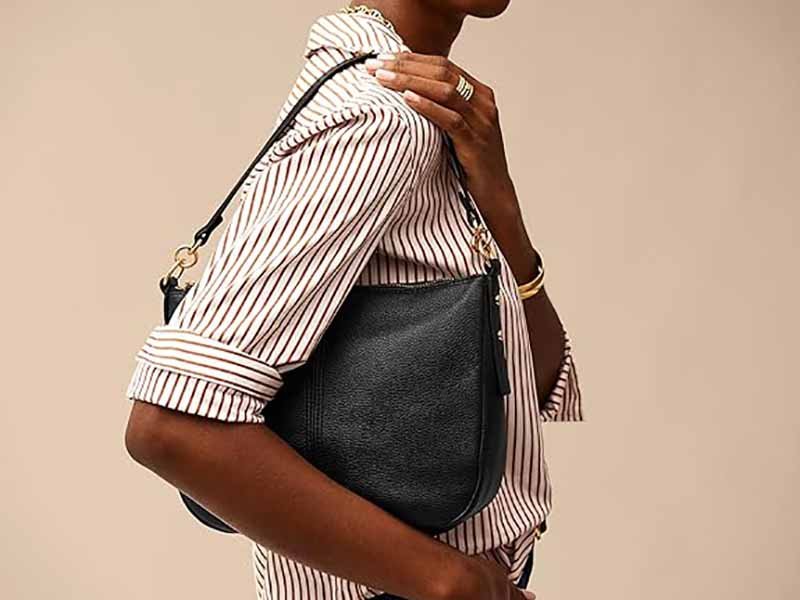
In leather bags, the zipper is one of the cheapest parts on the BOM—but it creates some of the most expensive problems. One stuck slider can turn a premium leather bag into a “bad product” in the customer’s mind, even if the leather and stitching are perfect. That’s why professional brands don’t treat zippers as a simple sourcing item. They treat them as a return-rate control point.
Here’s the hard truth: many zipper issues don’t show up at sampling stage. They show up after real use—dust, skin oils, humidity, temperature changes, leather waxes, and repeated stress. When problems arrive, it’s rarely a clean “zipper broke” case. It’s slow friction, corrosion on plating, tape distortion after sewing, or teeth separation after the bag gets overloaded once.
YKK usually delivers the most stable production consistency and lowest failure risk (at a higher unit cost). SBS is often a strong mid-to-high option with competitive quality and better cost flexibility. Custom zippers can cut cost, but failure risk depends heavily on QC discipline, material control, and whether the factory can deliver the same slider/teeth/tape performance across batches.
Imagine this: you ship 3,000 leather totes to a retailer. Just 1.5% zipper complaints can trigger chargebacks, forced markdowns, or a “stop order.” That’s why zipper selection should be decided with the same seriousness as leather selection.
What Makes YKK vs SBS vs Custom Zippers Different?
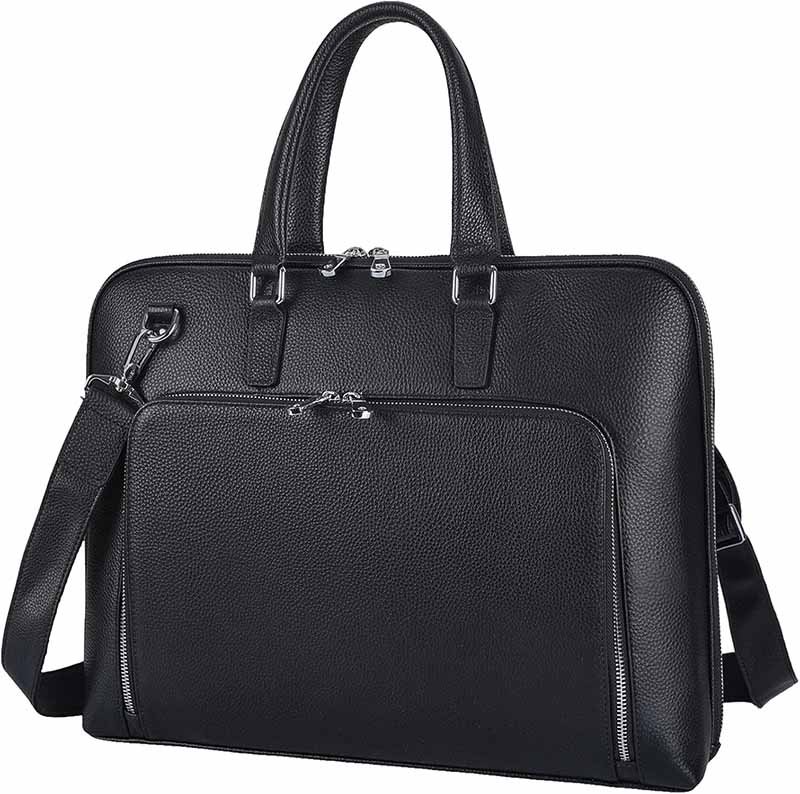
YKK vs SBS vs custom zippers differ most in process control, tolerance stability, material consistency, plating reliability, and batch-to-batch repeatability. The biggest difference is not the logo—it’s whether zipper performance stays the same when you scale from 20 samples to 10,000 pieces, across multiple deliveries.
Key idea that helps brands choose correctly
A zipper doesn’t fail because “it’s not famous.” It fails because one or more components fall outside safe ranges:
- slider-to-teeth fit becomes too tight or too loose
- teeth alignment varies along the chain
- plating is too thin or poorly sealed
- tape weave is too weak for sewing tension
- stops are not properly set, allowing separation under pull
When you compare YKK vs SBS vs custom zippers, you’re really comparing how well each option controls those variables.
Is YKK More Consistent Than SBS in YKK vs SBS vs Custom Zippers?
In mass production, “consistency” means less variation from batch to batch. That reduces surprises—especially important for leather bags, where sewing tension, edge paint, and lining thickness can amplify small zipper differences.
What consistency looks like (practical signals)
When YKK-type consistency is present, brands usually see:
- smoother pull feel across most units in a batch
- fewer “tight spots” along the chain
- fewer sliders that feel gritty or noisy
- fewer cases where the same pattern sewing suddenly becomes difficult
Where consistency protects you most
- Luxury handbags: customers notice feel and sound immediately
- Online sales: returns happen fast when zippers feel rough
- Repeat orders: the second PO must match the first PO without “surprises”
Production risk view
| Risk that causes returns | What triggers it | How it shows up in market |
|---|---|---|
| Pull not smooth | slider/teeth fit variation | “Hard to open/close” reviews |
| Chain waves after sewing | tape distortion + tension | zipper looks cheap or crooked |
| Early separation | weak stops or tooth alignment | “Zipper opens by itself” |
| Color mismatch | inconsistent plating/tape dye lot | “Hardware color not same” |
YKK generally aims to reduce these variations. SBS can be close in many builds—but the safer approach is to treat YKK vs SBS as “both can work,” and then manage risk through specs and QC (especially if you choose SBS or custom).
Are SBS Zippers as Reliable as YKK in YKK vs SBS vs Custom Zippers?
SBS can be very reliable when the zipper series and spec are correct and the supply is stable. Many brands use SBS successfully for mid-to-high tier leather goods.
Where SBS performs well in leather bags
- daily leather totes and backpacks
- medium-weight crossbody bags
- travel leather bags using coil or strong metal chains
- styles that need stable lead time and cost control
What to watch with SBS (brand checklist)
To reduce failure risk with SBS, brands usually lock:
- zipper series (don’t allow supplier substitutions)
- slider model and finish code
- tape type and tape density
- plating requirement (and corrosion test requirement if needed)
Reliability isn’t just “brand”; it’s “spec”
A well-specified SBS zipper can outperform a poorly controlled “YKK-style” or low-grade custom zipper. The key is whether your supply chain keeps the same spec across reorders.
Do Custom Zippers Compete with YKK vs SBS vs Custom Zippers?
Custom zippers can compete if you treat them like an engineered component, not a commodity. The risk comes when custom zippers are sourced mainly by price and allowed to vary without strict approval controls.
When custom zippers make sense
- entry to mid-range leather bags with high price pressure
- promotional leather goods (but still need stable function)
- private label programs needing custom pullers, logo engraving, unique tape colors
- projects where you want branding differentiation (custom puller shape, special finishes)
Where custom zippers often go wrong
Most common custom zipper failure causes in leather bags:
- plating too thin → oxidation or color fade
- slider spring weak → self-opening / separation
- tape weave low density → waves after sewing; fraying near stitch line
- teeth alignment inconsistent → sticking; uneven running
Cost vs risk reality
| Option | Unit cost level | Performance stability | Failure risk without strict QC |
|---|---|---|---|
| YKK vs SBS vs Custom Zippers: YKK | High | Very strong | Low |
| YKK vs SBS vs Custom Zippers: SBS | Mid | Strong | Medium–Low |
| YKK vs SBS vs Custom Zippers: Custom | Low–Mid | Depends on factory | Medium–High |
Custom zippers are not “bad.” They’re just less forgiving if you skip QC gates.
What brands really want: fewer returns, fewer surprises
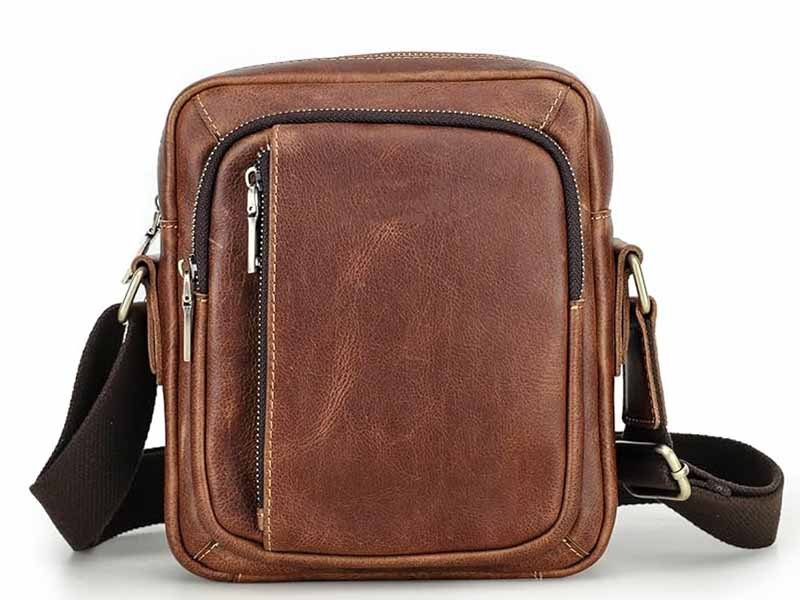
Instead of asking “Which is best?”, brands should ask:
- What’s my acceptable zipper complaint rate? (example: <0.5% for premium, <1% for mid-tier)
- How many reorder cycles will this style have? (more reorders = more need for consistency)
- Is my market humid/coastal? (plating + corrosion risk increases)
- Is this a heavy-load bag? (slider + stop + tape stress increases)
Quick positioning guide
| Bag positioning | Recommended direction |
|---|---|
| Luxury / high-touch feel | YKK first choice; SBS with strict spec |
| Mid-tier daily use | SBS or YKK depending on cost target |
| Price-sensitive / promo | Custom zipper with strong QC gates |
| Coastal / high humidity market | prioritize plating + corrosion control (brand matters less than spec/testing) |
Factory-side control that reduces risk (what SzoneierLeather can do)
When you work with a manufacturer that treats zippers as a system, you can request:
- zipper spec sheet approval before sampling
- pre-production zipper confirmation sample (same batch)
- incoming inspection plan (appearance + function + measurements)
- in-line sewing method controls (tape distortion prevention)
- final random pull test + smoothness check before packing
These steps sound small, but they directly reduce returns.
Which Fails First in YKK vs SBS vs Custom Zippers?
In YKK vs SBS vs custom zippers, the first failure rarely comes from the teeth breaking in half. Most zipper problems begin with the slider losing grip, plating wearing off, tape distortion during sewing, or stops failing under overload.
Understanding where failure starts allows brands to prevent it before mass production.
Short Direct Answer
In leather bags, slider wear and tension loss are the most common early failures. After that, tape distortion and stop weakness often lead to separation. Teeth breakage is less common unless the zipper is undersized or overloaded.
What actually fails in real leather bag usage?
When a leather bag enters real life, zippers face:
- Repeated opening and closing (3–20 cycles per day)
- Pressure from overstuffed interiors
- Friction against thick leather edges
- Moisture, sweat, coastal humidity
- Pulling at angles instead of straight line
Below is a breakdown of failure frequency based on production observations in leather goods.
Zipper Failure Distribution (Practical Observation Range)
| Failure Type | Approximate Occurrence in Complaints |
|---|---|
| Slider loosening / slipping | 30–40% |
| Separation after closing | 20–30% |
| Rough pulling / jamming | 15–25% |
| Tape tearing near seam | 5–15% |
| Teeth breakage | 5–10% |
Slider-related issues are the biggest risk area — especially in custom zippers with weak internal spring pressure.
Do Sliders Fail More Than Teeth in YKK vs SBS vs Custom Zippers?
Yes. In most leather bags, the slider is the weakest mechanical component.
Why sliders fail first
The slider has internal tension components that compress the zipper teeth together. Over time:
- Spring pressure weakens
- Internal metal edges wear down
- Plating rubs off, creating friction
- Dust + leather fibers increase resistance
When slider tension drops below safe compression level, teeth may separate even though they are intact.
How different options compare
| Feature | YKK vs SBS vs Custom Zippers: YKK | SBS | Custom |
|---|---|---|---|
| Slider mold precision | Very high | High | Varies |
| Spring durability | Strong | Strong | Depends on material |
| Long-term tension stability | Excellent | Good | Risk varies |
| Risk of early separation | Low | Low–Medium | Medium |
If your leather bag uses thick vegetable-tanned leather or heavy lining, friction increases. In that case, slider quality matters even more.
Is Tape Strength a Hidden Risk in YKK vs SBS vs Custom Zippers?
Yes — especially in leather bags.
Leather sewing requires higher needle force and tighter seam control. Weak zipper tape can distort during stitching, leading to:
- Wavy zipper appearance
- Misalignment of teeth
- Premature tape tearing
- Increased friction during pull
Tape density matters
Tape strength depends on:
- Yarn density
- Weave structure
- Heat-setting quality
- Thickness uniformity
Tape strength comparison (general range)
| Tape Quality | Sewing Stability | Long-Term Durability |
|---|---|---|
| Low-density custom | Distorts easily | Medium–Low |
| Standard SBS | Stable | Good |
| YKK premium line | Very stable | Very Good |
Tape failure rarely looks dramatic — it slowly reduces smoothness and aesthetic quality.
For luxury leather handbags, visual straightness of zipper line is part of perceived value.
Are Metal Finishes a Weak Point in YKK vs SBS vs Custom Zippers?
Yes, especially for coastal or humid markets.
Metal zipper plating thickness and sealing determine corrosion resistance.
Common issues:
- Brass oxidizes
- Nickel plating fades
- Gunmetal scratches and reveals base metal
- Pullers discolor faster than chain
Corrosion Risk Table
| Plating Quality | Coastal Market Risk | Inland Risk |
|---|---|---|
| Thin custom plating | High | Medium |
| Standard SBS plating | Medium | Low |
| High-grade plating | Low | Very Low |
Salt spray test standards (for reference in sourcing decisions):
- 24 hours → Basic resistance
- 48 hours → Mid-level
- 72–96 hours → Premium durability level
If your leather bag targets humid regions, plating spec matters more than brand name.
How Much Do YKK vs SBS vs Custom Zippers Cost?
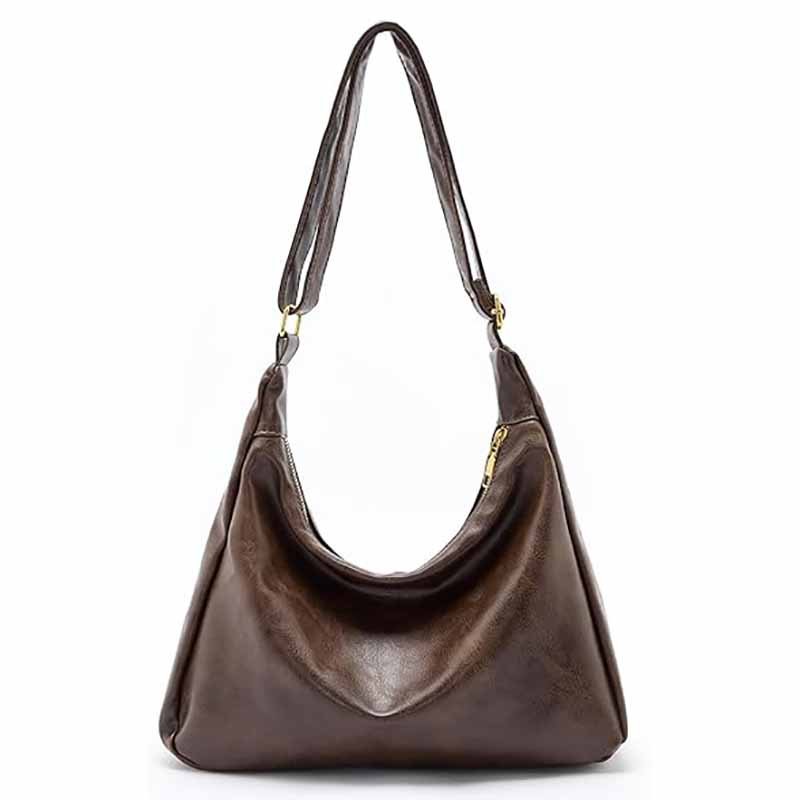
Cost differences are not random. They come from:
- Material grade
- Production tolerance
- Plating thickness
- Brand premium
- Order volume
- Regional distribution
Direct Overview
YKK usually carries a 10–30% premium over SBS. Custom zippers may reduce cost by 15–40%, but risk increases without strict quality control.
Real Cost Drivers in Leather Bag Zippers
1. Zipper Size
Larger zipper size means:
- More metal
- Heavier slider
- Thicker tape
- Higher production cost
| Size | Common Use | Relative Cost |
|---|---|---|
| #3 | Small leather goods | Low |
| #5 | Handbags, crossbody | Medium |
| #8 | Travel bags, totes | Medium–High |
| #10 | Heavy-duty leather bags | High |
Choosing #10 when #8 is sufficient increases cost unnecessarily.
2. Metal vs Coil
| Type | Cost Level | Durability | Aesthetic Value |
|---|---|---|---|
| Nylon Coil | Lower | Flexible, strong | Casual look |
| Metal Zipper | Higher | Very durable | Premium look |
| Molded Plastic | Medium | Impact resistant | Sport style |
Metal zippers often cost 20–40% more than coil of same size.
3. Custom Pullers
Adding logo engraving, special molds, or heavy pullers increases cost:
- New mold fee
- Tooling cost
- Higher MOQ
- Longer lead time
However, custom pullers significantly increase brand identity.
4. Hidden Cost Risk: Returns
Saving $0.25 per zipper across 5,000 units saves $1,250.
But if 2% failure leads to returns:
- Replacement cost
- Shipping cost
- Reputation damage
- Retail chargebacks
The real loss can exceed the savings.
Quick Positioning Guide for Cost Control
| Bag Positioning | Recommended Zipper Strategy |
|---|---|
| Luxury ($300+) | YKK or premium SBS with corrosion testing |
| Mid-tier ($100–300) | SBS with locked spec |
| Entry-level ($50–100) | Custom zipper + strict QC |
| Travel / heavy load | Upgrade size + slider strength first |
How Do You Reduce Risk with YKK vs SBS vs Custom Zippers?
The safest zipper is not chosen by logo alone — it is chosen by spec clarity, testing control, and sewing discipline.
Even a premium zipper can fail if:
- The wrong size is selected
- The sewing tension distorts tape
- The slider model does not match the chain type
- Production substitutes components without approval
Reducing risk requires structure before mass production.
Step 1: Lock the Zipper Specification
Many failures begin because the zipper is described too vaguely in the tech pack.
Instead of writing:
“Use YKK zipper”
Professional brands specify:
- Brand
- Series
- Size (#3, #5, #8, #10)
- Teeth type (metal, coil, molded)
- Slider model number
- Puller type
- Plating color code
- Tape color code
- Corrosion requirement (if applicable)
Why this matters
Without a locked spec, suppliers may substitute:
- Different slider model
- Different plating batch
- Different tape weave density
Small substitutions = big long-term risk.
Do You Need Testing for YKK vs SBS vs Custom Zippers?
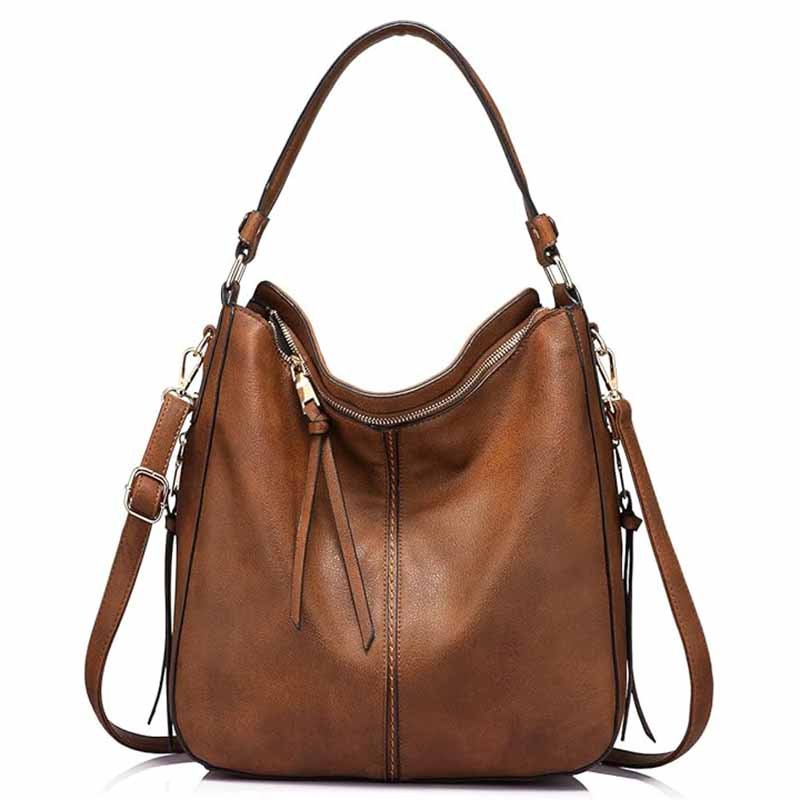
Yes — and testing should match product positioning.
Testing is not only for luxury brands. It is a cost-control tool.
Below are the most relevant tests for leather bag projects.
1. Cycle Test (Smoothness & Durability)
Measures how many times the zipper can open and close before performance drops.
Practical industry reference
| Zipper Type | Recommended Minimum Cycles |
|---|---|
| Small leather goods (#3) | 3,000 cycles |
| Handbags (#5) | 5,000 cycles |
| Travel / heavy bag (#8–#10) | 8,000–10,000 cycles |
Lower-tier custom zippers may show slider wear after 2,000–3,000 cycles.
If your leather bag is positioned as premium, request cycle test documentation.
2. Pull Strength Test
Measures how much force the zipper can withstand before separation.
General reference range
| Size | Safe Working Pull Range |
|---|---|
| #3 | 50–70 N |
| #5 | 90–120 N |
| #8 | 150–200 N |
| #10 | 200–300 N |
Heavy leather totes carrying 15kg+ should not use #3 or lightweight #5 zippers.
3. Salt Spray Test (For Metal Zippers)
Important for:
- Coastal markets
- Humid climates
- Travel leather bags
- Dark plating finishes (gunmetal, matte black)
Basic corrosion resistance tiers
| Hours | Level |
|---|---|
| 24 hrs | Basic |
| 48 hrs | Mid-level |
| 72–96 hrs | High durability |
Brands selling internationally should consider 48+ hours minimum.
Are Sewing Methods Critical for YKK vs SBS vs Custom Zippers?
Absolutely.
A high-quality zipper can still fail if sewing technique is wrong.
Leather bag sewing introduces special challenges:
- Thick leather edge pressure
- Edge paint stiffness
- Heavy lining layers
- Curved openings
Improper sewing can distort zipper tape and create future separation.
Common Sewing Mistakes That Increase Failure
- Over-tight top stitch → tape distortion
- Insufficient seam allowance → tearing risk
- Needle too thick → tape fiber damage
- No reinforcement at zipper ends → stop stress
- Poor alignment → friction + jamming
Sewing Control Table
| Risk Area | Preventive Action |
|---|---|
| Tape distortion | Control machine tension |
| End stress | Reinforce with bar-tack |
| Thick leather edge pressure | Trim seam bulk |
| Curved openings | Use flexible zipper type |
| Slider scratching leather | Test puller clearance |
In leather bags, zipper life is not only about hardware quality — it’s about integration with leather structure.
How Do You Confirm Real YKK vs SBS vs Custom Zippers?
Counterfeit hardware is a real risk in global sourcing.
Even legitimate suppliers may unintentionally mix batches if controls are weak.
Protection strategies:
- Request packaging verification
- Keep zipper batch photos on file
- Approve pre-production zipper sample
- Lock puller engraving mold
- Require consistent plating code
Traceability is especially important for brands with long reorder cycles.
Professional QC Checklist for Leather Bag Brands
Before mass production, brands should confirm:
Hardware Checklist
- Correct zipper size
- Correct slider model
- Smooth pull test (random check)
- No plating defects
- No color variation
- Tape color matches lining
- Stop secure
- No sharp edges
Functional Test Checklist
- Open/close test (20 cycles sample check)
- Load bag and test zipper tension
- Check for teeth alignment
- Confirm no gap after closure
- Test for noise or grinding feel
These checks reduce complaints before shipment.
Choosing the Right Strategy for Your Brand
Instead of asking “Which is best?”, ask:
- What is my target retail price?
- What complaint rate can I accept?
- Is my brand positioned as luxury or value?
- Will this bag be reordered long-term?
- Is it used in humid climates?
Strategic Overview
| Brand Position | Zipper Strategy |
|---|---|
| Luxury leather | YKK or premium SBS |
| Mid-tier retail | SBS with locked spec |
| Private label | Custom zipper + strong QC |
| Heavy load bag | Upgrade size first |
The right answer depends on your product positioning and risk tolerance.
Work with SzoneierLeather for Controlled Zipper Engineering
At SzoneierLeather, zipper selection is not treated as an afterthought.
With over 18 years in leather bag manufacturing.
Because we manage:
- Raw material sourcing
- Hardware supply chain
- Product design
- Sampling
- Manufacturing
- Packaging and QC
We can control zipper risk at every stage — not just at purchase.
If you are developing:
- Luxury leather handbags
- Leather travel bags
- High-end private label lines
- Structured leather totes
- Leather accessories requiring custom hardware
Send us your target price range, bag weight expectation, and market positioning.
We will recommend:
- The correct zipper size
- The right brand option (YKK vs SBS vs controlled custom)
- The appropriate plating level
- The correct reinforcement method
- Testing requirements
Reducing zipper failure risk is not about spending the most money.
It’s about spending correctly.
Contact SzoneierLeather today to request a custom quotation and zipper-engineered leather bag development plan.


