 Skip to content
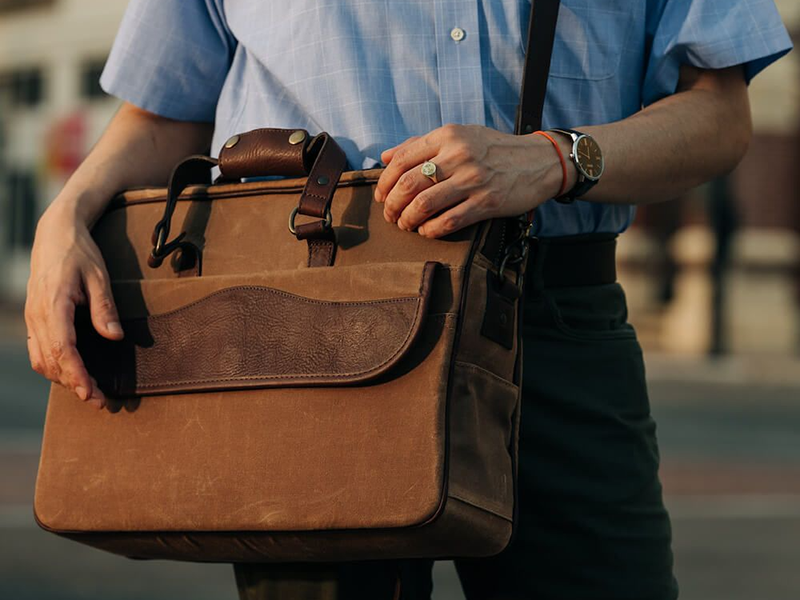
For decades, the briefcase has symbolized professionalism, authority, and structure. Walk into a corporate office in the 1980s or 1990s, and you would see rows of professionals carrying rigid leather briefcases—often identical in shape, color, and purpose. Fast forward to today, and the landscape looks very different. Briefcases still exist, but they’ve evolved in form, materials, and function. This evolution has led many people to ask two closely related questions: What materials are briefcases made of today? and Why do we see fewer traditional briefcases than before?
The answer is not that briefcases disappeared—but that the materials and design philosophy behind them changed. Modern professionals demand lighter weight, flexibility, comfort, and compatibility with digital devices. As a result, briefcase materials have expanded beyond classic leather into a broader mix of leathers, technical fabrics, and composite constructions.
Understanding briefcase materials is no longer just a matter of style—it directly affects durability, weight, structure, price, and how the bag fits into modern work life. For brands and buyers alike, choosing the right material determines whether a briefcase feels outdated or perfectly suited to today’s professional environment.
Briefcases are made from materials such as leather, synthetic leather, nylon, canvas, and hybrid fabric combinations. Traditionally, leather was the dominant material, valued for durability and professional appearance. Today, modern briefcases use lighter and more flexible materials to meet changing work styles. The choice of material affects structure, weight, durability, and how suitable a briefcase is for business, travel, or modern office use.
Briefcases didn’t disappear—they adapted. And that adaptation starts with material choice.
What Is a Briefcase
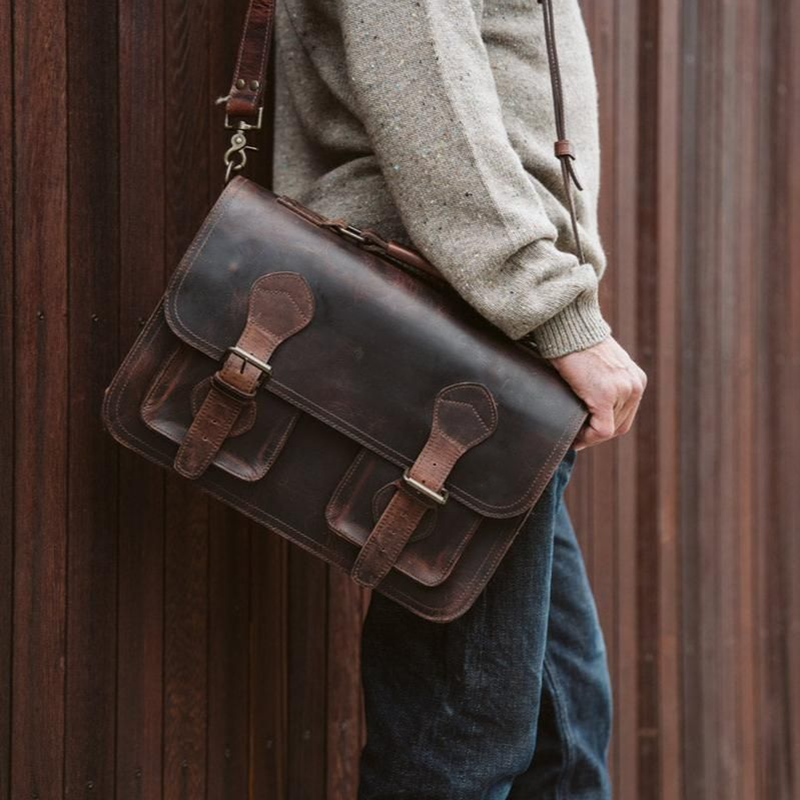
A briefcase is a structured bag designed for carrying professional items such as documents, laptops, and work essentials. Traditionally rectangular and hand-carried, modern briefcases may include shoulder straps and softer constructions. Briefcases emphasize organization, structure, and a professional appearance, distinguishing them from backpacks, totes, and casual bags.
What defines a briefcase?
A briefcase is defined by function and structure, not just appearance.
Core defining elements include:
- a rectangular or box-like silhouette
- internal compartments for documents or devices
- a focus on organized professional carry
- materials and construction that maintain shape
Even as designs evolve, a true briefcase is still meant to protect, organize, and present work-related items neatly.
How is a briefcase different from other types of bags?
Briefcases are often confused with messenger bags, tote bags, or laptop bags, but they serve a different role.
- Backpacks prioritize comfort and load distribution, not formality
- Tote bags focus on capacity but lack structure and organization
- Messenger bags lean casual and flexible
Briefcases sit in the middle ground: more structured and professional than most bags, but more flexible than traditional hard cases.
What items are briefcases designed to carry?
Historically, briefcases were made for:
- paper documents
- folders and contracts
- writing instruments
Today, modern briefcases are designed to carry:
- laptops and tablets
- chargers and accessories
- notebooks and small personal items
This shift in contents has strongly influenced material choice and construction style.
How has the briefcase evolved over time?
The classic briefcase was once:
- rigid
- heavy
- hand-carried only
- made from thick leather or hard materials
Modern briefcases have evolved to include:
- shoulder straps for comfort
- lighter materials
- softer structures
- hybrid designs combining leather and fabrics
The briefcase did not disappear—it adapted to modern work habits.
Why does structure matter in a briefcase?
Structure is essential because briefcases often carry valuable and fragile items.
A well-structured briefcase:
- keeps laptops and documents upright
- prevents bending or impact damage
- maintains a clean professional appearance
Too little structure leads to sagging and poor protection. Too much structure adds unnecessary weight. The ideal briefcase balances both.
Are modern briefcases still considered professional?
Yes—but professionalism has been redefined.
In today’s work environment:
- clean design matters more than rigidity
- material quality matters more than heaviness
- functionality matters more than tradition
Modern briefcases reflect confidence and practicality, not outdated formality.
Where do briefcases fit in today’s professional lifestyle?
Briefcases today are used by:
- business professionals
- executives and managers
- consultants and sales professionals
- remote workers and frequent travelers
They are chosen when users want:
- organization
- professional presentation
- compatibility with laptops and tech
This versatility explains why briefcases remain relevant across industries.
Common misconceptions about briefcases
- “Briefcases are outdated”
- “Briefcases are only for executives”
- “All briefcases are heavy and rigid”
In reality, modern briefcases are lighter, more flexible, and more diverse than ever before.
Which Materials Are Used for Classic Leather Briefcases
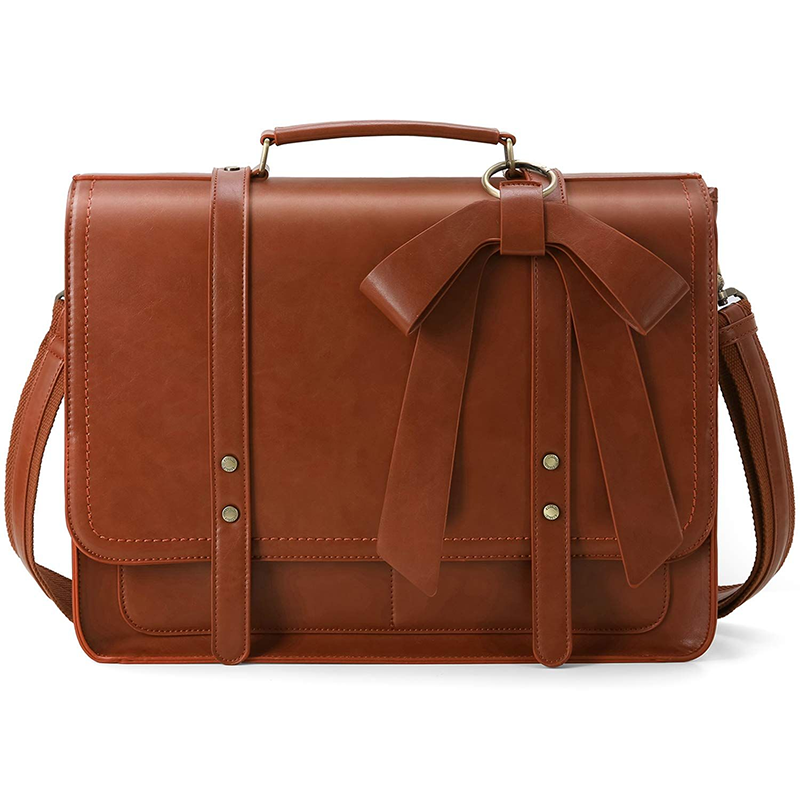
Classic leather briefcases are primarily made from genuine leather, especially full-grain and top-grain leather. These materials are chosen for their strength, durability, professional appearance, and ability to age well. Leather tanning methods and surface finishes further affect rigidity, texture, weight, and long-term performance, making material selection critical in classic briefcase design.
What are briefcases traditionally made of?
Historically, leather has been the defining material of the briefcase.
Traditional briefcases were made almost entirely from leather because leather:
- offers high tensile strength
- resists abrasion and tearing
- maintains a structured, professional form
- ages gracefully instead of wearing out
Early classic briefcases often used thick vegetable-tanned leather, which allowed the bag to hold a rigid shape even without internal frames. This construction reinforced the briefcase’s role as a symbol of authority and professionalism.
Which types of leather are used in classic briefcases?
Not all leather is suitable for briefcases. Classic leather briefcases typically use upper-grade hides.
Common leather types include:
- Full-grain leather
- Top-grain leather
- Corrected-grain leather (less common in premium models)
Lower-grade leathers are rarely used in quality briefcases because they lack the structural integrity required for long-term professional use.
What is full-grain leather and why is it preferred?
Full-grain leather is considered the highest-quality leather used in classic briefcases.
Key characteristics:
- retains the natural grain of the hide
- strongest fiber structure
- develops a natural patina over time
- resists cracking and peeling
Full-grain leather briefcases are often heavier and more expensive, but they offer maximum durability and long service life, making them ideal for premium and heritage-style briefcases.
What is top-grain leather and how does it differ?
Top-grain leather is slightly refined compared to full-grain leather.
Key differences:
- lightly sanded surface for uniform appearance
- smoother and more consistent texture
- slightly lighter and more flexible
- marginally less durable than full-grain
Top-grain leather is widely used in modern classic briefcases because it balances appearance, durability, and production consistency, making it suitable for branded and OEM collections.
How do leather tanning methods affect briefcases?
The tanning process dramatically affects how leather behaves in a briefcase.
- Vegetable-tanned leather
- firmer and stiffer
- excellent shape retention
- traditional look
- heavier weight
- Chrome-tanned leather
- softer and more flexible
- lighter weight
- better color consistency
- more comfortable for daily carry
Many modern classic briefcases use chrome-tanned or combination-tanned leather to reduce weight while preserving structure.
How do surface finishes influence briefcase performance?
Leather finishes affect both appearance and durability.
Common finishes include:
- Aniline finish – natural look, visible grain, requires care
- Semi-aniline finish – balanced protection and natural feel
- Pigmented finish – uniform color, higher stain resistance
Classic business briefcases often favor semi-aniline finishes, which offer a professional look while handling daily wear.
Does leather thickness matter in briefcases?
Yes—leather thickness directly affects structure and comfort.
- Thick leather (1.8–2.2 mm):
- strong shape retention
- heavier weight
- Medium thickness (1.4–1.8 mm):
- balanced rigidity
- more comfortable for shoulder carry
Premium manufacturers select thickness carefully and combine it with internal reinforcements to avoid excessive weight.
Why leather remains relevant for classic briefcases
Despite new materials, leather remains central to classic briefcase design because it uniquely combines:
- professional appearance
- structural strength
- long lifespan
- brand prestige
For business users, leather communicates reliability and credibility in ways most fabrics cannot.
Which Non-Leather Materials Are Used
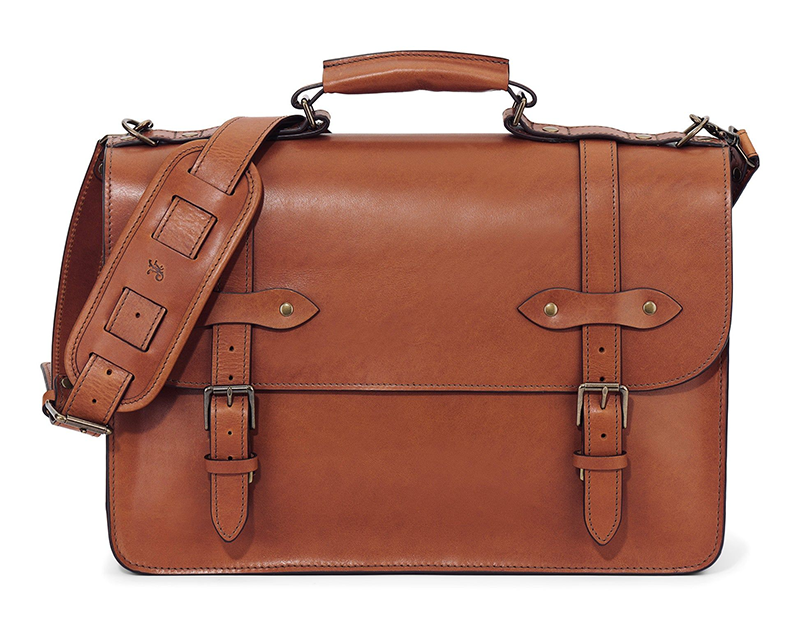
Modern briefcases are made from non-leather materials such as nylon, polyester, canvas, PU leather, vegan leather, and hybrid material combinations. These materials are chosen to reduce weight, increase flexibility, improve weather resistance, lower cost, and better support modern commuting, travel, and tech-focused work styles. Each material offers different trade-offs in durability, structure, appearance, and lifespan.
What role do non-leather materials play in modern briefcases?
Non-leather materials became common not because leather failed—but because work habits changed.
As laptops replaced paper files and commuting increased, users demanded:
- lighter bags
- more flexibility
- better comfort during long carries
- improved resistance to weather
Non-leather materials allow briefcases to meet these needs while reducing cost and weight compared to traditional all-leather designs.
Nylon briefcases
Nylon is one of the most widely used non-leather materials in modern briefcases.
Key characteristics:
- very high tear and abrasion resistance
- lightweight relative to strength
- excellent compatibility with water-resistant coatings
High-denier nylon (e.g., 840D–1680D) is commonly used in:
- commuter briefcases
- travel and flight-friendly briefcases
- tech-focused business bags
Nylon briefcases are favored where durability and mobility matter more than formal appearance.
Polyester briefcases
Polyester is often used as a cost-effective alternative to nylon.
Key characteristics:
- good durability for daily use
- lower cost and easier mass production
- stable color performance
Compared to nylon:
- slightly lower tear resistance
- slightly heavier at equivalent thickness
Polyester briefcases are common in:
- entry-level business briefcases
- corporate promotional or bulk programs
- price-sensitive markets
They offer solid performance when reinforced at stress points.
Canvas briefcases
Canvas briefcases offer a more casual, lifestyle-oriented appearance.
Key characteristics:
- woven cotton or cotton-blend fabric
- breathable and tactile surface
- strong when tightly woven
Canvas is often used in:
- casual or creative-industry briefcases
- vintage-style or heritage designs
Without reinforcement, canvas may wear faster at corners and handles, so premium canvas briefcases usually include:
- leather reinforcements
- thicker weaves
- internal structural panels
PU leather and vegan leather briefcases
PU leather (synthetic leather) is widely used in modern briefcases for its visual consistency.
Key characteristics:
- uniform surface and color
- lower cost than genuine leather
- lighter weight
PU and vegan leather briefcases are popular in:
- fashion-oriented designs
- budget or mid-range products
- markets prioritizing animal-free materials
However, they generally:
- do not age like leather
- have a shorter lifespan
- rely heavily on backing fabric quality
They perform best when used selectively or in hybrid designs.
Hybrid material briefcases
Many modern briefcases use hybrid constructions, combining leather and non-leather materials.
Common combinations:
- leather handles + nylon body
- leather panels + canvas shell
- fabric exterior + leather reinforcements
Hybrid designs allow brands to:
- reduce overall weight
- control cost
- retain premium touchpoints
- improve real-world usability
This approach has become one of the most common briefcase construction strategies today.
How do non-leather materials compare to leather in real use?
Compared to leather, non-leather materials typically:
- weigh less
- offer better flexibility
- perform better in wet conditions
- cost less
However, they usually sacrifice:
- long-term aging character
- natural patina
- traditional luxury perception
This trade-off explains why many premium briefcases now combine both leather and non-leather materials.
Are non-leather briefcases less durable?
Not necessarily.
A well-constructed nylon or hybrid briefcase can:
- outlast poorly constructed leather bags
- perform better in daily commuting
- resist abrasion and moisture more effectively
Durability depends on material + construction + use case, not material alone.
Why brands increasingly choose non-leather materials
From a brand and OEM perspective, non-leather materials offer:
- more predictable sourcing
- consistent appearance across batches
- easier scalability
- broader market appeal
They also support modern brand narratives around mobility, sustainability, and versatility.
How Do Material Choices Affect Durability and Performance
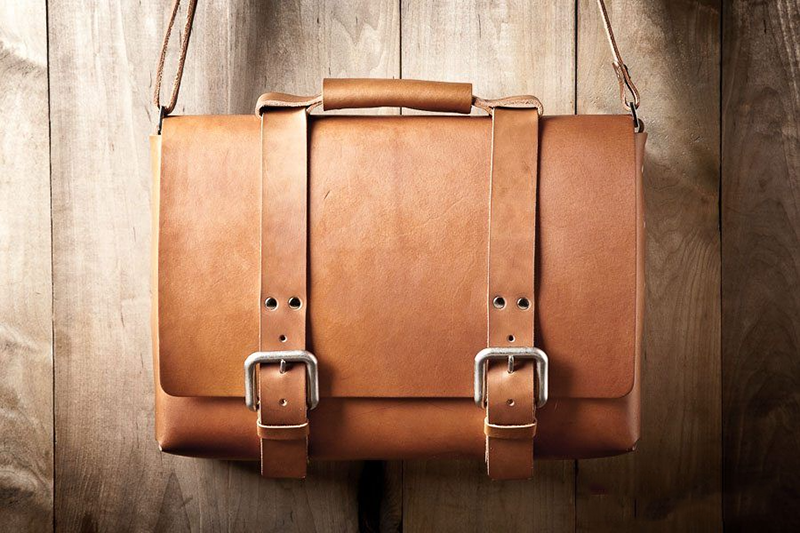
Material choices directly affect a briefcase’s durability, weight, structure, comfort, and lifespan. Leather offers long-term strength and shape retention, while fabrics like nylon and polyester improve flexibility and reduce weight. Performance depends not only on material type, but also on thickness, weave density, coatings, and how the material is combined with internal structure and stitching.
How does material strength influence durability?
Durability starts with tensile strength and fiber structure.
- Leather has interwoven natural fibers that resist tearing and stretching over time, making it ideal for long-term use.
- Nylon offers excellent tensile and tear strength relative to its weight, especially in high-denier weaves.
- Polyester is slightly less tear-resistant than nylon but still performs well in daily commuting use.
- Canvas relies on weave density; tightly woven canvas is durable, while loose weaves wear faster.
Stronger materials resist failure at stress points such as handles, corners, and strap attachments.
How does material thickness affect performance?
Thickness directly impacts structure and longevity, but also weight.
- Thicker leather maintains shape longer but increases carrying fatigue.
- Thin leather requires reinforcement or it will sag over time.
- Fabric thickness alone is not enough—coatings and backing layers matter more.
High-quality briefcases balance thickness with internal reinforcement to avoid unnecessary bulk.
How do materials handle abrasion and daily wear?
Abrasion resistance determines how a briefcase looks after months or years of use.
- Leather develops patina rather than surface damage when properly finished.
- Nylon resists abrasion extremely well, making it ideal for travel and commuting.
- Polyester shows surface wear faster but remains structurally intact.
- Canvas may fray at edges without reinforcement.
Abrasion performance strongly affects customer satisfaction and perceived quality.
How do materials affect weight and carrying comfort?
Weight is a major performance factor in modern briefcases.
- Leather is heavier but feels solid and premium.
- Nylon and polyester significantly reduce total bag weight.
- Hybrid designs combine leather panels with fabric bodies to balance both.
Lighter materials reduce shoulder and hand fatigue, especially for users carrying laptops daily.
How does flexibility impact real-world usability?
Flexibility affects how a briefcase moves with the body.
- Rigid leather briefcases protect contents well but feel restrictive.
- Fabric briefcases flex naturally, improving comfort in transit.
- Overly flexible designs may lack protection without padding.
Modern performance briefcases aim for controlled flexibility rather than extreme rigidity.
How do materials interact with structure and construction?
Material alone does not determine performance—construction completes the system.
Critical construction elements include:
- seam reinforcement
- edge binding
- stress-point bartacking
- internal panels and padding
A strong material with poor construction will fail faster than a moderate material with excellent engineering.
How do materials affect weather resistance?
Environmental resistance is increasingly important.
- Nylon and polyester can be coated for water resistance.
- Leather requires finishing treatments to resist moisture.
- Canvas absorbs water unless waxed or coated.
Material choice determines how well a briefcase performs in rain, humidity, and temperature changes.
How does material choice influence lifespan?
Lifespan is a combination of material aging behavior and user habits.
- Leather ages slowly and can last decades with care.
- Fabrics maintain function but may lose aesthetic appeal sooner.
- Synthetic materials have predictable lifespans but limited aging character.
Brands must decide whether longevity, appearance retention, or cost efficiency is the priority.
Common durability misconceptions
- Thicker always means stronger
- Leather always outperforms fabrics
- Fabric briefcases are disposable
In reality, material performance is contextual, depending on use case, construction, and expectations.
What Materials Are Best for Specific Use Cases
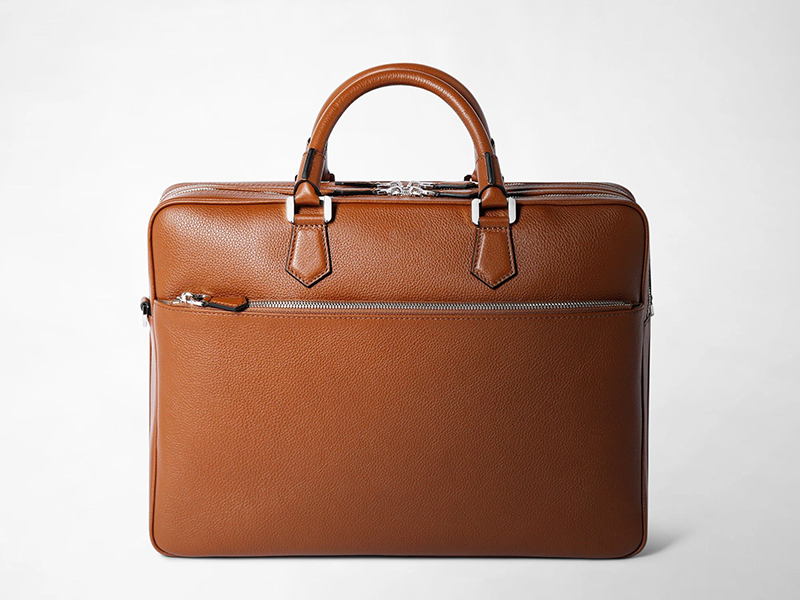
The best briefcase material depends on how it will be used. Leather suits formal business environments, nylon and polyester work best for travel and commuting, canvas fits casual or creative use, and hybrid materials balance durability, weight, and appearance for modern professionals. Choosing materials based on real use cases leads to better comfort, longer lifespan, and higher satisfaction.
Which materials are best for formal business professionals?
For traditional corporate and client-facing roles, leather remains the preferred material.
Best choices:
- Full-grain leather for premium executive briefcases
- Top-grain leather for daily professional use
Why leather works best:
- maintains a structured, authoritative shape
- aligns with formal dress codes
- ages gracefully and signals long-term value
These briefcases are ideal for lawyers, executives, consultants, and managers who prioritize professional image and longevity over weight savings.
Which materials work best for daily commuting?
Daily commuting places different demands on a briefcase.
Best choices:
- Nylon (high-denier, abrasion-resistant)
- Polyester (reinforced, lightweight)
- Leather–fabric hybrid constructions
Why:
- lighter weight reduces shoulder and hand fatigue
- better flexibility for crowded public transport
- improved resistance to weather and friction
Commuter briefcases focus on comfort, mobility, and durability, rather than rigid structure.
Which materials are ideal for travel and frequent flyers?
Travel-focused briefcases prioritize weight, flexibility, and adaptability.
Best choices:
- Nylon or polyester shells
- Hybrid designs with leather handles or panels
Key advantages:
- easier to fit under airplane seats
- better resistance to scuffing and moisture
- reduced overall luggage weight
For travelers, material choice often matters more than appearance.
What materials suit tech and laptop briefcases?
Tech-focused briefcases protect electronics rather than paper documents.
Best choices:
- Nylon with padded interiors
- Polyester with protective coatings
- Hybrid briefcases with structured padding zones
Why:
- fabrics absorb impact better than rigid leather
- lighter weight balances the added load of devices
- easier integration of padded compartments
These briefcases are designed for modern digital workflows.
Which materials are best for casual or modern work lifestyles?
As work environments become more casual, materials evolve accordingly.
Best choices:
- Canvas
- Soft leather
- Leather–canvas hybrids
Why:
- relaxed appearance fits creative or flexible workplaces
- lighter and more tactile feel
- adaptable to different outfits and settings
These materials support professionals who value versatility over formality.
What materials are suitable for budget or entry-level briefcases?
Price-sensitive markets require careful material balancing.
Common choices:
- PU leather
- Polyester fabrics
Advantages:
- controlled cost
- consistent appearance
- easier large-scale production
However, these materials often trade off long-term durability, so they work best for:
- short-term use
- promotional programs
- entry-level product lines
Why hybrid materials dominate modern briefcase design
Hybrid briefcases combine the strengths of multiple materials.
Typical hybrid configurations:
- leather handles + nylon body
- leather base panels + fabric shell
- leather accents on fabric briefcases
Benefits:
- reduced weight
- improved comfort
- premium touchpoints without full leather cost
- better real-world performance
From a manufacturing perspective, hybrids offer the best balance of performance, cost, and market appeal.
How climate and environment affect material choice
Environmental conditions matter more than many buyers realize.
- Humid or rainy climates favor nylon or coated fabrics
- Dry, indoor office environments suit leather
- Travel-heavy use favors abrasion-resistant fabrics
Ignoring climate often leads to premature wear or dissatisfaction.
How brands should match materials to target customers
For brands, material choice should reflect customer behavior, not just price.
Successful brands ask:
- How will customers use the briefcase daily?
- How long will they carry it?
- What environments will it face?
Material decisions should be based on use patterns, not assumptions.
How Do You Choose the Right Briefcase Material
To choose the right briefcase material, consider how the briefcase will be used, what it will carry, how often it will be carried, and the environment it will be used in. Leather suits formal business use, fabrics like nylon suit commuting and travel, and hybrid materials offer balance for modern professionals. The best choice matches real daily needs, not just appearance.
Step 1: What is the primary purpose of the briefcase?
Material selection should always start with use case, not style.
Ask:
- Is this briefcase for formal business meetings or daily commuting?
- Will it be used occasionally or every day?
- Is professional appearance more important than weight and flexibility?
If the briefcase is primarily client-facing, leather is often the safest choice. If it is used daily in transit-heavy routines, lighter fabrics or hybrids perform better.
Step 2: What items will the briefcase carry?
Contents directly influence material requirements.
- Paper documents and folders → structured leather or reinforced hybrids
- Laptops, tablets, chargers → padded fabric or hybrid materials
- Mixed work and personal items → flexible materials with internal support
Heavier or fragile items require materials that work well with internal structure and padding, not just strong outer shells.
Step 3: How much weight and comfort can you tolerate?
Weight is one of the most underestimated factors in briefcase satisfaction.
- Full-leather briefcases feel solid but add noticeable weight
- Nylon and polyester reduce carrying fatigue
- Hybrid designs offer premium touchpoints without full leather weight
For users carrying a briefcase for several hours a day, lighter materials often deliver better long-term comfort.
Step 4: What level of structure do you need?
Material choice affects how rigid or flexible a briefcase feels.
- Leather naturally supports structure and shape
- Fabrics require internal panels to maintain form
- Soft materials improve comfort but may sacrifice organization
Choose structure based on whether you value presentation and order or flexibility and movement.
Step 5: How does environment and climate affect material choice?
Environmental conditions matter more than many buyers expect.
- Rainy or humid climates favor coated fabrics and nylon
- Dry, indoor office environments suit leather well
- Travel-heavy use favors abrasion-resistant fabrics
Choosing the wrong material for the environment often leads to premature wear or dissatisfaction.
Step 6: How important is long-term durability and aging?
Different materials age in different ways.
- Leather develops patina and character over time
- Fabrics maintain function but may lose aesthetic appeal sooner
- PU and synthetic materials have predictable but shorter lifespans
If longevity and aging matter, leather or leather-based hybrids are superior.
Step 7: How does budget influence material decisions?
Budget should guide material choice—but not blindly.
- Lower budgets often use polyester or PU leather
- Mid-range budgets allow hybrids and top-grain leather
- Premium budgets support full-grain leather and advanced construction
The goal is not the cheapest material, but the best value for the intended lifespan.
Step 8: Are sustainability or ethical factors important?
More buyers now consider sustainability.
Material options include:
- vegetable-tanned leather
- recycled nylon or polyester
- vegan leather alternatives
Brands increasingly choose materials that align with their sustainability narrative while still meeting performance expectations.
Step 9: Should brands choose standard materials or custom solutions?
For individual users, off-the-shelf options may be sufficient. For brands, custom material selection is a strategic advantage.
Customization allows:
- matching materials to target users
- balancing cost, durability, and appearance
- differentiating from generic market products
This is where working with an experienced manufacturer like Szoneier Leather becomes critical.
Common mistakes when choosing briefcase materials
- Choosing leather purely for tradition
- Ignoring weight and daily comfort
- Overlooking climate and travel needs
- Assuming thicker always means better
- Prioritizing price over performance
Avoiding these mistakes leads to higher satisfaction and longer product life.
Conclusion
Briefcases are no longer one-size-fits-all products. Today’s market demands the right material, the right structure, and the right balance between tradition and modern use.
Szoneier Leather has over 18 years of experience in the research, development, and manufacturing of leather products.
Whether you are developing a classic leather briefcase, a modern hybrid design, or upgrading an existing product line, Szoneier Leather helps transform material expertise into market-ready products.
Contact Szoneier Leather today to discuss your custom briefcase project and build products that match how professionals actually work today.


