 Skip to content
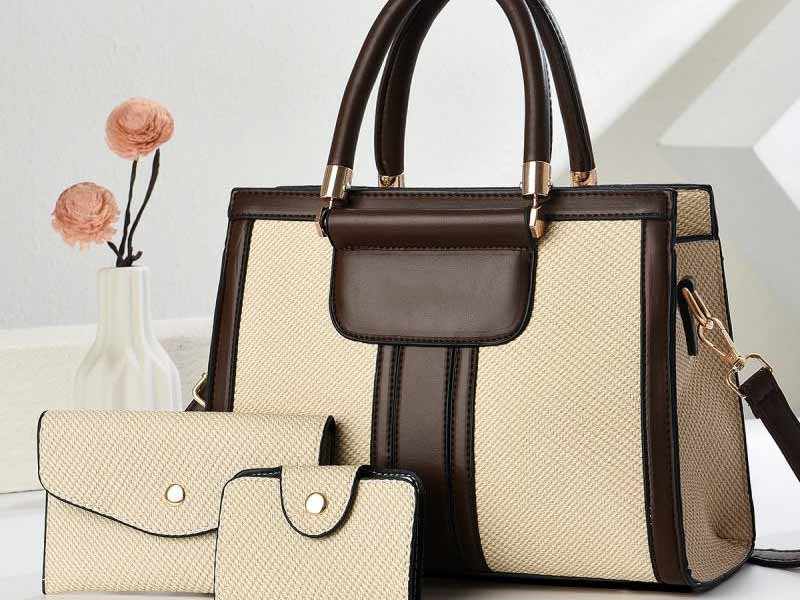
In recent years, PU leather purses have quietly taken over storefronts, online marketplaces, and even premium fashion collections. You’ll find them everywhere—from minimalist everyday totes to bold runway-inspired handbags—often at a fraction of the price of genuine leather. Yet for many buyers, the question remains unresolved: What exactly is a PU leather purse, and is it actually a good choice?
Some consumers see PU leather as a smart, cruelty-free alternative to real leather. Others associate it with peeling surfaces, short lifespans, or a “cheap” feel. Brands, on the other hand, are caught in the middle—balancing cost, aesthetics, durability, sustainability claims, and customer expectations. The reality is far more nuanced than a simple “good” or “bad” label.
A PU leather purse is a handbag made from polyurethane-coated material bonded to a fabric backing, designed to mimic the look and feel of real leather. It offers consistent texture, wide design flexibility, and lower cost than genuine leather. While PU leather does not age like real leather, high-quality PU—especially microfiber PU—can perform well for fashion, daily use, and private-label brands when properly specified and manufactured.
Behind every PU leather purse is a set of technical decisions—materials, coating thickness, base fabric, construction, and quality control—that determine whether it becomes a best-selling product or a short-lived disappointment. Let’s break it all down, step by step, and look at PU leather from a professional, manufacturer-level perspective.
What Is a PU Leather Purse?
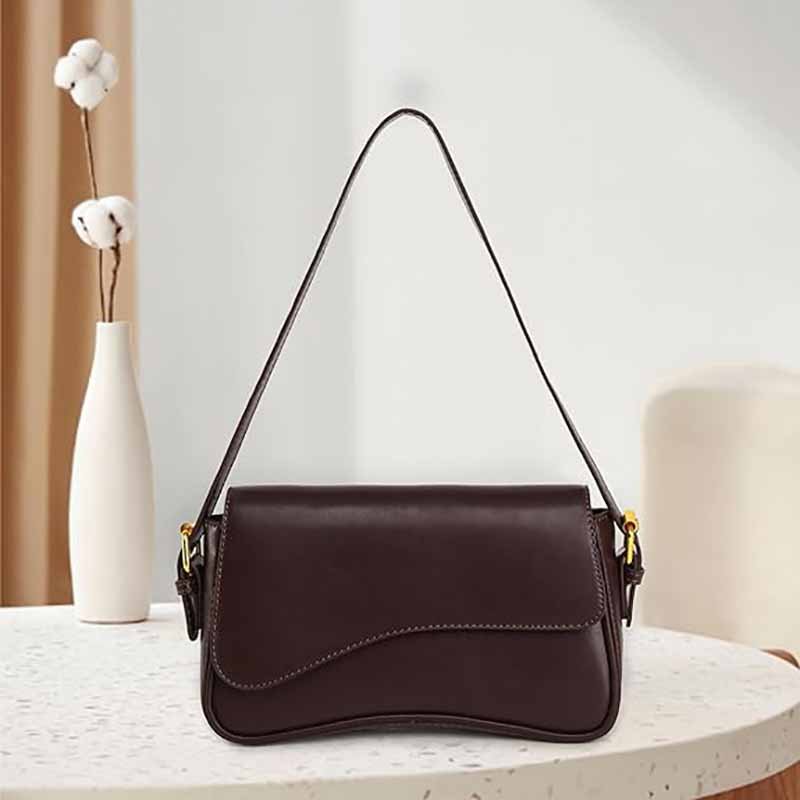
A PU leather purse is a handbag made from polyurethane (PU) leather, a synthetic material created by applying a PU coating to a fabric backing such as polyester, cotton, or microfiber. It is designed to replicate the look and texture of real leather while offering lower cost, consistent appearance, and greater flexibility in color and surface finishes. PU leather purses are widely used in fashion, lifestyle, and private-label handbag collections.
What does “PU leather” mean on a purse label?
When a purse is labeled PU leather, it means the bag is made from polyurethane-based synthetic leather, not animal hide. PU leather is an engineered material: manufacturers apply one or more layers of liquid polyurethane onto a fabric base, then emboss, cure, and finish the surface to resemble natural leather grain.
From a buyer’s perspective, this label communicates three key things:
- Material origin – it is synthetic, not genuine leather
- Performance profile – stable appearance, uniform texture
- Price positioning – generally more affordable than real leather
Unlike genuine leather, PU leather does not vary from hide to hide. This consistency is one reason many brands rely on PU leather for large-scale production and color-matched collections.
Is PU leather the same as faux leather or vegan leather?
PU leather is a type of faux leather, but the terms are not perfectly interchangeable. Faux leather is a broad category that includes PU leather, PVC leather, and blended synthetics. Among them, PU leather is generally considered the most balanced option in terms of softness, weight, flexibility, and appearance.
The term “vegan leather” is a marketing-driven label rather than a technical one. PU leather is often marketed as vegan leather because it contains no animal-derived materials. However, not all vegan leathers perform equally well—some plant-based alternatives still rely on PU coatings, while others trade durability for sustainability claims.
For informed buyers and brands, the key question is not what it’s called, but how it performs in real use.
What does a PU leather purse look and feel like compared to real leather?
Visually, a high-quality PU leather purse can look very close to real leather, especially in structured designs such as totes, crossbody bags, and fashion handbags. PU leather offers:
- Uniform grain patterns
- Controlled gloss or matte finishes
- Stable, repeatable colors
To the touch, PU leather typically feels smoother and cooler than real leather. It lacks the natural pores and fiber variation of animal hide, which means it does not soften or develop patina over time.
This difference matters in long-term use:
- Real leather ages and evolves
- PU leather stays consistent, then eventually degrades
Understanding this distinction helps buyers choose PU leather for the right applications—fashion-forward designs, seasonal collections, and value-driven handbags—rather than expecting it to behave like genuine leather.
Why are PU leather purses so common in today’s handbag market?
PU leather purses dominate modern handbag markets for practical reasons:
- Cost efficiency – significantly lower material cost than real leather
- Design freedom – easy to achieve bold colors, textures, and patterns
- Consistency – ideal for large-scale, repeat production
- Cruelty-free positioning – aligns with vegan and ethical branding
For many brands, especially fashion and lifestyle labels, PU leather allows faster product development cycles and tighter cost control without sacrificing visual appeal.
What is a PU leather purse not designed to do?
To meet user expectations honestly, it’s equally important to clarify limitations. A PU leather purse is not designed to:
- Last decades like full-grain leather
- Be reconditioned or repaired once peeling begins
- Develop natural aging character
When PU leather is used with clear positioning and proper material specification, it performs exactly as intended. Problems arise only when it is marketed or expected to behave like genuine leather.
How Is PU Leather Made?
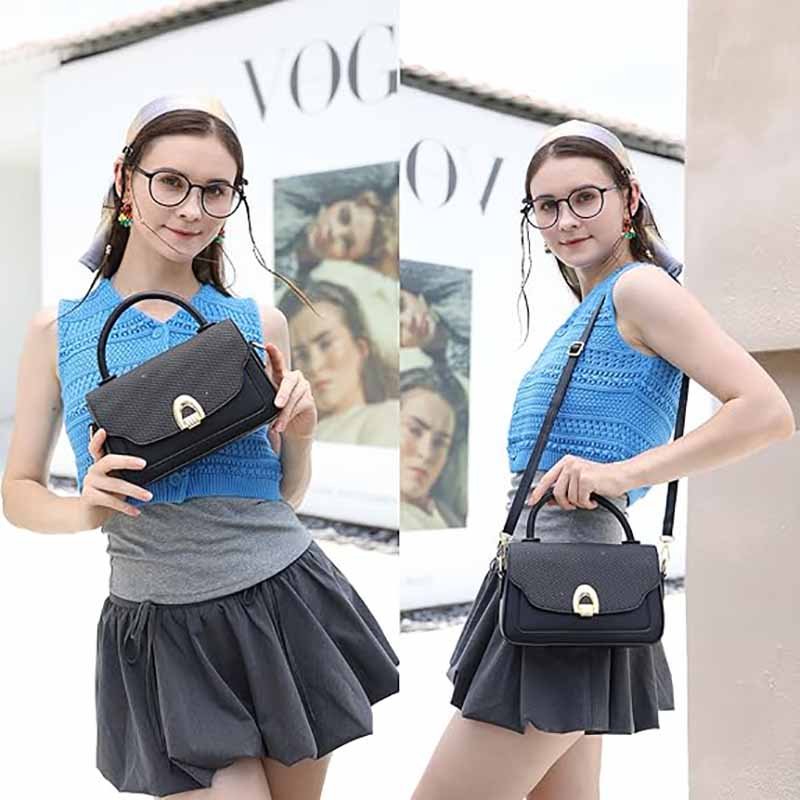
PU leather is made by applying one or more layers of liquid polyurethane (PU) onto a fabric backing, then curing, embossing, and finishing the surface to mimic natural leather. The manufacturing process includes base fabric preparation, PU coating formulation, controlled curing, surface texturing, and topcoat finishing. Material quality depends heavily on coating structure, backing fabric type, and process control rather than appearance alone.
What materials are used to make PU leather?
PU leather is a composite material, meaning its performance comes from how multiple layers work together—not from a single ingredient.
The two core components are:
- Polyurethane (PU) coating This synthetic polymer forms the visible surface. Its formulation controls softness, elasticity, abrasion resistance, and aging behavior. High-quality PU uses flexible polymer chains that resist cracking during repeated bending.
- Fabric backing (substrate) The backing provides structural strength. Common options include polyester, cotton, and microfiber. Among them, microfiber backing delivers the highest tear strength and durability, especially important for handbags that carry weight.
Additives such as stabilizers, pigments, and anti-aging agents are often blended into the PU to improve performance and color fastness.
How is the fabric backing prepared before PU coating?
Before any PU is applied, the fabric backing undergoes pre-treatment, which is critical for bonding strength and long-term durability.
Key preparation steps include:
- Surface cleaning to remove oils or dust
- Tension control to prevent distortion
- Primer application to enhance adhesion
Poor pre-treatment leads to delamination, one of the most common causes of PU leather peeling. This step is invisible to consumers but fundamental to quality PU leather production.
How is polyurethane applied to create the leather-like surface?
The PU coating is applied using controlled spreading or transfer coating techniques. Depending on the target quality level, manufacturers may apply:
- Single-layer PU (low-cost, limited durability)
- Multi-layer PU systems (soft base layer + tough topcoat)
Each layer is applied in liquid form, then partially cured before the next layer is added. This layered structure allows manufacturers to fine-tune flexibility and abrasion resistance—key for purse panels, handles, and corners.
How is PU leather embossed to look like real leather?
Once the PU layers reach the correct viscosity, the surface is embossed using heated rollers engraved with leather-grain patterns. Common embossing styles include:
- Smooth / flat
- Pebbled grain
- Crosshatch (Saffiano-style)
- Vintage or distressed textures
Embossing not only defines appearance but also affects performance. Textured surfaces better hide scratches and wear, making them ideal for everyday PU leather purses.
How is PU leather cured, stabilized, and finished?
After embossing, PU leather undergoes curing, allowing the polymer structure to stabilize. Proper curing ensures elasticity and prevents early cracking.
Final finishing steps may include:
- Topcoat application for scratch resistance
- Matte or gloss adjustment
- Color locking and UV resistance treatment
These finishing layers play a major role in odor control, surface feel, and aging behavior—factors that directly influence customer satisfaction.
How does the manufacturing process affect PU leather quality for purses?
Two PU leathers may look identical at first glance yet perform very differently in real use. Key quality differences come from:
- Coating thickness and elasticity balance
- Backing fabric density
- Adhesion strength between layers
- Process consistency and curing control
For handbags, especially those intended for daily use, process control matters more than raw material cost. Well-engineered PU leather bends thousands of times without cracking, while poorly made PU fails quickly at stress points.
Which Types of PU Leather Are Used for Purses?
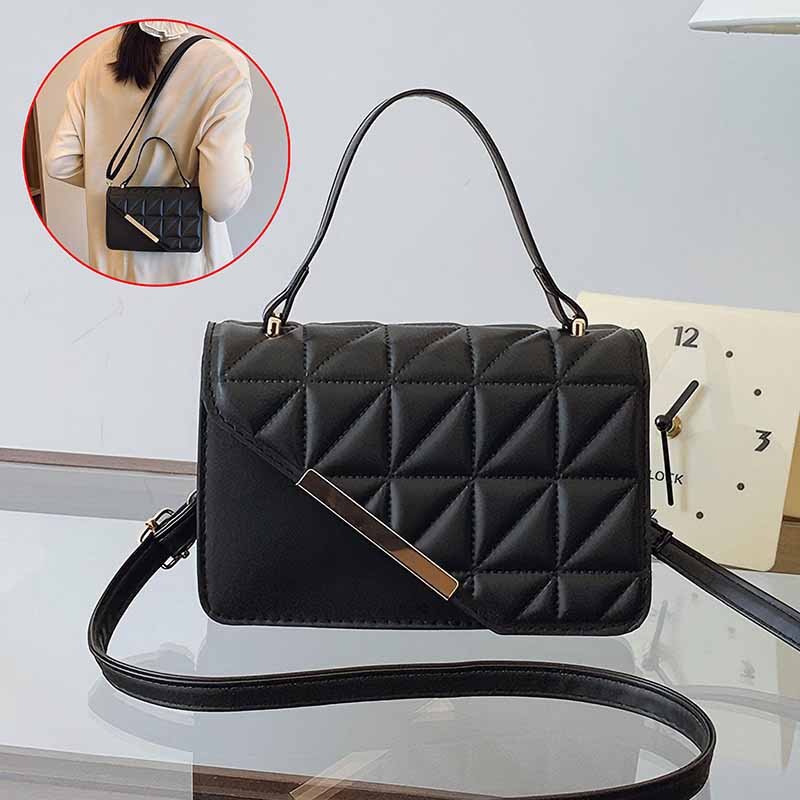
PU leather used for purses varies widely in quality and performance. Common types include standard PU leather, microfiber PU leather, reinforced PU leather, and specialty-finish PU leather. Among these, microfiber PU leather offers the best durability and flexibility for everyday handbags, while standard PU is typically used for fashion-focused or seasonal purses. Choosing the right PU type depends on usage, structure, and price positioning.
What is standard PU leather and when is it used for purses?
Standard PU leather is the most commonly used synthetic leather in handbags. It consists of a polyurethane coating applied to a woven polyester or cotton backing. This type of PU leather is lightweight, cost-efficient, and easy to manufacture in a wide range of colors and textures.
Standard PU leather is best suited for:
- Fashion-forward purses
- Seasonal or trend-driven collections
- Lightweight handbags and clutches
However, its woven backing provides limited resistance to repeated bending. For purses designed to carry heavy loads or daily essentials, standard PU may show wear sooner, particularly at folds and corners.
What is microfiber PU leather and why is it considered premium?
Microfiber PU leather is widely regarded as the highest-grade PU leather for purses. Instead of woven fabric, it uses a dense non-woven microfiber base that closely resembles the fiber structure of real leather.
Key advantages include:
- Higher tear and tensile strength
- Superior flexibility under repeated bending
- Stronger bonding between PU coating and backing
- Better resistance to peeling and cracking
Because of these properties, microfiber PU leather is commonly used for:
- Everyday handbags
- Structured totes and work bags
- Higher-priced PU purse collections
For brands seeking long-term customer satisfaction, microfiber PU is often the most reliable option.
What is reinforced PU leather and how does it improve purse durability?
Reinforced PU leather incorporates additional support layers—such as scrim fabric, thicker PU films, or internal fiber meshes—between the coating and backing. These reinforcements increase dimensional stability and load-bearing capacity.
This type of PU leather is especially effective for:
- Tote bag bases
- Handle attachment zones
- Large-format purses
While slightly stiffer than standard PU, reinforced PU significantly reduces deformation and stress-related cracking, making it suitable for purses designed for daily commuting or travel.
What is bonded leather and why is it not recommended for purses?
Bonded leather is often confused with PU leather but performs very differently. It is made from shredded leather scraps mixed with adhesives and topped with a synthetic coating. Although it contains real leather fibers, its internal structure is weak.
For purses, bonded leather:
- Cracks and flakes easily
- Performs poorly at fold points
- Has limited lifespan
How do surface finishes create different PU leather categories?
PU leather is further categorized by surface finish, which affects both appearance and durability:
| PU Finish Type | Visual Effect | Practical Benefit |
|---|---|---|
| Smooth / Matte | Clean, modern look | Easy to clean |
| Pebbled grain | Natural leather-like | Hides wear well |
| Crosshatch (Saffiano) | Structured, luxury style | Scratch resistance |
| Glossy | High-fashion appeal | Lower abrasion tolerance |
Textured finishes generally perform better for everyday purses because they conceal minor scratches and creases over time.
Which PU leather types are best for different purse styles?
Different purse designs demand different PU leather types:
| Purse Type | Recommended PU Leather |
|---|---|
| Fashion clutch | Standard PU |
| Crossbody bag | Microfiber PU |
| Tote / work bag | Reinforced or microfiber PU |
| Vegan luxury purse | High-grade microfiber PU |
Matching PU leather type to bag structure is one of the most important—but often overlooked—steps in purse development.
How Durable Is a PU Leather Purse?
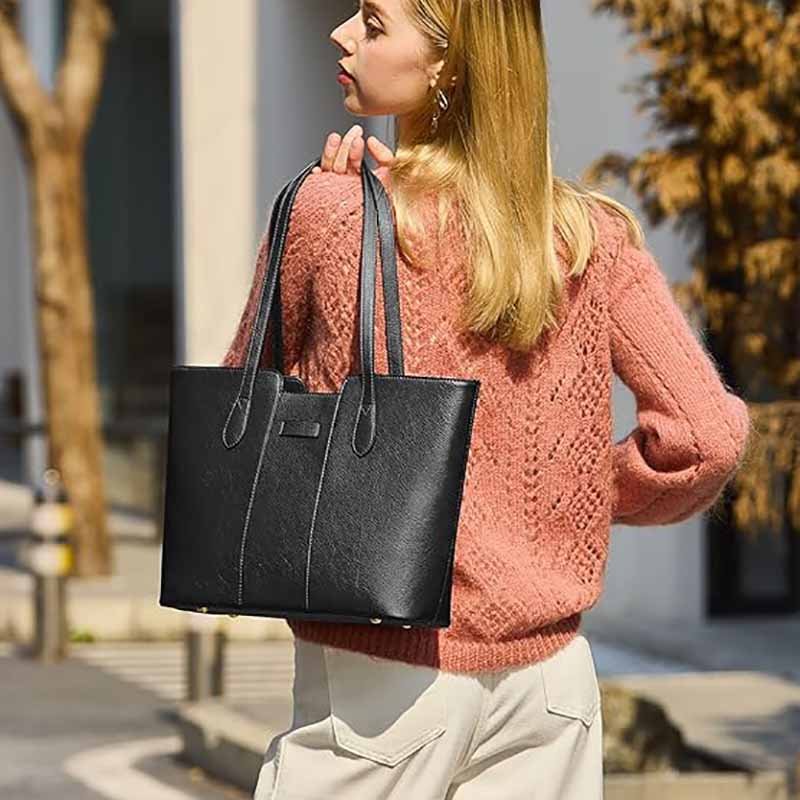
A PU leather purse typically lasts between 2 and 5 years, depending on material grade, construction quality, usage frequency, and care. High-quality microfiber PU leather can withstand daily use for several years, while low-grade PU may peel or crack within 12–24 months. Unlike real leather, PU leather does not improve with age and cannot be restored once surface degradation begins.
How long does a PU leather purse usually last in real use?
In real-world conditions, most PU leather purses last around 3 years. This estimate assumes regular use, moderate weight load, and proper storage. However, durability varies widely by material grade:
| PU Leather Grade | Typical Lifespan | Common Use |
|---|---|---|
| Low-grade standard PU | 1–2 years | Fast fashion purses |
| Mid-grade PU | 2–3 years | Everyday fashion bags |
| Microfiber PU | 3–5 years | Daily-use handbags |
Daily commuting, frequent opening and closing, and carrying heavy items accelerate wear, especially at fold points and strap connections.
What factors most affect the durability of a PU leather purse?
PU leather durability is not determined by appearance alone. The most influential factors include:
- Backing fabric strength – microfiber backings resist tearing and bending far better than woven polyester.
- PU coating elasticity – flexible coatings tolerate repeated folding without cracking.
- Coating thickness balance – too thin peels, too thick becomes brittle.
- Bag construction – reinforced seams, edge paint, and stress-point backing dramatically extend lifespan.
- Usage conditions – heat, humidity, and overloading accelerate degradation.
From an OEM perspective, construction quality often matters as much as the PU leather itself.
Why does PU leather peel, crack, or flake over time?
Peeling is the most common complaint about PU leather purses. It happens when the polyurethane layer loses elasticity or separates from its backing.
Primary causes include:
- Inadequate adhesion between coating and fabric
- Low-quality PU formulations without anti-aging stabilizers
- Repeated sharp folding at stress zones
- Prolonged exposure to heat or moisture
Unlike genuine leather, PU leather has no natural fiber regeneration. Once micro-cracks form, deterioration spreads quickly.
Is PU leather as good as real leather for long-term durability?
No. PU leather is not as durable as real leather over the long term, especially beyond 5–10 years. Genuine leather can last decades, be repaired, conditioned, and re-dyed. PU leather cannot be restored once damaged.
However, durability should be evaluated relative to purpose. For trend-based fashion, vegan collections, or cost-sensitive markets, PU leather offers acceptable durability at a much lower price point. The key is alignment between material lifespan and product positioning.
Which purse areas wear out first on PU leather bags?
PU leather does not fail evenly. High-stress zones degrade first:
- Handle and strap attachment points
- Gusset folds and corner edges
- Bag openings with repeated flexing
This is why professional manufacturers reinforce these areas with:
- Thicker PU or microfiber layers
- Internal fabric reinforcement
- Double stitching and sealed edge paint
Designing around stress points significantly improves real-life durability.
How does PU leather durability compare to other materials?
| Material | Durability | Aging Behavior |
|---|---|---|
| Genuine leather | Very high | Improves with patina |
| Microfiber PU | Medium–high | Stable, then degrades |
| Standard PU | Medium | May peel over time |
| PVC leather | Medium–low | Stiffens and cracks |
| Fabric (nylon/canvas) | High | Frays but doesn’t peel |
This comparison helps buyers choose PU leather realistically, rather than expecting it to behave like full-grain leather.
How Do You Clean and Care for a PU Leather Purse?
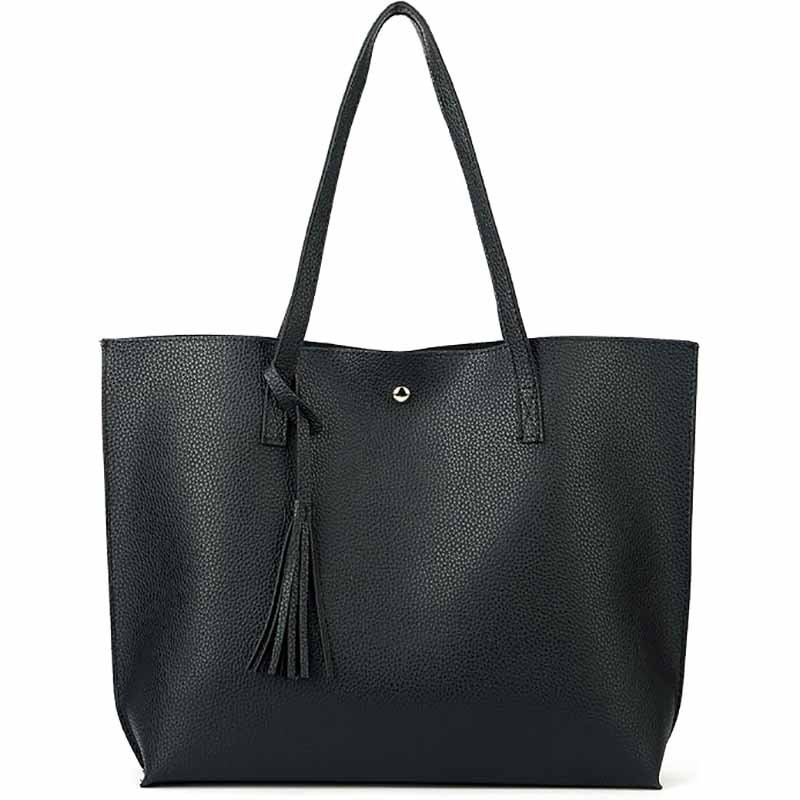
To clean a PU leather purse, wipe the surface with a soft damp cloth and mild soap, then air-dry naturally. PU leather does not require conditioning like real leather but must be protected from heat, alcohol-based cleaners, and prolonged humidity. Proper storage and gentle cleaning significantly extend the appearance and usable life of a PU leather purse.
How do you clean a PU leather purse safely for daily maintenance?
For routine care, PU leather is relatively low-maintenance compared to genuine leather. The recommended method is simple:
- Use a soft microfiber cloth slightly dampened with water
- Add a small amount of mild, non-alkaline soap if needed
- Gently wipe the surface—do not scrub
- Allow the purse to air-dry at room temperature
Because PU leather has a sealed surface, most dust and light stains sit on top rather than being absorbed. Regular light cleaning prevents dirt buildup that can accelerate surface wear.
How do you remove stains and marks from PU leather?
Different stains require different approaches:
| Stain Type | Recommended Method |
|---|---|
| Makeup / dirt | Mild soap + soft cloth |
| Ink | Very light rubbing with diluted alcohol (test first) |
| Oil | Blot gently, do not rub |
| Sticky residue | Warm water + mild soap |
Always test cleaning methods on an inconspicuous area first. Aggressive rubbing damages the PU topcoat and shortens the purse’s lifespan.
What cleaning products should you avoid on PU leather?
PU leather is sensitive to harsh chemicals. Avoid:
- Alcohol-based cleaners
- Acetone or nail-polish remover
- Bleach or ammonia-based products
- Abrasive sponges or brushes
These substances break down the polyurethane layer, leading to dullness, cracking, or peeling. One of the most common mistakes is using real leather cleaners or conditioners on PU leather—these often contain oils that accelerate PU degradation.
How is PU leather care different from real leather care?
PU leather and real leather require fundamentally different care strategies:
| Care Aspect | PU Leather | Real Leather |
|---|---|---|
| Conditioning | Not required | Essential |
| Moisture absorption | Minimal | High |
| Aging behavior | Stable, then degrades | Improves with age |
| Repairability | Limited | High |
Treating PU leather like real leather is a leading cause of premature surface failure. PU leather benefits from stability, not added oils.
How should you store a PU leather purse to prevent peeling?
Proper storage plays a major role in extending PU leather lifespan:
- Store in a cool, dry, well-ventilated space
- Use a breathable dust bag, not plastic
- Avoid direct sunlight and heat sources
- Stuff the purse lightly to maintain shape
Heat and humidity accelerate PU breakdown. Long-term storage in hot closets or cars is especially damaging.
How can you extend the life of a PU leather purse?
To maximize durability:
- Avoid overloading the bag
- Rotate usage if possible
- Clean lightly but regularly
- Store properly when not in use
While PU leather has a finite lifespan, proper care can add years of acceptable appearance and usability, especially for microfiber PU purses.
How Do You Choose a High-Quality PU Leather Purse?
A high-quality PU leather purse uses microfiber or reinforced backing, elastic multi-layer PU coatings, clean edge finishing, and reinforced stress points. Buyers should evaluate material thickness, flexibility, odor, stitching, and construction details rather than appearance alone. Well-engineered PU leather purses can perform reliably for everyday use when material grade and bag structure are correctly matched.
What material features indicate high-quality PU leather?
Not all PU leather is created equal. High-quality PU leather typically shows:
- Uniform thickness across the surface
- Smooth yet resilient elasticity when gently folded
- Low chemical odor, indicating proper curing
- Strong bonding between coating and backing fabric
Microfiber-backed PU leather consistently outperforms woven-back PU in tear resistance and flexibility. If a PU leather surface creases sharply or shows whitening when bent, it is usually a sign of inferior formulation.
How can you test PU leather quality without lab equipment?
Buyers can perform several practical tests:
| Test | What to Look For |
|---|---|
| Fold test | No cracking or whitening |
| Stretch test | Elastic return without distortion |
| Edge inspection | Clean sealing, no flaking |
| Odor check | Minimal chemical smell |
These simple checks reveal more about quality than surface appearance or branding claims.
Which construction details matter most in a PU leather purse?
Material quality alone is not enough. Purse construction plays a decisive role in real-world performance:
- Reinforced handle and strap attachments
- Double stitching at stress points
- Sealed or painted edges instead of raw cuts
- Internal support layers for structured designs
Poor construction causes premature failure even with decent PU leather, while good engineering extends lifespan significantly.
Are PU leather handbags good for everyday use?
Yes—when designed correctly. PU leather handbags are suitable for everyday use when:
- Microfiber or reinforced PU is used
- The bag is not overloaded
- Stress zones are structurally supported
For heavy-duty or long-term heirloom use, genuine leather is still superior. For daily fashion, commuting, or vegan collections, high-quality PU leather performs well within its intended lifespan.
How should buyers balance price, durability, and expectations?
The most common mistake buyers make is expecting real-leather durability at PU-leather pricing. High-quality PU leather purses offer:
- Lower upfront cost
- Predictable appearance
- Moderate lifespan (2–5 years)
When expectations align with material reality, PU leather delivers strong value.
Which manufacturers produce better PU leather purses?
Reliable PU leather purses come from manufacturers who:
- Control material sourcing
- Offer microfiber PU options
- Understand stress-point engineering
- Provide transparent specifications
Factories with experience in both real leather and PU leather—like Szoneier Leather—are better equipped to recommend the right material for each purse design rather than defaulting to the cheapest option.
Conclusion
Choosing PU leather for purses is not about cutting corners—it’s about making informed design and material decisions. When specified correctly, PU leather can deliver excellent aesthetics, stable quality, and strong commercial performance.
At Szoneier Leather, we bring over 18 years of experience in leather and alternative-material bag development.
Whether you are developing a vegan leather collection, a fashion-forward PU purse line, or a cost-optimized private-label range, our team helps you choose materials that align with your market—not just your budget.
Contact Szoneier Leather today to discuss your PU leather purse project, request samples, or receive a customized quotation tailored to your brand’s needs.


