 Skip to content
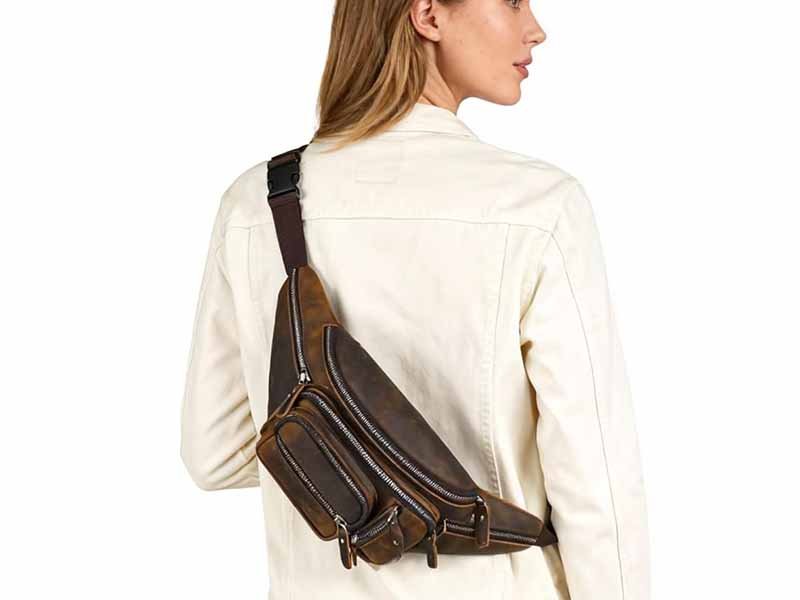
Crazy Horse leather bags are one of the easiest products to sell—and one of the easiest products to get returned—if the customer doesn’t understand the material. The same bag can look “better with age” to one person and “damaged” to another after the first week. Why? Because Crazy Horse leather is designed to show marks, color movement, and hand-made character from normal use.
Unlike coated leathers that try to stay uniform, Crazy Horse leather reacts. A fingernail scratch can look light and obvious. A shoulder strap area might darken from repeated rubbing. A fold line might turn brighter where the leather bends. These changes happen quickly, which is exactly why brands love the style: it feels rugged, honest, and personal—like a bag that already has a story. Crazy Horse leather bags are made from waxed or oiled full-grain leather with a pull-up effect. When the surface is rubbed, bent, or scratched, oils and waxes shift inside the leather, creating visible marks and color changes. Scratches and color variation are normal features of Crazy Horse leather, not quality defects. With the right care and customer education, these changes become patina, not complaints.
Here’s the real challenge: your product quality can be excellent, but if your listing photos show a “perfect” bag and the customer receives a bag that changes in day one, your returns can spike. This guide starts with the most important part—what Crazy Horse leather actually is—so you can sell it with confidence.
What are Crazy Horse Leather Bags?
Crazy Horse leather bags are made from full-grain cowhide treated with natural oils and waxes, creating a surface that reacts visibly to touch, pressure, and friction. Scratches, color movement, and uneven tones are expected characteristics, not defects. These bags are designed to develop patina over time, meaning each piece changes uniquely based on how it’s used.
What customers really need to know about Crazy Horse leather bags
When customers ask “What is Crazy Horse leather?”, they are usually trying to understand one thing:
“Is this bag going to look bad after I use it?”
The honest answer is: It will look different, not damaged — if they understand the material.
Crazy Horse leather bags are intentionally made to show:
- Scratches
- Color movement
- Signs of use early on
That’s not because the leather is weak, but because the surface is open and alive, not sealed under paint.
What Crazy Horse leather actually is
Crazy Horse leather is almost always based on full-grain cowhide. The key difference is how it’s finished, not what animal it comes from.
Core material structure
| Item | Crazy Horse Leather |
|---|---|
| Base leather | Full-grain cowhide |
| Surface coating | None or extremely light |
| Finish method | Oil & wax infusion |
| Grain visibility | Fully visible |
| Reaction to friction | High |
| Reaction to pressure | High |
Unlike smooth, pigmented leather:
- There is no thick paint layer to protect the surface
- Color depth comes from oil saturation, not surface color
- The leather surface reacts immediately when touched
Why Crazy Horse leather looks scratched so fast
This is the part that confuses customers the most.
A “scratch” on Crazy Horse leather is usually not a cut.
What actually happens:
- Friction pushes wax and oil away from that spot
- The exposed area looks lighter
- The leather fiber underneath is still intact
That’s why:
- Rubbing with a hand often darkens the mark
- Heat and movement change the appearance
- Marks soften over time instead of getting worse
Quick reality check brands can use
| Test | Result | Meaning |
|---|---|---|
| Rub scratch with hand | Mark fades | Normal Crazy Horse behavior |
| Scratch stays white and deep | Rare | Possible damage |
| Leather flakes or peels | Not normal | Wrong leather/finish |
Typical thickness and construction in Crazy Horse leather bags
Crazy Horse leather bags are usually thicker than fashion leather bags, which supports the rugged look.
Common thickness ranges used in production
| Bag area | Thickness range |
|---|---|
| Main panels | 1.8 – 2.2 mm |
| Bottom panels | 2.0 – 2.4 mm |
| Handles & straps | 2.2 – 2.8 mm |
| Gussets / folds | 1.6 – 1.8 mm |
Important factory insight: Using the same thickness everywhere makes the bag stiff and uncomfortable. Experienced factories adjust thickness by zone.
What Crazy Horse leather bags are best used for
Crazy Horse leather is not a “one-style-fits-all” material.
Best-fit use cases
| Product type | Suitability | Reason |
|---|---|---|
| Backpacks | ⭐⭐⭐⭐⭐ | Rugged, hides wear |
| Travel bags | ⭐⭐⭐⭐⭐ | Patina fits travel story |
| Work totes | ⭐⭐⭐⭐ | Strong structure |
| Briefcases | ⭐⭐⭐⭐ | Professional + character |
| Fashion handbags | ⭐⭐ | Too unpredictable |
| Evening bags | ⭐ | Scratches feel “wrong” |
Why brands choose Crazy Horse leather
Why it works well for the right brand
- Each bag becomes unique
- Customers form emotional attachment
- Scratches feel like “stories”
- Vintage and heritage positioning becomes authentic
Why it fails for the wrong brand
- Customers expect uniform color
- Scratches are seen as defects
- Returns happen within the first 7–14 days
- Reviews mention “used” or “old”
Common mismatch examples
| Brand promise | Result |
|---|---|
| “Scratch-resistant leather” | High returns |
| “Luxury smooth finish” | Negative reviews |
| “Always looks new” | Customer disappointment |
Normal behavior vs real quality problems
You can use this table directly on your product page or FAQ.
| Customer concern | Normal for Crazy Horse? |
|---|---|
| Light scratches | Yes |
| Color changes at folds | Yes |
| Darkening on handles | Yes |
| Uneven tone | Yes |
| Peeling surface | No |
| Cracking edges | No |
| Flaking finish | No |
If customers are educated on this before purchase, complaint rates drop significantly.
Why do Crazy Horse Leather Bags scratch so easily?
Crazy Horse leather bags scratch easily because the leather surface is treated with oils and waxes instead of a protective coating. When the surface is rubbed or scratched, the oils move away from that spot, making the mark appear lighter. These scratches are mostly visual, not structural, and are part of how Crazy Horse leather develops its worn-in look.
Why scratches appear faster than customers expect
Many customers assume a leather bag should behave like painted or coated leather. Crazy Horse leather does the opposite. It reacts immediately to contact.
Scratches show up quickly because:
- There is no thick surface coating to hide marks
- Oils and waxes move under pressure
- The natural grain remains exposed
- Friction happens constantly in daily use
This is not poor quality. It’s intentional behavior.
What causes scratches on Crazy Horse Leather Bags?
Scratches on Crazy Horse leather bags usually come from normal daily contact, not abuse.
Most common scratch sources (real customer use)
- Fingernails when opening or closing the bag
- Metal hardware rubbing the surface
- Desk edges, chair backs, car seats
- Zippers, keys, or phone corners inside the bag
- Shoulder straps rubbing against the body
Even soft materials like cotton jackets or denim can create visible marks over time because of repeated friction.
Scratch depth reality
- Most scratches affect only surface wax, not leather fibers
- Structural damage is rare unless cut by sharp objects
- Light scratches usually soften within days of use
Factory insight: If a scratch disappears or darkens when rubbed with a hand, it was never damage — just oil displacement.
Why do scratches look light or uneven at first?
This is the part that confuses customers the most.
When Crazy Horse leather is scratched:
- The wax and oil are pushed away
- The exposed area looks lighter or dull
- The color difference can look dramatic at first
This happens because Crazy Horse leather relies on oil saturation, not surface paint, for its color depth.
Visual behavior of a fresh scratch
| Stage | What the customer sees | What is happening |
|---|---|---|
| Immediately | Light or pale scratch | Oils moved away |
| After rubbing | Scratch darkens | Oils redistribute |
| After use | Scratch blends | Natural patina forms |
This is why some scratches seem to “heal themselves” while others remain faintly visible.
Are scratches a defect in Crazy Horse Leather Bags?
In almost all cases, no.
Scratches are considered a normal and expected feature of Crazy Horse leather.
They only become a real problem when:
- The scratch cuts deeply into the leather fiber
- The leather surface flakes or peels
- The mark grows into a crack
Those issues usually point to:
- Incorrect leather type
- Poor finishing
- Wrong leather marketed as Crazy Horse
Normal vs abnormal scratches (brand reference)
| Scratch type | Normal? | Brand response |
|---|---|---|
| Light surface marks | Yes | Explain & educate |
| Color variation at folds | Yes | Show patina photos |
| Deep gouge | No | Inspect for damage |
| Surface peeling | No | Manufacturing issue |
| Cracking at edges | No | Finish problem |
Brand warning: Most returns happen not because of defects, but because customers were not told scratches would happen.
Why do Crazy Horse Leather Bags change color?
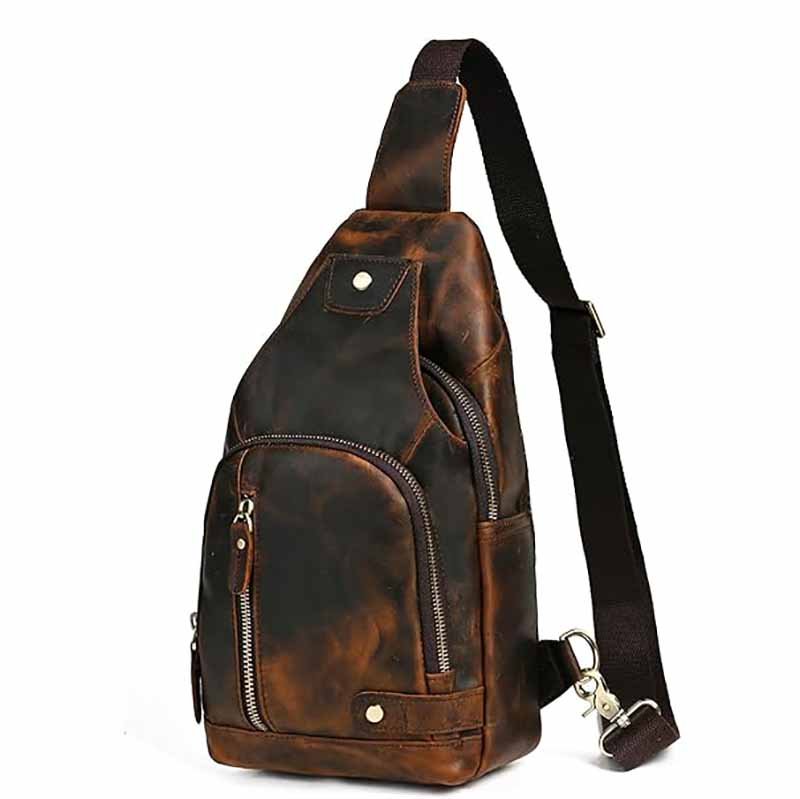
Crazy Horse leather bags change color because oils and waxes inside the leather move when the surface is bent, rubbed, or warmed. Areas with frequent contact darken, while stretched or pressed areas may appear lighter. This color shift is a natural characteristic of waxed leather and leads to a developing patina over time.
Why color shift is unavoidable — and desirable
Color change is not random. It follows use patterns.
Where customers touch the bag most:
- Handles
- Strap contact zones
- Corners and folds
Those areas absorb body oils and friction, which darken the leather.
Areas that bend or stretch:
- Gussets
- Fold lines
- Flap edges
Those areas often appear lighter due to oil movement.
What causes color shift in Crazy Horse Leather Bags?
Several factors work together:
- Oil movement Pressure pushes oils away, changing surface tone.
- Friction Repeated rubbing warms the leather and redistributes wax.
- Body oils Hands and clothing naturally darken contact zones.
- Light exposure Sunlight slowly deepens overall color.
Common color shift patterns brands should expect
| Bag area | Typical color change |
|---|---|
| Handles | Darker |
| Strap contact zones | Darker |
| Fold lines | Lighter |
| Corners | Mixed |
| Large flat panels | Gradual darkening |
This is why no two Crazy Horse leather bags ever age the same way.
How do oils and wax affect Crazy Horse Leather Bags?
Crazy Horse leather contains much more oil and wax than standard leather.
This gives it:
- Water resistance
- Rich feel
- Strong pull-up effect
But it also means:
- Color is dynamic
- Surface reacts to heat and pressure
- Conditioning must be done carefully
Over-conditioning risks
- Uneven dark patches
- Sticky surface feel
- Loss of contrast
Factory recommendation: Condition lightly and infrequently. More is not better.
Is color change normal for Crazy Horse Leather Bags?
Yes — and brands should clearly say so.
Color change usually follows this timeline:
| Time in use | What happens |
|---|---|
| First week | Visible light/dark variation |
| 1–3 months | Marks begin blending |
| 6–12 months | Rich patina develops |
| 1+ year | Stable, darker overall tone |
Customers who understand this tend to keep and love their bags. Customers who don’t often return them early.
Scratch & color shift: what brands should prepare for
Here’s a very practical table brands can use internally:
| Customer comment | What it really means | Best response |
|---|---|---|
| “It scratched immediately” | Normal surface reaction | Explain pull-up effect |
| “The color looks uneven” | Oils moving naturally | Show aging examples |
| “It looks used already” | Early patina stage | Reframe as character |
| “Can this be fixed?” | Mostly visual | Teach rubbing/conditioning |
| “Will it get worse?” | It stabilizes | Explain aging curve |
How can you manage scratches on Crazy Horse Leather Bags?
Scratches on Crazy Horse leather bags can usually be managed through simple handling, light rubbing, controlled conditioning, and proper storage. Because most marks affect only surface wax and oils, they soften or blend over time. The key is avoiding aggressive cleaning, over-conditioning, or unrealistic expectations. With correct care, scratches become part of a consistent patina rather than visible damage.
Why “managing” scratches is better than “fixing” them
The biggest mistake brands make is trying to eliminate scratches on Crazy Horse leather. That usually backfires.
Crazy Horse leather doesn’t behave like coated leather. Attempts to “repair” every mark often:
- Darken the surface unevenly
- Remove contrast and character
- Create customer confusion (“Why does it look worse now?”)
The smarter approach is scratch management, not scratch removal.
How do you reduce scratches on Crazy Horse Leather Bags?
You cannot prevent scratches entirely — but you can control how noticeable they are.
Practical habits that reduce harsh marks
- Avoid sharp metal objects inside the bag
- Keep zippers and buckles from rubbing large panels
- Rotate carry sides (especially for crossbody bags)
- Don’t overload the bag beyond its design use
What actually works in daily use
- Hand rubbing: Body heat redistributes wax
- Soft cloth wiping: Helps blend light marks
- Regular use: Patina evens out faster than storage
Reality check: A bag used daily often looks better after 3 months than a bag used once a week. Patina needs repetition to stabilize.
How do you repair light marks on Crazy Horse Leather Bags?
Most marks don’t need repair — just blending.
Safe methods brands can recommend
- Rub gently with clean hands
- Use a dry cotton cloth for light friction
- For stubborn marks, apply a very small amount of neutral leather conditioner
- Let the leather rest and absorb naturally
What brands should warn customers NOT to do
- Do not use alcohol or wet wipes
- Do not use silicone sprays
- Do not apply conditioner repeatedly
- Do not spot-treat aggressively
Conditioner use guide
| Frequency | Recommendation |
|---|---|
| First 3 months | Usually not needed |
| Light dryness | Once every 6–12 months |
| Heavy daily use | Once per year |
| Over-conditioning | Causes dark patches |
Brand tip: More conditioner = less contrast = loss of Crazy Horse character.
What care mistakes damage Crazy Horse Leather Bags?
Most real damage comes from wrong care, not normal use.
Common care mistakes seen in returns
- Using shoe polish or colored cream
- Applying oil directly to scratches
- Leaving bags in hot cars
- Storing in sealed plastic bags
- Trying to “even out” color too often
Resulting problems
| Mistake | Outcome |
|---|---|
| Excess oil | Sticky surface, dark blotches |
| Heat exposure | Wax migration, uneven tone |
| Plastic storage | Mold, odor |
| Harsh cleaners | Dry, cracked surface |
How to Maintain Crazy Horse Leather Bags?
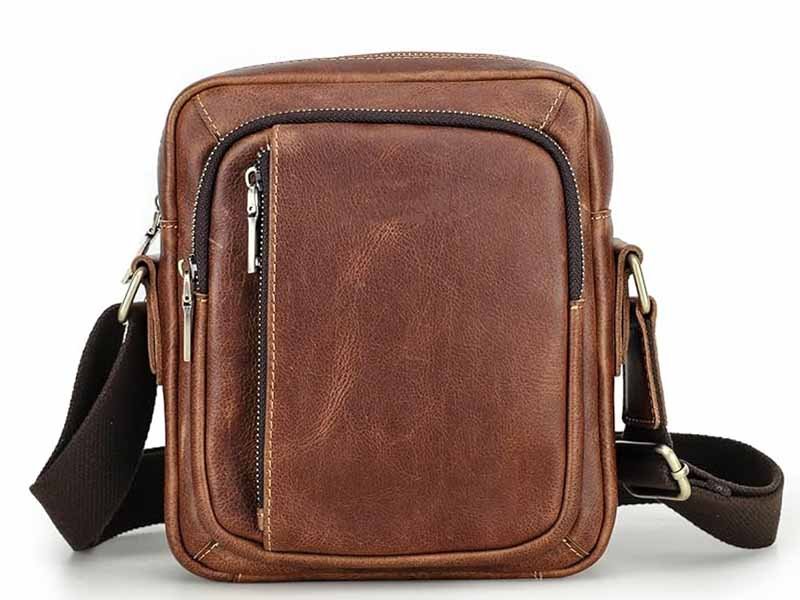
Crazy Horse leather bags require minimal but correct maintenance. Light scratches can be blended by hand rubbing, while occasional gentle conditioning helps maintain oil balance. Over-cleaning, heavy products, or aggressive treatments cause more damage than daily use. Proper storage, controlled humidity, and realistic care habits allow Crazy Horse leather to develop a stable, even patina over time.
Why Crazy Horse leather needs “less care”, not more
One of the biggest mistakes customers make is treating Crazy Horse leather like smooth, coated leather.
Crazy Horse leather already contains a high level of oils and waxes. Adding more products too often:
- Darkens leather unevenly
- Removes contrast
- Makes the surface sticky
- Destroys the natural vintage look
Daily care: what customers should do (and not do)
What actually helps in daily use
These simple habits solve most issues without any products:
- Wipe dust with a dry, soft cloth
- Rub light scratches gently with clean hands
- Let the bag “rest” between heavy uses
- Rotate carry positions (especially crossbody bags)
- Keep sharp objects away from large panels
Why this works: Body heat and friction naturally redistribute wax and oil, blending surface marks.
What customers should avoid daily
These actions cause most real damage cases:
| Action | Why it’s a problem |
|---|---|
| Wet wipes / alcohol | Strips wax, dries leather |
| Silicone sprays | Seals surface, kills patina |
| Shoe polish | Causes dark stains |
| Excess water | Leaves tide marks |
| Frequent spot cleaning | Creates uneven tone |
Brand tip: If customers ask “Can I clean it every week?”, the correct answer is no.
Managing scratches the right way
Scratches are expected on Crazy Horse leather — the goal is blending, not erasing.
For light surface scratches
Safe method:
- Rub gently with fingers or palm
- Use a dry cotton cloth if needed
- Allow time for color to settle
Most light marks soften within hours or days.
For more visible marks
If a scratch still looks obvious after rubbing:
- Apply a very small amount of neutral leather conditioner
- Spread evenly across the entire panel (not just the scratch)
- Let it absorb naturally
- Do not repeat frequently
Conditioner use guide
| Usage level | Recommendation |
|---|---|
| First 3–6 months | Usually not needed |
| Normal daily use | Once every 9–12 months |
| Very dry climate | Once per year |
| Over-conditioning | Causes dark patches |
Golden rule: If the leather feels soft and flexible, do not add conditioner.
Cleaning Crazy Horse leather bags safely
Crazy Horse leather does not need deep cleaning unless truly dirty.
Safe cleaning steps
- Use a dry or slightly damp cloth
- Wipe gently — do not scrub
- Let dry naturally (room temperature)
- Never use heat or hair dryers
What to do with stains
| Stain type | What to do |
|---|---|
| Dust | Dry cloth |
| Light dirt | Damp cloth, minimal water |
| Oil/grease | Let absorb naturally |
| Ink | Professional help only |
Trying to “fix” stains aggressively usually makes them worse.
Proper storage: where many bags get damaged
A large percentage of damage happens when the bag is not being used.
Correct storage conditions
- Store in a breathable dust bag
- Keep in a cool, dry place
- Maintain normal indoor humidity (40–60%)
- Stuff bag lightly to keep shape
What to avoid during storage
| Storage mistake | Result |
|---|---|
| Plastic bags | Mold, odor |
| Direct sunlight | Uneven darkening |
| Damp rooms | Mildew |
| Heavy stacking | Permanent creases |
How often should Crazy Horse leather be maintained?
This simple timeline works well for most customers:
| Time period | Action |
|---|---|
| Weekly | Light wipe if dusty |
| Monthly | Do nothing |
| 6–12 months | Light conditioning if dry |
| Long-term storage | Check every 3–4 months |
Reality check: Most Crazy Horse leather bags look best when they are used regularly, not stored too carefully.
Common care mistakes that cause real damage
Based on factory and after-sales feedback, these mistakes cause the most complaints:
- Trying to “fix” every scratch
- Applying conditioner only to one small area
- Using products made for shoes or sofas
- Overexposing leather to heat
Resulting problems
| Mistake | Outcome |
|---|---|
| Spot conditioning | Dark patches |
| Excess oil | Sticky feel |
| Heat drying | Wax migration |
| Harsh chemicals | Cracking over time |
Working with the right factory matters
Crazy Horse leather is unforgiving when handled incorrectly. Thickness choice, wax balance, cutting direction, and edge finishing all affect how scratches and color shifts appear.
SzoneierLeather has over 18 years of experience developing and manufacturing leather bags, wallets, belts, straps, accessories, and leather boxes. With a strong raw-material supply chain and in-house development, we help brands:
- Select the right Crazy Horse leather grade
- Balance vintage character with usability
- Control thickness and wax levels
- Prototype and test before bulk production
- Create care guides that reduce complaints
If you are planning a Crazy Horse leather bag line—or struggling with scratches, color complaints, or high returns—share your idea or reference sample with SzoneierLeather. We’ll help you design a product that customers understand, accept, and keep.
Crazy Horse leather isn’t about perfection. It’s about personality—done right.


