
Leather Tanning Process Guide: Methods and How to Choose
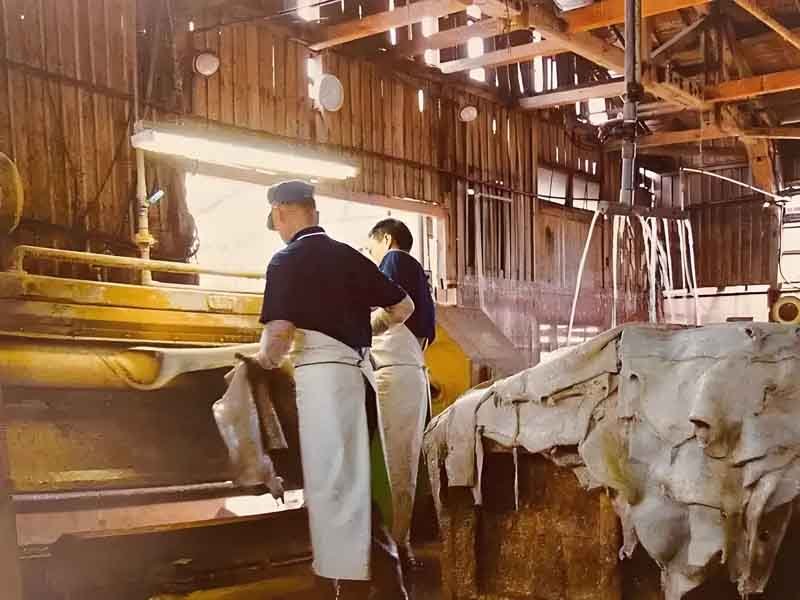
Leather is one of the oldest materials known to humankind, yet its transformation from raw animal hide into a durable, beautiful product remains something of a mystery to many. Buyers often encounter terms like wet blue, veg-tan, or chrome-free, but what do these actually mean in practice? More importantly, how do these processes affect the quality of bags, wallets, belts, and other leather goods you source or use every day?
History of Leather: From Prehistory to Modern Sustainability
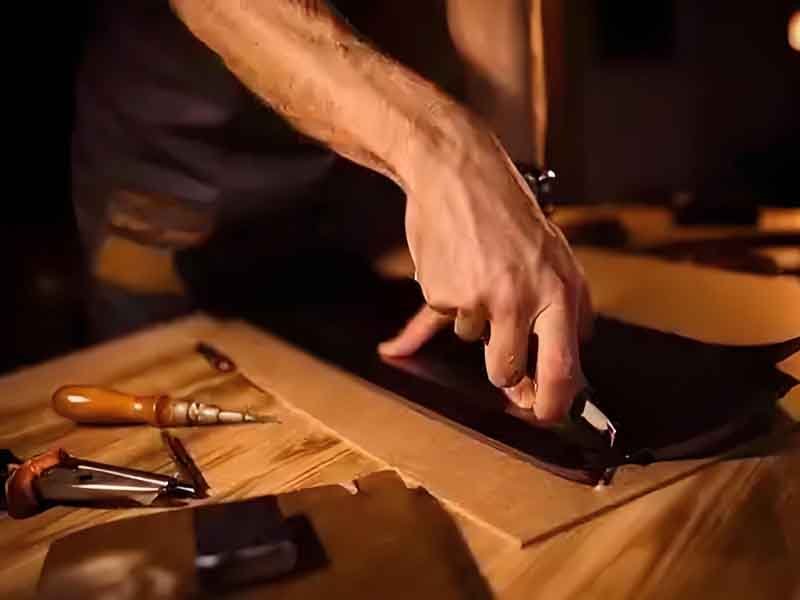
Leather’s story begins long before written records—our ancestors discovered that animal hides, when treated properly, could shield them from the elements. From crude brain‑tanning methods in the Paleolithic to high‑tech, eco‑friendly processes today, leather has been indispensable to human progress: clothing, shelter, armor, and art. Its versatility and durability made it a cultural cornerstone across continents.
What Is Leather Tanning: The Ultimate Guide
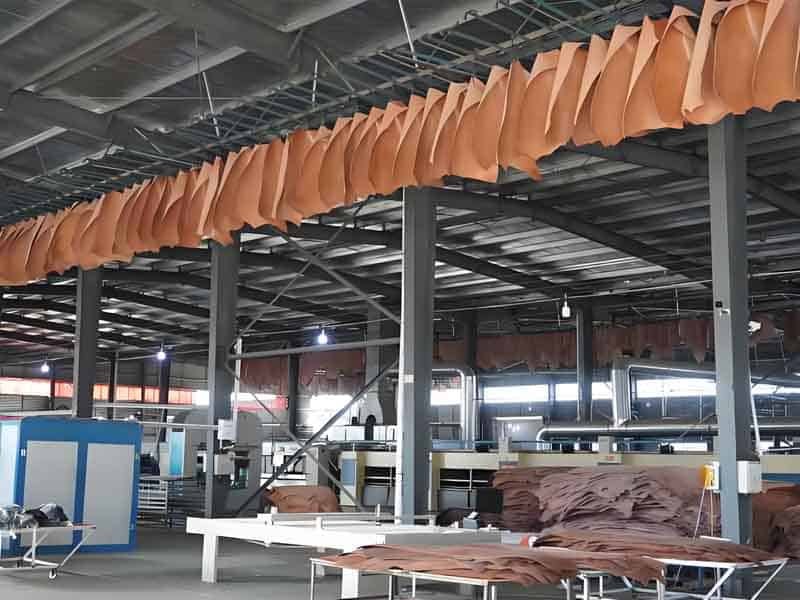
Have you ever admired a beautifully crafted leather wallet or bag, wondering what makes it feel so luxurious, durable, and timeless? The magic behind this allure is called leather tanning.Leather tanning transforms perishable raw hides into durable, attractive leather. It’s both science and craft—one wrong step and you’ve got brittle, smelly material. Nail the process, and you get supple, water-resistant hides that last decades. Whether you’re a maker, buyer, or brand, understanding tanning is key to choosing the perfect leather.