 Skip to content
Leather Duffle Bag Strap Load Capacity Design Guide
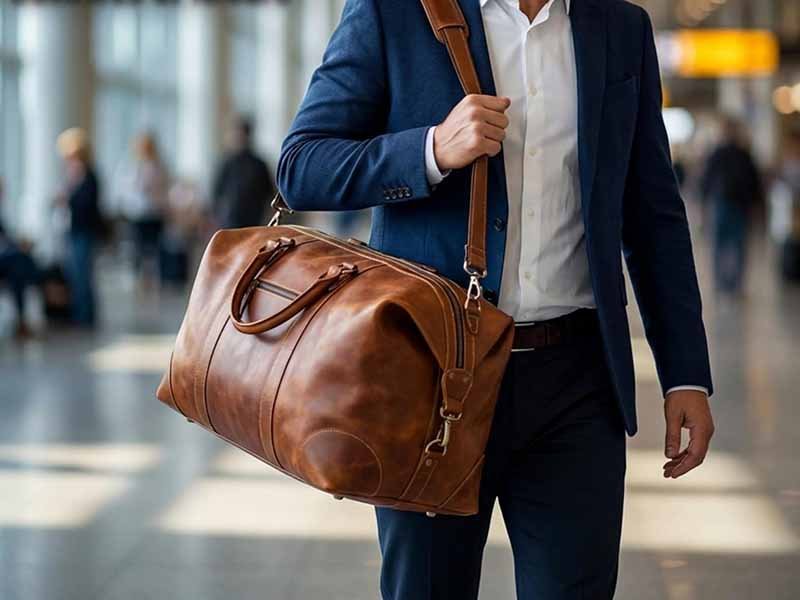
A leather duffle bag can look premium on the shelf, feel smooth in the hand, and photograph beautifully in a campaign. But once it is filled with clothes, shoes, a laptop, toiletries, chargers, and travel accessories, the real test begins. At that moment, the strap is no longer a decorative part of the product. It becomes the most stressed part of the entire bag system.
Leather Briefcase Interior Organization Design Guide
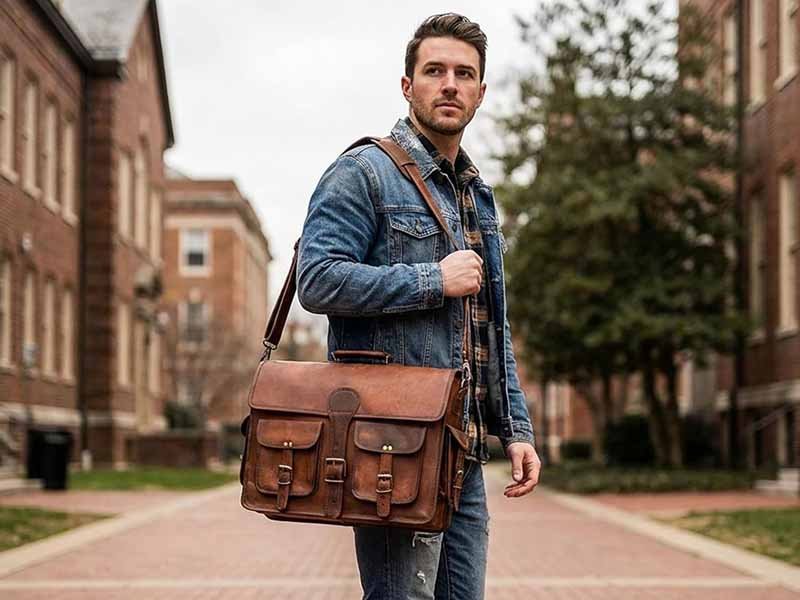
A leather briefcase can look expensive from the outside and still disappoint the user the moment it is opened. That is where many products quietly lose value. The real daily experience of a briefcase is not decided by the shine of the leather, the logo on the front, or the shape of the handle alone. It is decided by what happens inside: whether the laptop stays protected, whether documents remain flat, whether the charger and pen can be found in seconds, and whether the whole interior feels calm instead of chaotic. For business users, that difference matters more than people think. A briefcase is not only a fashion item. It is a work tool, a storage system, and often a reflection of how organized the person using it wants to appear.
What Is the Right Leather Thickness for Tote Bags?
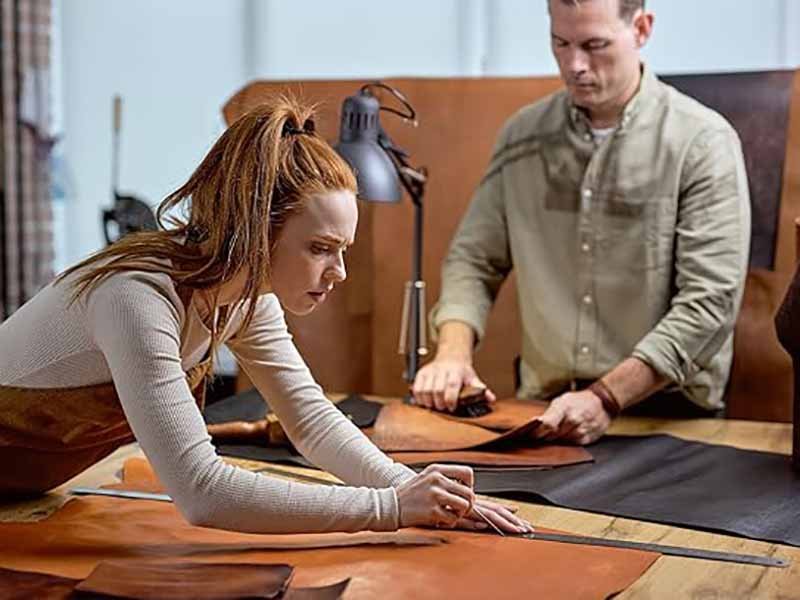
A tote bag may look simple, but leather thickness decides whether it feels premium or cheap, whether it keeps its shape or collapses, and whether it survives daily use or starts showing problems after a few weeks. Many brands focus first on color, grain, logo, and silhouette. Those things matter, but they do not solve the real engineering question inside the product: how thick should the leather be for the body, the handles, the bottom, and the reinforcement areas? A tote that feels elegant in hand can still fail in real use if the leather is too thin for the load, and a tote that looks strong on paper can become too heavy, too stiff, and too expensive if the leather is too thick.
Microfiber Leather for Leather Patches: Heat Press and Wear Performance

A leather patch is a small detail, but on many products it becomes one of the first things a customer notices. On a cap, it acts like the face of the brand. On a backpack or wallet, it adds texture, value, and a more finished look. But once the product goes into the market, appearance alone is not enough. The patch also needs to survive heat pressing, bending, rubbing, sunlight, storage, shipping, and repeated daily use. That is why more brands are moving away from unstable low-grade synthetic patches and looking for materials that are easier to control in production and more reliable after sale.
Split Leather in Leather Makeup Bags: When Is It Acceptable
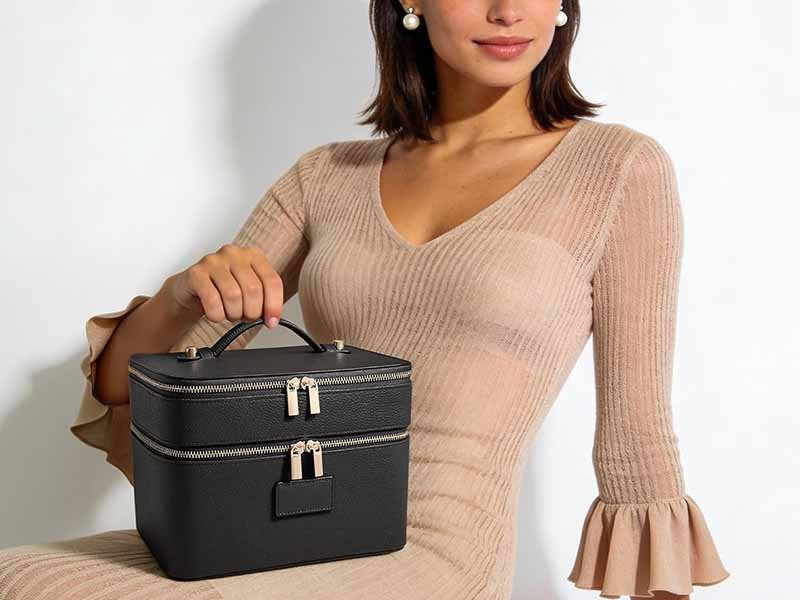
A leather makeup bag may look like a small and simple product, but for brands that actually develop and sell them, the material choice is rarely simple. Cosmetics are messy. Zippers are opened and closed every day. Bags are squeezed into handbags, dropped into suitcases, and exposed to oils, hand creams, alcohol-based cleaners, powder residue, and frequent friction. That means the leather used for a makeup bag has to do more than just look good under studio lighting. It needs to feel right in hand, hold its shape, resist surface damage, and still make sense within the target price range.
Full Grain vs Top Grain for Leather Accessories: What Buyers Should Choose
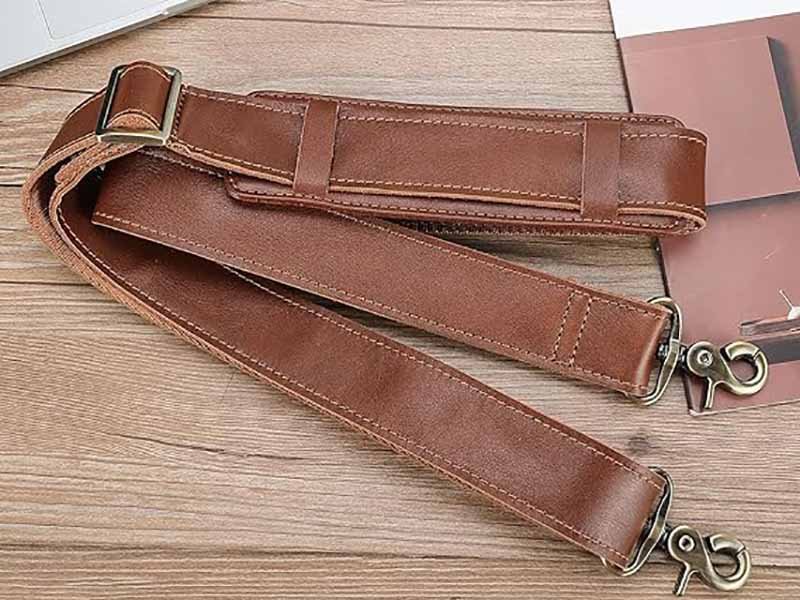
People often think the “design” is what makes a leather accessory premium. In real life, the leather choice does more heavy lifting than the design ever will. Two wallets can share the same stitching, same edge paint, same logo placement—yet one feels expensive and the other feels ordinary. Most of the time, that difference comes down to a material decision you make early: full grain vs top grain leather.
Core Materials for Leather Boxes: MDF vs Greyboard vs Wood vs Plastic
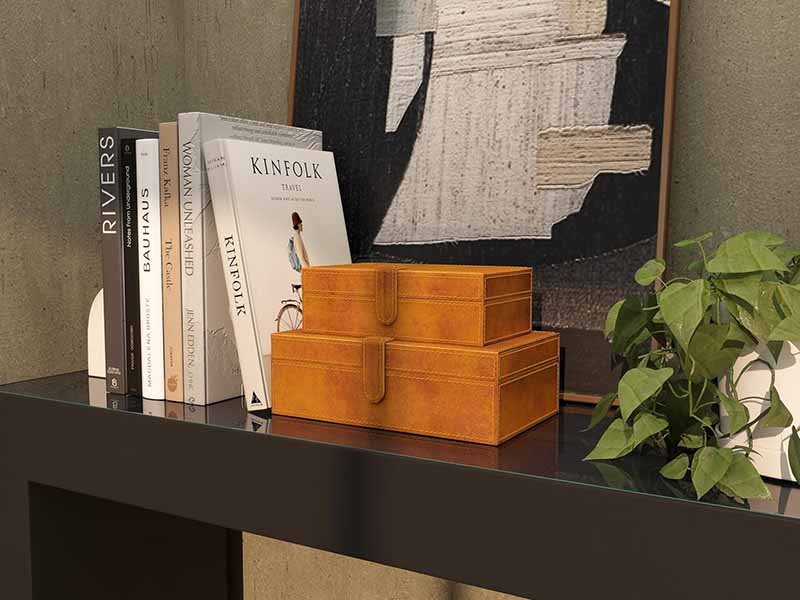
A leather box can look premium and still fail in real life. The reason is usually hidden under the leather. Most problems—warping lids, misaligned corners, soft walls, loose hinges, dents from shipping—come from one thing: the wrong core material (or the wrong thickness of the right core). The leather is the “skin.” The core is the “skeleton.” If the skeleton is weak, no leather—no matter how expensive—can save the structure long term.
Full Grain vs Top Grain for Leather Keychain: What Buyers Should Choose
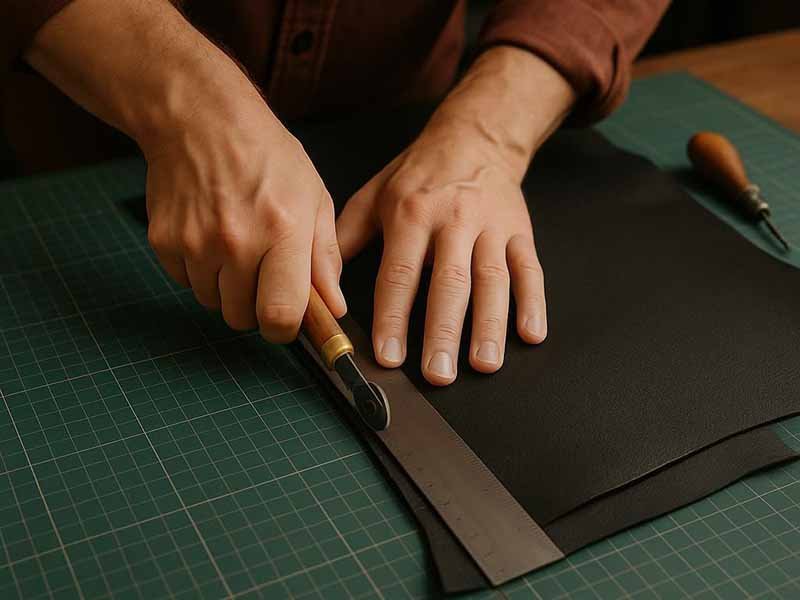
A leather keychain is small, but it lives a hard life. It gets twisted in your hand, crushed in pockets, rubbed against coins, hit by keys, exposed to sweat, and tossed onto car consoles hundreds of times a week. That’s why “nice-looking leather” is not enough. If the leather choice is wrong, keychains fail in very specific ways: edges crack, holes stretch, the surface scratches into a dull patch, or the leather delaminates around the metal ring.
Full Grain vs Top Grain for Leather Wallets: What Buyers Should Choose
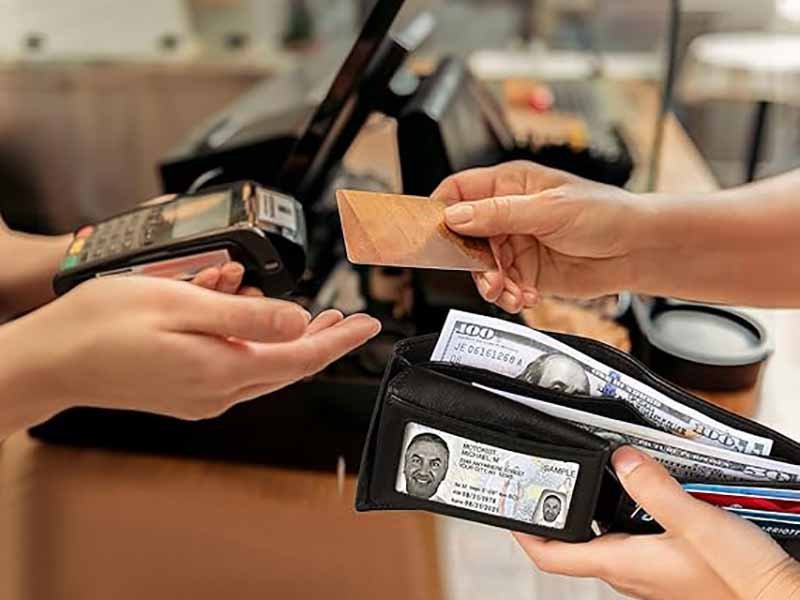
If you’re sourcing leather wallets for a brand, a wholesale line, or private label, “full grain vs top grain” is not a small detail—it’s the difference between how your wallets age, how consistent your production looks, and how many customer complaints you’ll deal with after launch.
Full Grain vs Top Grain for Leather Handbags
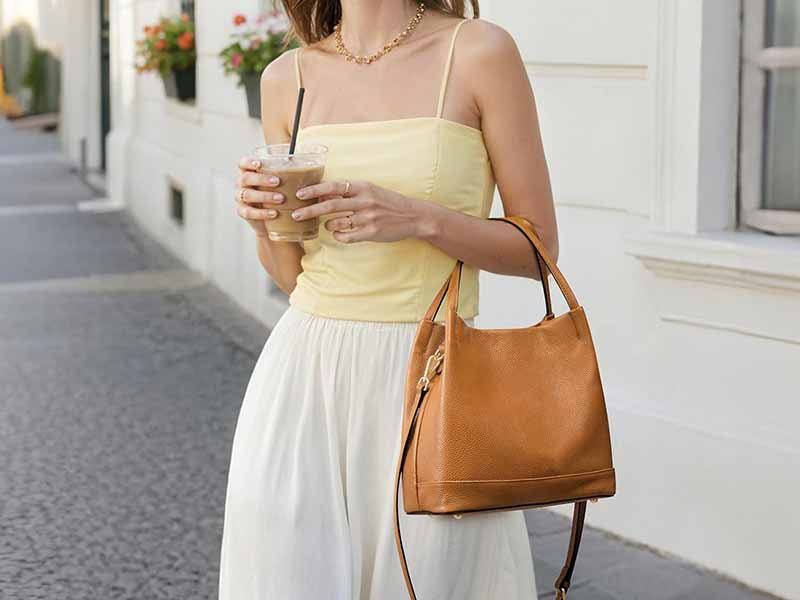
In handbag sales, “full grain” often gets treated like a magic word. Customers see it and assume the bag must be premium. But in real production, a handbag can be full grain and still disappoint—too many visible marks, uneven color panels, scratch sensitivity, or inconsistent batches that are hard to repeat at scale. On the other side, many top-performing everyday handbags are made from top grain because it offers a cleaner surface, more predictable color, and fewer customer complaints in high-touch areas like corners and handles.
Pebbled vs Smooth Leather Purses: Fingerprints, Scratches, and Care
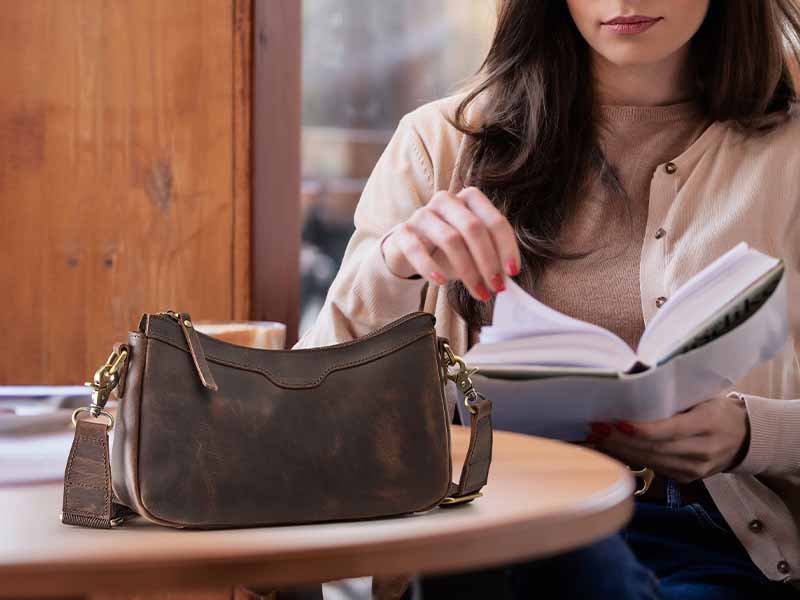
A purse can look perfect in a showroom and still become a “high-maintenance” item once it enters daily life. The first week usually answers the real questions: Do you see fingerprints after every grab? Do scratches appear when the bag brushes a coat zipper? Does the leather look dull where your hand touches most? Pebbled and smooth leather react differently to these everyday moments because texture and finish change how light hits the surface, how friction marks show up, and how oils from skin spread.
Pouch vs Boxy Leather Makeup Bags: What’s Best for Capacity and Shape Control?
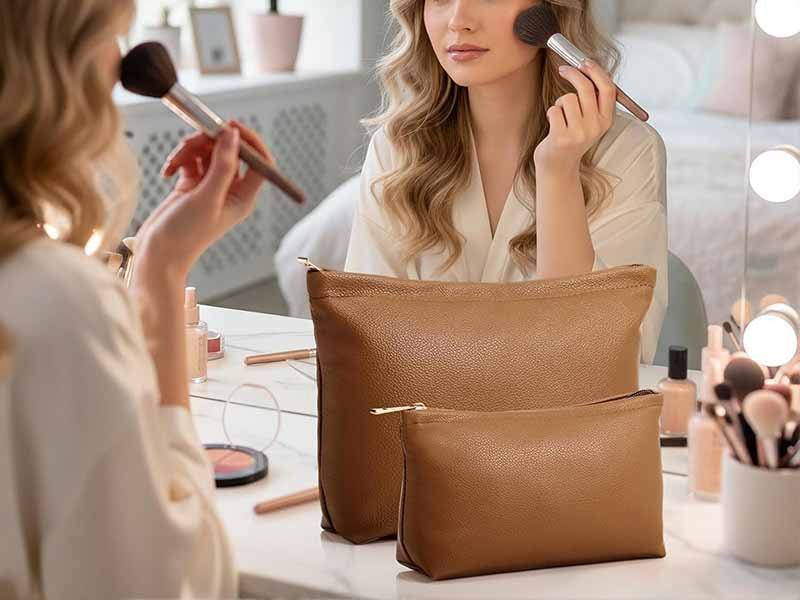
If you’ve ever packed a makeup bag that looked roomy on the outside but somehow couldn’t fit a foundation bottle, you already know the real problem: shape control is capacity control. A makeup bag isn’t just a container—it’s a little system that decides whether your products sit upright, roll around, leak, get crushed, or stay […]