
How to Choose an OEM Leather Goods Factory
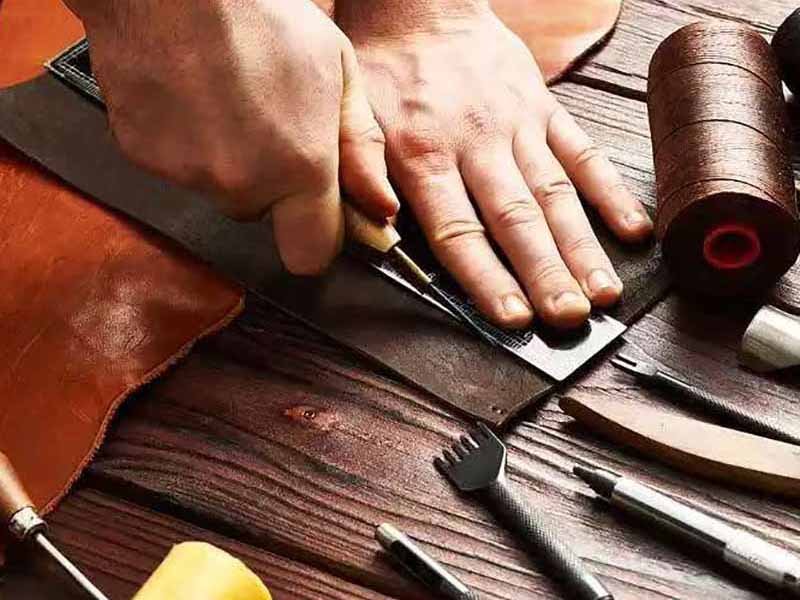
A polished leather sample can be dangerously convincing. The stitching looks clean, the edge paint feels smooth, the hardware has a satisfying weight, and the leather appears suitable for the retail price you have in mind. However, none of these details proves that the factory can repeat the same result across 500, 2,000, or 10,000 units while controlling color variation, dimensions, structure, workmanship, packaging, and shipment timing. Selecting a manufacturer is therefore not a beauty contest between samples. It is a commercial risk decision that can influence product reviews, retail acceptance, cash flow, inventory planning, and the long-term reputation of your brand.
Full Grain vs Top Grain in Leather Goods: What Brands Really Pay For
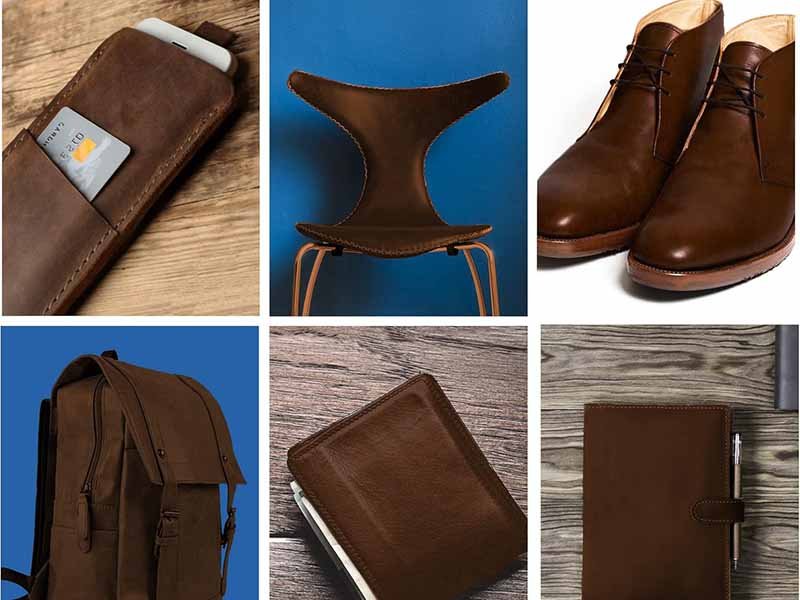
When it comes to premium leather products, especially leather bags, wallets, and accessories, the choice of leather can make or break the quality of the product. Among the many types of leather, full grain and top grain stand out as the two most commonly used in high-end manufacturing. But what exactly makes these two types of leather different, and why does it matter to brands looking for the best materials for their products.