
How to Choose an OEM Leather Goods Factory
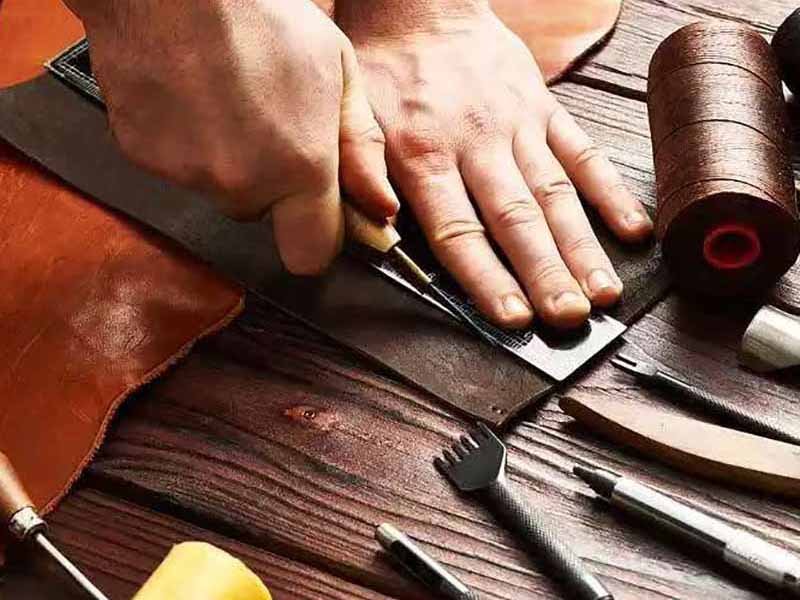
A polished leather sample can be dangerously convincing. The stitching looks clean, the edge paint feels smooth, the hardware has a satisfying weight, and the leather appears suitable for the retail price you have in mind. However, none of these details proves that the factory can repeat the same result across 500, 2,000, or 10,000 units while controlling color variation, dimensions, structure, workmanship, packaging, and shipment timing. Selecting a manufacturer is therefore not a beauty contest between samples. It is a commercial risk decision that can influence product reviews, retail acceptance, cash flow, inventory planning, and the long-term reputation of your brand.
How to Choose a Custom Leather Goods Manufacturer
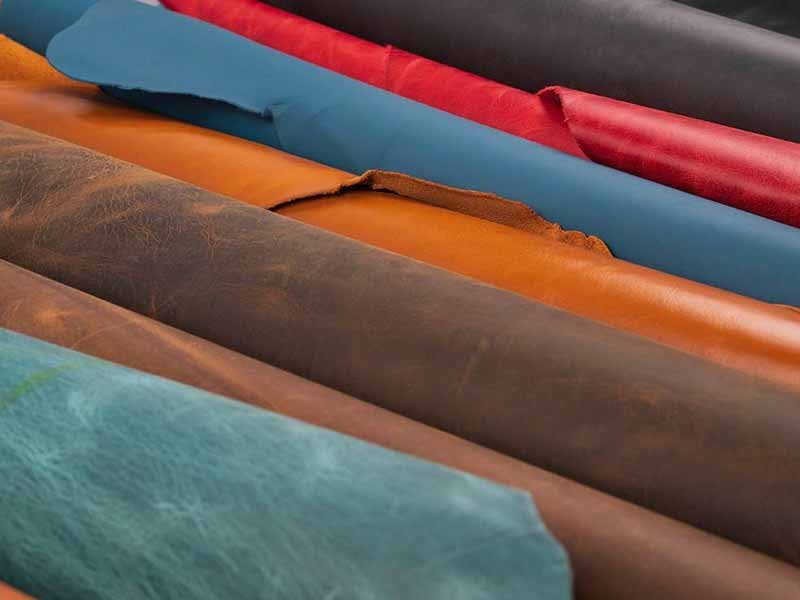
A polished leather sample can make almost any supplier look capable. It may have been produced by the factory’s best sample maker, cut from a carefully selected part of the hide, and finished without the time pressure of bulk production. The real test starts when hundreds or thousands of units must match that sample in leather shade, dimensions, stitching, edge finish, structure, hardware function, packaging, and delivery timing.
How to Choose a Private Label Leather Goods Manufacturer
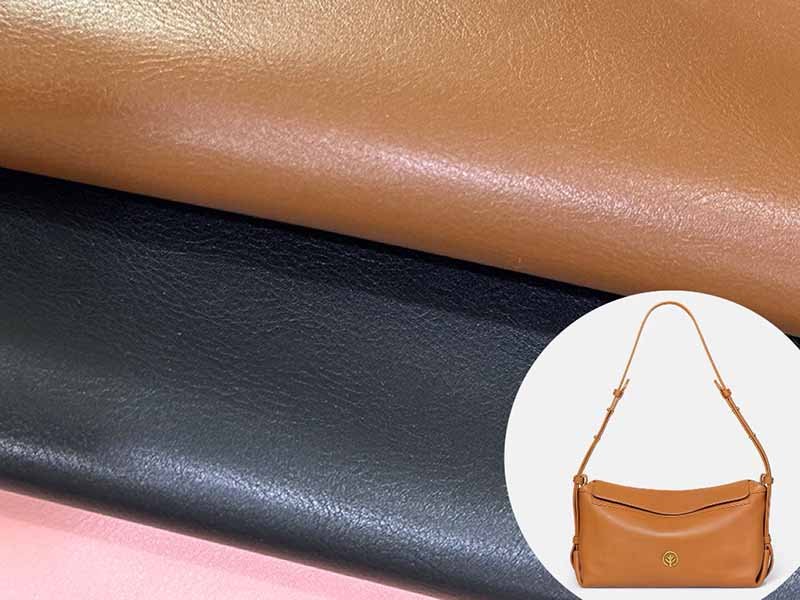
A beautifully made sample can create a dangerous sense of confidence. It arrives with smooth edge paint, clean stitching, polished hardware, and a logo positioned exactly where your team requested. Everyone approves it, the purchase order is issued, and the project appears to be under control. Several weeks later, the bulk shipment arrives with inconsistent leather grain, uneven color, soft corners, rough edges, and hardware that feels lighter than the approved sample. The original design was not necessarily the problem. The real problem was choosing a supplier based on one attractive sample instead of examining the manufacturing system behind it.
How to Choose a Leather Goods Manufacturer for Your Brand
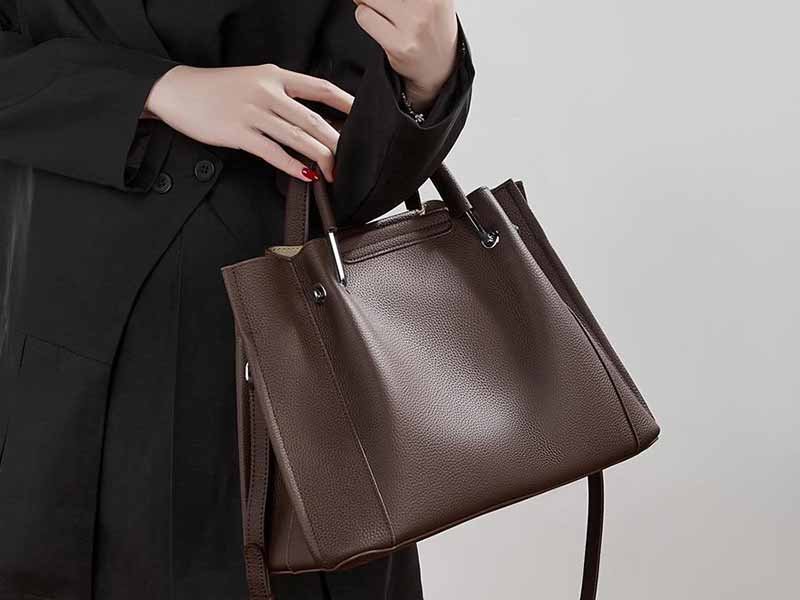
A leather product can look excellent in a presentation sample and still become a commercial problem during bulk production. Color may drift between leather batches, handles may stretch under realistic loads, edge paint may crack around tight corners, hardware may scratch the surface during shipping, or the finished product may feel noticeably different from the approved sample. These failures are rarely caused by a single sewing mistake. They usually begin with unclear specifications, unsuitable materials, weak development controls, or a manufacturer that cannot manage the entire production chain.
How to Find a Reliable Leather Goods Factory in China:A Comprehensive guide
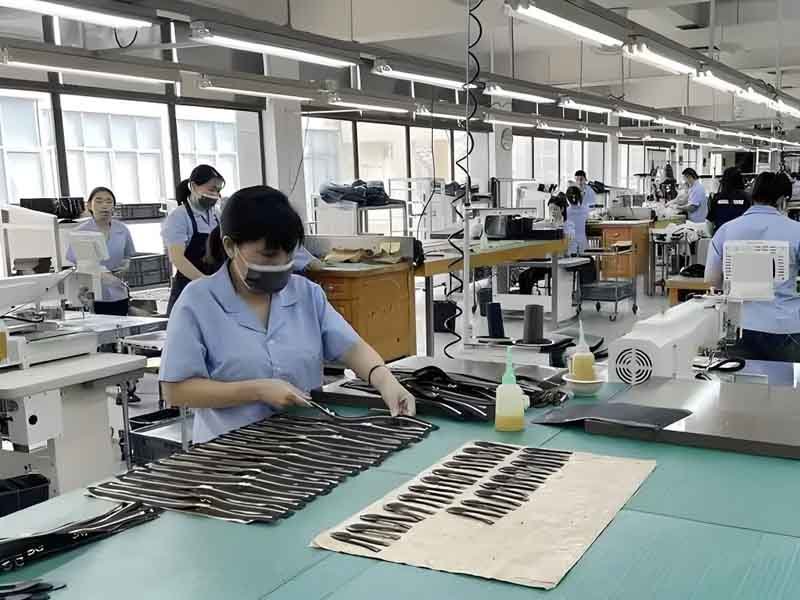
Choosing the right manufacturing partner is the cornerstone of any successful leather goods brand. From premium handbags to rugged belts, factory selection influences your product’s craftsmanship, cost structure, and ultimately your reputation in the market. Yet with over 3,000 leather factories in China, each varying in scale, specialization, and quality controls, the vetting process can feel overwhelming.