
Full Grain vs Top Grain for Leather Accessories: What Buyers Should Choose
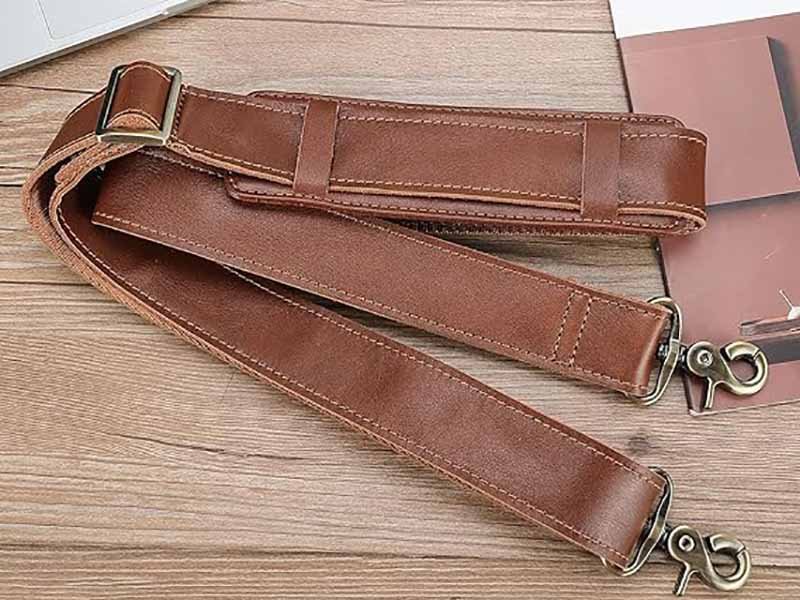
People often think the “design” is what makes a leather accessory premium. In real life, the leather choice does more heavy lifting than the design ever will. Two wallets can share the same stitching, same edge paint, same logo placement—yet one feels expensive and the other feels ordinary. Most of the time, that difference comes down to a material decision you make early: full grain vs top grain leather.
Full Grain vs Top Grain for Leather Handbags

In handbag sales, “full grain” often gets treated like a magic word. Customers see it and assume the bag must be premium. But in real production, a handbag can be full grain and still disappoint—too many visible marks, uneven color panels, scratch sensitivity, or inconsistent batches that are hard to repeat at scale. On the other side, many top-performing everyday handbags are made from top grain because it offers a cleaner surface, more predictable color, and fewer customer complaints in high-touch areas like corners and handles.
Cowhide vs Goat vs Sheepskin for Leather Goods: What’s Stronger and What Feels Better
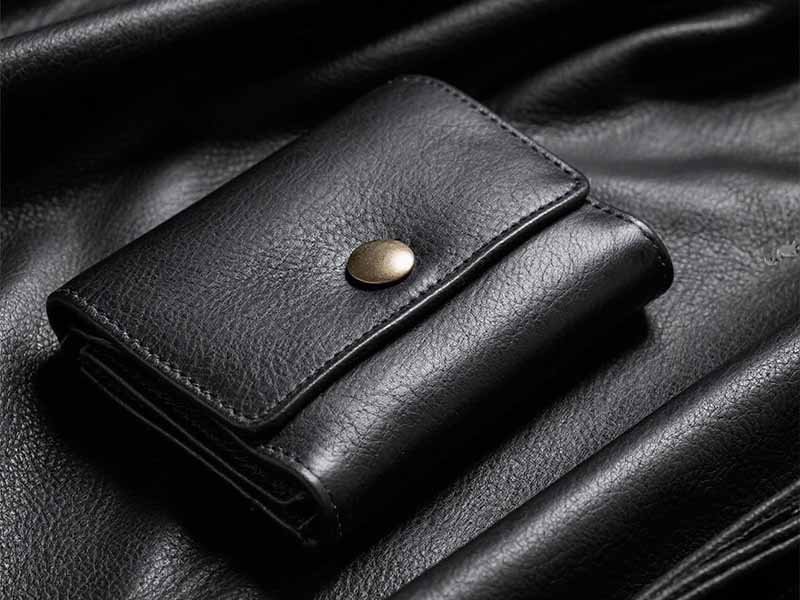
Leather is a timeless material used in everything from bags and wallets to belts and furniture. However, choosing the right type of leather for your goods depends largely on your specific needs, such as durability, texture, and price. Among the many types of leather, cowhide, goat, and sheepskin are the most popular, but each has its own strengths and weaknesses depending on the application.
Full Grain vs Top Grain in Leather Goods: What Brands Really Pay For
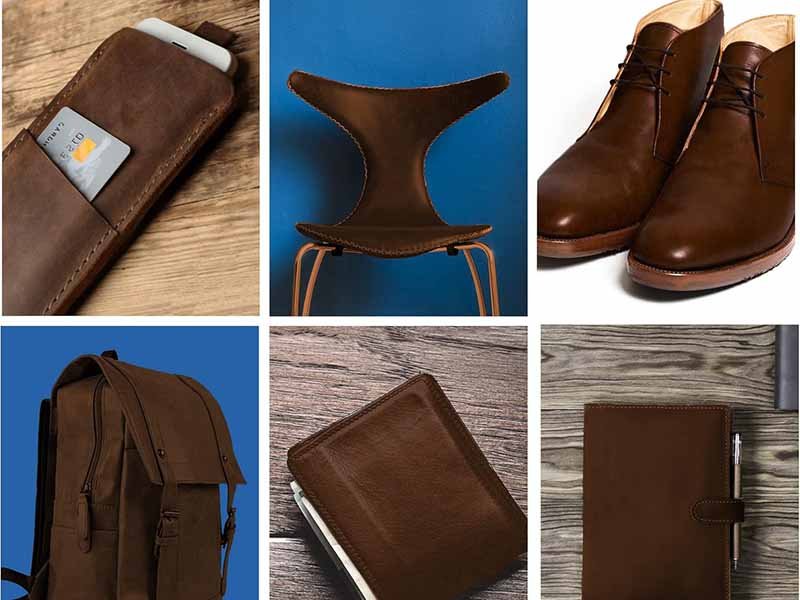
When it comes to premium leather products, especially leather bags, wallets, and accessories, the choice of leather can make or break the quality of the product. Among the many types of leather, full grain and top grain stand out as the two most commonly used in high-end manufacturing. But what exactly makes these two types of leather different, and why does it matter to brands looking for the best materials for their products.
How Long Does Genuine Leather Last: Guide You Need Before Buying Real Leather
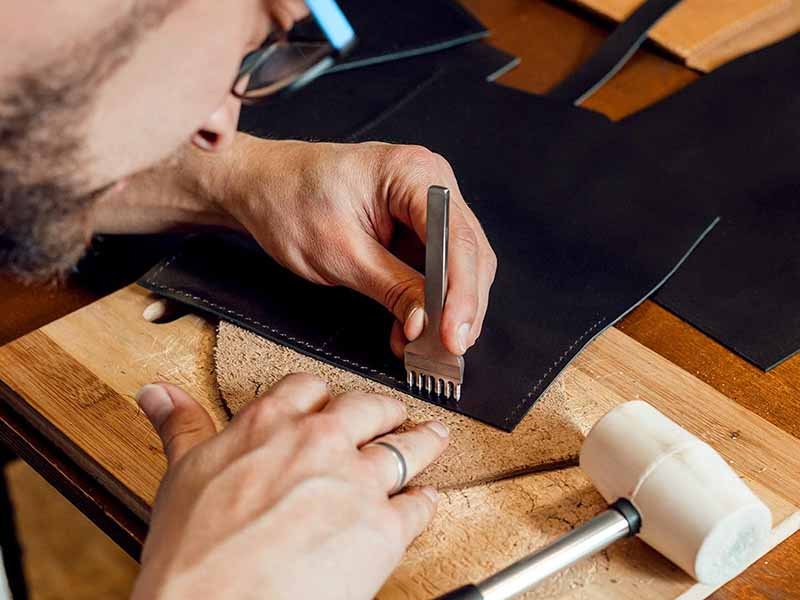
Genuine leather has long been celebrated for its durability, natural beauty, and the unmistakable character it develops over time. Yet in today’s world of fast fashion and synthetic alternatives, more buyers—especially brand owners and professional sourcing teams—are asking a simple but critical question: How long does genuine leather really last? The answer is more complex than most expect. Leather longevity depends on grade, tanning method, construction, climate exposure, care habits, and even how often the item is used. Because of these variables, two leather wallets purchased at the same time may age very differently.
What Is Crazy Horse Leather: A Complete Guide
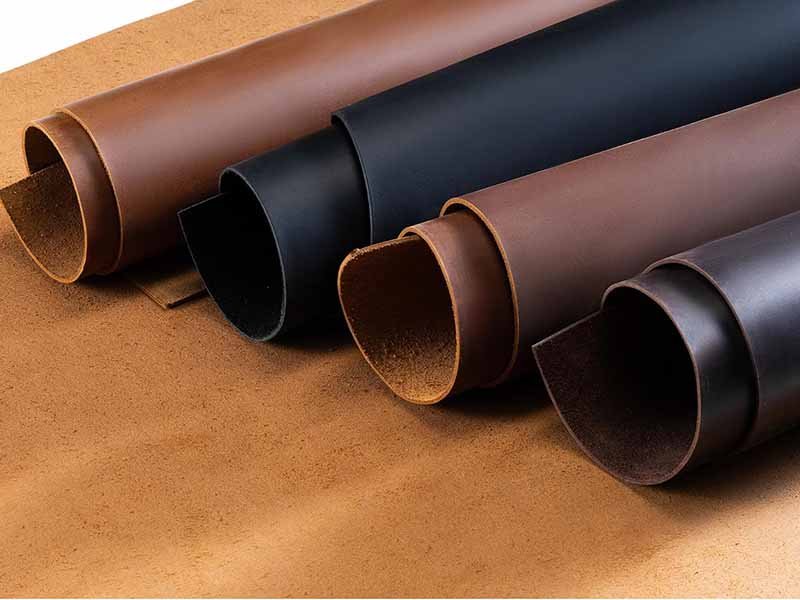
In a market where synthetic and vegan leathers are multiplying, Crazy Horse leather stands apart as a material that grows more beautiful the more it’s used. Known for its rugged yet elegant texture, this distinctive leather has found its way into luxury bags, vintage wallets, artisan belts, and timeless accessories. But what exactly makes it “Crazy Horse,” and why has it become the hallmark of craftsmanship for those who value authenticity over perfection?
What Is Vegetable-Tanned Leather: Natural Craft & Quality
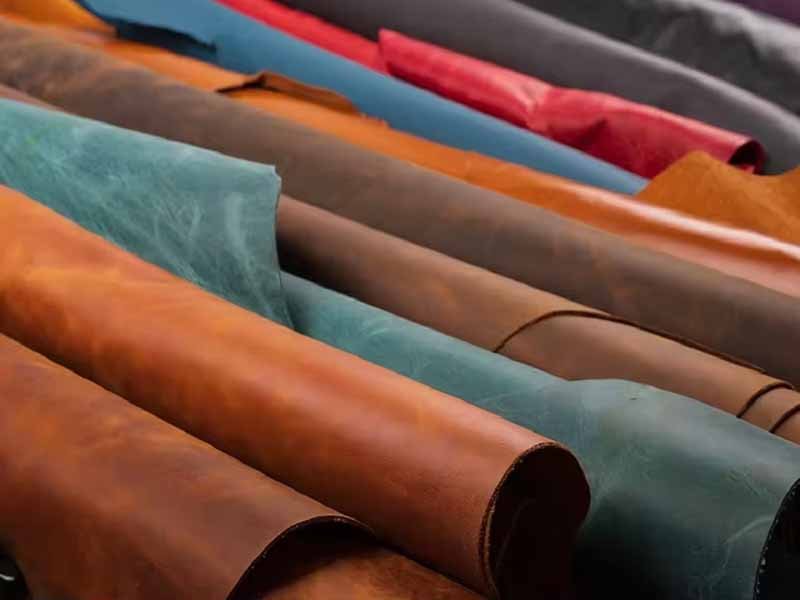
Leather has always fascinated humans—not just for its strength, but for how it ages. Among all types of leather, vegetable-tanned leather holds a special place in craftsmanship and heritage. From the handle of a handmade satchel to the strap of a fine belt, it’s the material that tells a story as it darkens, softens, and molds to its owner’s touch.
Genuine Leather vs Bonded Leather: Key Differences Explained
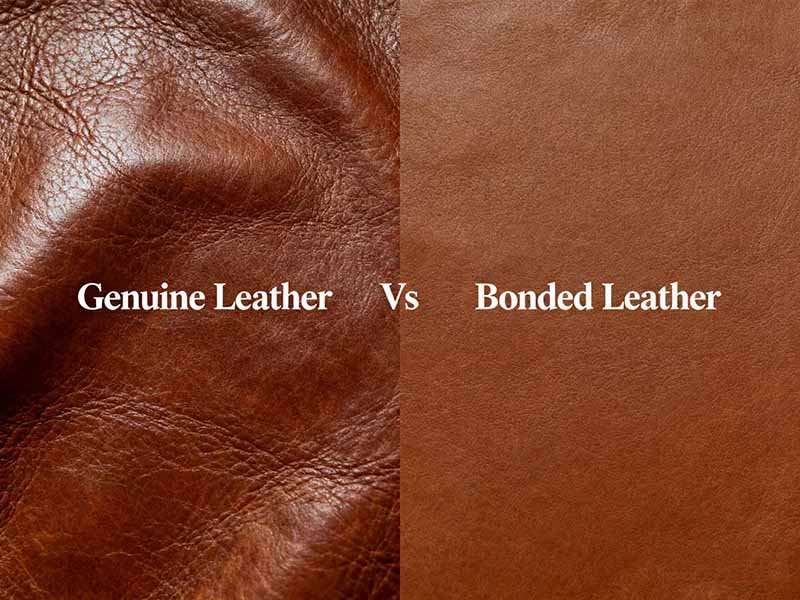
Leather has long been a symbol of luxury, craftsmanship, and timeless elegance. But in today’s market, not all leather is created equal. Walk into any boutique or scroll through online stores, and you’ll see “genuine leather” and “bonded leather” side by side — terms that sound alike but carry vastly different meanings. Choosing between them is not just about price; it’s about investing in quality, heritage, and a product that tells a lasting story.
Real Leather vs Fake Leather: How to Tell, Pros, Cons & Best Uses

Leather has long symbolized quality and craftsmanship, but in today’s market flooded with synthetic alternatives, distinguishing real leather from its faux counterparts can feel like decoding a secret language. From handbags to upholstery, making the right choice affects durability, aesthetics, and even your brand’s reputation. But beyond the surface-level “genuine leather” labels lies a world of tanning methods, material innovations, and ethical considerations that savvy buyers—especially brand clients—must understand.
Saffiano Leather vs Genuine Leather: Key Differences & Buying Guide
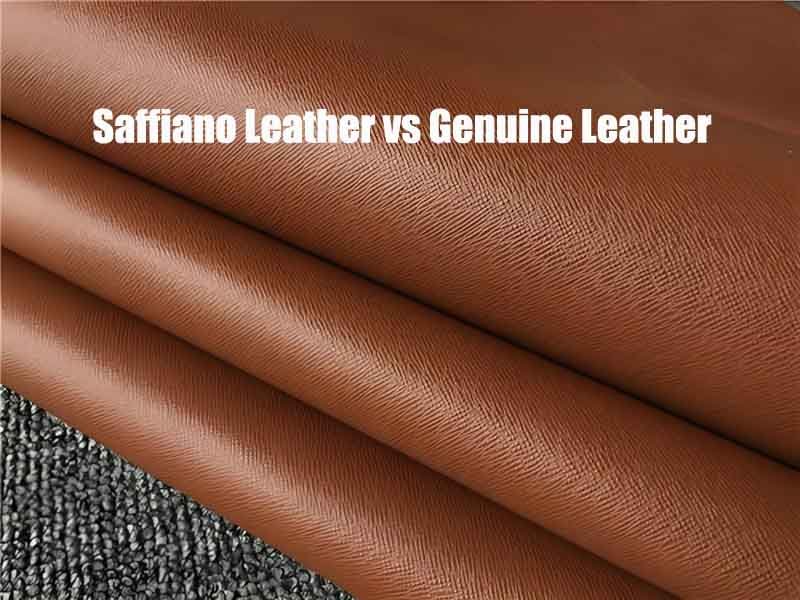
When choosing leather goods—from handbags to wallets—the term “Saffiano leather” often comes up alongside “genuine leather.” But what do these labels actually mean, and which should you pick? Saffiano, pioneered by Prada, features a distinctive crosshatch texture pressed into the hide and coated for scratch resistance and water repellency. Genuine leather, by contrast, refers broadly to products crafted from real animal hides, ranging from supple full-grain to corrected-grain finishes. Understanding their production methods, performance traits, and care requirements is crucial for brands and consumers alike.
What Are the Different Grades of Leather: Ultimate Guide
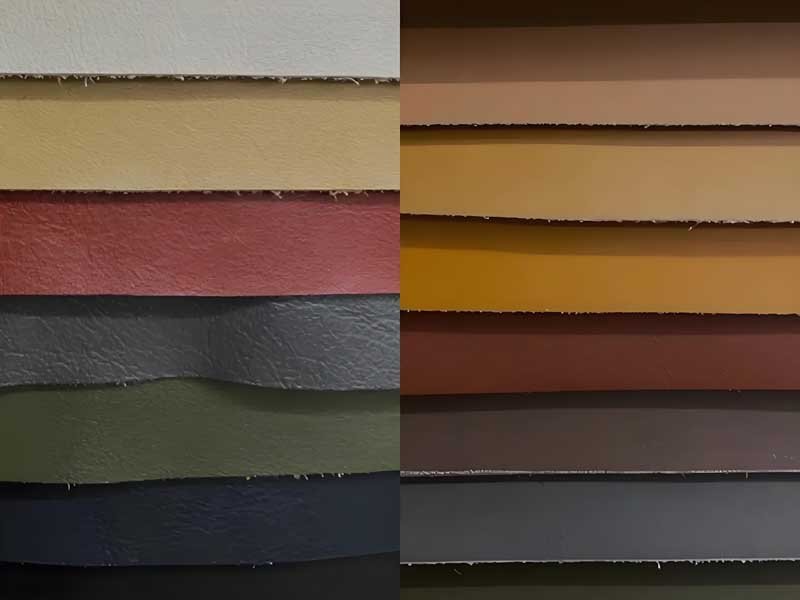
Leather takes many forms—from the rugged hides of vintage jackets to the lizard-skin luxury of high-end wallets. But not all leather is created equal. Knowing the grades of leather helps brands choose the right material for durability, appearance, and price. Whether you’re designing premium handbags, bespoke watch straps, or everyday belts, understanding the hierarchy of […]
Top Grain Leather vs Genuine Leather: What’s the Difference?

When you’re shopping for a leather jacket, wallet, or bag, you’ve probably seen labels boasting “Top Grain Leather” or “Genuine Leather” and wondered: what do these terms really mean? Are you paying more for a marketing buzzword or investing in quality that lasts decades?