
How Leather Goods Manufacturers Ensure Consistent Craftsmanship
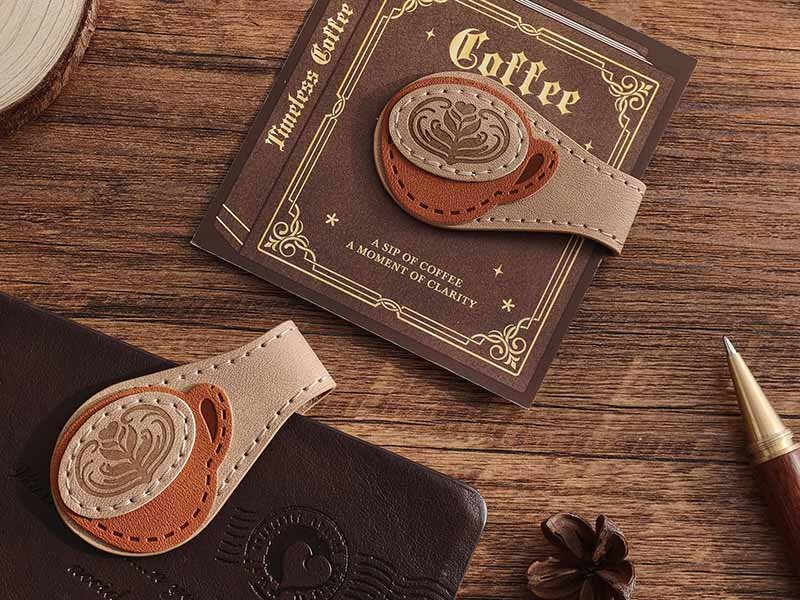
When people talk about leather craftsmanship, they often think about the last thing they can see: a clean stitch line, a smooth edge, a rich leather surface, a solid zipper pull, or a handbag that holds its shape after months of use. But in real manufacturing, consistent craftsmanship is not created at the final step. It is built much earlier, starting from leather selection, pattern engineering, material testing, cutting accuracy, stitching control, edge finishing, hardware matching, and repeated inspection during production. A leather product may look good in one sample, but that does not mean a factory can reproduce the same quality across 300 pieces, 1,000 pieces, or repeated orders over several seasons. That is where professional manufacturing systems make the real difference.
Core Materials for Leather Boxes: MDF vs Greyboard vs Wood vs Plastic

A leather box can look premium and still fail in real life. The reason is usually hidden under the leather. Most problems—warping lids, misaligned corners, soft walls, loose hinges, dents from shipping—come from one thing: the wrong core material (or the wrong thickness of the right core). The leather is the “skin.” The core is the “skeleton.” If the skeleton is weak, no leather—no matter how expensive—can save the structure long term.