
What Is the Right Leather Thickness for Tote Bags?
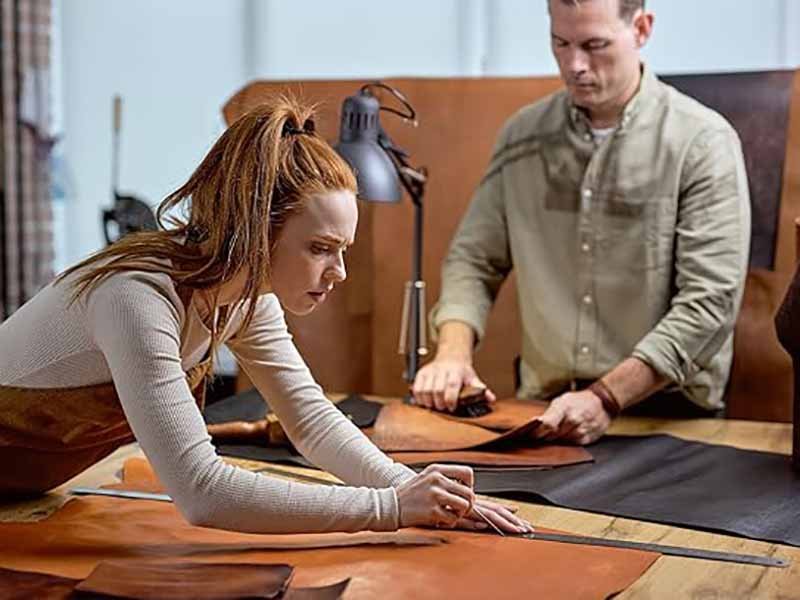
A tote bag may look simple, but leather thickness decides whether it feels premium or cheap, whether it keeps its shape or collapses, and whether it survives daily use or starts showing problems after a few weeks. Many brands focus first on color, grain, logo, and silhouette. Those things matter, but they do not solve the real engineering question inside the product: how thick should the leather be for the body, the handles, the bottom, and the reinforcement areas? A tote that feels elegant in hand can still fail in real use if the leather is too thin for the load, and a tote that looks strong on paper can become too heavy, too stiff, and too expensive if the leather is too thick.
Structured vs Soft Leather Handbags: Choosing the Right Build for Your Brand
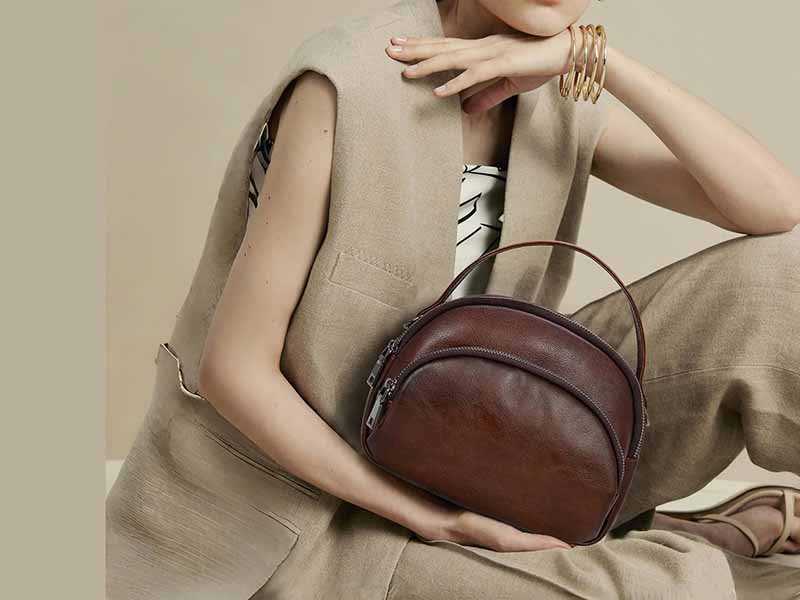
When customers look at a handbag online, they judge it in seconds—often before they read a single word of product copy. A bag that stands upright, holds sharp corners, and keeps a clean silhouette signals “polished, premium, organized.” A bag that drapes and moves signals “comfortable, relaxed, effortless.” That one visual difference is why brands keep comparing structured vs soft leather handbags: the build doesn’t just change the shape—it changes what the product means to the customer, and what price they believe it deserves.