 Skip to content
What Is the Right Leather Thickness for Tote Bags?
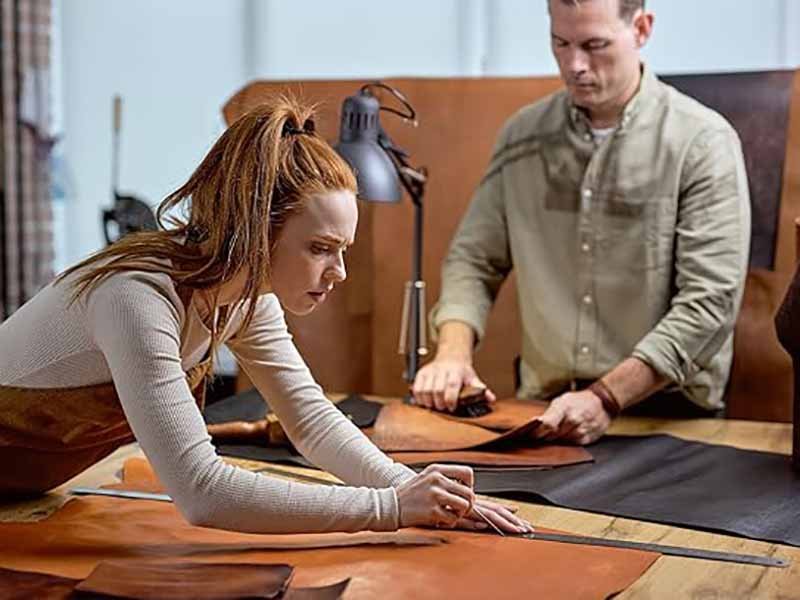
A tote bag may look simple, but leather thickness decides whether it feels premium or cheap, whether it keeps its shape or collapses, and whether it survives daily use or starts showing problems after a few weeks. Many brands focus first on color, grain, logo, and silhouette. Those things matter, but they do not solve the real engineering question inside the product: how thick should the leather be for the body, the handles, the bottom, and the reinforcement areas? A tote that feels elegant in hand can still fail in real use if the leather is too thin for the load, and a tote that looks strong on paper can become too heavy, too stiff, and too expensive if the leather is too thick.
Full Grain vs Top Grain Leather for Bag Manufacturing
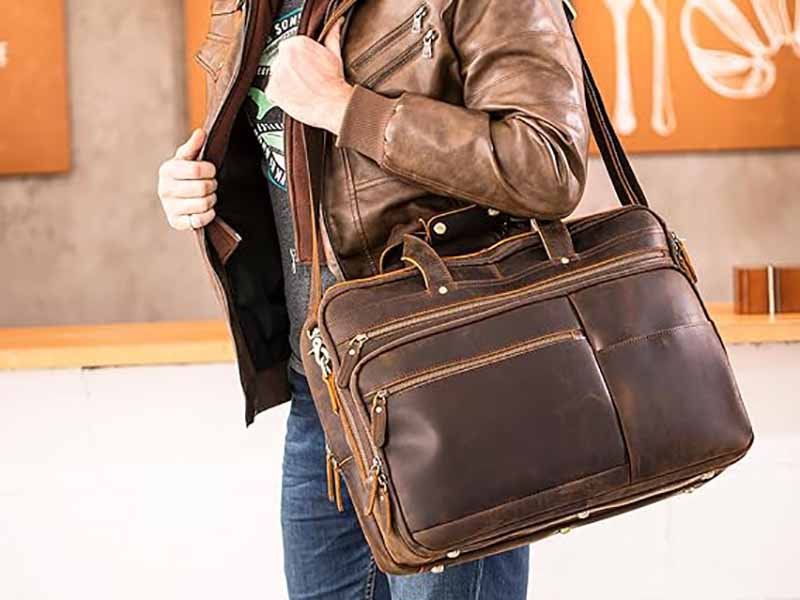
A leather bag can look excellent on the day it is packed, yet disappoint six months later when the corners soften too quickly, the surface scratches unevenly, or the body loses shape after regular use. In many of these cases, the problem is not the pattern, not the stitching, and not even the hardware. The real issue starts much earlier, with the leather choice itself. That is why the discussion around full grain leather and top grain leather matters so much in bag manufacturing. The difference is not only about status or wording on a product page. It affects structure, cutting yield, surface consistency, repair rate, pricing, customer expectation, and long-term product reputation.
Split Leather in Leather Makeup Bags: When Is It Acceptable
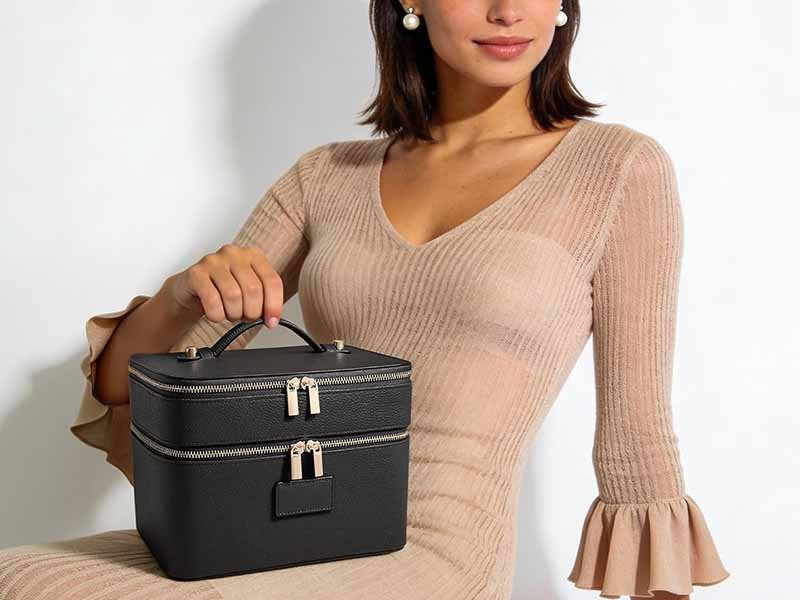
A leather makeup bag may look like a small and simple product, but for brands that actually develop and sell them, the material choice is rarely simple. Cosmetics are messy. Zippers are opened and closed every day. Bags are squeezed into handbags, dropped into suitcases, and exposed to oils, hand creams, alcohol-based cleaners, powder residue, and frequent friction. That means the leather used for a makeup bag has to do more than just look good under studio lighting. It needs to feel right in hand, hold its shape, resist surface damage, and still make sense within the target price range.
What Is Split Leather in Leather Handbags: When It’s Acceptable
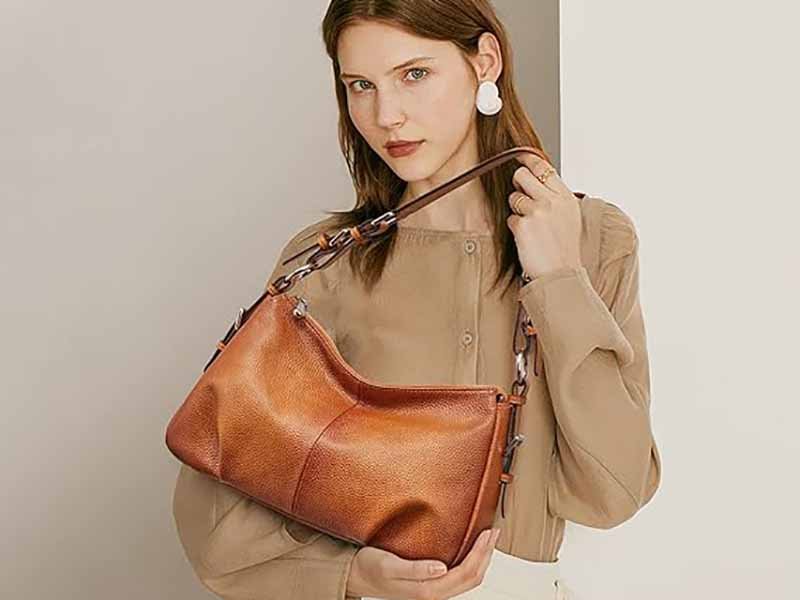
Split leather is one of the most misunderstood materials in leather handbags—mostly because it sits right in the middle of the market. It’s real leather, but it isn’t the same as full grain. It can look beautiful in photos, especially when it’s coated or embossed, yet it can also disappoint fast if it’s used in the wrong place. That’s why two handbags can both claim “genuine leather,” but one ages nicely and the other starts cracking, stretching, or peeling at the corners.
Structured vs Soft Leather Handbags: Choosing the Right Build for Your Brand
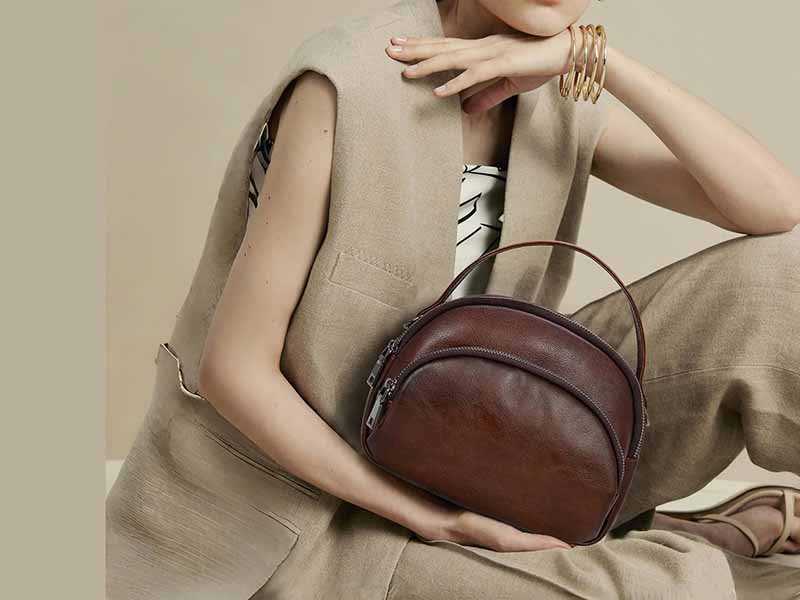
When customers look at a handbag online, they judge it in seconds—often before they read a single word of product copy. A bag that stands upright, holds sharp corners, and keeps a clean silhouette signals “polished, premium, organized.” A bag that drapes and moves signals “comfortable, relaxed, effortless.” That one visual difference is why brands keep comparing structured vs soft leather handbags: the build doesn’t just change the shape—it changes what the product means to the customer, and what price they believe it deserves.