 Skip to content
Split Leather in Leather Goods: When It’s Acceptable
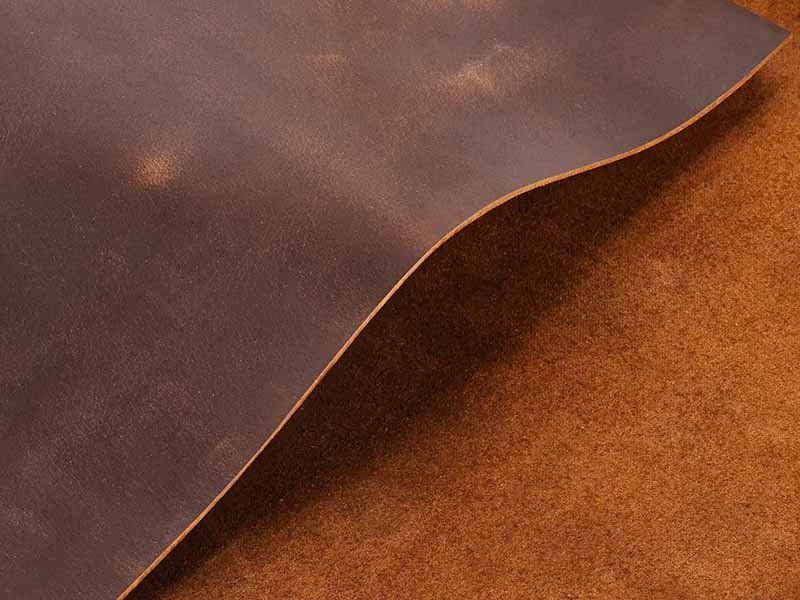
If you’ve ever opened a sample box and thought, “This leather looks great… but will it survive real use?”—you’re already asking the right question. Split leather is where many product lines win or lose: used correctly, it’s a smart way to control cost and still deliver a solid feel; used incorrectly, it becomes the reason a bag peels at the handle, a strap cracks at the bend, or a wallet starts looking tired after a season.
Genuine Leather vs PU Leather: What Is the Real Difference

Walk into any store selling bags, wallets, or belts, and you’ll see the same labels again and again: genuine leather, PU leather, vegan leather, synthetic leather. To many buyers, these terms feel interchangeable. To manufacturers and experienced brands, they are anything but.
Genuine Leather vs Faux Leather: Which Material Fits Your Product Best?
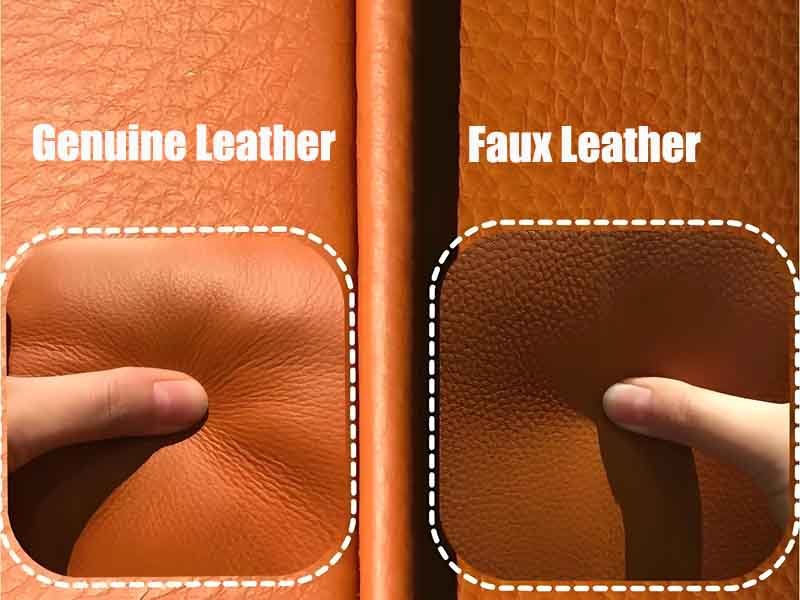
Leather has always carried an aura of authenticity, craftsmanship, and luxury. But in today’s market, buyers—whether sourcing for handbags, belts, wallets, or packaging—face a tough question: should you invest in genuine leather or opt for faux leather alternatives like PU or PVC? Both have their place in modern production, and the decision impacts not only your product’s durability but also its pricing, branding, and sustainability story.