 Skip to content
Full Grain vs Top Grain for Leather Accessories: What Buyers Should Choose
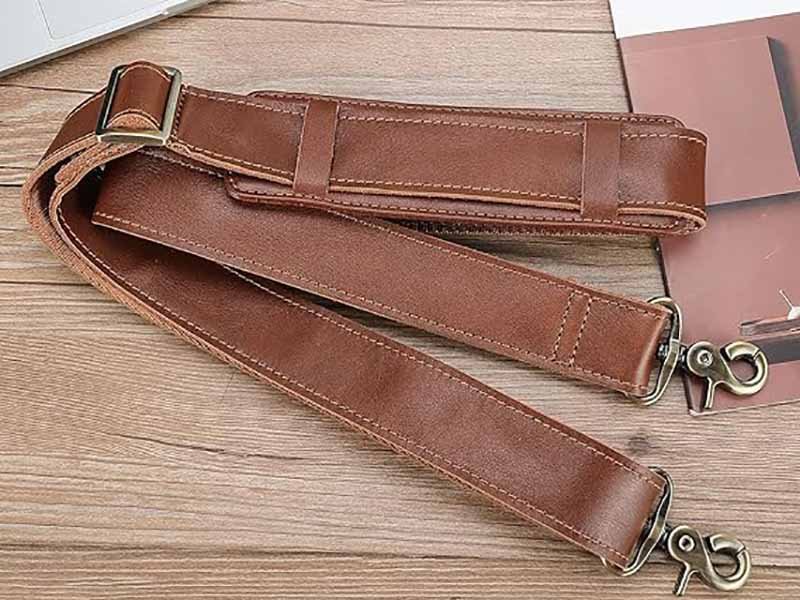
People often think the “design” is what makes a leather accessory premium. In real life, the leather choice does more heavy lifting than the design ever will. Two wallets can share the same stitching, same edge paint, same logo placement—yet one feels expensive and the other feels ordinary. Most of the time, that difference comes down to a material decision you make early: full grain vs top grain leather.
Full Grain vs Top Grain for Leather Handbags
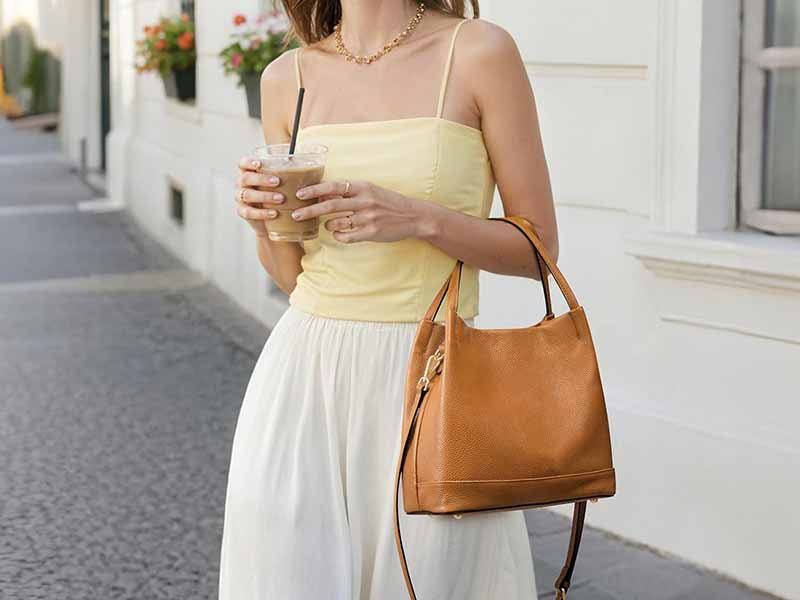
In handbag sales, “full grain” often gets treated like a magic word. Customers see it and assume the bag must be premium. But in real production, a handbag can be full grain and still disappoint—too many visible marks, uneven color panels, scratch sensitivity, or inconsistent batches that are hard to repeat at scale. On the other side, many top-performing everyday handbags are made from top grain because it offers a cleaner surface, more predictable color, and fewer customer complaints in high-touch areas like corners and handles.
Full Grain vs Top Grain in Leather Goods: What Brands Really Pay For
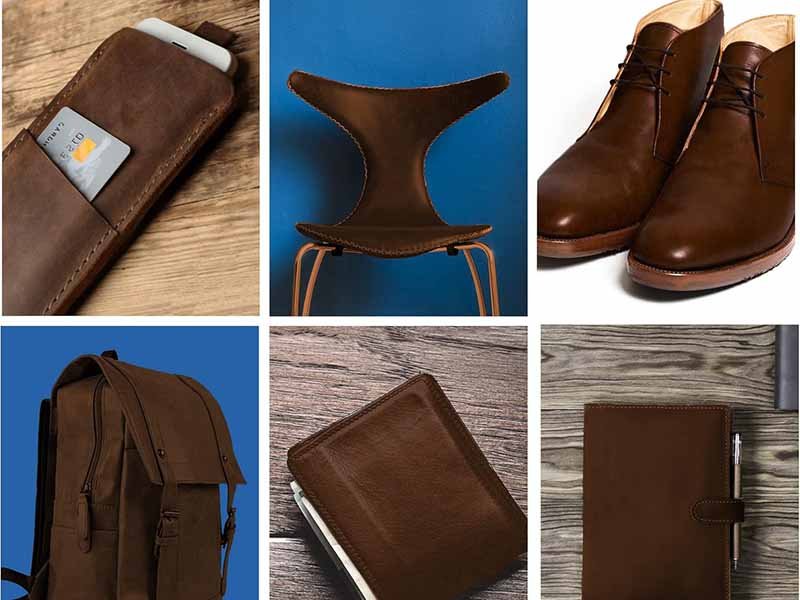
When it comes to premium leather products, especially leather bags, wallets, and accessories, the choice of leather can make or break the quality of the product. Among the many types of leather, full grain and top grain stand out as the two most commonly used in high-end manufacturing. But what exactly makes these two types of leather different, and why does it matter to brands looking for the best materials for their products.
What Is Grain Leather: Detailed explanation
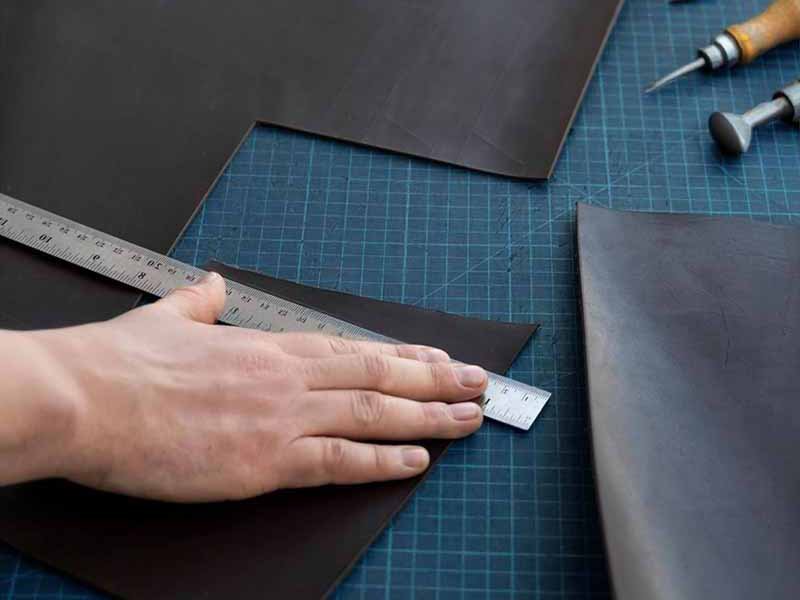
Leather is one of the few materials that carries both emotion and engineering. People talk about it using words like luxury, heritage, or premium, yet behind every leather bag or wallet is a series of very practical decisions—about durability, structure, finish, and cost. One of the most confusing terms in this space is “grain leather.” It’s everywhere: product descriptions, brand storytelling, supplier quotes. But what does it actually mean?
25 Best Leather Wallet Brands: The Complete Guide to Choose the Right Partner
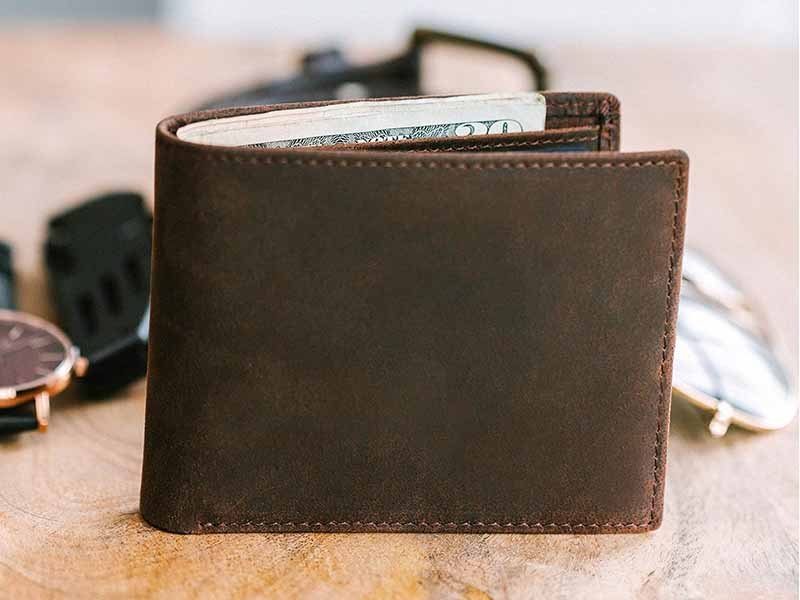
Leather wallets are one of the few accessories that nearly every person owns but rarely thinks deeply about. A good wallet lives in your pocket for years, even decades—it absorbs your daily routines, adapts to your habits, and silently reflects your taste, status, and lifestyle. And in the world of leather goods, the brand behind a wallet often tells an even deeper story: a story of craftsmanship, tradition, material knowledge, and long-term value.
What Is Crazy Horse Leather: A Complete Guide
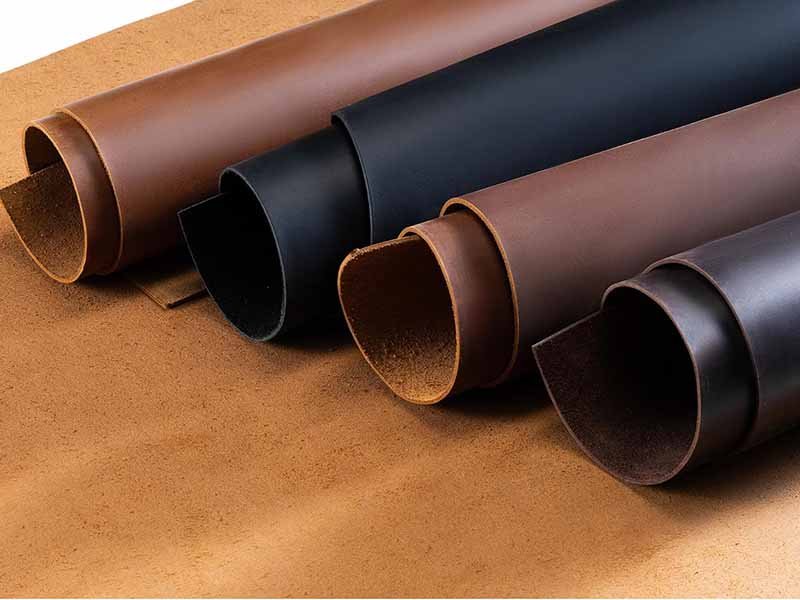
In a market where synthetic and vegan leathers are multiplying, Crazy Horse leather stands apart as a material that grows more beautiful the more it’s used. Known for its rugged yet elegant texture, this distinctive leather has found its way into luxury bags, vintage wallets, artisan belts, and timeless accessories. But what exactly makes it “Crazy Horse,” and why has it become the hallmark of craftsmanship for those who value authenticity over perfection?
What Is Vegetable-Tanned Leather: Natural Craft & Quality
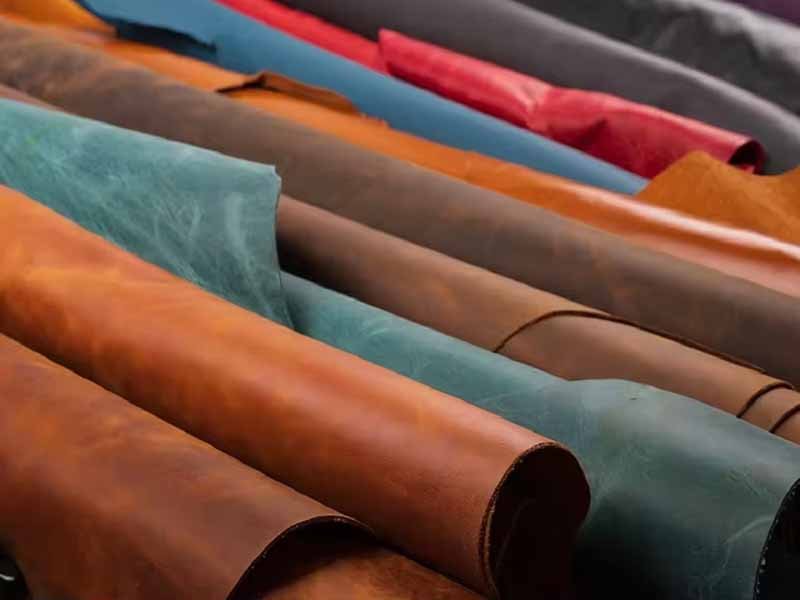
Leather has always fascinated humans—not just for its strength, but for how it ages. Among all types of leather, vegetable-tanned leather holds a special place in craftsmanship and heritage. From the handle of a handmade satchel to the strap of a fine belt, it’s the material that tells a story as it darkens, softens, and molds to its owner’s touch.
What Are the Different Grades of Leather: Ultimate Guide
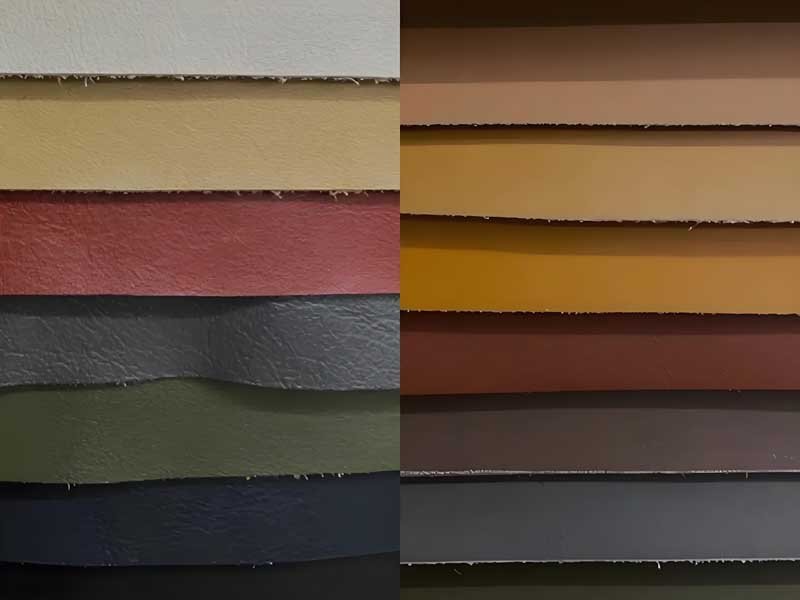
Leather takes many forms—from the rugged hides of vintage jackets to the lizard-skin luxury of high-end wallets. But not all leather is created equal. Knowing the grades of leather helps brands choose the right material for durability, appearance, and price. Whether you’re designing premium handbags, bespoke watch straps, or everyday belts, understanding the hierarchy of […]
What Is Leather Made Of: Everything You Need to Know

Leather has been a symbol of luxury and durability for centuries,from the saddlebags of 19th‑century explorers to your favorite weekend messenger bag. But beyond its stylish appeal, leather’s unique properties,breathability, strength, and patina development,make it irreplaceable in many applications. Understanding what leather is made of helps you appreciate why it commands premium prices and how to choose the right type for your needs.
What Are the 5 Types of Leather: The Ultimate Guide
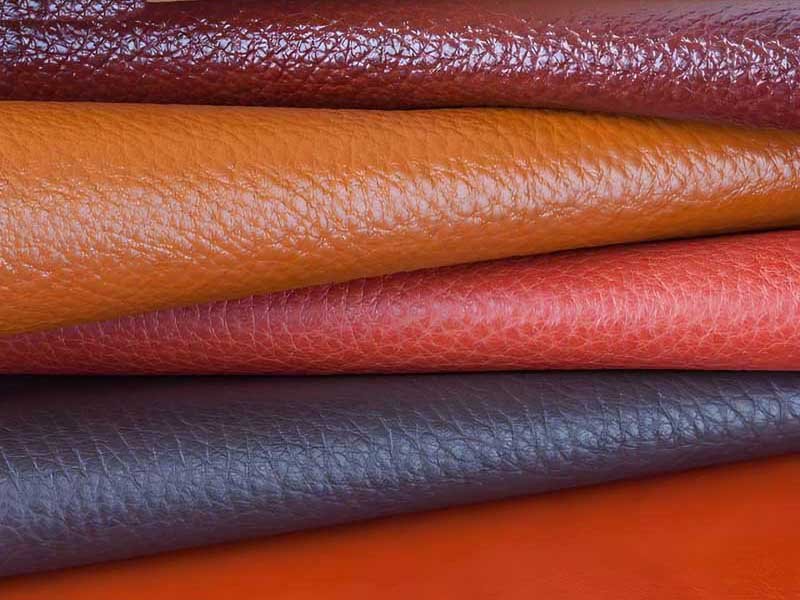
This guide dives into the five most common types of leather used in today’s market: full-grain, top-grain, corrected-grain, split, and bonded leather. We’ll break down their characteristics, how they’re made, their pros and cons, and most importantly, how they compare to one another. By the end of this article, you’ll be equipped with everything you need to pick the right type of leather for your needs.
What is Leather Grain: The Ultimate Guide

Leather is one of the most versatile and timeless materials used in a variety of products, from wallets to bags to luxury goods. But what makes leather so special? One of the key factors that determine the quality, durability, and overall look of leather is its grain. In this comprehensive guide, we’ll explore the different […]
What Is Full Grain Leather: The Ultimate Guide

Full grain leather is the highest-quality leather, made from the outermost layer of the hide with minimal surface alterations. It retains natural markings and fibers, resulting in exceptional strength, distinctive texture, and a patina that deepens over time. Unlike lower grades, full grain leather is both real and remarkably durable, setting the industry standard.