
How to Choose an OEM Leather Goods Factory
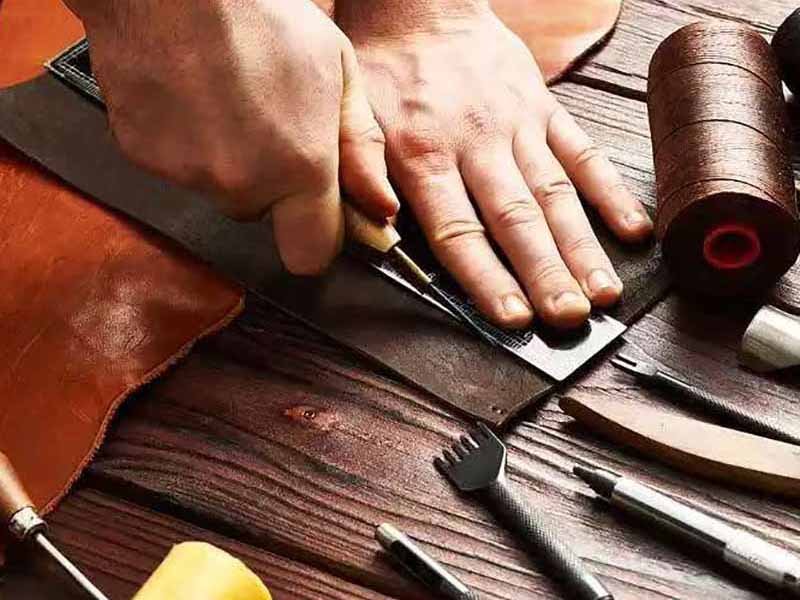
A polished leather sample can be dangerously convincing. The stitching looks clean, the edge paint feels smooth, the hardware has a satisfying weight, and the leather appears suitable for the retail price you have in mind. However, none of these details proves that the factory can repeat the same result across 500, 2,000, or 10,000 units while controlling color variation, dimensions, structure, workmanship, packaging, and shipment timing. Selecting a manufacturer is therefore not a beauty contest between samples. It is a commercial risk decision that can influence product reviews, retail acceptance, cash flow, inventory planning, and the long-term reputation of your brand.
How to Choose a Private Label Leather Goods Manufacturer
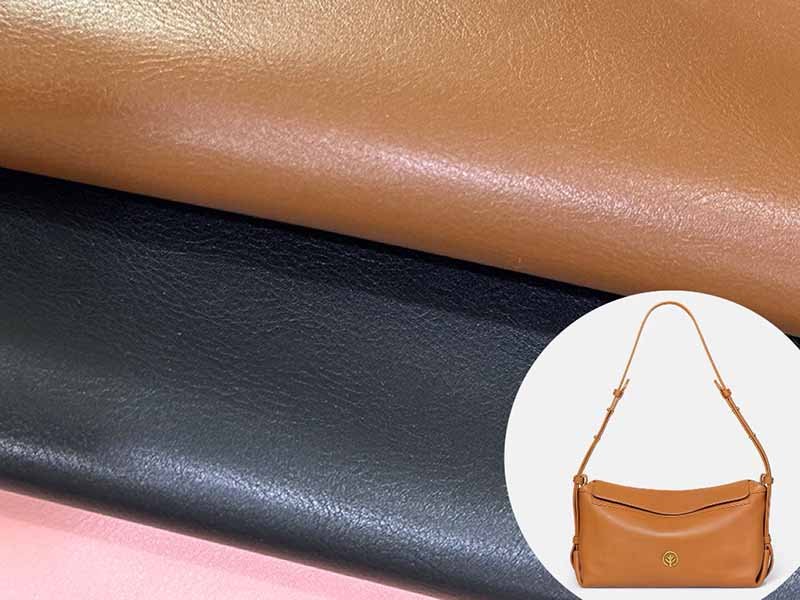
A beautifully made sample can create a dangerous sense of confidence. It arrives with smooth edge paint, clean stitching, polished hardware, and a logo positioned exactly where your team requested. Everyone approves it, the purchase order is issued, and the project appears to be under control. Several weeks later, the bulk shipment arrives with inconsistent leather grain, uneven color, soft corners, rough edges, and hardware that feels lighter than the approved sample. The original design was not necessarily the problem. The real problem was choosing a supplier based on one attractive sample instead of examining the manufacturing system behind it.
How Custom Leather Goods Help Brands Stand Out
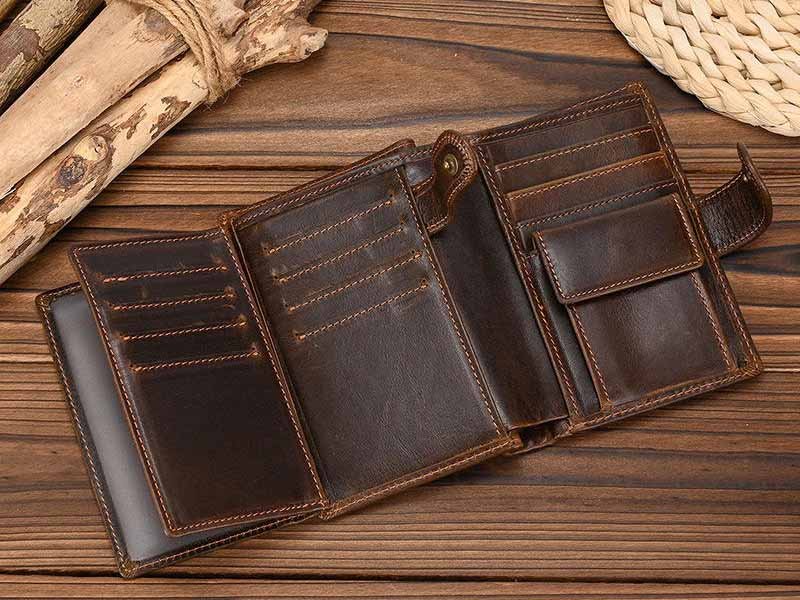
Leather goods are one of the most competitive product categories in fashion, lifestyle, corporate gifting, travel, and retail. A customer can compare dozens of leather bags, wallets, belts, straps, card holders, leather boxes, and accessories within minutes. Many products look attractive at first glance, but after a closer look, the difference between them becomes small: similar shapes, similar colors, similar hardware, similar logo positions, and similar packaging. This is where many brands begin to struggle. They are not only competing with direct competitors. They are competing with every similar-looking product on Amazon, Shopify, retail shelves, social media shops, and wholesale platforms.
How to Condition Leather at Home Safely: Expert Guide
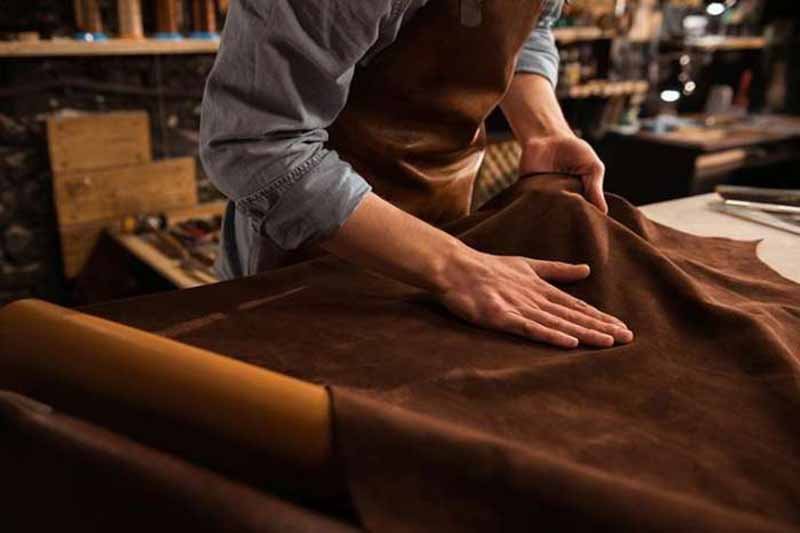
Leather is often described as a “living material.” It doesn’t breathe or heal like skin, but it reacts—to moisture, heat, friction, neglect, and care. When leather looks dry, stiff, dull, or cracked, the issue is rarely age alone. More often, it’s dehydration caused by environment, use, or improper maintenance. This is where conditioning comes in—but also where many people go wrong.
Genuine Leather vs PU Leather: What Is the Real Difference

Walk into any store selling bags, wallets, or belts, and you’ll see the same labels again and again: genuine leather, PU leather, vegan leather, synthetic leather. To many buyers, these terms feel interchangeable. To manufacturers and experienced brands, they are anything but.
What Is Pebbled Leather: The Ultimate Guide

You’ve probably run your fingers over a pebbled leather handbag or felt a textured wallet and wondered: what makes that leather so special? Pebbled leather’s unique dimpled surface not only looks chic but also hides scratches and scuffs, making it a favorite among designers and everyday users alike. But is pebbled leather just a style trick, or does it hold up where it counts?