
Full Grain vs Top Grain for Leather Accessories: What Buyers Should Choose
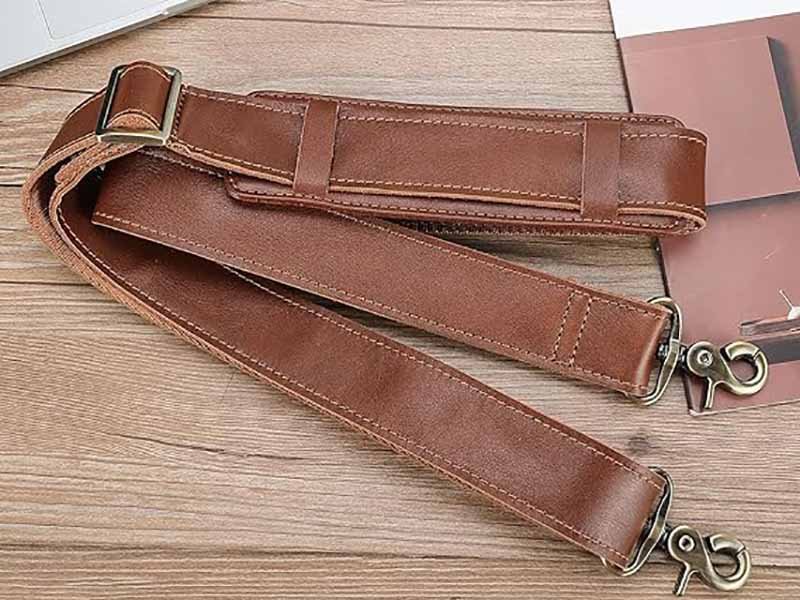
People often think the “design” is what makes a leather accessory premium. In real life, the leather choice does more heavy lifting than the design ever will. Two wallets can share the same stitching, same edge paint, same logo placement—yet one feels expensive and the other feels ordinary. Most of the time, that difference comes down to a material decision you make early: full grain vs top grain leather.
Full Grain vs Top Grain for Leather Handbags
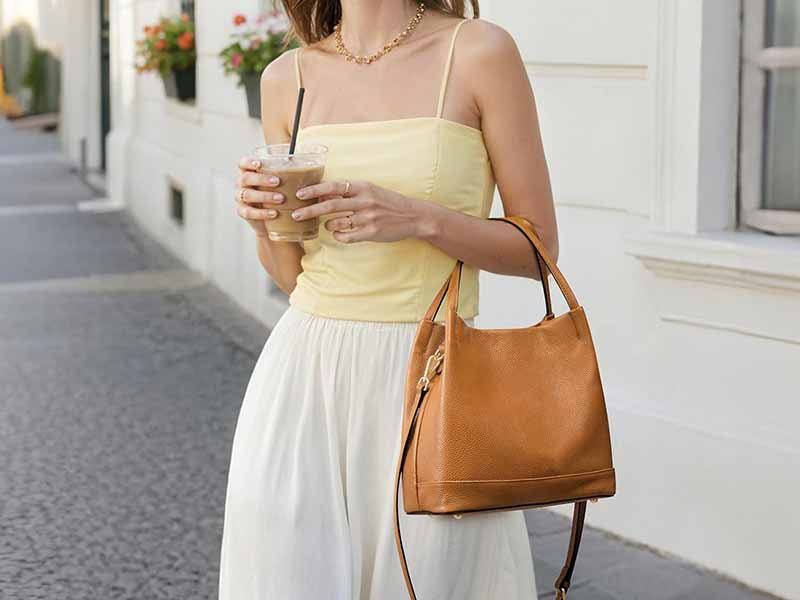
In handbag sales, “full grain” often gets treated like a magic word. Customers see it and assume the bag must be premium. But in real production, a handbag can be full grain and still disappoint—too many visible marks, uneven color panels, scratch sensitivity, or inconsistent batches that are hard to repeat at scale. On the other side, many top-performing everyday handbags are made from top grain because it offers a cleaner surface, more predictable color, and fewer customer complaints in high-touch areas like corners and handles.
What Is Aniline Leather: The Ultimate Guide
Leather has always been a material that divides buyers into two categories: those who want uniform perfection and those who love natural authenticity. If you’ve ever touched a handbag that feels buttery soft, looks entirely natural, and shows subtle grain patterns without heavy coatings, chances are you’ve experienced aniline leather. Unlike other types, it is prized for its raw, elegant look and its ability to develop a patina that tells a story over time.
What Are the Different Grades of Leather: Ultimate Guide
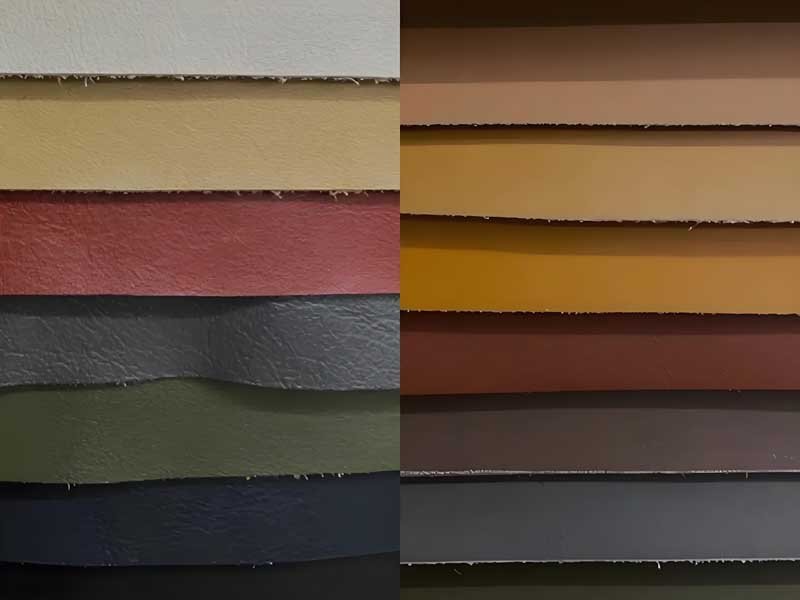
Leather takes many forms—from the rugged hides of vintage jackets to the lizard-skin luxury of high-end wallets. But not all leather is created equal. Knowing the grades of leather helps brands choose the right material for durability, appearance, and price. Whether you’re designing premium handbags, bespoke watch straps, or everyday belts, understanding the hierarchy of […]