 Skip to content
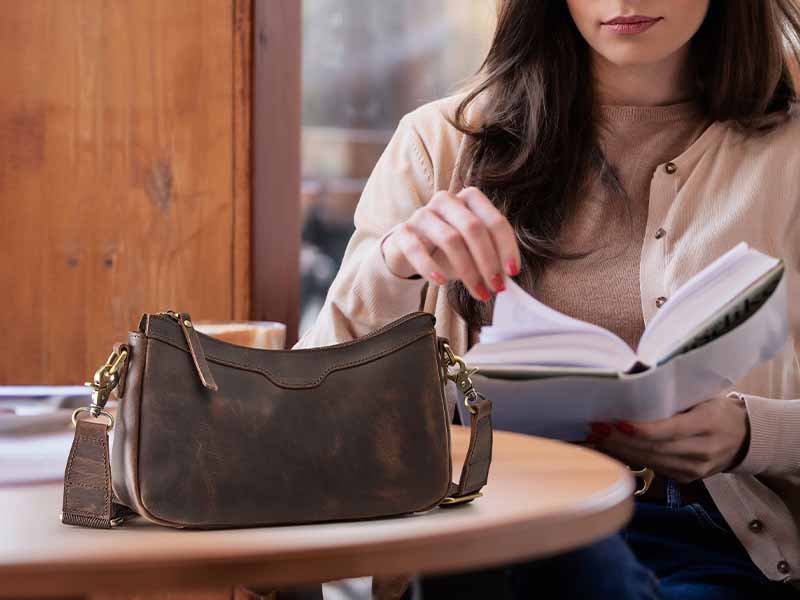
A purse can look perfect in a showroom and still become a “high-maintenance” item once it enters daily life. The first week usually answers the real questions: Do you see fingerprints after every grab? Do scratches appear when the bag brushes a coat zipper? Does the leather look dull where your hand touches most? Pebbled and smooth leather react differently to these everyday moments because texture and finish change how light hits the surface, how friction marks show up, and how oils from skin spread.
Pebbled leather purses usually hide fingerprints and minor scratches better because the textured grain breaks up light reflection and helps small scuffs blend in. Smooth leather purses look cleaner and more elegant at first glance, but they show fingerprints, shine spots, and surface scratches more easily because the finish is flat and reflective. Your best choice depends on your lifestyle and how much care you’re willing to do.
If you’ve ever owned a smooth leather bag that looked “used” after one month—or a textured bag that still looked fresh after a full season—you’ve already seen this difference in real life. Let’s break down why it happens and how to choose (or customize) the right leather for your product line.
What is pebbled leather vs smooth leather?
Pebbled leather has a visible grain texture—either naturally pronounced or embossed—often with a slightly thicker protective finish. Smooth leather has a flatter surface with minimal texture and a cleaner, more reflective look. These differences affect fingerprint visibility, scratch appearance, softness, and maintenance frequency. Texture does not automatically mean “better,” but it usually means “more forgiving” in daily use.
What defines pebbled texture?
Pebbled leather is recognized by a small raised grain pattern that can be natural (from the hide) or created through embossing. Many pebbled leathers are also tumbled, which makes them more flexible and helps them maintain a relaxed look.
What customers notice in real use:
- Touch marks disappear faster because the surface is not uniform
- Minor scuffs blend in with the grain
- The bag often looks “new” longer in normal lighting
Typical physical traits used in handbag production:
- Moderate to high flexibility
- Medium to thick surface finish (depends on collection positioning)
- Better day-to-day abrasion disguise
| Pebbled leather feature | What it means for the purse | What customers feel |
|---|---|---|
| Grain texture | Light scatters instead of reflecting | Fewer visible fingerprints |
| Slightly thicker finish | Extra protection against rubbing | Better day-to-day appearance |
| Tumbled softness | Leather flexes and recovers easier | Less stiff, easier carry |
What defines smooth leather surface?
Smooth leather is flatter, cleaner, and more “dressy.” It can be matte, satin, or glossy, but the key trait is low surface texture, which creates a uniform reflection.
What customers notice quickly:
- Fingerprints and hand oils can appear as dark smudges or shiny patches
- Scratches look more obvious because they interrupt a smooth surface
- It can look premium, but it can also look “marked” sooner if not cared for
Smooth leather is common for:
- Structured handbags
- Formal purses
- Minimalist designs where the surface look is the main selling point
| Smooth leather finish level | Fingerprint visibility | Scratch visibility | Visual style |
|---|---|---|---|
| Matte smooth | Medium | Medium | clean, modern |
| Satin smooth | High | Medium-high | rich, polished |
| Glossy smooth | Very high | High | dressy, bold |
How are they made differently?
Most of the difference happens in finishing, not tanning. Two leathers can start from similar hides and end up behaving very differently due to surface processing.
Core production differences:
- Embossing: often used to create consistent pebble grain
- Tumbling: softens leather and improves flexibility
- Coating system: thickness and type affect mark resistance and feel
| Process step | Pebbled leather (common) | Smooth leather (common) |
|---|---|---|
| Surface pattern | natural grain or embossed | minimal texture |
| Tumbling | often more | often less |
| Topcoat thickness | medium to thicker | thin to medium |
| Look after wear | hides micro-wear | shows micro-wear |
How do pebbled and smooth leather show fingerprints?
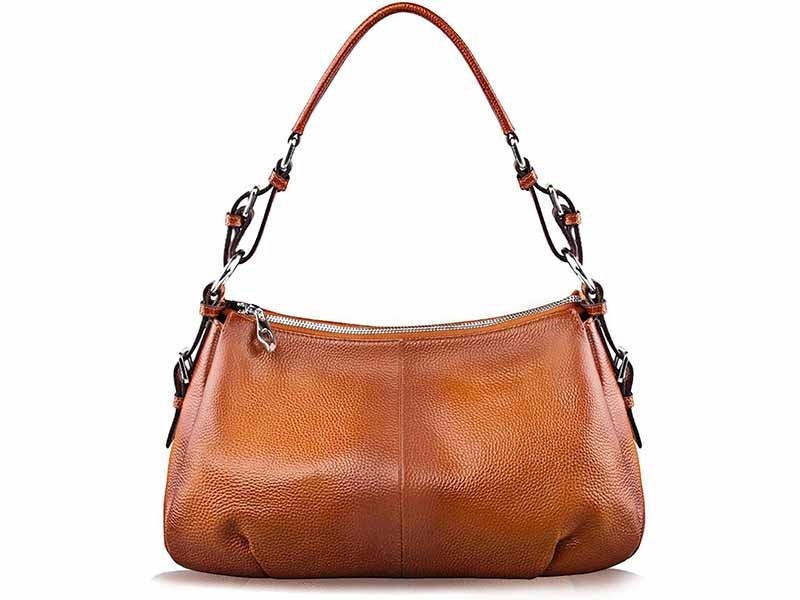
Fingerprints come from skin oils and moisture. Pebbled leather hides fingerprints better because the texture breaks up reflective light and distributes oil across uneven high/low points. Smooth leather shows fingerprints more because oil forms visible patches on a flat surface, especially under bright light. If you dislike wiping your bag often, pebbled leather is usually the easier choice.
Do fingerprints show on pebbled leather?
In most daily scenarios, fingerprints are low visibility on pebbled leather. Oils still transfer, but they don’t form clean, obvious marks because the texture interrupts the “mirror effect.”
What this means for owners:
- Less frequent wiping
- Bag looks cleaner in photos and indoor lighting
- Better for high-touch areas (top handles, flap edges)
Fingerprint visibility by use case (practical view)
| Use situation | Pebbled leather | Why it performs well |
|---|---|---|
| Commuting / public transit | Low | texture hides smudges |
| Frequent opening/closing | Low | oils don’t form flat patches |
| Humid weather | Low-medium | depends on finish, still forgiving |
Do fingerprints show on smooth leather?
Yes—especially on darker colors (black, navy, deep brown) and on satin/gloss finishes. Smooth leather can show:
- Hand oil “shadowing”
- Shine spots where fingers rub often
- Smudge patterns under direct sunlight
What this means for owners:
- More wiping with a soft cloth
- More frequent conditioning to keep surface even
- More visible “touch history” over time (some people like patina; some don’t)
| Use situation | Smooth leather | What usually happens |
|---|---|---|
| Daily hand contact | High visibility | smudges or shine patches |
| Bright lighting / sunlight | High | marks become obvious |
| Light colors | Medium | less contrast, still visible |
Why surface finish matters?
Two smooth leathers can behave very differently depending on the coating. A thicker, matte topcoat can reduce fingerprints but may feel less “luxury soft.” A thin, glossy finish feels great but shows everything.
| Finish choice | Fingerprint resistance | Feel | Best for |
|---|---|---|---|
| Matte protective coat | Higher | slightly firmer | daily-use lines |
| Satin coat | Medium | balanced | fashion + daily |
| Gloss coat | Low | very smooth | premium look, careful use |
Most complaints about “fingerprints” are not about leather type alone—they’re about finish selection. Brands can tune this through finish specs.
Which leather is more scratch-resistant?
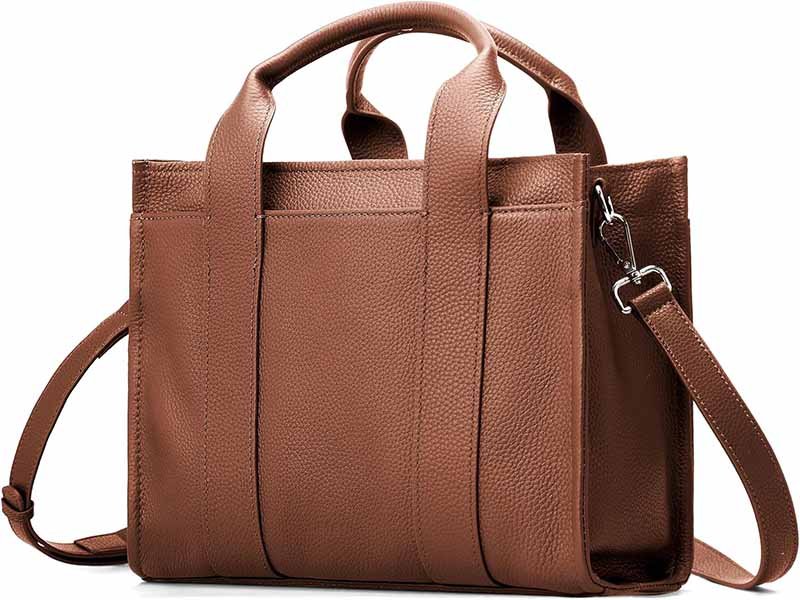
Pebbled leather usually looks more scratch-resistant because texture makes shallow scratches harder to see. Smooth leather often shows scratches more clearly because any line interrupts the uniform surface reflection. True resistance depends on leather quality, coating system, and how the bag is used—but for most customers, pebbled leather “stays looking good” longer under daily wear.
Is pebbled leather resistant to scratches?
Pebbled leather is often the safer choice for daily bags because small abrasions blend into grain variation. Most “scratches” in real life are shallow surface rubs—pebbled texture disguises these well.
What pebbled leather handles well:
- Light brushing against clothing zippers
- Desk/table contact
- Daily rubbing at corners
| Common scratch source | Pebbled leather outcome | Why |
|---|---|---|
| Metal zipper contact | low visibility | texture breaks lines |
| Table/desk edges | low-medium | grain hides micro-scuffs |
| Bag-to-bag rubbing | low | marks blend in |
Deep gouges can still show on any leather. Pebbled leather doesn’t make you “scratch-proof”—it makes normal wear less noticeable.
Is smooth leather prone to surface marks?
Smooth leather often shows fine scratches because the surface is visually clean. Even a shallow line can appear bright or dull depending on finish and color.
Typical mark types customers see:
- Hairline scratches (light lines)
- Rub marks at corners
- “Shine streaks” on handles and flap edges
| Common mark type | How it appears on smooth leather | What helps |
|---|---|---|
| Hairline scratch | obvious thin line | gentle conditioning |
| Corner rub | dull/bright patch | protective finish + care |
| Shine streak | glossy strip | balanced cleaning routine |
Smooth leather is not “bad”—it’s just more honest. It shows wear earlier, which can be a problem for daily-use customers but a positive for people who love patina.
How grain affects resilience?
There are two kinds of “resilience” customers care about:
- Physical resistance (how easily it gets damaged)
- Visual resilience (how easily damage is seen)
Pebbled leather often wins on visual resilience. Smooth leather can still be physically strong, but it shows marks more clearly.
| Leather type | Physical scratch resistance | Visual scratch hiding | Best fit |
|---|---|---|---|
| Pebbled | Medium-high | High | daily, travel, busy lifestyle |
| Smooth | Medium | Low | formal, minimalist, luxury look |
How to care for pebbled vs smooth leather purses?
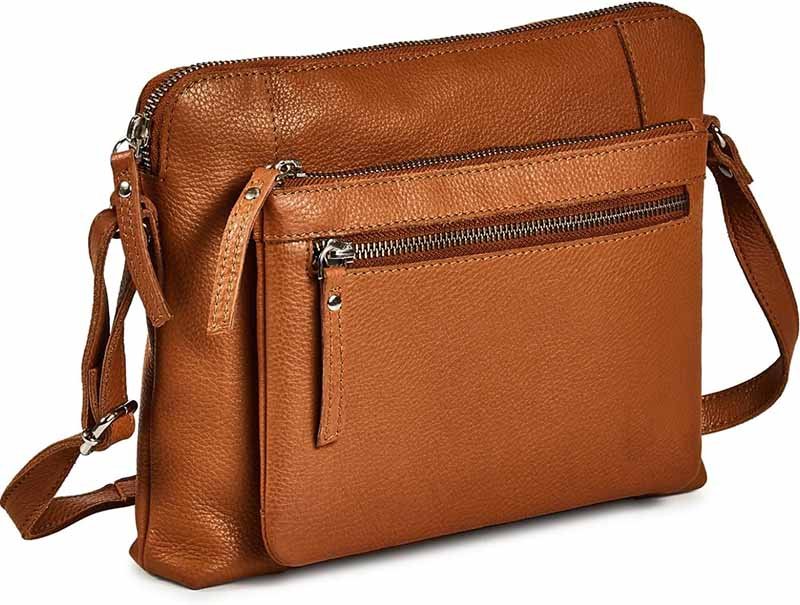
Pebbled leather purses usually need light, infrequent cleaning because texture hides smudges and minor wear. Smooth leather purses require more regular wiping, conditioning, and careful storage to prevent visible marks and dryness. Proper care depends on finish thickness, usage frequency, and environment. A simple, consistent routine protects appearance and extends the purse’s service life for years.
Daily care is where many leather bags succeed or fail. Most visible aging—dullness, cracking, discoloration, stiffness—comes not from leather quality alone, but from inconsistent maintenance habits. Understanding the correct routine for each surface type helps both consumers and brands reduce complaints and extend product lifespan.
What cleaning routine works for pebbled leather?
Pebbled leather is forgiving, which is why it’s widely used for commuter bags, travel purses, and everyday totes. The textured grain prevents oils and dust from forming obvious stains, so cleaning can stay simple.
Recommended routine for normal use:
- Wipe gently with a dry or slightly damp microfiber cloth once every 1–2 weeks
- Use mild pH-balanced leather cleaner only when visible dirt appears
- Avoid soaking water into grain valleys
- Air-dry naturally—never apply direct heat
Cleaning frequency by lifestyle
| Usage level | Suggested wipe interval | Deep clean interval |
|---|---|---|
| Occasional use | Every 2–4 weeks | Every 6 months |
| Daily commuting | Every 1–2 weeks | Every 3–4 months |
| Travel / heavy handling | Weekly | Every 2–3 months |
Because pebbled leather hides wear, over-cleaning is actually a common mistake. Too much product can build residue inside the grain and reduce the natural matte look customers expect.
What care routine for smooth leather?
Smooth leather needs a more disciplined routine because the surface shows oils, dryness, and friction faster. Without conditioning, the finish may become dull or develop fine lines at stress points.
Practical step-by-step care routine:
- Weekly dry wipe Removes dust and fresh fingerprints before they settle.
- Monthly gentle cleaning Use a soft cloth with small amounts of leather cleaner. Always test on a hidden area first.
- Condition every 2–4 months Restores moisture balance and reduces scratch contrast. Apply thin, even layers—never heavy coating.
- Polish lightly if desired Only for satin or glossy smooth leather. Matte finishes usually should not be polished.
Care frequency by climate
| Environment | Cleaning need | Conditioning need |
|---|---|---|
| Dry climate | Medium | High (prevent cracking) |
| Humid climate | High (prevent residue) | Low-medium |
| Cold winter use | Medium | Medium-high |
| Air-conditioned offices | Medium | Medium |
Using too much conditioner. Over-conditioning can soften structure and create uneven shine. Thin layers work better than heavy application.
Which conditioners work best?
Conditioners vary widely in formulation. Choosing the wrong type can darken leather, clog pores, or change surface feel, especially on light-colored purses.
General conditioner guidance:
- Use neutral, non-greasy cream conditioners for most handbags
- Avoid heavy wax or oil products unless leather is very dry
- For pebbled leather, choose lightweight formulas that won’t fill texture
- For smooth leather, choose even-spreading creams that reduce streaks
Conditioner comparison
| Conditioner type | Best for | Risk if overused |
|---|---|---|
| Light cream | Smooth & pebbled | Minimal |
| Lotion-style | Soft smooth leather | Slight residue |
| Heavy wax | Thick vintage leather | Shine buildup |
| Oil-rich balm | Very dry leather only | Darkening, softness |
High-quality handbag leather is already balanced with oils during tanning. Conditioner should maintain, not replace, that balance.
Which leather type is best for daily use?
Pebbled leather purses are usually better for daily use because they hide scratches, resist visible wear, and require less maintenance. Smooth leather purses suit formal or occasional use where appearance matters more than durability. The best choice depends on lifestyle, environment, and how much time the owner is willing to spend on care.
Daily performance is the most important factor influencing customer satisfaction, product reviews, and repeat purchases. A purse that looks elegant on day one but shows wear quickly often leads to disappointment, even if the leather quality is high.
Are pebbled leather purses better for heavy use?
For commuting, travel, shopping, and frequent handling, pebbled leather consistently performs well. Texture acts as visual camouflage against daily friction.
Situations where pebbled leather excels:
- Public transportation and crowded environments
- Work bags placed on desks or floors
- Travel with repeated handling and packing
- Households with children or pets
| Daily stress factor | Pebbled leather response |
|---|---|
| Repeated touching | Minimal visible change |
| Light scratches | Hard to notice |
| Dust exposure | Easy wipe cleaning |
| Long-term aging | Even, natural look |
Because of this reliability, many commercial handbag lines choose pebbled finishes for best-selling everyday models.
Are smooth leather purses better for elegance?
Smooth leather remains the preferred choice for formal styling, luxury presentation, and minimal design language. Its clean surface highlights color richness and precise structure.
Best use scenarios:
- Business meetings and formal events
- Evening or occasion handbags
- Structured fashion collections
- Luxury retail positioning
| Visual factor | Smooth leather advantage |
|---|---|
| Color depth | Appears richer and clearer |
| Surface reflection | Creates premium look |
| Shape definition | Highlights structure |
| Styling impact | Stronger fashion statement |
Customers choosing smooth leather usually accept higher maintenance in exchange for appearance.
How to choose based on lifestyle?
The most reliable way to choose between pebbled and smooth leather is to match the purse to real daily behavior, not just store appearance.
Lifestyle-based selection guide
| Lifestyle type | Recommended leather | Reason |
|---|---|---|
| Busy commuter | Pebbled | Low maintenance |
| Frequent traveler | Pebbled | Scratch disguise |
| Office professional | Smooth or pebbled | Depends on dress code |
| Formal event user | Smooth | Elegant finish |
| Minimal care preference | Pebbled | Forgiving surface |
Start Your Custom Leather Purse Project with SzoneierLeather
Choosing between pebbled and smooth leather is only the first step. Real product success depends on material science, structural engineering, finishing control, and consistent manufacturing quality.
With more than 18 years of leather product development and production experience, SzoneierLeather supports global brands, wholesalers, and designers through:
- Stable full-grain and top-grain leather supply
- Professional surface finishing for both pebbled and smooth styles
- Reinforced handbag structure engineering
- Custom logo embossing, color matching, and packaging design
- Low MOQ sampling with efficient production timelines
- Strict quality inspection before shipment
Whether you are building a new private-label handbag collection or improving an existing product line, our team helps convert creative ideas into durable, market-ready leather purses.
Contact SzoneierLeather today to request samples, discuss customization, or receive a quotation tailored to your brand.
The right leather purse is not only an accessory—it is a long-term reflection of craftsmanship, reliability, and brand value.


