
Luxury Leather Bags OEM — Engineering-Driven Manufacturing Solutions
OEM development for premium leather bags where material, construction, and consistency define brand value
Luxury leather bags are not difficult to design—but they are difficult to execute consistently.
In high-end leather bag projects, the challenge rarely lies in style concepts or sketches. Most problems emerge later, when materials behave differently in bulk, when stitching or edge finishing reveals inconsistencies, or when a beautiful sample cannot be reproduced at scale without visible variation.
Since 2007, Szoneier Leather has worked from Guangdong with international brands and design teams on premium and luxury leather bag OEM projects. With two specialized leather goods factories, an internal team of 25+ product engineers and 10+ designers, we focus on one core objective: turning luxury design intent into repeatable, production-ready products.
Luxury leather bags demand:
- Stable material sourcing, not just “good leather”
- Precise construction control, not decorative craftsmanship alone
- Sampling systems that anticipate bulk behavior
- Production timelines that respect quality, typically 15–25 days after approval
Who Needs Luxury Leather Bags OEM Manufacturing Solutions
Teams responsible for premium positioning, not mass-market output
Luxury leather bag OEM projects usually involve multiple internal roles and expectations. We will provide guidance to teams that prioritize material quality, manufacturing consistency, and long-term brand value, rather than short-term cost optimization.
These teams focus on:
- Leather quality perception at close inspection
- Long-term appearance after use
- Consistency across collections and reorders
They require an OEM partner that understands how small construction details affect perceived luxury, not just production capacity.
Design teams often push materials and structures to achieve a specific aesthetic. The challenge is ensuring those ideas remain technically viable in bulk production.
From our experience, successful collaboration happens when:
- Design intent is translated into measurable specs
- Sampling is structured, not rushed
- Material behavior is tested before mass production
Many luxury labels start with limited runs and later scale carefully.
Key concerns typically include:
- Maintaining the same feel and look across batches
- Avoiding visible variation when quantities increase
- Working with an OEM that supports low MOQ (20–100 pcs) for controlled scaling
Szoneier’s OEM structure allows brands to validate products at small scale before committing to larger volumes.
These teams balance creative expectations with manufacturing realities.
They often evaluate OEM partners based on:
- Process transparency
- Risk identification before production
- Ability to support future collections without restarting development
This page provides insight into how those decisions are typically made at factory level.
Why Luxury Leather Bags Require a Different OEM Approach
Luxury quality cannot be “fixed” at the end of production
Luxury leather bags fail not because factories lack skill, but because the development process is incomplete or misaligned.
Sample Quality That Cannot Be Reproduced
Luxury samples are often built slowly by senior craftsmen. Bulk production introduces:
- Different cutting sequences
- Multiple operators
- Material variation across hides
Without engineering controls, the bulk output never truly matches the sample.
Material Behavior Changes at Scale
Leather that looks perfect on one bag may:
- Stretch differently across panels
- Show tone variation across batches
- React unpredictably to edge paint or stitching tension
Luxury OEM requires material testing for bulk behavior, not just aesthetic approval.
Construction Details Become Brand Signals
In luxury bags, consumers notice:
- Stitch alignment
- Edge paint consistency
- Panel symmetry
- Hardware positioning
These are not decorative details—they are brand signals that define perceived value.
Late Changes Are Extremely Costly
In luxury projects, changing leather, construction, or hardware late in development often means:
- Restarting sampling
- Delaying launch schedules
- Increasing scrap and cost
This is why luxury OEM demands front-loaded decision-making, not last-minute adjustments.
Scaling Without Losing Identity Is Hard
Many premium brands struggle when moving from:
- Artisan-level production
- To structured OEM manufacturing
The risk is losing the subtle qualities that define the brand. A capable luxury OEM partner must preserve design identity while introducing production discipline.
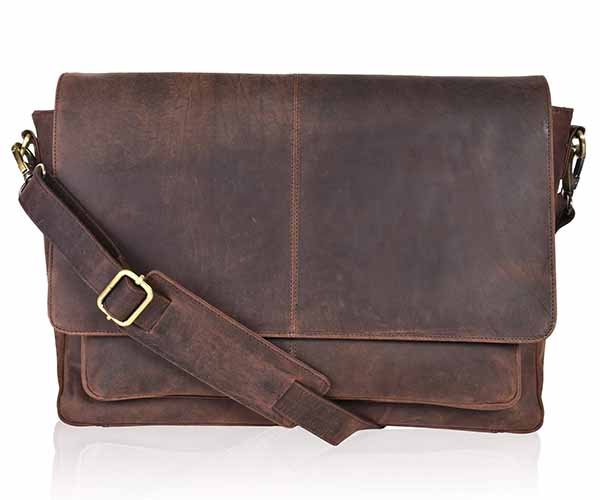
Key Factors in Luxury Leather Bags OEM
What must be defined early to protect luxury quality at scale
Luxury leather bags cannot be developed using the same logic as standard leather goods. From our experience at Szoneier Leather (established in 2007, Guangdong), most quality problems in luxury OEM projects originate from undefined or underestimated technical factors during early development.
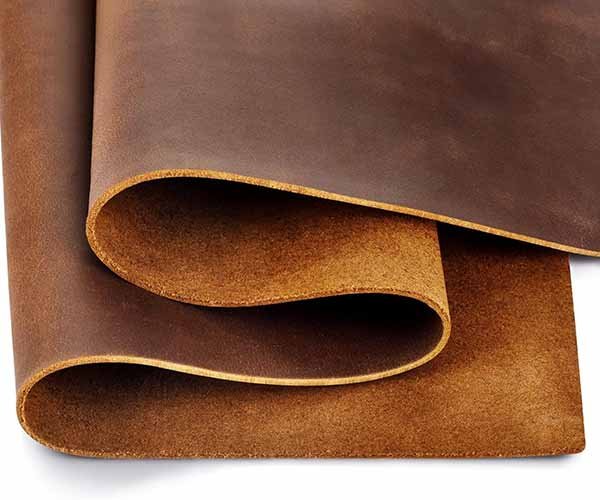
1. Leather Grade, Cut Strategy & Batch Control
Luxury perception starts with leather, but leather itself is variable by nature.
In OEM production, the risk is not whether the leather is “good,” but whether:
- The same grade and finish can be supplied consistently
- Cutting zones are controlled to avoid unwanted grain variation
- Surface behavior remains stable across multiple production batches
In luxury bag projects, we typically:
- Define leather grade ranges, not just one SKU name
- Specify acceptable variation for grain, tone, and gloss
- Control panel cutting positions for visible areas (front panels, flaps, gussets)
With two specialized leather goods factories and long-term material partners, Szoneier focuses on stability and repeatability rather than one-off selection.
2. Material Behavior Under Structure and Tension
Luxury bag designs often involve:
- Complex panel shapes
- Structured silhouettes
- Multiple layers of leather and reinforcement
These designs introduce tension and stress points that affect how leather behaves over time.
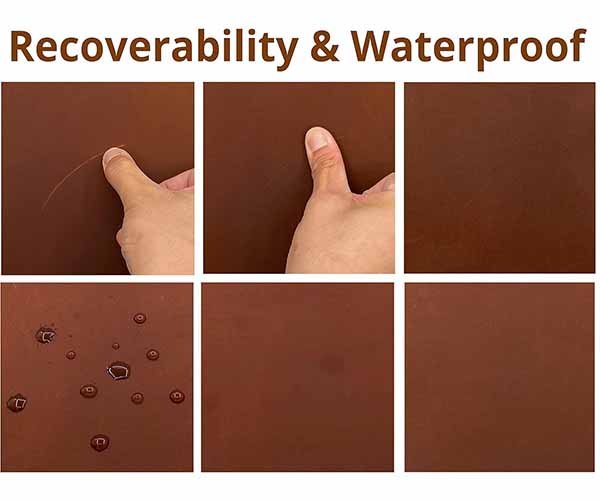
Key engineering considerations include:
- Stretch direction and recovery
- Wrinkle formation at folds and curves
- Interaction between leather and reinforcement layers
We frequently adjust internal structure—not visible from the outside—to ensure the bag maintains its shape after repeated use, rather than only looking perfect on day one.
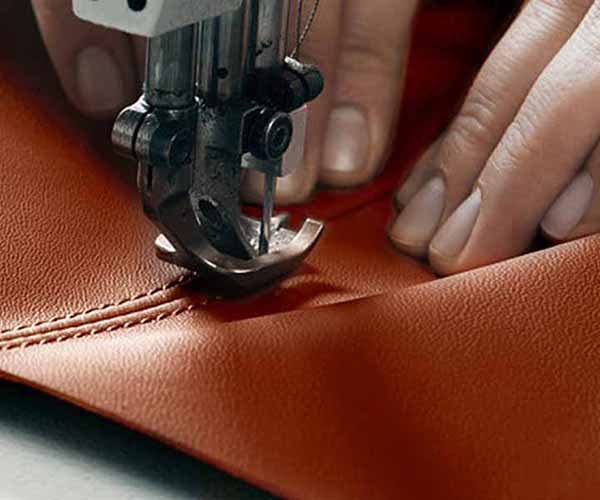
3. Stitching Precision & Visual Symmetry
In luxury leather bags, stitching is no longer just a functional element. It becomes a visual signature.
Critical factors include:
- Stitch length consistency across panels
- Thread thickness matched to leather type
- Alignment at corners, curves, and handle attachments
At Szoneier, stitch specifications are defined early and validated during sampling, because even small deviations become obvious when bags are compared side by side in retail or internal reviews.
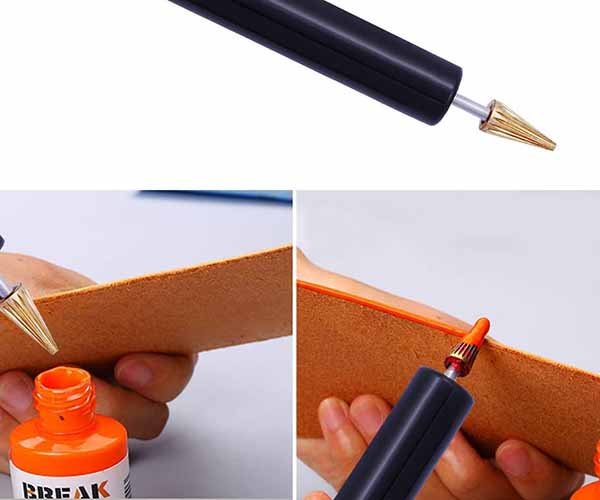
4. Edge Finishing Systems for Luxury Bags
Edge finishing is one of the most sensitive indicators of luxury quality.
Common risks include:
- Uneven edge thickness
- Cracking after short-term use
- Color inconsistency between batches
Luxury OEM projects require:
- Defined edge preparation methods
- Multi-layer edge paint systems
- Controlled curing time between layers
In some luxury designs, we recommend alternative edge treatments or folded constructions to reduce long-term risk while preserving the intended aesthetic.
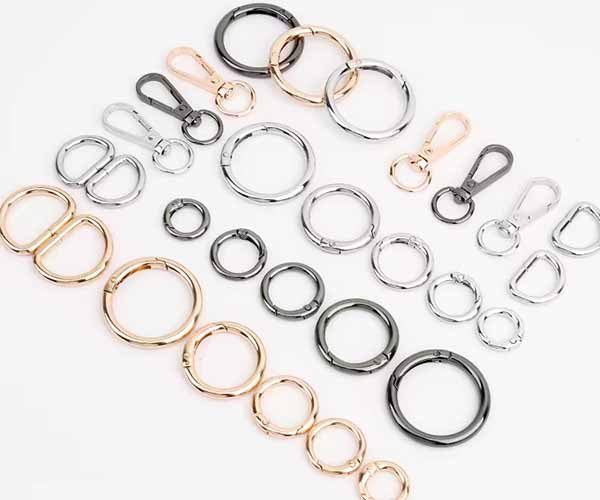
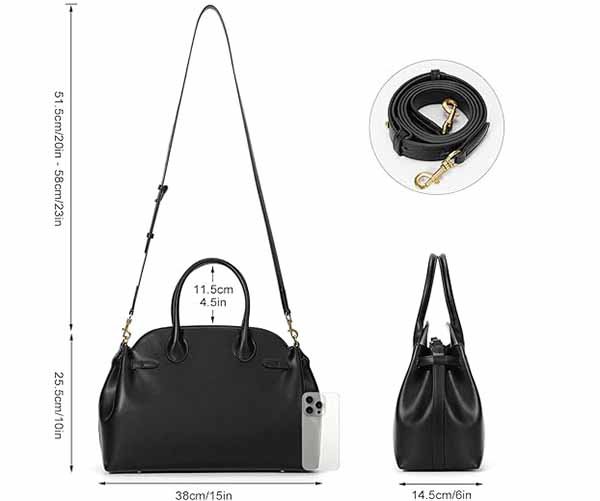
5. Hardware Engineering & Attachment Structures
Luxury bags rely heavily on hardware—locks, buckles, rings, feet, and logo elements.
Engineering considerations go beyond appearance:
- Plating durability and wear resistance
- Weight balance and stress distribution
- Attachment methods that prevent tearing or distortion of leather
For each project, we evaluate hardware not only as components, but as part of the overall load and balance system of the bag.
6. Tolerances, Repeatability & Reorder Planning
Luxury OEM projects often start with small quantities and later expand.
To support this progression, we define:
- Dimensional tolerances for critical panels
- Visual tolerance standards for stitching and edges
- Reference samples and archived specs for future collections
Szoneier’s OEM workflow supports low MOQ development (20–100 pcs) while ensuring that scale-up does not dilute the original design intent.
Our Engineering-Based OEM Solution for Luxury Leather Bags
A controlled development process designed for premium consistency
Luxury leather bag OEM projects succeed when design, engineering, and production are aligned from the beginning. At Szoneier Leather, we apply a step-by-step engineering-driven process refined over more than 17 years of OEM experience.
Step 1
Design Feasibility & Risk Mapping
Before sampling, our team evaluates:
- Bag structure and complexity
- Leather suitability for the design
- Hardware integration and stress points
- Expected production challenges
This stage helps identify where design intent may conflict with production reality—and resolve it early.
Step 2
Structured Sampling & Material Validation
Rather than producing a single final sample, we typically break sampling into stages:
- Material and leather behavior tests
- Construction and structure samples
- Full appearance sample with selected hardware
This approach ensures that critical decisions are validated separately, reducing costly revisions later.
Step 3
Specification Lock & Cost Logic
Once samples are approved, we finalize:
- Leather and material specifications
- Stitching, edge, and hardware standards
- Cost structure linked to quantity tiers
These specifications form the backbone of repeatable luxury production and future reorders.
Step 4
Pilot Production for Scale Validation
Luxury brands often prefer controlled scale-up.
Szoneier supports pilot production runs of 20–100 pcs, allowing teams to:
- Evaluate consistency across multiple units
- Test market response
- Confirm logistics and packaging performance
Only after this validation do projects move into larger production volumes.
Step 5
Mass Production, Quality Control & Delivery
During bulk production, we focus on:
- Incoming leather and hardware inspection
- In-process checks at critical construction stages
- Final inspection against approved references
Typical production lead time after approval is 15–25 days, depending on design complexity and materials.
Types of Luxury Leather Bags We OEM
Different bag categories require very different engineering decisions
Luxury leather bags are often grouped together visually, but from an OEM perspective, each category presents distinct structural, material, and quality-control challenges.
At Szoneier Leather, we do not treat luxury bags as a single product type. Our development approach changes depending on how the bag is carried, loaded, and perceived. Below are the main luxury leather bag categories we OEM and how they differ in execution.
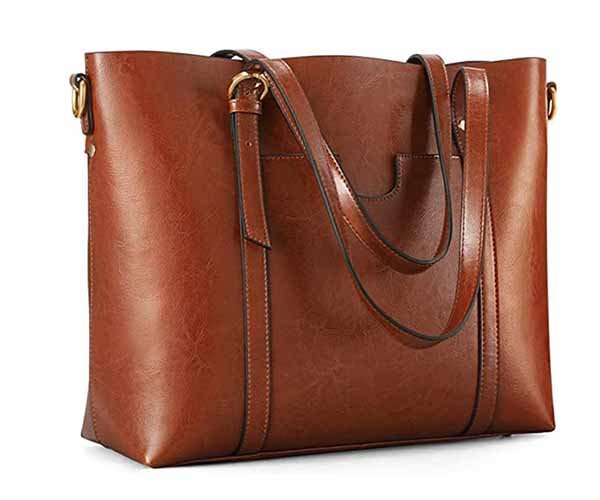
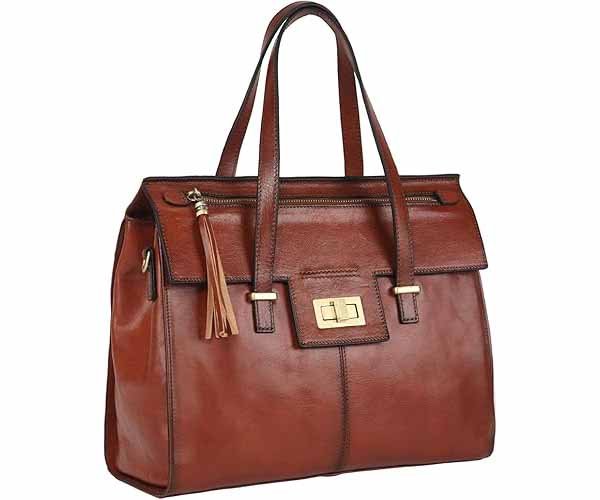
Luxury Handbags & Structured Totes
Typical Use Scenario Daily carry, strong brand visibility, frequent close inspection.
Key Engineering Focus
- Shape retention across large panels
- Handle load distribution
- Visual symmetry and edge alignment
Common OEM Risks
- Bags losing structure after short-term use
- Uneven panels visible under natural light
- Handle attachment fatigue
How Szoneier Handles This
- Hidden internal reinforcement layers
- Defined cutting zones for visible panels
- Stress-point reinforcement at handle bases
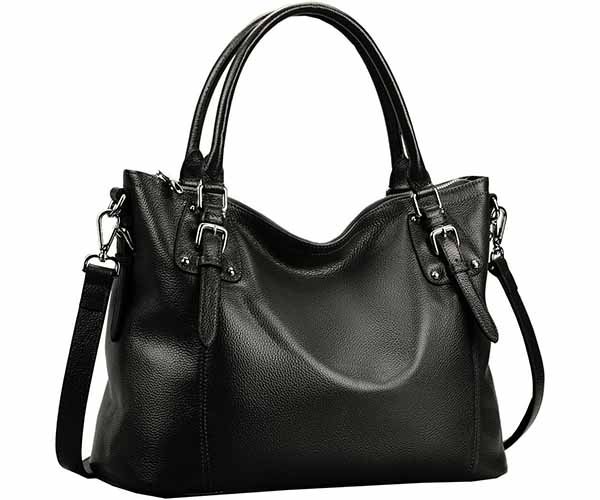
Luxury Shoulder & Crossbody Bags
Typical Use Scenario
Long wear time, constant movement, narrow attachment points.
Key Engineering Focus
- Strap strength without visual bulk
- Edge durability on slim panels
- Hardware movement control
Common OEM Risks
- Strap stretch or distortion
- Edge paint wear on narrow curves
- Hardware tearing leather over time
How Szoneier Handles This
- Internal strap reinforcement instead of thicker leather
- Category-specific edge finishing systems
- Load testing at hardware connection points
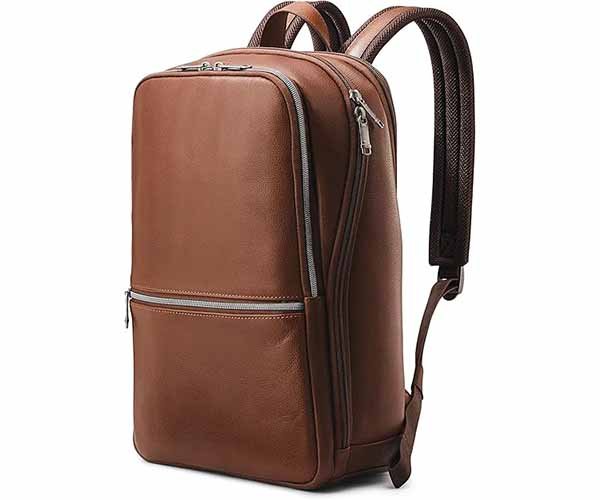
Luxury Backpacks
Typical Use Scenario
Fashion-driven design with real load requirements.
Key Engineering Focus
- Weight transfer from straps to body panels
- Back panel stability and comfort
- Leather stretch control
Common OEM Risks
- Leather deformation under load
- Loss of shape at the base
- Strap fatigue
How Szoneier Handles This
- Hidden structural support systems
- Reinforced base and shoulder zones
- Material selection based on recovery behavior
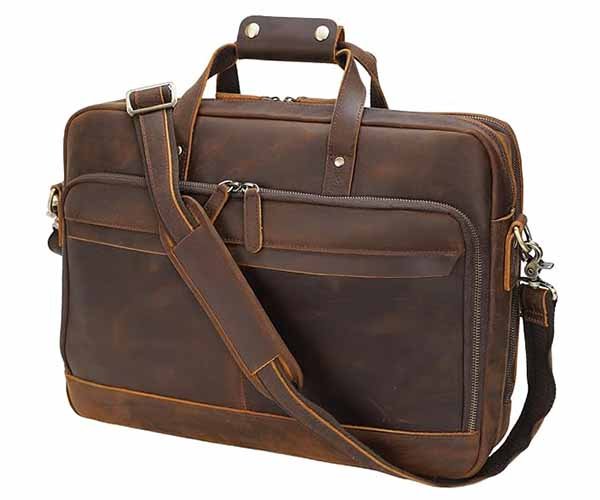
Luxury Briefcases & Business Bags
Typical Use Scenario
Professional environments, frequent handling, structured appearance.
Key Engineering Focus
- Panel flatness and alignment
- Corner and edge reinforcement
- Handle and zipper integration
Common OEM Risks
- Visible misalignment
- Corner wear
- Handle instability
How Szoneier Handles This
- Tighter tolerance control during cutting and assembly
- Reinforced corner construction
- Handle stress testing during sampling
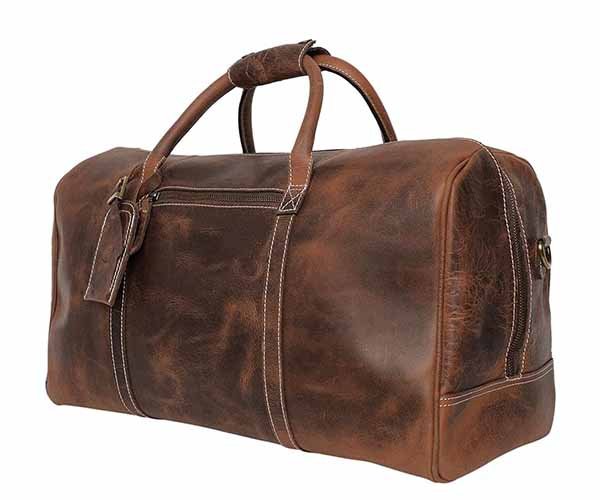
Luxury Travel Bags & Weekenders
Typical Use Scenario
Short trips, heavier loads, frequent lifting.
Key Engineering Focus
- Base reinforcement
- Handle and strap stress distribution
- Leather durability under bending
Common OEM Risks
- Base collapse
- Handle tear-out
- Leather cracking at folds
How Szoneier Handles This
- Reinforced base structures
- Multi-layer handle anchoring
- Leather behavior testing before bulk
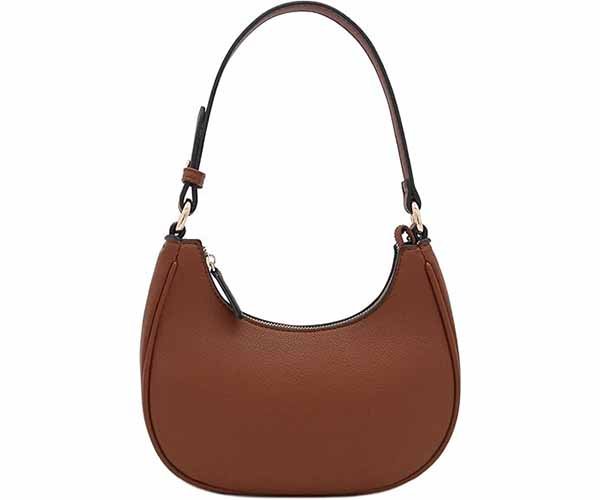
Mini Bags & Small Luxury Bags
Typical Use Scenario
Fashion-forward, high visual scrutiny, limited structure.
Key Engineering Focus
- Precision finishing
- Clean edge execution
- Logo clarity at small scale
Common OEM Risks
- Edge paint defects
- Overcrowded branding
- Loss of premium feel
How Szoneier Handles This
- Fine-edge finishing systems
- Logo method testing during sampling
- Detail-level QC rather than structural focus
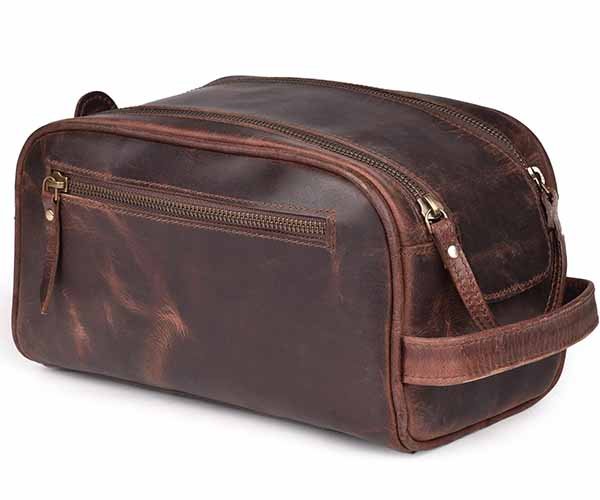
Luxury Leather Pouches & Companion Pieces
Typical Use Scenario
Part of a larger collection or gift set.
Key Engineering Focus
- Visual alignment with main bags
- Material and color consistency
- Finishing quality
Common OEM Risks
- Mismatch in leather tone
- Inconsistent edges or stitching
- Looking “secondary” in quality
How Szoneier Handles This
- Shared material specifications with main styles
- Unified QC standards across SKUs
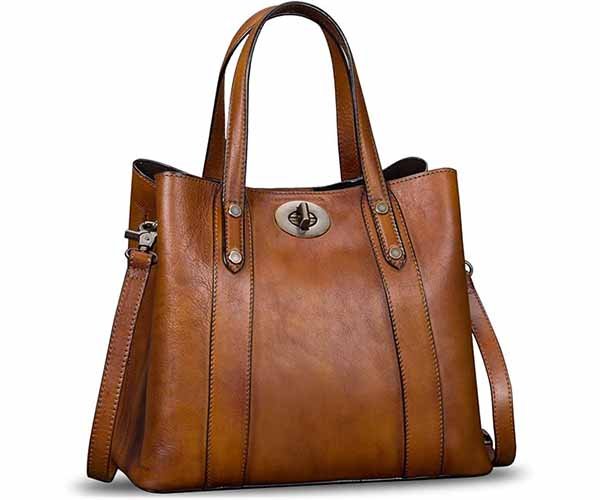
Capsule & Limited-Edition Luxury Bags
Typical Use Scenario
Seasonal launches, controlled quantities, fast validation.
Key Engineering Focus
- Consistency at low volume
- Stable execution without shortcuts
Common OEM Risks
- Quality drops due to small quantity
- Rushed sampling
How Szoneier Handles This
- Full engineering & QC standards even at 20–100 pcs
- Structured sampling to protect launch timelines
Materials & Construction Engineering for Luxury Leather Bags
How material behavior, not appearance alone, defines luxury
Luxury leather bags are judged over time. A bag that looks impressive at launch but degrades quickly undermines brand value.
Our materials and construction engineering focuses on how leather behaves under real conditions, not just how it looks in the sample room.
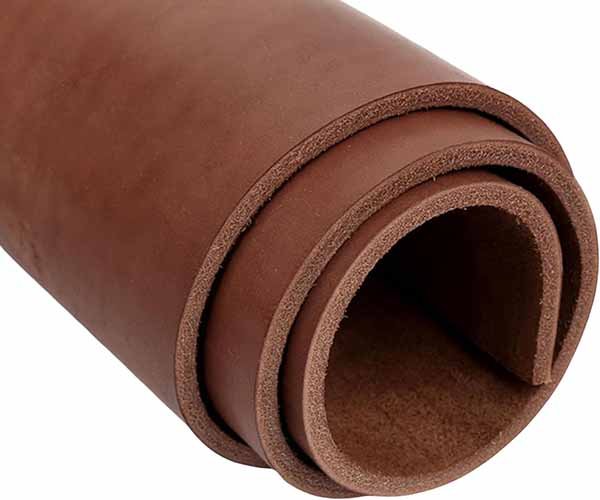
1. Full-Grain & Top-Grain Smooth Leather
Typical Use
Luxury handbags, totes, briefcases, structured silhouettes.
Material Behavior
- Natural grain with visible character
- Medium to high firmness depending on finish
- Surface shows scratches and handling marks over time
Common OEM Risks
- Visible tone and grain variation across panels
- Stitch tension leaving permanent marks
- Edge paint cracking if leather oil content is high
Szoneier Engineering Approach
- Define acceptable grain and tone ranges, not a single reference hide
- Control cutting zones for large visible panels
- Adjust stitch density and thread thickness to reduce surface marking
- Apply multi-layer edge systems with extended curing time
This approach allows smooth leather bags to age naturally while maintaining structural integrity.
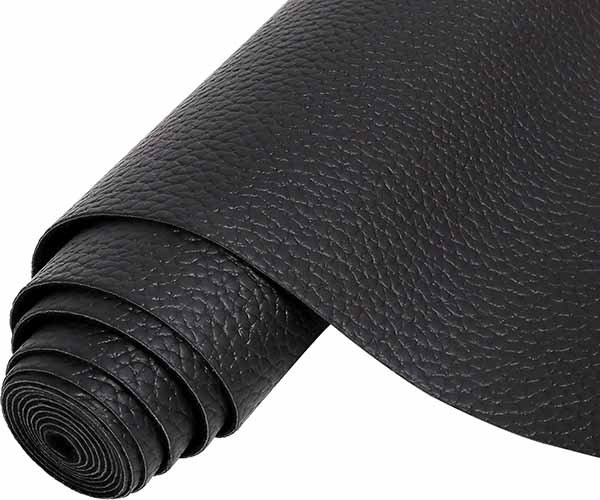
2. Pebbled & Corrected-Grain Leather
Typical Use
Everyday luxury bags, shoulder bags, crossbody bags.
Material Behavior
- Embossed or corrected surface masks minor imperfections
- More forgiving visually, but often softer
- Grain pattern must remain consistent across panels
Common OEM Risks
- Overstretching at stress points
- Grain pattern mismatch between panels
- Loss of structure in softer constructions
Szoneier Engineering Approach
- Reinforce stress zones internally rather than increasing leather thickness
- Control emboss depth and grain direction alignment
- Engineer structure through layered support materials
Pebbled leather is engineered for durability and consistency without sacrificing luxury feel.
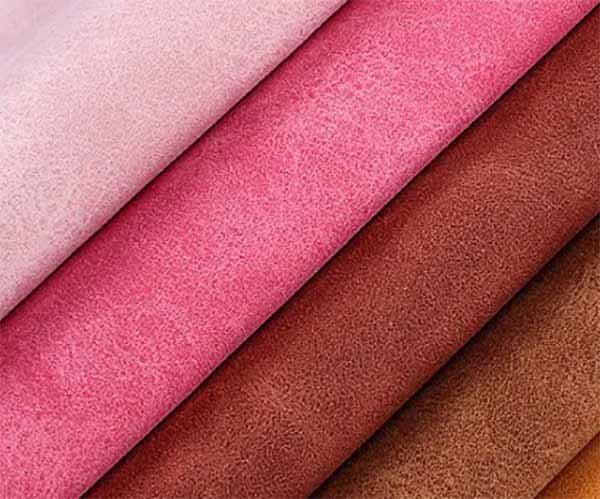
3. Suede & Nubuck Leather
Typical Use
Luxury casual bags, fashion-forward collections, seasonal designs.
Material Behavior
- Soft, open surface with strong tactile appeal
- Highly sensitive to friction, moisture, and handling
- Color depth varies with brushing direction
Common OEM Risks
- Visible shading differences across panels
- Rapid surface wear at corners and edges
- Difficulty maintaining clean edges
Szoneier Engineering Approach
- Strict panel direction control during cutting
- Reinforce high-friction zones discreetly
- Prefer turned or folded edge constructions instead of painted edges
- Recommend protective lining and usage guidance
Suede and nubuck require construction restraint—engineering focuses on protecting the surface rather than forcing structure.
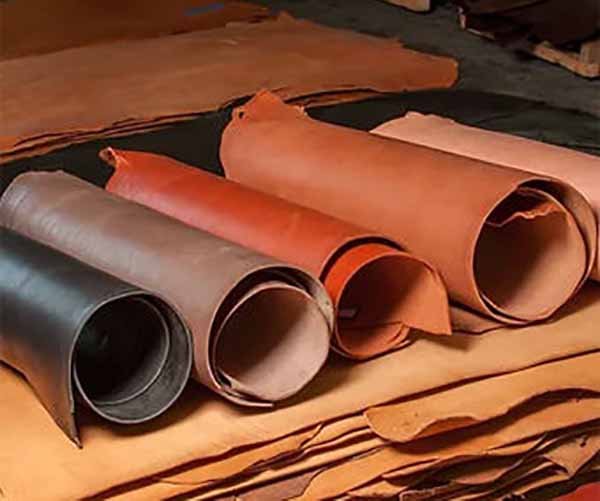
4. Semi-Aniline & Aniline Leather
Typical Use
High-end luxury bags emphasizing natural leather character.
Material Behavior
- Minimal surface coating
- Strong natural variation in tone and texture
- Develops patina quickly
Common OEM Risks
- Inconsistent appearance in bulk production
- Staining during production and assembly
- High rejection rate without strict control
Szoneier Engineering Approach
- Narrow material selection window
- Smaller, controlled production batches
- Increased manual inspection during cutting and assembly
- Simplified edge and stitching systems to reduce handling damage
This leather type is used selectively, often for limited editions or controlled runs.
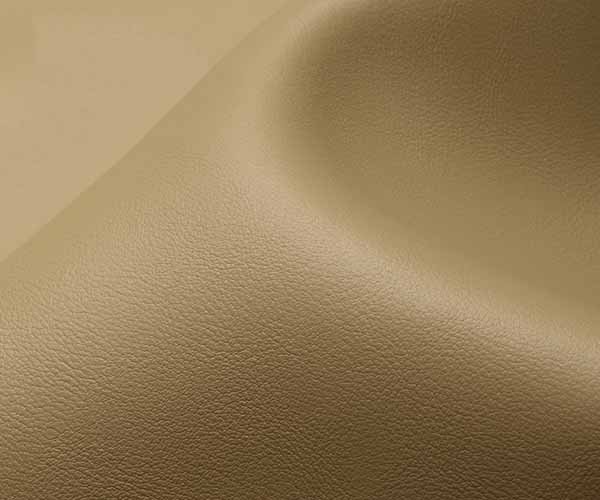
5. Split Leather & Coated Leather (Luxury PU / Hybrid Leather)
Typical Use
Cost-sensitive luxury lines, structured designs requiring uniform appearance.
Material Behavior
- Highly consistent surface
- Lower natural stretch recovery
- More stable for embossing and laser branding
Common OEM Risks
- Artificial feel if structure is not balanced
- Cracking at fold points over time
- Heat sensitivity during production
Szoneier Engineering Approach
- Engineer softness through internal layering
- Control fold radius and reinforcement
- Use this leather strategically for panels that require visual consistency
When engineered correctly, coated leather can deliver a clean, controlled luxury look.
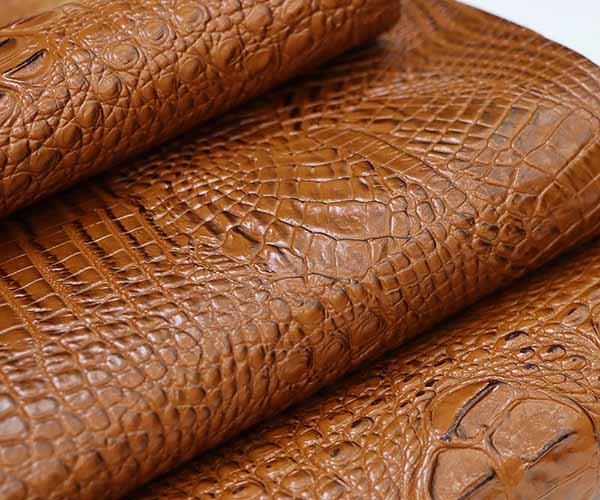
6. Exotic-Texture Leather (Embossed Croc, Lizard, etc.)
Typical Use
Statement luxury pieces, limited editions.
Material Behavior
- Highly directional patterns
- Raised textures sensitive to pressure
- High visual impact, low tolerance for misalignment
Common OEM Risks
- Pattern mismatch across panels
- Texture flattening under stitching or pressure
- High scrap rates
Szoneier Engineering Approach
- Strict panel layout planning
- Reduced stitch tension and adjusted foot pressure
- Lower yield expectations built into planning
These leathers require slower production and higher engineering attention.
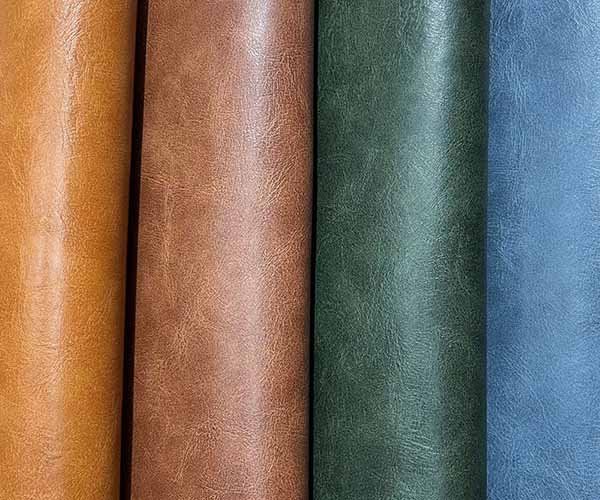
7. Mixed-Leather Constructions
Typical Use
Luxury collections combining textures and finishes.
Material Behavior
- Different stretch and thickness characteristics
- Different aging behavior
Common OEM Risks
- Uneven panel alignment
- Inconsistent wear patterns
- Visual imbalance over time
Szoneier Engineering Approach
- Match materials by behavior, not just thickness
- Adjust construction logic per panel
- Validate mixed-material interaction during sampling
Construction Engineering: How Luxury Bags Are Actually Built
Construction engineering translates material behavior into repeatable physical structure.
Below are the core construction systems we engineer for luxury leather bags.
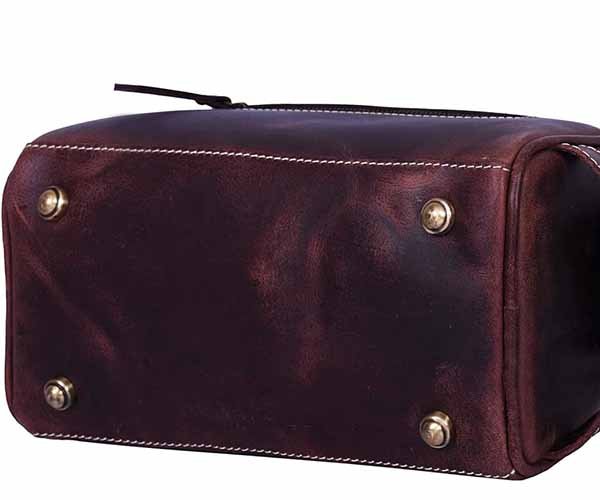
Structural Support & Shape Retention Systems
Luxury bags must hold shape without feeling rigid.
Engineering focus:
- Internal support layers instead of thicker leather
- Selective reinforcement only at load-bearing zones
- Layered structures that allow natural movement
At Szoneier, shape retention is achieved through hidden structural systems, not visible stiffness.
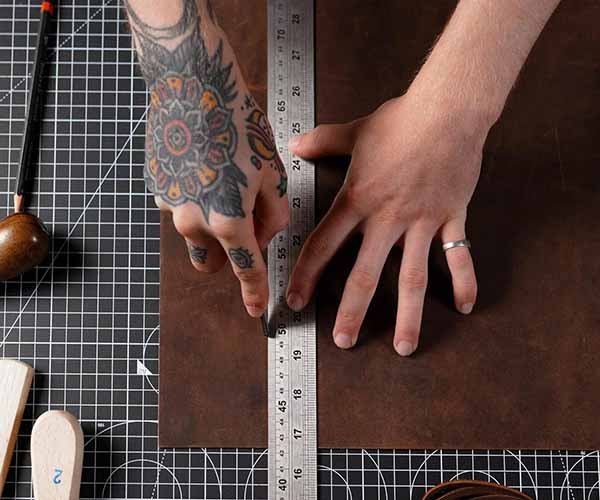
Panel Cutting & Assembly Precision
Luxury perception is extremely sensitive to symmetry.
Engineering focus:
- Panel alignment and mirror accuracy
- Grain direction matching on paired components
- Tighter tolerance control during cutting and joining
This is especially critical for handbags, totes, and briefcases with large visible surfaces.
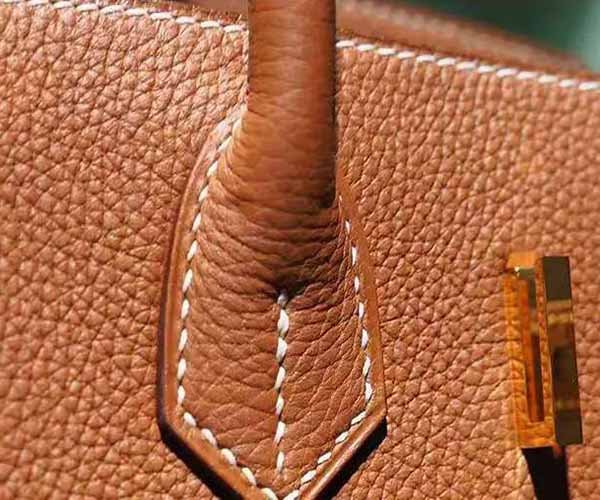
Stitching Engineering & Load Distribution
Stitching serves both visual and structural roles.
Engineering focus:
- Stitch density matched to leather thickness
- Thread selection based on surface texture
- Reinforcement at handles, straps, and hardware zones
In luxury bags, stitching specifications are treated as visual standards, not just construction instructions.
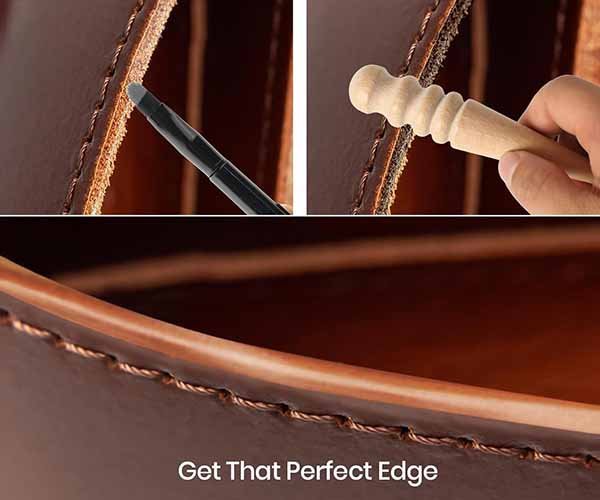
Edge Construction Systems
Edges are one of the earliest failure points if not engineered correctly.
Engineering focus:
- Choosing edge paint vs turned edges based on leather type
- Multi-layer edge systems with controlled curing
- Corner reinforcement to prevent cracking
Edge engineering decisions are always tied to leather oil content, flexibility, and usage scenario.
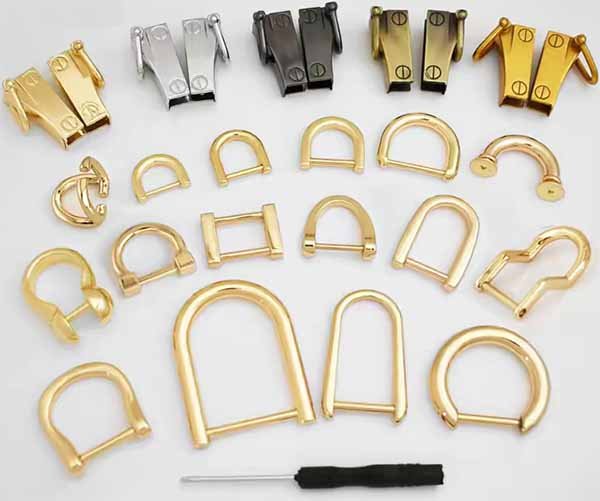
Hardware Integration & Stress Management
Hardware is a structural element, not decoration.
Engineering focus:
- Load transfer from hardware into reinforced zones
- Balanced weight distribution
- Protection of leather from metal abrasion
Hardware attachment systems are tested as part of the bag, not separately.
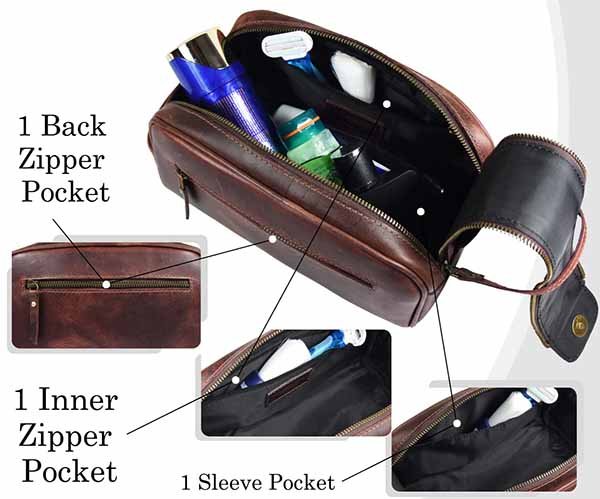
Interior Construction & Lining Systems
Luxury bags are evaluated inside and out.
Engineering focus:
- Lining abrasion resistance and adhesion stability
- Clean interior finish without bubbling or peeling
- Structural contribution of interior layers
Interior construction supports both durability and perceived refinement.
Customization & Brand Control for Luxury Leather Collections
Preserving brand identity across multiple SKUs and seasons
Luxury OEM projects rarely involve a single bag. Most brands develop collections, where consistency matters as much as creativity.
- Logo & Branding Strategy for Luxury Bags
Luxury branding is usually subtle.
Common approaches include:
- Blind embossing or debossing
- Discreet metal logos
- Minimal external branding
We evaluate logo placement and method based on:
- Bag size and panel geometry
- Leather behavior
- Long-term wear visibility
- Color & Finish Consistency Across a Collection
Color variation that might be acceptable in casual products is not tolerated in luxury.
We control this by:
- Narrowing acceptable tone ranges
- Using approved reference swatches
- Applying incoming material inspection
This is especially important when multiple bag styles share the same leather.
- Repeatability Across Seasons
Luxury brands often revisit successful designs.
To support this, Szoneier archives:
- Material specifications
- Construction details
- Hardware references
- QC standards
This allows future production to stay aligned with earlier releases, even as collections evolve.
- Supporting Small Runs Without Compromising Standards
Many luxury brands prefer controlled quantities.
Szoneier supports low-MOQ production (20–100 pcs) for:
- Market testing
- Limited editions
- Capsule collections
These runs follow the same engineering and QC standards as larger orders, ensuring brand integrity at every scale.
Quality Control & Testing for Luxury Leather Bags
Luxury quality is protected through process, not final inspection
In luxury leather bag OEM projects, quality issues rarely come from a single mistake. They usually result from small deviations accumulating across materials, construction, and handling, eventually becoming visible to the end user.
At Szoneier Leather, quality control is designed as a continuous system, not a last-minute filter. With two specialized factories in Guangdong and a team of over 25 engineers and technicians, our QC structure focuses on preventing variation rather than reacting to defects.
01
Incoming Material Inspection (IQC)
Luxury bags are extremely sensitive to material inconsistency.
Before production, we inspect:
- Leather thickness range and surface feel
- Tone, grain, and gloss consistency across hides
- Hardware plating quality and weight
- Lining material color and texture
Materials that fall outside approved tolerance ranges are identified early, before they enter production. This step is essential for luxury bags, where even subtle differences become noticeable.
02
In-Process Quality Control (IPQC)
Most luxury defects occur during production, not after it.
Our in-process checks focus on:
- Stitch alignment and density at critical panels
- Edge finishing layers and curing condition
- Hardware attachment and stress points
- Panel symmetry during assembly
By inspecting during key stages, we prevent the same deviation from repeating across multiple units.
03
Appearance & Function Testing
Luxury leather bags are judged both visually and functionally.
Typical checks include:
- Shape retention under light load
- Strap and handle stress simulation
- Zipper and closure smoothness
- Visual alignment under natural lighting
These checks help ensure the bag performs as expected beyond the showroom environment.
04
Final Inspection & Reference Comparison
Before packing, finished bags are inspected against:
- Approved samples
- Archived reference photos
- Defined visual and dimensional tolerances
This ensures that bulk production matches the original design intent approved during sampling.
05
Packaging & Transit Protection Verification
Luxury bags often suffer damage after production, during storage or transport.
We verify:
- Dust bag quality and fit
- Inner support and shape protection
- Carton strength and stacking safety
Packaging is treated as part of the product, not an afterthought.
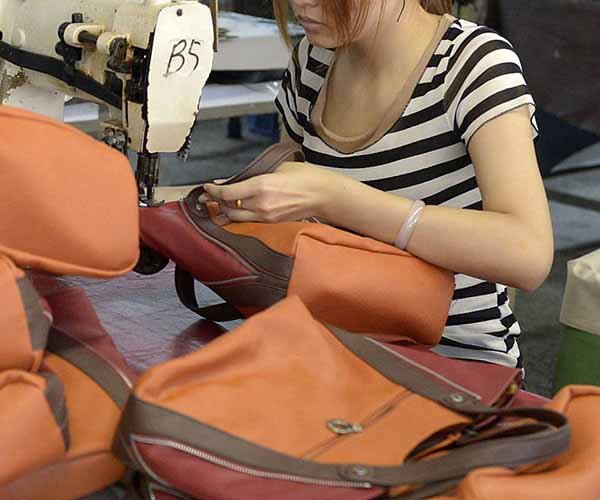
Decision Checklist — Selecting a Luxury Leather Bags OEM Partner
Questions that separate capable OEMs from risky ones
Luxury leather bag OEM projects carry higher financial and brand risk. The checklist below reflects the questions experienced teams use when evaluating manufacturing partners.
Project Understanding & Communication
- Does the OEM ask about usage, positioning, and scale—not just dimensions?
- Are potential risks identified early, before sampling begins?
- Is communication handled by a dedicated project contact?
Material & Engineering Capability
- Can the OEM explain how leather behavior changes in bulk production?
- Are construction decisions justified by engineering logic, not habit?
- Can the OEM control material variation across batches?
Sampling & Development Structure
- Is sampling broken into logical stages rather than one rushed sample?
- Can low-MOQ pilot runs (20–100 pcs) be supported?
- Are revisions handled efficiently without restarting development?
Quality Control System
- Is QC limited to final inspection, or applied throughout production?
- Are tolerance standards clearly defined?
- Are reference samples archived for future production?
Scalability & Long-Term Support
- Can the OEM support both limited runs and stable scaling?
- Is there a clear process for reorders and future collections?
- Are timelines realistic and consistently met (e.g., 15–25 days)?
This checklist helps teams focus on process reliability, not surface-level promises.
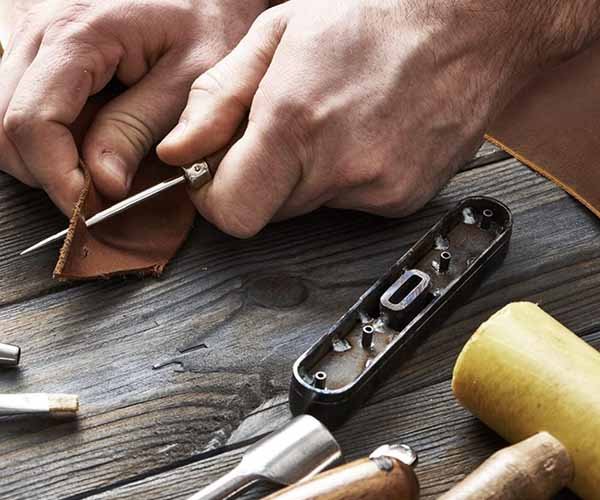
Case Studies — Luxury Leather Bags OEM Projects by Szoneier
Project patterns that reflect real luxury OEM challenges
Since 2007, Szoneier Leather has supported luxury and premium leather bag projects across multiple categories. The following cases reflect real project structures handled through our Guangdong-based factories.
Case 1 — Premium Handbag Line for a European Brand
Scope
Structured leather handbags with metal hardware and internal reinforcement.
Key Challenges
- Maintaining shape consistency across batches
- Avoiding leather stretching at curved panels
- Aligning hardware placement precisely
Szoneier Approach
- Defined cutting zones for visible panels
- Adjusted internal support layers
- Implemented in-process symmetry checks
Result Consistent silhouette and visual balance across the full production run.
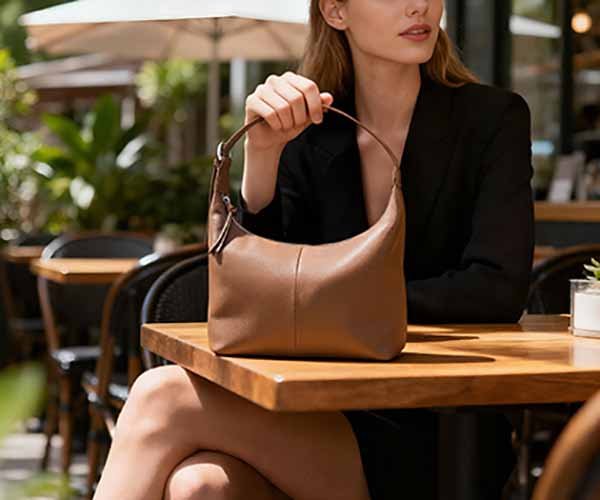
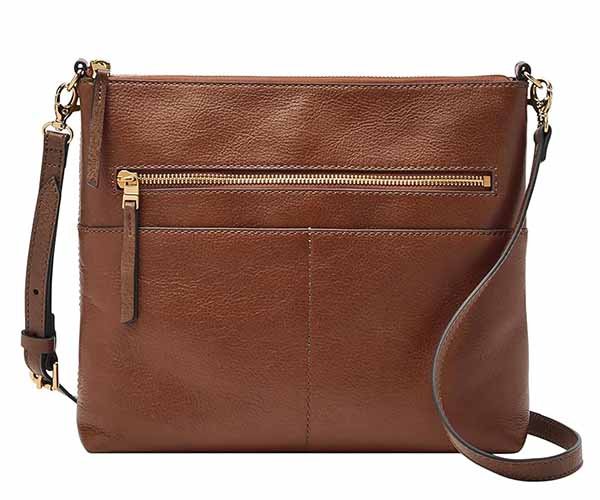
Case 2 — Luxury Crossbody Collection for an Emerging Label
Scope
Slim crossbody bags with narrow straps and minimal branding.
Key Challenges
- Strap durability without increasing bulk
- Clean edge finishing on small panels
- Subtle logo execution
Szoneier Approach
- Reinforced strap attachment internally
- Optimized edge finishing system
- Used blind embossing aligned with leather behavior
Result Lightweight feel with improved long-term durability.
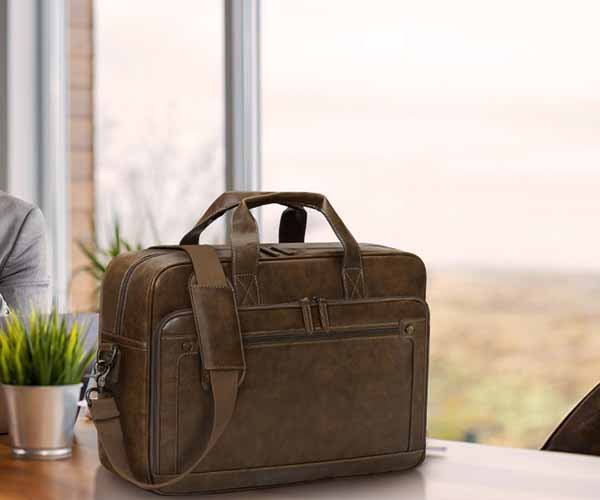
Case 3 — Executive Leather Briefcases for Corporate Use
Scope
Structured leather briefcases with multiple compartments.
Key Challenges
- Panel flatness and alignment
- Load-bearing handle construction
- Interior lining durability
Szoneier Approach
- Engineered reinforcement zones
- Tested handle stress points
- Selected abrasion-resistant lining
Result Clean professional appearance with functional reliability.
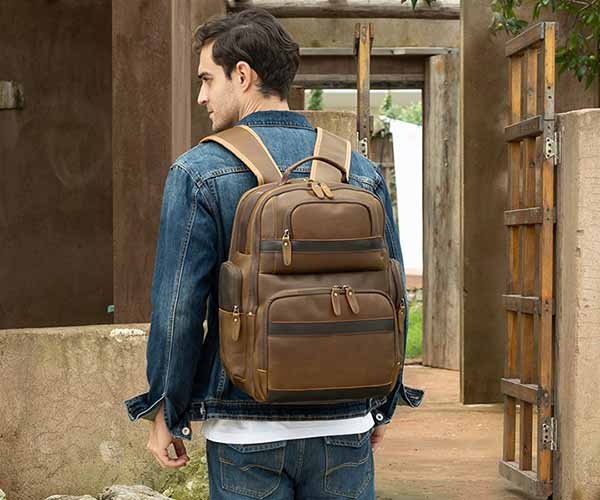
Case 4 — Limited Edition Luxury Backpack Project
Scope
Leather backpacks combining fashion design with real load capacity.
Key Challenges
- Weight distribution
- Preventing leather distortion under load
- Maintaining aesthetic balance
Szoneier Approach
- Hidden structural support system
- Balanced panel tension
- Reinforced stress zones
Result Functional backpack with preserved luxury appearance.
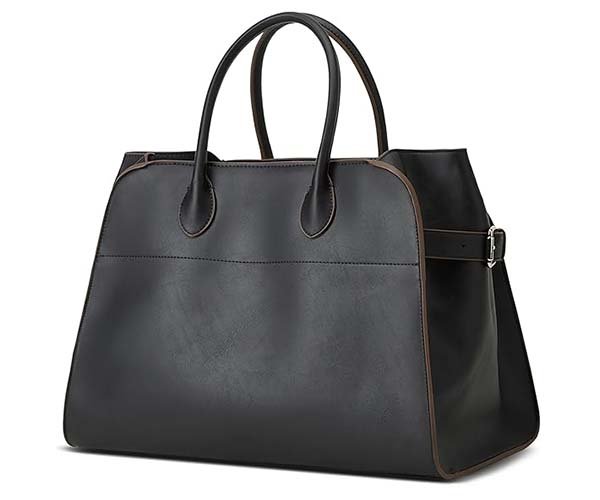
Case 5 — Capsule Collection for a Boutique Brand
Scope
Small-batch luxury bags for seasonal release.
Key Challenges
- Low quantity with high consistency expectations
- Tight launch schedule
Szoneier Approach
- Supported 20–100 pcs pilot production
- Applied full QC standards despite low volume
- Coordinated timeline carefully
Result On-time launch with stable quality across the collection.
Make A Sample First
If you have your own tech packs, logo design artwork, or just an idea,please provide details about your project requirements, including preferred fabric, color, and customization options,we’re excited to assist you in bringing your leather goods designs to life through our sample production process.
FAQ — Luxury Leather Bags OEM
Clear, practical answers to questions raised during real OEM discussions
The following questions reflect what teams usually ask after reviewing designs, samples, and internal approvals. Clear expectations at this stage help luxury OEM projects move forward smoothly.
1. What is your minimum order quantity for luxury leather bags OEM?
For luxury leather bag projects, our typical MOQ starts from 20–100 pieces per style, depending on construction complexity, leather type, and hardware requirements. This low-MOQ structure allows brands to validate market response, manage risk, and refine collections before scaling. Once a design is confirmed, increasing quantities becomes significantly more efficient.
2. Can luxury quality be maintained at low quantities?
Yes. At Szoneier Leather, low-MOQ production follows the same engineering standards, QC checkpoints, and material controls as larger orders. Low quantity does not mean simplified execution. Many luxury brands use small runs intentionally to protect exclusivity, and our process is designed to support that strategy.
3. How long does sampling take for luxury leather bags?
Sampling timelines vary by design complexity, but most projects follow a structured sequence:
- Material and construction validation samples
- Appearance sample with selected hardware
- Final confirmation sample
In general, initial sampling takes 7–15 days. Breaking sampling into stages often shortens the overall timeline by avoiding late-stage revisions.
4. How do you control leather variation in bulk production?
Leather variation is managed through:
- Defined leather grade and finish ranges
- Controlled cutting zones for visible panels
- Incoming material inspection against approved references
Rather than relying on a single “perfect hide,” we focus on repeatability across batches, which is essential for luxury OEM production.
5. Can you support both limited editions and long-term collections?
Yes. Many projects start as limited editions and later evolve into core collections. Szoneier Leather archives material specifications, construction details, and QC standards internally, allowing future production to align closely with earlier releases—even across seasons.
6. How do you handle hardware sourcing and quality control?
Hardware is treated as a structural component, not a decorative add-on. We evaluate plating durability, attachment method, weight balance, and interaction with leather. Hardware is inspected at incoming and during assembly to ensure long-term stability and consistent appearance.
7. What is the typical bulk production lead time?
After final sample approval, bulk production usually takes 15–25 days, depending on bag complexity and material availability. We prefer realistic scheduling that protects quality rather than aggressive timelines that introduce risk.
8. How is quality verified during production?
Quality control is applied throughout the process:
- Incoming inspection of leather, hardware, and linings
- In-process checks at critical construction stages
- Final inspection against approved references
This system reduces variation and prevents defects from accumulating unnoticed.
9. Can you help refine designs from concept stage?
Yes. Many luxury OEM projects begin with sketches or prototypes. Our internal team of 10+ designers and 25+ engineers works closely with brand teams to evaluate feasibility, adjust structure, and align materials with design intent—before production decisions are locked.
10. Where is Szoneier Leather based, and how is production organized?
Szoneier Leather operates from Guangdong, China, with two specialized leather goods factories and an in-house sampling and engineering team. Established in 2007, we manage development, sampling, and production under one coordinated system to maintain consistency and accountability.
Discuss Your Luxury Leather Bags OEM Project
If you are developing a luxury leather bag collection—whether a limited release or a long-term line—the next step does not need to be a formal commitment.
You can start by sharing:
- Design references or sketches
- Target quantity range
- Preferred leather type or inspiration
- Hardware and branding expectations
- Target timeline
Our role at this stage is to:
- Identify potential risks early
- Suggest material and construction adjustments if needed
- Outline a realistic development and production path
If you have any questions or need a quote, please leave us a message. Our experts will respond within 12 hours to assist you in selecting the ideal fashion products tailored to your needs.
Exclusive Offer for You
As a first-time buyer, you’ll receive a Free bags Color Card to help you select the right material and shade. Once confirmed, we’ll also provide a Free Sample made by our factory—no extra cost.
For our regular partners, we send New Color Charts multiple times a year—completely free—to support your latest collections.