 Skip to content
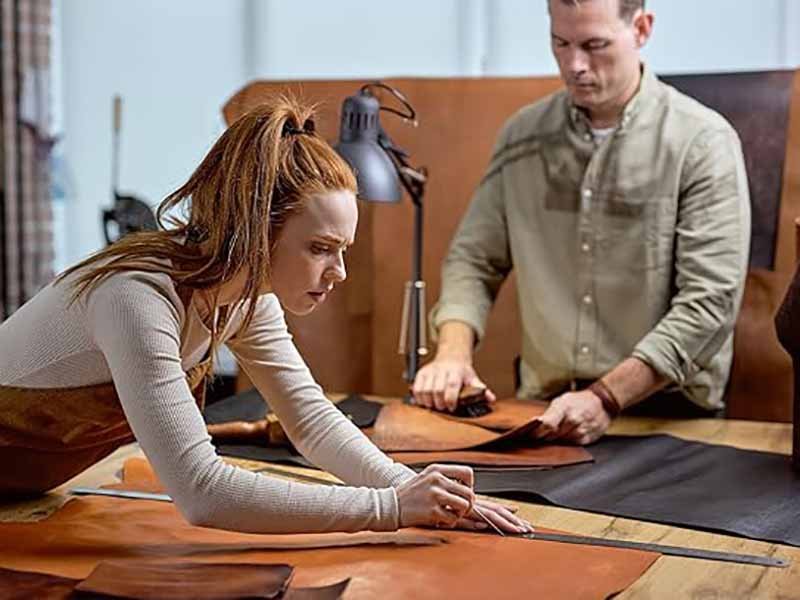
A tote bag may look simple, but leather thickness decides whether it feels premium or cheap, whether it keeps its shape or collapses, and whether it survives daily use or starts showing problems after a few weeks. Many brands focus first on color, grain, logo, and silhouette. Those things matter, but they do not solve the real engineering question inside the product: how thick should the leather be for the body, the handles, the bottom, and the reinforcement areas? A tote that feels elegant in hand can still fail in real use if the leather is too thin for the load, and a tote that looks strong on paper can become too heavy, too stiff, and too expensive if the leather is too thick.
The right leather thickness for tote bags usually falls between 0.8 mm and 2.0 mm, depending on bag size, target price, structure, lining, carrying weight, and product positioning. Soft fashion totes often use 0.8–1.2 mm, standard everyday totes often use 1.2–1.6 mm, and more structured totes or stress areas such as handles and bottom panels often require 1.6–2.0 mm or layered reinforcement.
This is why experienced manufacturers do not choose thickness by guesswork. They choose it by use case. At SzoneierLeather, we have seen the same tote shape produce completely different market results simply because thickness selection changed the carry feel, stitch control, and long-term durability. One customer once asked for a clean, minimalist leather tote with a light luxury feel. The first version used leather that looked beautiful but softened too quickly at the bottom and strap base. After adjusting the thickness mix instead of just making everything heavier, the bag became stronger, cleaner, and more commercially successful. That is where thickness selection becomes product development, not material selection.
What Is Leather Thickness for Tote Bags?
Leather thickness for tote bags is the measured thickness of the leather used in the bag body, handles, bottom, trim, and reinforcement areas. It directly affects shape, hand feel, load performance, production difficulty, and final cost. A good thickness choice is not about making the bag as thick as possible. It is about matching the leather to the bag’s function, style, and target market.
What Does Leather Thickness Mean for Tote Bags?
Leather thickness is the actual cross-sectional thickness of the material after tanning and, in many cases, after splitting. In factories, it is usually measured in millimeters (mm). In leather trading, it is also commonly described in ounces (oz). For practical conversion, 1 oz is about 0.4 mm. This means a 3 oz leather is roughly 1.2 mm, and a 5 oz leather is roughly 2.0 mm.
For tote bag development, thickness is not just a number on a specification sheet. It affects how the bag folds, stands, bends at the handle, responds to stitching, accepts edge paint, and performs under load. Two bags made from the same leather type and the same color can feel completely different when one is 1.0 mm and the other is 1.6 mm.
Here is a simple working reference used in product development:
| Thickness | Approx. Ounce | Common Tote Use | Product Feel |
|---|---|---|---|
| 0.8 mm | 2 oz | Soft lightweight tote, inner panels, soft gussets | Flexible, light |
| 1.0 mm | 2.5 oz | Fashion tote, relaxed daily bag | Soft with light body |
| 1.2 mm | 3 oz | Standard everyday tote | Balanced |
| 1.4 mm | 3.5 oz | Semi-structured tote | Firmer body |
| 1.6 mm | 4 oz | Structured tote, reinforced panels | Strong, more rigid |
| 1.8–2.0 mm | 4.5–5 oz | Heavy-use tote, bottom panels, strong handles | Dense, solid |
Customers sometimes assume thicker leather always means better quality. That is not accurate. Thickness is only one part of quality. Leather type, fiber density, tannage, finishing, and construction matter just as much. A well-made 1.2 mm full-grain tote can outperform a poorly engineered 1.8 mm split leather tote in both feel and durability.
In tote manufacturing, the more useful question is not “How thick is the leather?” The more useful question is “Is the thickness correct for this part of the bag?” The body panel may need one thickness, the handle another, and the base reinforcement another. Good tote development treats thickness as a controlled system, not a single number.
Why Does Leather Thickness Matter for Tote Bags?
Thickness matters because it influences nearly every commercial and technical result the customer cares about. It affects appearance, structure, sewing efficiency, shipping weight, comfort, and return rate. It also affects whether the product matches the promise of the brand.
The first area is shape control. If the leather is too thin for the bag size, the tote body may collapse, wrinkle, or sag after carrying ordinary daily items. In medium and large totes, this becomes very visible, especially at the base and side walls. A thin leather body may still work, but only if lining, interlining, base board, or reinforcement structure has been planned correctly.
The second area is load capacity. Many tote bags are expected to carry laptops, notebooks, water bottles, cosmetics, chargers, and other daily items. In practical terms, that often means a working load of 3–8 kg for daily totes and 8–12 kg for larger utility totes. If thickness and reinforcement are not matched to that load, failure often appears first at:
- Handle attachment points
- Upper edge seams
- Bottom corners
- Side seam transitions
The third area is hand feel and comfort. A tote bag can be strong but unpleasant to carry if the leather is too thick and stiff. Shoulder comfort matters, especially in women’s fashion totes, office totes, and shopping totes. Overbuilding the bag can reduce repeat purchase appeal even when durability is high.
The fourth area is manufacturing cost. Thicker leather increases raw material consumption by weight, reduces cutting yield in some cases, and increases sewing difficulty. This usually means:
- Higher leather cost per bag
- Slower sewing speed
- More operator skill required
- Higher rejection risk in edge finishing and folding
The fifth area is market positioning. A soft slouchy tote sold to fashion consumers needs a different thickness logic than a structured business tote or a premium retail display tote. Thickness affects how the product is perceived in hand, on shelf, and in online reviews.
The table below shows how thickness changes bag behavior:
| Thickness Choice | Common Outcome | Risk |
|---|---|---|
| Too thin | Softer, lighter, lower cost | Sagging, stretching, weak shape |
| Balanced | Good feel, stable use, controllable cost | Best commercial balance |
| Too thick | Stronger body, more premium visual density | Heavy, stiff, harder to sew, higher cost |
At SzoneierLeather, thickness selection is always connected to real use. A tote designed for weekend shopping, a laptop tote for office commuting, and a luxury branded retail tote may all look similar in flat drawing form, but their thickness logic should not be the same. That is where many early samples go wrong. The design may be visually correct, but the product engineering does not yet match the end use.
What Makes Leather Thickness Hard to Control?
Thickness sounds precise, but leather is a natural material, and natural materials bring variation. This is one of the main reasons why thickness control is more complicated than many customers expect.
The first challenge is hide variation. Different parts of the same hide do not always have the same thickness or fiber density. Shoulder, belly, and butt areas behave differently. Even when the leather is split to target thickness, the mechanical reading may be close while the physical feel still changes from area to area. This affects cutting layout and panel matching.
The second challenge is tannage and finishing. Vegetable-tanned leather, chrome-tanned leather, oil-waxed leather, corrected grain leather, and split leather do not respond the same way, even at the same measured thickness. A 1.4 mm veg-tan panel may feel firmer than a 1.6 mm chrome-tanned panel because firmness is not determined by thickness alone.
The third challenge is splitting accuracy. Leather is often split to target thickness before production, but tolerance still matters. In commercial production, customers usually want consistency across the whole order. A difference of 0.2 mm may seem small, but in handles, folded edges, and painted edges, it becomes visible quickly. It can change:
- Handle roundness
- Edge thickness after folding
- Ease of turning seams
- Visual match between body panels
The fourth challenge is multi-part construction. Tote bags do not use leather in only one way. A single bag may include:
- Main body leather
- Handle leather
- Base reinforcement leather
- Trim or strap tabs
- Lining or interlining
- Webbing or board inside key areas
That means thickness must be controlled not only as a material spec, but also as a total construction thickness after layering.
The fifth challenge is cost-pressure decision making. Some factories reduce thickness slightly to save leather cost or increase cutting yield. On paper the change may look minor. In use, it may reduce body support or shorten product life. This is why professional customers ask for clear material confirmation before approving bulk production.
Here is a practical view of the control problem:
| Control Point | Why It Matters | What Can Go Wrong |
|---|---|---|
| Hide selection | Affects fiber strength and feel | Inconsistent panels |
| Splitting tolerance | Affects thickness uniformity | Uneven handle feel, assembly issues |
| Tannage choice | Affects firmness and body | Wrong structure despite correct mm |
| Part-by-part spec | Affects total bag balance | Overbuilt or underbuilt areas |
| Bulk inspection | Affects consistency across order | Sample and bulk mismatch |
At SzoneierLeather, thickness is normally controlled within a practical tolerance range according to leather type and product use. But more importantly, thickness is never judged alone. It is reviewed together with firmness, grain, backing, construction method, and intended carrying load. That is how thickness becomes useful in manufacturing instead of remaining just a specification number.
Which Leather Thickness Fits Tote Bags?
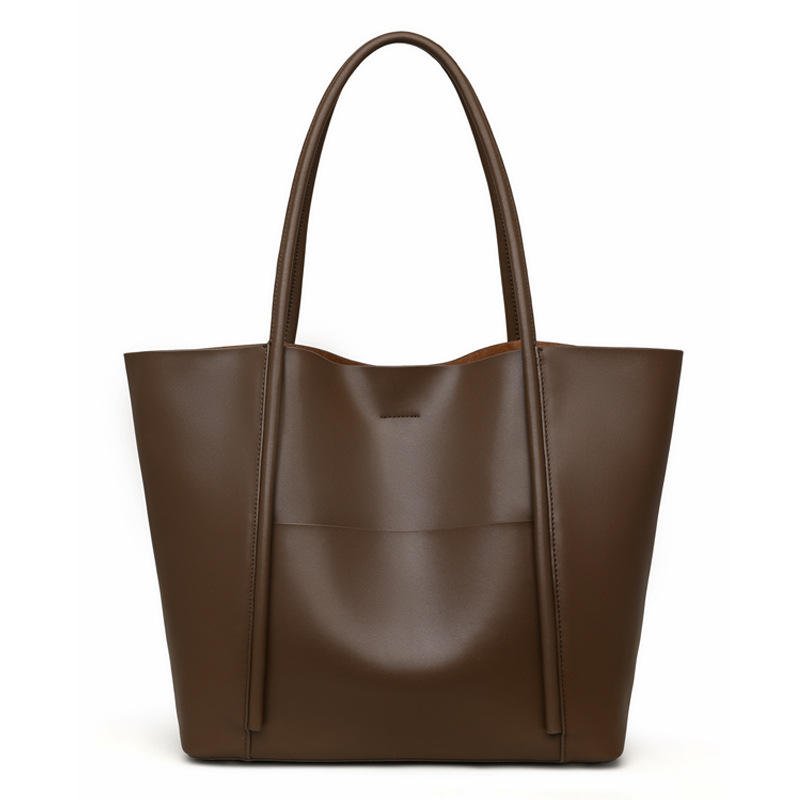
The right thickness for a tote bag depends on whether the bag is meant to feel soft, stand upright, carry heavy items, or hit a specific retail price. Most tote projects do not need one universal thickness. They need the right thickness combination for body panels, handles, and support areas. Good tote development starts by asking how the bag will be used, not by picking the heaviest leather available.
Which Leather Thickness Works for Soft Tote Bags?
Soft tote bags are designed to feel relaxed, comfortable, and easy to carry. They are common in fashion retail, casual daily use, travel, and lifestyle collections where the customer wants a lighter bag with a natural drape.
In most soft tote developments, the body leather usually falls in the range of:
- 0.8–1.0 mm for very soft and lightweight styles
- 1.0–1.2 mm for better balance between softness and support
- 1.2–1.4 mm when the bag is larger or expected to carry more weight
This range works well because the tote remains flexible and comfortable, especially when worn on the shoulder. But soft construction only works well when the rest of the design supports it. A large tote made from 0.9 mm leather with no lining, no base support, and weak handle anchoring will often lose shape too quickly.
Soft totes usually need one or more of the following supporting methods:
- Fabric or microfiber lining
- Light interlining
- Base reinforcement board
- Wider handle attachment area
- Folded top edge for added stability
For customers targeting a premium but relaxed look, the main goal is not maximum stiffness. The goal is controlled softness. That means the bag should look natural, but not careless. It should bend, but not collapse. It should feel light, but not weak.
Here is a simple guide for soft tote development:
| Tote Type | Suggested Body Thickness | Notes |
|---|---|---|
| Small casual tote | 0.8–1.0 mm | Best for light carry and fashion use |
| Medium everyday tote | 1.0–1.2 mm | Good balance for daily essentials |
| Large soft tote | 1.2–1.4 mm | Usually needs lining or base support |
At SzoneierLeather, soft totes are often improved not by adding more thickness everywhere, but by strategically reinforcing the right zones. This keeps the bag elegant while solving common sagging problems.
Which Leather Thickness Works for Structured Tote Bags?
Structured totes need more body support. These bags are expected to look neat when empty, stand better on a flat surface, and keep their silhouette during commuting, office use, gifting, or retail presentation.
A common body thickness range for structured totes is:
- 1.2–1.4 mm for semi-structured bags
- 1.4–1.6 mm for stronger shape retention
- 1.6–2.0 mm for firmer premium or utility-oriented structures
That said, using thick leather alone is not always the best solution. Once body leather goes too thick, the tote may become heavy and uncomfortable. It may also create problems in folded seams, edge paint cracking, and handle turning. In many successful structured totes, firmness comes from a combination of:
- Moderate body leather thickness
- Lining support
- Hidden reinforcement
- Base board
- Controlled handle structure
This approach often gives a better commercial result than making the entire bag from overly thick leather.
The table below shows a practical comparison:
| Structure Goal | Suggested Body Thickness | Added Support Often Needed |
|---|---|---|
| Light semi-structured tote | 1.2–1.4 mm | Light lining or interlining |
| Office tote | 1.4–1.6 mm | Base support, reinforced top edge |
| Premium rigid tote | 1.6–2.0 mm | Strong internal support and careful construction |
For customers, the key question is how the bag should behave after 30 days of use, not only how it looks when new. A structured tote should still look tidy after carrying normal daily items. That depends on thickness, but also on the engineering behind it.
Which Leather Thickness Is Used for Handles?
Handles are the highest-stress leather component in most tote bags. They carry the full load of the bag, and they also affect comfort, appearance, and perceived quality. Handle thickness therefore deserves separate planning.
Most tote handles use one of these construction directions:
- Single-layer leather in stronger thickness
- Double-layer leather for better body and cleaner finish
- Leather with reinforcement core, such as webbing or filler
- Folded leather handles with internal support
A practical handle leather range often falls between:
- 1.4–1.6 mm for lighter soft totes
- 1.6–2.0 mm for standard daily totes
- 2.0 mm and above, or layered construction, for heavier-use totes
But handle performance is not decided by thickness alone. Width, stitch pattern, anchoring length, reinforcement tab size, and attachment method matter just as much. A thick narrow handle can still feel uncomfortable. A thinner handle with webbing reinforcement may perform better than a single thick strip of leather.
Here is a practical handle planning table:
| Handle Type | Common Thickness Direction | Best For |
|---|---|---|
| Simple flat handle | 1.4–1.8 mm | Casual soft totes |
| Double-layer handle | 1.2–1.6 mm x 2 layers | Premium fashion totes |
| Reinforced carry handle | Leather + webbing core | Daily load-bearing totes |
| Heavy-duty handle | 1.8–2.2 mm or layered | Utility or work totes |
For medium to large totes expected to carry laptops, bottles, books, or shopping weight, handle reinforcement becomes essential. In real use, handle failure usually appears before body failure. That is why SzoneierLeather reviews handle thickness together with load expectation, not as a decorative trim decision. Good handles should feel comfortable at first touch and still stay secure after repeated lifting. That balance is what customers remember.
How Do You Choose Leather Thickness for Tote Bags?
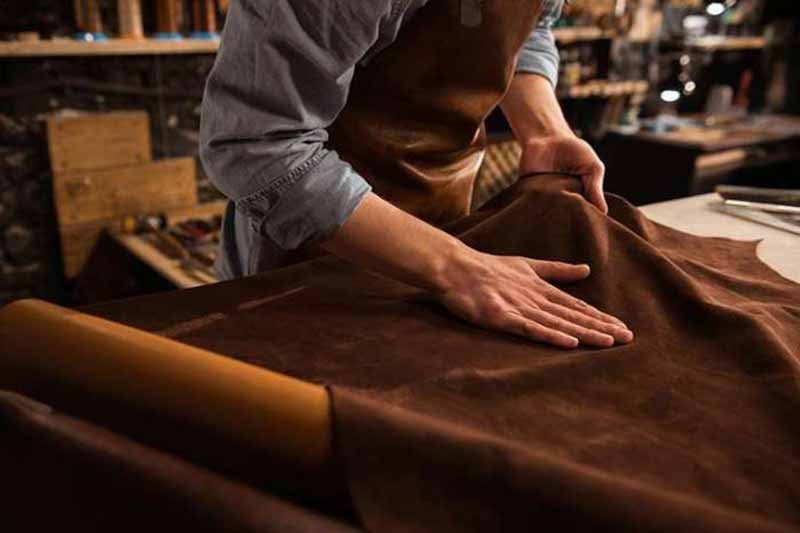
Choosing leather thickness for tote bags is not a single-step decision. It is a process that connects bag size, expected load, construction method, and target market positioning. The same leather thickness can work well in one design and fail in another if the structure or use scenario is different.
A practical way to choose thickness is to evaluate three factors together:
- Bag size and dimensions
- Carrying load and daily usage
- Internal structure such as lining and reinforcement
When these three factors are aligned, thickness selection becomes clear and repeatable across sampling and bulk production.
How Does Size Affect Leather Thickness?
Bag size directly affects how much stress the leather panels will experience. Larger totes create more surface area, which increases the chance of sagging, deformation, and seam stress.
A small tote (for example 25–30 cm width) can function well with thinner leather because the panel span is short and less likely to collapse. A large tote (40–50 cm width) behaves very differently. The wider base and taller side panels require more support, otherwise the bag will lose shape quickly.
Here is a practical size-to-thickness relationship:
| Tote Size | Typical Dimensions | Suggested Body Thickness |
|---|---|---|
| Small tote | ≤ 30 cm width | 0.8–1.2 mm |
| Medium tote | 30–40 cm width | 1.0–1.4 mm |
| Large tote | ≥ 40 cm width | 1.2–1.6 mm (with support) |
For larger totes, increasing thickness alone is not always the best solution. It may solve sagging but create new issues:
- Increased weight
- Harder edge folding
- Reduced comfort
Instead, experienced factories often combine moderate thickness with structural support such as:
- Base reinforcement board
- Internal lining
- Side panel reinforcement
From a customer perspective, this approach provides better balance between usability and durability.
How Does Weight Load Change Leather Thickness?
Load capacity is one of the most important but often underestimated factors when choosing leather thickness.
Different tote bag use cases involve different weight expectations:
| Use Scenario | Typical Load | Risk Level |
|---|---|---|
| Light fashion tote | 2–4 kg | Low |
| Daily commute tote | 4–8 kg | Medium |
| Shopping or utility tote | 8–12 kg | High |
When load increases, stress concentrates at specific areas:
- Handle attachment points
- Upper edge seams
- Bottom corners
If thickness is too low for the load, problems appear quickly:
- Handles stretch or deform
- Bottom panels sag
- Seams open or weaken
However, simply increasing thickness across the entire bag is not always efficient. A smarter approach is targeted reinforcement.
Example of optimized structure:
| Area | Thickness Strategy |
|---|---|
| Body panels | Medium thickness for flexibility |
| Handles | Higher thickness or layered |
| Bottom panel | Reinforced or doubled layer |
| Stress points | Bartack stitching or extra patch |
Testing data in production shows that reinforced structures can improve load performance by 2–3 times compared to uniform thickness designs.
For customers, this means better durability without unnecessary increase in material cost or product weight.
How Do Layers Affect Leather Thickness?
In real manufacturing, the thickness of a tote bag is not just the leather itself. It is the combination of all layers used in construction.
A typical tote bag may include:
- Outer leather layer
- Inner lining (fabric or microfiber)
- Interlining or reinforcement
- Edge folding layers
- Handle attachment layers
When these layers are combined, the total thickness at certain points can become significant.
Example of thickness buildup:
| Area | Layer Composition | Total Thickness Impact |
|---|---|---|
| Body panel | Leather + lining | Moderate |
| Top edge | Folded leather + stitching | Thick |
| Handle base | Leather + reinforcement + stitching | Very thick |
| Bottom seam | Multiple panels joined | Very thick |
This is where many design problems occur. If the original leather thickness is already high, layering can make the product:
- Difficult to sew
- Bulky in appearance
- Uncomfortable to carry
To solve this, factories use several techniques:
- Reducing thickness in hidden areas
- Skiving (thinning edges before folding)
- Using softer lining materials
- Adjusting seam design
A balanced design often performs better than simply increasing leather thickness.
At SzoneierLeather, thickness selection always considers the final assembled thickness, not just the raw material specification. This helps avoid problems during sewing and ensures the product looks clean and refined.
What Problems Come from Wrong Leather Thickness?
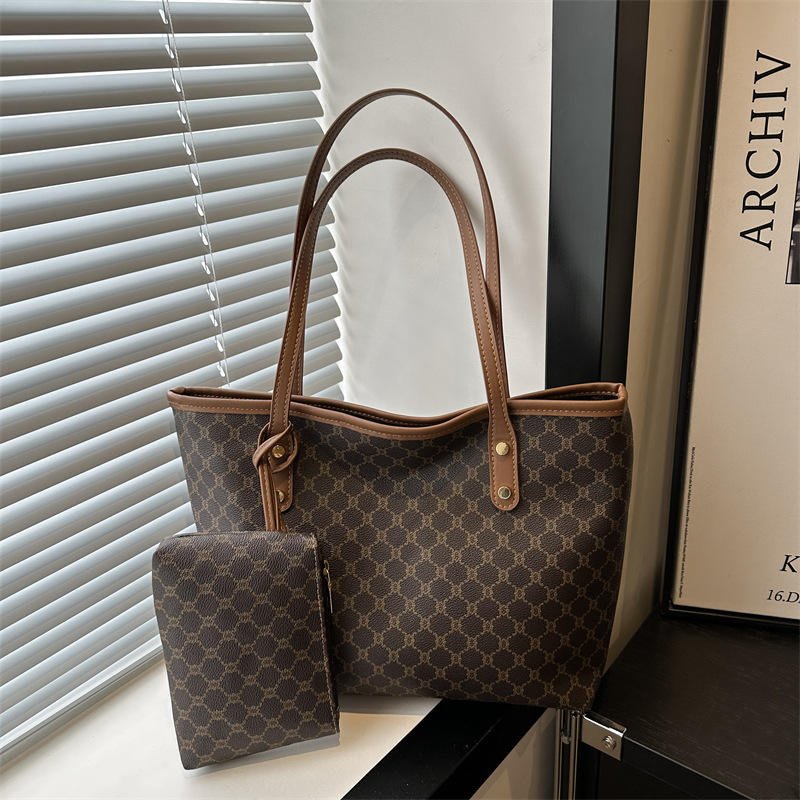
Choosing the wrong leather thickness can lead to structural issues, production difficulties, and higher costs. These problems often appear after sampling or even after products reach the market, making them expensive to fix.
What Happens If Leather Thickness Is Too Thin?
When leather is too thin for the intended use, the most common issue is loss of structure.
Typical problems include:
- Bag body collapsing
- Bottom sagging under load
- Handles stretching over time
- Visible wrinkles and deformation
These issues become more obvious in larger tote bags or bags used for heavier loads.
From a product performance perspective:
| Issue | Cause |
|---|---|
| Sagging shape | Insufficient body support |
| Weak handles | Thin material under stress |
| Short lifespan | Material fatigue |
Thin leather can still work well if supported correctly, but without reinforcement, durability is limited.
What Happens If Leather Thickness Is Too Thick?
Excessive thickness creates a different set of problems.
Common issues include:
- Heavy overall weight
- Stiff and uncomfortable feel
- Difficulty in sewing and edge finishing
- Bulky seams and poor appearance
Production challenges also increase:
| Problem | Impact |
|---|---|
| Sewing difficulty | Slower production speed |
| Needle stress | Higher breakage risk |
| Edge finishing | Less clean results |
For customers, overly thick leather may reduce product appeal, especially in fashion or daily-use categories.
How Does Leather Thickness Affect Cost?
Leather thickness has a direct impact on production cost.
Cost factors include:
- Material consumption (thicker leather = higher cost)
- Cutting efficiency (thicker leather may reduce yield)
- Labor cost (harder to sew)
- Equipment wear (more stress on machines)
Here is a simplified cost comparison:
| Thickness Level | Material Cost | Production Difficulty | Overall Cost Impact |
|---|---|---|---|
| Thin | Lower | Easier | Lower |
| Medium | Balanced | Moderate | Optimal |
| Thick | Higher | Difficult | Higher |
For most commercial tote bags, a balanced thickness strategy provides the best result in terms of cost and performance.
How Do Factories Control Leather Thickness for Tote Bags?
Factories control leather thickness for tote bags by managing the entire process—from raw hide selection to splitting, cutting, sewing, and final inspection. The goal is not just to meet a target thickness number, but to ensure every panel, handle, and reinforcement area performs consistently in real use.
How Do Factories Keep Leather Thickness Stable?
Keeping thickness stable starts before production begins. It begins with how leather is selected and processed.
Factories usually control thickness through four main steps:
- Raw material selection Leather is chosen based on grain quality, fiber density, and uniformity. High-quality hides provide better consistency across panels.
- Splitting process Leather is passed through a splitting machine to reach the target thickness. This step must be precise because uneven splitting leads to inconsistent product feel.
- Panel grading and sorting After cutting, panels are often sorted to ensure similar thickness and appearance are used in the same product.
- In-line measurement and inspection Thickness is checked during production using gauges to ensure it stays within tolerance.
Typical thickness tolerance in controlled production:
| Leather Type | Practical Tolerance |
|---|---|
| Full-grain leather | ±0.15–0.25 mm |
| Split leather | ±0.10–0.20 mm |
| Coated leather | ±0.10–0.15 mm |
If thickness variation is not controlled, it can lead to:
- Uneven handles
- Mismatched panels
- Inconsistent edge finishing
- Assembly difficulty
For customers, stable thickness means that bulk production will match the approved sample, reducing risk and improving consistency.
What Tests Check Leather Thickness Quality?
Testing is an important step to ensure that the selected thickness performs well in real use conditions.
Factories typically apply several types of tests:
- Thickness measurement test
- Confirms leather meets specification
- Uses digital thickness gauges
- Load-bearing test (finished product)
- Simulates real usage conditions
- Checks handle strength and seam durability
- Flexibility test
- Evaluates bending performance
- Important for soft tote designs
- Abrasion resistance test
- Checks surface durability
- Important for high-contact areas
Example of load testing standards:
| Tote Type | Test Load | Test Duration |
|---|---|---|
| Fashion tote | 3–5 kg | 24 hours |
| Daily tote | 5–10 kg | 24–48 hours |
| Heavy-duty tote | 10–20 kg | 48 hours |
Products that fail testing are adjusted or redesigned before bulk production.
For customers, testing ensures that the product will perform as expected, reducing after-sales issues and improving brand reputation.
How Does SzoneierLeather Manage Leather Thickness?
SzoneierLeather manages leather thickness through an integrated production system that connects material sourcing, development, and manufacturing.
Key practices include:
- Material control from source Leather is selected based on project requirements, ensuring the right balance of thickness, strength, and appearance.
- Customized thickness planning Each product is evaluated individually. Body panels, handles, and reinforcement areas are assigned different thickness levels when needed.
- Sampling validation Samples are produced and tested before bulk production to confirm thickness performance.
- Production consistency control Standard operating procedures ensure that every batch follows the same process.
- Quality checkpoints Multiple inspections are conducted during production to maintain consistency.
Comparison of production approach:
| Aspect | Basic Factory | SzoneierLeather |
|---|---|---|
| Thickness planning | Single standard | Customized per product |
| Material sourcing | Multiple suppliers | Controlled supply chain |
| Sampling accuracy | Variable | Consistent |
| Production stability | Medium | High |
| Quality control | End-stage focus | Full-process control |
For customers, this means:
- More reliable samples
- Better consistency in bulk orders
- Clear communication during development
- Reduced risk in product launch
Work With SzoneierLeather to Develop the Right Leather Thickness
Choosing the right leather thickness is not just a technical step—it is a key part of building a successful product. The wrong choice can lead to structural issues, poor user experience, and higher costs. The right choice creates balance between durability, comfort, appearance, and efficiency.
SzoneierLeather brings over 18 years of experience in leather product development and manufacturing, supporting brands and businesses in creating high-quality leather tote bags and accessories.
Services include:
- Custom leather thickness selection based on product use
- Free design and structure consultation
- Fast sampling (5–7 days)
- Low MOQ production
- Full OEM and ODM support
- Integrated supply chain for stable quality
Whether you are developing a new tote bag design or improving an existing product, SzoneierLeather can help you optimize leather thickness and overall construction for better performance and market success.
If you have a design, concept, or sample, you can reach out to discuss your project and receive a tailored production solution.


